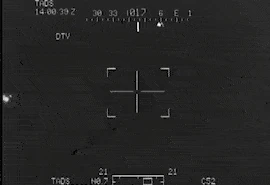
Space Shuttle Columbia disaster
Space Shuttle Columbia broke apart during re-entry, killing all seven crew.

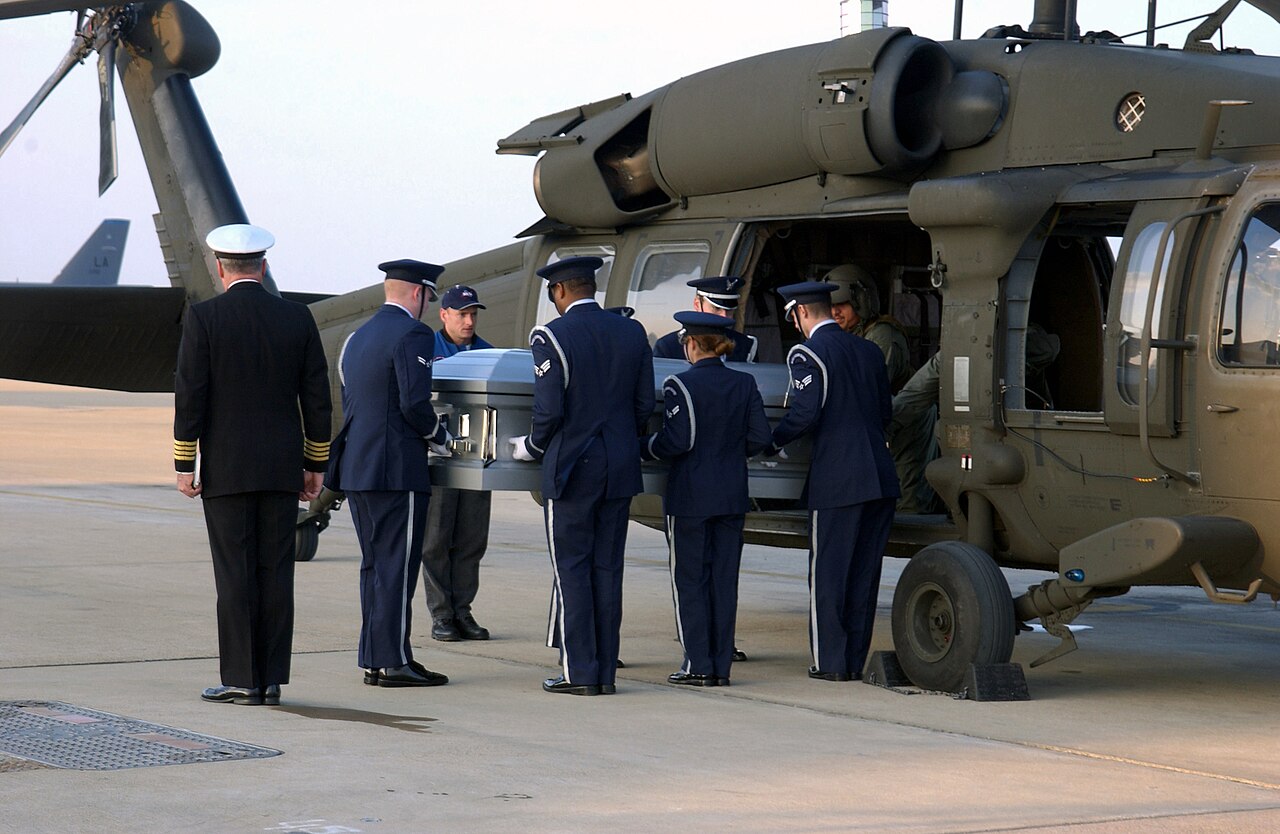
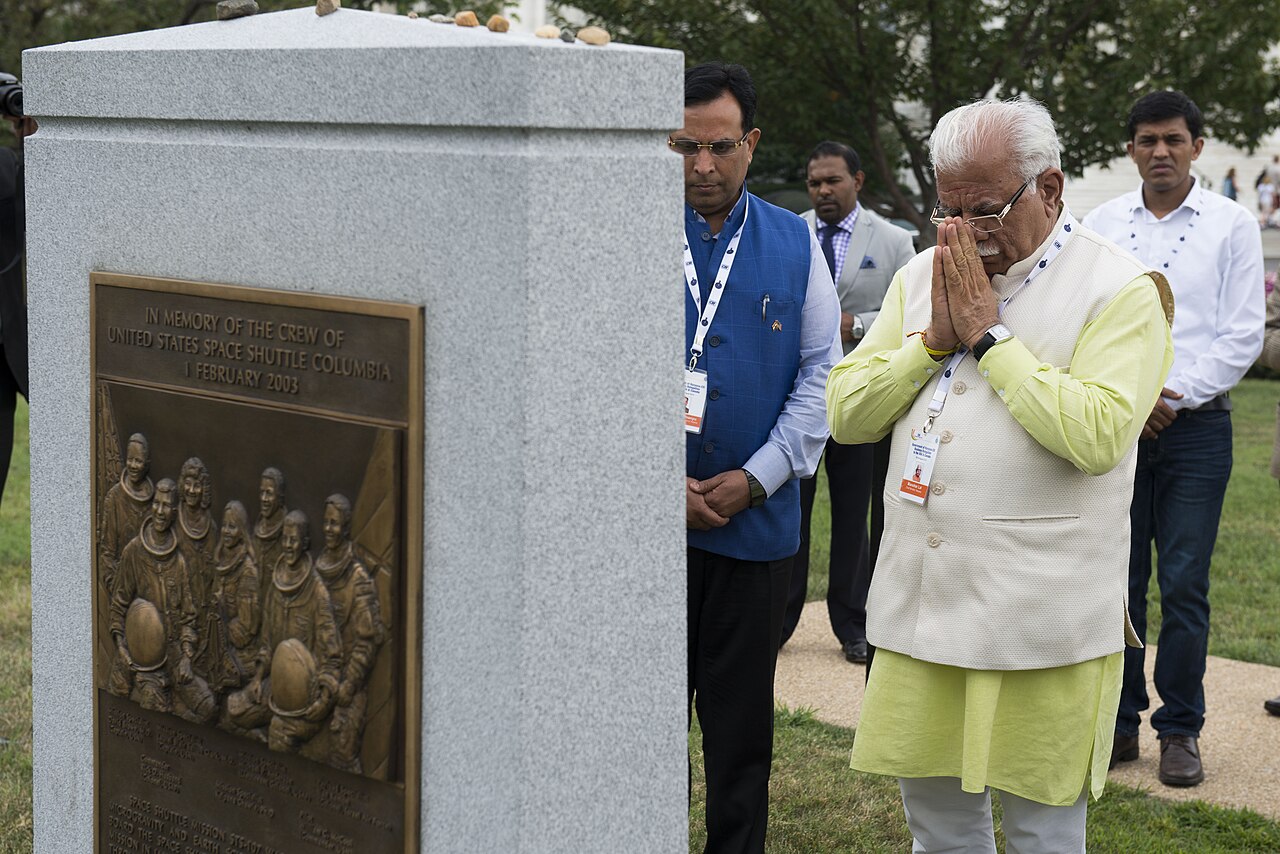
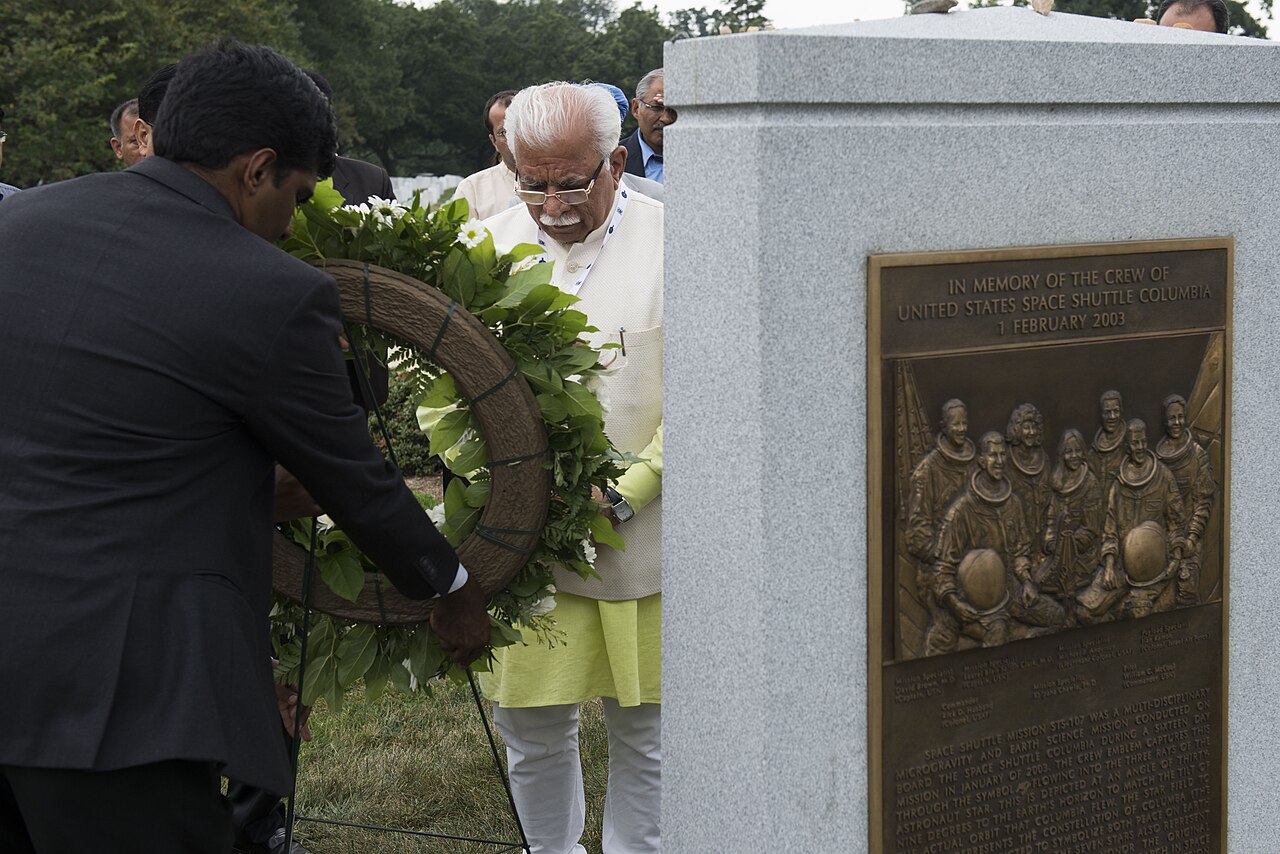
Arlington National Cemetery · Public domain
The Space Shuttle Columbia disaster occurred on February 1, 2003, when the orbiter Columbia disintegrated during re-entry over Texas and Louisiana, killing all seven astronauts aboard. It was the second Space Shuttle mission to end in catastrophe, following the loss of Challenger in 1986, and led to a suspension of Space Shuttle flights for over two years.
Quick Facts
- Date
- 2003-02-01
- Time
- 8:59 am EST (13:59 UTC)
- Location
- Over Texas and Louisiana
- Inquiries
- Columbia Accident Investigation Board
- Cause
- Damage to the left wing's leading edge by debris from the external tank during launch
- Outcome
- Loss of Columbia and seven astronauts; Space Shuttle fleet grounded for 29 months and subsequently retired after completion of the International Space Station.
Facts from the source article.
Lore & Background
Columbia was the first space-rated orbiter constructed, following the atmospheric test vehicle Enterprise. The mission, STS-107, was dedicated to research conducted mainly aboard the SpaceHab module inside the payload bay. During launch, a piece of insulating foam broke off from the external tank and struck the thermal protection system tiles on the orbiter's left wing. Similar foam shedding had occurred on previous launches, causing damage ranging from minor to near-catastrophic, but some engineers suspected the damage to Columbia was more serious.
Reader's Guide
The Columbia disaster had profound consequences for the Space Shuttle program. Flight operations were suspended for more than two years, as they had been after the Challenger disaster. Construction of the International Space Station was paused until flights resumed in July 2005 with STS-114. NASA implemented technical and organizational changes, including on-orbit inspection of the thermal protection system and continual readiness of designated rescue missions. Except for one mission to repair the Hubble Space Telescope, subsequent Shuttle missions flew only to the ISS to allow the crew to use it as a haven if damage prevented safe re-entry. The remaining three orbiters were retired after the ISS was completed.
Did You Know?
- Foam strikes occurred on 65 of the 79 Space Shuttle launches with available imagery.
- The bipod ramp foam that struck Columbia had been observed falling off on six prior flights.
- After the STS-27 debris strike in 1988, the crew was immediately directed to inspect the vehicle, unlike on STS-107.
- The external tank was covered in insulating foam to keep liquids cold and prevent ice formation.
A Mission That Captured a Nation
The STS-51-L mission was the 10th flight of the Challenger orbiter and the 25th in NASA's Shuttle program. Its payload included deploying a commercial communications satellite and conducting observations of Halley's Comet. However, what made this flight uniquely visible was the inclusion of Christa McAuliffe, a schoolteacher selected through the Teacher in Space Project. This element transformed the mission from a routine engineering operation into a cultural event. Schools across the United States gathered to watch the launch live, and media coverage was significantly elevated compared to typical Shuttle flights. The combination of scientific objectives, commercial deployment, and the human-interest narrative of an educator among the astronauts created an audience far beyond the usual space-enthusiast community. When the vehicle broke apart 73 seconds after liftoff, the nation was watching. The first fatal American in-flight spacecraft accident occurred at 11:39 a.m. Eastern Standard Time, roughly 46,000 feet above the Atlantic off Cape Canaveral.
The Chain of Mechanical Failure
The root cause traced to the right Solid Rocket Booster's field joint, where two Viton-rubber O-rings—each spanning 20 feet in diameter with a cross-section of just 0.280 inches—were meant to contain the scorching, high-pressure gases of burning solid propellant. On the cold morning of January 28, 1986, record-low temperatures had stiffened the rubber, compromising both the primary and secondary seals. Moments after ignition, hot gas breached the joint and eroded the aft attachment strut that tied the SRB to the external propellant tank. The gas then penetrated the tank wall itself. The resulting collapse of the ET's internal structure, combined with the uncontrolled rotation of the booster, yanked the entire stack—already accelerating toward Mach 1.92—into an orientation where aerodynamic forces exceeded the orbiter's structural limits and tore it apart. Both SRBs separated from the destroyed tank and flew on unguided until the range safety officer transmitted a destruct command.
Ignored Warnings and Broken Culture
The Rogers Commission, established by President Reagan, delivered a damning assessment of NASA's organizational culture. Test data going back to 1977 had flagged the O-ring seals as a potentially catastrophic vulnerability, yet neither NASA nor Morton Thiokol, the SRB manufacturer, had resolved the known defect. On the morning of the launch, engineers raised explicit concerns about the dangers of flying in the unusually low temperatures. Those warnings were not escalated to decision-makers. Managers effectively overrode the technical objections, and the launch proceeded. The commission's findings painted a picture of an institution where schedule pressure and a normalized-deviance culture had supplanted engineering caution. The failure was not merely mechanical; it was a systemic breakdown in how risk was communicated, weighed, and ultimately dismissed within the organization.
Recovery, Reform, and a Lesson Unlearned
In the aftermath, NASA endured a 32-month halt to Shuttle operations. A three-month search and recovery effort retrieved the crew compartment and scattered debris from the ocean floor. While the precise moment each crew member perished remains unknown, several are believed to have survived the initial structural breakup; however, the orbiter had no escape system, and the crew compartment's impact with the sea at terminal velocity was unsurvivable. NASA created the Office of Safety, Reliability, and Quality Assurance, shifted commercial satellite deployment to expendable rockets, and approved construction of the replacement orbiter Endeavour in 1987, with its first flight in 1992. Future missions flew with redesigned SRBs and crews wore pressurized suits during ascent and reentry. Yet in February 2003, Columbia disintegrated during reentry, and its investigation board concluded that NASA had failed to internalize the lessons of Challenger.
Gallery
Frequently Asked Questions
When and where did the Space Shuttle Columbia break apart?
Columbia disintegrated on February 1, 2003, while descending through the atmosphere over Texas and Louisiana.
How many astronauts were killed in the Columbia disaster?
All seven crew members aboard the orbiter perished when the vehicle broke apart during its final approach to landing.
What was the mission designation for Columbia's final flight?
The flight carried the designation STS-107, which was Columbia's 28th and last mission as well as the 113th overall Space Shuttle flight.
How did the Columbia loss affect the rest of the Space Shuttle program?
NASA grounded the entire Shuttle fleet for more than two years following the accident, making it the second catastrophic Shuttle loss after the 1986 Challenger tragedy.
During which phase of the flight did Columbia fail?
The orbiter broke apart during atmospheric re-entry, meaning it was already on its final descent and committed to landing when the structural failure occurred.
More in Space program fatalities 1-24
Spotted an error? Know more?
Reader corrections go straight into our review queue. Suggest an edit · How this site is sourced