1966 NASA T-38 crash
Two Gemini astronauts died in a 1966 T-38 crash.

Michael Rivera · CC BY-SA 4.0
On February 28, 1966, a Northrop T-38 Talon jet trainer from NASA crashed at Lambert Field in St. Louis, Missouri, killing astronauts Elliot See and Charles Bassett. Both were members of NASA's astronaut corps and had been assigned as the prime crew for the Gemini 9 mission. Their deaths led to a reshuffling of crew assignments for subsequent Gemini and Apollo missions, indirectly affecting the course of the U.S. space program.
Quick Facts
- Date
- February 28, 1966, 8:58 am CST
- Summary
- Controlled flight into terrain
- Occurrence Type
- Accident
- Site
- McDonnell Aircraft Building 101, adjacent to Lambert Field, / near St. Louis, Missouri, U.S.
- Aircraft Type
- Northrop T-38 Talon
- Origin
- Ellington Air Force Base, Texas
- Destination
- Lambert Field, St. Louis, Missouri
- Tail Number
- NASA 901
- Occupants
- 2
- Survivors
- 0
Facts from the source article.
Lore & Background
Elliot See and Charles Bassett were the prime crew assigned to the Gemini 9 mission. On February 28, 1966, they flew from Ellington Air Force Base in Texas to St. Louis for simulator training at McDonnell Aircraft. See piloted the T-38 with Bassett in the rear seat; a second T-38 carried backup crew Thomas Stafford and Eugene Cernan. Weather at Lambert Field was poor with rain, snow, fog, and low clouds. Both aircraft missed the outer marker and overshot the runway. See attempted a visual circling approach but lost visual reference; his plane struck the roof of McDonnell Building 101, where the Gemini 9 spacecraft was being assembled. Both astronauts died instantly.
Reader's Guide
The crash of NASA T-38 901 killed two experienced astronauts and forced NASA to reassign crews for Gemini 9 and later missions. The backup crew of Stafford and Cernan became the prime crew for Gemini 9A. Jim Lovell and Buzz Aldrin, originally backup for Gemini 10, became backup for Gemini 9A and later prime for Gemini 12. Without that Gemini experience, Aldrin might not have been chosen for Apollo 11. The accident did not delay the space program, but it reshaped the astronaut rotation. The investigation, led by Alan Shepard, concluded pilot error was the cause, though weather and other factors were considered.
Did You Know?
- The crash occurred within 500 feet of the Gemini 9 spacecraft, which was undamaged.
- Contrary to myth, Charles Bassett was not decapitated; his severed head was not found in the rafters.
- Four McDonnell employees were injured by falling debris from the crash.
- Stafford and Cernan, in the second T-38, were not told of the crash until after they landed.
The Fatal Approach
On a gray February morning in 1966, two T-38 Talon jets lifted off from Ellington Air Force Base in Texas, carrying four astronauts bound for St. Louis. Elliot See and Charles Bassett, the prime crew for Gemini 9, occupied the lead aircraft, while backup crewmates Tom Stafford and Gene Cernan followed in wing position. Their destination was McDonnell Aircraft, where two weeks of rendezvous and docking simulator training awaited at the facility assembling their spacecraft. It was a route the group had flown repeatedly. Lambert Field that morning was shrouded in rain, snow, and fog, with a cloud ceiling barely a thousand and a half feet overhead. When both jets broke below the overcast shortly before nine, the pilots realized they had overshot the runway after missing the outer marker. See elected a visual circling approach, completing a left turn at five hundred feet before lining up for the southwest runway. With gear down and flaps deployed, the aircraft dropped too far left. See fired the afterburner and yanked the nose up in a hard right turn. At 8:58 a.m., the jet struck the roof of McDonnell Building 101, shed its right wing, and cartwheeled into a parking lot beyond.
The Human Toll
The impact was absolute. Both astronauts perished from crash trauma. See was hurled clear of the cockpit and discovered in the parking lot still strapped into his ejection seat, the parachute only partially deployed. Bassett's injuries were so severe that he was decapitated on impact; his severed head was not located until later that day, found resting in the rafters of the damaged assembly building. Inside Building 101, seventeen McDonnell employees and contractors sustained mostly minor injuries from cascading debris. Several small fires broke out, and broken pipes and sprinklers caused minor flooding. The tragedy struck within five hundred feet of the very spacecraft See and Bassett had been assigned to fly in orbit. Their Gemini 9 vehicle, S/C9, emerged undamaged, though a fragment of the T-38's wing struck the unfinished S/C10 spacecraft nearby. Meanwhile, Stafford and Cernan circled overhead in the second jet, unaware of their partners' fate. Air traffic controllers, confused by two aircraft executing different abort procedures, could not determine which plane had crashed. Only after landing were Stafford and Cernan told what had happened. Devastated by the loss of close friends, Stafford served as NASA's point of contact at the scene until relief personnel arrived.
The Investigation and the Verdict
NASA moved swiftly to determine what had gone wrong. A seven-member investigation panel was appointed immediately, with Alan Shepard, the Chief of the Astronaut Office, placed at its head. The panel examined a wide range of possible contributing factors, including the pilots' medical condition, the aircraft's maintenance history, the severe weather, and the role of air traffic control. In the end, however, the panel's verdict pointed squarely at pilot error, citing See's failure to maintain visual reference during the landing as the primary cause. The official report described See as a 'cautious and conservative' pilot. Not everyone in the astronaut corps agreed with that characterization. In his memoir, chief astronaut Deke Slayton was far less diplomatic, dismissing See's flying as 'old-womanish.' Others took a different view. Neil Armstrong, who had served alongside See as part of the backup crew for Gemini 5, later spoke in defense of See's piloting ability, suggesting the verdict oversimplified a complex set of circumstances. The debate over See's skill has persisted among those who knew him, making the crash's official explanation a source of ongoing discussion within the astronaut community.
The Crew Shuffle and Program Continuity
Paradoxically, the crash dealt no blow to the spacecraft itself. S/C9 was undamaged and shipped to NASA just two days after the accident. The U.S. space program experienced neither schedule delays nor engineering changes as a result. The true ripple, however, was in crew assignments. With the Gemini 9 prime crew gone, Stafford and Cernan were promoted from backup to the primary position for the mission, which was re-designated Gemini 9A and launched in early June. Jim Lovell and Buzz Aldrin, who had previously served as the backup crew for Gemini 10, were slotted in as the new backup for 9A. Through the standard rotation system, that assignment then carried them forward as the prime crew for Gemini 12 later in 1966. This reshuffling carried consequences far beyond the Gemini program. Had Aldrin not gained that Gemini flight experience through the crew rotation, he would have been an unlikely candidate for the 1969 lunar landing. In a single tragic morning, the loss of See and Bassett quietly rewrote the trajectory of the entire Apollo effort, placing different men on the Moon than history might otherwise have chosen.
Gallery
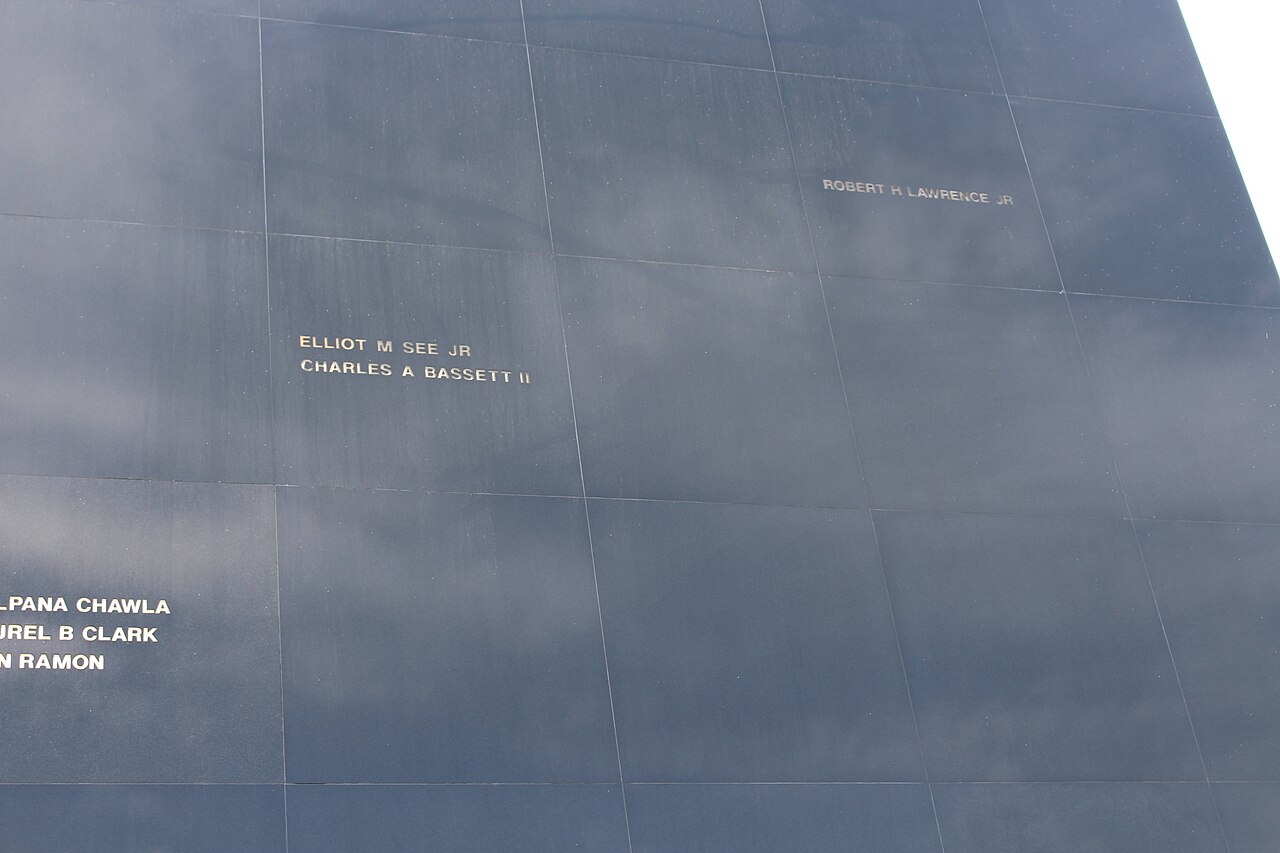
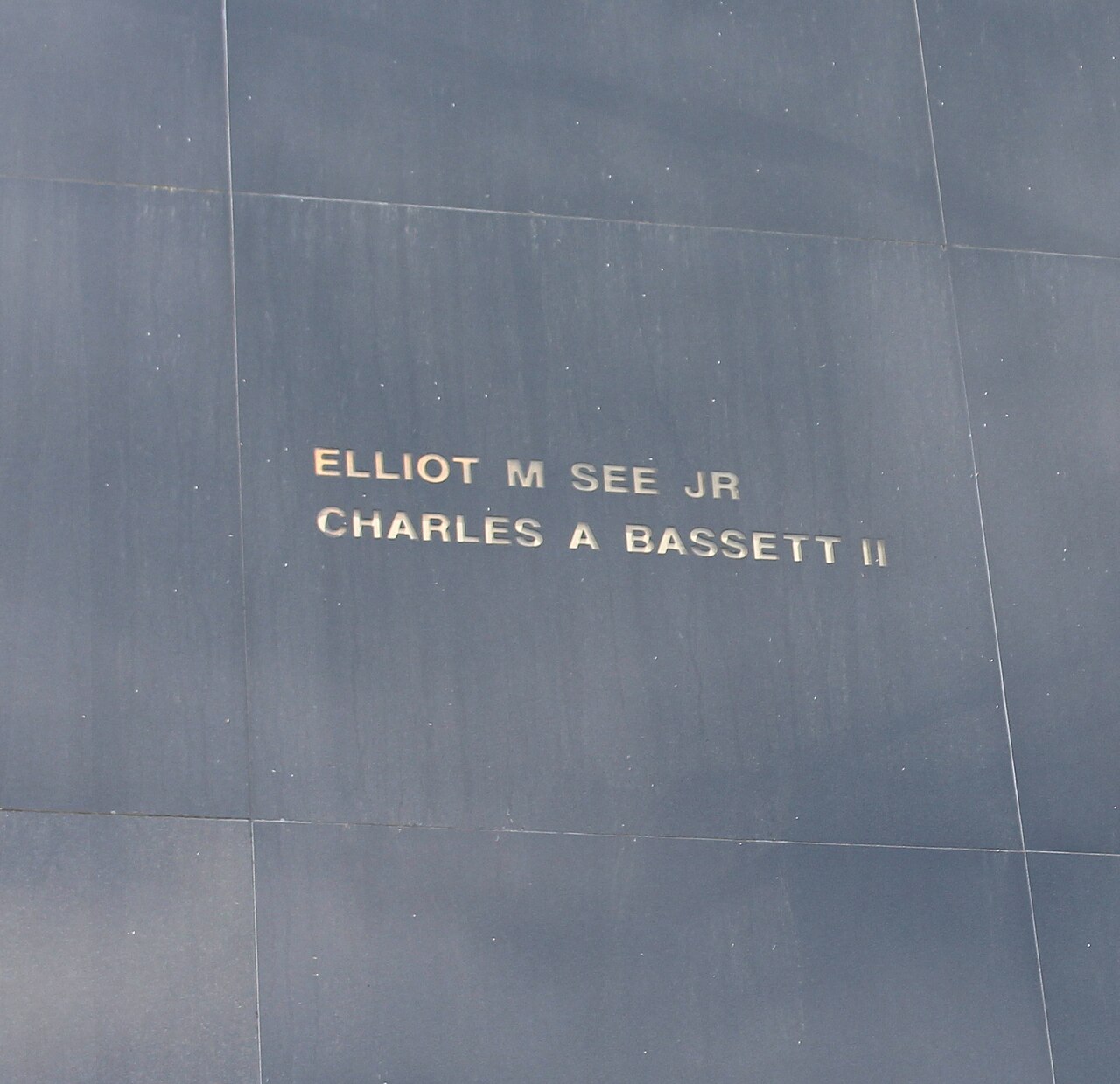
Frequently Asked Questions
Who died in the 1966 NASA T-38 crash?
Astronauts Elliot See and Charles Bassett were killed when their Northrop T-38 Talon jet trainer went down at Lambert Field in St. Louis, Missouri, on February 28, 1966.
What mission were See and Bassett supposed to fly?
Both men had been selected as the prime crew for the Gemini 9 orbital spaceflight, which would have been their first mission together in space.
Where and when did the 1966 T-38 crash happen?
The accident took place on the morning of February 28, 1966, at Lambert Field, the municipal airport serving St. Louis, Missouri.
How did the 1966 T-38 crash affect the rest of the U.S. space program?
Losing two experienced astronauts forced NASA to reshuffle crew pairings for the remaining Gemini flights and early Apollo missions, indirectly shifting the course of the entire program.
What was the T-38 Talon and why were the astronauts flying it?
The Northrop T-38 Talon was a supersonic jet trainer that NASA used to keep its astronaut corps sharp on flight skills, and See and Bassett were in a routine training session when the crash occurred.
More in Space program fatalities 1-24
Spotted an error? Know more?
Reader corrections go straight into our review queue. Suggest an edit · How this site is sourced