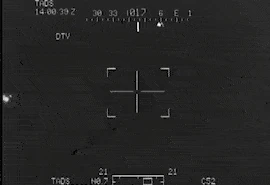
Space Shuttle Challenger disaster
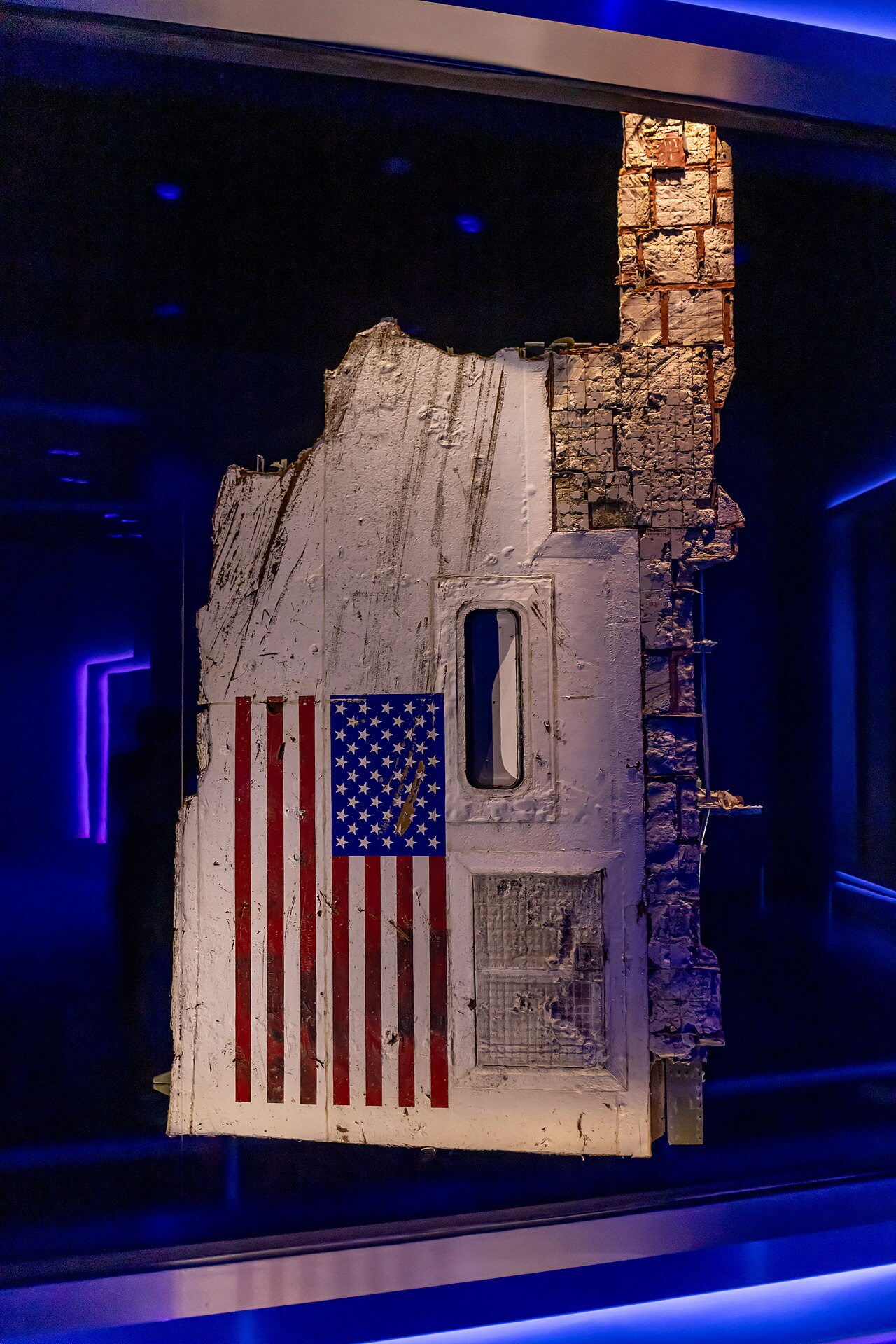
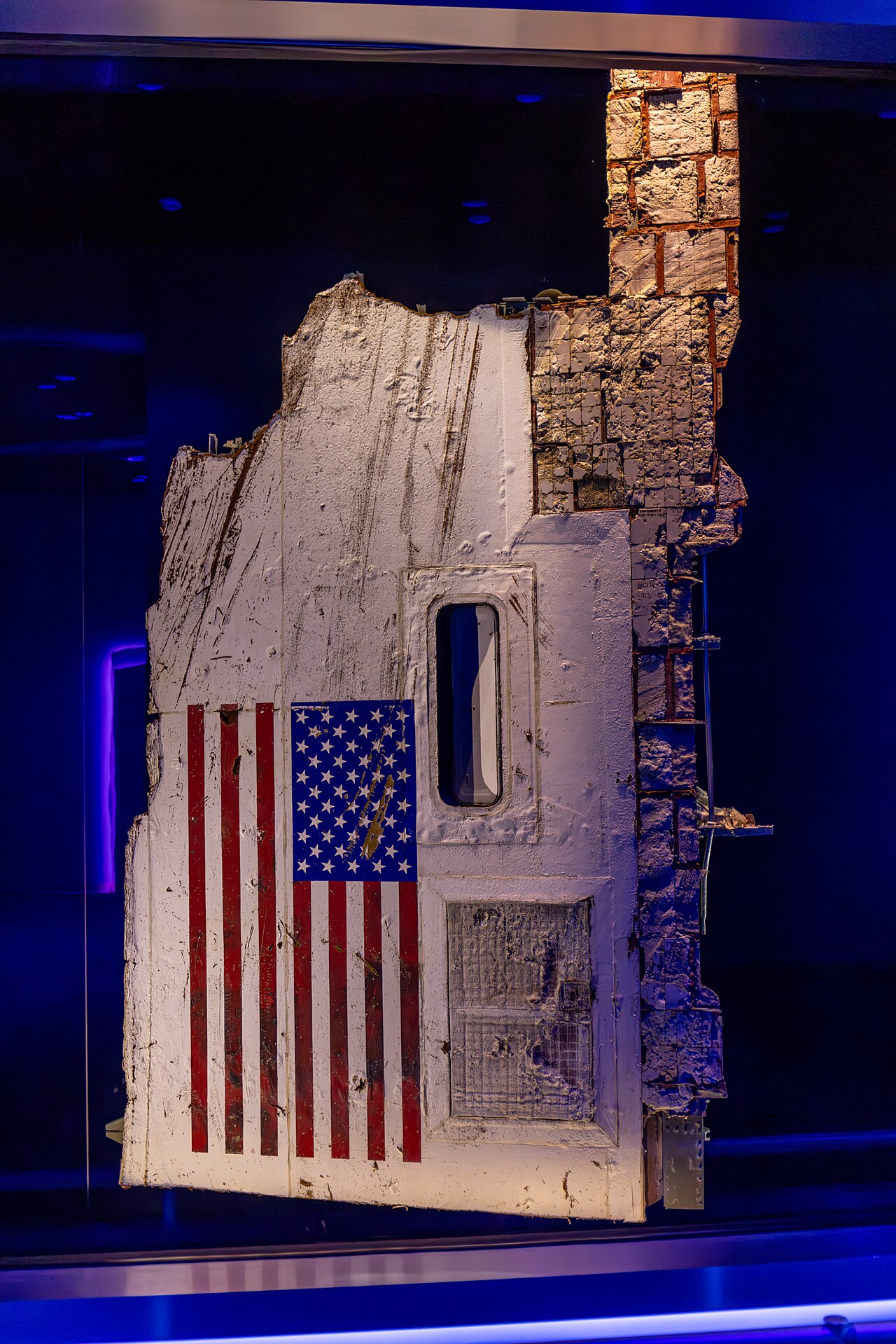
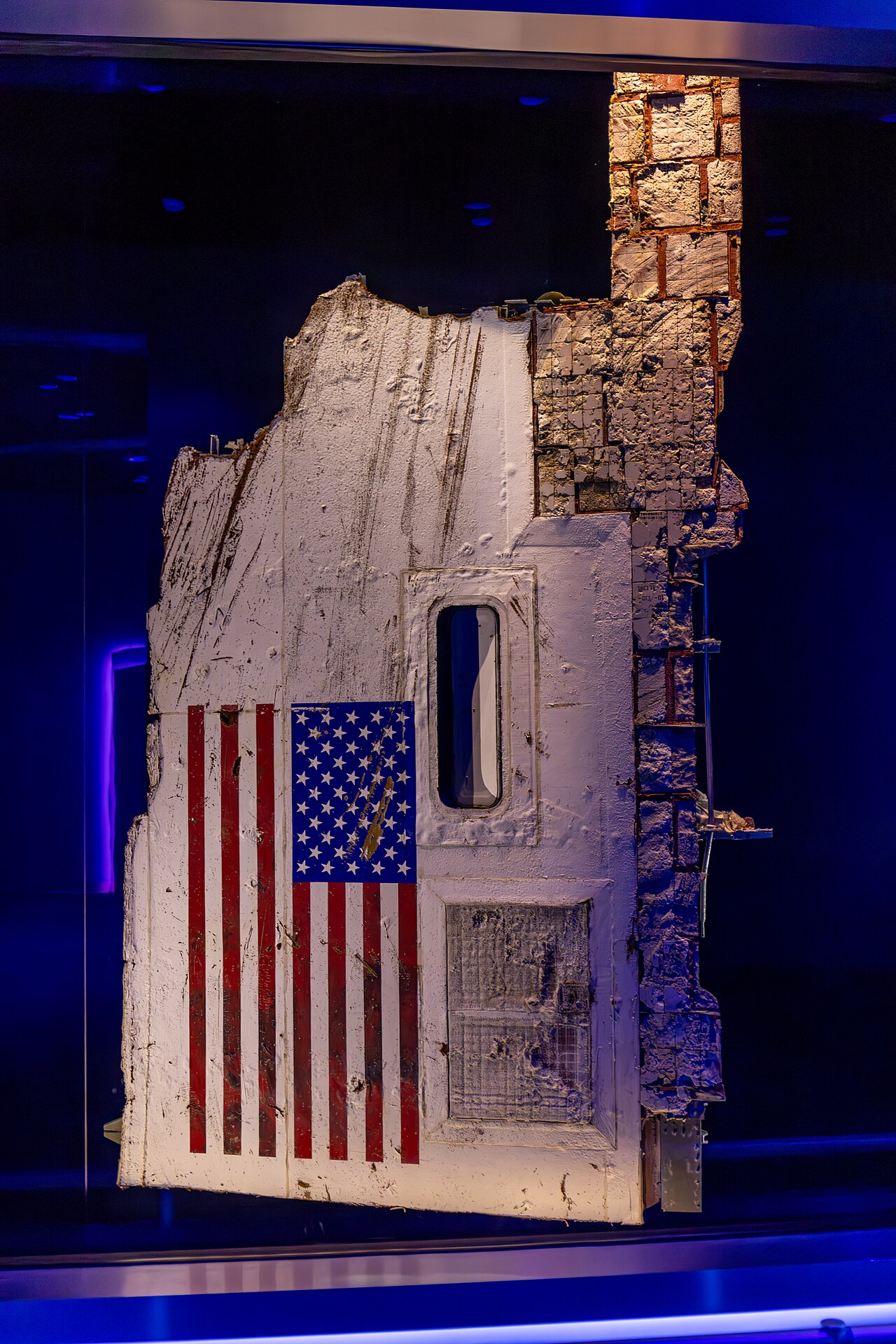
Space Shuttle Challenger broke apart 73 seconds after launch, killing all seven crew.

Balon Greyjoy · CC BY-SA 3.0
The Space Shuttle Challenger disaster occurred on January 28, 1986, when the Space Shuttle Challenger broke apart 73 seconds into its flight, killing all seven crew members. It was the first fatal accident involving an American spacecraft while in flight, and the mission, designated STS-51-L, was the 10th flight for the orbiter and the 25th flight of NASA's Space Shuttle program. The disaster led to a 32-month hiatus in the program and prompted significant changes in NASA's safety practices.
Quick Facts
- Date
- 1986-01-28
- Time
- 16:39:13 UTC (11:39:13 EST)
- Location
- Atlantic Ocean, off the coast of Florida
- Cause
- O-ring seal failure in right SRB due to cold weather and wind shear
- Inquiries
- Rogers Commission Report
Facts from the source article.
Lore & Background
President Ronald Reagan created the Rogers Commission to investigate the accident. The commission criticized NASA's organizational culture and decision-making processes. Test data since 1977 had demonstrated a potentially catastrophic flaw in the SRBs' O-rings, but neither NASA nor SRB manufacturer Morton Thiokol had addressed this known defect. NASA managers also disregarded engineers' warnings about the dangers of launching in low temperatures and did not report these technical concerns to their superiors.
Reader's Guide
The Challenger disaster had a profound impact on NASA and the Space Shuttle program. It resulted in a 32-month hiatus in flights and led to the establishment of the Office of Safety, Reliability, and Quality Assurance. NASA arranged for deployment of commercial satellites from expendable launch vehicles rather than from a crewed orbiter. The construction of a new orbiter, Endeavour, was approved in 1987 to replace Challenger, and it first flew in 1992. Subsequent missions were launched with redesigned SRBs and crews wore pressurized suits during ascent and reentry. The disaster also highlighted systemic issues in NASA's decision-making and risk assessment. In February 2003, the Space Shuttle Columbia disintegrated during re-entry, and the Columbia Accident Investigation Board concluded that NASA had failed to learn lessons from the Challenger disaster, which resulted in the second disaster.
Did You Know?
- The spacecraft disintegrated at 46,000 feet (14 km) above the Atlantic Ocean, off the coast of Cape Canaveral, Florida.
- The O-rings were listed as Criticality 1R on the SRB Critical Items List, indicating failure could destroy the vehicle and cause loss of life.
- A 1977 test showed up to 0.042 inches (1.07 mm) of joint rotation occurred during simulated launch pressure, weakening O-ring seals.
- The crew compartment was recovered from the ocean floor after a three-month search and recovery operation.
A Mission That Captured a Nation
STS-51-L was far more than a routine orbital assignment. Scheduled as the tenth flight of the orbiter Challenger and the twenty-fifth mission in NASA's Shuttle program, the crew carried a commercial communications satellite, planned observations of Halley's Comet, and—most notably—Christa McAuliffe, a schoolteacher selected through the Teacher in Space Project. That final element transformed the launch into a national event. Classrooms across the United States tuned in to watch the liftoff live, and the broader media coverage far exceeded what a typical Shuttle mission attracted. On the morning of January 28, 1986, that audience watched in stunned silence as the vehicle disintegrated roughly forty-six thousand feet above the Atlantic, just off the coast of Cape Canaveral, only seventy-three seconds after ignition. The event marked the first time an American crewed spacecraft had been lost in flight, and the images of the breakup became seared into the public consciousness of an entire generation.
The Chain of Mechanical Failure
The root cause traced back to two Viton-rubber O-ring seals in a field joint on the right solid rocket booster. On that unseasonably cold morning, the rubber had stiffened, losing the flexibility needed to maintain a proper seal. Within moments of liftoff, the primary seal was breached, and the secondary seal followed. Superheated, high-pressure combustion gas from inside the booster poured through the compromised joint. It first ate through the aft attachment strut that tethered the booster to the external propellant tank, then gnawed into the tank's structure itself. Once the tank's internal framework gave way, the booster began to rotate. The entire shuttle stack—still climbing at roughly Mach 1.92—was yanked into an attitude that subjected the orbiter to aerodynamic loads it was never designed to endure, and the vehicle tore itself apart. Both boosters, now free of the destroyed tank, continued on uncontrolled trajectories until the range safety officer transmitted a command to detonate them. The crew compartment, containing the seven astronauts, fell to the ocean at terminal velocity with no escape system available.
An Investigation That Exposed a Culture
The Rogers Commission, established by President Ronald Reagan in the wake of the tragedy, delivered a damning assessment of NASA's internal practices. Its findings revealed that test data collected as early as 1977 had already flagged the O-ring seals as a potentially catastrophic weakness, yet neither the agency nor Morton Thiokol, the booster's manufacturer, had taken meaningful corrective action. On the morning of the launch, engineers who understood the risks posed by the record-low temperatures raised explicit objections. Those warnings were overruled by management, and the technical concerns were never escalated to the decision-makers who ultimately gave the go-ahead. The commission's report did not simply blame a single component or a single individual; it pointed to a broader organizational culture in which dissent was suppressed and safety was subordinated to schedule. The Shuttle program ground to a halt for thirty-two months while the agency reckoned with what it had learned.
Rebuilding, and the Lessons That Were Not Learned
In the years following the disaster, NASA undertook sweeping reforms. A new Office of Safety, Reliability, and Quality Assurance was created to give safety oversight a dedicated institutional home. Commercial satellite deployments were shifted away from crewed Shuttle flights and onto expendable launch vehicles, removing a significant risk from human missions. The solid rocket boosters were redesigned, and crews were required to wear pressurized suits during both ascent and reentry. A replacement orbiter, Endeavour, received approval in 1987 and made its maiden flight in 1992, restoring the fleet to five vehicles. Yet the hardest lesson proved the most difficult to internalize. When Columbia broke apart during reentry in February 2003, the Columbia Accident Investigation Board concluded that the agency had failed to carry forward the safety culture reforms that Challenger's loss was supposed to demand. The second tragedy became a stark reminder that institutional memory, without enforced accountability, can erode within a single generation.
Gallery
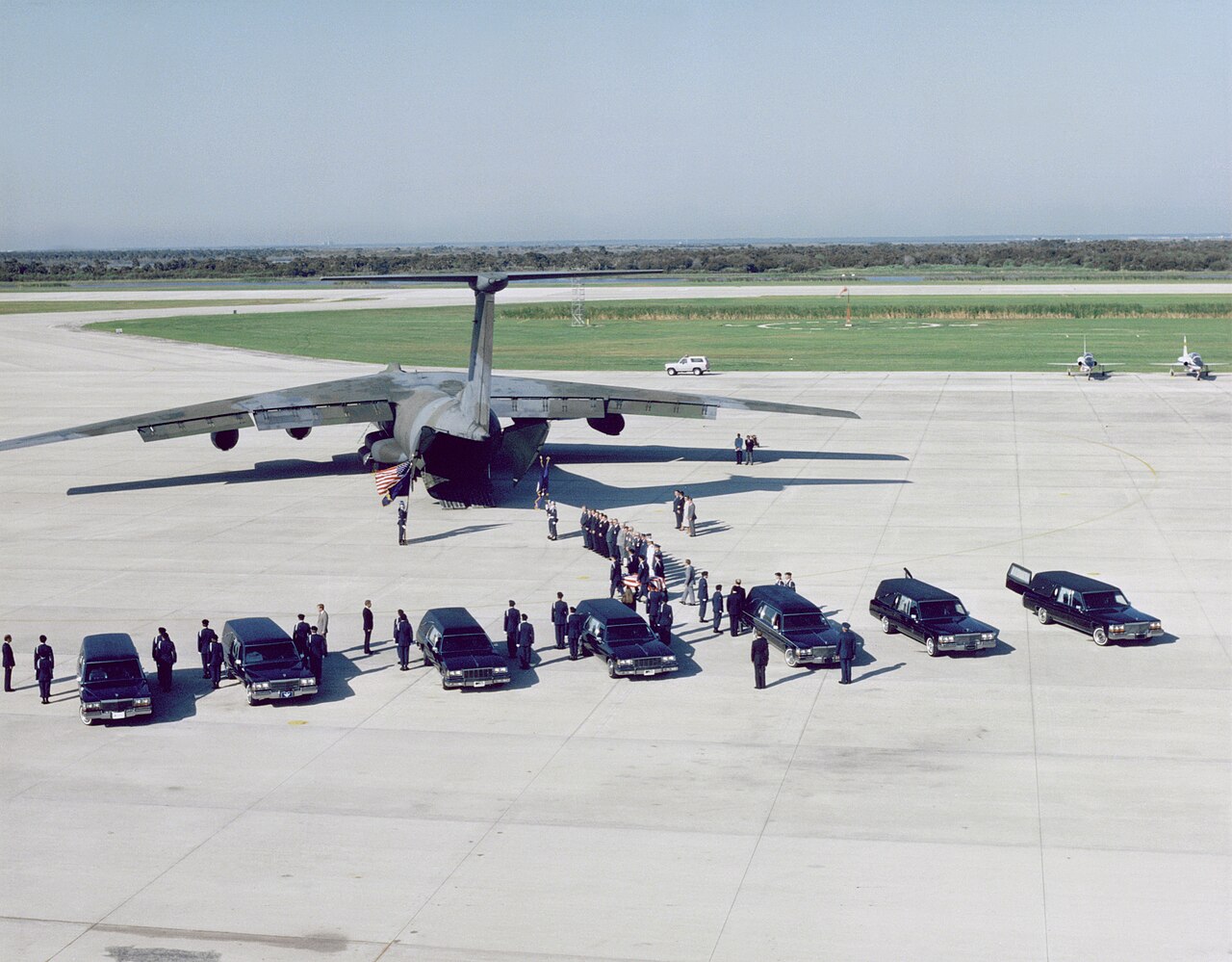
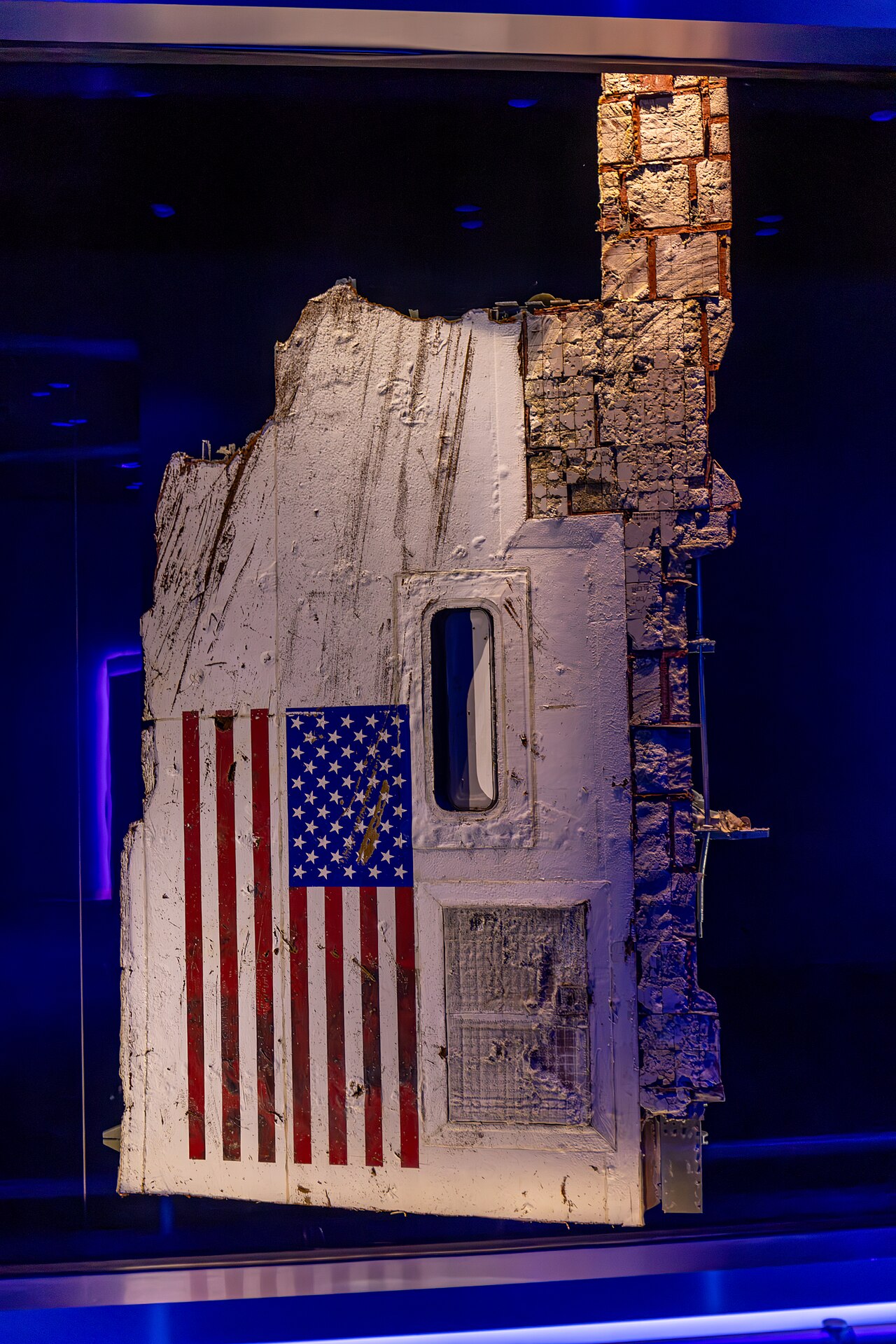
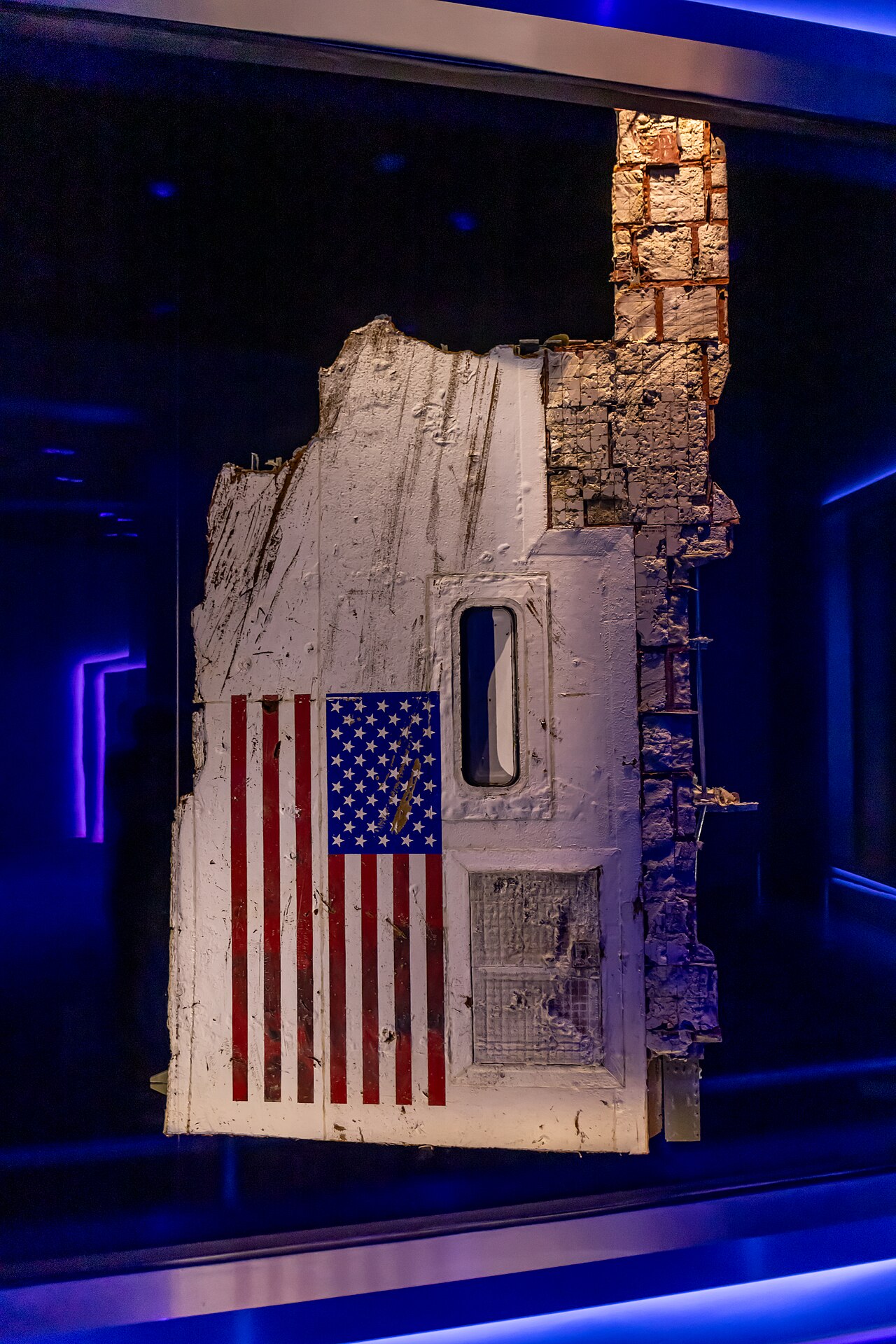
Frequently Asked Questions
Who is Space Shuttle Challenger disaster?
It was a catastrophic launch failure on January 28, 1986, in which the orbiter Challenger (OV-099) disintegrated 73 seconds after liftoff, killing its entire seven-person crew. The incident was designated mission STS-51-L and took place over the Atlantic Ocean off the coast of Florida.
What is Space Shuttle Challenger disaster's role in spaceflight history?
It stands as the first time an American crewed spacecraft was lost in flight, marking a turning point during the Shuttle program's 25th mission. The event shattered the public assumption that the reusable shuttle was as safe as a conventional single-use rocket.
Why is Space Shuttle Challenger disaster important?
It exposed serious gaps in how NASA communicated engineering concerns to decision-makers and how it managed institutional pressure to keep launch schedules on track. The disaster remains a foundational case study in systems safety, organizational psychology, and the ethics of risk communication.
What are Space Shuttle Challenger disaster's key facts?
The orbiter broke apart at roughly 46,000 feet above the Atlantic, with all seven crew members—including educator Christa McAuliffe—perishing instantly. The launch occurred at 11:39 a.m. Eastern Time on a cold January morning, and the mission was the tenth flight for that particular orbiter.
More in Space program fatalities 1-24
Spotted an error? Know more?
Reader corrections go straight into our review queue. Suggest an edit · How this site is sourced