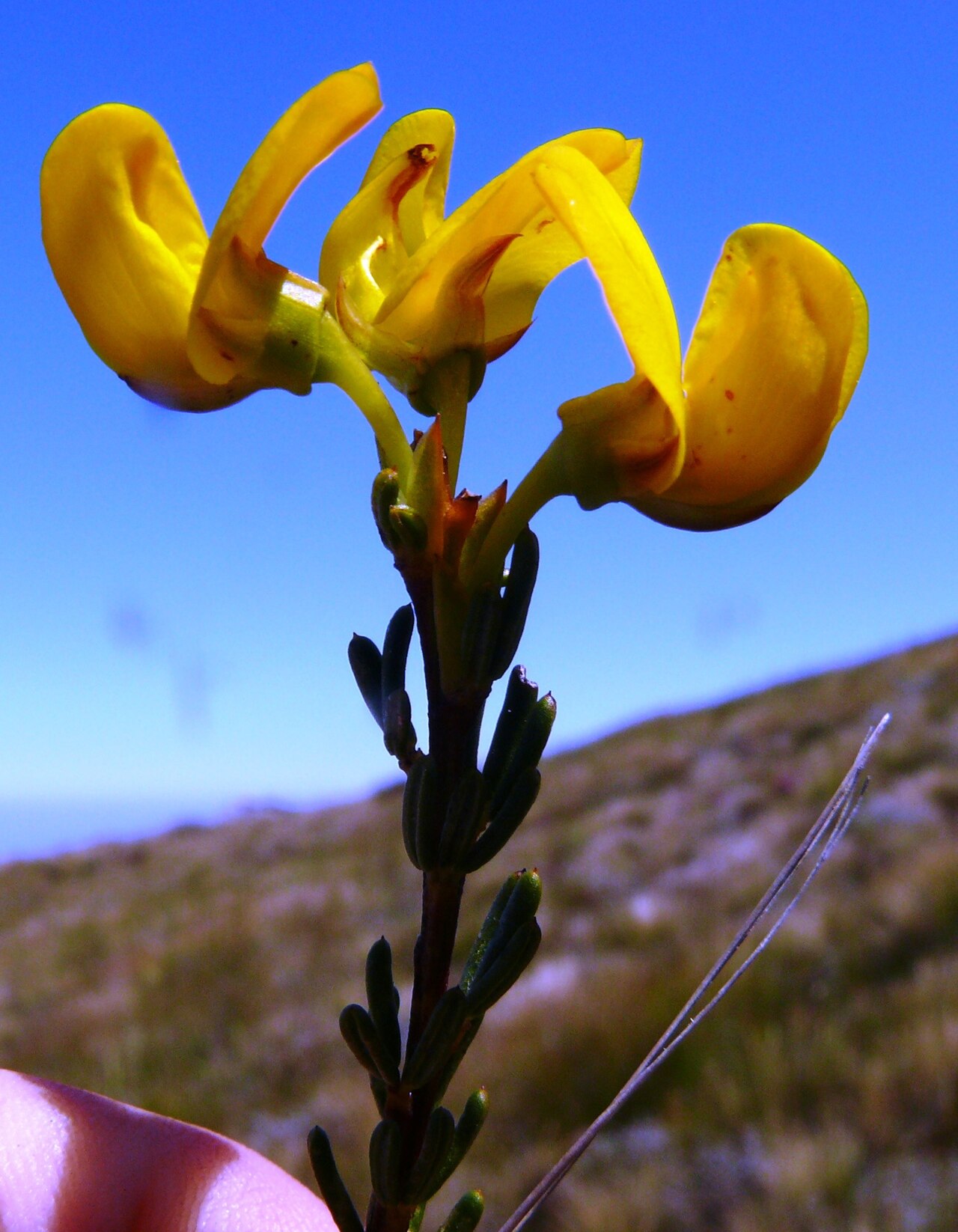
Cyclopia (plant)
A genus of South African plants used for herbal tea.

Tony Rebelo · CC BY-SA 4.0
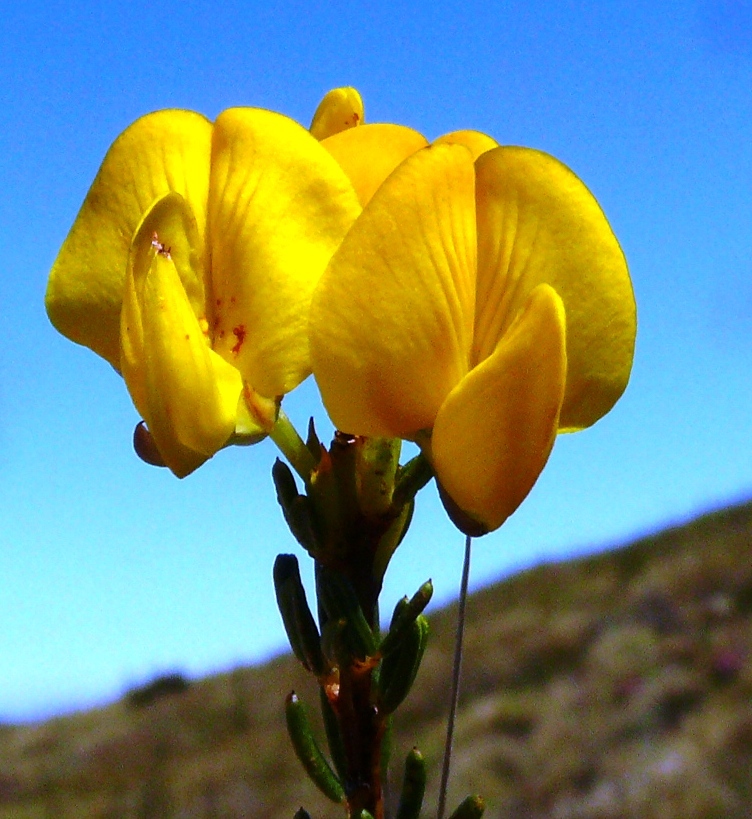
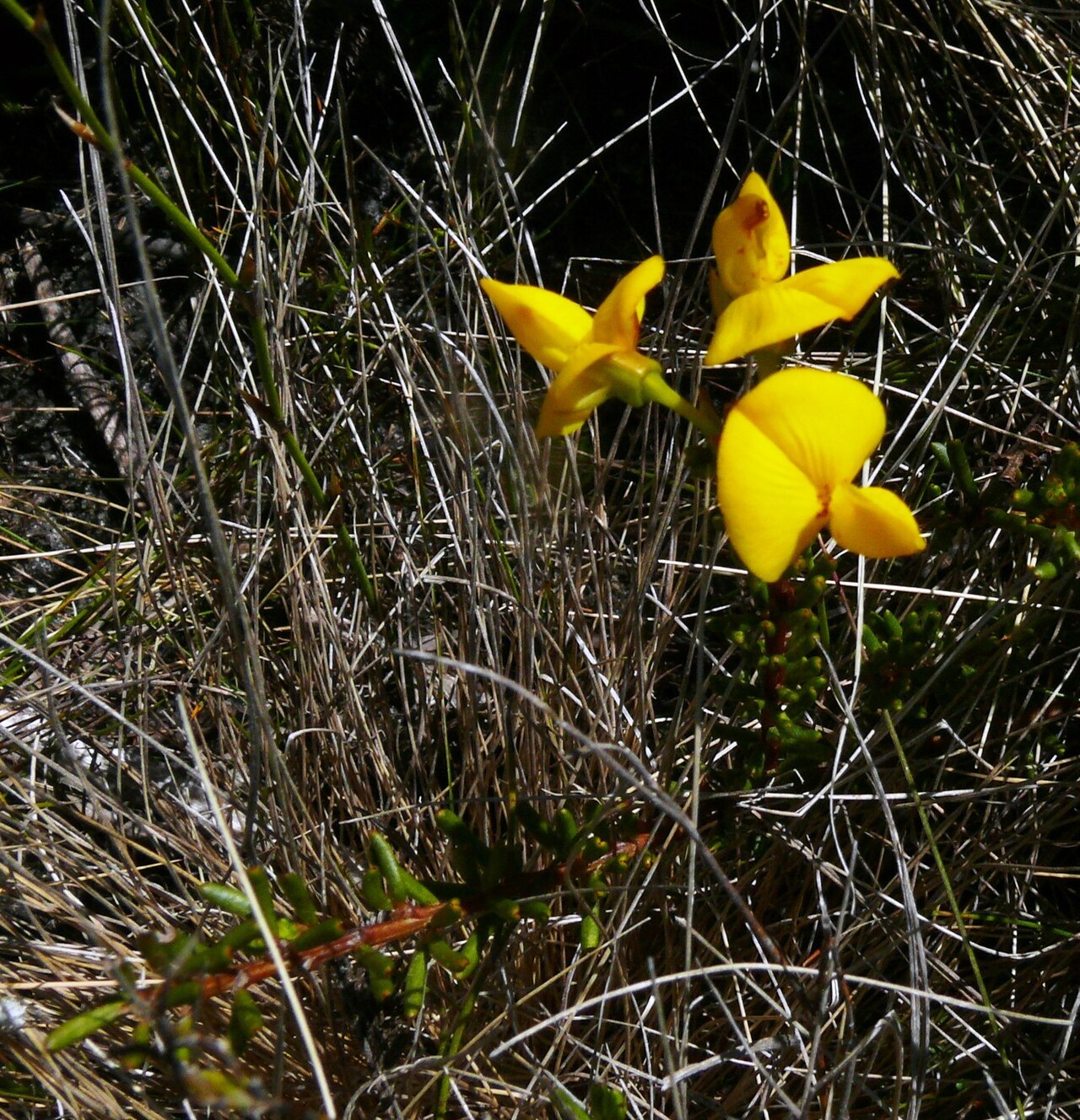
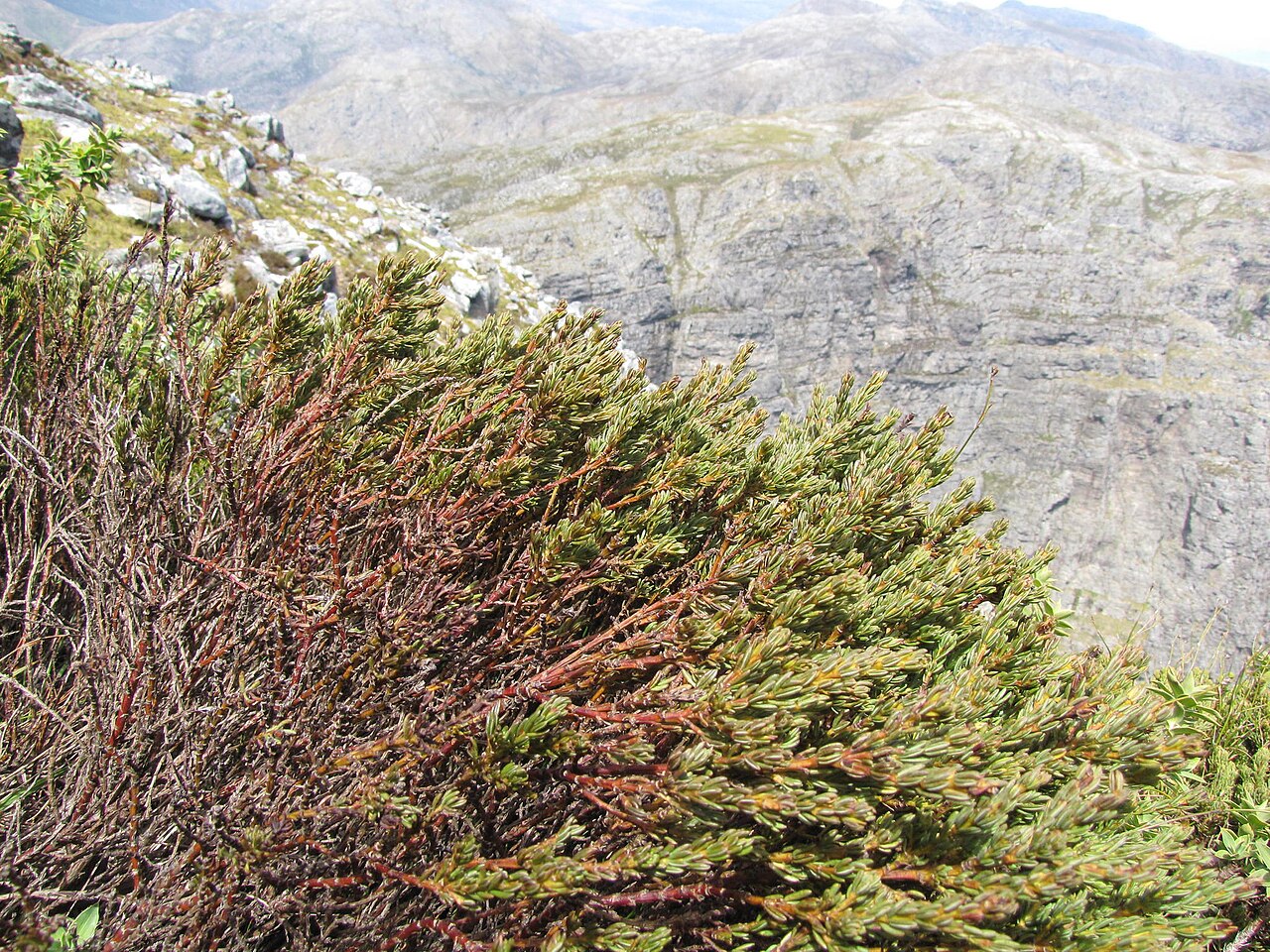
Cyclopia, also called honeybush or heuningbos in Afrikaans, is a genus of around 20 flowering plant species belonging to the legume family Fabaceae, subfamily Faboideae. These plants are found naturally in the southern and southwestern Cape Provinces of South Africa. The genus was first described in 1808 by French botanist Étienne Pierre Ventenat. A later name, Ibbetsonia, published in 1810, is now considered a synonym; John Sims gave that name to honor physiologist Agnes Ibbetson.
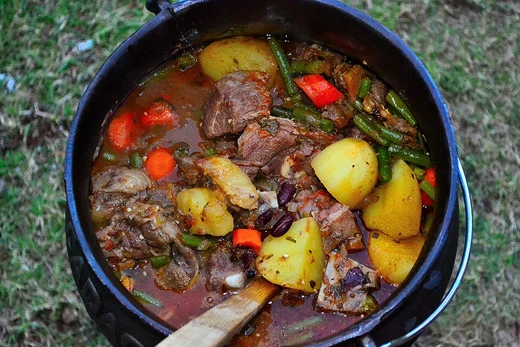
The leaves of honeybush are often used to brew herbal tea. It grows only in small areas of the southern and southwestern Cape Provinces and shares many traits with rooibos. Unlike rooibos, honeybush is a distinct herbal tea, not typically grouped with red tea. The plant gets its common name from the honey-like scent of its flowers. The tea tastes similar to rooibos but is slightly sweeter. In some rural areas, it was traditional to keep a kettle of honeybush tea simmering on the stove, ready to drink and filling the house with its aroma—unlike tea from *Camellia sinensis*, honeybush tea does not become bitter when steeped for a long time.
Dozens of wild honeybush species exist, but only about four or five are commonly used at home or commercially. These include: *Cyclopia intermedia* (bergtee, or mountain tea), found between Port Elizabeth and the edge of the Langkloof; *Cyclopia genistoides* (kustee, or coastal tea), mostly in the Western Cape near Yzerfontein and Darling, and also thriving in the South Cape if cultivated; *Cyclopia maculata*, grown in the Outeniqua area near George; *Cyclopia sessiliflora* (Heidelberg-tee), named after the South African town Heidelberg, where it grows in the local mountains; and *Cyclopia subternata* (vleitee, or marshland tea, also called valleitee). Some species can be farmed, while others resist cultivation and must be harvested from the wild. Germination can be tricky—some seeds have elaiosomes and may rely on specific ants or birds. *Cyclopia intermedia* (mountain tea) is harvested in the Kouga mountains, where it grows naturally. After harvesting or fire, it regenerates within three years, so only about a third of the mountain’s yield is available each year through rotation. Mountain tea and valley tea flower in September and October, while coastal tea flowers in May and June.
Honeybush tea is processed in two ways.
- Genus
- Cyclopia
- Family
- Fabaceae, subfamily Faboideae
- Native to
- Southern and southwestern Cape Provinces of South Africa
- Described by
- Étienne Pierre Ventenat (1808)
- Number of species
- Some 20
- Common name
- Honeybush or heuningbos
- Notable use
- Leaves used to make herbal tea
Lore & Background
The leaves of honeybush are commonly used to make herbal teas. It grows only in small areas in the southern and southwestern Cape Provinces of South Africa and has many similarities with rooibos. Honeybush is a distinct herbal tea, not typically grouped with red tea. Honeybush is so named because the flowers smell of honey. The taste of honeybush tea is similar to that of rooibos but a little sweeter. In some rural districts, it used to be common practice to keep a kettle of honeybush tea infusing on the stove ready for drinking while scenting the whole house—unlike tea prepared from Camellia sinensis, the product does not turn bitter with long-term simmering.
There are dozens of species of honeybush tea found in the wild, of which about four or five are in widespread home or commercial use.
Reader's Guide
Cyclopia, or honeybush, holds significance as a source of herbal tea native to limited areas of South Africa. Its leaves are processed into a sweet, non-bitter tea that does not turn bitter with prolonged simmering, unlike Camellia sinensis tea. The genus comprises about 20 species, with only a few used commercially, such as Cyclopia intermedia (mountain tea) and Cyclopia genistoides (coastal tea). Harvesting practices vary: some species are cultivated, while others, like mountain tea, are harvested in the wild and regenerate within three years after harvesting or fire, requiring rotational harvesting of less than one third of the mountain yield annually. The tea is low in tannin (0.45%) and contains bioactive compounds including isoflavones, flavones, cinnamic acids, coumestans, xanthonoids, and mangiferin and isomangiferin (in Cyclopia subternata). Processing involves traditional sun oxidation or modern heated tank oxidation at 70–90 °C for two to three days, followed by air-drying and grading into super fine, regular fine, and coarse grades for different tea bag and loose tea applications. The genus was described by French botanist Étienne Pierre Ventenat in 1808, with the synonym Ibbetsonia published two years later by John Sims in honor of physiologist Agnes Ibbetson.
Did You Know?
- The name Ibbetsonia, published two years after Cyclopia, is regarded as a synonym of this genus; John Sims commemorated the physiologist Agnes Ibbetson with this name.
- Honeybush tea does not turn bitter with long-term simmering, unlike tea from Camellia sinensis.
- Some honeybush species bear elaiosomes and might be dependent on particular ants or birds for seed germination.
- Cyclopia intermedia (mountain tea) regenerates within three years after harvesting or fire, so less than one third of the mountain yield is available for harvesting each year by rotation.
Taxonomy and Nomenclature
Cyclopia is a genus encompassing roughly twenty flowering plant species within the legume family Fabaceae, specifically the subfamily Faboideae. Every species in the genus is native to the southern and southwestern Cape Provinces of South Africa, where the varied topography supports a rich diversity of microhabitats. The genus received its formal description from the French botanist Étienne Pierre Ventenat in 1808. Two years later, the name Ibbetsonia appeared in the literature, but it is now treated as a synonym of Cyclopia rather than a distinct genus. That earlier name had been bestowed by John Sims to honor the physiologist Agnes Ibbetson. Internally, the genus is organized into five sections—Aequalis, Cyclopia, Marsupium, Praegnans, and Truncatae—each grouping several species. Notable taxonomic overlaps exist; for example, Cyclopia falcata is regarded as equivalent to Cyclopia subternata, illustrating how closely related forms can carry different names in the literature.
Cultivation, Harvesting, and Regional Varieties
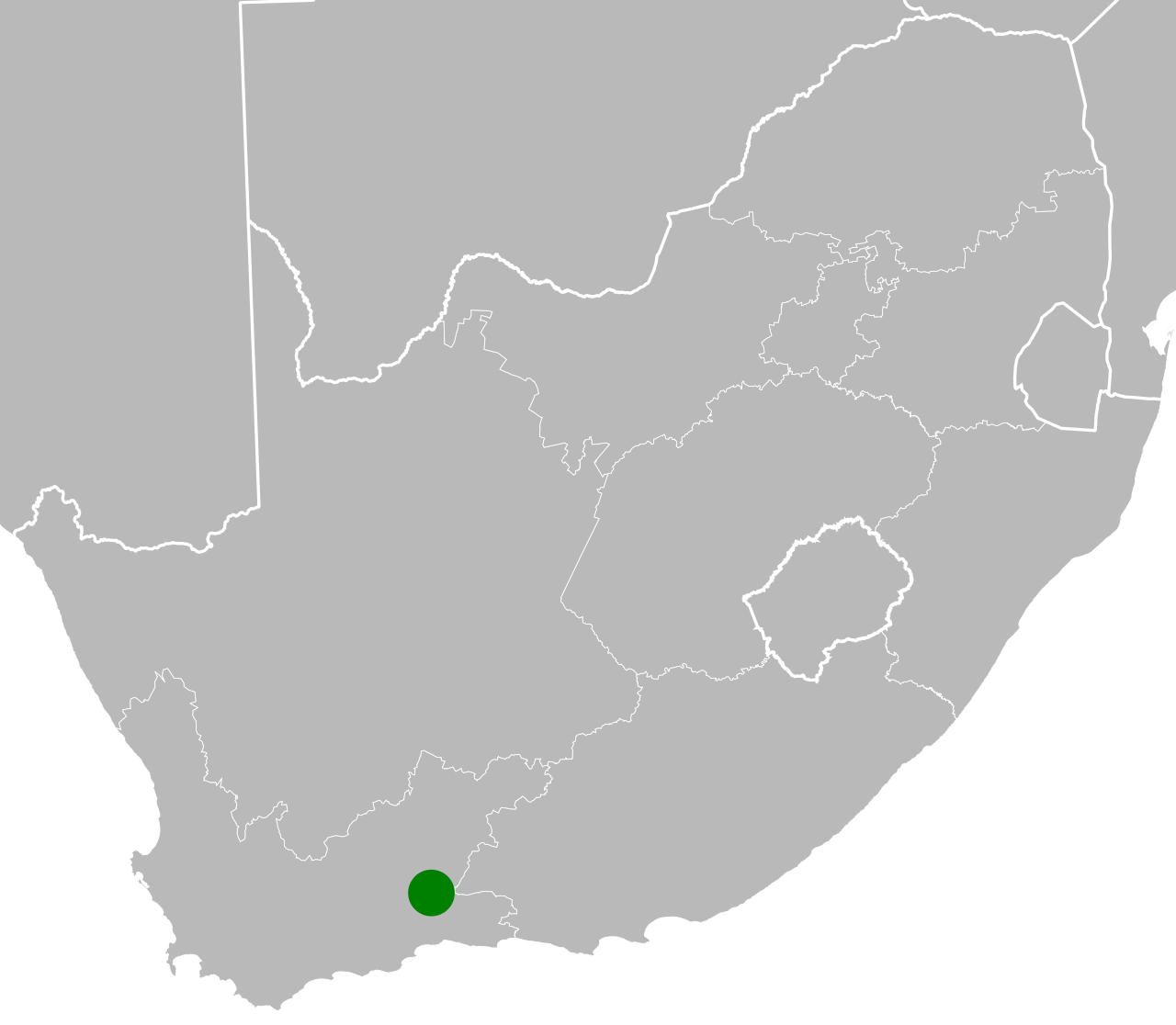
Honeybush is restricted to small areas in the southwest and southeast of South Africa, and of the dozens of wild species, only about four or five are widely used at home or in commerce. Cyclopia intermedia, locally called bergtee or mountain tea, occurs between Port Elizabeth and the Langkloof edge and is gathered in the Kouga mountains. Cyclopia genistoides, known as kustee or coastal tea, is found near Yzerfontein and Darling in the Western Cape and can also be cultivated in the South Cape. Cyclopia maculata thrives in the Outeniqua area near George, while Cyclopia sessiliflora, called Heidelberg-tee, is named for the town where it grows in the surrounding mountain range. Cyclopia subternata goes by vleitee or valleitee, reflecting its marshland and valley habitats. Some species have defied all cultivation efforts and must still be collected from the wild, partly because their seeds—some bearing elaiosomes—may rely on particular ants or birds to germinate. Mountain tea regenerates within three years after harvesting or fire, so rotational harvesting limits the annual mountain yield to less than one third of the total.
Processing and Preparation
Honeybush leaves undergo two principal processing routes before becoming tea. The traditional method involves harvesting the foliage, cutting and bruising it—frequently with mechanical rollers—and then spreading it out in the sun to oxidize naturally over time. The modern industrial approach accelerates this by placing the leaves in rotating, heated tanks held at 70 to 90 degrees Celsius for two or three days, after which they are air-dried. Once dried, the leaves are sifted and sorted into three grades tailored to different end uses. Super Fine, the most delicate fraction, is typically packed into string-and-tag tea bags. Regular Fine suits swimming tea bags or loose-leaf brewing, while the Coarse grade is reserved for loose tea applications. The finished product is slightly sweeter than rooibos, and unlike Camellia sinensis tea, honeybush does not develop bitterness even after prolonged simmering. In some rural South African districts, households once kept a kettle of honeybush steeping on the stove throughout the day, filling the home with its honey-scented aroma while keeping a warm drink perpetually at hand.
Chemistry and Flavor Profile
Honeybush tea is notable for its low tannin level, measured at just 0.45 percent, which lends the brew a gentle, non-astringent quality. A range of bioactive compounds has been identified in the plant, including isoflavones, flavones, cinnamic acids, coumestans, and xanthonoids. The species Cyclopia subternata additionally produces mangiferin and isomangiferin, compounds shared with other plant taxa. The genus takes its evocative common name from the honey-like fragrance of its flowers, and the brewed tea inherits a subtle sweetness that distinguishes it slightly from its close relative rooibos. Both honeybush and rooibos are classified as types of red tea and share numerous similarities in appearance and preparation. Flowering seasons vary among the commonly used species: mountain tea and valley tea bloom in September and October, while coastal tea flowers earlier, in May and June, a difference that mirrors the distinct seasonal rhythms of their respective coastal, mountain, and valley habitats.
Gallery
Frequently Asked Questions
What is Cyclopia (honeybush)?
Cyclopia is a genus of roughly 20 flowering legume species native to the southern and southwestern Cape Provinces of South Africa. In everyday South African kitchens it goes by the common name honeybush, or heuningbos in Afrikaans.
How is Cyclopia used in South African cuisine?
The dried leaves are steeped to brew a mild, naturally sweet herbal tea that has become a staple of South African table culture. It is served as a caffeine-free infusion rather than as a cooking ingredient.
Who first described Cyclopia?
French botanist Étienne Pierre Ventenat originally described the genus in 1808. A later synonym, Ibbetsonia, was published in 1810 by John Sims to honor physiologist Agnes Ibbetson.
Where does Cyclopia grow?
Honeybush is restricted to small pockets in the southern and southwestern Cape Provinces of South Africa and does not occur naturally anywhere else. This limited range keeps wild harvesting a distinctly local practice.
Why is Cyclopia (honeybush) important to South African cuisine?
It gives South Africa a homegrown, caffeine-free herbal tea tradition that stands apart from imported black or green teas. As a member of the legume family Fabaceae (subfamily Faboideae), it also ties the plant to the broader botanical heritage of the Cape region.
More in South African cuisine 1-24
Spotted an error? Know more?
Reader corrections go straight into our review queue. Suggest an edit · How this site is sourced