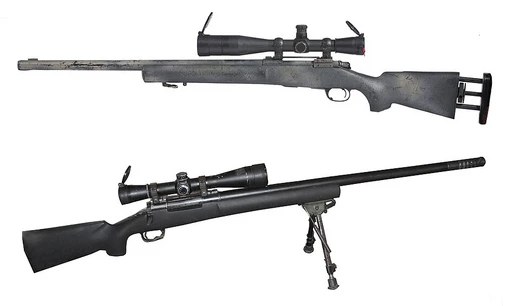
Anti-materiel rifle
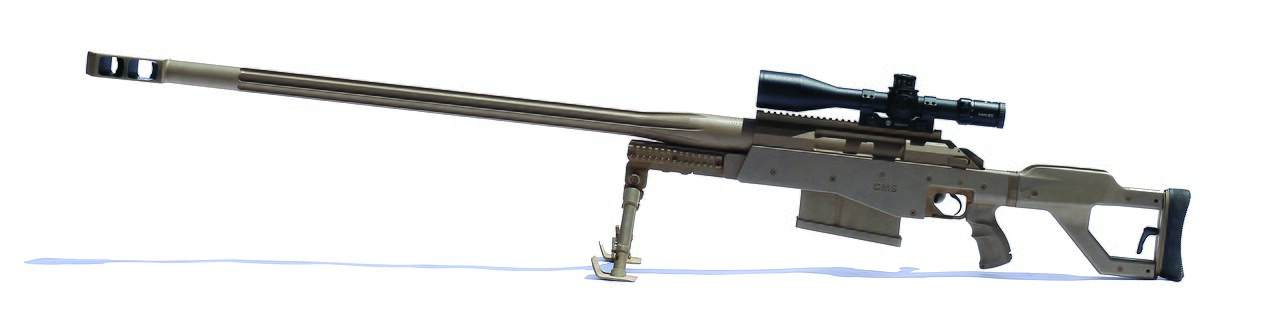
A rifle designed to disable military equipment from long range.

TruncateVirus99 · CC BY-SA 4.0
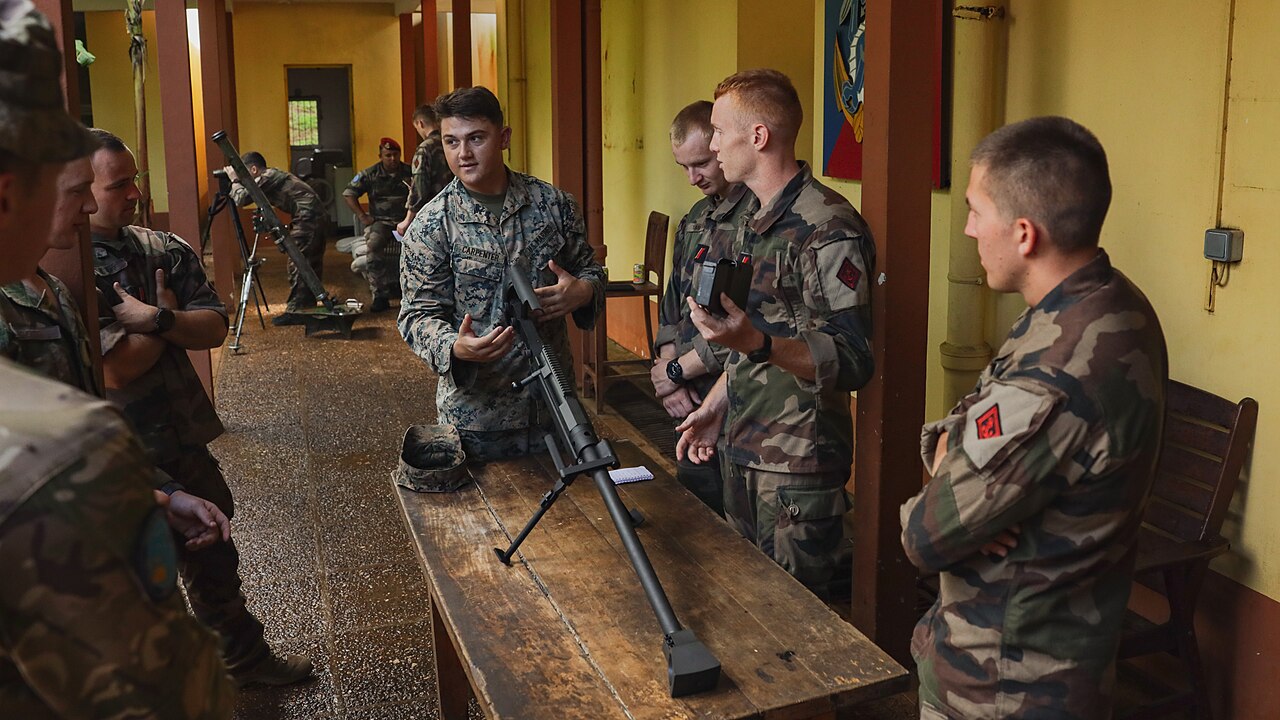
An anti-materiel rifle (AMR) is built to take out military equipment, structures, and other hardware. Most modern versions are essentially sniper rifles, but they fire much larger rounds than standard rifles. Their job is to disable things like engines, unarmored vehicles, or lightly armored targets. Even though they weren't originally meant for shooting people, the heavy bullets and high velocity give them exceptional long-range performance, often beating out dedicated sniper rifles. These rifles come in both bolt-action and semi-automatic types.
The AMR got its start from the anti-tank rifle, which first appeared in World War I. Today's tanks and most armored vehicles are too tough for these rifles to punch through, but they still work well against unarmored or lightly armored vehicles. They're also used against stationary enemy aircraft, missile launchers, radar gear, unexploded bombs, small boats, communications equipment, crew-served weapons, and similar targets. Their main advantage is the ability to precisely hit and disable enemy assets from far away at a relatively low cost.
**History**
**World War I** The need for anti-tank rifles came up during World War I when the Germans faced the British Mark I tank. That tank could cross ditches up to 9 feet wide, making it a serious threat to infantry in trenches. The Germans first tried using direct fire mortars—mortars aimed low at enemy tanks. Later, they developed the T-Gewehr anti-tank rifle, which is considered the first anti-materiel rifle. It was designed to pierce the thick armor of British tanks. The T-Gewehr weighed 41 pounds loaded, fired a 13.2 mm round that weighed 55.5 grams, and had an effective range of about 500 meters. It required a two-man crew: one to load, one to fire, though they often swapped roles. Its recoil was so brutal it could break collarbones and dislocate shoulders. The rifle used a steel-core armor-piercing round made specifically for it.
**World War II** Anti-materiel guns saw wide use in World War II. In September 1939, the Polish army used the successful wz. 35 anti-tank rifle; the Germans captured around 800 of these and put them into service as the Panzerbüchse 35(p). The British Boys anti-tank rifle worked well against lightly armored tanks but was soon replaced by the PIAT because it couldn't handle heavier armor.
- Origin
- World War I anti-tank rifles
- First anti-materiel rifle
- German T-Gewehr (13.2mm, 41 lb loaded, effective range ~500 m)
- Common calibers
- 12.7×99mm NATO (.50 BMG), 12.7×108mm Russian, 14.5×114mm Russian, 20mm
- Example effective range (barrett m82)
- 1000 m against personnel, 2000 m against materiel
- Notable cold war model
- Barrett M82 (chambered in .50 BMG, first saw action in early 1990s Gulf War)
Lore & Background
The history of anti-materiel rifles dates back to World War I, when the Germans developed the T-Gewehr anti-tank rifle to counter British Mark I tanks. This 13.2mm weapon weighed 41 lb loaded, had an effective range of about 500 m, and required a two-man crew. Its recoil was known to break collar bones and dislocate shoulders. During World War II, anti-materiel guns were widely used by several nations, including the Polish wz. 35, British Boys, Soviet PTRD-41 and PTRS-41, German Panzerbüchse 39, Japanese Type 97, and Finnish Lahti L-39. The Lahti L-39 weighed 109 lb with an 88 in barrel and was nicknamed 'the elephant gun'. The United States did not develop or field any anti-tank rifles during the war, choosing instead to use explosive anti-tank weaponry such as the M1 Bazooka.
During the Cold War, the Barrett M82 rifle was produced by the United States, chambered in .50 BMG, and first saw action in the early 1990s during the Gulf War. The U.S. Marine Corps initially purchased around 125 M82 rifles, with orders from the Army and Air Force following. An unusual silenced rifle, the Swiss G150 Präzisionsgewehr using a 10.4x33mmR carbine cartridge, was issued to the P-26 stay-behind organization as a low-level anti-material weapon to sabotage potential Soviet occupiers' equipment up to 200 m. In the modern era, tank armor has increased, making .50 BMG bullets difficult to penetrate; modern anti-materiel rifles are generally used against light armor vehicles, for barrier-blind capabilities, to destroy unexploded ordnance, and as counter-VBIED weapons in Syria and Iraq.
Reader's Guide
The anti-materiel rifle originated as an anti-tank rifle in World War I and evolved through World War II, where it was widely used by multiple nations. While modern tanks and most other armored vehicles are too well protected to be affected by anti-materiel rifles, these weapons remain effective against unarmored or lightly armored vehicles, stationary enemy aircraft, missile launchers, radar equipment, unexploded ordnance, small watercraft, communications equipment, and crew-served weapons. Their value lies in their ability to precisely target and disable enemy assets from long range at relatively low cost. Despite being designed for equipment, anti-materiel rifles have also been used for killing soldiers from distances beyond the effective range of regular rifle-caliber cartridges, and can penetrate most obstacles and building materials. The offensive use of anti-materiel rifles is termed hard target interdiction (HTI) by the United States military. In modern conflicts, they have seen frequent use in Syria and Iraq as a counter-VBIED weapon system due to their greater ability to penetrate uparmored VBIED threats that standard rifle calibers cannot reliably stop.
Did You Know?
- The first anti-materiel rifle was the German T-Gewehr, developed during World War I to counter British Mark I tanks.
- The Finnish Lahti L-39 anti-tank rifle weighed 109 lb and was nicknamed 'the elephant gun'.
From Trenches to Theaters: The Birth of a Weapon Class
The anti-materiel rifle traces its lineage directly to the anti-tank rifles born in the chaos of World War I. When British Mark 1 tanks—capable of crossing ditches nearly three meters wide—began threatening entrenched infantry, German commanders first resorted to direct-fire mortars before developing the T-Gewehr, widely regarded as the first true anti-materiel rifle. That weapon weighed 41 pounds loaded, fired a 13.2-millimeter armor-piercing round, and could reach targets at roughly 500 meters. Its recoil was so violent it routinely fractured collarbones and dislocated shoulders, and it required a two-man crew to operate. World War II expanded the family dramatically: Poland fielded the wz. 35 (hundreds of which the Germans captured and re-designated), the British deployed the Boys and later the PIAT, the Soviets relied on the PTRD-41 and PTRS-41, and Finland produced the massive Lahti L-39, nicknamed "the elephant gun" for its 109-pound frame and 88-inch barrel. Notably, the United States skipped this category entirely, preferring explosive weapons like the M1 Bazooka.
Cold War Preparations and the Gulf War Debut
During the Cold War, anti-materiel rifles took on a dual role: conventional military service and covert sabotage. The United States produced the Barrett M82, chambered for the .50 BMG (12.7×99mm NATO) cartridge, and sold examples to Swedish forces. Meanwhile, Switzerland issued the G150 Präzisionsgewehr—a silenced rifle firing a 10.4×33mmR carbine round—to its P-26 stay-behind network, intended to disable radio antennas and radar installations within 200 meters should Soviet forces occupy the country. The M82's combat debut came in the early 1990s Gulf War, where the U.S. Marine Corps initially acquired roughly 125 rifles before the Army and Air Force placed their own orders. In that conflict, operators employed armor-piercing incendiary rounds designed to punch through non-armored vehicles and ignite them on impact, as well as saboted light armor penetrator ammunition, striking targets ranging from trucks and buildings to parked aircraft.
Adapting to Modern Threats: From Tanks to VBIEDs
As armor technology advanced through the late twentieth century, the .50 BMG round lost its ability to defeat main battle tanks, effectively ending the anti-materiel rifle's original anti-tank mission. The weapon's role shifted accordingly. Today these rifles are primarily employed against lightly armored vehicles, unexploded ordnance, and targets concealed behind concrete barricades or buildings—exploiting what is called barrier-blind capability. They also serve as long-range sniper platforms against personnel, valued for their exceptional penetration, extended reach beyond standard 7.62-millimeter sniper cartridges, and relatively low production cost for craft-built models. Perhaps the most significant modern application emerged in Syria and Iraq, where anti-materiel rifles became a counter-VBIED (vehicle-borne improvised explosive device) tool. Their heavier projectiles can reliably penetrate the uparmored vehicle threats that standard designated-marksman calibers—typically 7.62×54mmR or 7.62×51mm—simply cannot stop, giving operators a critical edge against one of the deadliest threats in asymmetric warfare.
Engineering for Destruction: Calibers, Construction, and Targeting
Anti-materiel rifles are distinguished from conventional infantry rifles by their significantly larger calibers and their design intent: disabling equipment, structures, and hardware rather than personnel. Modern examples are typically chambered for 12.7×99mm NATO (.50 BMG), 12.7×108mm Russian, 14.5×114mm Russian, or 20mm cartridges, and are manufactured in both bolt-action and semi-automatic configurations. Most modern AMRs are essentially variants of the sniper rifle, yet their bullet mass and velocity grant them exceptional long-range performance that surpasses even dedicated sniper platforms. The U.S. Army cites roughly 800 meters as the effective range of a standard 7.62×51mm sniper rifle, a distance that anti-materiel systems comfortably exceed. Their target list is broad: engines, unarmored or lightly armored vehicles, stationary aircraft, missile launchers, radar sets, small watercraft, communications gear, crew-served weapons, and unexploded ordnance. The core value proposition remains the ability to precisely disable a high-value enemy asset from long range at a fraction of the cost of heavier artillery or missiles.
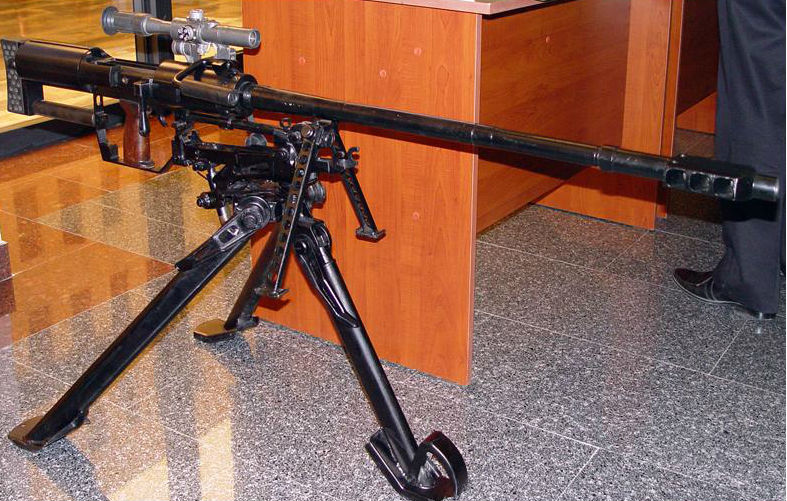
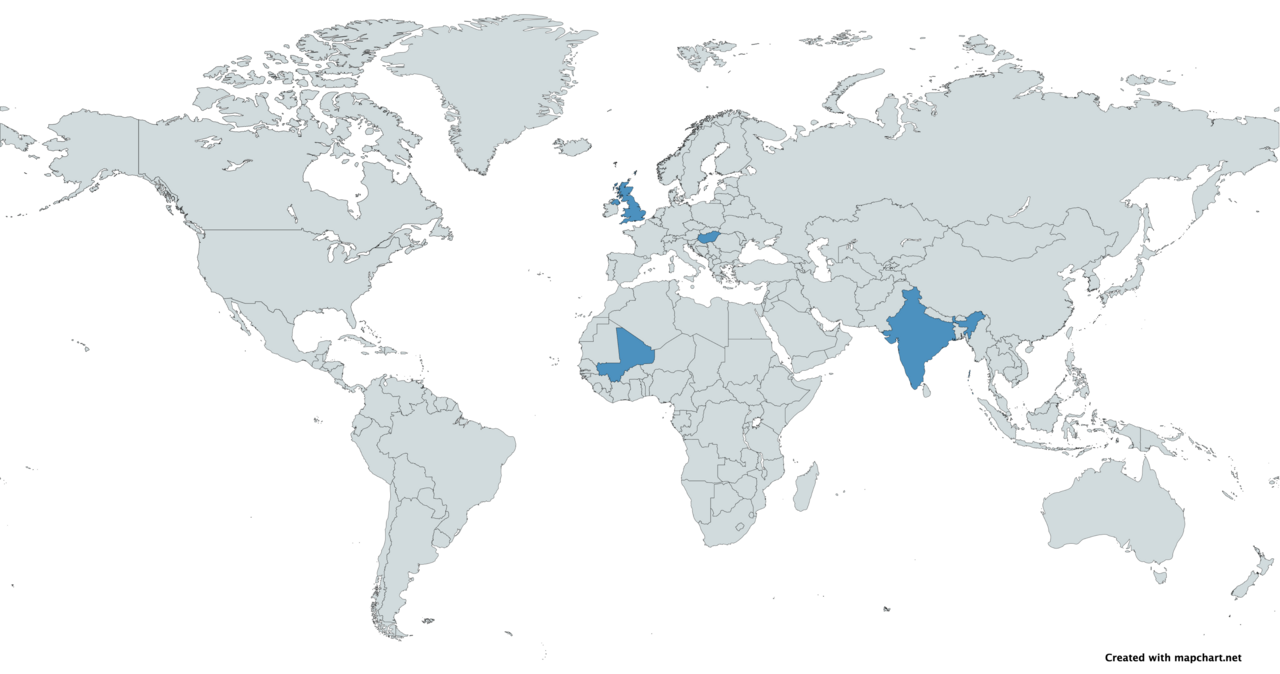
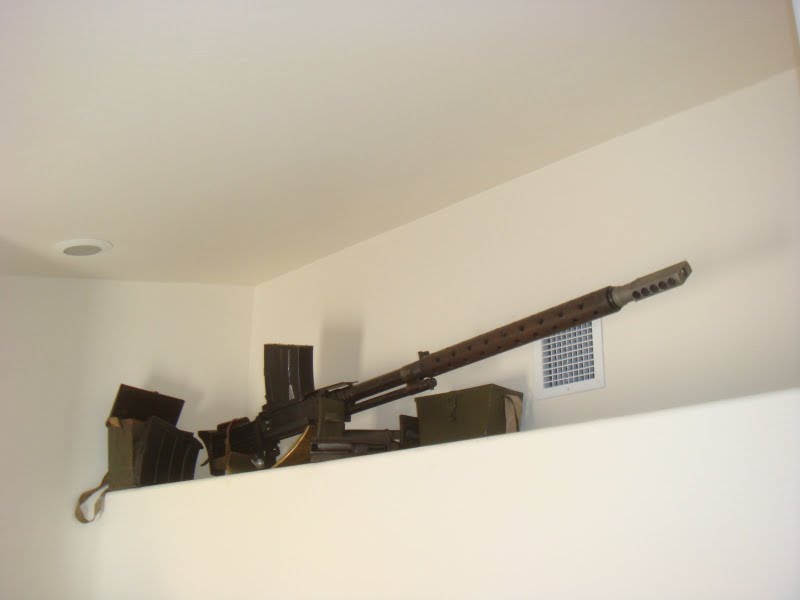
Gallery
Frequently Asked Questions
What is an anti-materiel rifle?
An anti-materiel rifle is a long-range firearm built specifically to disable military hardware such as engines, unarmored vehicles, and lightly armored structures. Rather than targeting personnel, its core mission is to neutralize equipment from a safe distance.
Where did the anti-materiel rifle originate?
The concept traces back to World War I anti-tank rifles, which were early attempts to punch through vehicle armor with handheld firearms. The first dedicated anti-materiel rifle was the German T-Gewehr, a 13.2 mm bolt-action weighing roughly 41 pounds loaded with about 500 meters of effective range.
What calibers are anti-materiel rifles typically chambered in?
The most common round is the 12.7×99 mm NATO (.50 BMG), though Russian variants use 12.7×108 mm and 14.5×114 mm, and some models push out to 20 mm. These oversized cartridges deliver the energy needed to penetrate armor plating and destroy small vehicles.
How far can an anti-materiel rifle effectively engage a target?
Using the Barrett M82 as a reference, effective range extends to about 1,000 meters against personnel and up to 2,000 meters against materiel targets. That comfortably outperforms most dedicated sniper rifles, which typically cap out well below those distances.
What is the most well-known anti-materiel rifle?
The Barrett M82, chambered in .50 BMG, is the most recognizable AMR and first saw combat during the early 1990s Gulf War. It is offered in both bolt-action and semi-automatic configurations, making it a staple of modern military and law-enforcement armories.
More in Sniper Rifles 1-22
Spotted an error? Know more?
Reader corrections go straight into our review queue. Suggest an edit · How this site is sourced