
Jetboat
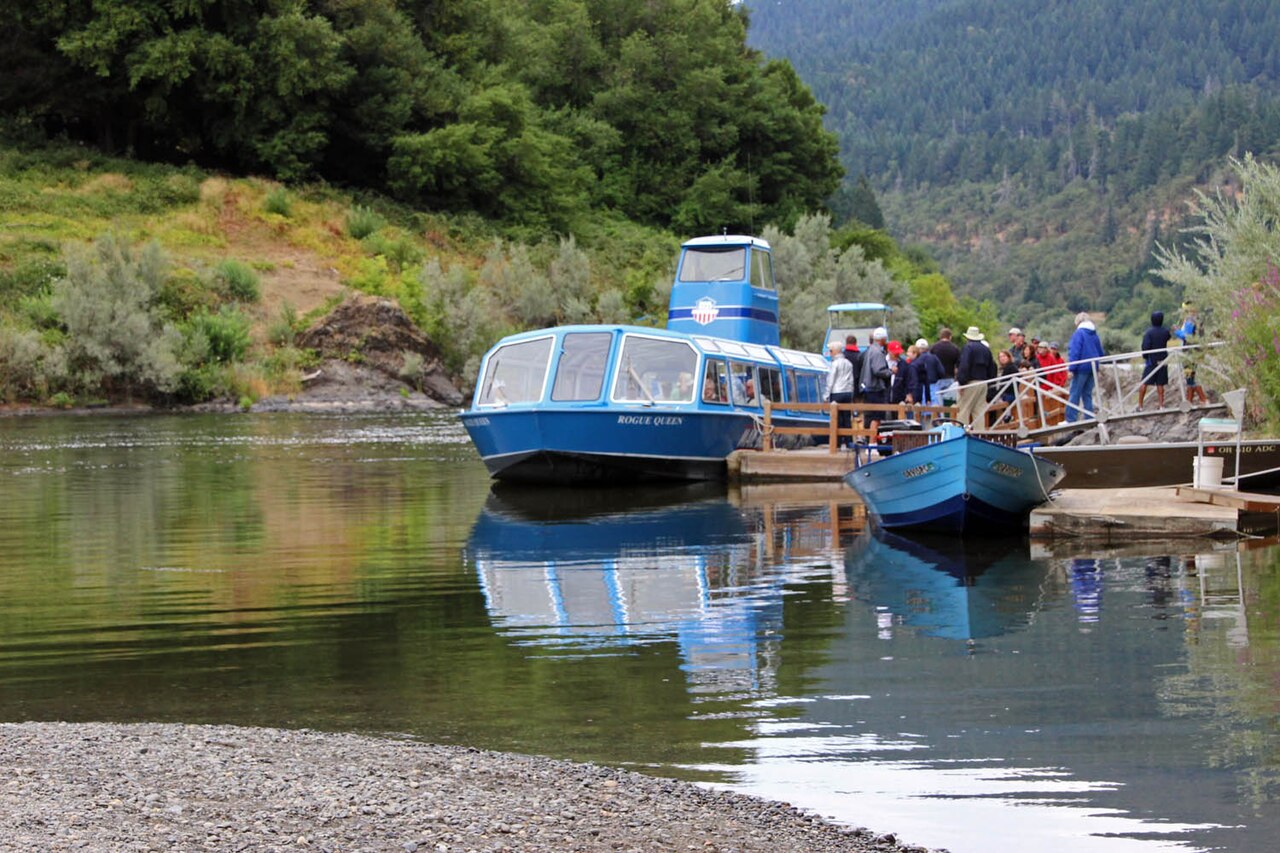
A boat propelled by a pump-jet, not propellers.

Aksaburi · CC BY-SA 4.0
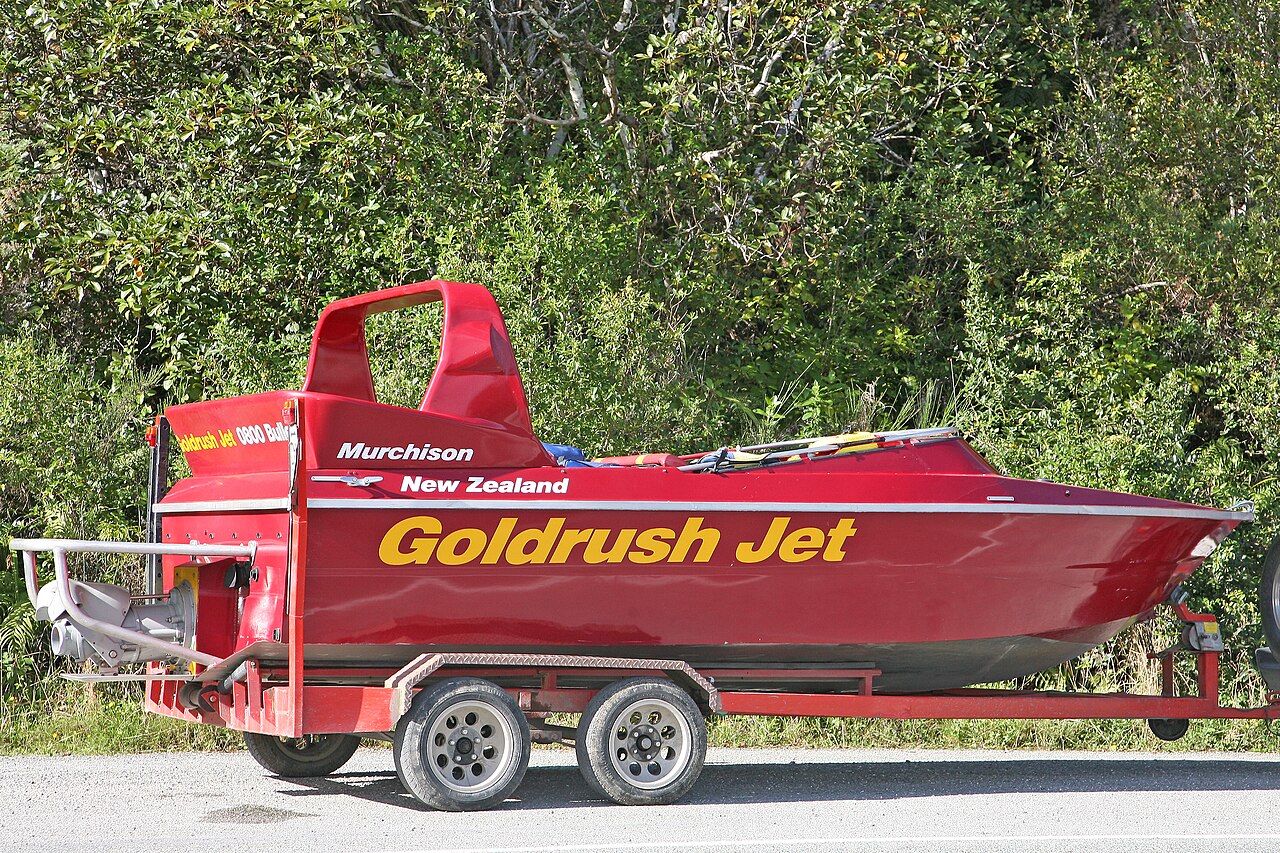
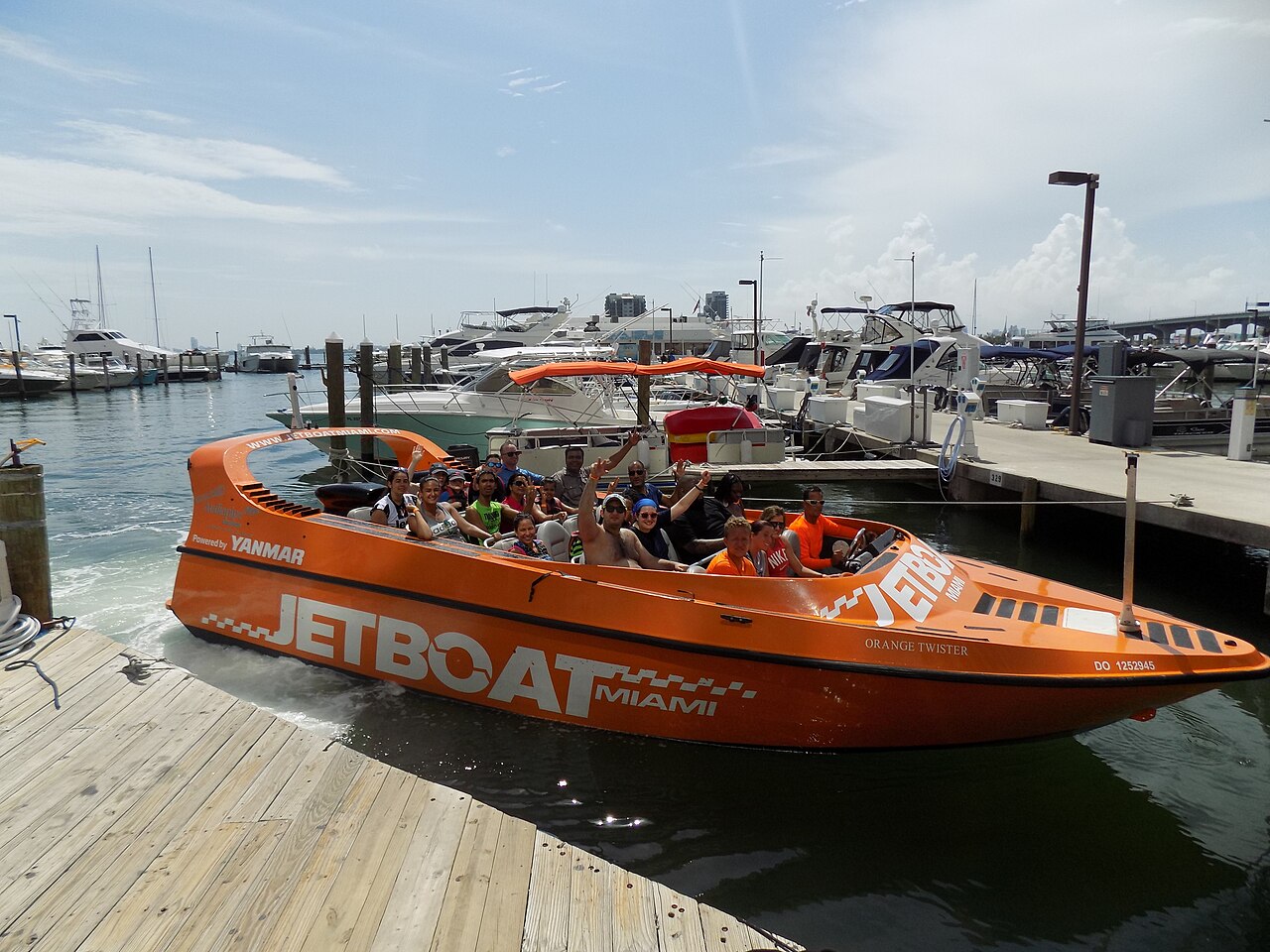
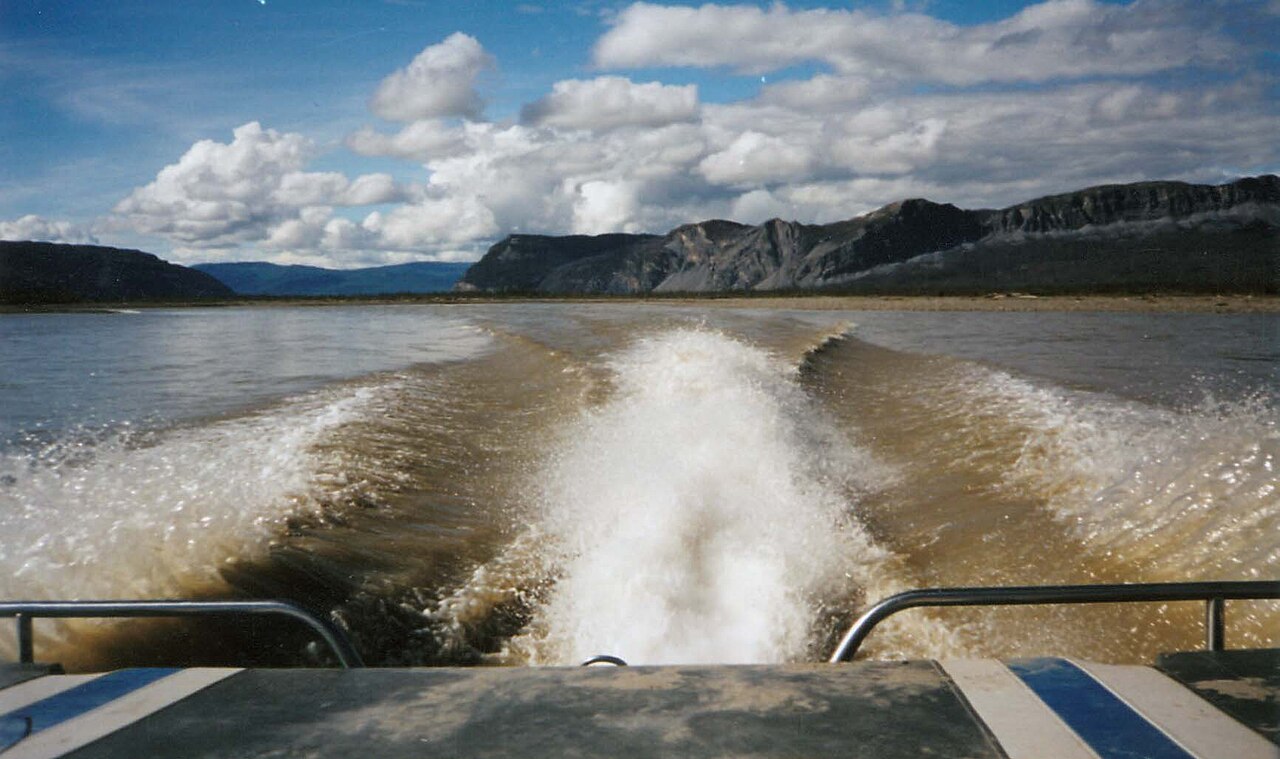
A jetboat is a boat propelled by a pump-jet mechanism, which draws water from under the hull and expels it through a nozzle to generate thrust. Unlike conventional motorboats with submerged propellers, jetboats are highly maneuverable and can operate in very shallow water, making them ideal for rivers and high-speed applications.
- type
- Watercraft
- propulsion
- Pump-jet (waterjet)
- inventor
- Sir William Hamilton
- year_developed
- Mid-1950s
- country_of_origin
- New Zealand
- key_feature
- Operates in less than 7.5 cm of water at speed
Lore & Background
The modern jetboat was developed by New Zealand engineer Sir William Hamilton in the mid-1950s. His goal was to create a boat that could run up the fast-flowing rivers of New Zealand, which were too shallow for propellers. Previous attempts at waterjet propulsion had short lifetimes due to inefficient design and few advantages over propellers, but Hamilton's specific need for shallow-water operation led to the ideal solution. One of his key breakthroughs was expelling the jetstream below the waterline, which improved performance and allowed a clean hull bottom for skimming through very shallow water.
Reader's Guide
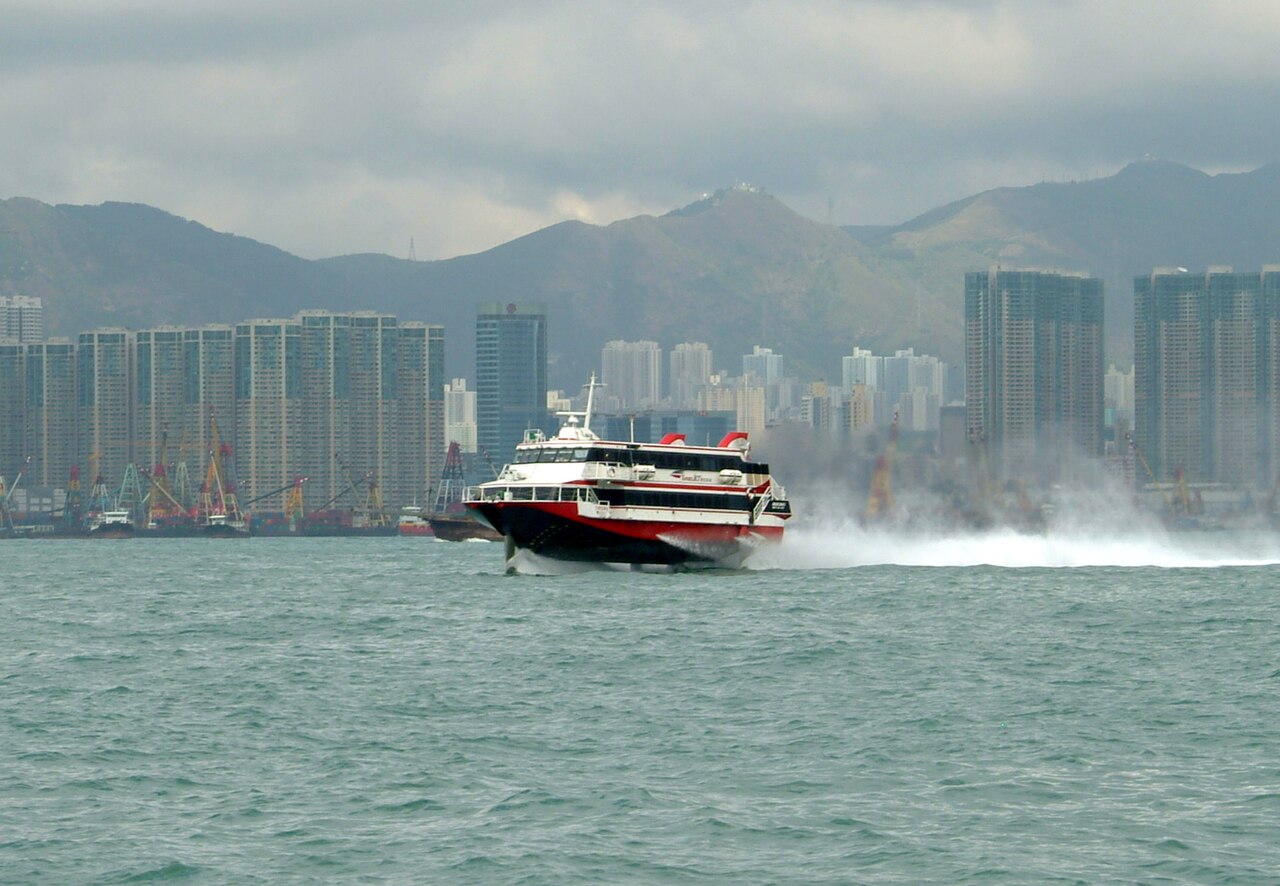
Jetboats are significant because they solved the problem of propulsion in shallow water, where conventional propellers cannot operate. Their popularity grew rapidly as the waterjet proved better than propellers for many vessel types, including high-speed passenger ferries, rescue craft, patrol boats, and offshore supply vessels. Jetboats are highly maneuverable, capable of crash stops and tight turns like the 'jet spin.' There is no engineering limit to their size, though they are most efficient above 20 knots and up to 50 knots. The largest jet-driven vessels include military frigates and littoral combat ships. Jetboats are also safer for swimmers and marine life due to the lack of external rotating parts, though they can be struck by the hull. Their drawbacks include sensitivity to debris blocking the intake and the need for careful engine-jet unit matching.
Did You Know?
- Jetboats can be safely operated in less than 7.5 cm (3 inches) of water at speed.
- The Hamilton turn, or 'jet spin,' is a high-speed maneuver where the boat spins quickly around with a large spray of water.
- Unlike propellers, a waterjet provides reverse thrust by lowering a deflector into the jetstream, not by reversing the pump.
- In 1977, Sir Edmund Hillary led a jetboat expedition from the Bay of Bengal to near the source of the Ganges River.
From Shallow Rivers to a Propulsion Revolution
The modern jetboat traces its lineage to a specific practical problem in New Zealand during the mid-1950s. Engineer Sir William Hamilton needed a vessel capable of navigating the country's fast-flowing rivers, where water was too shallow for conventional propellers to operate safely. Earlier waterjet concepts—such as Campini's design and the Hanley Hydrojet—had existed but proved impractical, suffering from poor efficiency and offering little advantage over standard propeller drives. Hamilton's breakthrough came from a focused design purpose: a propulsion system built specifically for very shallow, high-velocity waterways. His critical insight was counterintuitive—expelling the jetstream above the waterline rather than below it—which dramatically improved performance. Once this principle was proven, the waterjet quickly outgrew its river-boat origins. Operators discovered the technology excelled across a broad spectrum of vessel types, and the jetboat's popularity surged as the industry recognized its versatility.
Inside the Pump: How a Waterjet Generates Thrust
A waterjet unit operates on the same fundamental physics as a propeller—Newton's third law—but achieves thrust through a fundamentally different mechanical arrangement. Water is drawn in from beneath the hull and forced through a series of impellers and stators, collectively called stages, which progressively accelerate the flow. Most contemporary designs use a single stage, whereas earlier units sometimes employed up to three. The tail section of the pump extends through the transom above the waterline, and the high-velocity jet exits through a compact nozzle. Steering is achieved by physically moving this nozzle side to side, or in rarer configurations, by small deflector gates. Because control depends entirely on water flowing through the nozzle, a jetboat cannot be steered with the engine off. For reversing, a deflector plate drops into the jetstream past the outlet, redirecting thrust forward. Advanced deflectors angle the redirected flow downward and outward to prevent water recirculation and aeration issues. With the deflector at mid-position, forward and reverse thrust balance, allowing the boat to hold station while still turning on the spot—something a single propeller simply cannot do.
Crash Stops, Jet Spins, and the Speed Sweet Spot
One of the jetboat's most celebrated traits is its extraordinary agility. A well-executed crash stop allows the vessel to reverse from full speed and halt within barely its own length. The Hamilton turn, or jet spin, is a dramatic high-speed maneuver in which the throttle is cut, the steering is yanked sharply, and the throttle is reopened, sending the boat into a rapid rotation accompanied by a massive spray of water. In terms of speed economics, conventional propellers retain an efficiency edge at lower velocities—roughly up to 20 knots—but beyond that threshold, the drag penalties of struts, rudders, and shafts make the waterjet the superior choice, maintaining its advantage up to around 50 knots. Jetboats also excel in shallow water; at speed, they can safely traverse less than three inches of water. Their planing hulls keep most of the vessel clear of the surface, minimizing drag. At lower speeds, however, reduced water flow through the jet diminishes steering authority, though operators can compensate by partially lowering the reverse deflector and increasing throttle to regain control without gaining speed.
From River Craft to 400-Foot Warships
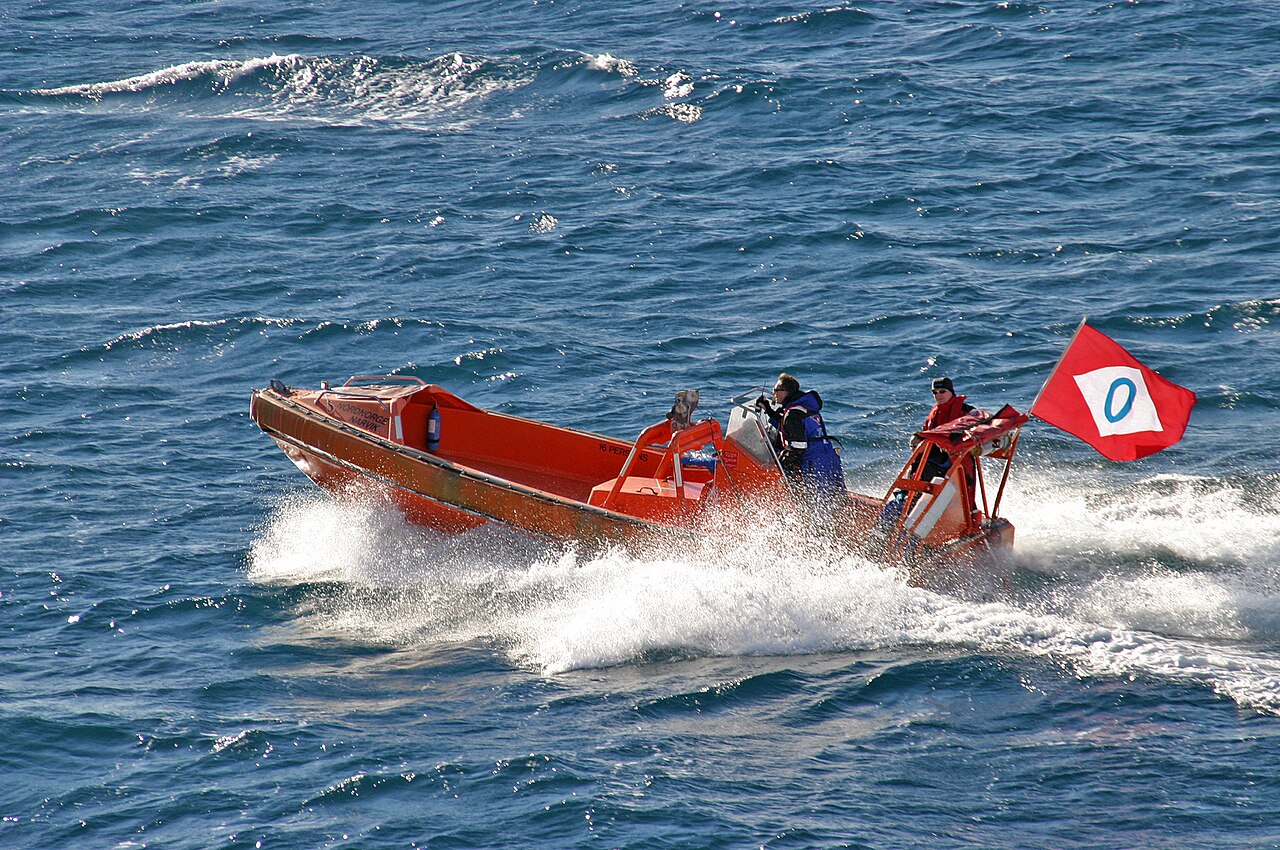
The waterjet has far outgrown its river-boat origins and now powers some of the largest and most demanding vessels afloat. In military service, South Africa's Valour-class frigates—approximately 120 metres long—and the United States' Littoral Combat Ship, stretching 127 metres, rank among the biggest jet-propelled vessels as of 2020. Remarkably, even these massive warships retain the ability to execute crash stops. Beyond defense, waterjets are standard equipment on high-speed passenger and car ferries, rescue craft, patrol boats, and offshore supply vessels. The technology's appeal lies in its combination of shallow draught, superior maneuverability, and load flexibility—qualities that propeller drives struggle to match at speed. There is no inherent engineering ceiling on jetboat size, though practicality depends on the application. For slow-turning, very large propellers found on tugboats, an equivalent waterjet would be impractically oversized. Consequently, the vast majority of waterjet installations remain on high-speed platforms where the technology's strengths are most pronounced.
Gallery
Frequently Asked Questions
Who came up with the jetboat?
Sir William Hamilton, a New Zealander, developed the concept in the mid-1950s after experimenting with water-driven propulsion. His work turned a simple pump idea into an entirely new category of watercraft.
How is a jetboat different from a normal motorboat?
Instead of spinning a propeller underwater, a jetboat pulls water in from beneath the hull and shoots it out through a rear nozzle to create forward thrust. That means there is no exposed propeller to snag on rocks or shallow obstacles.
Can a jetboat really run in super-shallow water?
Yes — the design lets it plane across water as thin as roughly 7.5 centimetres while still moving at speed. That capability is what makes it uniquely suited to river running and fast-water sports.
When and where was the jetboat developed?
The technology was born in New Zealand during the mid-1950s, making it a proudly Kiwi contribution to watercraft design. Since then it has become one of the country's most recognisable engineering exports.
Why do people consider the jetboat a landmark NZ invention?
It solved a real problem: getting fast, responsive transport through shallow, rocky rivers where propeller-driven boats simply cannot go. The result is a vessel that has become iconic to New Zealand's rivers and tourism.
More in New Zealand inventions 1-18
Spotted an error? Know more?
This is a living reference — every entry is fact-audited, and reader corrections feed straight into our audit queue. Suggest an edit · See this site's audit record