
Chipseal
A cost-effective pavement surface treatment using asphalt and aggregate.

Mcliquid · CC0
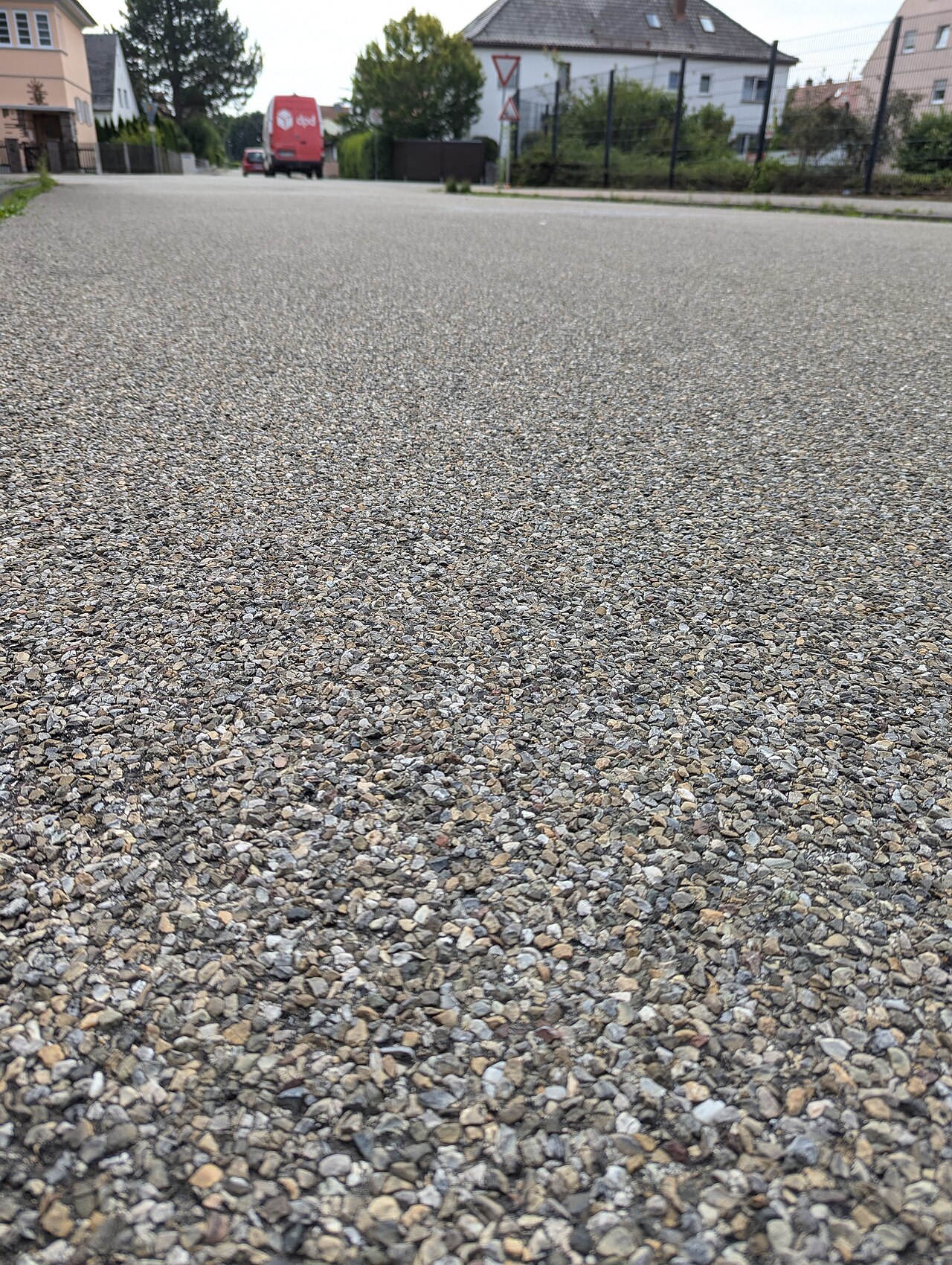
Chipseal—also called chip seal, chip and seal, spray seal, or asphaltic surface treatment in the United States—is a method of paving that applies one or more layers of asphalt followed by one or more layers of fine aggregate. In the U.S., it is most often used on rural roads with lighter traffic. Elsewhere, it goes by names like tar-seal, tar and chip, sprayed seal, surface dressing, or simply seal. In Australia and New Zealand, chipseal is common even on major highways.
Because chipsealing is cheaper than repaving with asphalt concrete or Portland cement concrete, it is a budget-friendly option, though it does not last as long.
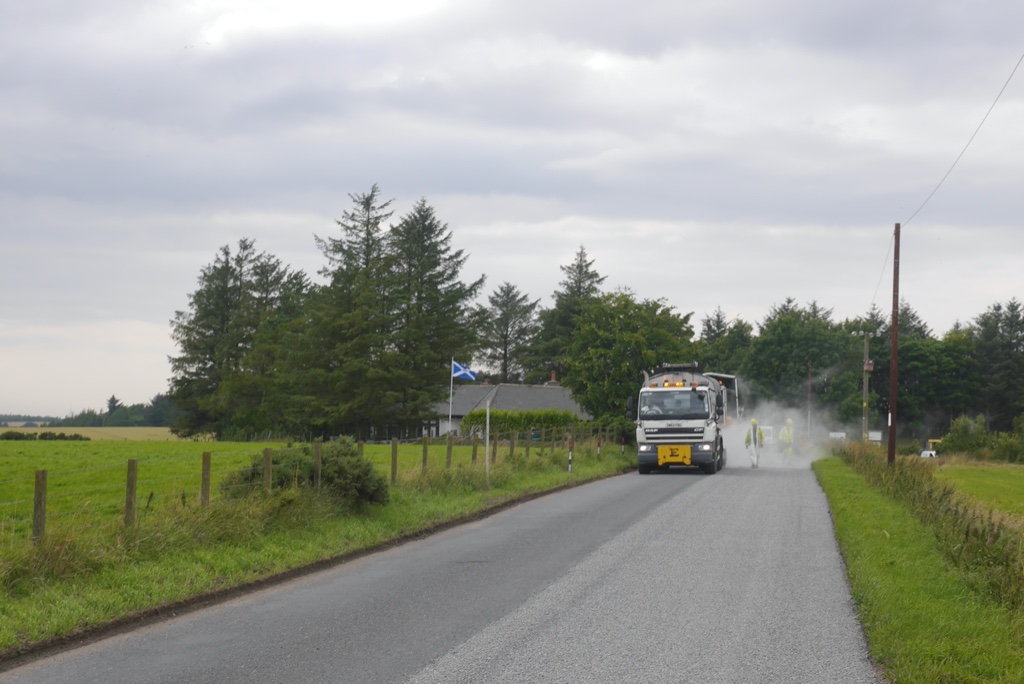
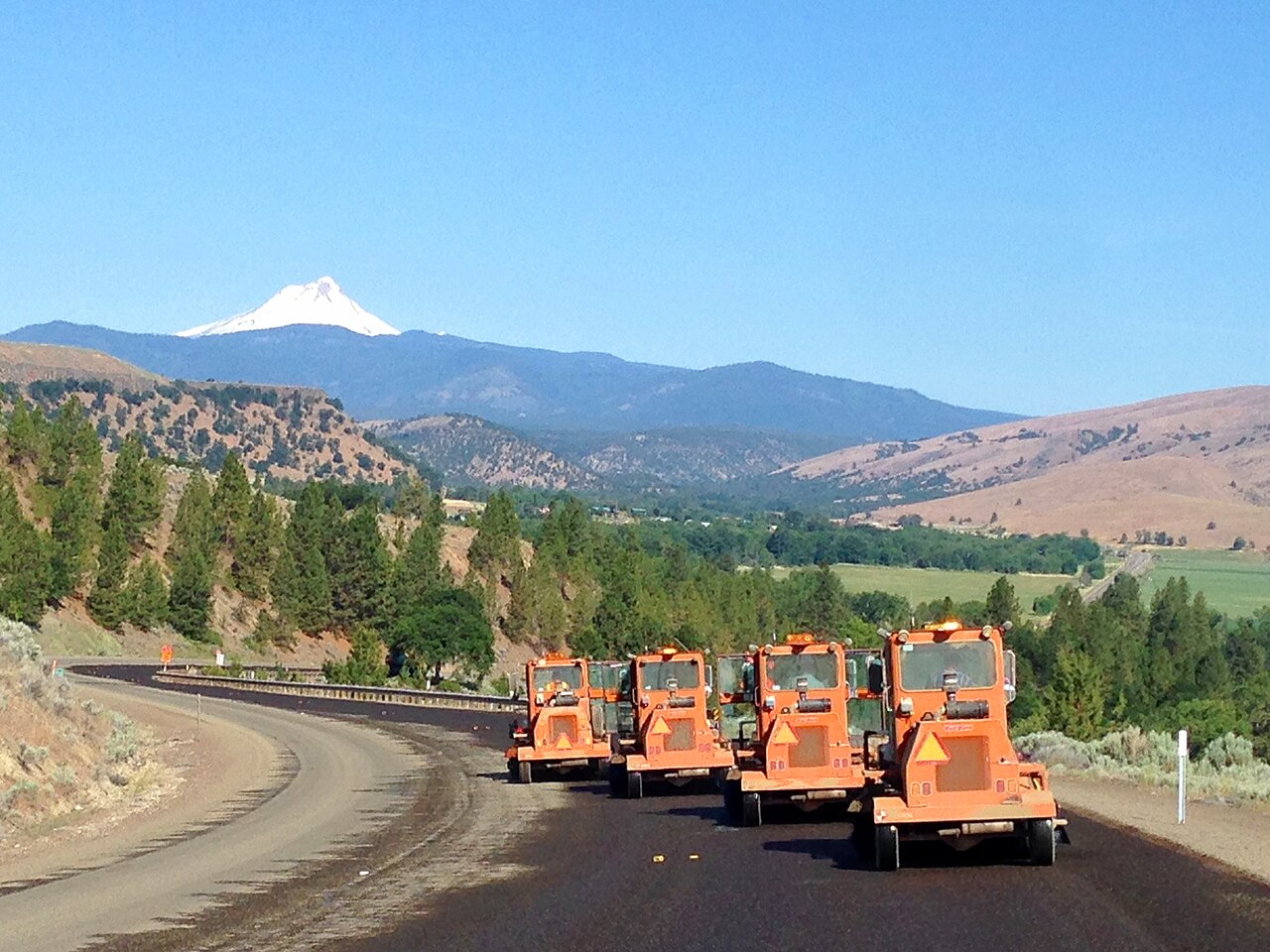
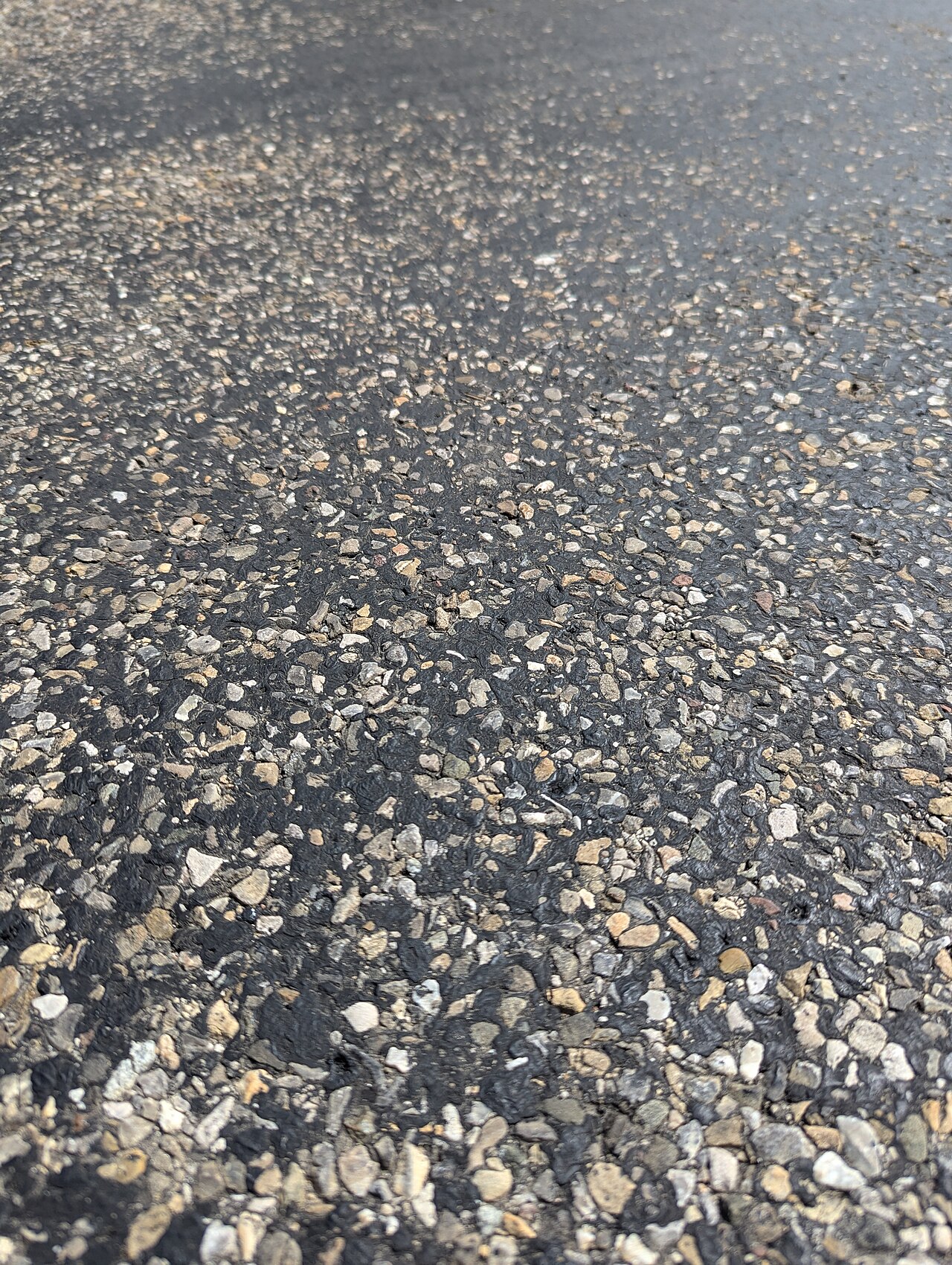
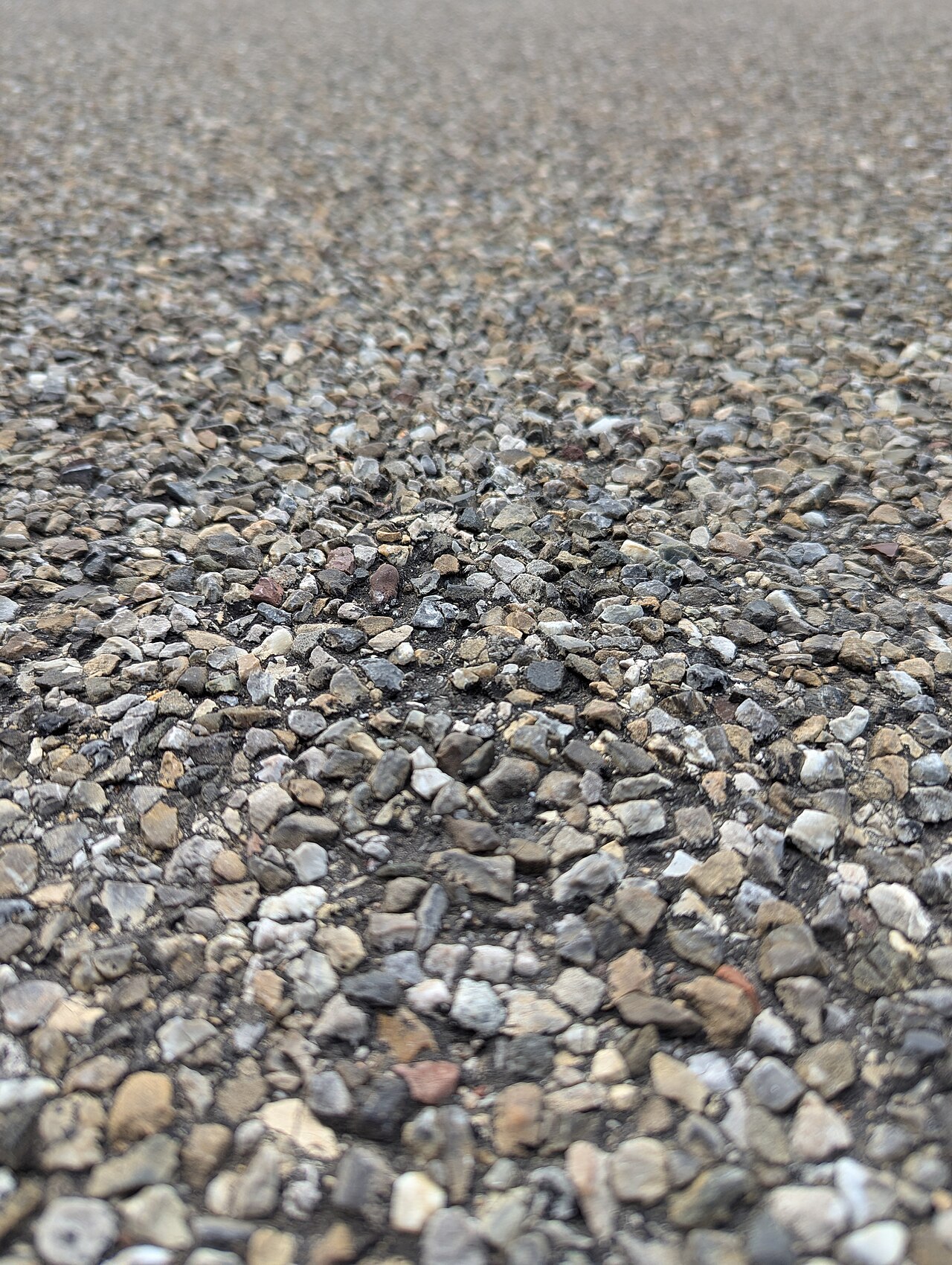
To install chipseal, workers spread a thin layer of hot tar, bitumen, or asphalt over an existing pavement, then embed finely graded aggregate into it. The aggregate is spread evenly over the hot spray, and heavy rubber-tired rollers press it into the bitumen to create a paved surface. A top layer, called a fog seal or enrichment, can be added for extra protection. Newer materials, such as polymer-modified bitumen and emulsion binders, help prevent cracks from reflecting through the surface and improve stone retention. Asphalt emulsion—a mix of liquid asphalt, surfactant, and water—is now sometimes used instead of straight asphalt. This reduces aggregate loss and lowers installation costs, though it can increase stripping (where the binder separates from the aggregate). It also cuts down on volatile organic compound emissions because it contains less solvent. Cross-linking styrene acrylic polymers add water resistance. Precoating the chips with about one percent bitumen helps minimize aggregate loss and gives the surface a black appearance.
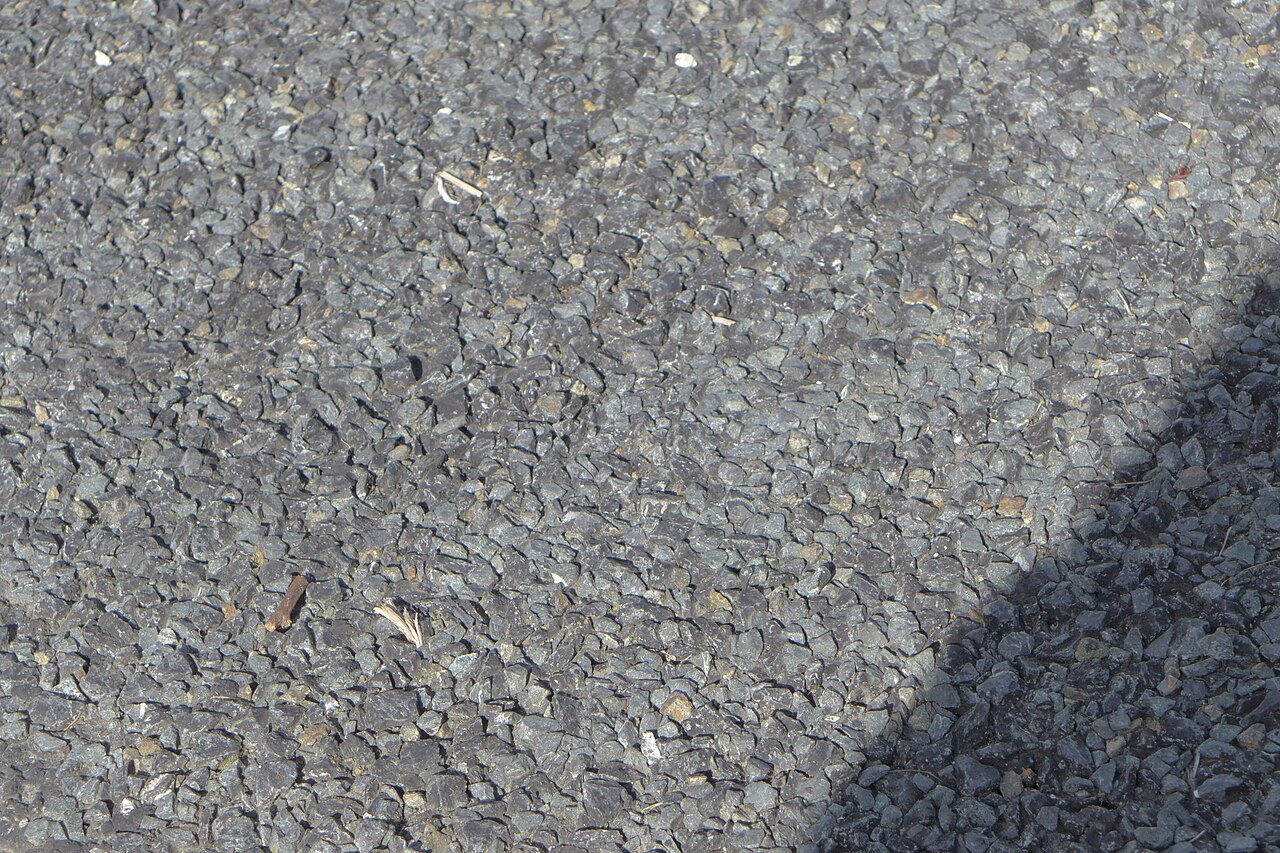
Chipseal works well to seal out water and keep good pavement in good condition, but it adds no structural strength and only fixes minor cracks. The small stones create a relatively even surface without patch edges, but they also make the road rough and increase tire noise. Drawbacks include loose crushed stone left behind if too little bitumen is used or too much stone is applied. This loose stone can crack windshields, chip paint, cause crashes (especially for motorcyclists, bicyclists, and small trucks), and clog drainage systems. Sweeping the road after the emulsion sets is essential.
When applied over gravel roads, chipseal eliminates the need for grading, reduces dust and mud, and stops g
- field
- Pavement surface treatment
- known_for
- Cost-effective road repair using asphalt and aggregate layers
- common_names
- Chip seal, tar and chip, sprayed seal, surface dressing
- typical_use
- Rural roads with lower traffic volumes in the United States; major highways in Australia and New Zealand
Lore & Background
Chipsealing is cheaper than resurfacing an asphalt concrete or a Portland cement concrete pavement, but not as long-lasting. The installation process involves evenly distributing a thin base of hot tar, bitumen or asphalt onto an existing pavement and then embedding finely graded aggregate into it. The aggregate is rolled into the bitumen using heavy rubber tired rollers. A chip-seal-surfaced pavement can optionally be sealed with a top layer called a fog seal or enrichment. Newer techniques use asphalt emulsion instead of asphalt, which reduces emissions of volatile organic compounds but can increase stripping of the binder from the aggregate. Methods also utilize cross linking styrene acrylic polymers for water resistance.
Reader's Guide
Chipseal is significant as a cost-effective method for maintaining and repairing roads, particularly on rural roads with lower traffic volumes in the United States and on major highways in Australia and New Zealand. It keeps good pavement in good condition by sealing out water, but provides no structural strength and will repair only minor cracks. The rough surface leads to louder rolling noise from automobile wheels and increased vibration for bicyclists. Loose crushed stone may remain on the surface due to underapplication of bitumen or excess stone, causing safety issues such as cracked windshields, chipped paint, and crashes, especially for motorcyclists, bicyclists, and small trucks. Sweeping the road after the emulsion sets is essential. Chip seal can be installed over gravel roads to eliminate the cost of grading, road roughness, dust, and mud, lasting 5–7 years. The chip seal matt surface handles thermal variation well and does not crack like asphalt roads.
Did You Know?
- Chipseal is also known as tar-seal, tar and chip, sprayed seal, surface dressing, or simply seal.
- Newer techniques using asphalt emulsion reduce emissions of volatile organic compounds (VOCs) but can increase stripping of the binder from the aggregate.
- Chipseal over gravel costs about 25% of the price of resurfacing with asphalt, with a 4-mile project in Minnesota costing $170,000 compared to $760,000 for asphalt.
- The rough surface of chipseal generates more roadway noise at any operating speed than typical asphalt or concrete surfaces.
Definition and Geographic Reach
Chipseal—also known as chip seal, chip and seal, spray seal, tar-seal, tarseal, tar and chip, sprayed seal, surface dressing, or simply seal—is a pavement surface treatment that bonds one or more layers of asphalt with one or more layers of fine aggregate to create a durable road surface. In the United States, this technique is most commonly applied to rural roads that carry relatively low traffic volumes, where it is frequently called an asphaltic surface treatment. The practice, however, extends well beyond American backroads. In both Australia and New Zealand, chipseal-paved roads are a widespread feature of the transportation network, appearing not only on secondary routes but also on major highways. This broad geographic adoption reflects the treatment's simplicity and affordability, making it a go-to option for road authorities that need to maintain large stretches of pavement without the expense of full reconstruction. The many regional names for the same process underscore how deeply embedded this technique is in local road-building culture across English-speaking nations.
Installation and Material Innovation
The construction of a chipseal begins with an even distribution of a thin base of hot tar, bitumen, or asphalt across an existing pavement. Finely graded aggregate is then spread over the hot seal spray and pressed into the binder using heavy rubber-tired rollers, producing a textured paved surface. A top layer known as a fog seal or enrichment may optionally be applied for additional protection. Over time, the materials involved have evolved significantly. The introduction of polymer-modified bitumen and emulsion binders has strengthened the treatment's resistance to crack reflection and improved how well the stone stays bonded to the surface. More recent approaches substitute asphalt emulsion—a blend of liquid asphalt, surfactant, and water—for traditional hot asphalt, reducing aggregate loss and installation costs while also cutting emissions of volatile organic compounds. Cross-linking styrene acrylic polymers have been incorporated to enhance water resistance, and chips precoated with roughly one percent bitumen have proven effective at minimizing stone loss while giving the finished surface a uniform black appearance.
Economic Logic and Gravel Road Applications
One of chipseal's most compelling advantages is its cost. While it does not match the longevity of a full asphalt concrete or Portland cement concrete resurfacing, it is substantially cheaper to apply, making it an attractive option for maintaining good pavement in serviceable condition by sealing out water and addressing minor cracks. The technique shines particularly when applied over gravel roads, where it eliminates the recurring costs of grading, road roughness, dust, mud, and replenishing gravel lost through grading. In Minnesota, a four-mile chipseal project over gravel cost approximately $170,000, compared with roughly $760,000 for a full asphalt resurfacing of the same distance—about a quarter of the price. The resulting surface typically lasts five to seven years, handles thermal variation well without cracking the way asphalt roads do, and can be patched with a simple bucket of tar sealer and additional chip material. A thin penetrating emulsion primer coat is generally applied over the gravel before the chipseal matt goes on top.
Acoustic Impact and Safety Trade-offs
The rough wearing surface that defines a chipseal also creates its most notable drawbacks. At any given operating speed, the textured surface generates more roadway noise than typical asphalt or concrete pavements, and those sound intensities climb as vehicle speed increases. The exact acoustical output varies considerably depending on the specific tire tread design and how it interacts with the road surface. For bicyclists, the roughness produces noticeable increases in vibration and rolling resistance, while all tire types experience accelerated wear. Shortly after construction, speed restrictions of 10 to 15 miles per hour are typically enforced for the first 24 to 48 hours to allow the material to set. Perhaps most critically, loose crushed stone left on the surface due to underapplication of bitumen or excess aggregate can crack windshields, chip paint, trigger crashes involving motorcyclists, bicyclists, and small trucks, and clog drainage systems. Sweeping the road after the emulsion has set is therefore essential to mitigate these safety and environmental hazards.
Gallery
Frequently Asked Questions
What is Chipseal?
Chipseal is a road-paving technique that builds up a surface by alternating layers of asphalt with layers of fine aggregate chips. It's a staple of New Zealand's road-maintenance toolkit and a well-known export of local infrastructure practice.
How does Chipseal actually work?
A coat of liquid asphalt is sprayed onto the existing road surface, then a layer of small aggregate chips is scattered over it and compacted in. The process can be repeated for a second pass, giving the road a fresh, textured wearing surface without needing to dig out and replace the old pavement entirely.
Why is Chipseal used on major New Zealand highways instead of full repaving?
It costs far less than ripping up a road and repaving it with asphalt concrete or Portland cement concrete, so it's the practical choice for keeping long stretches of highway maintained. That's why, unlike in the United States where chipseal is mostly a rural-road fix, New Zealand and Australia apply it even on their busiest motorways.
What are the other names people use for Chipseal?
Depending on where you are, you'll hear it called chip seal, tar and chip, sprayed seal, surface dressing, or simply seal. In the U.S. it's also referred to as asphaltic surface treatment, though the underlying technique is the same.
Why do New Zealand road-fans consider Chipseal an important local invention?
It gave the country a durable, low-cost way to keep both back-country tracks and long-haul highways in good shape without the expense of full reconstruction. Its widespread adoption on major routes made it a signature element of New Zealand's road network and a point of pride in local civil-engineering practice.
More in New Zealand inventions 1-18
Spotted an error? Know more?
This is a living reference — every entry is fact-audited, and reader corrections feed straight into our audit queue. Suggest an edit · See this site's audit record