
Electric fence
A barrier that uses electric shocks to deter crossing.

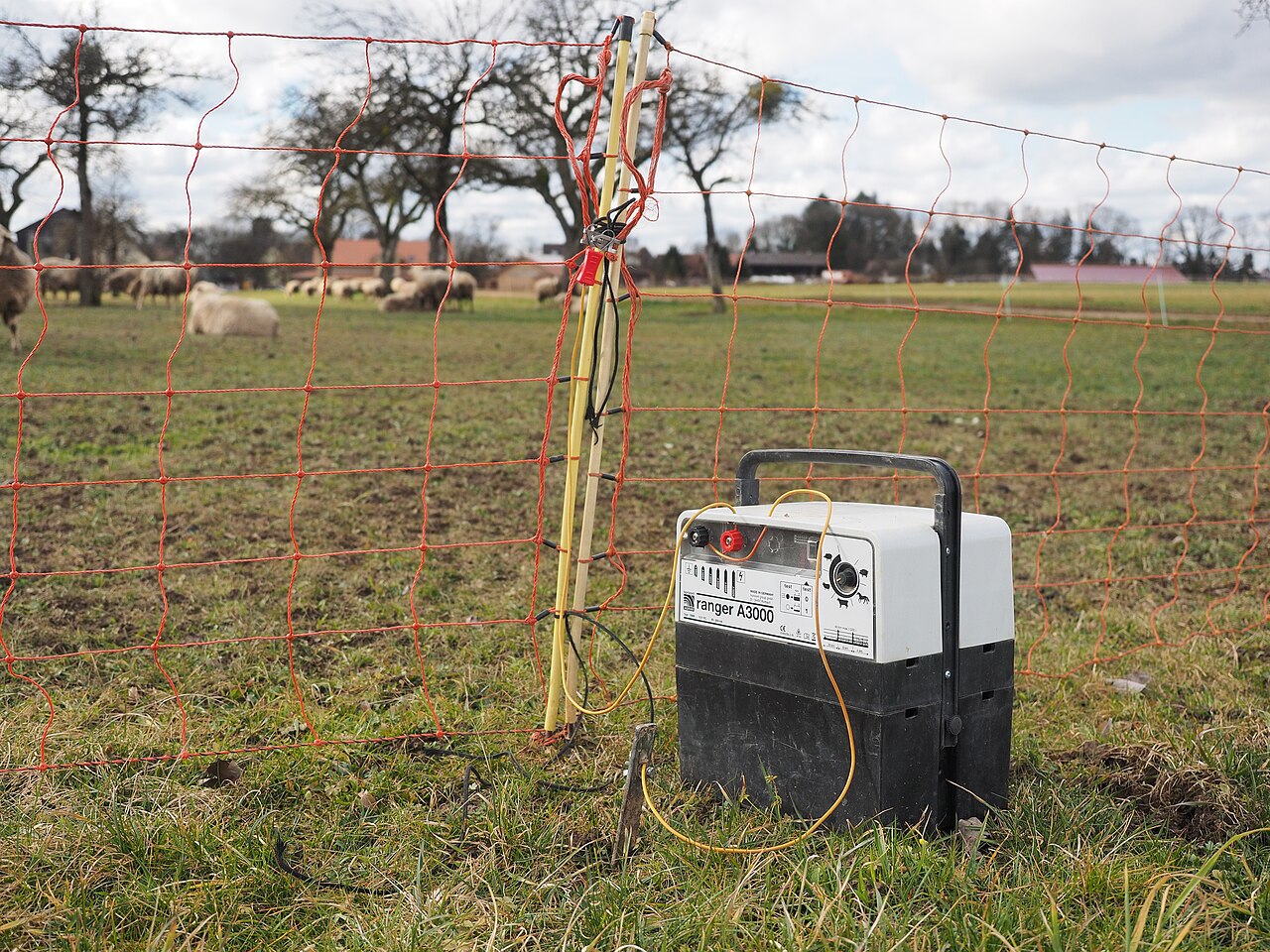
Hans Braxmeier · CC0
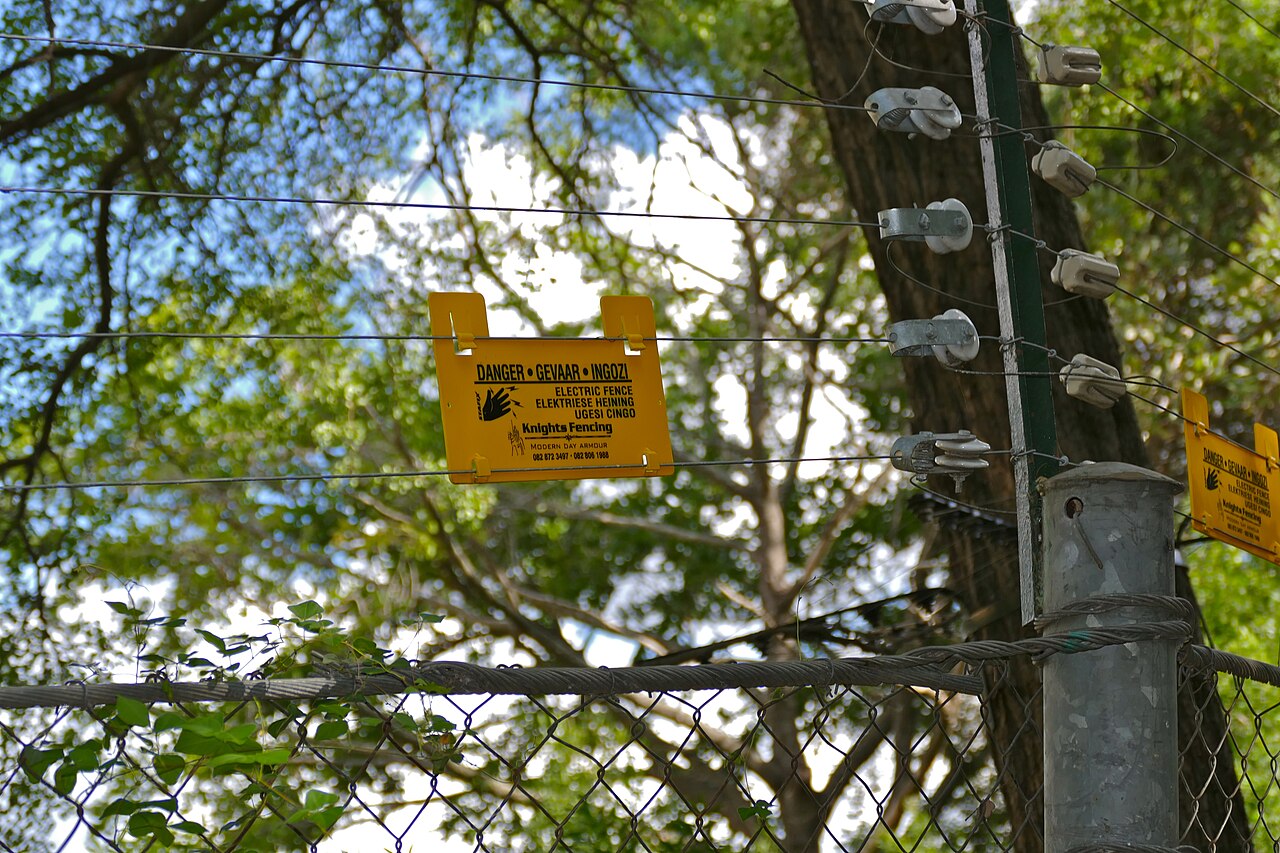
An electric fence is a barrier that delivers electric shocks to keep people or animals from crossing a boundary. These fences are mostly used in farming and for controlling non-human animals, but they also secure high-risk sites like military bases or prisons, where the voltage can be lethal. There are also virtual electric fences for livestock that rely on GPS technology, a concept first developed in the 2000s by organizations such as Australia's CSIRO.
The fence works by using a power energiser that sends a brief, high-voltage pulse along a bare wire about once per second. A metal rod driven into the ground, called a ground or earth rod, is connected to the other terminal. If an animal or person touches both the wire and the ground during a pulse, they complete an electrical circuit and receive a shock. How severe the shock is depends on the voltage, the pulse’s energy, how well the recipient contacts the fence and ground, and the current’s path through the body—ranging from barely noticeable to deadly.
Most modern fence energisers either emit pulses at set intervals or use a voltage multiplier to keep a continuous high voltage on the fence, except when recharging after a shock. Energisers can be plugged into a permanent power supply or run on lead-acid or dry cell batteries, sometimes kept charged by a solar panel. A fence in good condition uses little power, so a lead-acid battery can power several hundred metres for weeks on a single charge. Some energisers can use multiple power sources. Early AC chargers used a transformer and a mechanical switch to create pulses, which were wide and had unpredictable voltage—no-load peaks could exceed 10,000 volts, and voltage dropped quickly as fence leakage increased, with the switch often failing. Later solid-state circuits improved longevity but didn’t change pulse width or voltage control. “Weed burner” chargers had a longer pulse that killed weeds touching the fence, but they caused many grass fires in dry weather and, while still available, are less popular now.
Smooth steel wire is the most common fencing material, from thin single lines to thicker high-tensile wire. Woven wire or barbed wire can be electrified, but this is more hazardous—if an animal gets caught, the electrified barbed wire can be dangerous, and some areas have made it illegal. Synthetic webbing and rope-like fencing with fine stainless s
- first_patent_year
- 1886
- inventor_of_early_livestock_fence
- Bill Gallagher
- country_of_early_livestock_development
- New Zealand
- common_voltage_range
- up to 10,000 volts
- typical_pulse_frequency
- 1 Hz (one pulse per second)
Lore & Background
The concept of electrified barriers appears in fiction as early as 1832, when Fanny Trollope described an arrangement of wires connected with an electrical machine used to protect a display called 'Dorfeuille's Hell' in the Western Museum of natural history in Cincinnati. Jules Verne's 1870 novel Twenty Thousand Leagues Under the Seas and Mark Twain's 1889 novel A Connecticut Yankee in King Arthur's Court also featured electric fences for defensive purposes. David H. Wilson obtained United States Patent 343,939 in 1886, combining protection, an alarm bell, and telephone communications, and constructed an experimental 30-mile electric fence energised by a water wheel in Texas in 1888, which proved successful at keeping cattle separated but was deemed impractical as a business venture.
Reader's Guide
Electric fences have evolved from experimental barriers to widely used tools for agriculture, security, and wildlife management. Their significance lies in providing an effective, low-maintenance method of controlling animal movement and deterring intruders without permanent physical obstruction. The development of the non-shortable electric fence by Doug Phillips in 1962 revolutionized agricultural fencing by allowing fences to operate over long distances with reduced power loss, making them practical for large farms. Modern innovations include virtual electric fences using GPS collars, which allow for flexible boundary management without physical wires, though such systems face regulatory challenges in some countries due to animal welfare concerns. The legacy of electric fencing includes both beneficial uses—such as protecting crops and livestock—and controversial applications, such as the lethal fences used in wartime. Safety standards, such as those published by Underwriters' Laboratories in 1939, have shaped modern designs to balance effectiveness with reduced risk to humans and animals.
Did You Know?
- The German army installed the 'Wire of Death' along the border between Belgium and the Netherlands in 1915, covering 300 kilometres and causing an estimated 3,000 human fatalities.
- New Zealand inventor Bill Gallagher built an early electric fence for livestock control in 1936–1937 from a car ignition trembler coil set.
- Virtual electric fences for livestock using GPS technology were first developed for livestock control by Peck's Invisible Fence Co in 1987.
- In many countries such as Switzerland or Austria, virtual electric fences are currently not allowed due to concerns about animal welfare.
Gallery
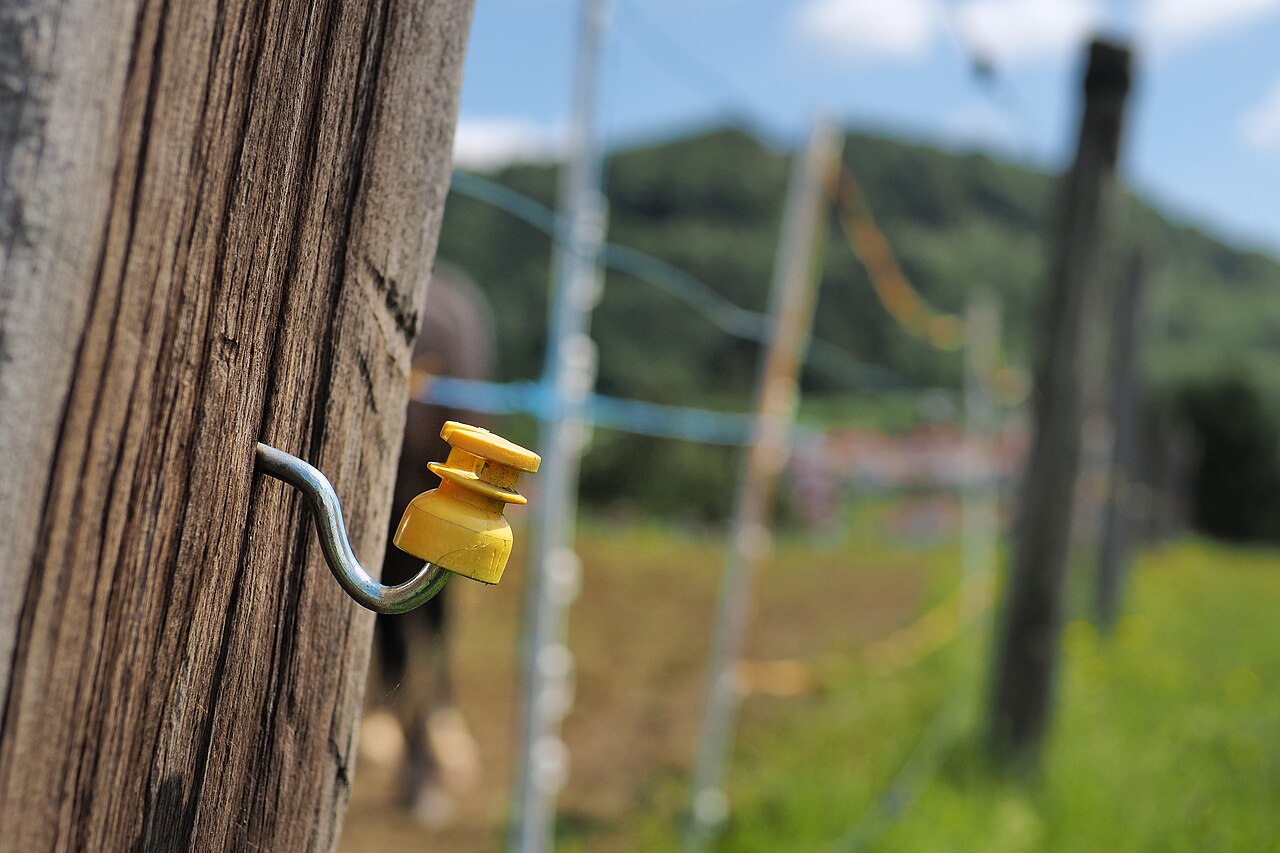
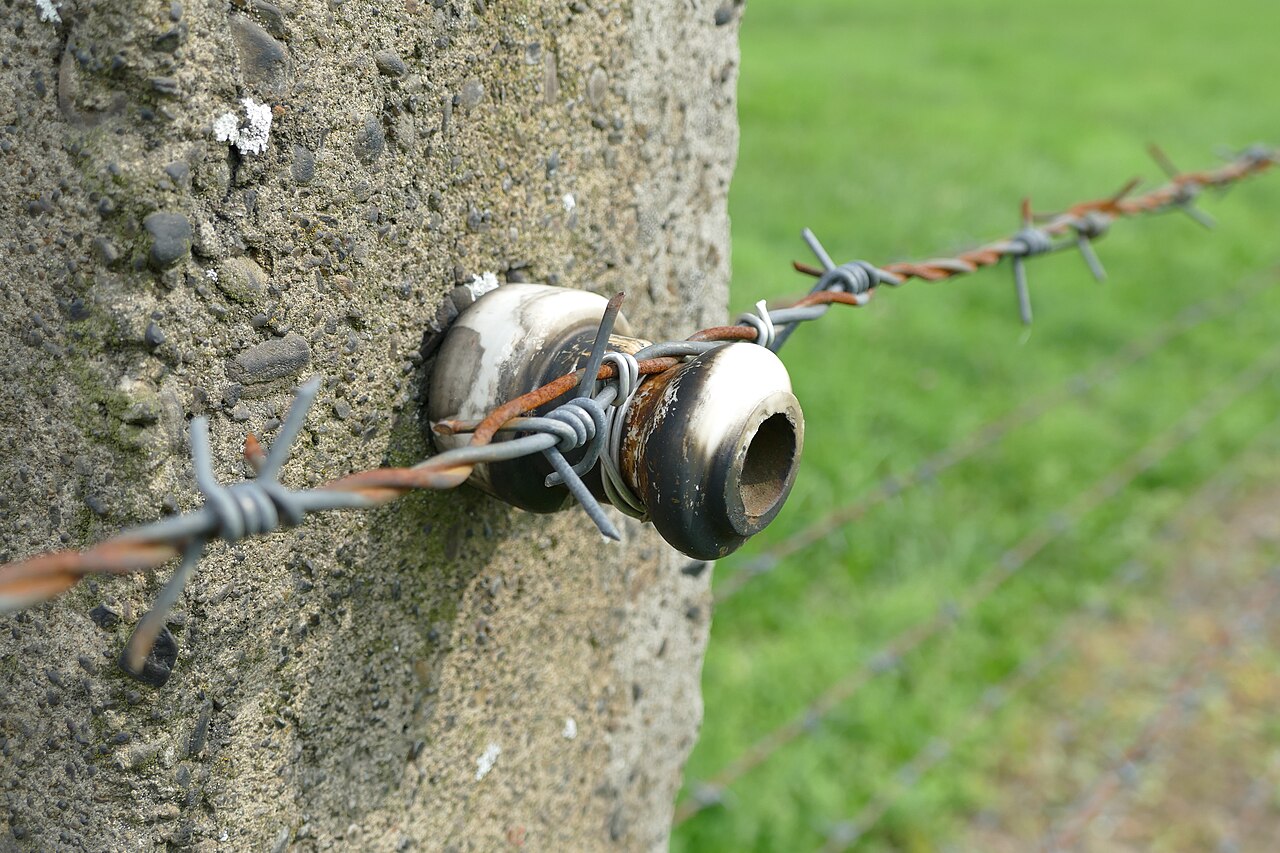
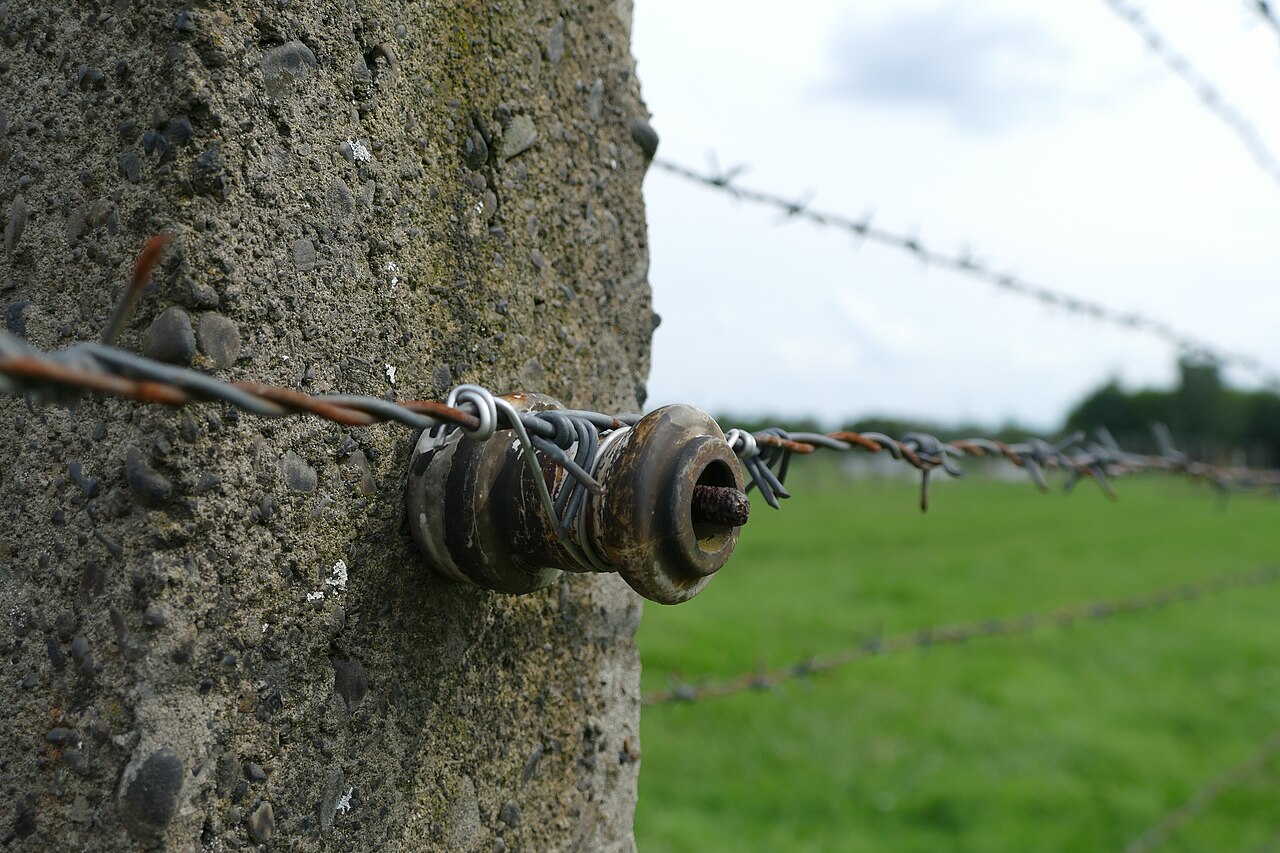
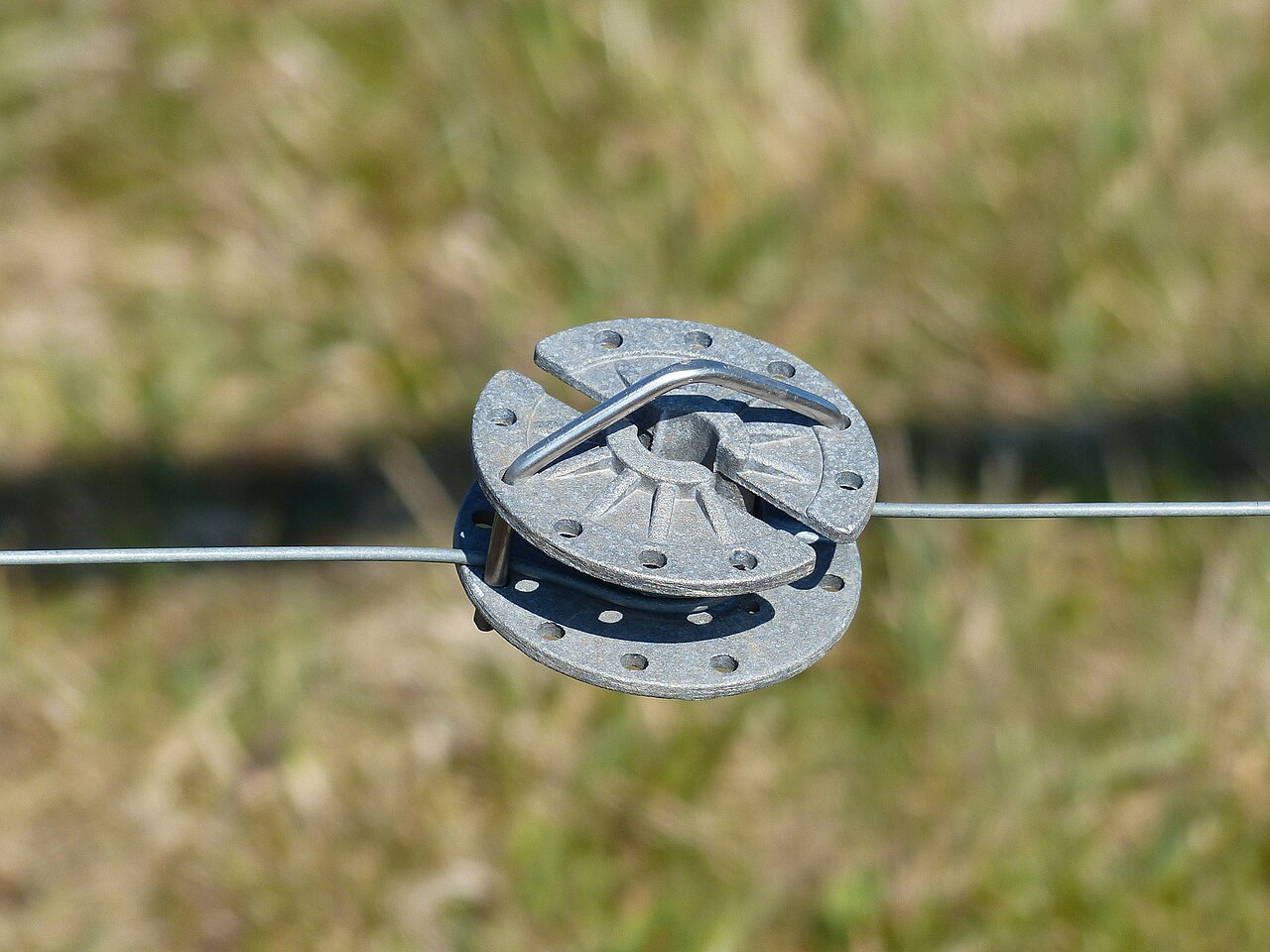
Frequently Asked Questions
Who is credited with developing the early livestock electric fence in New Zealand?
Bill Gallagher is recognized as the inventor behind the early livestock electric fence developed in New Zealand. His work laid the groundwork for what became a staple tool in pastoral farming across the country.
How does an electric fence actually work?
A power energiser sends a brief, high-voltage pulse along a bare wire roughly once every second. This creates a deterrent shock that discourages animals or people from crossing the boundary without causing serious harm in typical farm settings.
What voltage does an electric fence typically use?
Electric fences commonly operate at voltages of up to 10,000 volts, delivered as a short pulse at a frequency of about one hertz. In high-security contexts like prisons or military installations, the voltage can be high enough to be lethal.
When was the electric fence first patented?
The first patent for an electric fence dates back to 1886, making it a surprisingly old invention by modern standards. New Zealand later became a key country for developing and refining the technology for livestock management.
Why is the electric fence significant to New Zealand?
The electric fence became essential to New Zealand's pastoral farming economy, allowing efficient management of large herds across vast open country. It also evolved into modern variants, including GPS-based virtual fences, that continue to shape how livestock are controlled.
More in New Zealand inventions 1-18
Spotted an error? Know more?
This is a living reference — every entry is fact-audited, and reader corrections feed straight into our audit queue. Suggest an edit · See this site's audit record