Gorce National Park
National park in the Gorce Mountains, southern Poland.

Chris Olszewski · CC BY-SA 4.0
Gorce National Park (Gorczański Park Narodowy) lies in southern Poland’s Lesser Poland Voivodeship, safeguarding the central and northeastern sections of the Gorce Mountains—part of the Western Beskids at the Carpathian range’s western edge. The park’s origins trace to 1927, when Count Ludwik Wodzicki of Poręba Wielka established a forest reserve on his land. It became a national park in 1981, initially covering 23.9 square kilometres, and has since expanded to 70.3 km² (27.1 sq mi), with 65.91 km² under forest. A protective buffer zone spans 166.47 km². The park falls within Limanowa and Nowy Targ counties, with its headquarters in Poręba Wielka.
The Gorce range features rounded, arched peaks carved by river valleys. Notable summits include Turbacz (the highest, at 1,310 meters), Jaworzyna Kamienicka, Kiczora, Kudłoń, Czoło Turbacza, and Gorc Kamienicki. Small caves dot the area, and water covers just 0.18 km²—only streams, no lakes or large rivers.
**Geography**
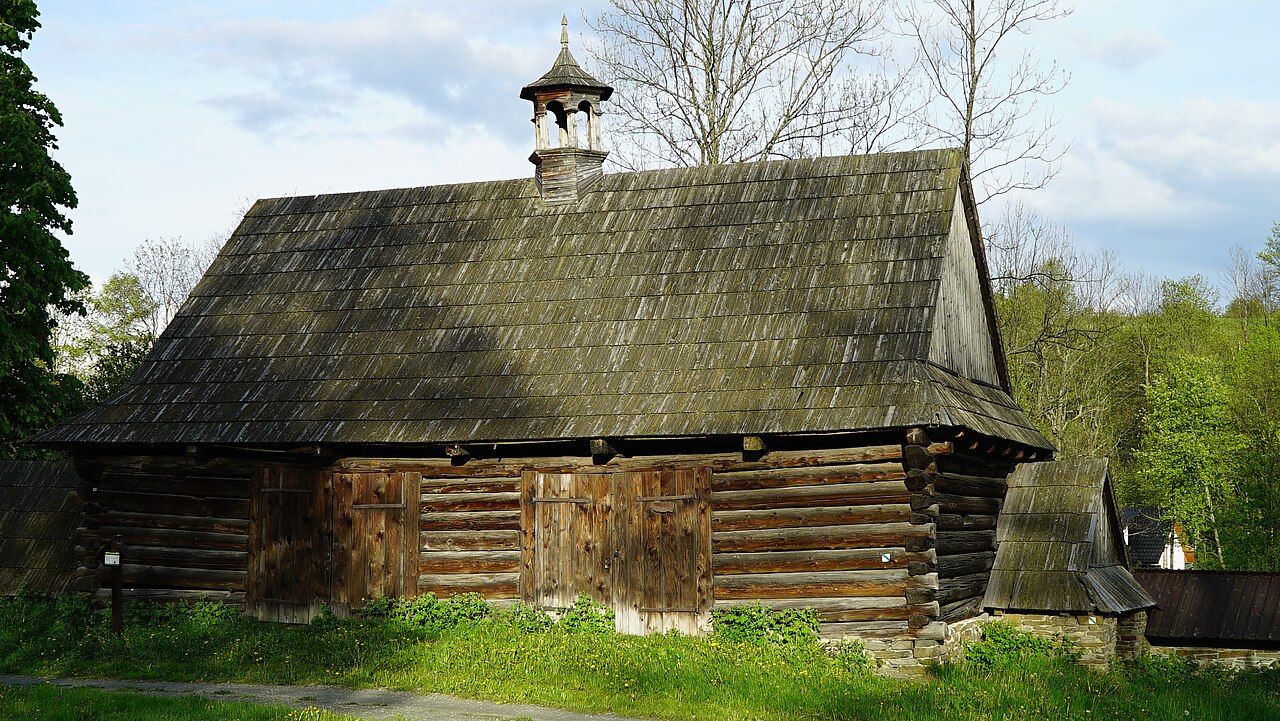
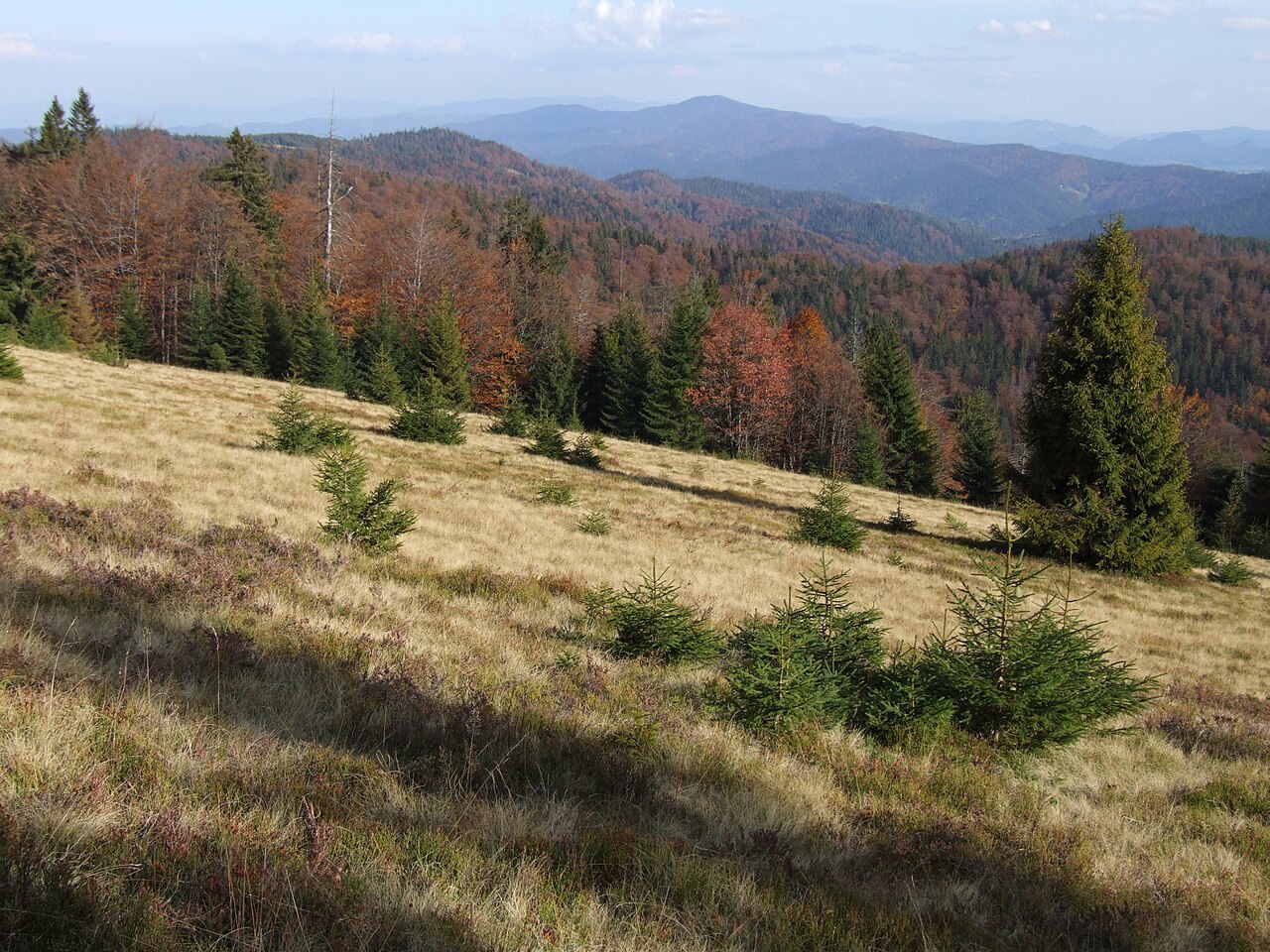
Across the Gorce range, hundreds of plant species thrive, including Alpine and Subalpine varieties on meadows. Forests blanket about 95% of the park, dominated by spruce, beech, and fir. Openings exist, mostly from past human activity. The first settlers arrived in the 14th century, but the heaviest forest loss occurred in the 19th century, when trees were felled on a large scale, especially in accessible spots. Animal life is rich, with over 90 breeding bird species and nearly 50 mammal species, including lynx, wolf, and bear. Frogs, snakes, and salamanders are also present; the rare fire salamander serves as the park’s symbol. On Jaworzyna Kamienicka—the range’s second-highest peak—the Jaworzyna Kamienicka glade hosts the historic Bulanda Chapel, funded in the early 20th century by Tomasz Chlipała, the Gorce’s most renowned shepherd. Nearby lies the park’s best-known cave, Zbójnicka Jama.
**Inhabitation**
The park’s landscape remains largely undisturbed, with human activity confined to its edges. Tourist numbers are modest, but for visitors, the park offers a refuge for nature enthusiasts. Hiking the gentle slopes of the Gorce Mountains provides views of regional treasures, including the Tatra and Pieniny ranges.
Quick Facts
- Iucn Category
- II
- Location
- Lesser Poland Voivodeship, Poland
- Nearest City
- Nowy Targ
- Established
- 1981
- Governing Body
- Ministry of the Environment
Facts from the source article.
Lore & Background
The first steps to protect this land go back to 1927, when a forest reserve was set up on land owned by Count Ludwik Wodzicki of Poręba Wielka. The National Park was created in 1981, then covering 23.9 square kilometres. Today, the area of the park has grown to 70.3 km², of which 65.91 km² is forested. The park lies within Limanowa County and Nowy Targ County.
The Gorce range is dominated by arched peaks with river valleys cutting into the range. There are a few small caves and several peaks such as Turbacz (the highest at 1310 meters), Jaworzyna Kamienicka, Kiczora, Kudłoń, Czoło Turbacza, and Gorc Kamienicki. Waters cover only 0.18 km² of the park's area, consisting only of streams. Forests cover about 95% of the park, with common species including spruce, beech, and fir. First settlers appeared in the 14th century, but the forests suffered most in the 19th century due to large-scale tree cutting.
Animal life includes over 90 species of breeding birds and almost 50 mammal species, including lynx, wolf, and bear. The rare fire salamander is the symbol of the park. The Jaworzyna Kamienicka glade houses the historical Bulanda Chapel, funded at the beginning of the 20th century by Gorce's most famous shepherd, Tomasz Chlipała. The most well-known cave, Zbójnicka Jama, is nearby.
Reader's Guide
Gorce National Park matters as a protected area that preserves the natural and cultural heritage of the Gorce Mountains. Established in 1981, it expanded from an initial 23.9 km² to 70.3 km², reflecting growing conservation efforts. The park's forests, covering 95% of its area, are dominated by spruce, beech, and fir, and its undisturbed landscape contrasts with human activities confined to the periphery. The park hosts significant biodiversity, including over 90 bird species and 50 mammal species such as lynx, wolf, and bear, with the fire salamander as its emblem. Cultural landmarks like the Bulanda Chapel, funded by shepherd Tomasz Chlipała, and the Zbójnicka Jama cave add historical depth. The park's location allows visitors to view surrounding national treasures like the Tatra and Pieniny Mountains. Its significance lies in balancing ecological protection with limited tourism, offering a refuge for nature enthusiasts while safeguarding alpine and subalpine plant species and the legacy of 19th-century forest exploitation.
Did You Know?
- The park's symbol is the rare fire salamander.
- The highest peak in the park is Turbacz at 1310 meters above sea level.
- The park's area has grown from 23.9 km² in 1981 to 70.3 km² today.
- The Bulanda Chapel was funded by shepherd Tomasz Chlipała at the beginning of the 20th century.
From Forest Reserve to National Park
The earliest conservation effort in the Gorce dates to 1927, when a forest reserve was designated on the estate of Count Ludwik Wodzicki in Poręba Wielka. That modest beginning eventually matured into full national park status in 1981, at which point the protected area spanned just 23.9 square kilometres. Over the decades that followed, the boundaries were expanded considerably, and the park now encompasses 70.3 square kilometres, of which 65.91 kilometres are forested. A surrounding protective zone adds another 166.47 square kilometres to the total area under management. Administratively, the park straddles two counties—Limanowa and Nowy Targ—within Lesser Poland Voivodeship in southern Poland, and its headquarters remain in the village of Poręba Wielka, the very community where the original 1927 reserve was carved out. Geologically, the Gorce Mountains sit at the western tip of the Carpathian range, forming part of the Western Beskids, which gives the park a distinctive position at the edge of one of Europe's great mountain systems.
Peaks, Valleys, and a Landscape of Soft Arches
The Gorce range presents a topography defined by gently arched summits rather than jagged alpine spires. River valleys slice through the mountains, carving the range into a series of rounded ridges and hollows. Among the notable summits, Turbacz stands tallest at 1,310 metres above sea level, followed by Jaworzyna Kamienicka, Kiczora, Kudłoń, Czoło Turbacza, and Gorc Kamienicki. The park also contains a handful of small caves, adding a subterranean dimension to the landscape. Water, however, is a scarce feature: streams are the only permanent watercourses, and no lakes or major rivers exist within the boundaries. In total, water covers a mere 0.18 square kilometres of the park's area. Despite its modest hydrological footprint, the Gorce offer remarkable panoramic rewards. Because the peaks are relatively soft and accessible, hikers can climb them and take in sweeping views of neighbouring mountain groups, including the Tatra and Pieniny ranges, making the park a quiet vantage point over a wider Carpathian panorama.
A Living Tapestry of Forest and Fauna
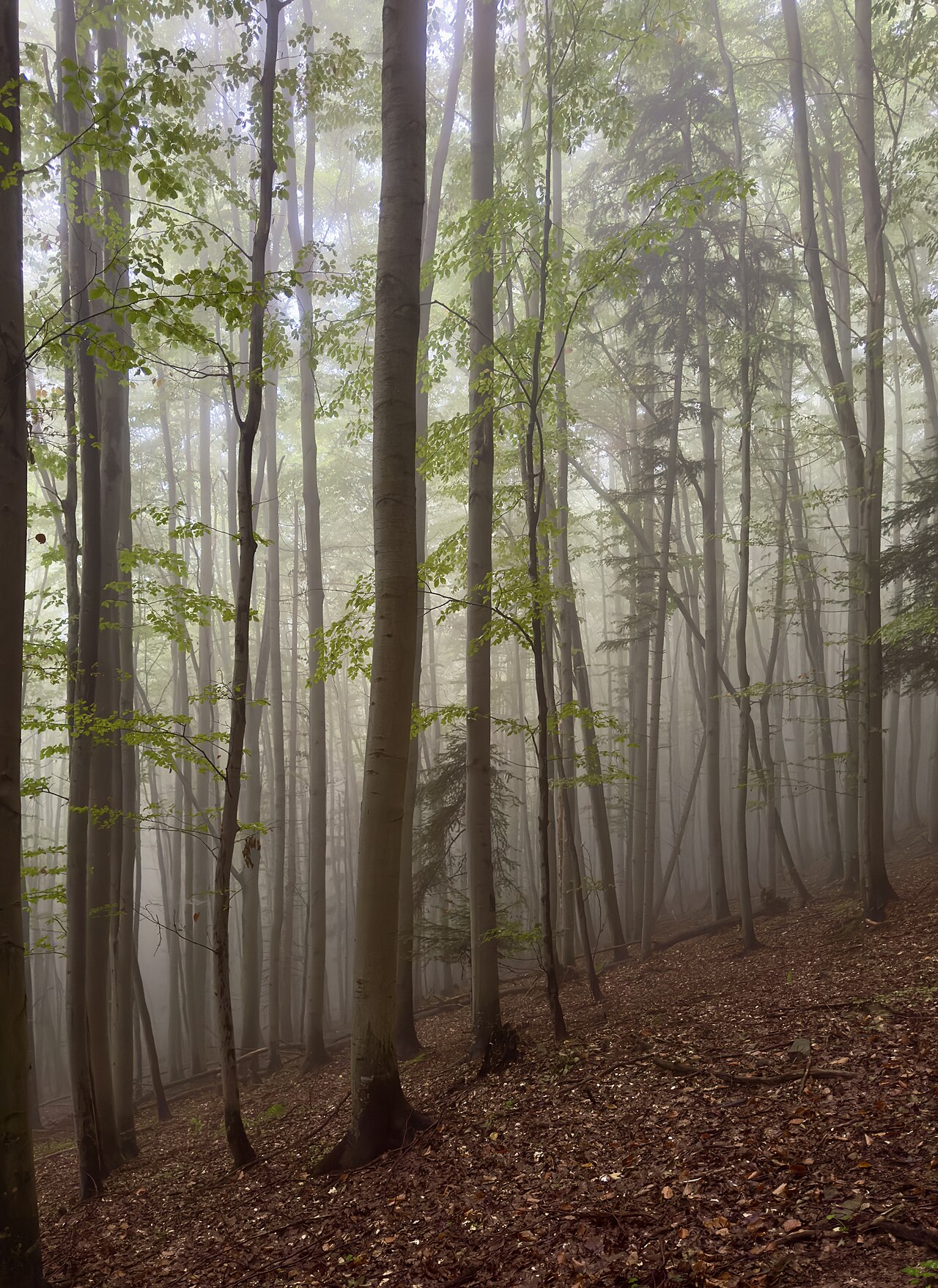
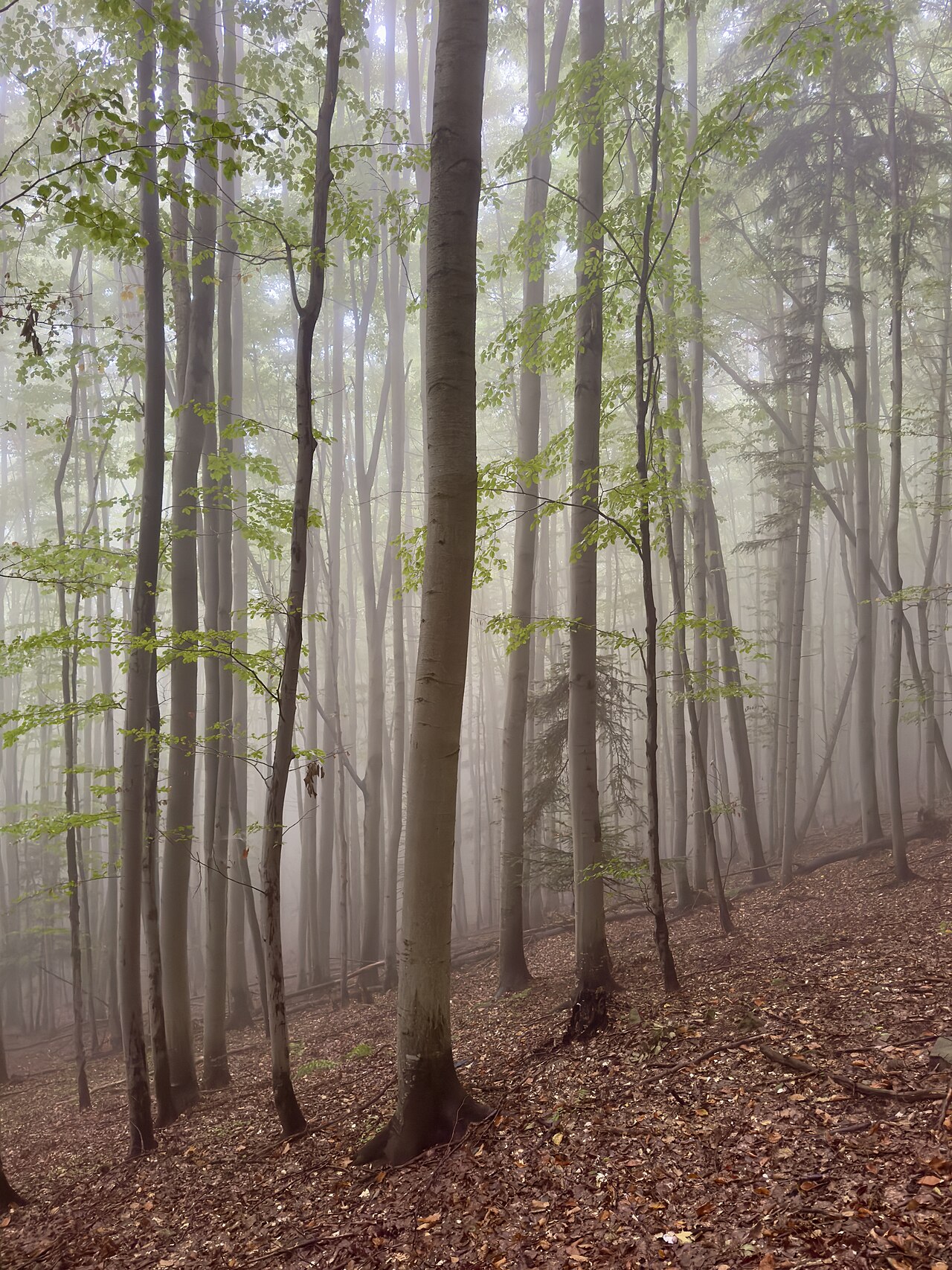
Forests blanket roughly 95 percent of the park's territory, dominated by spruce, beech, and fir. Beyond the woodland, meadows host hundreds of plant species, including Alpine and Subalpine varieties that thrive at higher elevations. The scattered clearings within the forest are largely the legacy of earlier human activity rather than natural processes. The animal community is equally rich. More than ninety species of birds breed within the park, and nearly fifty mammal species call it home, ranging from the charismatic lynx, wolf, and bear to smaller forest dwellers. Amphibians and reptiles add further layers of biodiversity: frogs, snakes, and salamanders all inhabit the park's streams and woodlands. Among these, the rare fire salamander holds a special place as the official symbol of Gorce National Park, a small but vivid emblem of the park's commitment to preserving even the most delicate elements of its ecosystem.
Shepherds, Chapels, and the Long Shadow of the Axe
Human presence in the Gorce dates to the fourteenth century, when the first settlers established themselves in the area. For centuries the forests coexisted with pastoral life, but the nineteenth century brought a dramatic shift: trees were felled on a massive scale, particularly in the more accessible parts of the range, leaving a scarred landscape that the park's modern conservation efforts have had to heal. Yet the Gorce also carry a proud cultural memory. The most celebrated figure of the range's pastoral past is Tomasz Chlipała, a shepherd whose fame endures to this day. In the early twentieth century, he funded the construction of the Bulanda Chapel, which stands on the glade atop Jaworzyna Kamienicka—the second-highest peak in the Gorce. The nearby Zbójnicka Jama, the range's best-known cave, adds another layer of local legend to the area. Today, the park's landscape retains an undisturbed character, with human activity confined to the periphery, and the modest number of visitors who do come find a haven of quiet wilderness.
Gallery
Frequently Asked Questions
What is Gorce National Park and where is it located?
It is a protected area in southern Poland's Lesser Poland Voivodeship, covering the central and northeastern stretches of the Gorce Mountains. Those mountains form part of the Western Beskids, sitting at the westernmost edge of the Carpathian range.
How did Gorce National Park come to exist?
Its roots go back to 1927, when Count Ludwik Wodzicki of Poręba Wielka created a forest reserve on his own land. The area was formally declared a national park in 1981, starting at 23.9 km² and later growing to its current size.
How big is Gorce National Park today?
The park covers 70.3 square kilometres, with 65.91 km² of that under forest canopy. A surrounding protective buffer zone adds another 166.47 km² of regulated land.
What is the highest point you can reach in Gorce National Park?
The summit of Turbacz, at 1,310 metres above sea level, is the park's highest peak and a popular destination for hikers exploring the Gorce ridge.
Why is Gorce National Park considered important for conservation?
It shelters one of the largest remaining tracts of mature beech and spruce woodland in the Carpathian foothills, preserving a rich assemblage of flora and fauna that has stayed largely free from heavy industrial or urban pressure.
More in National parks of Poland 1-24
Spotted an error? Know more?
Reader corrections go straight into our review queue. Suggest an edit · How this site is sourced