Białowieża National Park
Poland's only UNESCO World Heritage natural site.

Jacek Karczmarz · CC BY-SA 3.0
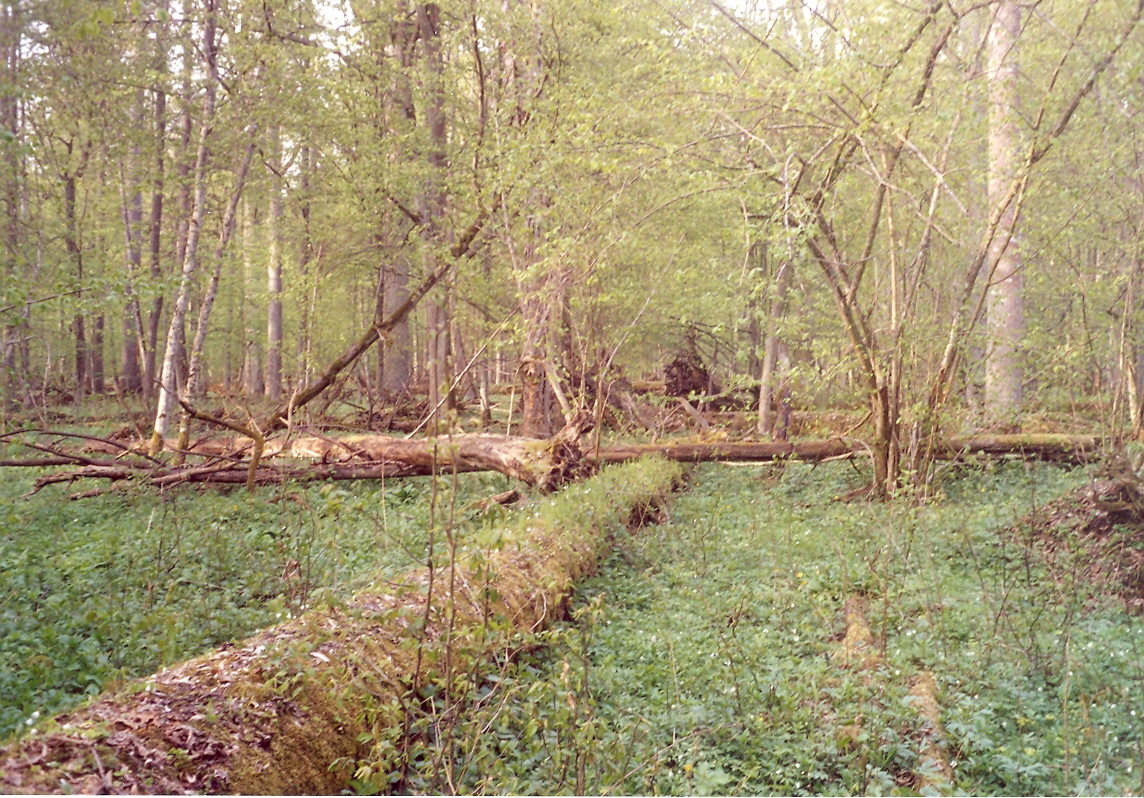
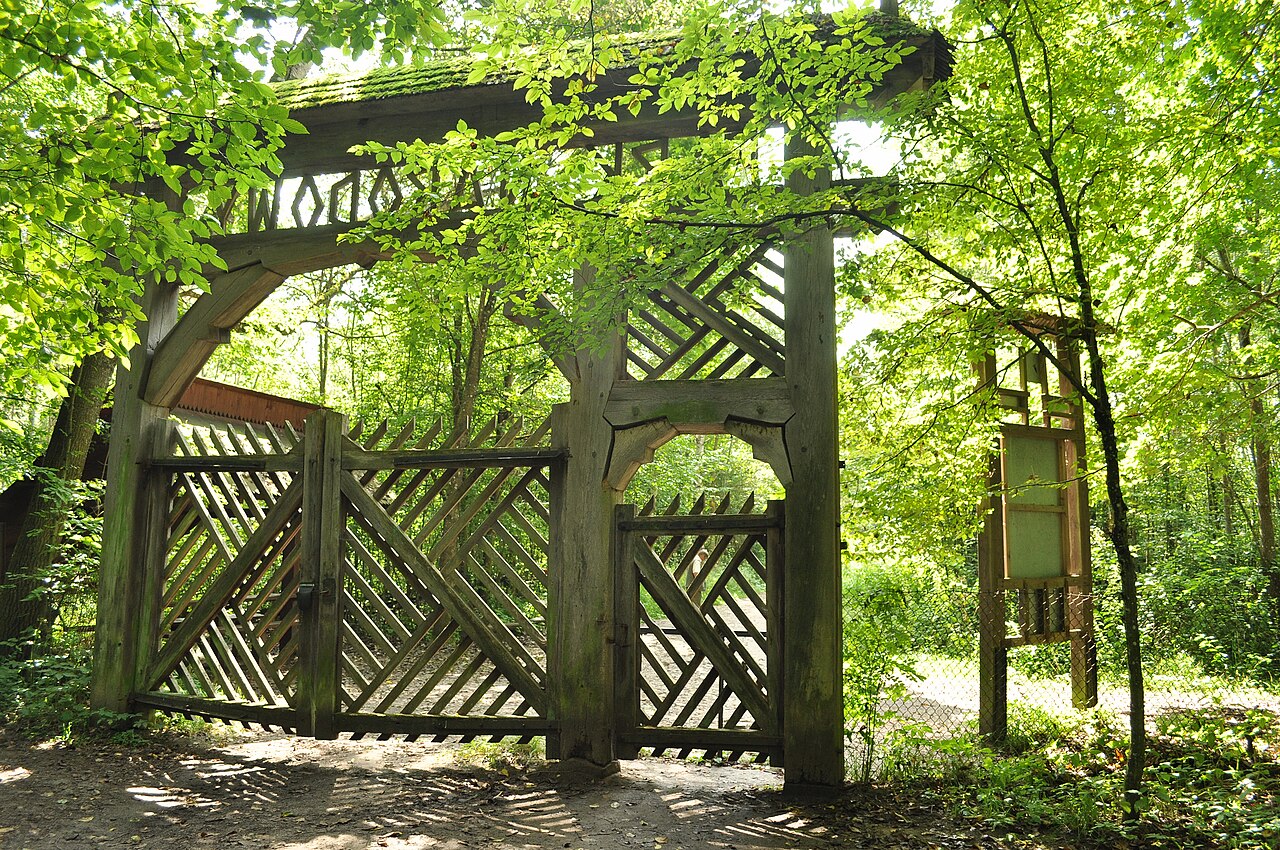
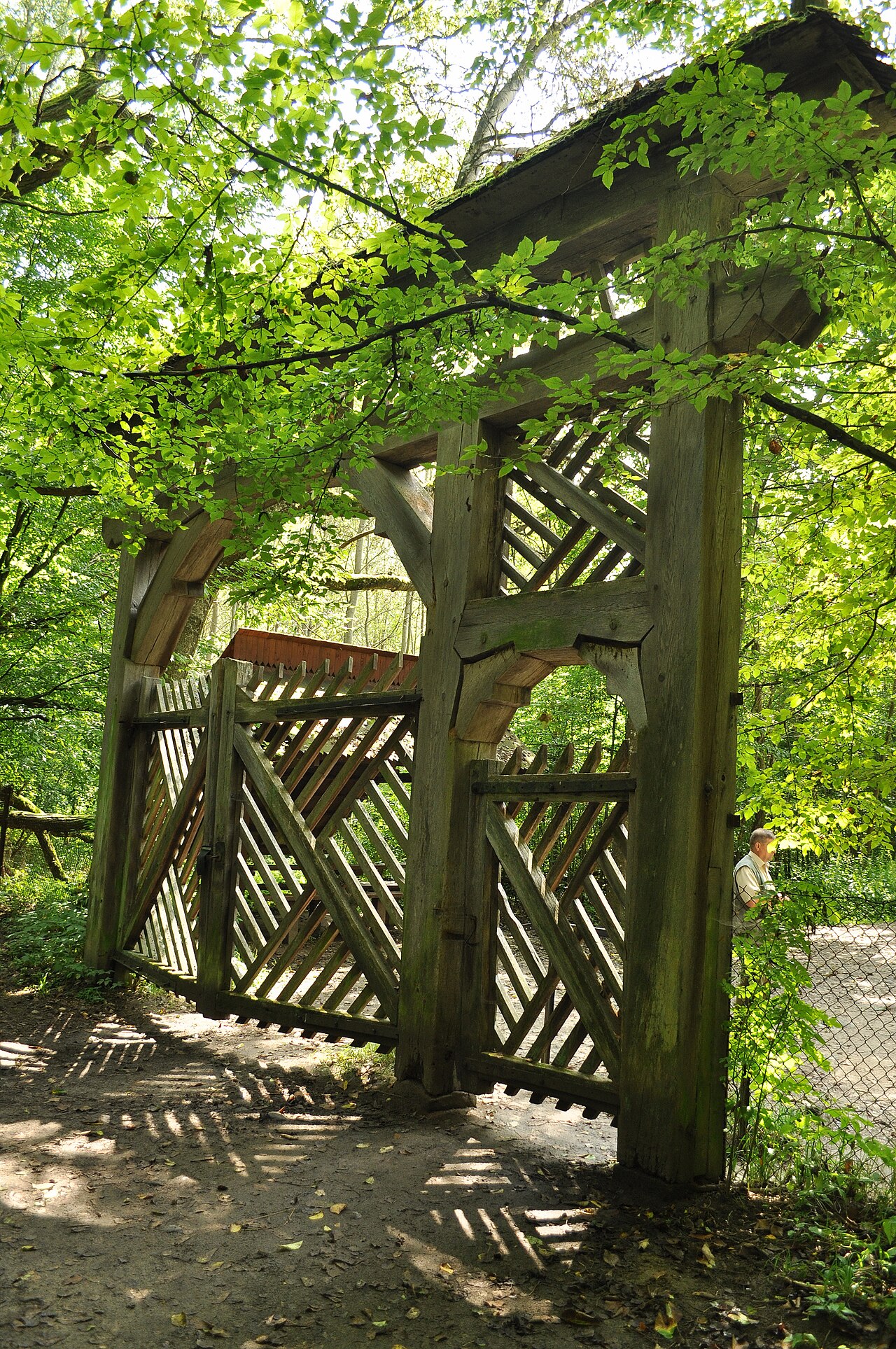
Białowieża National Park sits in eastern Poland, in Podlaskie Voivodeship, right along the Belarusian border. Covering 105.2 square kilometers, it lies about 62 kilometers southeast of Białystok. The park safeguards the most intact section of the Białowieża Forest, the last remaining fragment of temperate primeval forest that once stretched across the European Plain. It hosts the largest population of European bison—the heaviest land animal on the continent—alongside wild boar, Eurasian elk, Eurasian wolf, and Eurasian lynx.
The forest straddles the border, with Belovezhskaya Pushcha National Park on the Belarusian side. A crossing for hikers and cyclists exists within the woods. Tourism generates roughly 72 million zloty annually for the park. Its standout trait is biological diversity, and it was Poland's only natural property designated a UNESCO World Heritage Site until 2021, when the Ancient and Primeval Beech Forests of the Carpathians and Other Regions of Europe (which includes parts of Poland) also gained the designation. The park also forms the central zone of the Białowieża Forest Biosphere Reserve.
The park’s origins trace to a Forest Reserve inspectorate established in 1921. This became the National Park in Białowieża on August 11, 1932, under the Second Polish Republic. After World War II, the forest was split between the People’s Republic of Poland and the Belarusian SSR of the Soviet Union. Poland reopened the park in 1947. The headquarters are in the village of Białowieża. Today, the park has three administrative units: the Protective Orłówka Precinct, the Conservation District Hwoźna, and the Bison Breeding Centre, which includes three reserves and a demonstration reserve.
During the European migrant crisis, groups of migrants have hidden in the forest after crossing from Belarus. In 2025, five activists—including park worker Ewa Moroz-Keczynska—stood trial for assisting migrants, becoming known as the Hajnówka Five.
The Orłówka unit spans 5,073.21 hectares, with 4,784.46 hectares under strict protection, 235.48 under active protection, and 53.27 under landscape protection. It splits into the Sierchanowo and Dziedzinka districts. Hwoźna covers 5,169.50 hectares, with 941.64 strictly protected, 4,203.68 actively protected, and 24.18 under landscape protection. It contains four districts: Cupryki, Gruszki, Masiewo, and Zamosze.
Quick Facts
- Iucn Category
- II
- Location
- Podlaskie Voivodeship in Poland
- Nearest City
- Hajnówka
- Area
- 105.2 km²
- Established
- 11 August 1932
- Visitation Num
- 140000
- Visitation Year
- 2005
- Governing Body
- Ministry of the Environment
Facts from the source article.
Lore & Background
The park's formal beginning was the Forest Reserve inspectorate established in 1921, transformed into the National Park in Białowieża on 11 August 1932 by the Second Polish Republic. After World War II, the forest was divided between Poland and the Belarusian SSR, and the park reopened in 1947. The park consists of three administrative units: the Protective Orłówka Precinct, the Conservation District Hwoźna, and the Bison Breeding Centre.
The park is known for its biological diversity and is the central zone of the Białowieża Forest Biosphere Reserve. Its inner zone has been living without much human intervention for almost 800 years. Only scientists can navigate the strictly protected area freely; tourist groups are limited to 20 people with an official guide. The park headquarters is in the village of Białowieża, at the Museum of Nature and Forest, built in the 1960s on the site of the former palace of Polish King Augustus III, destroyed by the Soviet Army in July 1944.
Reader's Guide
Białowieża National Park is significant as the only Polish natural property designated by UNESCO as a World Heritage Site and as the most important zone of the Białowieża Forest Biosphere Reserve. It protects Europe's last temperate primaeval forest fragment and the continent's heaviest land animal, the European bison. The park brings in tourist revenues of about 72 million zloty per year. Its legacy includes centuries-old protection efforts and a role in the migrant crisis in Europe, where groups of migrants resided and hid in the forest. In 2025, a trial of five activists, including park worker Ewa Moroz-Keczynska, known as the Hajnówka Five, took place on charges of assisting migrants. The park remains a key site for biodiversity conservation and scientific research.
Did You Know?
- The park is home to the world's largest population of European bison, the continent's heaviest land animal.
- There is a border crossing for hikers and cyclists within the forest between Poland and Belarus.
Ecological Crown of the Continent
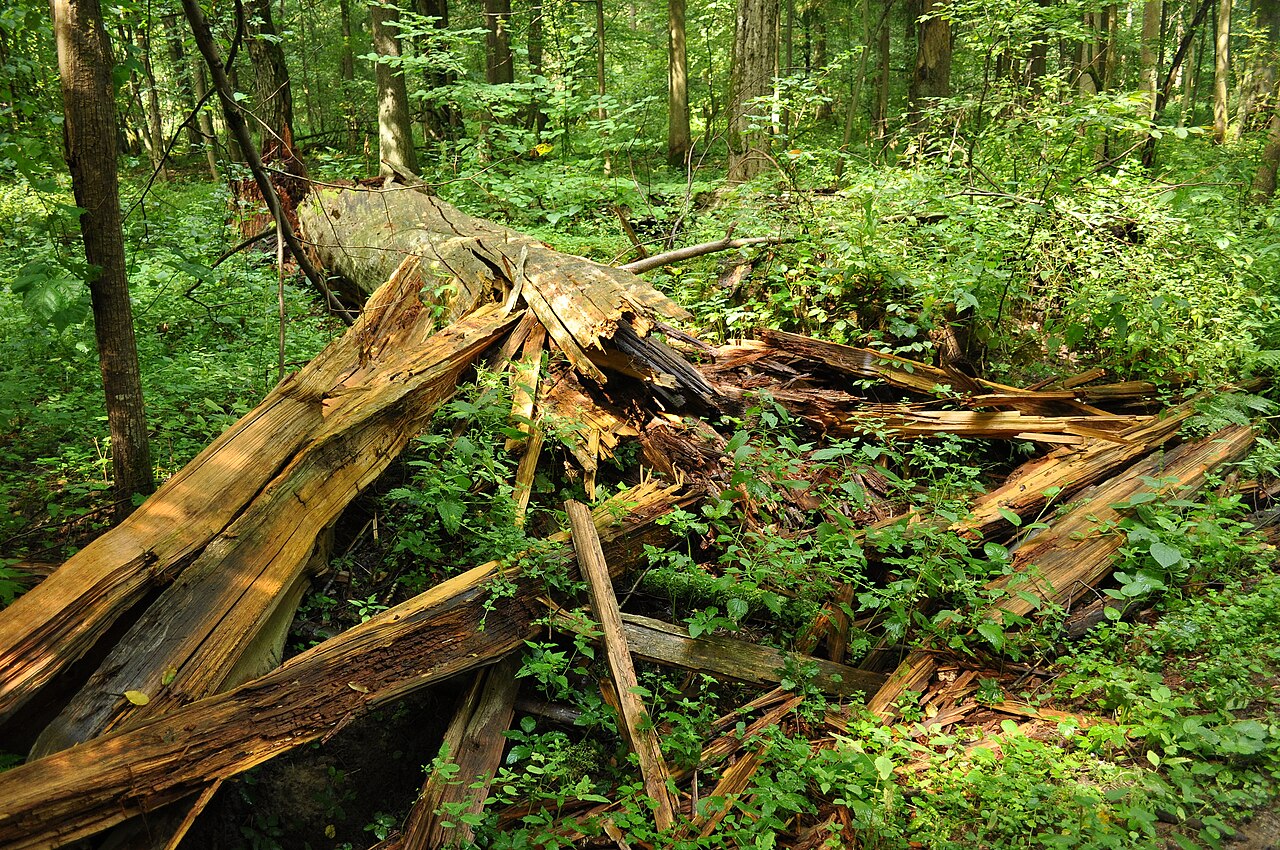
Białowieża National Park guards what many ecologists regard as the final surviving fragment of the vast temperate primaeval woodland that once blanketed the European Plain. Roughly eight hundred years of minimal human interference have allowed the inner zone to develop into a genuinely old-growth ecosystem, a distinction it holds among all twenty-three national parks in Poland. The park shelters the world's largest free-ranging population of the European bison, the continent's heaviest terrestrial mammal, alongside wild boar, Eurasian elk, wolves, and lynx. This extraordinary biological diversity earned the site its designation as Poland's sole UNESCO World Heritage natural property and its role as the central zone of the Białowieża Forest Biosphere Reserve. The park is also classified as an endangered Important Bird Area, a reminder that even this relatively pristine landscape continues to face mounting pressures.
A Forest Divided by History
The political story of Białowieża is inseparable from the shifting borders of Eastern Europe. Formal protection began in 1921 when a Forest Reserve inspectorate was established, and on 11 August 1932 the Second Polish Republic elevated it to national park status. World War II shattered that continuity: the Soviet Army destroyed the historic palace of King Augustus III in July 1944, and the postwar settlement split the forest between the People's Republic of Poland and the Belarusian SSR. Poland reopened its portion of the park in 1947, while the Belarusian side became the Belovezhskaya Pushcha National Park. The international border still threads directly through the woodland, yet a dedicated crossing point allows hikers and cyclists to walk between the two countries without ever leaving the trees. The idea of formal local protection dates back roughly two centuries, though genuine conservation efforts in the region stretch several hundred years further into the past.
Managing a Living Wilderness
The park's 105.2 square kilometres are divided into three administrative units, each with distinct protection tiers. The Orłówka Protective Precinct spans over five thousand hectares, with nearly 4,800 hectares under strict protection; the Hwoźna Conservation District covers roughly 5,170 hectares, where the majority of land receives active rather than the strictest category of protection. The Bison Breeding Centre, at 274.56 hectares, houses three dedicated breeding reserves plus a public-access reserve, and its staff oversee bison habitat across the entire Polish side of the Białowieża Forest. Access rules reflect the sensitivity of the habitat: only scientists may roam freely within the strictly protected core, while tourist groups are capped at twenty people and must be accompanied by an official guide. A classic road tour traverses the southern reserve area of 4,747 hectares, and guides based in the neighbouring village of Białowieża offer smaller-group excursions.
Human Stories at the Edge of the Wood
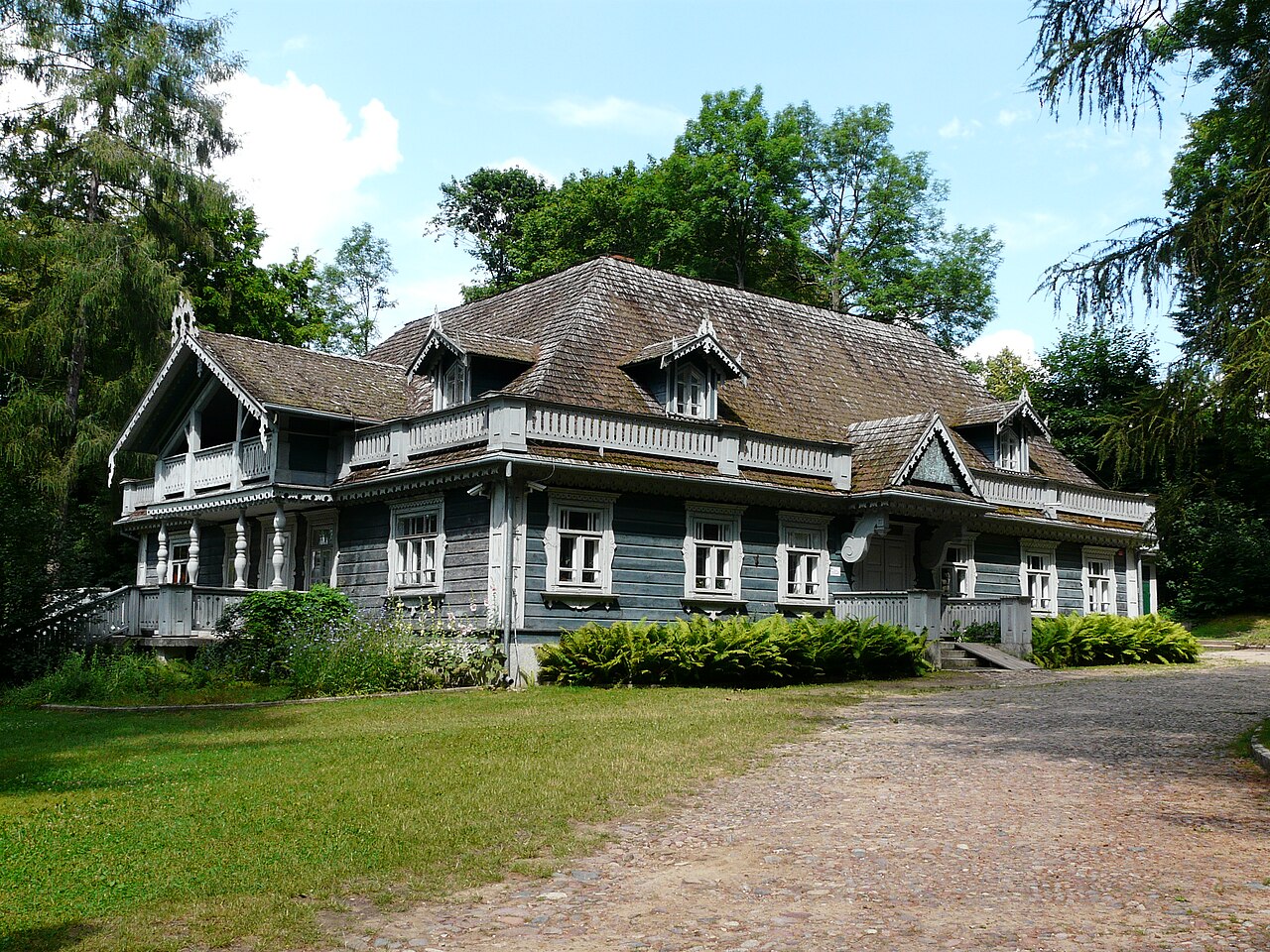
Beyond its ecological fame, the park is a stage for very human drama. The museum complex that now serves as the park headquarters was built in the 1960s on the site of the former royal palace, destroyed by Soviet forces in 1944. Its exhibition uses multimedia displays, audio recordings of virtually every living regional species, and multilingual computer terminals to make the forest accessible to visitors of all ages, with an observation tower rising above the roof. The park generates roughly 72 million zloty in annual tourist revenue. Yet the woodland has also become a refuge for migrants crossing from Belarus during Europe's refugee crisis. In 2025, five individuals—including park employee Ewa Moroz-Keczynska—stood trial on charges of assisting those migrants, a case that drew national attention and became known as the Hajnówka Five. The nearby Palace Park, founded around the Tsar's Palace at the turn of the twentieth century, now houses a refurbished 1845 manor that functions as a Centre for Nature Education.
Gallery
Frequently Asked Questions
What is Białowieża National Park?
It is a protected area in eastern Poland's Podlaskie Voivodeship, covering 105.2 square kilometers along the Belarusian border. It preserves the most undisturbed portion of the Białowieża Forest, the last surviving stretch of primeval temperate woodland on the European Plain.
Why is Białowieża National Park important?
It holds the distinction of being Poland's sole UNESCO World Heritage natural site and shelters the world's largest European bison population. The park protects a living remnant of ancient forest that once spanned the entire European Plain.
What wildlife can you find in Białowieża National Park?
The park is home to the heaviest land animal in Europe, the European bison, in its largest remaining wild population. Other notable residents include wild boar, Eurasian elk, Eurasian wolf, and Eurasian lynx.
Where exactly is Białowieża National Park?
It sits in the Podlaskie Voivodeship in eastern Poland, roughly 62 kilometers southeast of Białystok, right up against the border with Belarus. The ancient woodland it protects actually crosses into Belarus, where the Belovezhskaya Pushcha National Park continues the same forest.
When was Białowieża National Park established?
The area first received formal protection in 1921 as a Forest Reserve inspectorate. It was then officially designated a National Park on 11 August 1932.
More in National parks of Poland 1-24
Spotted an error? Know more?
Reader corrections go straight into our review queue. Suggest an edit · How this site is sourced