Bieszczady National Park
Second-largest Polish national park, UNESCO site since 2021.

Dwxn · CC BY-SA 4.0
Bieszczady National Park (Polish: Bieszczadzki Park Narodowy) sits in the far southeast of Poland, within Subcarpathian Voivodeship, and ranks as the country’s second-largest national park. In 2021, it gained UNESCO World Heritage status as part of the extension to the Ancient and Primeval Beech Forests of the Carpathians and Other Regions of Europe.
Established in 1973, the park originally spanned just 59.55 square kilometers. It expanded four times over the years, most notably in 1996—when it absorbed the former villages of Bukowiec, Beniowa, and Caryńskie—and again in 1999, adding the former settlements of Dźwiniacz, Tarnawa Niżna (or Tarnawa Wyżna), and Sokoliki. Today it covers 292.02 square kilometers, encompassing the highest parts of the Polish Bieszczady Mountains. In 1992, the park and its surroundings were included in the UNESCO East Carpathian Biosphere Reserve, a 2,132.11-square-kilometer area that also stretches into Slovakia and, since 1998, Ukraine.
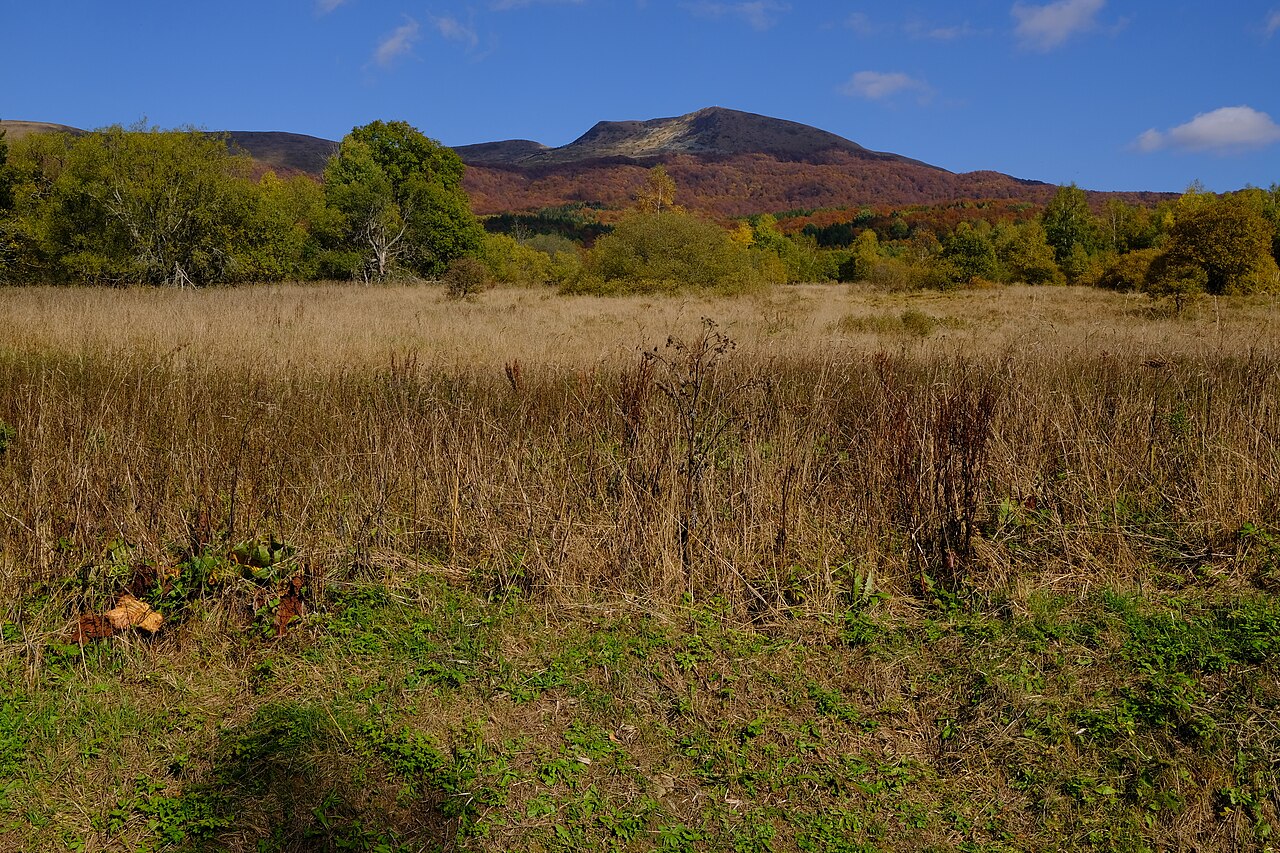
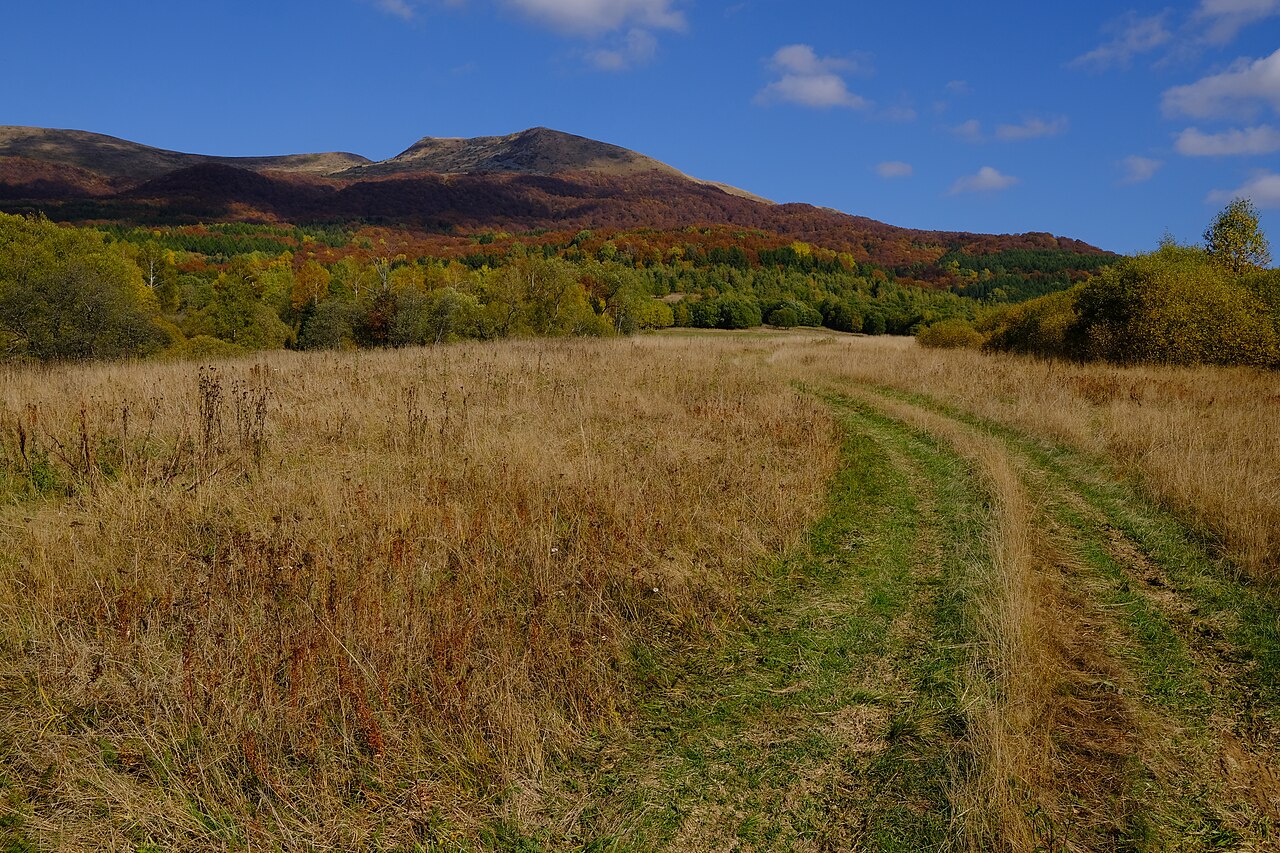
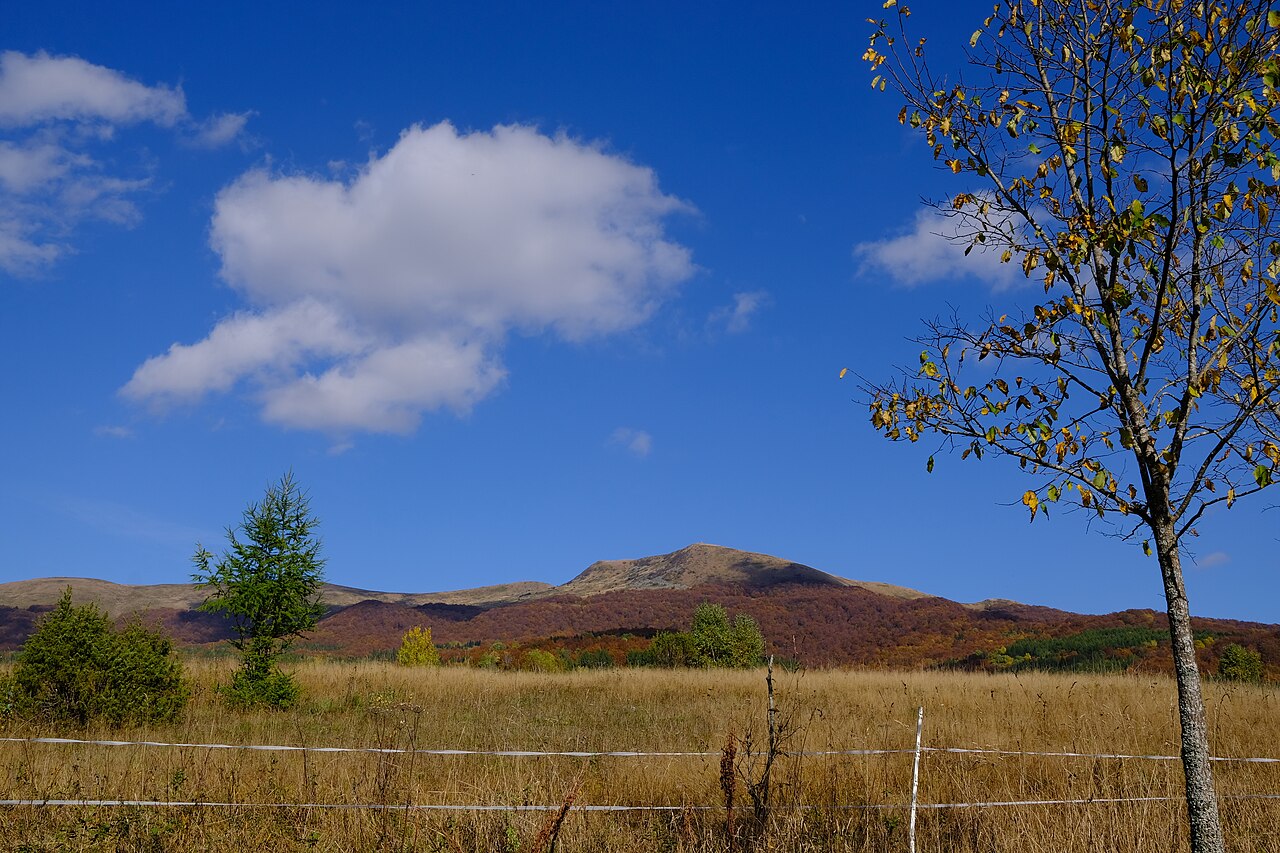
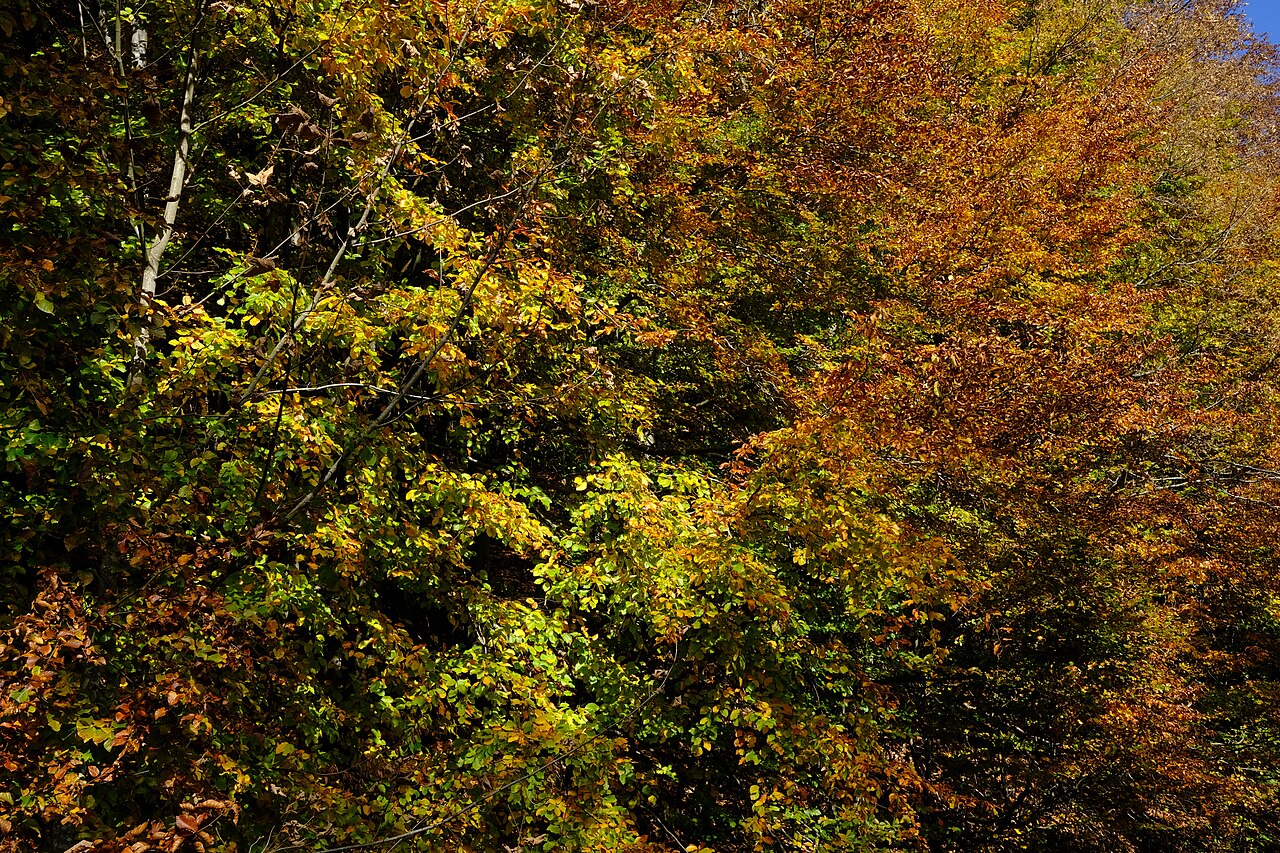
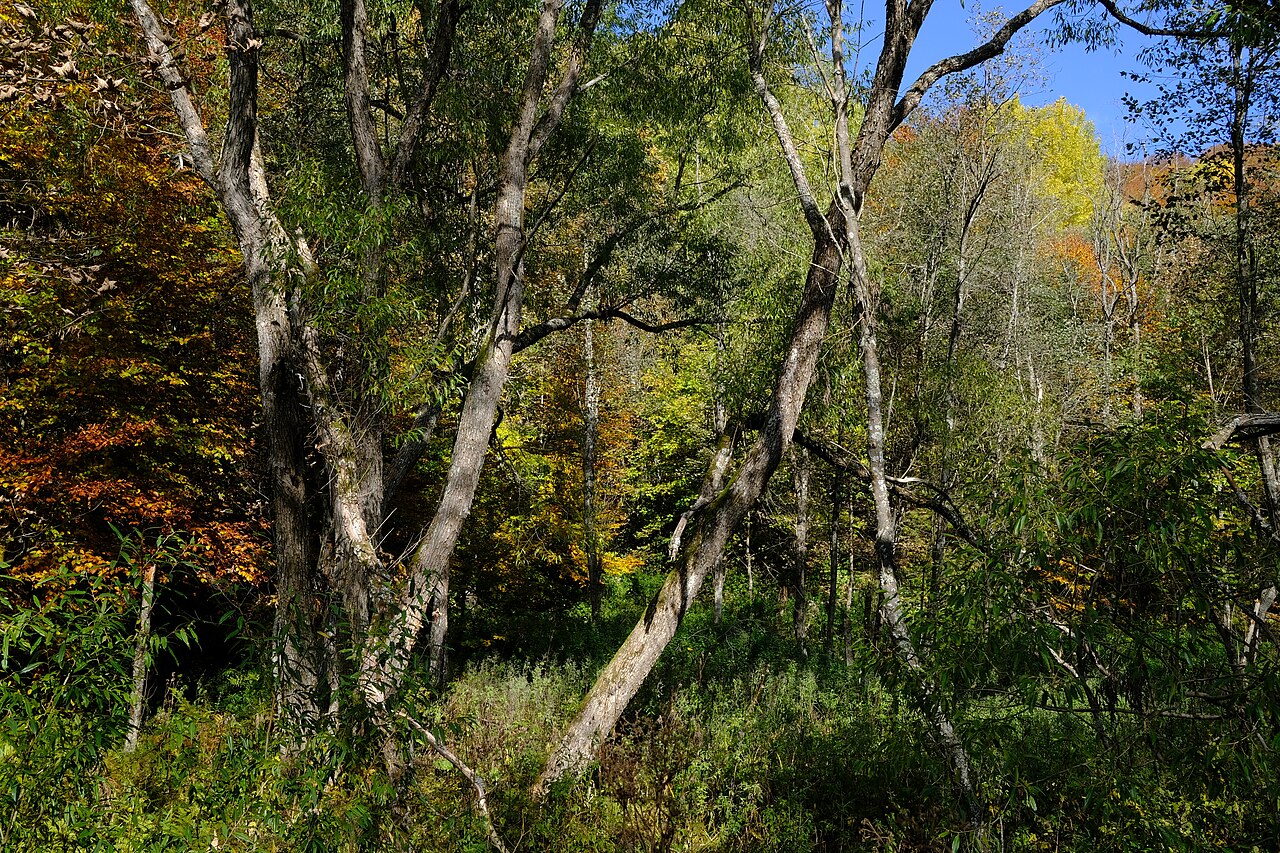
Forests blanket roughly 80% of the park, much of it natural and, in some places, still pristine. The highest point is Mount Tarnica, rising to 1,346 meters above sea level.
Wildlife is abundant, with several endangered species making their home here: brown bears, gray wolves, European wildcats, wild boars, Eurasian beavers, Eurasian otters, Eurasian lynx, deer including moose, and European bison (typically around 200–300 within the park). The park also hosts notable birdlife, such as eagles and owls, and holds the largest Polish population of Aesculapian snakes. With fewer than one person per square kilometer, animals move freely through the landscape.
Tourists flock to the region, though facilities remain limited. About 70% of the park is designated a strict preserve, meaning trail use is restricted. The park authorities encourage walking trips, and one major route is the European walking trail E8.
Quick Facts
- Iucn Category
- II
- Location
- Subcarpathian Voivodeship, Poland
- Established
- 1973
- Governing Body
- Ministry of the Environment
Facts from the source article.
Lore & Background
The park was created in 1973, initially covering only 59.55 square kilometers. Over the years it was enlarged four times, with the last enlargements in 1996 (incorporating the former villages of Bukowiec, Beniowa, and Caryńskie) and in 1999 (adding the former settlements of Dźwiniacz, Tarnawa Niżna (or Tarnawa Wyżna), and Sokoliki). It now occupies 292.02 square kilometers, covering the highest areas of the Polish part of the Bieszczady Mountains.
Forests cover about 80% of the park, mainly natural and in some cases pristine. The highest peak is Tarnica at 1,346 meters. Animal life is abundant, including brown bears, grey wolves, European wildcats, wild boars, Eurasian beavers, Eurasian otters, Eurasian lynx, deer (such as moose), and European bison (typically around 200–300 live within the park). The park also hosts interesting bird species like eagles and owls, and the largest Polish population of Aesculapian snakes.
The park is sparsely populated (less than 1 person per km²), allowing animals to roam freely. Around 70% of the park is strict preserve, restricting trail use. The park's authorities promote walking trips, and the European walking route E8 passes through.
Reader's Guide
Bieszczady National Park is significant as the third-largest national park in Poland and a UNESCO World Heritage Site since 2021, recognized for its ancient and primeval beech forests. It forms part of the larger UNESCO East Carpathian Biosphere Reserve, which includes areas in Slovakia and Ukraine. The park's nearly 80% forest cover, much of it natural or pristine, supports a rich diversity of wildlife, including endangered species such as brown bears, grey wolves, and European bison. Its strict preservation of 70% of the area ensures minimal human disturbance, making it a vital refuge for fauna and flora. The park's legacy lies in its role as a protected area that balances conservation with limited tourism, offering hiking trails like the European E8 route while maintaining low population density. Its inclusion in the UNESCO biosphere reserve and World Heritage list underscores its international importance for biodiversity and natural heritage.
From Humble Beginnings to Poland's Third-Largest Park
Bieszczady National Park traces its origins to 1973, when a modest protected area of just under sixty square kilometres was established in the far southeastern reaches of Poland, within the Subcarpathian Voivodeship. What began as a relatively small reserve has since undergone four separate expansions, each one broadening the boundaries of what the park encompasses. The most recent two enlargements came in the late 1990s: in 1996 the former villages of Bukowiec, Beniowa, and Carynskie were folded into the park, and three years later in 1999, the communities of Dzwiniacz, Tarnawa, and Sokoliki joined the protected landscape. Today the park stretches across 292.02 square kilometres, making it the third-largest national park in the entire country. Its territory is deliberately concentrated on the highest elevations of the Polish portion of the Bieszczady Mountains, ensuring that the most rugged and ecologically significant terrain receives the strongest legal protection. This steady growth over nearly five decades reflects a long-term commitment to preserving one of Poland's most remote and wild mountain regions.
A Landscape Dominated by Ancient Forest
Roughly four-fifths of the park's terrain is blanketed in woodland, and much of that forest is not the product of human planting but rather the result of natural succession over centuries. In certain stretches, the trees retain a truly pristine character, untouched by logging or heavy management, giving the landscape an almost primordial quality. The crown of this forested world is Tarnica, the park's highest summit, which rises to 1,346 metres above sea level. From its peak, the vista sweeps across the most elevated ground in Poland's Bieszczady range, a region tucked into the country's extreme southeastern corner where the terrain still feels wild and largely unpopulated. The park's location in the Subcarpathian Voivodeship places it at the edge of the Carpathian arc, where the mountains meet the lowlands to the south. Because the area is so remote and sparsely inhabited, the forest can function as a continuous, interconnected habitat rather than a series of isolated patches, which is critical for the long-term health of both flora and fauna.
A Sanctuary for Europe's Most Elusive Wildlife
The low human density in Bieszczady—fewer than one resident per square kilometre—creates conditions where large carnivores and other sensitive species can live without the constant pressure of urbanization. The park shelters a remarkable roster of endangered and iconic animals: brown bears, grey wolves, European wildcats, Eurasian lynx, Eurasian beavers, and Eurasian otters all thrive here alongside wild boar and moose. Perhaps most strikingly, more than five hundred European bison roam the surrounding area, a testament to the region's suitability for one of Europe's largest land mammals. The skies above the canopy are patrolled by eagles and various owl species, while the waterways and rocky outcrops support the largest known population of Aesculapian snakes in all of Poland. To protect this biodiversity, approximately seventy percent of the park is designated as a strict preserve, where trail access is deliberately limited. Park authorities actively encourage visitors to explore on foot, keeping the landscape open yet undisturbed for the animals that call it home.
From Regional Reserve to World Heritage
Bieszczady's international standing has grown steadily over the past three decades. In 1992, the park and its surrounding buffer zones were incorporated into the UNESCO East Carpathian Biosphere Reserve, a transboundary conservation zone spanning 2,132.11 square kilometres that includes territory in Slovakia and, since 1998, Ukraine. This designation recognized the Bieszczady as part of a larger ecological continuum stretching across national borders. The park's profile reached a new height in 2021 when it was inscribed as a UNESCO World Heritage Site, specifically as an extension of the Ancient and Primeval Beech Forests of the Carpathians and Other Regions of Europe. This recognition underscores the exceptional value of the park's old-growth beech woodlands within a broader European context. The area also lies along the European walking route E8, linking it to a continent-wide network of long-distance trails. Together, these designations affirm that the Bieszczady are not merely a Polish park but a site of outstanding universal significance.
Gallery
Frequently Asked Questions
What is Bieszczady National Park?
Bieszczady National Park is a protected wilderness area in the far southeastern corner of Poland, situated within the Subcarpathian Voivodeship. It holds the distinction of being the second-largest national park in the country.
How large is Bieszczady National Park and how did it reach that size?
The park currently spans 292.02 square kilometers (about 112.75 square miles), having grown from an original 59.55 square kilometers at its 1973 founding. It was expanded four times over the decades, with notable additions in 1996 and 1999 that incorporated former villages such as Bukowiec, Beniowa, and Caryńskie.
What is the highest point in Bieszczady National Park?
Tarnica, rising to 1,346 meters (4,416 feet) above sea level, is the tallest summit within the park's boundaries. It is a well-known target for hikers traversing the Bieszczady ridge.
When did Bieszczady National Park earn UNESCO World Heritage status?
In 2021 the park was inscribed on the World Heritage List as a new extension of the 'Ancient and Primeval Beech Forests of the Carpathians and Other Regions of Europe' site. The designation specifically recognizes the outstanding beech forest ecosystems found within its borders.
Is Bieszczady National Park also part of a UNESCO biosphere reserve?
Yes, the park has been included in the East Carpathian Biosphere Reserve since 1992. That long-standing designation highlights the wider Carpathian landscape's value for biodiversity conservation beyond the park's own fences.
More in National parks of Poland 1-24
Spotted an error? Know more?
Reader corrections go straight into our review queue. Suggest an edit · How this site is sourced