Biebrza Marshes
A vast wetland refuge in northeast Poland.

7alaskan · CC BY-SA 3.0
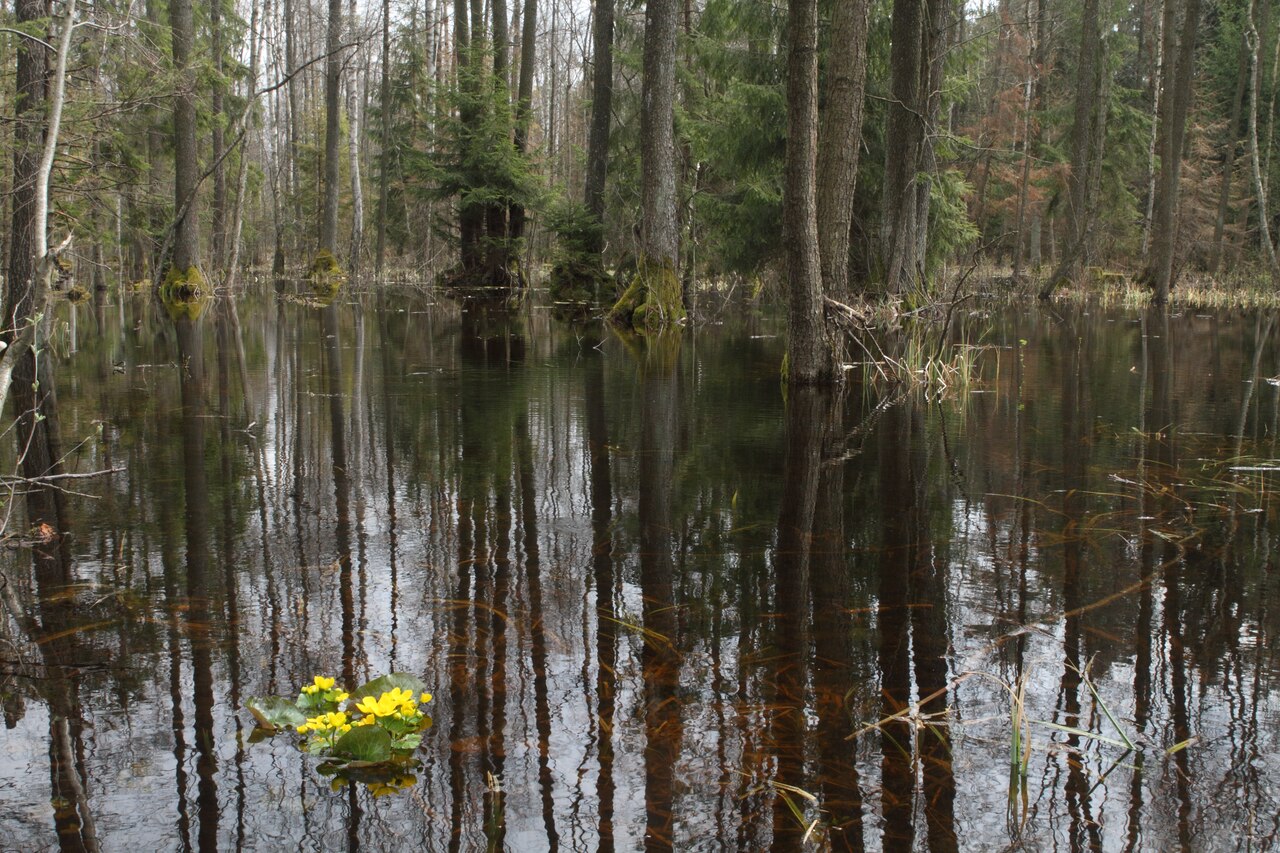
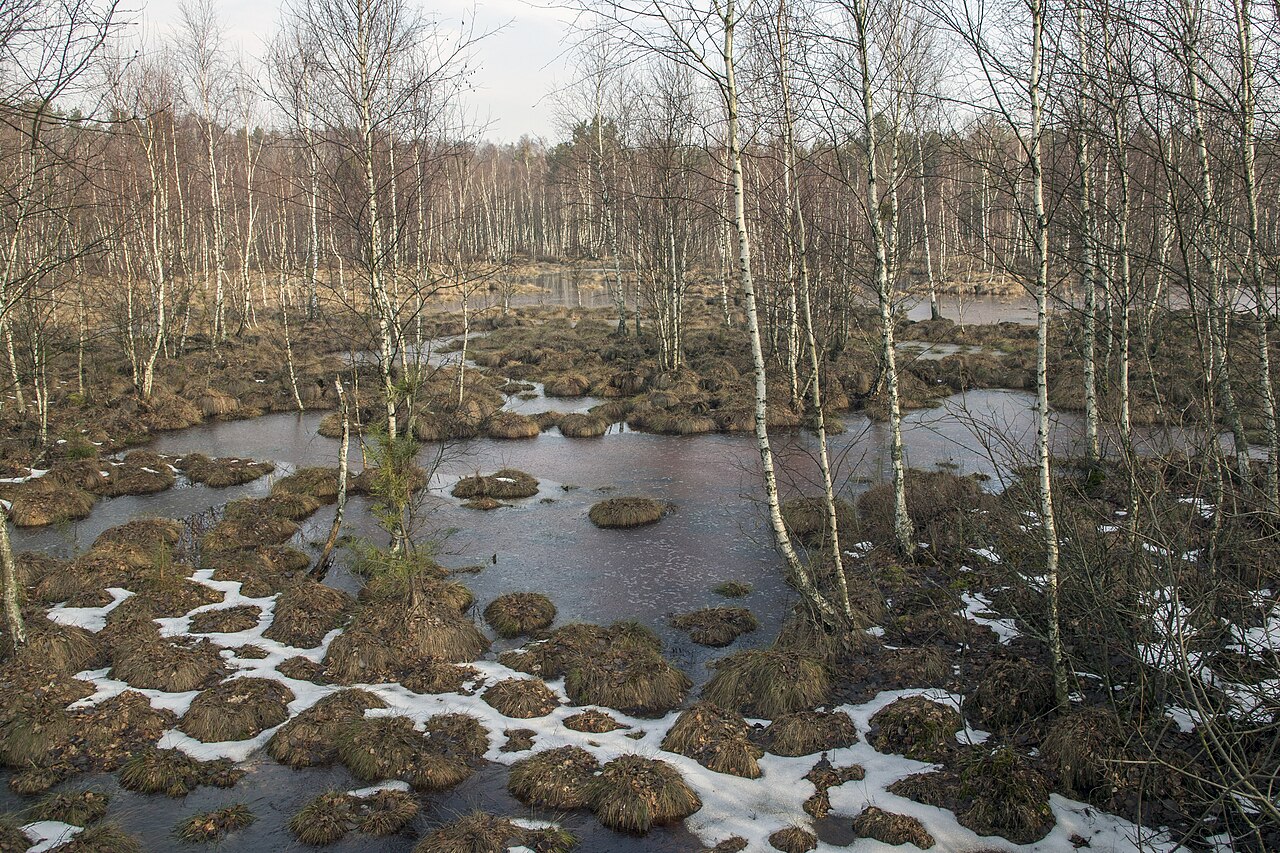
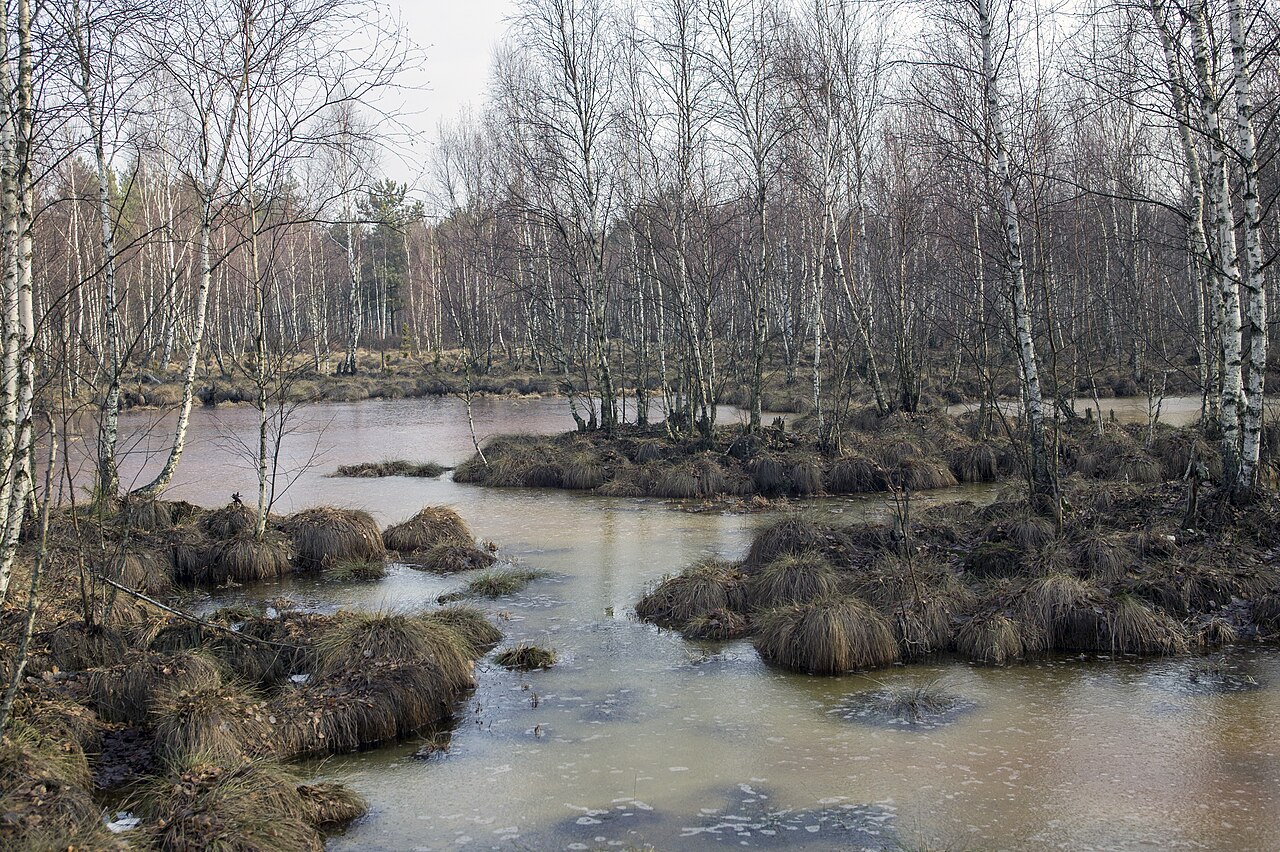
Tucked away in northeastern Poland, within the Suwałki and Łomża regions, the Biebrza Marshes—also called the Biebrza Valley—form a sprawling wetland system along the Biebrza River. This landscape mixes river channels and lakes with vast peat bogs, covering roughly 1,000 square kilometers, while higher ground supports wooded areas like alder carrs. The habitats here follow a clear natural progression, moving from riverside fens to raised bogs and eventually into damp woodlands. That unique sequence fosters an impressive range of wildlife, especially birds and mammals. More than 250 bird species have been spotted, representing over 80% of Poland’s birdlife, and early spring mating rituals draw birdwatchers from across the globe. Frequent flooding enriches the soil with alluvium, which in turn sustains a wide variety of wetland plants. As one of Europe’s largest wildlife refuges, most of the area falls within Biebrza National Park, a site protected under the Ramsar Convention for its wetlands and bird breeding grounds.
**Flora and vegetation** Within the marshes, researchers have identified 43 distinct plant associations, some rarely found elsewhere in Poland. The main communities include water, marsh, peat, reed, and forest groups—featuring alder, birch, and riparian forests. A particularly valuable set is the large sedge-moss community, which hosts many rare and relict species that are vanishing from other parts of the country. Overall, the vegetation stands out for its high diversity, strong natural character, and the presence of uncommon plants such as shrub birch, downy willow, forkbeards (including *Lycopodium annotinum* and clubmoss), fir, pink sand, *Chimaphila umbellata*, *Polemonium caeruleum*, sundews (*Drosera rotundifolia* and *Drosera anglica*), *Pedicularis sceptrum-carolinum*, marsh gentian, *Swertia perennis*, Siberian iris, and 20 species of orchids—among them the lady’s slipper orchid and *Dactylorhiza incarnata*.
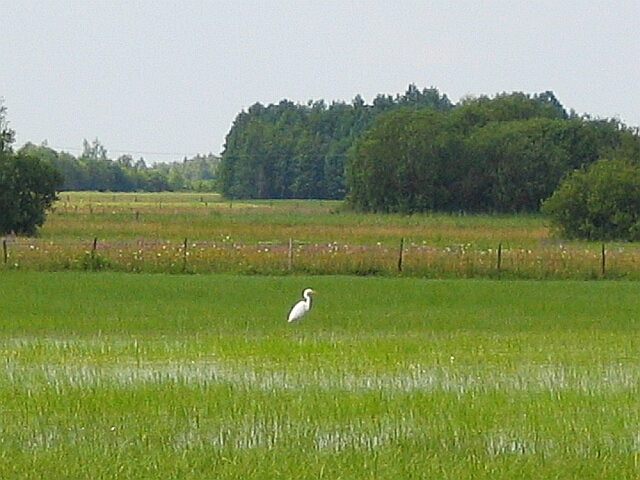
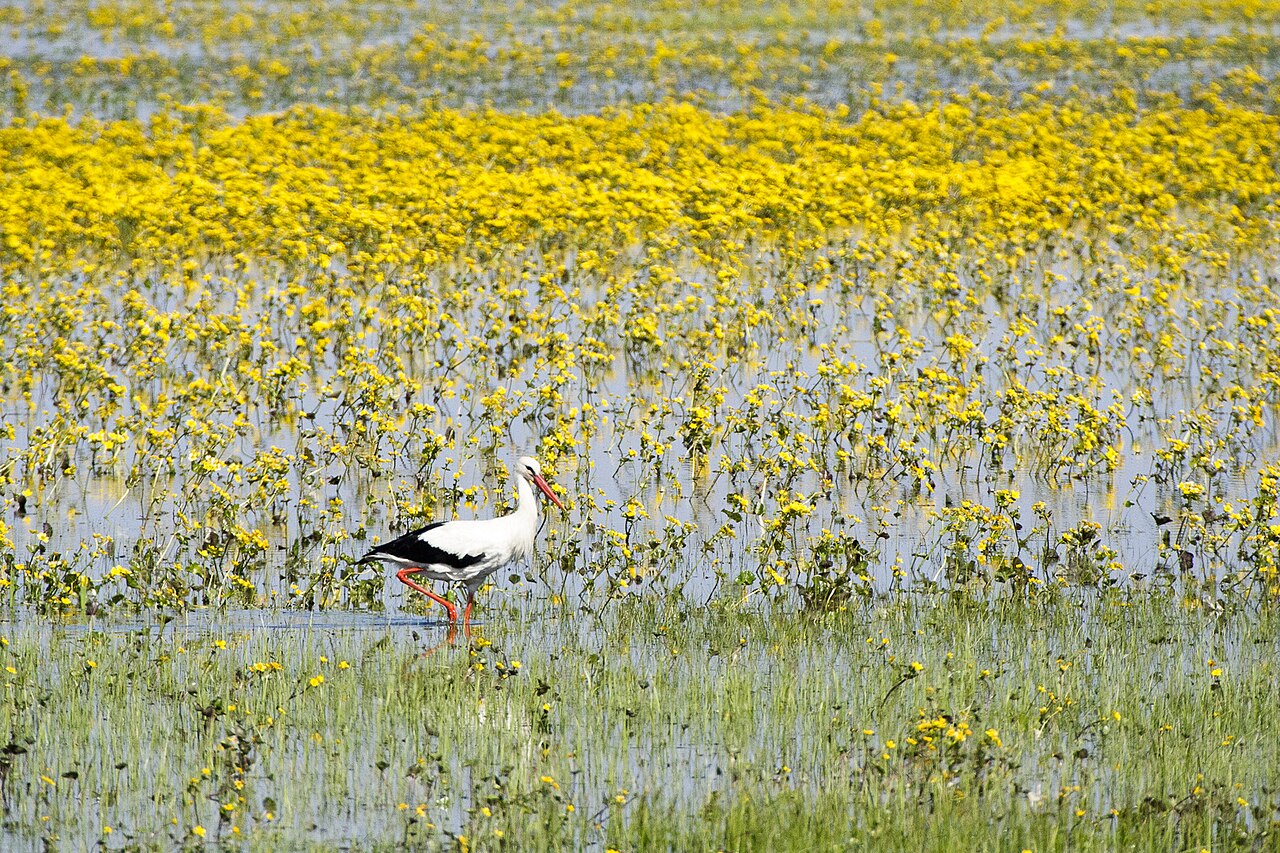
**Fauna** For many wetland bird species, the Biebrza Marshes serve as the most important breeding area in Poland and one of the most significant in Central and Western Europe. That importance grows as wetlands disappear across the European landscape. The valley also provides crucial feeding and resting spots for birds during annual migrations.
- Location
- Northeast Poland (Suwałki, Łomża)
- Area
- Approximately 1,000 km²
- Bird species recorded
- Over 250 species
- Plant associations
- 43
- Orchid species
- 20
- Fish species
- Approximately 36
- Protected status
- Biebrza National Park, Ramsar Convention site
Lore & Background
The Biebrza Marshes show a clear succession of habitats from riverside fen through to raised bogs, grading into wet woodland. This unique succession supports a wide diversity of wildlife, with large numbers of birds and mammals. Over 250 species of birds have been recorded, including more than 80% of Polish avifauna. The marshes are commonly flooded, and the resulting alluvial soil supports an array of wetland vegetation.
Reader's Guide
The Biebrza Marshes are significant as one of the largest wildlife refuges in Europe and a critical breeding area for many wetland bird species in Poland and Central and Western Europe. Their importance is increasing as wetlands disappear across Europe. The area also serves as a feeding and resting site for birds during annual migrations and hosts boreal breeding species. The vegetation is characterized by great diversity and a high degree of naturalness, with 43 plant associations including rare and relict species. Mammals such as moose, which survived here after World War II, red deer, and European beaver are present, alongside predators like wolf and otter. The waters contain approximately 36 fish species. The greater part of the area is protected as Biebrza National Park under the Ramsar Convention.
Did You Know?
- The Biebrza Marshes cover around 1,000 km².
- Over 250 species of birds have been recorded there, more than 80% of Polish avifauna.
- The area contains 43 plant associations, some rarely seen elsewhere in Poland.
- Moose survived in the Biebrza Marshes after World War II and were protected to multiply and spread.
Geography & Habitat Succession
The Biebrza Marshes stretch across the Biebrza river valley in northeastern Poland, spanning the Suwałki and Łomża regions. Covering roughly 1,000 square kilometers, this wetland complex is a mosaic of river channels, lakes, vast marshes, wooded tracts on elevated ground including alder carrs, and well-preserved peat bogs. What makes the area truly remarkable is its clear ecological succession: habitats grade seamlessly from riverside fens through to raised bogs, then into wet woodland, creating a continuum of microhabitats rarely seen in such completeness. The marshes flood regularly, and the resulting alluvial soil nourishes a rich array of wetland vegetation. This layered progression of environments within a single landscape is what gives the Biebrza Valley its extraordinary capacity to support diverse wildlife communities, from the smallest invertebrates to large mammals.
Flora & Vegetation Diversity
Within the Biebrza Marshes, botanists have identified 43 distinct plant associations, several of which are rarely encountered elsewhere in Poland. The major communities range across water, marsh, peat, reed, and forest types, with alder, birch, and riparian stands forming the woodland backbone. Of particular scientific value is a large group of sedge-moss communities harboring numerous rare and relict species that have already vanished from other parts of the country. The flora also includes striking rare plants: shrub birch, downy willow, forkbeards, pink sand, Polemonium caeruleum, two species of sundew, marsh gentian, Swertia perennis, and the Siberian iris. Perhaps most spectacular are the twenty orchid species present, among them the Lady's slipper orchid and Dactylorhiza incarnata. The overall vegetation is noted for its great diversity, high degree of naturalness, and the persistence of species found nowhere else in the region.
Avian & Faunal Richness
The Biebrza Marshes rank as the most critical breeding ground for wetland bird species in Poland and among the most important in all of Central and Western Europe. More than 250 bird species have been recorded here, representing over 80 percent of the entire Polish avifauna. The valley also serves as a vital feeding and resting stop for migrating flocks each year, and it hosts boreal breeding species whose geographic centers lie in the taiga and tundra zones. Beyond birds, the marshes shelter a remarkable mammal assemblage: moose (which survived the Second World War only in this area before being protected and reintroduced across Poland), red deer, roe deer, wild boar, European beaver, wolf, fox, raccoon, badger, polecat, pine marten, otter, stoat, and weasel. The waters support roughly 36 fish species, including pike, Wels catfish, eel, chub, and barbel.
Conservation & International Significance
The Biebrza Marshes stand as one of the largest wildlife refuges in Europe. The greater part of the area falls within Biebrza National Park, and the wetlands and bird breeding grounds are protected under the Ramsar Convention, underscoring the site's international ecological importance. This protection has become increasingly urgent: as wetlands continue to vanish from the European landscape, the Biebrza Valley's role as a breeding and migratory stopover for countless bird species grows in significance year by year. The moose population offers a poignant illustration of the marshes' conservation value—this species survived the Second World War only within the Biebrza area, after which deliberate protection allowed it to multiply and spread across Polish territory. Today, the combination of national park status, Ramsar designation, and the sheer scale of the wetland complex makes the Biebrza Marshes a cornerstone of European wetland conservation.
Gallery
Frequently Asked Questions
Where exactly is Biebrza National Park located in Poland?
It sits in the northeastern corner of the country, spanning parts of the Suwałki and Łomża regions, and stretches along the course of the Biebrza River through a broad valley.
How many bird species can you find in Biebrza Marshes?
More than 250 bird species have been recorded within the park, making it one of Poland's richest avian strongholds. The wetlands also shelter roughly 36 fish species and at least 20 orchid varieties.
How large is Biebrza National Park?
The protected area covers approximately 1,000 square kilometers, which makes it one of the largest national parks in the country.
What makes Biebrza Marshes different from other Polish national parks?
Its wetlands follow a natural gradient from riverside fens through raised peat bogs into alder-carr woodlands, a layered sequence that is rare in Central Europe. That structural diversity is what supports such a wide spread of plant and animal life.
What does the landscape actually look like when you visit Biebrza Marshes?
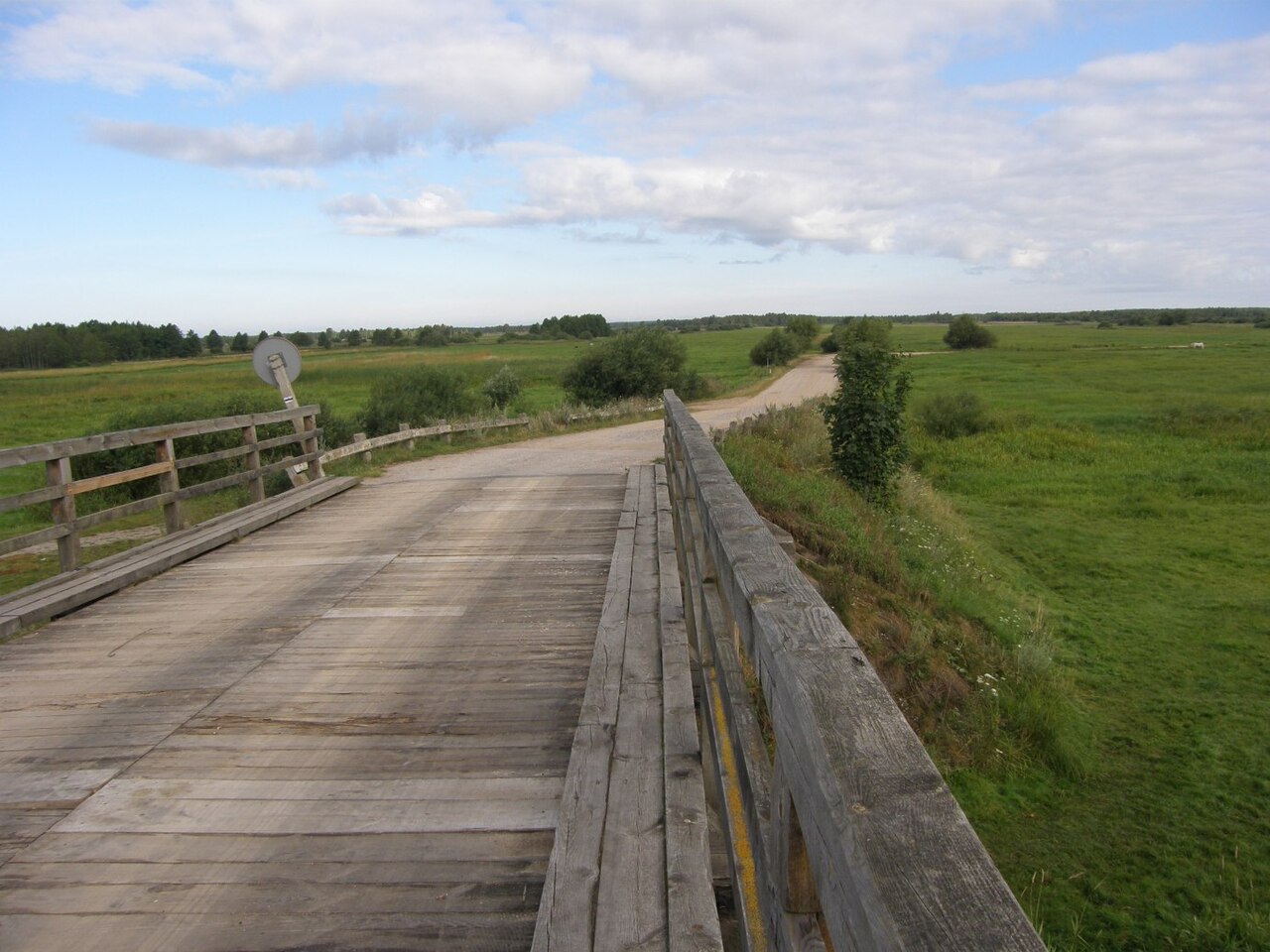
You move through a patchwork of slow river channels, open lakes, vast peat bogs, and stands of alder carr on the slightly higher ground. The mix of open water and boggy terrain gives the park a distinctly different feel from Poland's more forested protected areas.
More in National parks of Poland 1-24
Spotted an error? Know more?
Reader corrections go straight into our review queue. Suggest an edit · How this site is sourced