Biebrza National Park
Poland's largest national park, protecting vast fenlands and wetlands.

Jolanta Dyr · CC BY-SA 3.0
Biebrza National Park is a national park in Podlaskie Voivodeship, northeastern Poland, established on 9 September 1993. It is the largest of Poland's 23 national parks, covering a total area of 592.23 km², and is centered along the Biebrza River. The park is significant for protecting vast, relatively untouched fenlands, including the Biebrza Marshes, which are a wetland site of worldwide significance under the Ramsar Convention.
Quick Facts
- Iucn Category
- II
- Location
- Podlaskie Voivodeship, Poland
- Nearest City
- Osowiec-Twierdza
- Established
- 9 September 1993
- Governing Body
- Ministry of the Environment
Facts from the source article.
Lore & Background
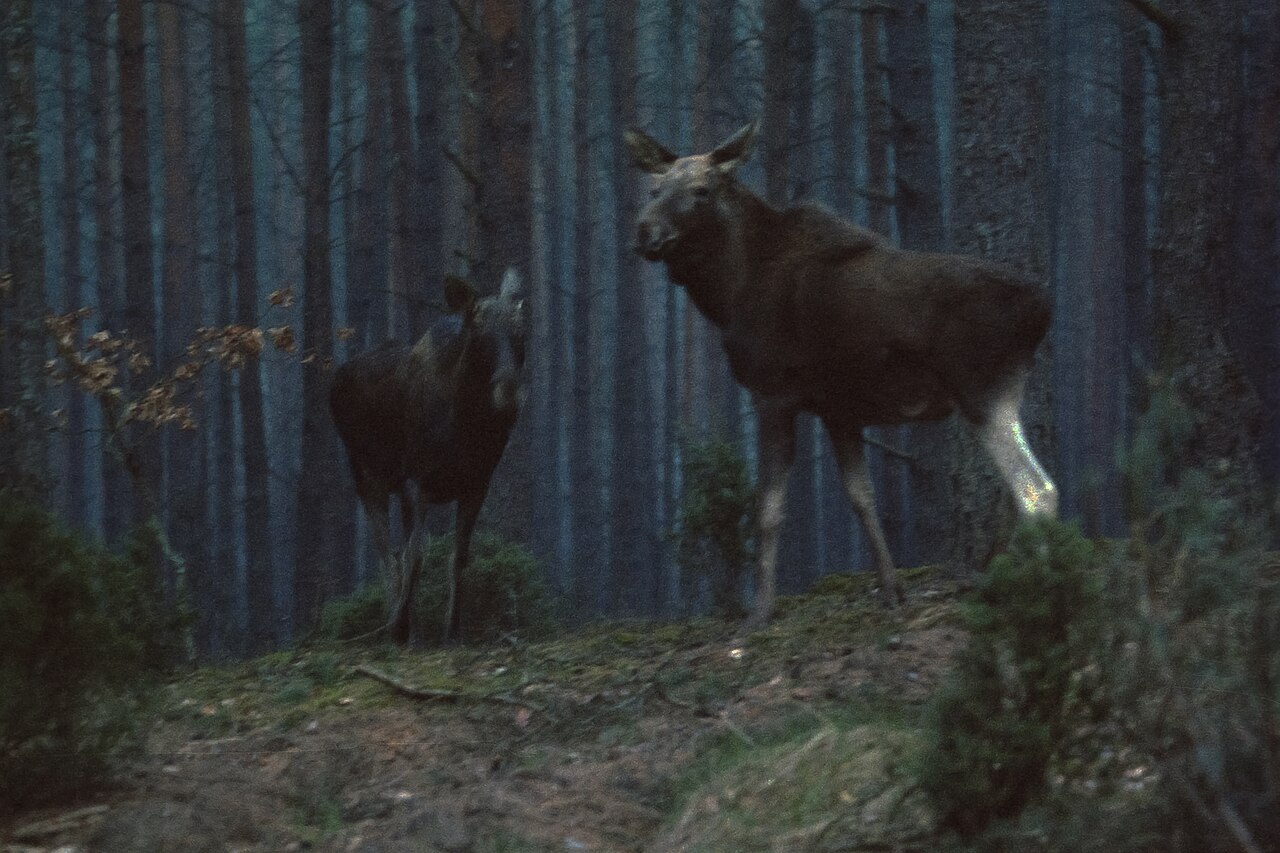
The park's most valuable part is the Biebrza Marshes, which provide a unique variety of plant communities and habitat for rare wetland birds, elk, and beaver. The Biebrza wetlands and Narew River valleys are important centers for bird nesting, feeding, and resting. Within the park, the Red Marsh (Czerwone Bagno) is under strict protection as a nature reserve.
The park's headquarters are located at no. 8 in the village of Osowiec-Twierdza, within the grounds of the historic 19th-century Osowiec Fortress, near Goniądz. In 1995, the park was designated a wetland site of worldwide significance under the Ramsar Convention.
On 18 April 2020, a fire broke out, destroying at least 6,000 hectares of grass and woodland. Caused by illegal grass burning, the fire was exacerbated by low water levels that prevented natural flooding from extinguishing it. It was declared under control on 26 April 2020, becoming the largest fire since 1992.
Reader's Guide
Biebrza National Park holds significance as the largest national park in Poland, protecting a unique and relatively undisturbed fenland ecosystem. Its designation under the Ramsar Convention in 1995 underscores its global importance for wetland conservation, particularly for bird species that rely on the Biebrza Marshes and Narew River valleys for nesting, feeding, and resting. The park's diverse habitats—forests, fields, meadows, and marshes—support a range of wildlife, including elk and beaver, and rare plant communities. The strict protection of the Red Marsh area highlights efforts to preserve the most sensitive parts of the ecosystem. The 2020 fire, the most devastating since 1992, illustrates the vulnerability of these wetlands to human-caused disturbances, especially under drought conditions. The park's headquarters at the historic Osowiec Fortress connects conservation with regional heritage. Overall, Biebrza National Park serves as a critical refuge for biodiversity and a model for fenland preservation in Europe.
Did You Know?
- Biebrza National Park is the largest of Poland's 23 national parks, with a total area of 592.23 km².
- The most important part of the park, Red Marsh (Czerwone Bagno), is under strict protection.
- A fire on 18 April 2020 destroyed at least 6,000 hectares and was caused by illegal grass burning.
Scale and Habitat Mosaic
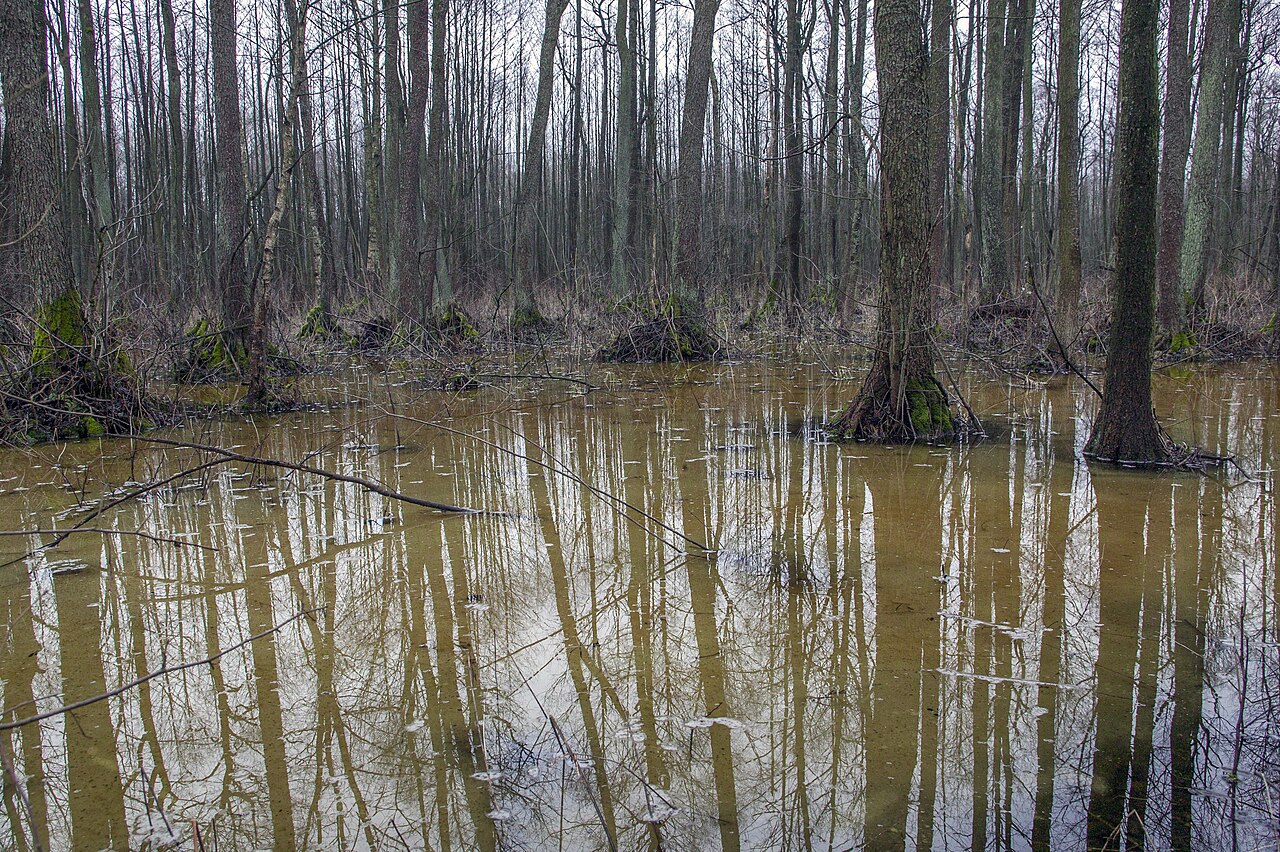
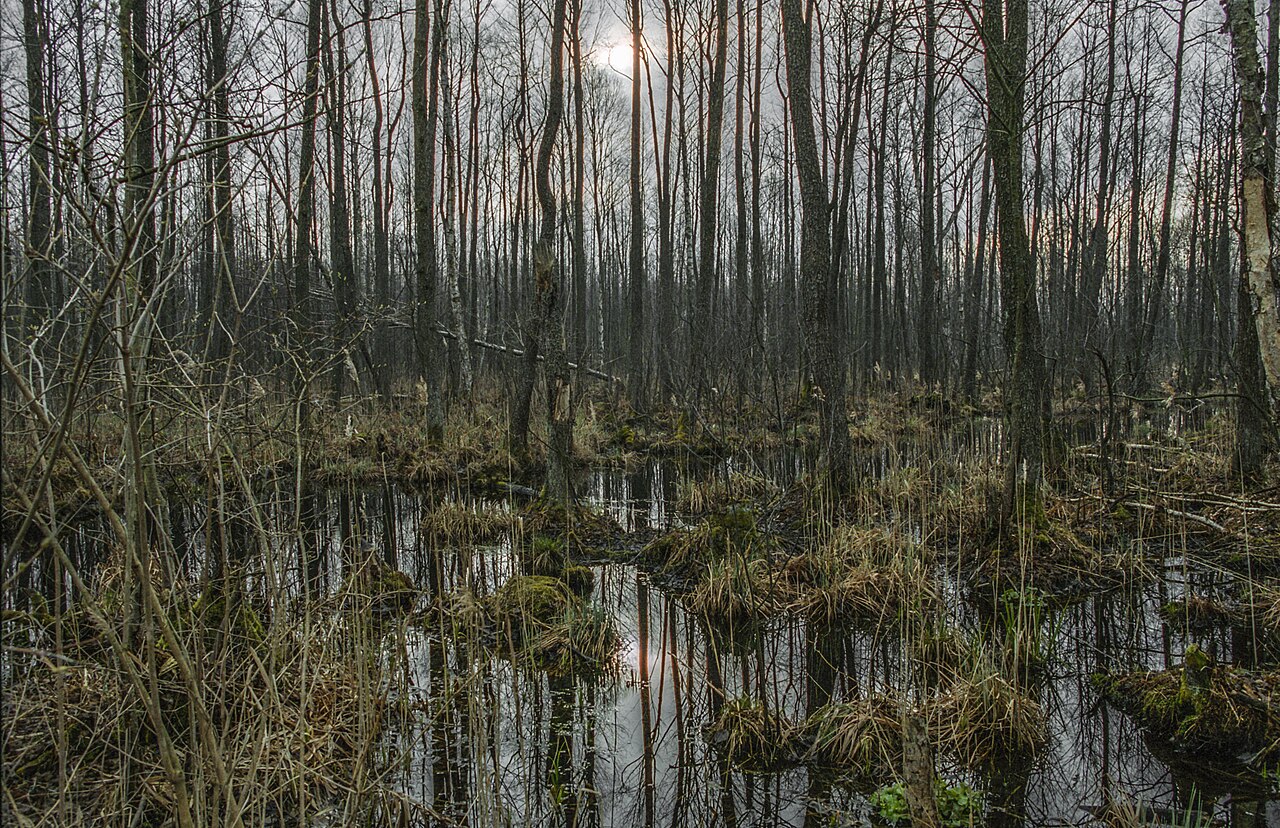
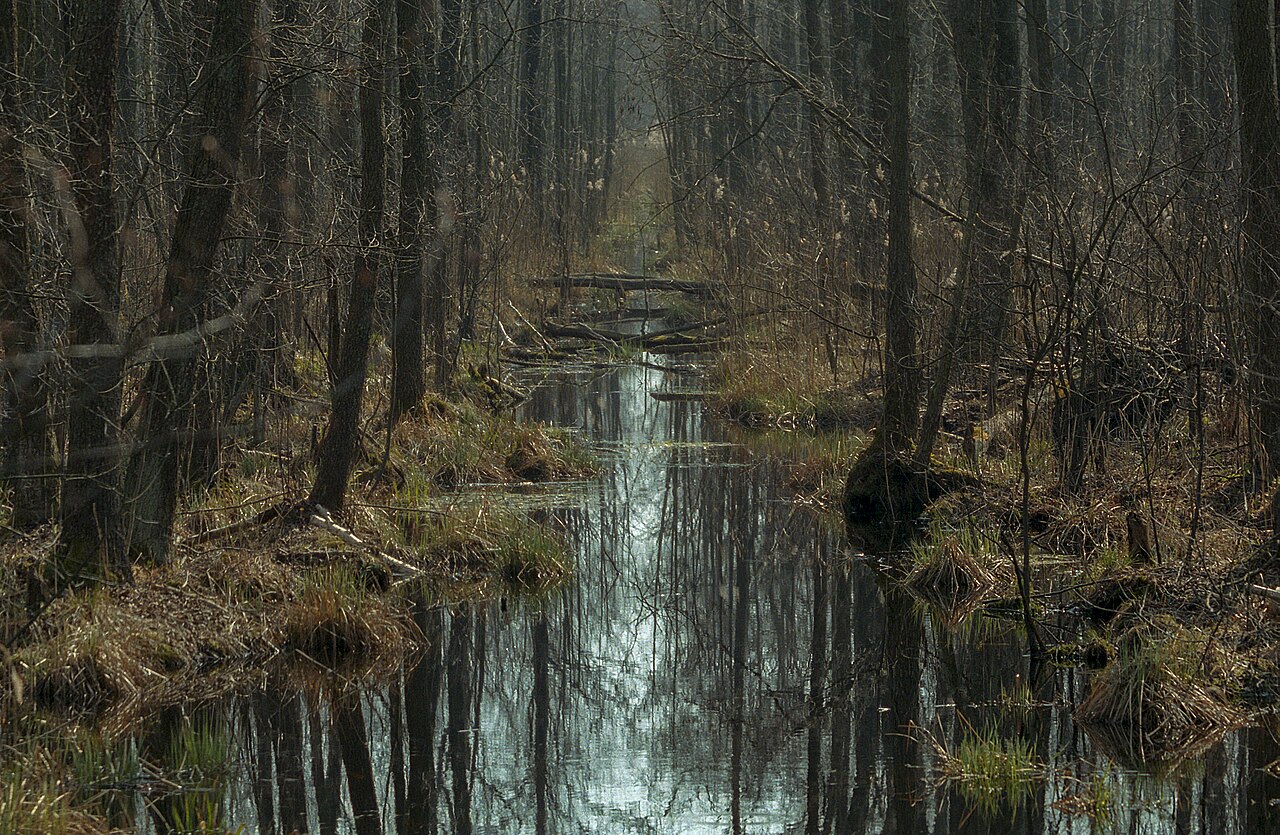
Biebrza National Park stands as the most expansive protected area among Poland's twenty-three national parks, spanning 592.23 square kilometres (228.66 square miles) in the Podlaskie Voivodeship of the country's northeastern corner. Established on 9 September 1993 along the course of the Biebrza River, the park encompasses a striking mosaic of habitats. Marshlands dominate the landscape, accounting for 254.94 square kilometres of the total area, followed by fields and meadows stretching across 181.82 square kilometres, while forests occupy 155.47 square kilometres. This particular distribution of wetland, grassland, and woodland gives the park a character quite distinct from the forest-dominated national parks found elsewhere in Poland. The sheer scale of the area—nearly six hundred square kilometres of contiguous protected land—makes it a singular resource for both biodiversity conservation and the study of natural processes operating across vast, interconnected ecosystems.
Ecological Significance and International Standing
The Biebrza Marshes represent the ecological heart of the park and are regarded as its most valuable component. These vast, relatively undisturbed fenlands harbour a remarkable diversity of plant communities alongside rare wetland bird species and mammals including elk and beaver. Together with the Narew River valleys, the wetlands serve as critical centres where birds nest, feed, and rest, making the area indispensable to avian life cycles across the region. Recognising this global importance, the park was designated a wetland site of worldwide significance in 1995 under the Ramsar Convention, placing it among the most important wetland areas on Earth. The park's standing in international tourism was further affirmed in 2010 when it received the EDEN – European Destinations of Excellence award as a non-traditional tourist destination, a distinction that highlighted its unique appeal beyond conventional sightseeing. These layered recognitions underscore how the Biebrza wetlands function simultaneously as a biological treasure, a Ramsar-protected site, and a destination that challenges visitors to experience nature in its most unmediated form.
The 2020 April Fires
On 18 April 2020, a fire ignited by illegal grass burning swept through the park, ultimately destroying at least 6,000 hectares of grassland and woodland. Under normal seasonal conditions, the spring flooding of the grasslands would have naturally quenched such a blaze. However, the 2020 season brought unusually low water levels, depriving the fire of its natural extinguishing mechanism and allowing it to rage for nearly a full week. The blaze was not declared under control until 26 April, making it the most devastating fire the park has experienced since 1992. The incident exposed a persistent vulnerability: the very grasslands that form a significant portion of the park's 181.82 square kilometres of fields and meadows are also the fuel source most susceptible to human-ignited fires. The low-water conditions that year turned what would ordinarily be a manageable incident into a catastrophic event, underscoring how climate variability and human negligence can converge to threaten even the most carefully protected landscapes.
Strict Protection and the Fortress Headquarters
Within the broader park, the Red Marsh—known in Polish as Rezerwat przyrody Czerwone Bagno—holds the distinction of being the most important protected zone, subject to the strictest conservation measures in the entire area. This designation reflects the exceptional sensitivity of the fenland ecosystems it shelters and the need to minimise even indirect human disturbance. The administrative heart of the park is situated at number 8 in the village of Osowiec-Twierdza, nestled within the grounds of the historic Osowiec Fortress, a 19th-century military installation located near the town of Goniądz. Placing the headquarters inside a former fortress grounds the park's modern conservation mission within a tangible historical context, linking the protection of living wetlands to the layered human history of the region. The choice of this location also provides a practical base for managing the park's vast 592-square-kilometre territory, coordinating the work of rangers and scientists who monitor everything from beaver populations to the seasonal movements of rare wetland birds.
Gallery
Frequently Asked Questions
What is Biebrza National Park?
Biebrza National Park is Poland's largest protected area, stretching along the Biebrza River in the country's northeast. It safeguards one of Europe's last major expanses of natural fenland and wetland habitat.
How big is Biebrza National Park compared to other Polish parks?
At 592.23 square kilometres, it is by far the biggest of Poland's 23 national parks. Roughly 255 km² of that area is marsh, with the remainder divided between forest and open meadows.
When was Biebrza National Park established?
The park received its official designation on 9 September 1993. It was created to lock in legal protection for the Biebrza Marshes and the surrounding river corridor before further development could erode them.
Why is Biebrza National Park considered internationally significant?
Its wetlands are listed as a site of worldwide importance under the Ramsar Convention, making them a critical stopover for migratory birds across the continent. The park preserves a fenland ecosystem that is increasingly rare in Central Europe.
Where exactly is Biebrza National Park located?
It sits in Podlaskie Voivodeship in northeastern Poland, centred on the course of the Biebrza River. The landscape is a patchwork of marshes, forest, and lowland meadows far from major urban centres.
More in National parks of Poland 1-24
Spotted an error? Know more?
Reader corrections go straight into our review queue. Suggest an edit · How this site is sourced