Drawa National Park
Polish national park protecting Drawa and Plociczna river valleys.

NH2501 · CC BY-SA 3.0
Drawa National Park (Drawieński Park Narodowy) lies in northwestern Poland, where three voivodeships—Greater Poland, Lubusz, and West Pomeranian—meet. Established in 1990, it originally covered 86.91 km² and later expanded to 113.42 km². Forests make up 96.14 km² of that area, with 3.68 km² under strict protection, while water bodies account for 9.37 km². The park is part of the vast Drawsko Forest on the Drawsko Plain, taking its name from the River Drawa.
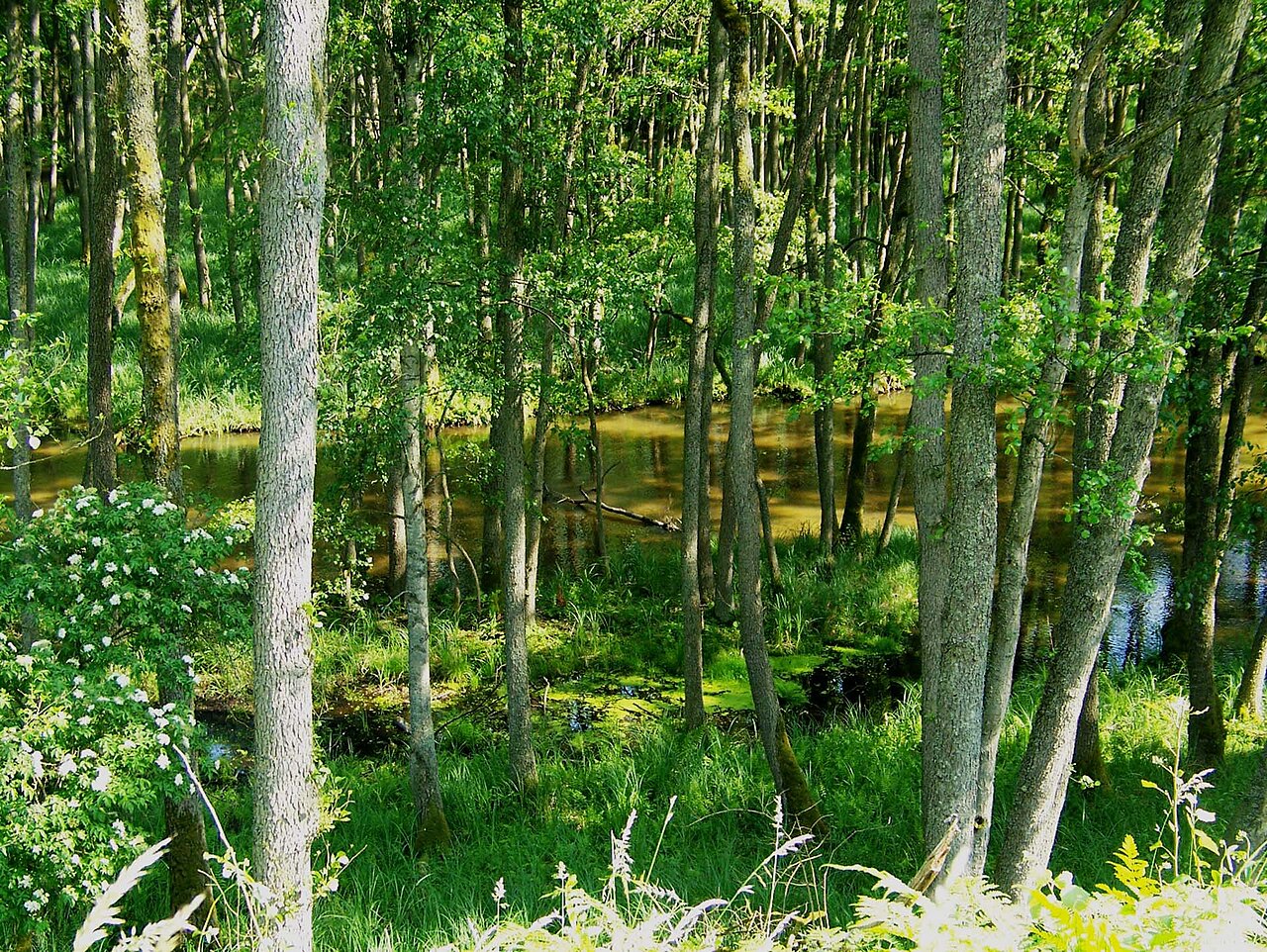
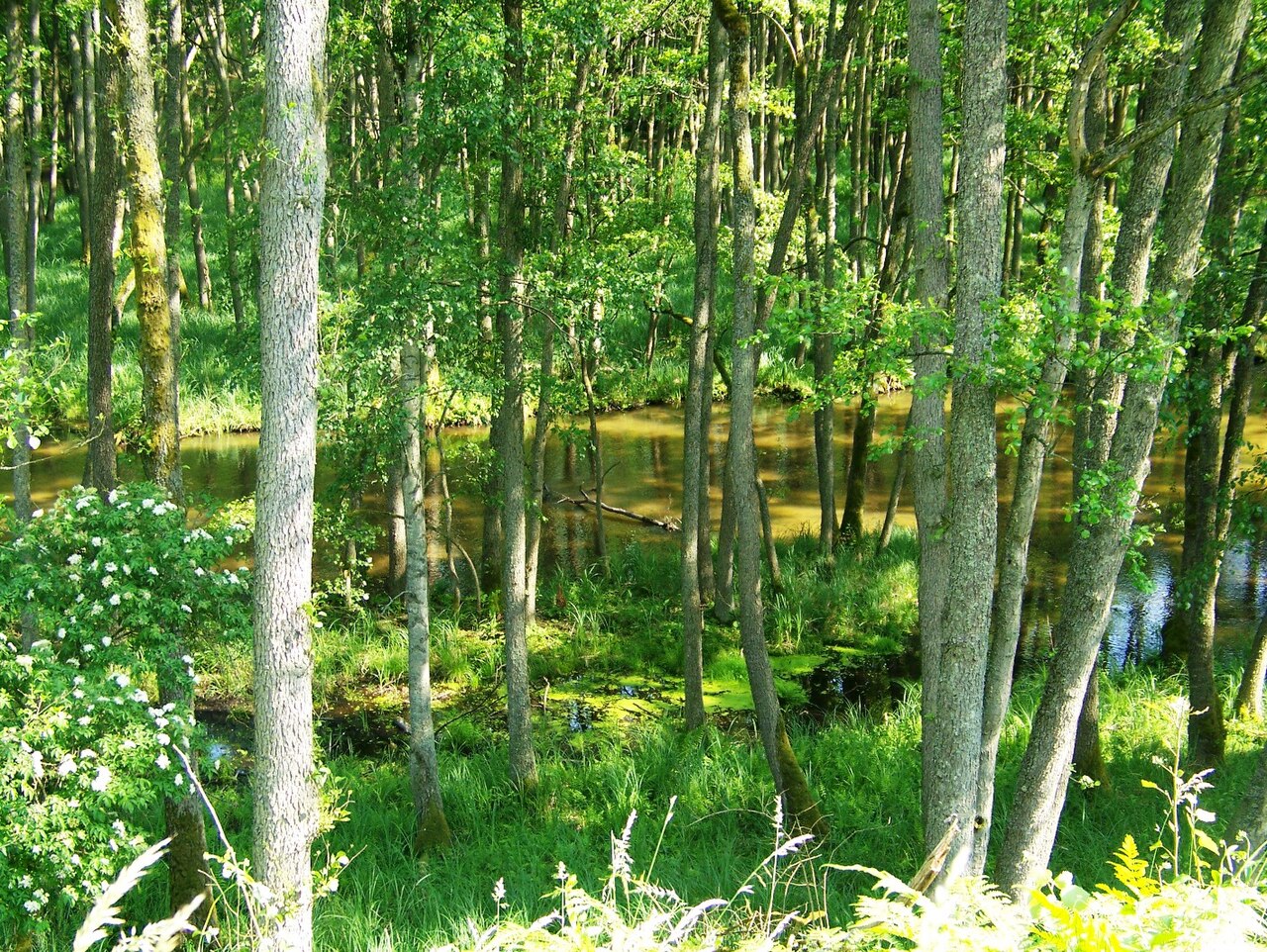
Over 80 percent of the park is forested, dominated by beech and pine trees. Its landscape features deep, scenic valleys carved by the Drawa and Plociczna rivers, along with numerous water channels, lakes, and peat bogs. In some spots, the terrain rises or falls by 30 meters within just 500 meters. The highest point, at 106 meters, is near Martew Lake in the northern section. The soil is mostly sandy and poor in quality.
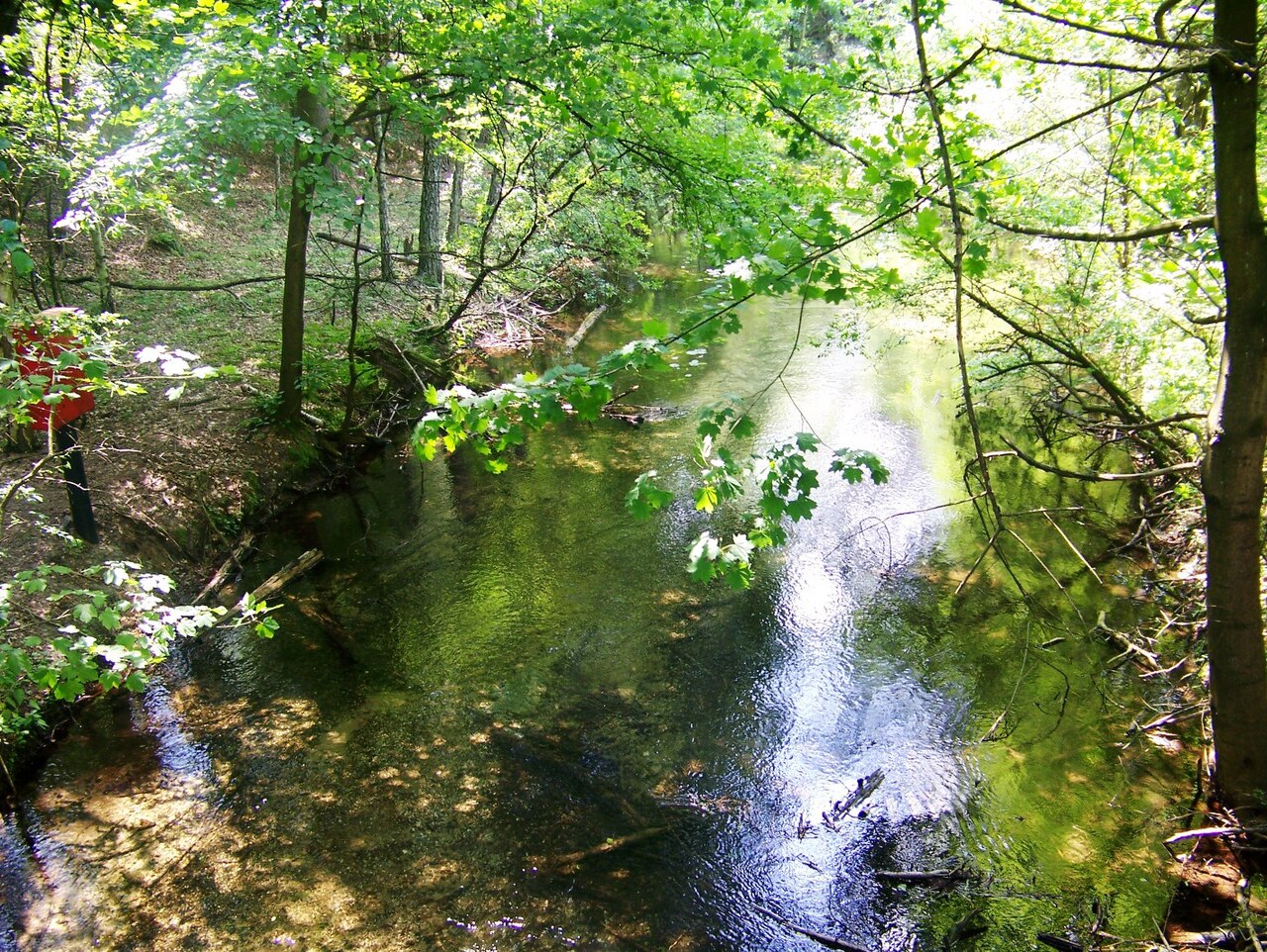
The park was created largely to protect the river valleys of the Drawa and Plociczna. About 40 kilometers of the Drawa flows through the park, forming striking hollows and valleys; its fast current resembles that of mountain rivers. The Drawa kayaking trail is considered one of Poland’s most scenic. Among the park’s lakes is Czarne, a meromictic lake covering approximately 0.37 km² (37 ha).
The park hosts 210 species of mushrooms and oak trees up to 400 years old. The oldest trees are strictly protected in the Radecin Preserve. Trees over 81 years old cover 40 percent of the forested area.
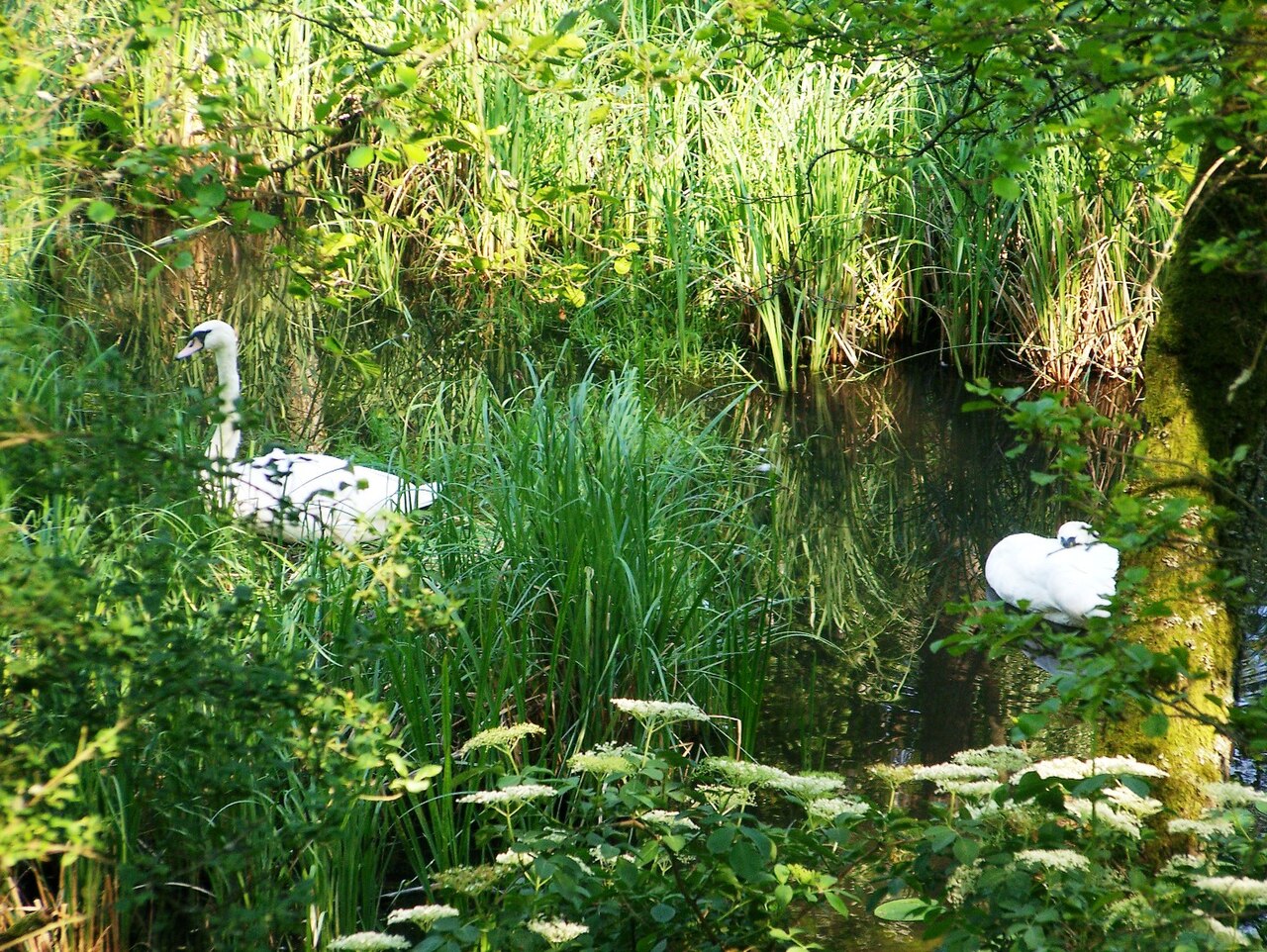
Wildlife includes 129 bird species, 40 mammal species, 7 reptile species, and 13 amphibian species. The clean water supports a variety of fish. Roe deer, red deer, and wild boar are common, along with high numbers of Eurasian otter and Eurasian beaver. Moose and gray wolf appear occasionally. Historically, the area sat on the border between Poland and Western Pomerania (later Prussia) and was considered unsuitable for settlement; its forests were only cleared from the 17th century onward.
Four tourist trails cross the park, suitable for walking and kayaking. Camping sites and hotels are available nearby, and visitor numbers have been rising each year. The park’s headquarters are in the town of Drawno, in Choszczno County.
Quick Facts
- Iucn Category
- II
- Location
- North-west Poland
- Area
- 113.42 km²
- Established
- 1990
- Governing Body
- Ministry of the Environment
Facts from the source article.
Lore & Background
Drawa National Park was established in 1990, initially covering 86.91 km² before being enlarged to 113.42 km². The park takes its name from the River Drawa, which flows through deep valleys and hollows, with 40 km of the river within park boundaries. The Drawa flows at a fast pace, resembling mountain rivers, and its kayaking trail is among the most picturesque in Poland. The park's soil is predominantly poor-quality sand, and over 80% of the area is forested, mainly with beech and pine trees. The highest hill, at 106 meters, is located near Martew lake in the northern part of the park.
Reader's Guide
Drawa National Park is significant for its role in protecting the riverine and forest ecosystems of the Drawsko Forest region. Its creation addressed the need to safeguard the valuable areas along the Drawa and Plociczna rivers, which feature deep valleys, water channels, lakes, and peat-bogs. The park hosts diverse fauna, including 129 bird species, 40 mammal species, and notable populations of Eurasian otter and beaver, with occasional moose and gray wolf. Flora includes 210 species of mushrooms and oak trees up to 400 years old, with 40% of forested area covered by trees older than 81 years. The park's meromictic lake Czarne (3.7 km²) is a notable water body. Historically, the area was considered unsuitable for settlement until the 17th century. Today, the park attracts increasing numbers of tourists via four walking and kayaking trails, with camping sites and hotels nearby.
Did You Know?
- The park was created in 1990 and initially covered 86.91 km² before being enlarged to 113.42 km².
- The Drawa River flows at a fast pace, making it similar to mountain rivers.
- The park contains a meromictic lake called Czarne, covering approximately 0.37 km² (37 ha).
- Trees older than 81 years cover 40% of the forested area of the park.
Geography & Landscape
Nestled along the tri-voivodeship boundary of Greater Poland, Lubusz, and West Pomeranian in north-western Poland, Drawa National Park sits within the sprawling Drawsko Forest that blankets the vast Drawsko Plain. The park borrows its name from the River Drawa that threads through its heart. Established in 1990 with an initial footprint of 86.91 square kilometres, it was later expanded to 113.42 square kilometres, of which 96.14 square kilometres are dominated by woodland and 9.37 square kilometres by open water. A further 3.68 square kilometres carries the status of strictly protected reserve. More than eighty percent of the territory is cloaked in the monumental Drawa Forest, a tapestry of beech and pine that stretches from the Drawa Lake District all the way to the Noteć River. The terrain is far from flat: in certain stretches, elevation shifts by as much as thirty metres over just five hundred metres of distance, while the park's highest point rises to 106 metres near Martew Lake in the northern reaches. Beneath the canopy, the ground is predominantly sandy and of notably poor agricultural quality, a fact that has paradoxically helped preserve the wilderness.
Waterways & the Kayaking Trail
The very reason Drawa National Park came into existence in 1990 was to shield the remarkable riverine landscapes along the Drawa and Plocziczna waterways. Forty kilometres of the Drawa River flow within the park's borders, carving out deep, picturesque valleys and hollows that give the terrain a dramatic, almost alpine character. What makes the Drawa especially striking is its pace: the current runs at a speed that evokes mountain streams rather than the sluggish lowland rivers one might expect in this part of Europe. This quality has made the Drawa kayaking trail one of the most visually rewarding paddling routes in all of Poland. Beyond the main rivers, the park is laced with numerous smaller water channels, scattered lakes, and extensive peat-bogs that add layers of wetland complexity to the ecosystem. Among the lakes, Czarne stands out both for its size at 3.7 square kilometres and for its unusual meromictic nature, meaning its water layers do not fully mix seasonally. Together, these water features account for roughly 9.37 square kilometres of the park's total area, forming a vital hydrological network that sustains the surrounding forests and wildlife.
Biodiversity & Ancient Woodland
The biological richness of Drawa National Park is staggering across every taxonomic group. Ornithologists have recorded 129 species of birds, while mammals number 40 species, reptiles seven, and amphibians thirteen. The excellent water quality in the park's lakes and rivers supports a thriving diversity of fish. On the forest floor, mycologists have identified 210 species of mushrooms, and the canopy hosts oak trees that have stood for as long as four hundred years. The oldest specimens receive the highest level of protection within the Radecin Preserve. Remarkably, trees exceeding eighty-one years of age blanket forty percent of the park's forested area, a testament to the long periods of undisturbed growth. Among the mammals, roe deer, red deer, and wild boar are everyday sights, while the park sustains notably high populations of both the eurasian otter and the eurasian beaver. On rarer occasions, visitors may glimpse a moose or even a gray wolf moving through the deep woods, reminders that this is still a landscape where large predators and megafauna find room to roam.
A Wilderness Reclaimed & the Growing Visitor
For centuries, the land that now forms Drawa National Park was considered inhospitable to human settlement. Situated on the historical border between Poland and Western Pomerania—later Prussia—the sandy, forested expanse offered little incentive for permanent habitation. It was not until the seventeenth century that communities began clearing the forests to make way for villages and farmland. Today, the park's administrative headquarters are based in the town of Drawno, within Choszczno County. The area has become a magnet for outdoor enthusiasts: four dedicated tourist trails wind through the landscape, designed for both walking and kayaking, and camping sites are available for those who wish to spend the night under the pines. Hotels within a short distance cater to those preferring more comfort. Year after year, the number of visitors to the park has been climbing, drawing people who want to experience one of Poland's most intact lowland wildernesses without leaving the country.
Gallery

Frequently Asked Questions
Where is Drawa National Park located?
It sits in northwestern Poland at the junction of three voivodeships—Greater Poland, Lubusz, and West Pomeranian. The park takes its name from the River Drawa and lies within the broader Drawsko Forest on the Drawsko Plain.
How large is Drawa National Park?
The park spans 113.42 km² (roughly 43.79 sq mi), having grown from its original 86.91 km² at its 1990 founding. About 96.14 km² is forest and 9.37 km² is water, while 3.68 km² is set aside as a strictly protected zone.
What is the terrain and vegetation like in Drawa National Park?
Over 80 percent of the area is forested, dominated by beech and pine stands. The landscape is defined by deep, scenic river valleys, and the highest point reaches 106 metres near Martew Lake.
When was Drawa National Park established?
It was officially created in 1990, initially covering 86.91 km² before later expanding to its present 113.42 km². The park was designated specifically to protect the Drawa and Plociczna river valleys.
What makes Drawa National Park ecologically significant?
It safeguards the intertwined ecosystems of the Drawa and Plociczna river valleys together with the surrounding beech-pine forest complex. The strict-protection core of 3.68 km² preserves the most sensitive habitats within the wider Drawsko Plain landscape.
More in National parks of Poland 1-24
Spotted an error? Know more?
Reader corrections go straight into our review queue. Suggest an edit · How this site is sourced