Faun (band)
German band blending medieval folk with modern electronic influences.

Schorle · CC BY-SA 4.0
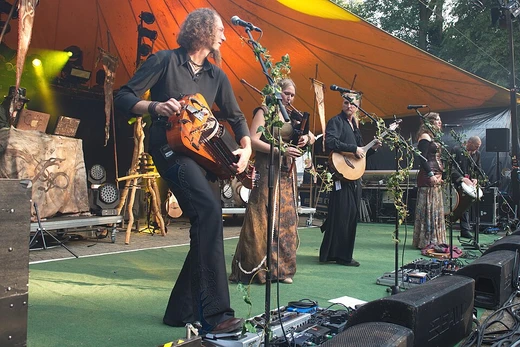
Faun is a German band formed in 1998 that plays pagan folk, darkwave, and medieval music. The band is known for its use of multiple languages and a wide array of historical and folk instruments, and for coining the term 'Pagan Folk' to describe their music. Their seventh studio album, *Von den Elben* (2013), became their first to reach top ten positions in the album charts of Germany, Austria, and Switzerland.
Quick Facts
- Landscape
- yes
- Background
- group_or_band
- Genre
- Pagan folk / darkwave / Neo-Medieval music / folk rock
- Years Active
- 1998–present
- Label
- Banshee / Noir / Polydor / Universal Music Germany / Pagan Folk Records
- Associated Acts
- Schandmaul, Sava, Wardruna, Einar Selvik, Folk Noir, Kaunan, Omnia, Eluveitie, Versengold, Santiano, Subway to Sally, In Extremo, Tvinna, Savica, Zirp, Kati Rán, Leaf, Michael Rhein
- Current Members
- Oliver s. Tyr / Niel Mitra / Stephan Groth / Laura Fella / Adaya / Alex Schulz (since September 2023)
- Past Members
- Elisabeth Pawelke / Birgit Muggenthaler / Sandra Elflein / Margareta Aibl ("Rairda") / Sonja Drakulich / Katja Moslehner / Fiona Frewert / Rüdiger Maul
Facts from the source article.
Lore & Background
Faun was founded in 1998 by Oliver s. Tyr, Elisabeth Pawelke, Fiona Rüggeberg, and Birgit Muggenthaler. Muggenthaler left in 2000 to join Schandmaul, and Rüdiger Maul joined as percussionist. Their debut album *Zaubersprüche* (2002) featured guest musician Niel Mitra, who later became a full-time member playing only electronic instruments. The band's second album *Licht* (2003) included more danceable tunes. Over the years, the vocalist position changed several times: Pawelke left in 2008, succeeded by Sandra Elflein (2008–2010), then Rairda (2010–2012), then Katja Moslehner (2013–2017), and finally Laura Fella (2017–present). Founding member Fiona Frewert left in 2020 and was replaced by Adaya.
Reader's Guide
Faun's significance lies in their pioneering role in the German 'Mittelalter' music scene, blending medieval folk with folk metal and electronic elements. They coined the term 'Pagan Folk' to describe their electronically amplified concerts and later their music. Their lyrics draw from classical texts such as the *Carmina Burana*, the *Poetic Edda*, and works by Heinrich von Morungen and John Keats, and are performed in languages including German, Middle High German, Old Norse, Latin, and Hungarian. The band promotes a form of paganism characterized as nature religion, while acknowledging Christian traditions' pagan origins. Their 2013 album *Von den Elben* was nominated for the ECHO award in two categories. In 2021, after five albums with Universal Music Germany, they founded their own label, Pagan Folk Records, releasing *Pagan* in 2022.
Did You Know?
- Faun's name comes from the ancient Roman herders' deity Faunus (the Greek equivalent is Pan).
- The band's only member playing exclusively electronic instruments is Niel Mitra.
- Their seventh album *Von den Elben* was the first to chart in Austria and Switzerland.
- Founding member Birgit Muggenthaler left Faun in 2000 to join the folk-rock band Schandmaul.
Founding Years & Early Lineup Evolution
Faun traces its roots to 1998, when Oliver s. Tyr, Elisabeth Pawelke, Fiona Rüggeberg, and Birgit Muggenthaler came together to form the group. The early lineup saw quick shifts: by 2000, percussionist Rüdiger Maul had joined while Muggenthaler departed to pursue work with the folk-rock outfit Schandmaul. The band's debut, Zaubersprüche, arrived in 2002 and featured guest contributions from Niel Mitra, who would go on to become a permanent member—the sole player dedicated to electronic instruments in an otherwise acoustic ensemble. Their second record, Licht, followed in 2003, and the group began performing at festivals across the region. The vocal chair proved particularly fluid over the years: Pawelke exited in 2008 to pursue classical song studies in Basel, Switzerland, and was followed in succession by Sandra Elflein, Rairda, Sonja Drakulich, and Katja Moslehner before Laura Fella took the role in 2017. This constant reshuffling of voices gave the band a shifting emotional palette while the instrumental core remained anchored in traditional and folk instruments.
Coining 'Pagan Folk' & Musical Alchemy
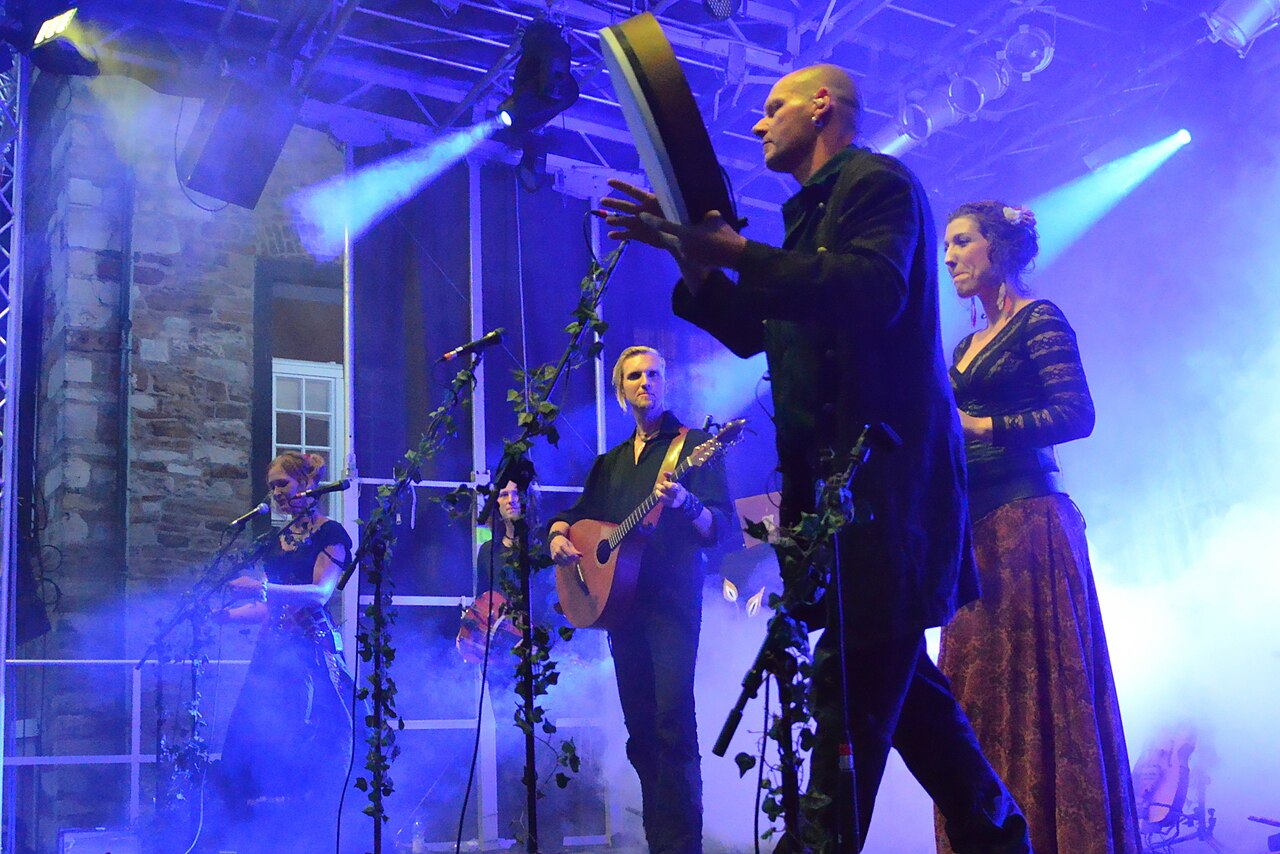
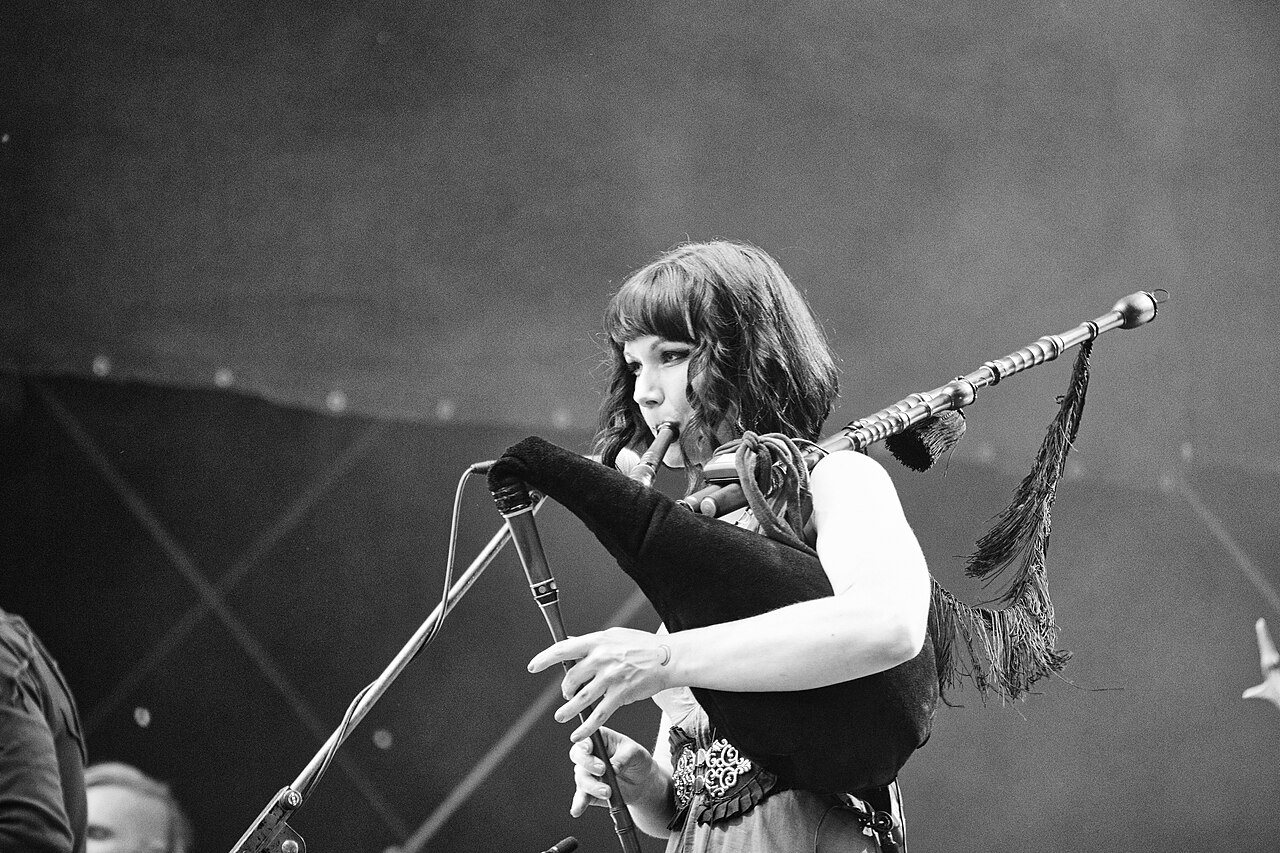
Faun sits within the broader German "Mittelalter" scene, a style that fuses medieval folk traditions with elements of folk metal, yet the group has always pushed beyond that label. They actually coined the phrase "Pagan Folk" to describe their live, electronically amplified shows, and the term later expanded to encompass their recorded music as well. The Münchner Merkur captured the result as an experimental blend of folk elements, medieval and traditional music spanning different epochs and regions, alongside modern and even electronic influences. The band's sonic palette draws on Celtic harp, Swedish nyckelharpa, hurdy-gurdy, bagpipes, cittern, and flutes, and their repertoire stretches from mournful ballads to exuberant group dances in the Breton an dro tradition. Mitra has called the creative process "musical alchemy," referencing how members with vastly different musical interests merge their influences into a single sound. One striking example is the pairing of ancient Perso-Arab melodies with the nyckelharpa and Middle High German lyrics. The debut album Zaubersprüche stayed entirely acoustic and focused on slow ballads from the Late Middle Ages through Romanticism, while the follow-up Licht introduced far more danceable material.
Lyrical Worlds & Mythological Identity
The band's name itself is drawn from ancient Greek-Roman mythology, where Faunus (or Pan) served as the deity of herders and was often depicted as a natural or forestal spirit. The members see in that figure an expression of their own deep connection to the natural world, and Oliver Pade's stage name—the Satyr—reflects the same mythological family. Lyrically, Faun operates across an extraordinary range of tongues: Standard German, Middle High German, Old Icelandic, Low German, Old Norse, Latin, Hungarian, Finnish, and even Ladino. Their texts are drawn from a vast literary well, including the Carmina Burana, the Cantigas de Santa Maria, Egil's Saga, the Poetic Edda, the Jenaer Liederhandschrift, and the works of Heinrich von Morungen. They also set verses by Romantic and modern writers such as John Keats, Baron Munchausen, José Melchor Gomis, Joseph Freiherr von Eichendorff, and Felicitas Kukuck to music. The group has spoken openly about promoting what they call a nature-based paganism, noting that many Christian traditions carry pagan roots. Oliver s. Tyr has stated he is opposed to the church yet considers Christianity a good faith, preferring it to having no faith at all.
Chart Breakthrough & Label Independence
After years building a devoted following, Faun achieved a genuine commercial breakthrough in 2013 with their seventh studio album, Von den Elben. It became the first release in their catalogue to crack the top ten in Germany, and it marked their first chart appearances in both Austria and Switzerland. The album earned ECHO award nominations in two categories: "National Rock/Pop Group" and "National Newcomer of the Year." Momentum carried forward when Midgard dropped on 19 August 2016 and swiftly climbed to third place on the German album chart. The tenth studio album, Märchen & Mythen, followed on 15 November 2019. Personnel changes continued to shape the group's sound: founding member Fiona Frewert announced her departure in 2020, and singer-songwriter Adaya stepped in to share vocal duties and play bagpipes, flutes, pandora, and Celtic harp. Perhaps the most significant structural shift came in 2021, when, after five albums released through Universal Music Germany, Faun founded their own imprint, Pagan Folk Records. Their 2022 album Pagan became the first release on the self-run label, signalling a new era of creative and business autonomy for the band.
Gallery
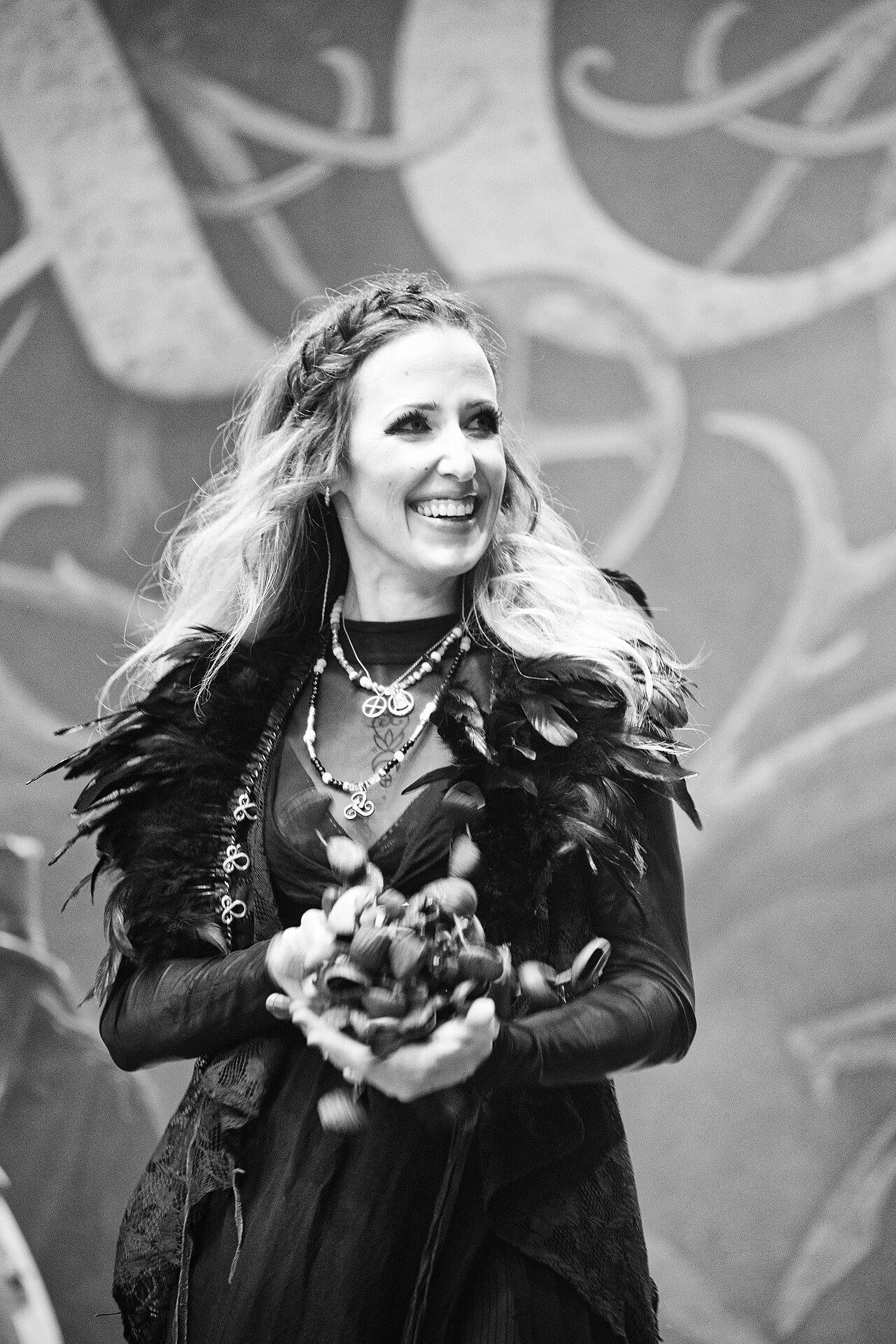
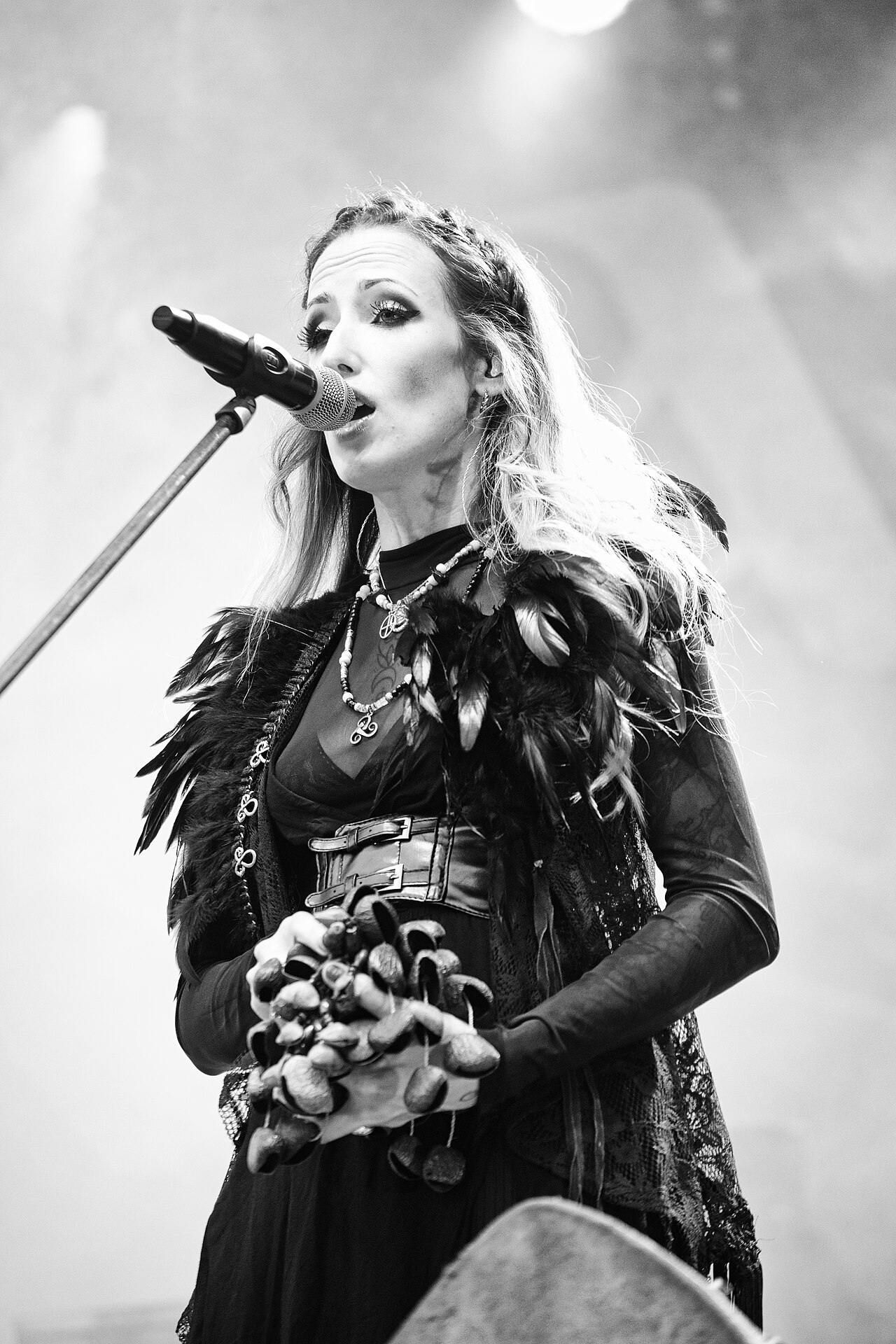
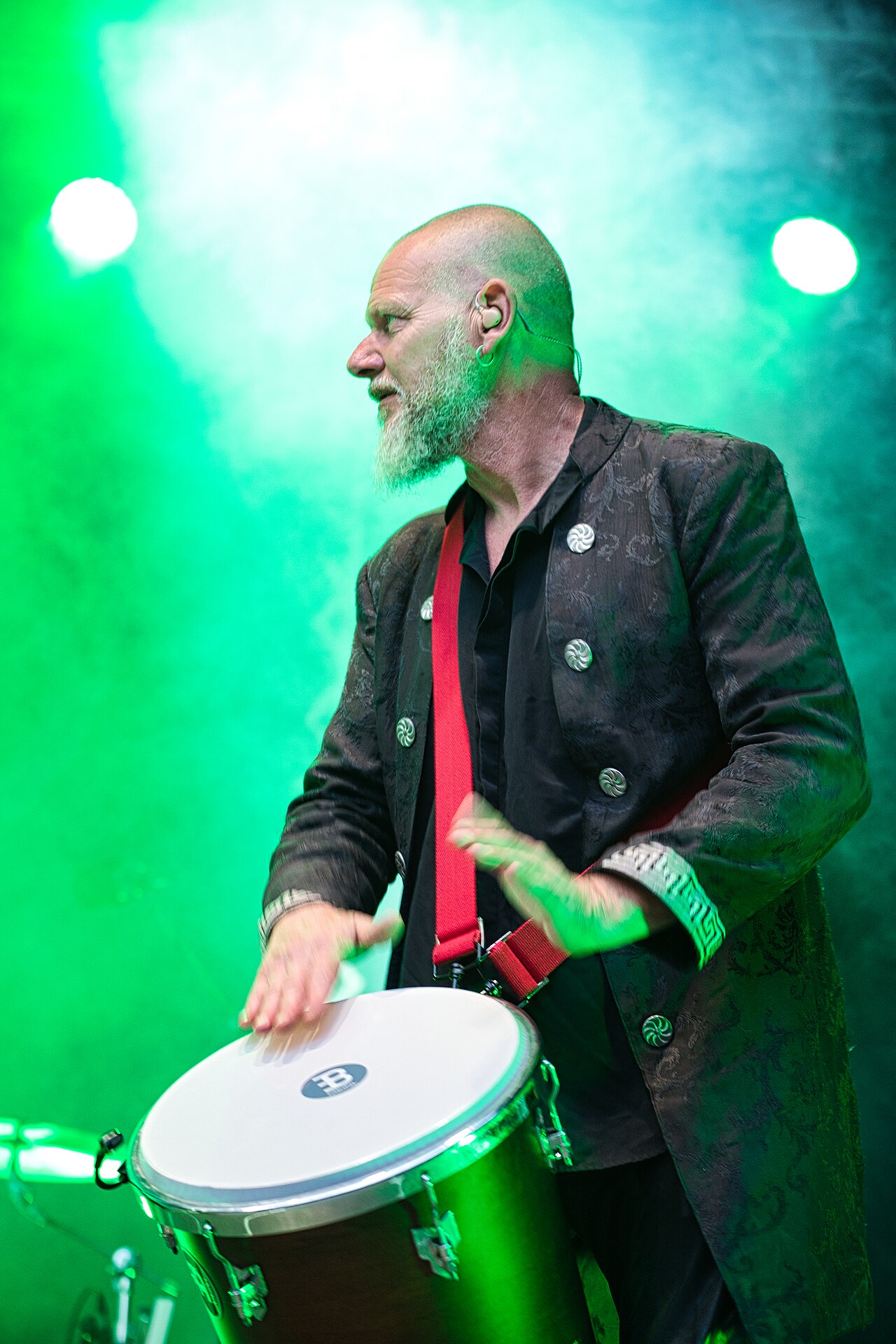
Frequently Asked Questions
Who is Faun?
Faun is a German band founded in 1998 that fuses medieval and folk traditions with darker, modern electronic production. They are widely credited with popularizing the 'Pagan Folk' label to describe their distinctive sonic blend.
What instruments does Faun use?
The band layers a rich set of historical and folk instruments—Celtic harp, Swedish nyckelharpa, hurdy-gurdy, bagpipes, cittern, and assorted flutes—on top of contemporary electronic and darkwave production elements.
What is Faun's biggest commercial breakthrough?
Their seventh studio album, Von den Elben (2013), was the first Faun record to crack the top ten in the album charts of Germany, Austria, and Switzerland at the same time.
Who coined the term 'Pagan Folk'?
Faun created the 'Pagan Folk' genre name to capture their particular mix of medieval, folk, and darkwave influences. In 2021 they extended that identity by launching their own imprint, Pagan Folk Records.
What languages does Faun sing in?
Across their catalog the band performs in multiple languages, drawing on various linguistic traditions to complement their historical instrumentation and lyrical themes.
More in Modern pagan musical groups 1-24
Spotted an error? Know more?
Reader corrections go straight into our review queue. Suggest an edit · How this site is sourced