Ataraxia (band)
Italian neoclassical dark wave band blending modern and archaic sounds.

S. Bollmann · CC BY-SA 3.0
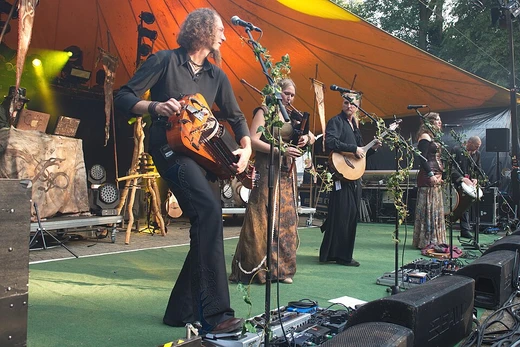
Ataraxia is an Italian neoclassical dark wave band founded in November 1990 by Francesca Nicoli and Michele Urbano. Fronted by vocalist Francesca Nicoli, the band combines modern technology with archaic instrumentation, drawing lyrical themes from nature and ancient cultures.
Quick Facts
- Origin
- Modena, Italy
- Genre
- Neoclassical dark wave · neofolk · dark wave
- Years Active
- 1990–present
- Label
- Prikosnovénie / Cold Meat Industry / Equilibrium Music / Ark Records / Infinite Fog / Shadowplay / Sleaszy Rider / The Circle Music
Facts from the source article.
Lore & Background
Ataraxia was founded in November 1990 by Francesca Nicoli and Michele Urbano. During the first five years, many musicians passed through the band until the core line-up of Francesca Nicoli, Vittorio Vandelli, and Giovanni Pagliari became stable. The band's name is taken from Epicurean philosophy, meaning 'equanimity,' 'calmness,' and 'unflappability.'
Reader's Guide
Ataraxia's significance lies in their unique fusion of modern technology with archaic instrumentation, creating an unusual mix of sacred and profane, atmospheric and experimental, contemporary and early music. The band members have dedicated their lives to art across music, poetry, theatre, and photography, defining themselves as 'craftsmen of the sound.' Their lyrical themes frequently draw from nature and ancient cultures, and they place themselves in a spiritual tradition from Greco-Roman and Celtic cultures. Francesca Nicoli has described the production process as 'medianic' and associated it with the cult of Dionysus, where the musician was possessed by the God of Nature. The band's pagan themes are tied to the countryside and a connection to the rhythm of nature. With a prolific discography spanning from 1990 to 2026, Ataraxia has maintained a consistent presence in the neoclassical dark wave scene.
Did You Know?
- The band's name Ataraxia is taken from Epicurean philosophy and means 'equanimity,' 'calmness,' and 'unflappability.'
- The band's album 'Paris spleen' (2006) features the main entrance of Cabaret de L'Enfer on its cover.
Origins and the Search for a Core Sound
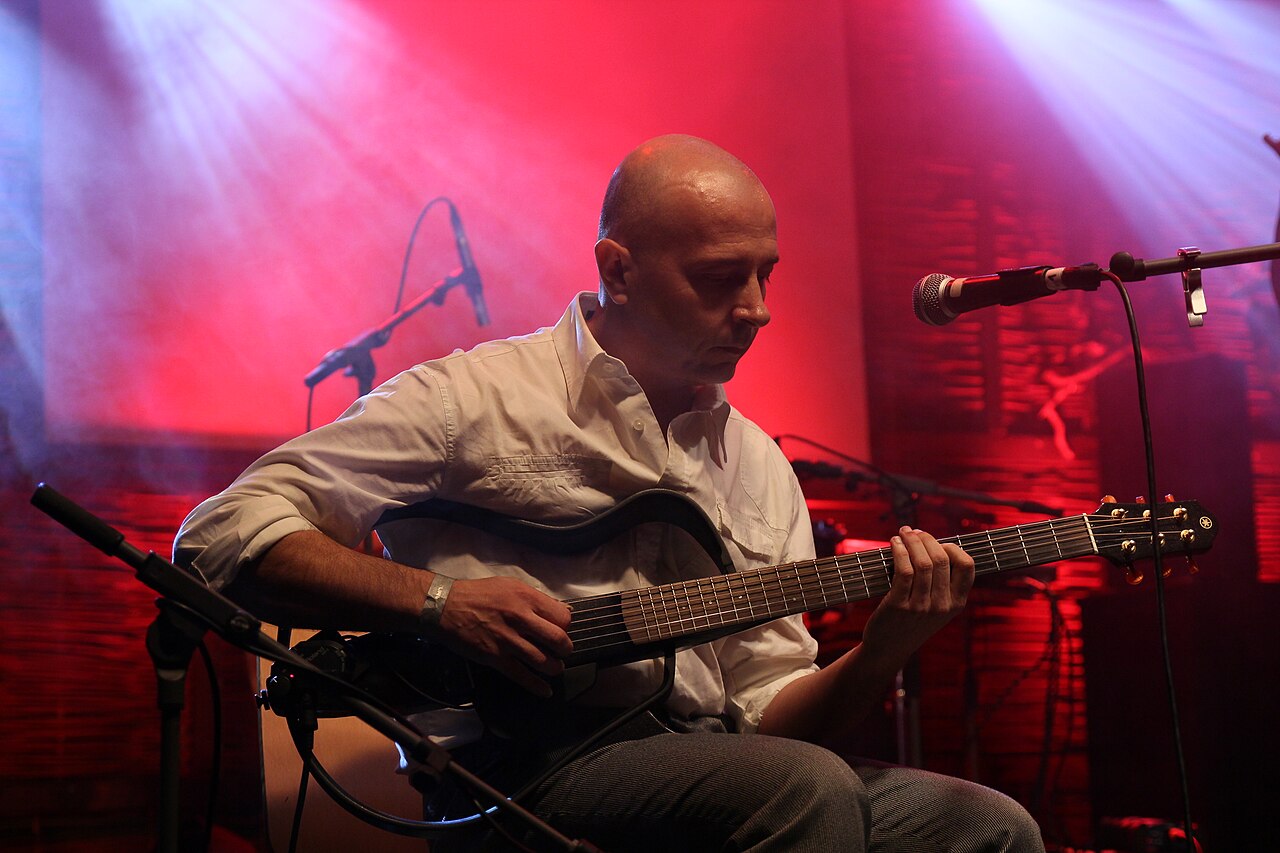
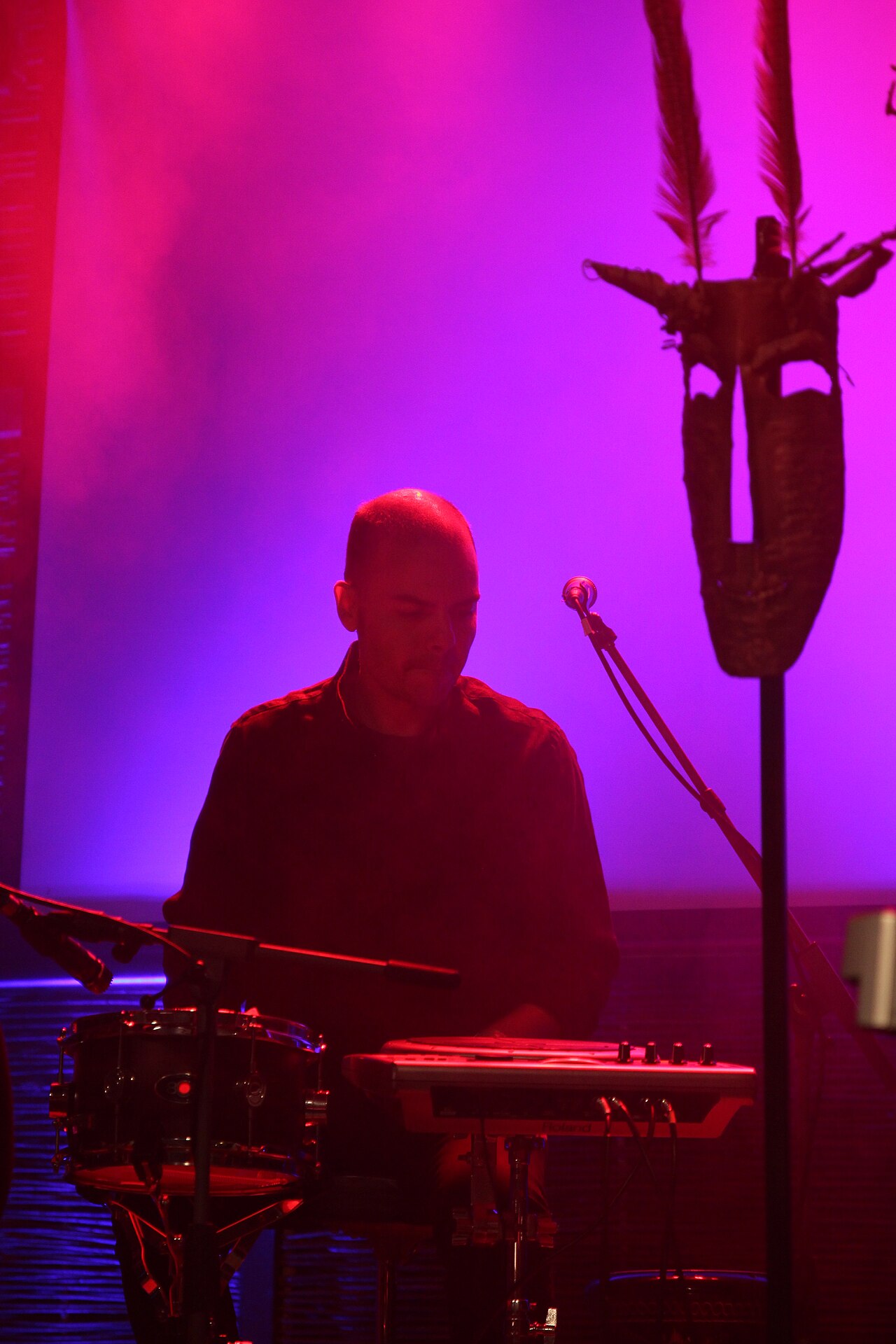
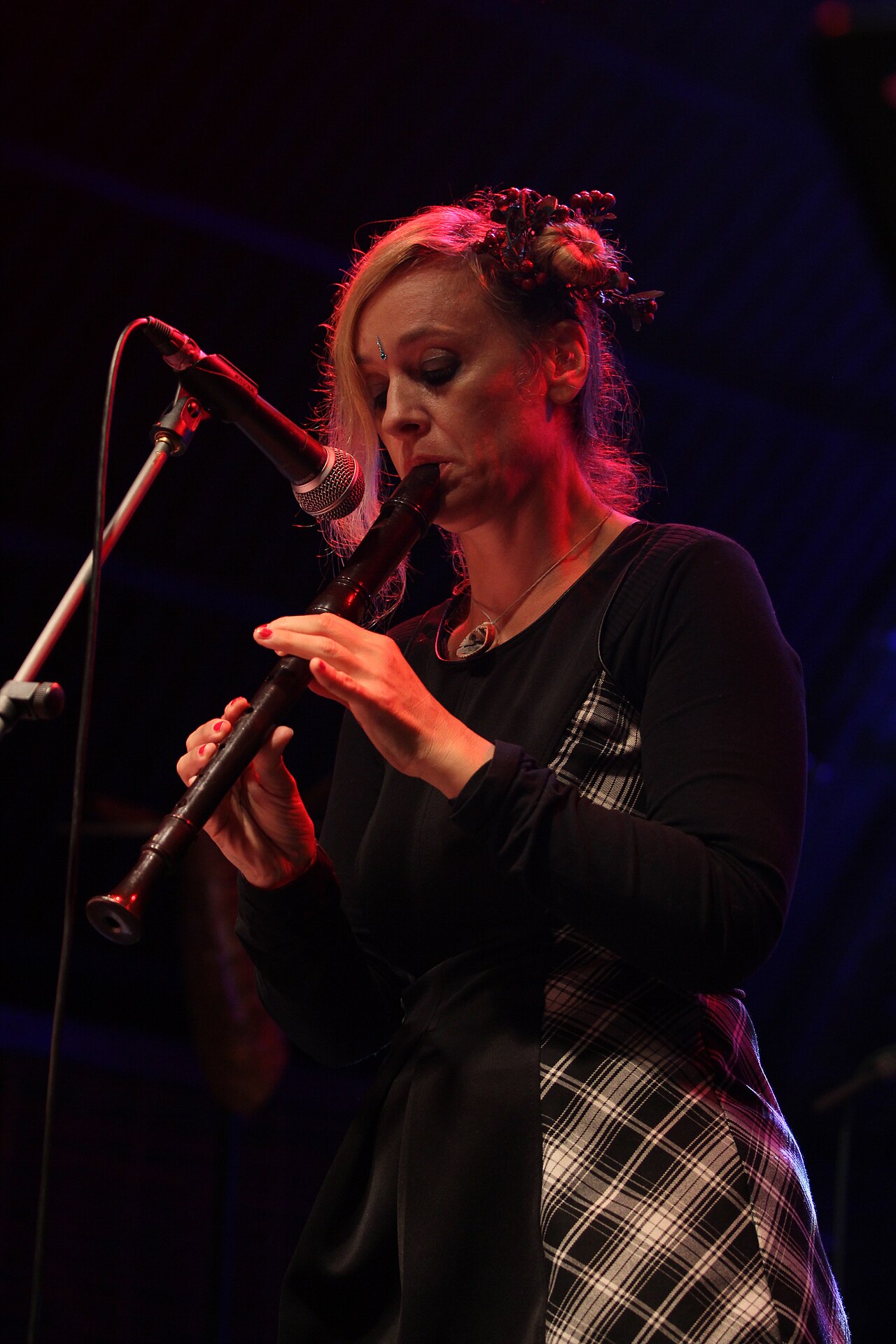
Ataraxia traces its origins to November 1990, when Francesca Nicoli and Michele Urbano joined forces in Italy to forge a new musical project. The first five years were marked by considerable fluidity in personnel; numerous musicians cycled through the ensemble, suggesting a period of experimentation before a stable identity crystallized. By the mid-to-late 1990s, the group had settled into a foundational trio: Nicoli on vocals, flute, and programming; Vittorio Vandelli on guitars, percussion, and additional programming; and Giovanni Pagliari on keys, vocals, and programming. This core configuration has endured to the present day, offering remarkable continuity in a scene often defined by frequent lineup changes. Notably, several members had been involved even before the official 1990 founding—Nicoli since 1985, Vandelli since 1986—indicating that the creative chemistry predated the band's formal establishment. Urbano's departure in 1992 and the later exit of percussionist Riccardo Spaggiari in 2021 bookend distinct eras of the group's evolution, yet the essential voice of Ataraxia has remained anchored to its founding vision.
Craftsmen of the Sound
The members of Ataraxia have explicitly described themselves as 'craftsmen of the sound,' a self-conception that extends well beyond conventional band dynamics. They frame their artistic mission as a lifelong dedication to exploring the nobleness of centuries through multiple creative channels—music, poetry, theatre, and photography—rather than treating composition as a mere commercial output. Their sonic palette deliberately fuses modern digital technology with archaic and acoustic instrumentation, weaving together elements that are simultaneously sacred and profane, atmospheric and experimental, contemporary and rooted in early music. Crucially, they do not impose a single fixed formula; instead, they select the linguistic and instrumental vocabulary that best serves each individual work, whether that means electric guitars, flutes, clarinets, or programmed textures. This adaptive approach is reflected in their extensive discography, which spans titles in Italian, French, Latin, English, and Welsh, and encompasses full-length albums, live recordings, video releases, and even a book-and-CD collaboration. The result is a body of work that resists easy categorization while maintaining a coherent philosophical throughline.
A Spiritual Compass Rooted in Nature
The name Ataraxia carries philosophical weight drawn from Epicurean thought, where the term denotes equanimity, calmness, and a kind of unflappability in the face of the world's turbulence. This naming choice signals the band's placement within a broader spiritual tradition reaching back through Greco-Roman and Celtic cultural lineages. Francesca Nicoli has articulated the production process as 'medianic,' drawing a direct parallel to the ancient cult of Dionysus, in which the musician was understood to be possessed by the God of Nature, who spoke through the performer as a vessel. Her relationship to the natural world is not merely thematic but existential: she associates paganism with the countryside and argues that rural life fosters a deep connection to the rhythms of the earth. In her own words, she feels herself in communion with the surroundings, a sentiment that permeates the band's lyrical preoccupations with nature and ancient cultures. This spiritual grounding distinguishes Ataraxia from more purely aesthetic or nostalgic approaches to neoclassical music, positioning their work as an act of living engagement with the natural and mythic world rather than a museum piece.
A Decades-Long Discographic Odyssey
From the debut album Prophetia in 1990 to the forthcoming Sylfaera the Fair in 2026, Ataraxia has maintained a remarkably consistent output across more than three decades, releasing twenty-six full-length albums alongside live recordings, video productions, and special-format projects. The breadth of their catalog—spanning titles like La malédiction d'Ondine, Lost Atlantis, Paris spleen, Llyr, and Pomegranate – The Chant Of The Elementals—reflects a restless creative energy undimmed by time. The band's output is not confined to audio: video releases such as Would the Winged Light Climb? and Spirito ancestrale, as well as the book-and-CD project Arcana eco, demonstrate a commitment to multimodal storytelling. Collaborators have enriched this journey, including actor and dancer Lorenzo Busi, who worked with the group from 1991 to 2003, photographer Livio Bedeschi, and musician Francesco Banchini, who contributed clarinet, flute, percussion, and vocals during the late 1990s and early 2000s. Even a single track like 'Strange Lights' featured outside contributors such as Nicolas Ramain on speech and guitar. This collaborative ethos, combined with an unbroken creative thread, makes Ataraxia's discography one of the most sustained in the neoclassical dark wave landscape.
Gallery
Frequently Asked Questions
Who is Ataraxia (band)?
Ataraxia is an Italian neoclassical dark wave group established in November 1990 by Francesca Nicoli and Michele Urbano. The project is fronted by Nicoli and has remained a fixture of the European pagan-adjacent music scene for over three decades.
What genre and sound does Ataraxia (band) produce?
The band sits squarely in the neoclassical dark wave lane, layering contemporary electronic production over archaic, traditional instrumentation. This fusion gives their recordings a timeless, ritualistic texture that sets them apart from purely electronic or purely acoustic acts.
Who are the current members of Ataraxia (band)?
The lineup today consists of vocalist Francesca Nicoli along with Vittorio Vandelli and Giovanni Pagliari. Nicoli, who co-founded the project, remains its creative and vocal center.
What lyrical themes does Ataraxia (band) draw from?
Their songwriting is rooted in the natural world and the mythologies of ancient cultures. Rather than relying on a single religious framework, the lyrics weave together elemental imagery and archaic storytelling to evoke a sense of timeless, earth-centered spirituality.
Why is Ataraxia (band) important to the modern pagan music community?
Having been active since 1990, Ataraxia helped define the Italian neoclassical dark wave niche and demonstrated that pagan-inspired themes could thrive outside the more common power-metal or folk-metal formats. Their long-running catalog has made them a reference point for listeners seeking a darker, more atmospheric expression of nature-based spirituality.
More in Modern pagan musical groups 1-24
Spotted an error? Know more?
Reader corrections go straight into our review queue. Suggest an edit · How this site is sourced