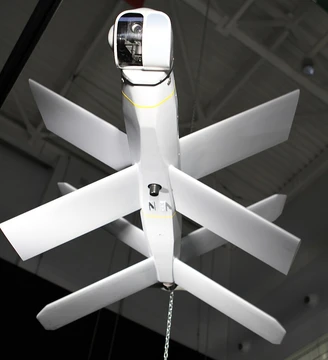
Loitering munition
A loitering munition is a self-destructive UAV with a warhead.

U.S. Army photo by Spc. Thomas Dixon · Public domain
A loitering munition (LM) is a self-destructive unmanned aerial vehicle (UAV) equipped with a warhead, typically designed to loiter remotely under human control using electro-optical targeting sensors and a data-link until a target is designated, then crash into it and detonate. Anti-radiation (anti-radar) loitering munitions employ an anti-radiation seeker, either alone or with an electro-optical system, to locate and destroy enemy radar. Common terms include suicide drone, kamikaze drone, or exploding drone. Loitering munitions enable attacks against hidden targets that emerge briefly without placing high-value platforms nearby, and their attacks can be changed mid-mission or aborted.
- First developed
- 1980s
- Initial role
- Suppression of enemy air defenses (SEAD)
- Early examples
- AGM-136 Tacit Rainbow, IAI Harpy, Delilah variants, Iranian Ababil-1
- Notable user conflicts
- 2016 Nagorno-Karabakh conflict, Russo-Ukrainian war (2022–present)
- Cost comparison
- A Tor missile system costs ~$24 million, which could buy 14,000 FPV drones
Lore & Background
Loitering weapons emerged in the 1980s for the suppression of enemy air defenses (SEAD) role. Early projects included the failed US AGM-136 Tacit Rainbow program, Israeli Delilah variants, the Iranian Ababil-1 (exact production date unknown), and the Israeli IAI Harpy from the late 1980s. These integrated anti-radiation sensors into a drone or missile with loitering capabilities, allowing relatively cheap munitions to loiter over suspected SAM sites and attack when the battery was spotted. In the 1990s, such munitions were deployed for SEAD by some military forces.
In the 2000s, loitering weapons were developed for additional roles, from long-range strikes and fire support to short-range tactical systems that fit in a backpack. During the 2016 Nagorno-Karabakh conflict, an IAI Harop was used against a bus used as a troop transport. In the Russo-Ukrainian war, ZALA Lancet loitering munitions and one-way attack drones like the HESA Shahed 136 were used by Russia, while Ukraine fielded the UJ-25 Skyline and American-made Switchblade. By October 2023, both Russian and Ukrainian forces were producing thousands of FPV drones monthly, many donated by volunteer groups. Some multirole loitering munitions, such as the Turkish Eren, can also intercept enemy UAVs.
Reader's Guide
Loitering munitions have significantly altered modern warfare by providing a cost-effective, flexible means of striking high-value targets that appear only briefly. Their ability to loiter, change targets mid-mission, or abort attacks distinguishes them from traditional munitions. The Russo-Ukrainian war demonstrated their proliferation, with both sides mass-producing low-cost FPV drones fitted with explosives, often donated by volunteer groups. The cost asymmetry is stark: a single Tor missile system worth $24 million could be replaced by 14,000 FPV drones. Purpose-built systems like the IAI Harpy can operate autonomously against radar, while others like the Switchblade are man-portable. Countermeasures have emerged, including cages on artillery pieces and inflatable decoys to confuse drones. The development of interceptor loitering munitions, such as the Eren, shows the category evolving to counter other aerial platforms. Their legacy lies in democratizing precision strike capability and forcing militaries to adapt to a persistent, low-cost aerial threat.
Did You Know?
- The IAI Harpy, developed in the late 1980s, can function autonomously to search for and attack radar without human intervention.
- In 2022, the UK Government announced it was providing 'hundreds of loitering munitions' to Ukraine.
- Ukrainian soldiers claimed to have used a civilian-donated FPV drone to destroy a Russian Tor missile system in November 2023.
- The Israeli Spike Firefly has been used in the Gaza Strip for its precision and ability to strike targets behind cover.
Operational Concept and Design Philosophy
A loitering munition is fundamentally a one-way aerial weapon that hovers or circles in a target area under remote human control before committing to a terminal strike. The operator guides the platform using electro-optical sensors or a camera feed transmitted over a data-link, watching for a designated target before commanding the craft to dive and detonate its warhead upon impact. A key tactical advantage is the ability to re-task or abort the mission mid-flight, a flexibility most conventional munitions lack. This makes the weapon especially suited for engaging concealed targets that only briefly expose themselves, without requiring expensive aircraft to loiter near the threat. Anti-radiation variants add a seeker that homes on enemy radar emissions, sometimes in tandem with electro-optical guidance, to find and destroy air-defense emitters. While the category is predominantly aerial, a handful of autonomous undersea vehicles share similar loiter-then-strike characteristics. In common parlance, these systems are also called suicide drones, kamikaze drones, or exploding drones, and the simplest examples are nothing more than a quadcopter with an explosive strapped to its frame.
Birth from the SEAD Problem
The loitering munition category was born out of a specific Cold War air-defense challenge. First-generation fixed surface-to-air missiles like the S-75 and S-125 forced the U.S. to develop suppression-of-enemy-air-defenses doctrine and dedicated anti-radiation missiles such as the AGM-45 Shrike. The Soviet response—mobile batteries like the 2K12 Kub that switched their radars on and off—made the problem harder. Israel's 1982 Operation Mole Cricket 19 illustrated a partial solution: unmanned aircraft and air-launched Samson decoys were flown over suspected SAM zones to bait radars into activating, after which anti-radiation missiles struck. By the 1980s, programs like the Israeli IAI Harpy and the American AGM-136 Tacit Rainbow merged anti-radiation seekers, command-and-control links, and sustained loitering into a single cheap platform that could hover over a suspected site and strike the moment a radar was detected. Early developers did not call these loitering munitions; a 1988 description of the Tacit Rainbow wavered between calling it a UAV, a cruise missile, or a standoff weapon. The Iranian Ababil-1 and the late-1980s Harpy represent other early entries into what would become a distinct weapon class.
Expansion Across Conflicts and Roles
From the 2000s onward, loitering munitions spread well beyond their original anti-radar niche. In the 2016 Nagorno-Karabakh conflict, an IAI Harop was employed against a bus carrying Armenian troops, illustrating a shift toward general-purpose ground attack. The Russo-Ukrainian war became a proving ground for a wide spectrum of these weapons: Russia fielded the ZALA Lancet and the HESA Shahed 136, while Ukraine operated the UJ-25 Skyline and the American AeroVironment Switchblade, a platoon-level system small enough to carry in a backpack. Turkish Roketsan's Eren loitering munition added an interceptor role, destroying enemy drones while retaining ground-attack capability; in February 2026 a Bayraktar Akinci UCAV used an Eren to down a target drone. Israel's Rafael Spike Firefly saw confirmed use in the Gaza Strip for precision strikes on targets behind cover. Meanwhile, conventional armies and non-state groups alike began converting commercial racing quadcopters into first-person-view loitering munitions by bolting on grenades, mortar rounds, or RPG warheads, a practice that blurred the line between military hardware and improvised ordnance.
Economic Disruption and Democratization
Perhaps the most consequential shift in loitering-munition warfare is economic. A single Russian Tor air-defense system costs roughly twenty-four million dollars to build; that same sum could purchase around fourteen thousand FPV drones. On 9 November 2023, Ukrainian soldiers reported destroying a Tor battery on the Kupiansk front with a civilian-donated FPV drone, a stark illustration of that cost asymmetry in practice. By October 2023, both Russian and Ukrainian forces were producing thousands of these small drones every month, many supplied by volunteer groups. Projects like the Escadrone Pegasus and the Vyriy Drone Molfar exemplify how rapidly low-cost designs evolved during 2022–23. The UK government announced in 2022 that it would deliver hundreds of loitering munitions to Ukraine. The barrier to entry has collapsed to the point where a commercially available quadcopter with a strapped-on explosive—sometimes an IED or a grenade—can serve as a functional one-way attack weapon, complete with real-time reconnaissance during the approach. This democratization means that even non-state actors can project a credible aerial-strike capability at a fraction of traditional munition costs.
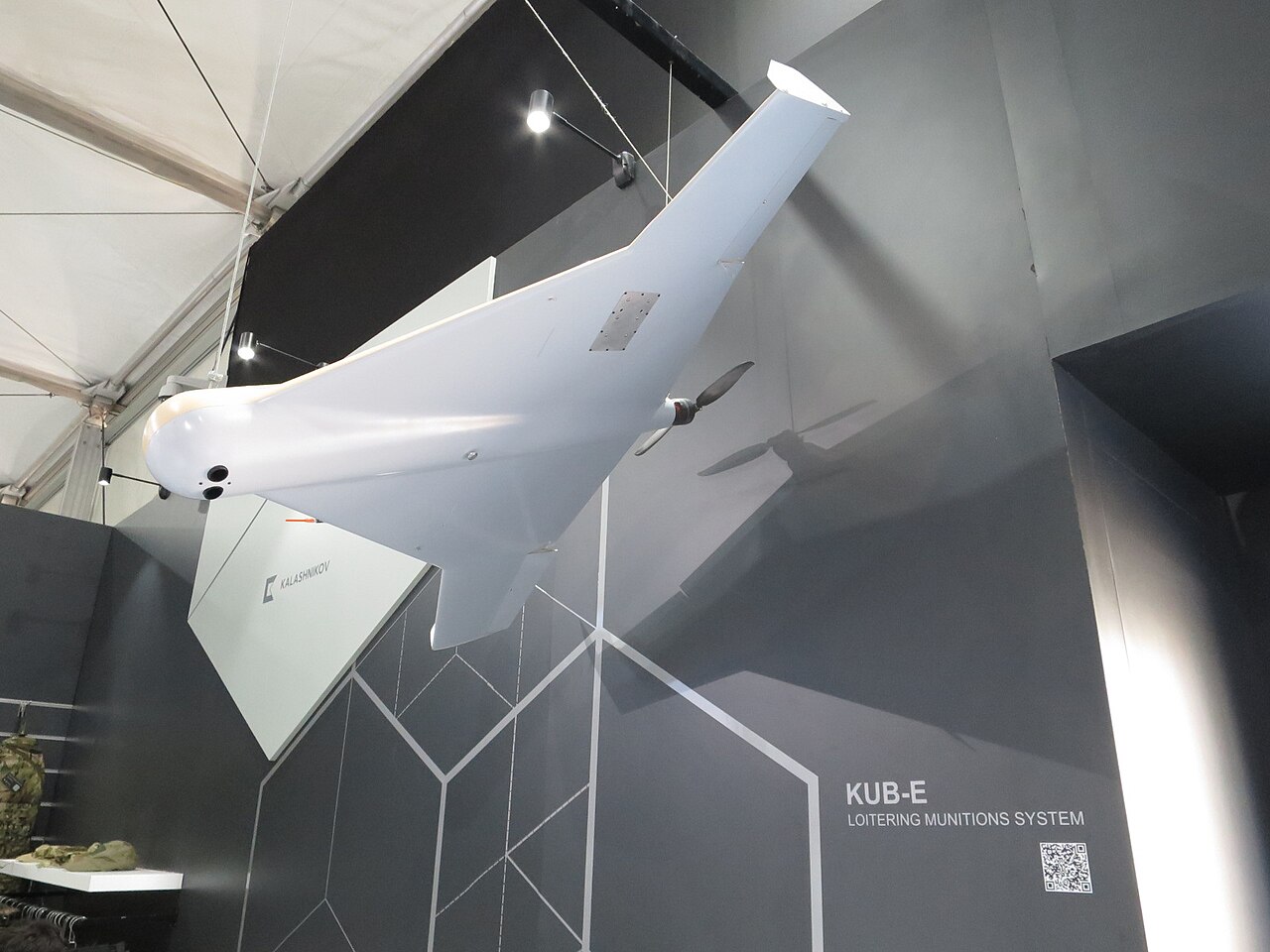
Gallery
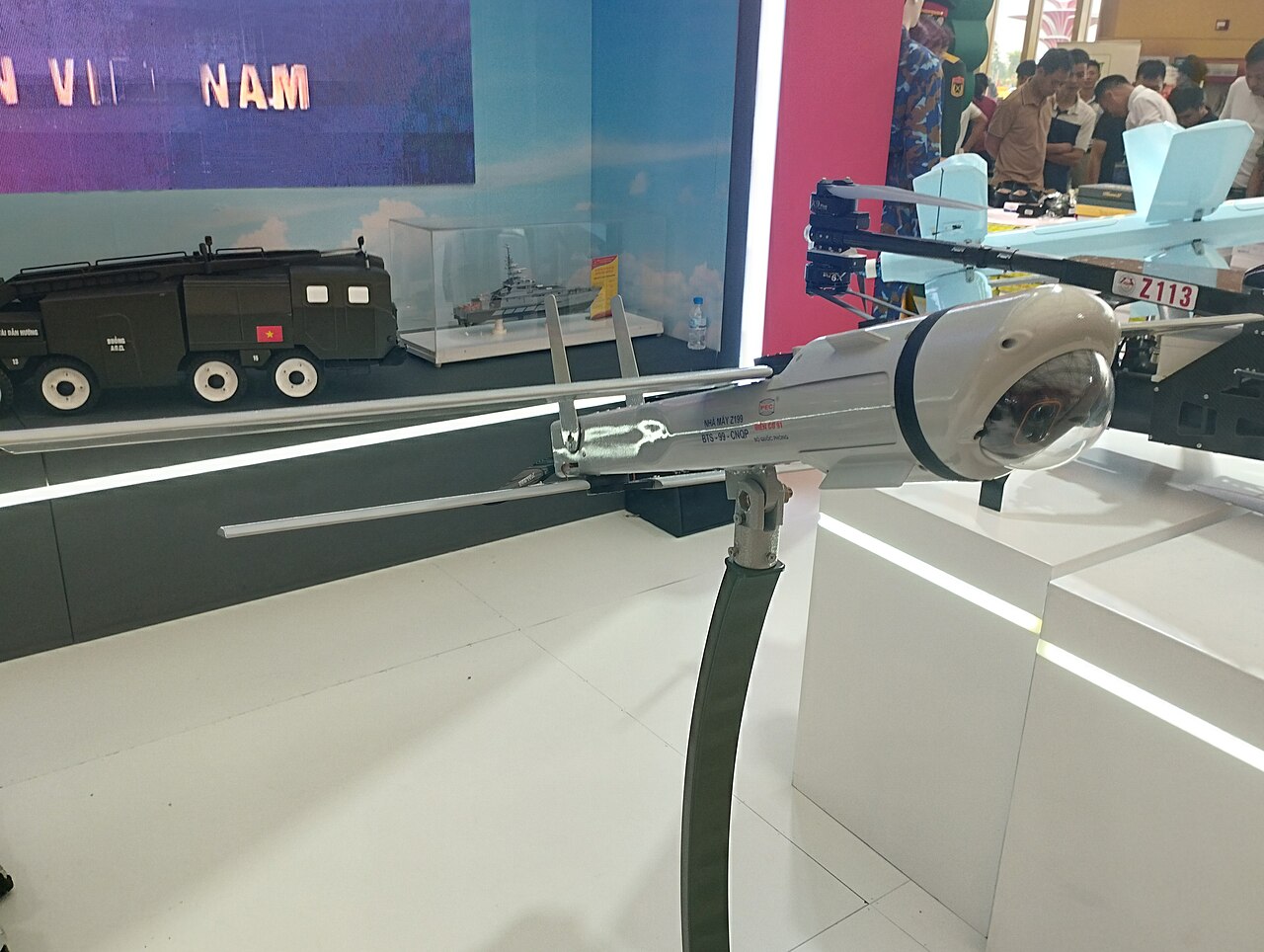
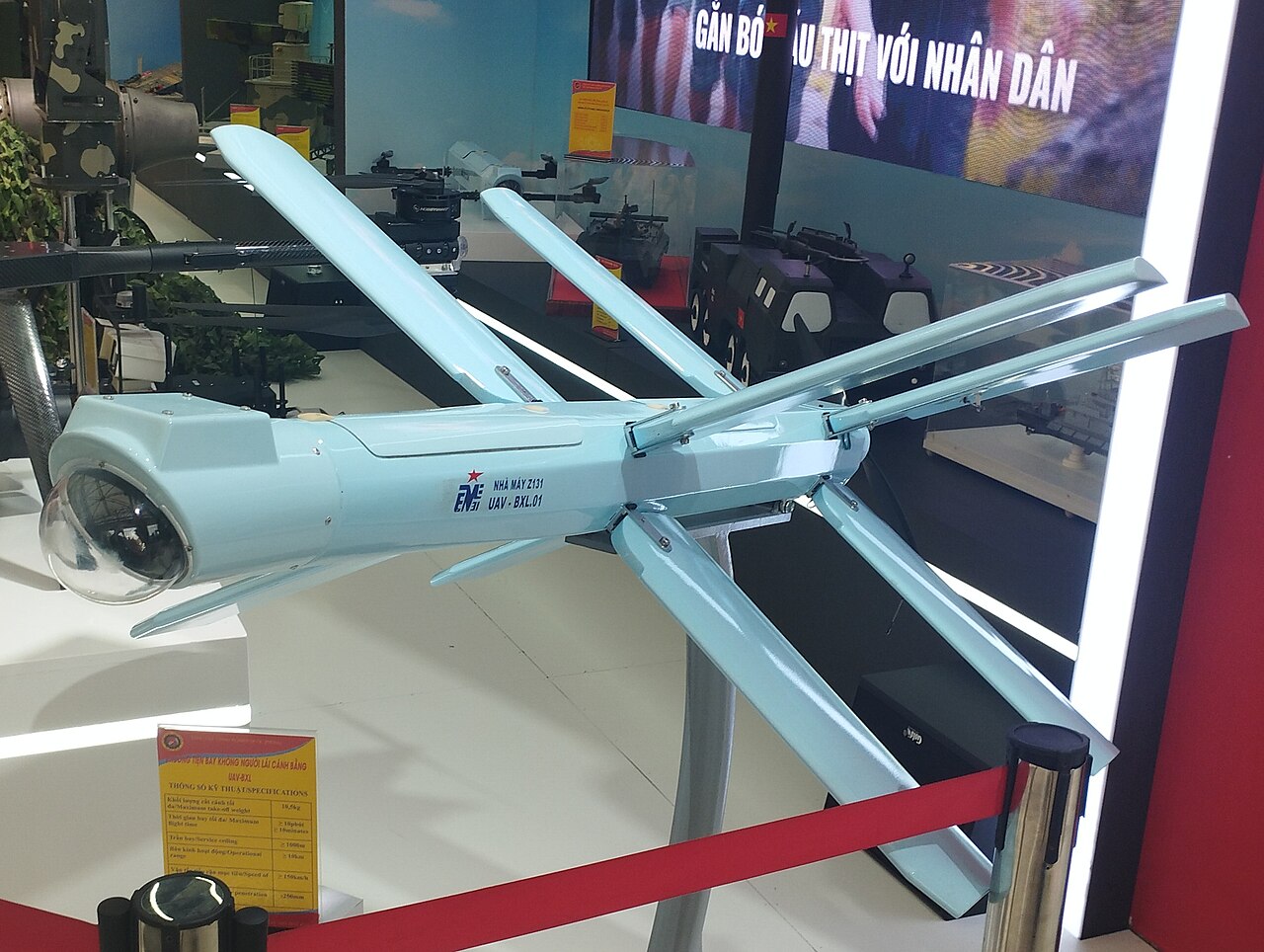

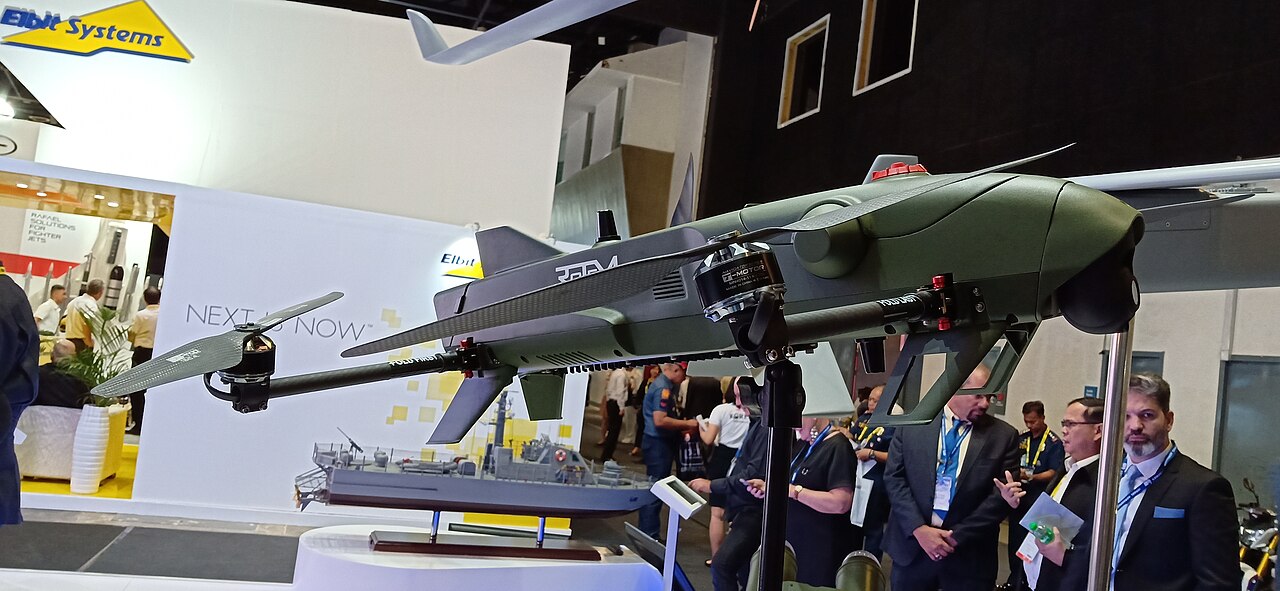

Frequently Asked Questions
What is a loitering munition?
A loitering munition is a one-way unmanned aerial vehicle that carries a warhead and hovers in a designated area under remote human control until an operator locks onto a target, at which point it dives in and detonates. It is also commonly referred to as a suicide drone or kamikaze drone.
How does a loitering munition find and hit its target?
Most models rely on an electro-optical sensor and a data-link so a human operator can visually identify and designate a target before the craft crashes into it. Some variants, called anti-radiation loitering munitions, use a seeker that homes in on enemy radar emissions instead.
When were loitering munitions first developed and what was their original purpose?
The concept traces back to the 1980s, with early programs like the AGM-136 Tacit Rainbow and IAI Harpy designed primarily to suppress enemy air-defense systems. Delilah variants and Iran's Ababil-1 followed as additional early operational examples.
In which real-world conflicts have loitering munitions seen notable combat use?
They featured prominently in the 2016 Nagorno-Karabakh conflict and have been heavily employed in the Russo-Ukrainian war from 2022 onward. Their ability to strike targets that only briefly expose themselves makes them especially useful in those engagements.
Why are loitering munitions considered a game-changer in modern warfare?
Their cost-effectiveness is striking—a single Tor missile system runs roughly $24 million, a sum that could purchase around 14,000 FPV drones. This dramatic price gap lets operators trade cheap, expendable platforms against far more expensive air-defense assets.
More in Loitering Munitions and Target Drones 1-24
Spotted an error? Know more?
Reader corrections go straight into our review queue. Suggest an edit · How this site is sourced