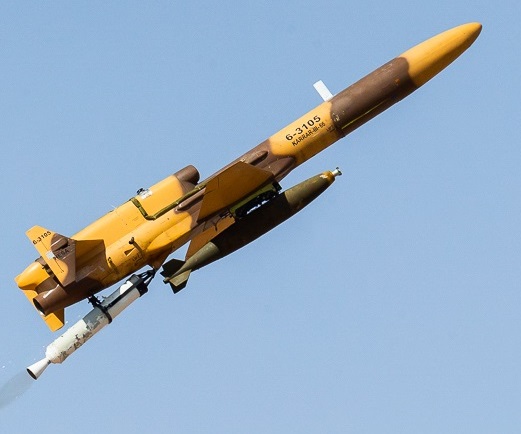
HESA Karrar
Iranian jet-powered target drone derived from the MQM-107 Streaker.

Saeed Sajjadi · CC BY 4.0
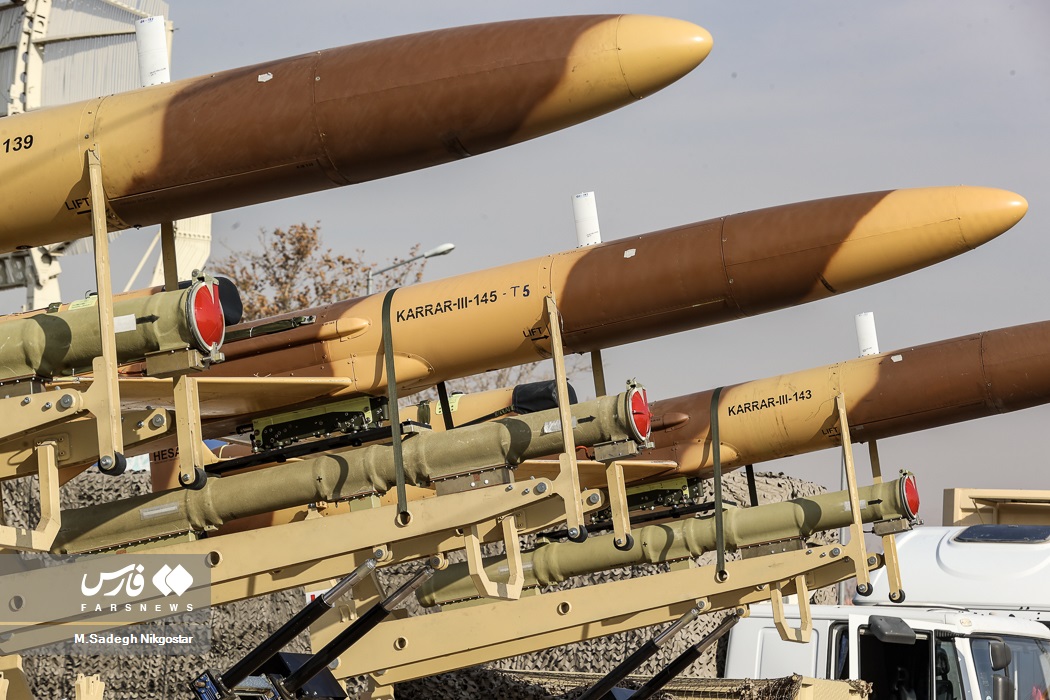
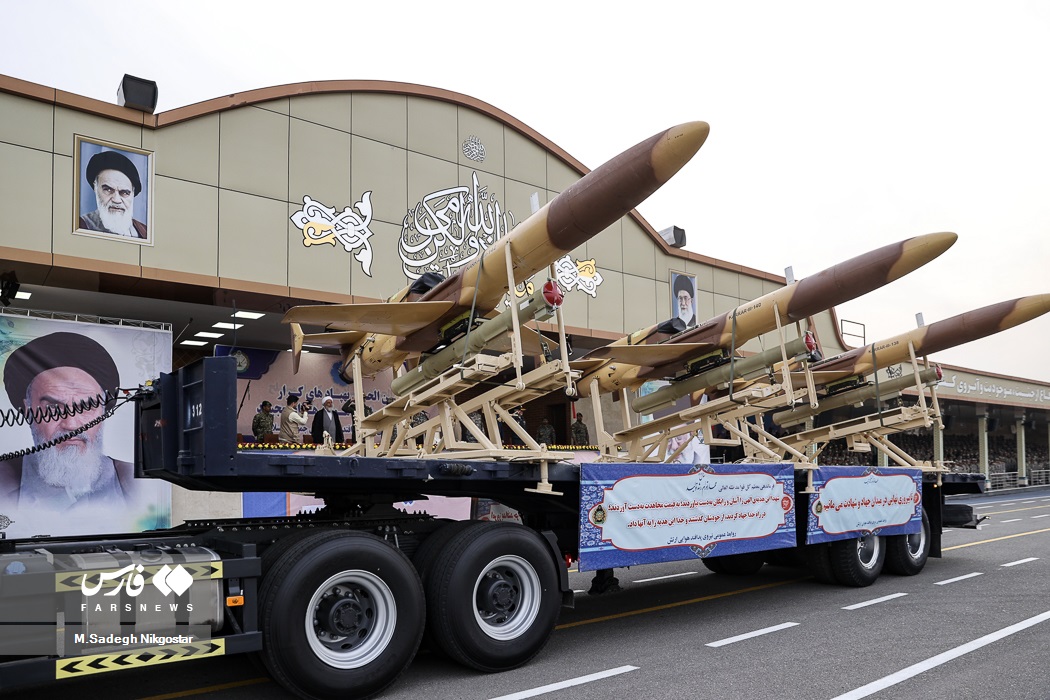
The HESA Karrar, a jet-powered target drone, has been in production by Iran Aircraft Manufacturing Industrial Company (HESA) since 2010. It is based on the American Beechcraft MQM-107 Streaker target drone from the 1970s, and likely also borrows design features from the South African Skua, with the addition of hardpoints for carrying weapons. Developed under President Mahmoud Ahmadinejad, the Karrar holds the distinction of being Iran’s first long-range unmanned aerial vehicle.
Quick Facts
- Aircraft Type
- Multirole
- National Origin
- Iran
- Manufacturer
- Iran Aircraft Manufacturing Industrial Company (HESA)
- More Users
- Hezbollah
- Construction Date
- 2010
- Developed From
- Beechcraft MQM-107 Streaker
Facts from the source article.
Lore & Background
Development of the Karrar was underway as of 2002, possibly under the name 'Hadaf-1'. A subscale model was seen around 2004. The Karrar was unveiled on August 23, 2010, one day after the activation of a nuclear reactor in Bushehr, by Iranian president Mahmoud Ahmadinejad, and was framed as a 'long-range bomber drone'. It is also known as the 'Ababil Jet', though the Ababil is an unrelated UAV from the same manufacturer.
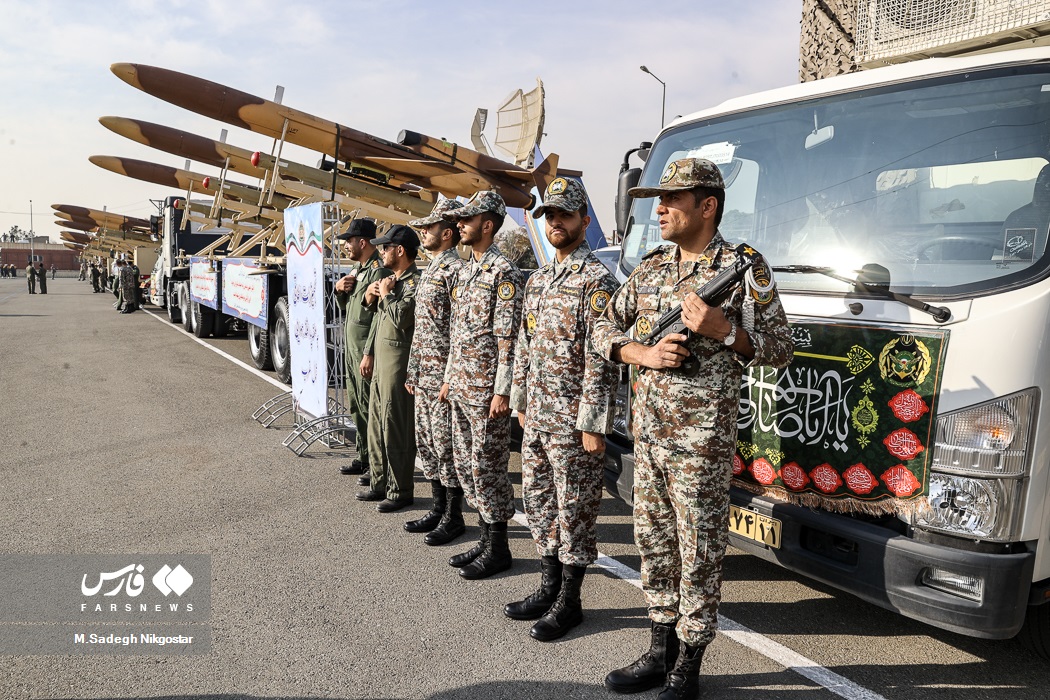
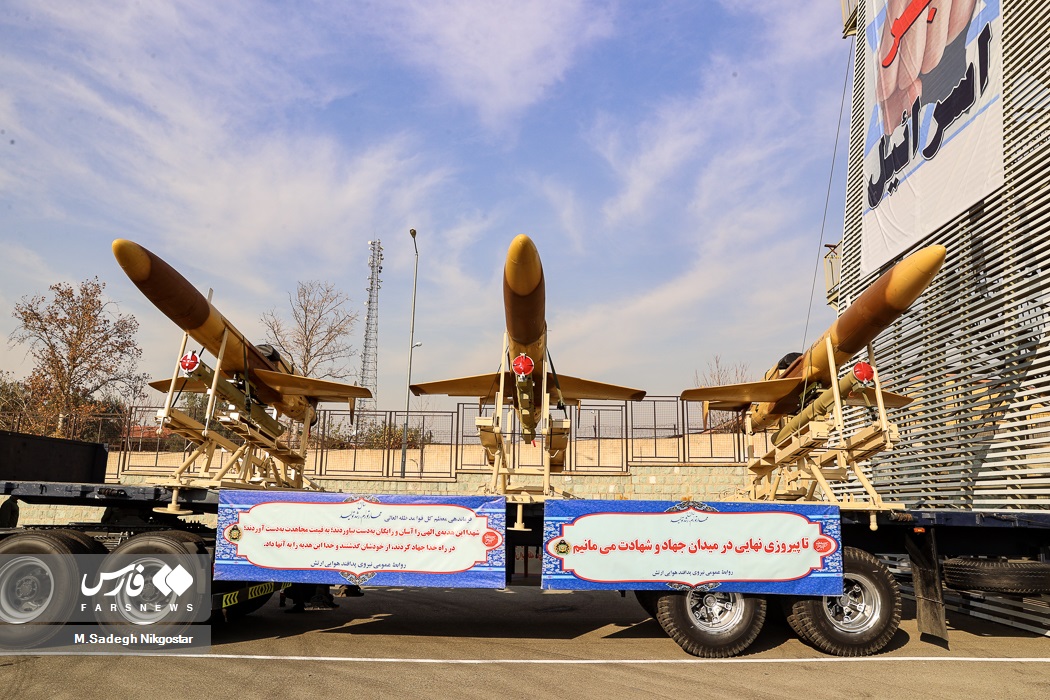
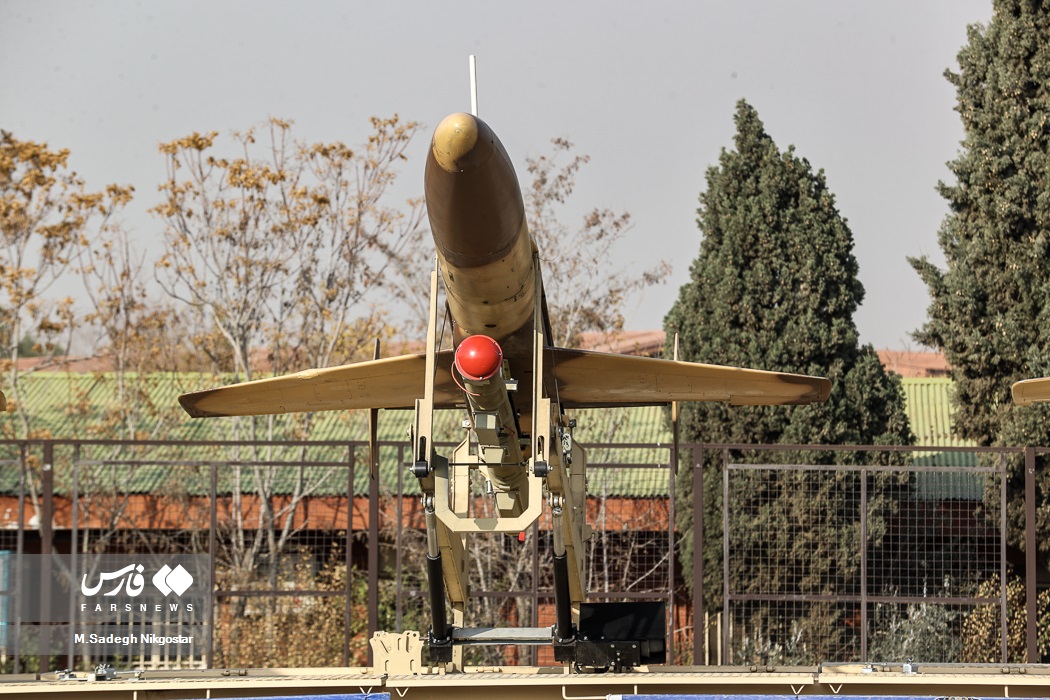
The Karrar has a small, clipped delta wing mounted low to a cylindrical, blunt-nosed fuselage, with a dorsal air intake and twin arrowhead-shaped endplate tailfins. It uses a rocket assist system to take off and is recovered by parachute, and is also claimed to be capable of air launch. Iranian officials have said it has surveillance capabilities, but no visible EO/IR sensors are present. It is believed to have an autopilot system with INS and/or GPS guidance, and may have terrain following capability. It can follow a pre-programmed flight path that can be updated in flight.
Military experts noted its resemblance to the US Beechcraft MQM-107 Streaker, but according to a report from Denel Dynamics, some design elements were copied from the Denel Dynamics Skua, with technical data reportedly sold by one of the Skua's export customers to Iran. The Karrar is not an exact copy of the MQM-107, and multiple design changes have been made.
Reader's Guide
The Karrar serves primarily as a target drone for training air-defense crews, simulating aerial targets in Iranian drills. It is believed to be the replacement for Iran's aging American-built MQM-107 target drones. Despite Iranian claims of it being a 'long-range bomber drone', Defense Update suggested it could be useful for using cruise missiles to target ground-based radars and naval ships. In 2018, a Daily Beast reporter claimed that the Karrar, despite Iranian claims, does not possess the capacity to deploy weapons and is merely a target drone. However, Iran reportedly used the Karrar to deploy munitions for the first time in a 2020 exercise. The Karrar has been used to test Mersad, S-300PMU-2, Sayyad-2, and Sayyad-3 SAM systems, as well as Fakour-90 air-to-air missiles. Multiple sources report that it has been exported to Hezbollah and supposedly used in the Syrian Civil War. Its significance lies in its role as Iran's first long-range UAV and its ongoing use in air defense training, while its weaponization remains a subject of dispute.
Did You Know?
- It was unveiled by Iranian president Mahmoud Ahmadinejad on August 23, 2010.
- The Karrar can be equipped with Shahab-e-Saqeb and Majid heat-seeking missiles for hitting air targets.
- It is believed that carrying weapons substantially reduces the Karrar's operating range.
Gallery
Frequently Asked Questions
What is the HESA Karrar?
The HESA Karrar is a jet-powered unmanned aircraft produced by Iran's HESA company, first publicly displayed in August 2010. It functions as a target drone and can also carry ordnance on its external hardpoints.
What is the Karrar's primary mission role?
Its core job is to serve as a flying target for weapons-testing exercises, while its hardpoint fittings let it be loaded with munitions for carrier-type missions. A small jet engine provides its propulsion rather than a propeller-driven system.
Where did the Karrar's airframe design come from?
The basic airframe traces back to the 1970s American MQM-107 Streaker target drone, with additional design cues reportedly drawn from South Africa's Skua. Iran modified the original layout by adding weapon hardpoints for munitions carriage.
How is the Karrar launched and recovered?
It gets airborne via a rocket-assisted takeoff (RATO) system rather than a conventional runway launch. At the end of a sortie, a parachute is deployed to bring the airframe back down.
Why is the Karrar considered a milestone in Iranian UAV history?
Developed under President Ahmadinejad and entering HESA production around 2010, it is widely credited as Iran's first long-range unmanned aerial vehicle. Its existence marked an early step in the country's push toward indigenous jet-powered UAV capability.
More in Loitering Munitions and Target Drones 1-24
Spotted an error? Know more?
Reader corrections go straight into our review queue. Suggest an edit · How this site is sourced