Culver Cadet
American light monoplane adapted as a radio-controlled target drone.

Harris & Ewing, photographer · Public domain
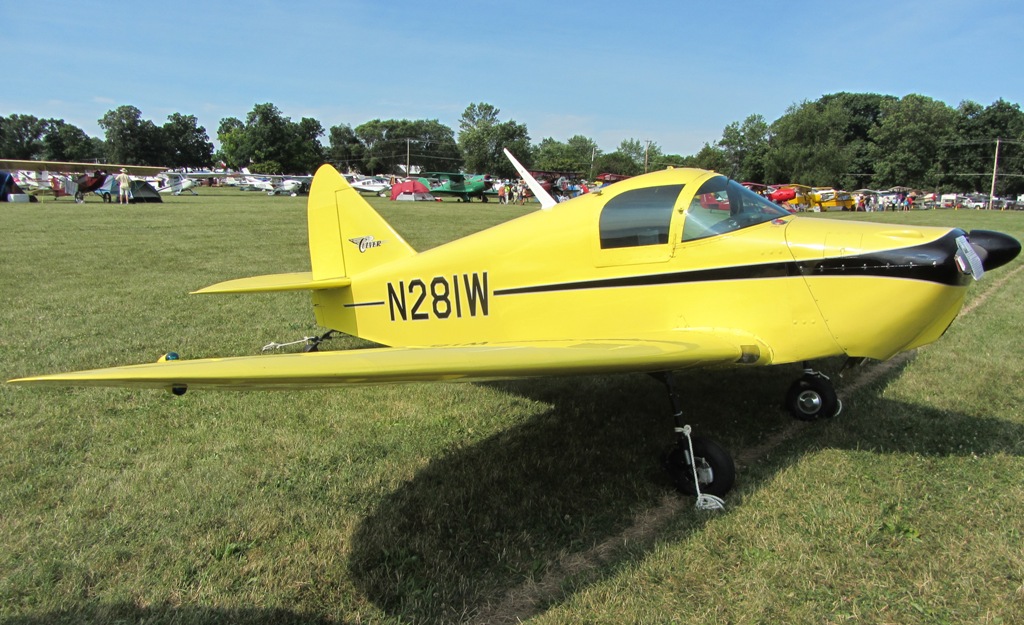
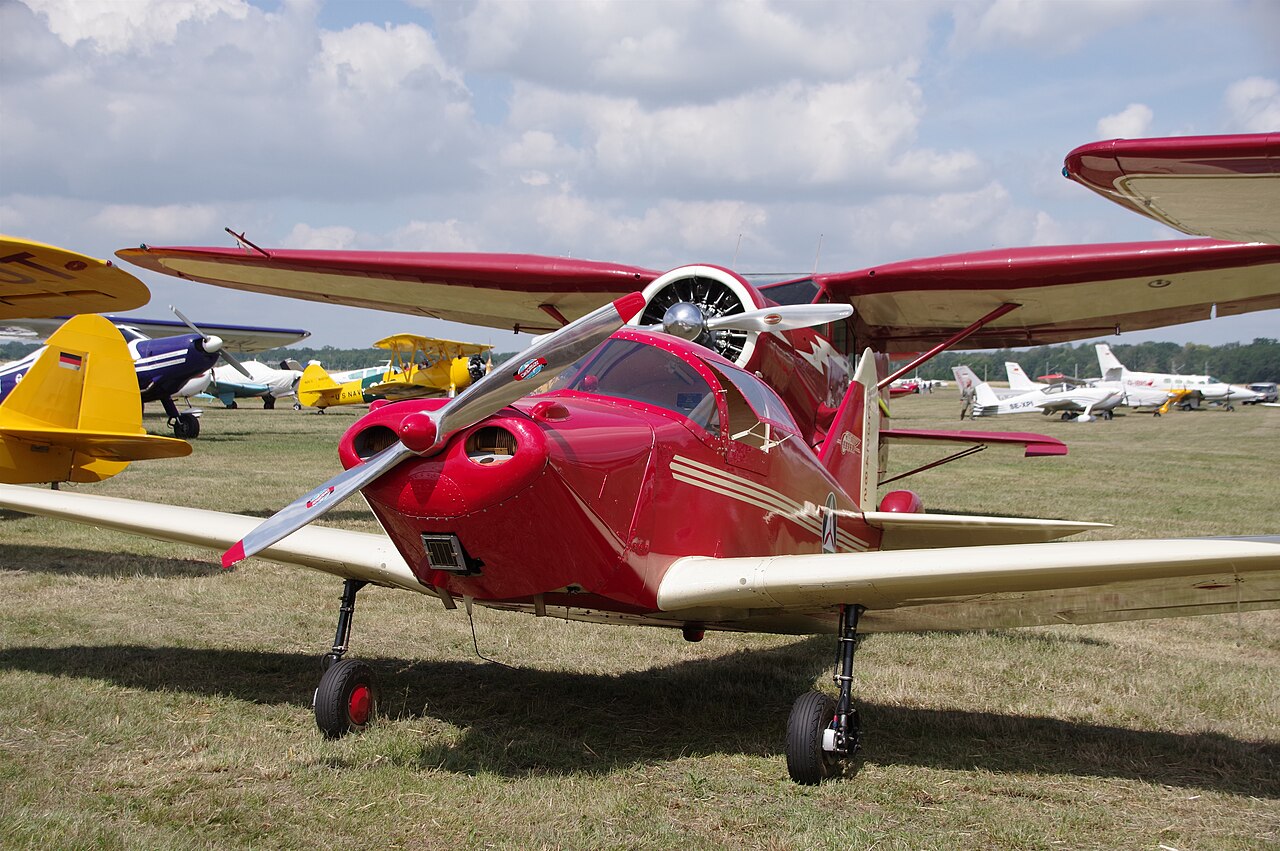
The Culver Cadet is an American two-seat light monoplane aircraft, also produced as a radio-controlled drone, by the Culver Aircraft Company. It was developed by designer Al Mooney as an improved version of the Culver Dart, offering better performance with a smaller engine. The prototype first flew on 2 December 1939, and the aircraft was later adopted by the United States Army Air Corps and Navy as a target drone.
Quick Facts
- National Origin
- United States
- Manufacturer
- Culver Aircraft Company
- Designer
- Albert Mooney
- First Flight
- 1939
- Number Built
- 600+
- Variants
- Culver PQ-14 Cadet
Facts from the source article.
Lore & Background
The Culver Cadet was designed by Al Mooney during his eight years at Culver, one of six models he created there. Originally designated the Culver Model L, the prototype first flew on 2 December 1939. The Cadet featured a semi-monocoque fuselage instead of the welded-steel-tube construction of the earlier Dart, and a retractable tailwheel undercarriage. The initial production version, the Cadet LCA, was powered by a 75 hp Continental A75-8 engine. A 1941 variant, the Cadet LFA, introduced refinements and more equipment, fitted with a 90 hp Franklin engine.
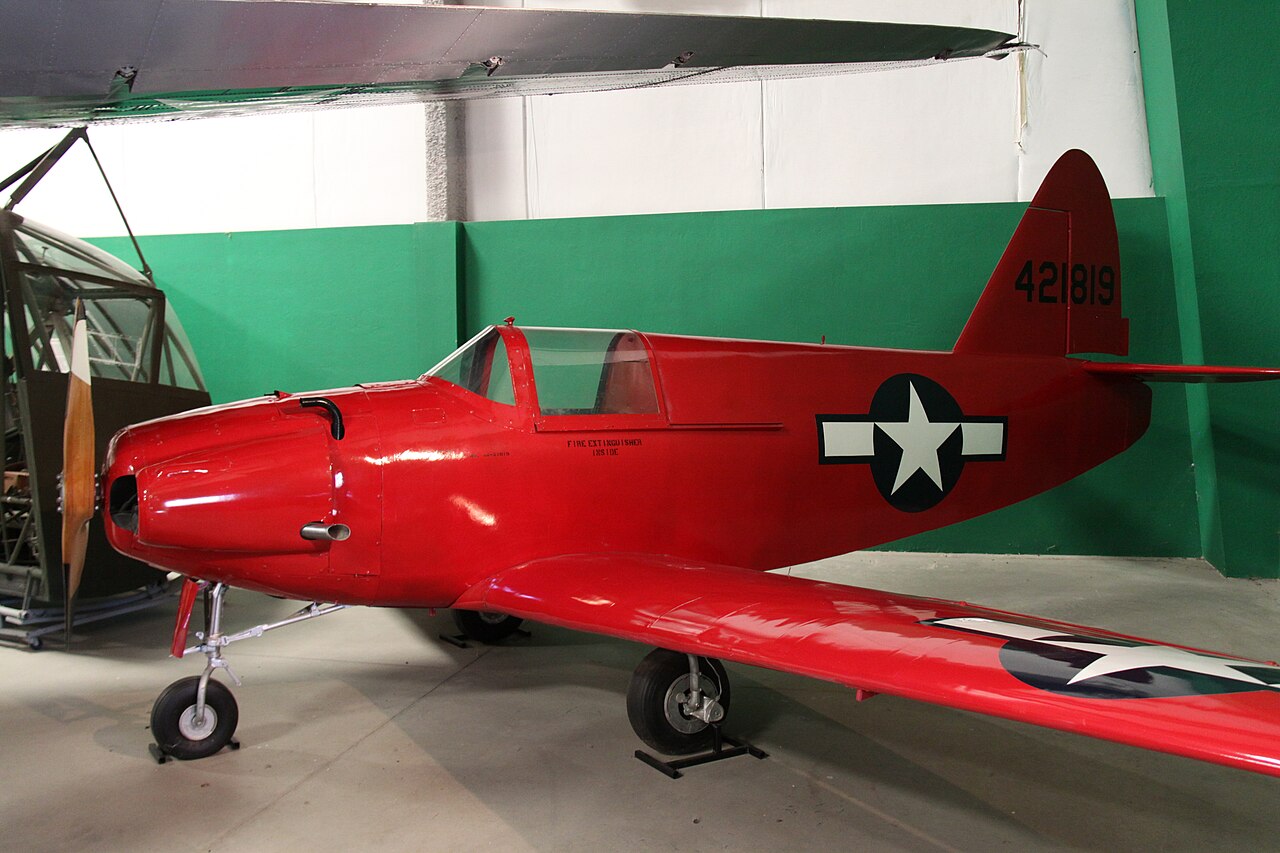
In 1940, the Cadet LCA was selected by the United States Army Air Corps as a radio-controlled target. The first military version, designated the Culver A-8 (later XPQ-8), was based on the Cadet LFA but had fixed tricycle landing gear. After successful tests, a production order for 200 was placed as the PQ-8, followed by another 200 as the PQ-8A with a more powerful Lycoming O-290 engine. The United States Navy evaluated a PQ-8A and ordered 200 as the TDC-2. An enlarged and improved version was later built as the Culver PQ-14.
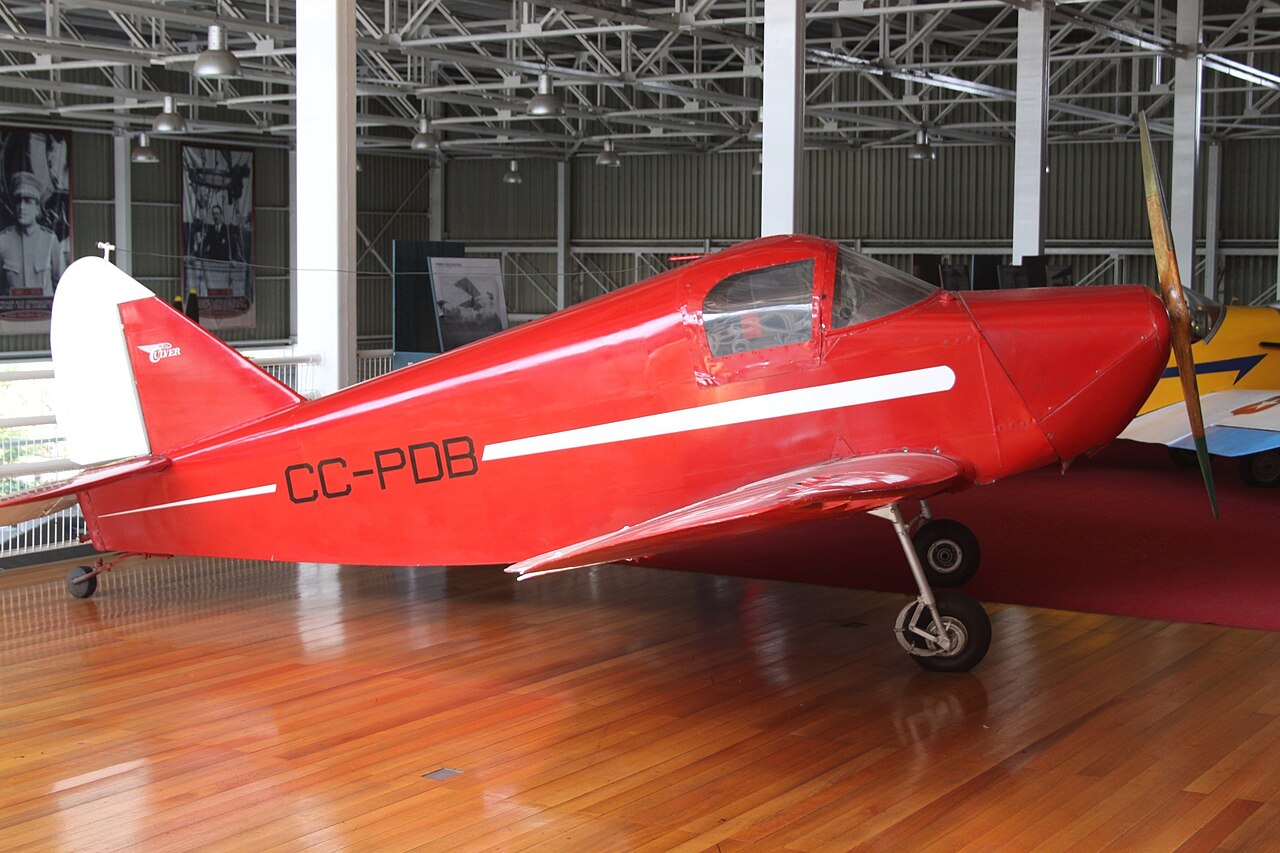
Production ended after the United States entered World War II in December 1941, but the Cadet had found export orders, including to Uruguay. Several Cadets, with both military and civilian origins, remained airworthy in the United States as of 2012, and some are preserved in museums.
Reader's Guide
The Culver Cadet is notable as a pre-war light aircraft that was successfully adapted into a military target drone, serving both the U.S. Army Air Corps and Navy. Its design by Al Mooney, who later founded Mooney Aircraft, reflects a period of innovation in light aircraft construction, moving from welded-steel-tube to semi-monocoque fuselage. The Cadet's drone variants—the PQ-8, PQ-8A, and TDC-2—were produced in significant numbers (200 each) and used for radio-controlled target practice, a role that became increasingly important during World War II. The aircraft also saw civilian use and later inspired the Helton Lark 95, a development by Helton Aircraft Corporation, and a plans-built version offered by Aero Systems in 2010. Its legacy includes surviving examples in museums and airworthy condition, preserving a link to early drone technology and pre-war American light aviation.
Did You Know?
- The Culver Cadet prototype first flew on 2 December 1939.
- The Cadet was one of six models designed by Al Mooney during his eight years at Culver.
- The U.S. Navy ordered 200 PQ-8A drones as the TDC-2.
- A plans-built version called the Aero Systems Cadet STF was offered in 2010.
Gallery
Frequently Asked Questions
What is the Culver Cadet?
The Culver Cadet is a lightweight, two-seat monoplane produced by the Culver Aircraft Company in the United States. It was conceived as a performance upgrade over the earlier Culver Dart, achieving better speed and handling while running on a smaller engine, and it was also manufactured in a radio-controlled drone configuration for military use.
Who designed the Culver Cadet and what was the goal?
Al Mooney developed the Cadet as a direct improvement on the Culver Dart. His aim was to squeeze more performance out of a smaller powerplant, giving pilots a snappier, more efficient trainer without the fuel burn of a larger engine.
When did the Culver Cadet first fly?
The prototype completed its maiden flight on 2 December 1939, arriving just months before the United States entered World War II. That timing proved critical, as the aircraft was soon pressed into military service as a target drone.
How many PQ-8 and PQ-8A Cadet drones were built?
A total of 200 PQ-8 airframes and 200 PQ-8A airframes were produced, giving a combined run of 400 drones. These were supplied to both the Army Air Corps and the Navy for anti-aircraft gunnery training.
What military role did the Culver Cadet fill?
Adopted by the United States Army Air Corps and the Navy, the Cadet served as a radio-controlled target drone under the PQ-8 and PQ-8A designations. Its job was to fly a predictable course so gunners could practice shooting at a live, towed target during training exercises.
More in Loitering Munitions and Target Drones 1-24
Spotted an error? Know more?
Reader corrections go straight into our review queue. Suggest an edit · How this site is sourced