
Absheron National Park
Azerbaijani national park on the Caspian coast, established 2005.

Interfase · CC BY-SA 4.0
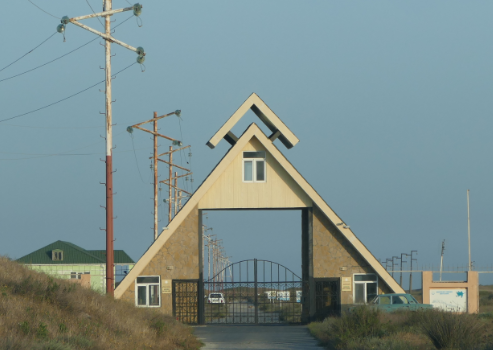
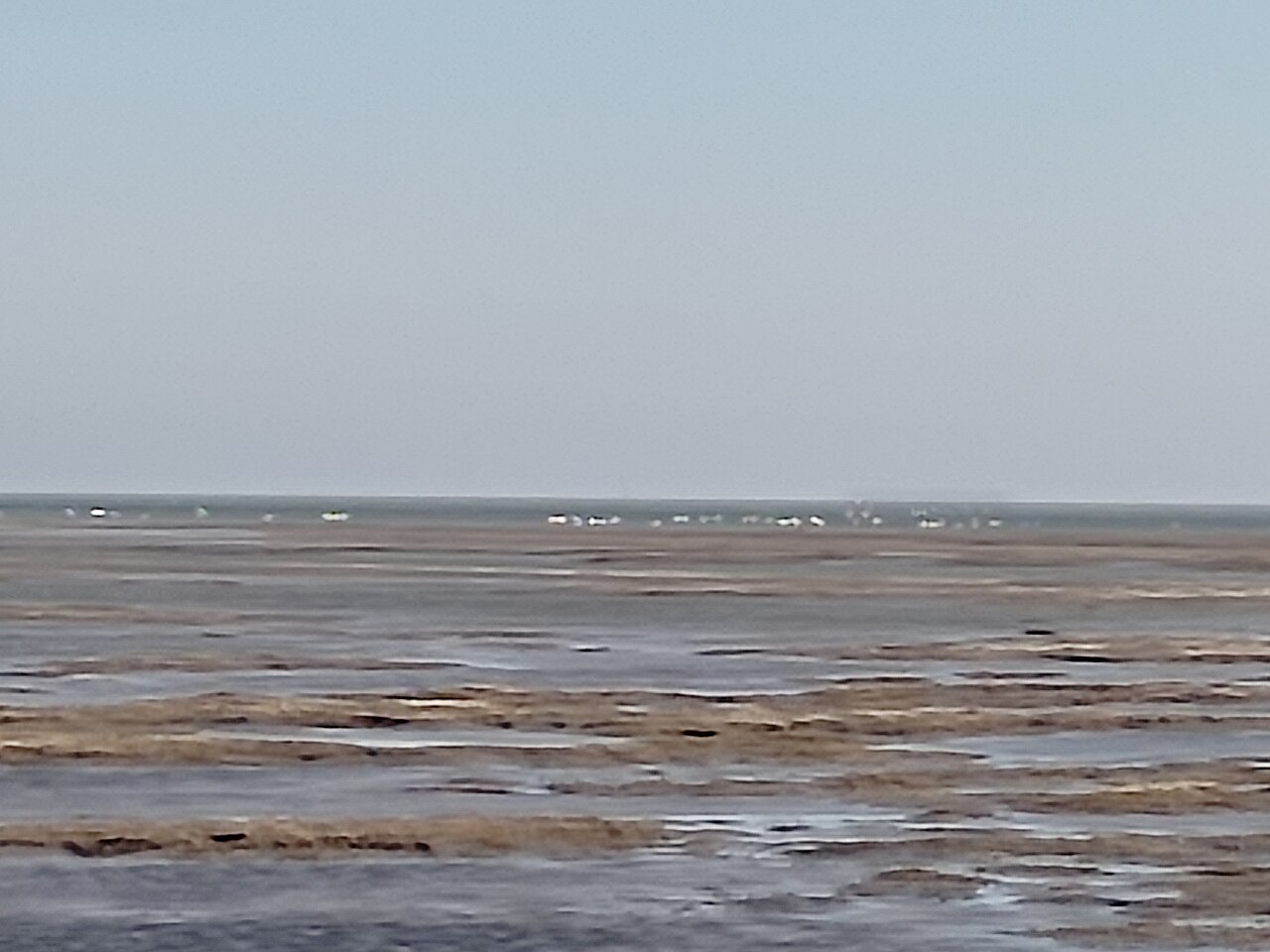
Absheron National Park lies within Azerbaijan, on the Absheron Peninsula in a semi-desert and dry steppe zone. It was created on 8 February 2005, covering 783 hectares (7.83 km²) in what was then the District of Azizbeyov (now Khazar) in Baku, replacing the earlier Absheron State Nature Preserve. During the first three months of 2024, it drew more foreign tourists than any other park in the country.
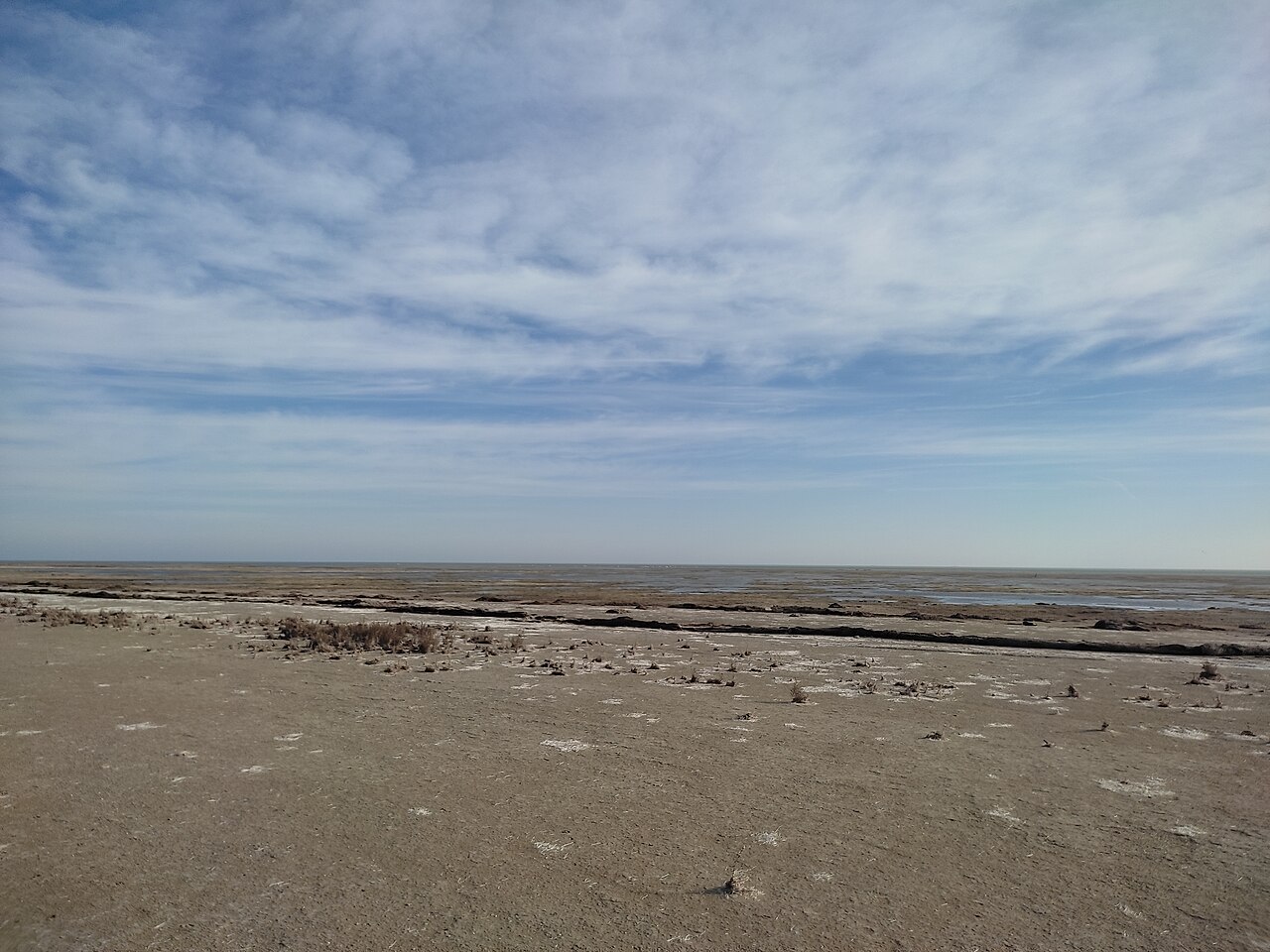
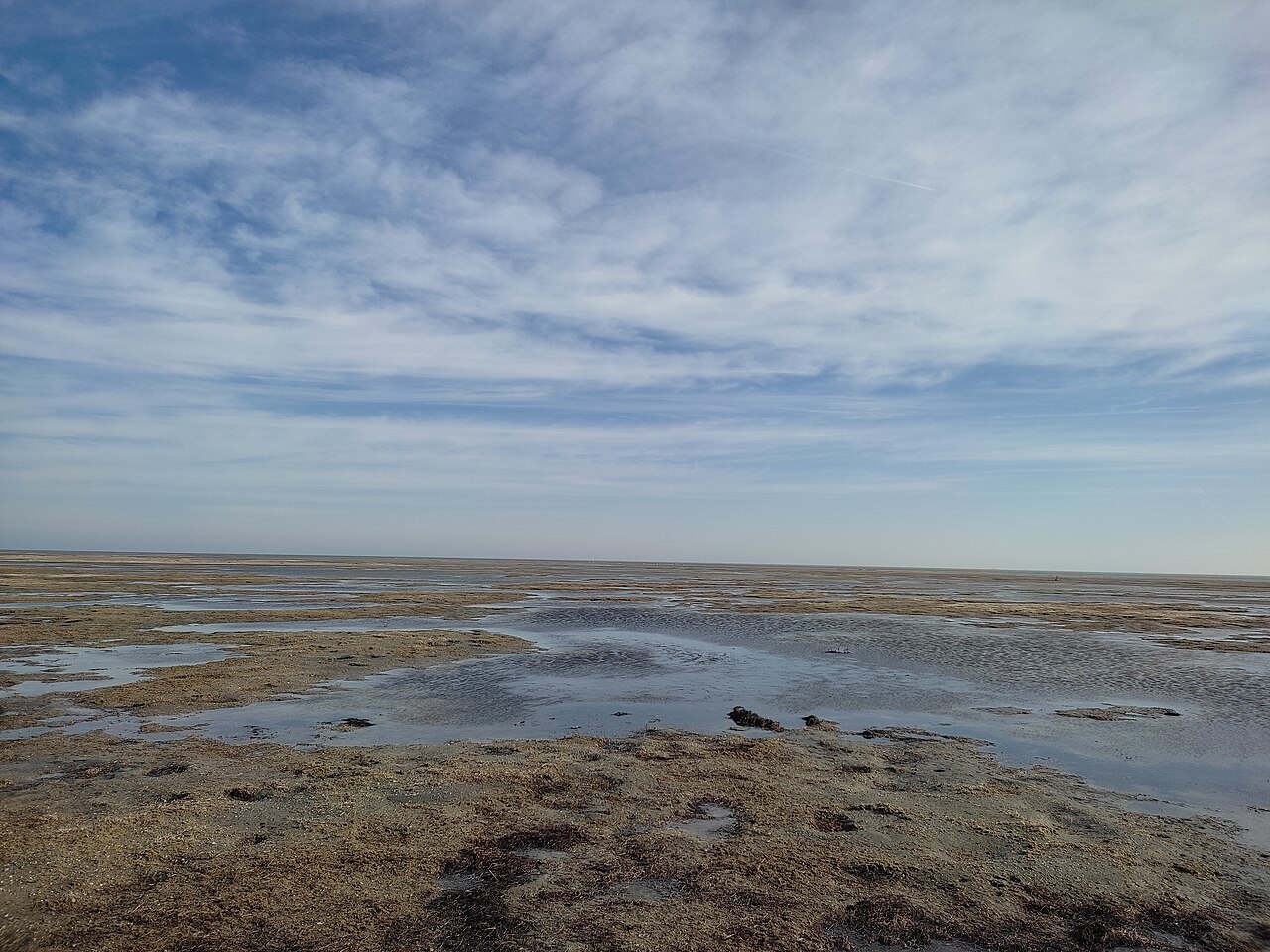
The original preserve, established in July 1969, aimed to protect gazelles, Caspian seals, and waterbirds. The area has a semi-arid climate typical of semi-desert and dry steppe. Plant life is sparse, with species shifting according to water availability and soil salinity. Coastal sand plants cover 42.6% of the ground, meadows with jigilgamish and paz grass account for 13.2%, and one-year saline grasses make up 5.2%. Ephemeral plants thrive in early spring.
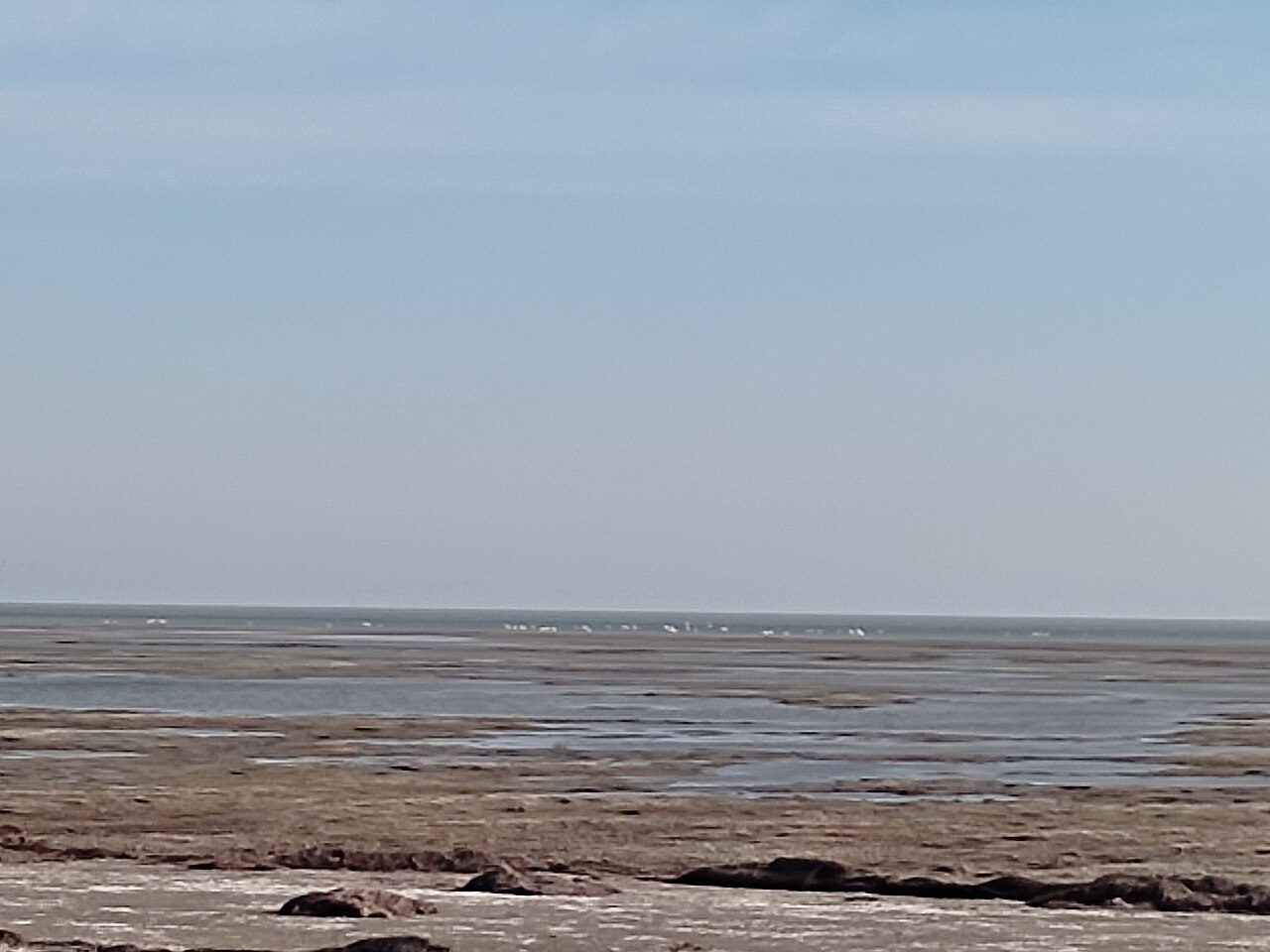
Dry parts of the park host gazelles, jackals, foxes, rabbits, and badgers. Caspian waters hold seals and various fish. Birds include black-headed gull, Pallas's gull, whooper swan, mute swan, mallard, northern shoveler, tufted duck, Eurasian teal, great egret, grey heron, great cormorant, Eurasian coot, Eurasian curlew, dunlin, sandpiper, sanderling, grey plover, common ringed plover, kentish plover, marsh harrier, long-legged buzzard, little owl, and other migrant species. The Caucasian leopard, lynx, and striped hyena have also been recorded here.
Quick Facts
- Location
- Baku
- Area
- 783 ha
- Governing Body
- Republic of Azerbaijan / Ministry of Ecology and Natural Resources
- Beginning Date
- 8 February 2005
Facts from the source article.
Lore & Background
The park's origins lie in the Absheron State Nature Preserve, created in July 1969 to protect gazelles, Caspian seals, and waterbirds. The climate is semi-arid, typical of semi-desert and dry steppe, with poor flora adapted to water and salt conditions. Plant types include sea coastal sand plants (42.6%), meadows with jigilgamish and paz grass (13.2%), and one-year saline grasses (5.2%), with ephemeras developing well in early spring.
Fauna in the dry area includes gazelle, jackal, fox, rabbit, and badger; in Caspian waters, seal and various fishes; and birds such as black-headed gull, Pallas's gull, whooper swan, mute swan, mallard, northern shoveler, tufted duck, Eurasian teal, great egret, grey heron, great cormorant, Eurasian coot, Eurasian curlew, dunlin, sandpiper, sanderling, grey plover, common ringed plover, kentish plover, marsh harrier, long-legged buzzard, little owl, and other migrant birds. The Caucasian leopard, lynx, and striped hyena have also been reported in this area.
Reader's Guide
Absheron National Park holds significance as a protected area for semi-desert and coastal ecosystems of the Caspian Sea, preserving species such as gazelles, Caspian seals, and numerous waterbirds. Its establishment in 2005 on the base of a state preserve from 1969 reflects ongoing conservation efforts in Azerbaijan. The park's status as the most visited by foreign tourists in early 2024 indicates its growing role in ecotourism. Historically, the Absheron Peninsula was part of the range for the Asiatic lion until the 10th century and saw incursions by the Caspian tiger until the 20th century, as well as reports of Caucasian leopard, lynx, and striped hyena. These records highlight the area's past as a habitat for large carnivores now extinct or rare in the region. The park's poor, salt-tolerant flora and semi-arid climate exemplify the unique conditions of the Caspian Hyrcanian mixed forests ecoregion. Its legacy lies in balancing biodiversity protection with public access, serving as a window into Azerbaijan's natural heritage.
Did You Know?
- Absheron National Park was established on 8 February 2005 on the base of Absheron State Nature Preserve, which was created in July 1969.
- The park was the most visited by foreign tourists in Azerbaijan in the first three months of 2024.
- The eastern point of the Asiatic lion's range in the Trans-Caucasus was the Absheron Peninsula, before the end of the 10th century.
- The Caspian tiger used to invade the Apsheron Peninsula from the Talysh Mountains and Lankaran Lowland before disappearing in the 20th century.
Geographic Setting & Official Designation
Absheron National Park occupies a modest but ecologically significant stretch of Azerbaijan's coastline, spanning 783 hectares within the broader Caspian Hyrcanian mixed forests ecoregion. Situated in what is now the Khazar district of Baku (formerly the Azizbeyov district), the park was formally established on 8 February 2005. Its creation was not an entirely new act of conservation; rather, it built upon the groundwork laid by the Absheron State Nature Preserve, which had been in place since 1969. The park's designation elevated a long-standing protected area into the national park category, giving it a more prominent role in Azerbaijan's system of protected landscapes. Despite its relatively small footprint of just under eight square kilometres, the park anchors a critical coastal zone where the Caspian Sea meets the arid interior of the Absheron Peninsula, making it a focal point for both ecological management and public access to natural heritage in the capital region.
A Peninsula on the Edge of Mega-fauna History
Long before modern conservation efforts took shape, the Absheron Peninsula stood at the very eastern frontier of some of the world's most iconic large carnivores. The Asiatic lion's range in the Trans-Caucasus region extended as far as this peninsula until the close of the tenth century, after which the species vanished from these shores. The Caspian tiger, a distinct subspecies, periodically crossed into Absheron territory from the Talysh Mountains and the Lankaran Lowland, though it too disappeared during the twentieth century. Reports also place the Caucasian leopard, the lynx, and the striped hyena within the peninsula's borders in earlier centuries. These historical presences underscore how dramatically the ecological character of the region has shifted over a millennium. Today, none of these large predators remain, and the park's fauna is dominated by smaller mammals, waterbirds, and marine species, a testament to the long and complex story of megafauna loss across the Caspian littoral.
Living Wildlife of the Park Today
The park's present-day animal community reflects its dual character as both a dry inland zone and a Caspian coastal habitat. In the semi-arid interior, visitors and researchers encounter gazelles, jackals, red foxes, rabbits, and badgers moving through sparse steppe vegetation. The adjacent Caspian waters host Caspian seals and a variety of fish species, while the shoreline and wetland margins support an extraordinary assemblage of waterbirds. Among the most frequently observed are the black-headed gull, Pallas's gull, whooper swan, mute swan, mallard, northern shoveler, tufted duck, and Eurasian teal. Larger wading birds such as the great egret, grey heron, and great cormorant are also common, alongside the Eurasian coot, Eurasian curlew, dunlin, sandpiper, grey plover, common ringed plover, and kentish plover. Raptors including the marsh harrier, long-legged buzzard, and little owl round out the avian roster, supplemented by numerous migrant species that pass through during seasonal migrations.
Flora, Climate & the Conservation Journey
The park's vegetation is shaped by a semi-arid climate typical of semi-desert and dry steppe environments, resulting in what ecologists describe as a relatively poor phytomass. Plant communities shift in response to local water availability and soil salinity. Sea-coastal sand plants dominate, accounting for roughly 42.6 percent of the flora, while meadows featuring jigilgamish and paz grass make up about 13.2 percent. One-year saline grasses contribute another 5.2 percent, and ephemeral species flourish briefly in early spring before the heat intensifies. The conservation story behind this landscape stretches back to July 1969, when the Absheron State Nature Preserve was first created specifically to safeguard gazelles, Caspian seals, and waterbirds. That foundational act of protection eventually matured into the national park designation of 2005. The park's growing public appeal is evident in its 2024 performance: during the first three months of that year, Absheron National Park recorded the highest number of foreign tourist visits of any national park in Azerbaijan, signalling a new chapter in its long conservation narrative.
Gallery

Frequently Asked Questions
What is Absheron National Park?
It is a national park (IUCN Category II) located on the Absheron Peninsula in Azerbaijan, set within a semi-desert and dry steppe ecoregion along the Caspian Sea coast.
When was Absheron National Park established and what did it replace?
The park was officially designated on 8 February 2005, succeeding the Absheron State Nature Preserve that had been in place since July 1969.
What wildlife is Absheron National Park meant to protect?
The conservation mandate carried over from the original 1969 preserve focuses on safeguarding local gazelle populations, Caspian seals, and a range of waterbird species within the semi-arid habitat.
How large is Absheron National Park and where is it situated?
It covers 783 hectares (roughly 7.83 km²) in the former District of Azizbeyov, now known as the Khazar district, within the city of Baku.
Why is Absheron National Park notable for tourism?
During the first three months of 2024 it drew more foreign visitors than any other park in Azerbaijan, making it the country's leading protected-area destination for international tourists.
More in IUCN Category II 1-24
Spotted an error? Know more?
Reader corrections go straight into our review queue. Suggest an edit · How this site is sourced