
Abijatta-Shalla National Park
Ethiopian national park with two alkaline lakes and diverse wildlife.

Ninaras · CC BY 4.0
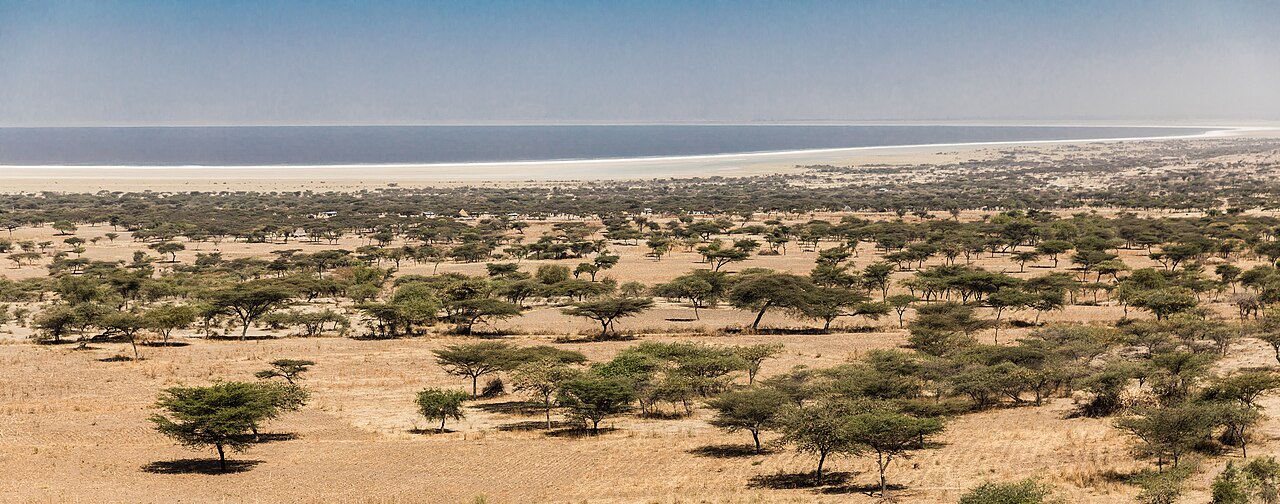
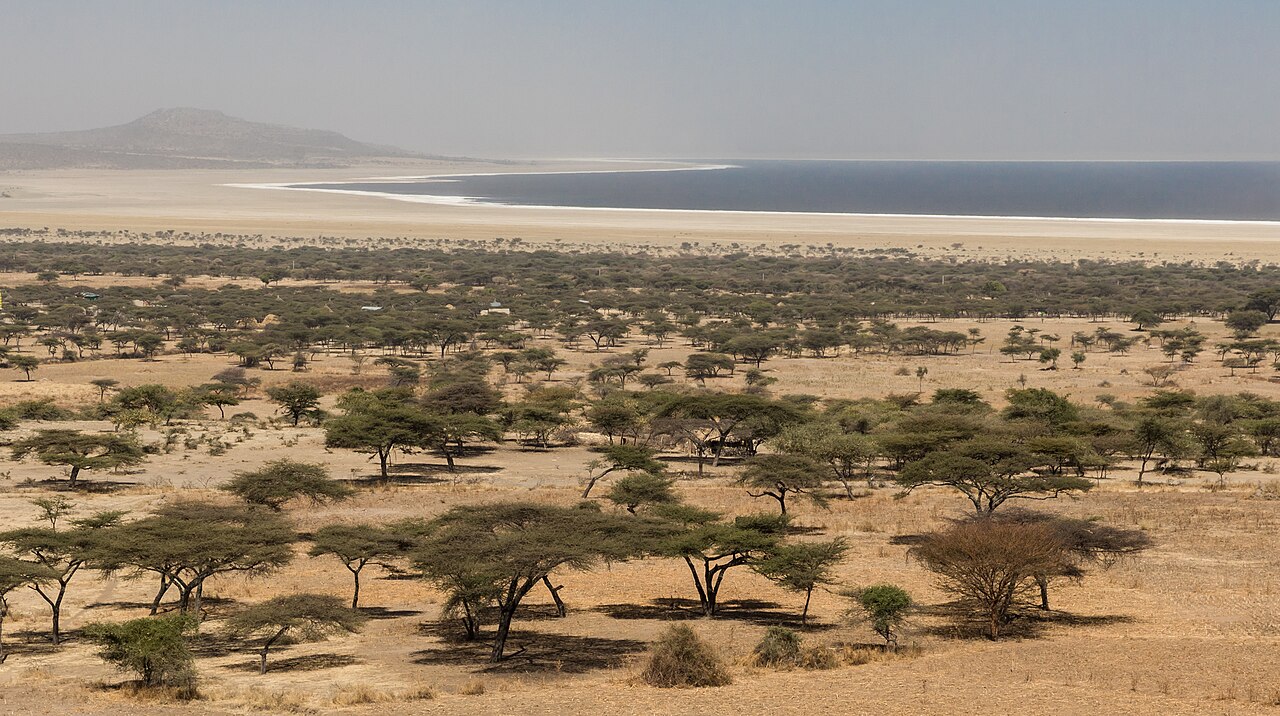
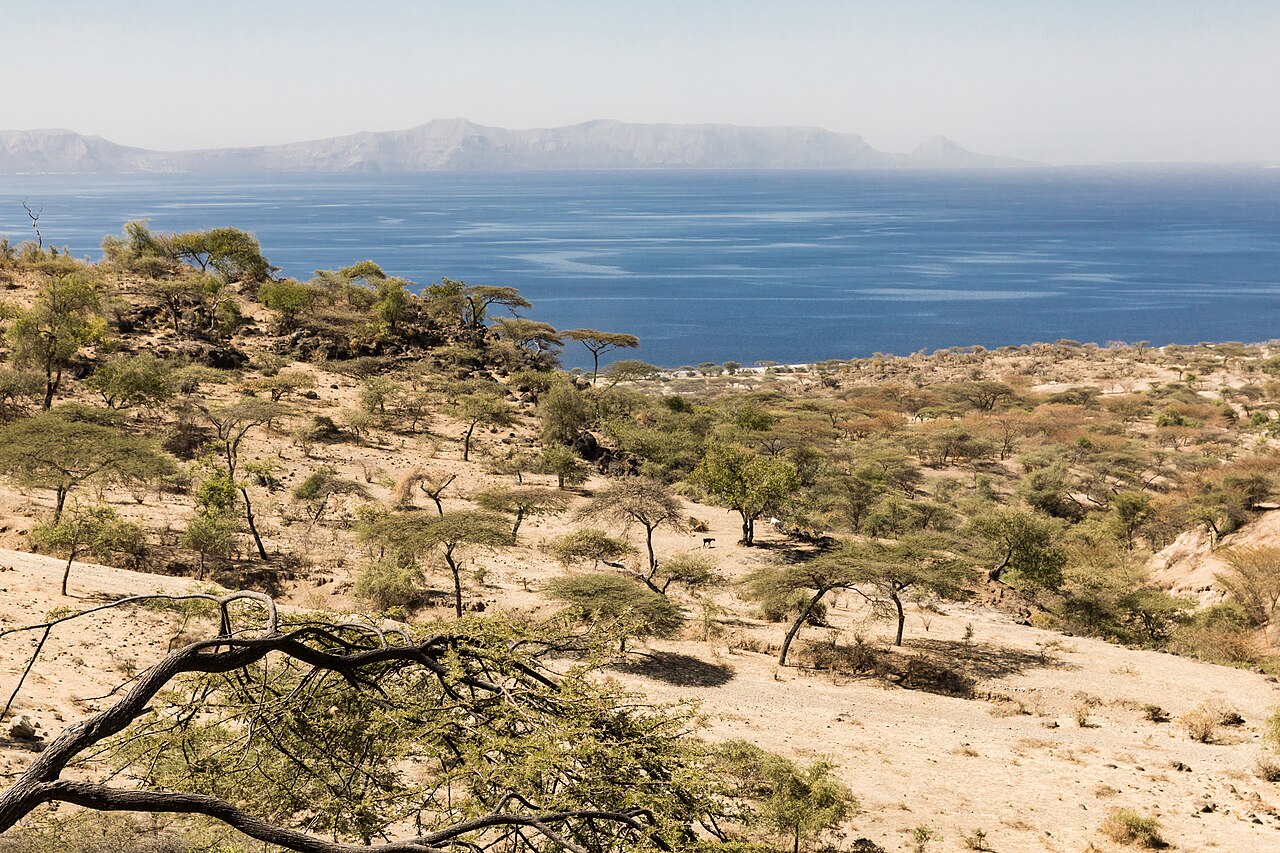
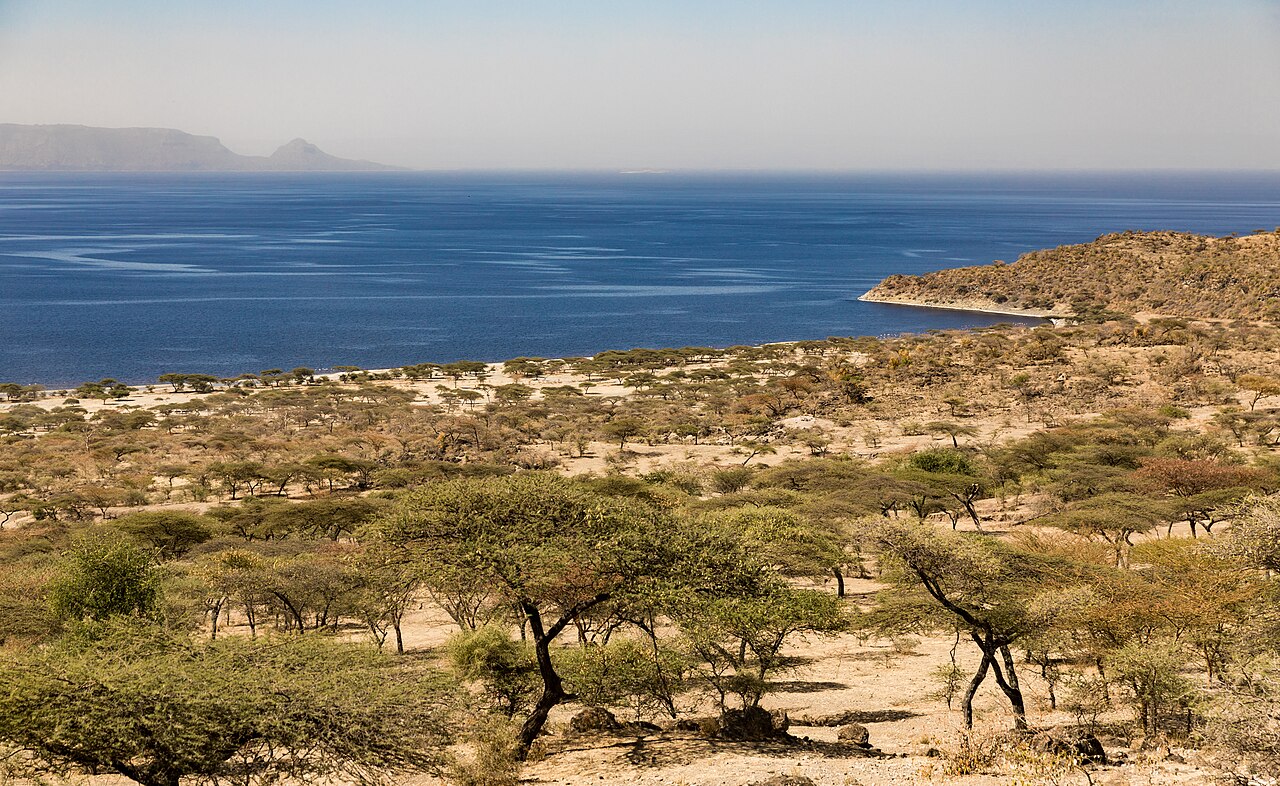
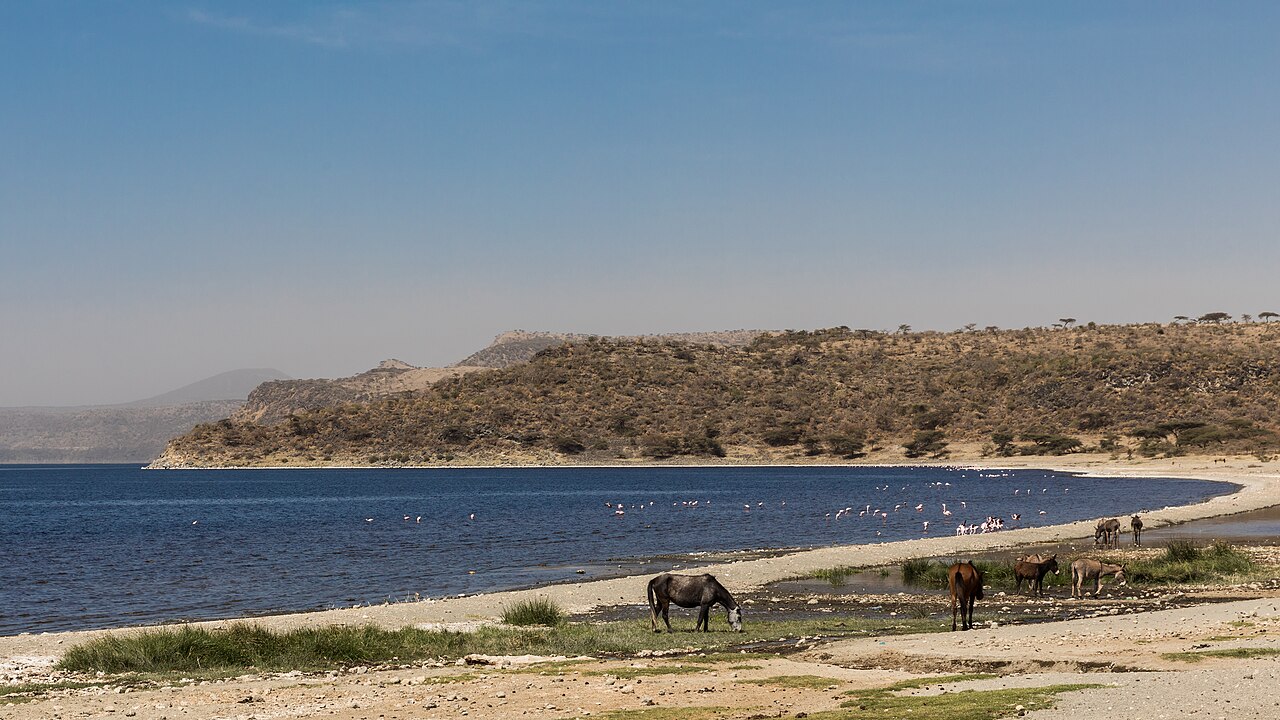
Abijatta-Shalla National Park is a national park in Ethiopia, located in the Oromia Region and the Ethiopian Highlands, approximately 200 kilometers southeast of Addis Ababa and east of the Addis Ababa–Shashamane highway. It encompasses 887 square kilometers, including the Rift Valley lakes of Abijatta and Shalla, which are separated by three kilometers of hilly land. The park's altitude ranges from 1540 to 2075 meters, with Mount Fike as its highest peak, situated between the two lakes.
Quick Facts
- Iucn Category
- II
- Location
- Ethiopia
- Nearest City
- Shashamane
- Established
- 1974
- Governing Body
- Ethiopian Wildlife Conservation Authority
Facts from the source article.
Lore & Background
The park was formed during volcanic activities of O'a Caldera and rare earthquakes, creating the alkaline lakes Abijatta and Shalla. Its six main attractions include viewpoints, bird-watching, and photography. Hot springs are found on the northeast corner of Lake Abijatta and on Shalla's southwest and eastern shores. Lake Chitu, a small blue-green saline lake, lies south of Lake Shalla and is covered in blue-green algae.
Reader's Guide
Abijatta-Shalla National Park is significant for its biodiversity, hosting 76 mammal species and 300 bird species, including endemic and migratory birds. Notable mammals include Grant's gazelles, greater kudus, and spotted hyenas, though larger species like lions and giraffes have been locally extirpated due to hunting or habitat loss. The park's avifauna includes greater and lesser flamingoes, great white pelicans, and endemic species such as the wattled ibis and yellow-fronted parrot. Conservation efforts have been challenged by human encroachment, including livestock grazing and tree cutting for charcoal, though rehabilitation began in 1996 with plans for community integration.
Did You Know?
- The park contains two alkaline lakes, Abijatta and Shalla, separated by three kilometers of hilly land.
- Mount Fike, the highest peak at 2075 meters, is located between the two lakes.
- The park is home to 300 bird species, including greater and lesser flamingoes that breed on the lakes.
- Lions, giraffes, waterbucks, and buffalos have been locally extirpated from the park.
Geography & Volcanic Origins
Nestled in Ethiopia's Oromia Region within the broader Ethiopian Highlands, Abijatta-Shalla National Park stretches across 887 square kilometers roughly 200 kilometers south of Addis Ababa, just east of the Batu–Shashamane highway. The park's defining feature is a pair of alkaline lakes—Abijatta and Shalla—whose formation traces back to the volcanic activity of O'a Caldera and rare seismic events. Three kilometers of hilly terrain separate the two water bodies, and the entire landscape sits between 1,540 and 2,075 meters above sea level. Crowning the ridge between the lakes stands Mount Fike, the park's highest point. The northeast shore of Lake Abijatta is dotted with mineral-rich hot springs, while Shalla's southwest and eastern banks host their own thermal outflows. South of Lake Shalla lies Lake Chitu, a smaller saline body with a distinctive blue-green hue, its surface often blanketed in blue-green algae. Together, these water features and the surrounding volcanic terrain create a geologically layered landscape unlike much of the highland plateau.
Biodiversity & Endemic Species
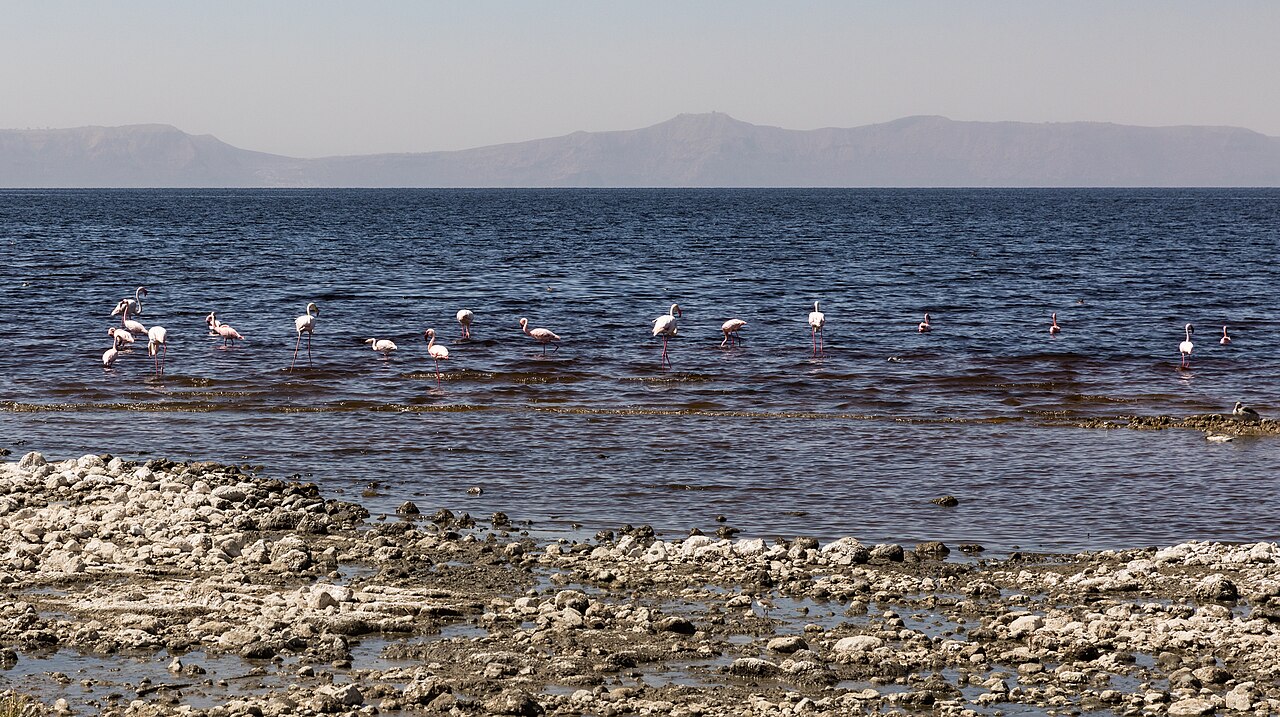
The park supports an extraordinary assemblage of life across open grasslands, dry savannas, arid shrublands, and deciduous woodlands dominated by various Acacia species—umbrella thorn, red, gum, and Acacia etibicas—alongside Egyptian balsam (Bedena) trees and sycamore figs. Seventy-six mammal species call this habitat home, ranging from Grant's gazelles, bohor reedbucks, and oribis to caracals, honey badgers, aardvarks, spotted hyenas, olive baboons, and black-backed jackals. Six small mammal species are found nowhere else on Earth: Scott's hairy bat, the white-toothed shrew, the Mahomet mouse, the Ethiopian white-footed mouse, the Abyssinian grass rat, and Harrington's rat. The avian community is equally remarkable, with 300 recorded species spanning endemics, residents, and migrants. Greater and lesser flamingoes feed and breed across the lakes, great white pelicans colonize Lake Shalla, and the Wattled ibis and yellow-fronted parrot represent the only known bird endemics in all of Ethiopia. Near-endemic residents include the black-winged lovebird, white-winged cliff chat, and white-billed starling.
Conservation Challenges & Recovery
The park's conservation story is one of significant loss and tentative recovery. Species that once thrived here—lions, giraffes, waterbucks, buffalos, and Swayne's hartebeests—have been locally extirpated, likely due to hunting pressure and habitat degradation. The most damaging period came during the final days of the Derg regime and the years that followed, when weakened central authority allowed large numbers of nomadic pastoralists to settle within the park boundaries with their livestock. The Acacia woodland ringing Lake Abijatta was extensively felled for charcoal production, and even today small groups continue to fell trees and strip salty soil from the lake shoreline for sale. A visitor's account notes that while viable breeding populations of greater kudu, Grant's gazelle, black-backed jackal, and spotted hyena may persist, no direct evidence of their presence was observed. Baboons remain common but are now outnumbered by introduced cattle. A handful of gazelles and ostriches are kept in a fenced enclosure near the gatehouse. Rehabilitation efforts reportedly began in 1996, with announced plans to actively integrate local communities into future park planning and development.
Visitor Experience & Key Attractions
Visitors to Abijatta-Shalla National Park are drawn to six primary attractions, including scenic viewpoints, bird-watching, and photography opportunities. The northeast corner of Lake Abijatta is the park's signature feature: a cluster of hot springs set against a backdrop of large flocks of flamingoes. However, the park issues a stern warning to drivers—the thin crust of dried mud along the lake's edge can collapse without warning, making it essential to exercise extreme caution when approaching the shoreline. Mount Fike, perched between the two main lakes, offers a rewarding trekking route and a viewpoint from which three lakes, including Langano, can be seen. Lake Shalla serves as a breeding and feeding ground for great white pelicans alongside storks, herons, egrets, plovers, and cormorants. The smaller Lake Chitu to the south, with its blue-green saline waters, provides additional foraging habitat for flamingoes. Common and Somali ostriches breed in the surrounding scrublands, where parrots, eagles, owls, hornbills, barbets, bee-eaters, and pigeons also flourish.
Gallery
Frequently Asked Questions
What is Abijatta-Shalla National Park?
It is a protected national park in Ethiopia's Oromia Region built around two alkaline Rift Valley lakes—Abijatta and Shalla—roughly 200 km southeast of Addis Ababa. The entire protected area covers 887 square kilometers of highland terrain.
Where exactly is Abijatta-Shalla National Park located?
The park sits in the Ethiopian Highlands within the Oromia Region, just east of the Addis Ababa–Shashamane highway. Elevation ranges from about 1,540 m at the lake basins up to 2,075 m at the summit of Mount Fike, which rises in the hilly strip between the two lakes.
What wildlife can you find in Abijatta-Shalla National Park?
Seventy-six mammal species are recorded within the park's boundaries, taking advantage of the lakes, wetlands, and surrounding highland grasslands. The two main alkaline lakes plus a smaller body of water, Lake Chitu, provide the aquatic habitats that anchor the local fauna.
What makes the landscape of Abijatta-Shalla National Park distinctive?
Its signature feature is the pair of Rift Valley lakes—Abijatta and Shalla—separated by roughly three kilometers of hilly ground crowned by Mount Fike. This dual-lake configuration within a single highland protected area sets it apart from many other Ethiopian parks.
Why does Abijatta-Shalla National Park hold IUCN Category II status?
IUCN Category II is the designation for a national park, meaning the area is legally set aside for the long-term conservation of its natural ecosystems and for compatible public recreation. Ethiopia classifies Abijatta-Shalla under this category to safeguard its alkaline lakes, highland terrain, and the 76 mammal species that depend on them.
More in IUCN Category II 1-24
Spotted an error? Know more?
Reader corrections go straight into our review queue. Suggest an edit · How this site is sourced