
Abel Tasman National Park
Highly visited national park on New Zealand's South Island.

August Dominus · CC0
Abel Tasman National Park is a national park at the north end of New Zealand's South Island, covering 237.1 km² between Golden Bay / Mohua and Tasman Bay / Te Tai-o-Aorere. It is the smallest of New Zealand's national parks, yet one of the most visited, partly due to the popularity of the Abel Tasman Coast Track. The park was established in 1942 to commemorate the 300th anniversary of Abel Tasman's 1642 visit, when he became the first European to sight the islands.
Quick Facts
- Iucn Category
- II
- Location
- Tasman District, New Zealand
- Nearest Town
- MotuekaTākaka
- Established
- 1942
- Governing Body
- Department of Conservation
Facts from the source article.
Lore & Background
The coastal area was inhabited for hundreds of years by Māori prior to European arrival, with sites occupied both seasonally and permanently. Historical records indicate Māori settlement in the region, though specific claims about a pā at Auckland Point by Pohea around 1450 are not supported by standard historical canon. Later, Muaūpoko and Ngāti Tūmatakōkiri were among the iwi present in the area, but the precise timeline of their occupation and displacement is not clearly established in standard historical accounts. Following the arrival of Pākehā in the 19th century, the area saw widespread deforestation, farming, and quarrying, significantly modifying the environment.
Reader's Guide
Abel Tasman National Park stands out among New Zealand's national parks because a large area has undergone extensive environmental modification. Early European settlers burned or cleared much of the forest, only to find the soil unsuitable for farming, introducing invasive plants. Management focuses on regeneration and restoration of the traditional ecosystem. The park was founded in 1942 largely through the efforts of ornithologist and author Pérrine Moncrieff, who served on the park board from 1943 to 1974. It was opened on 18 December 1942 with Charles van der Plas representing the Netherlands' Queen Wilhelmina, who was made Patron of the park. The park has been progressively expanded, most recently in 2016 with 7 hectares in Awaroa Inlet purchased via crowdfunding. In 2012, Project Janszoon, a privately funded trust, was set up to restore the park's ecosystems by the 400th anniversary of Tasman's visit in 2042.
Did You Know?
- The park covers 237.1 km², making it the smallest of New Zealand's national parks; Kahurangi National Park is the second largest at 4,520 km².
- In 2016, a crowdfunding campaign purchased 7 hectares of private land within the park boundary, which was added to the park's public land in 2017.
- The park is one of the most modified landscapes of any New Zealand national park due to 19th-century deforestation and farming.
Seven Centuries of Māori Presence
The coastal landscape that now forms Abel Tasman National Park has witnessed human presence for roughly seven centuries, long before any European vessel appeared on the horizon. Among the earliest known inhabitants were the Waitaha and Rapuwai iwi, who settled here during the initial wave of Māori arrival in New Zealand. Evidence points to both seasonal and permanent occupation across the region, with communities drawing sustenance from coastal forests, estuaries, and surrounding waters while also cultivating kūmara. One of the most specific early records traces to around 1450, when Pohea, a figure who had journeyed from the Whanganui region, established a pā at Auckland Point. By the mid-1500s, Muaūpoko—formerly known as Ngāi Tara—held the territory until the early 1600s, when Ngāti Tūmatakōkiri displaced them. It was this latter group that was present in Golden Bay when Abel Tasman's ships made landfall in 1642, making the park's coastline a site of first contact between Māori and Europeans.
The 1942 Commemoration and Park Founding
The formal creation of the park traces back to a vision championed by ornithologist and author Pérrine Moncrieff, who lobbied for the reservation of land for conservation purposes. Although the idea had been under discussion since June 1938, it was not until 1942 that the Crown acted, designating 15,225 hectares—encompassing proposed state forest, Crown land, and other reserve holdings—for the new national park. The park was officially opened on 18 December 1942, a date chosen to mark three centuries since Abel Tasman first sighted the New Zealand islands in 1642. The ceremony at Tarakohe drew notable attendees, including Charles van der Plas, who represented Queen Wilhelmina of the Netherlands as her personal delegate. The Queen was subsequently named Patron of the park. The Golden Bay Cement Company contributed the parcel of land on which the Abel Tasman Monument and its memorial plaque now stand, commemorating that pivotal moment of first European contact. Moncrieff herself remained deeply involved, serving on the park board from 1943 through 1974.
Ecological Wounds and the Slow Return of Native Life
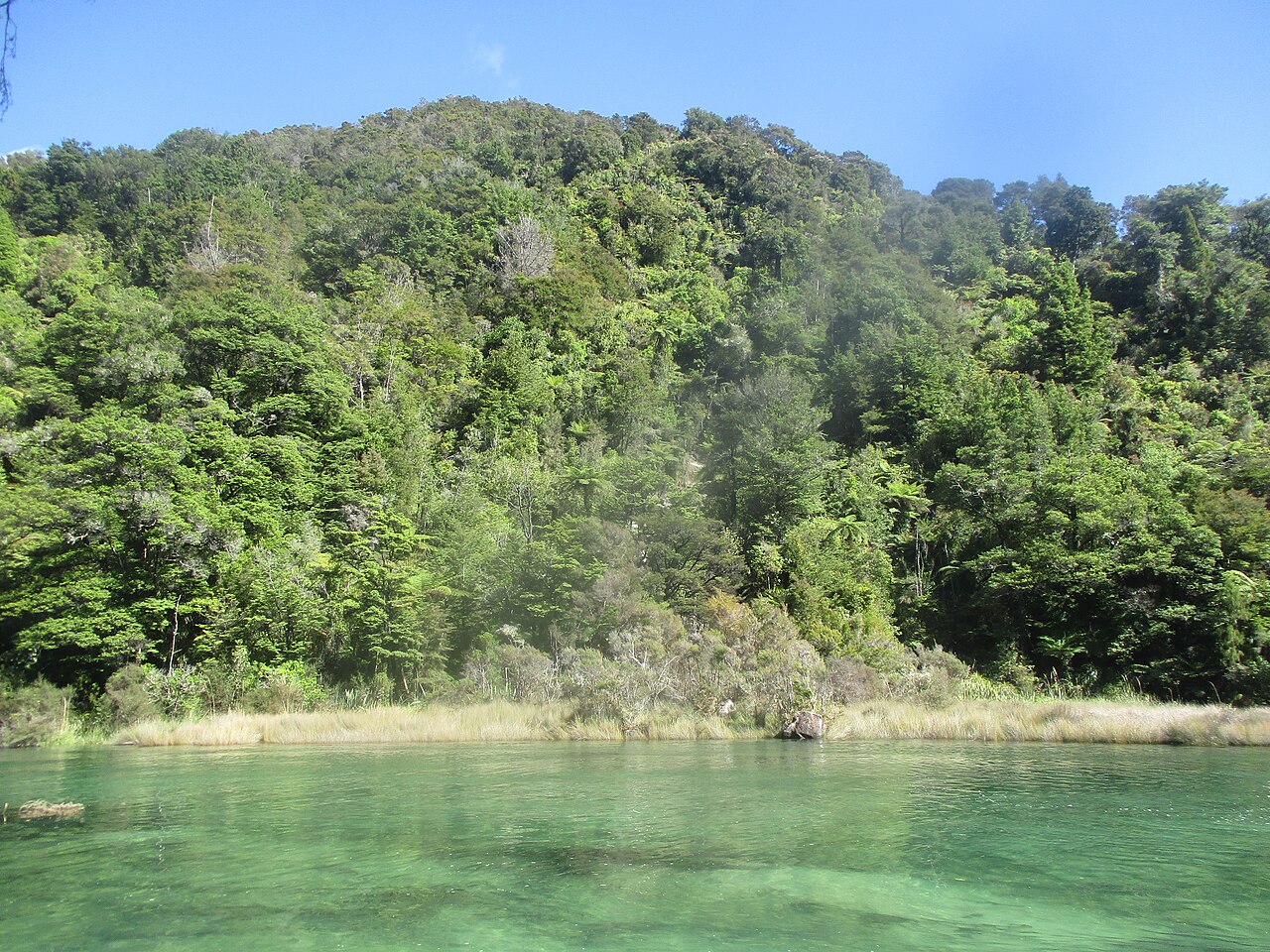
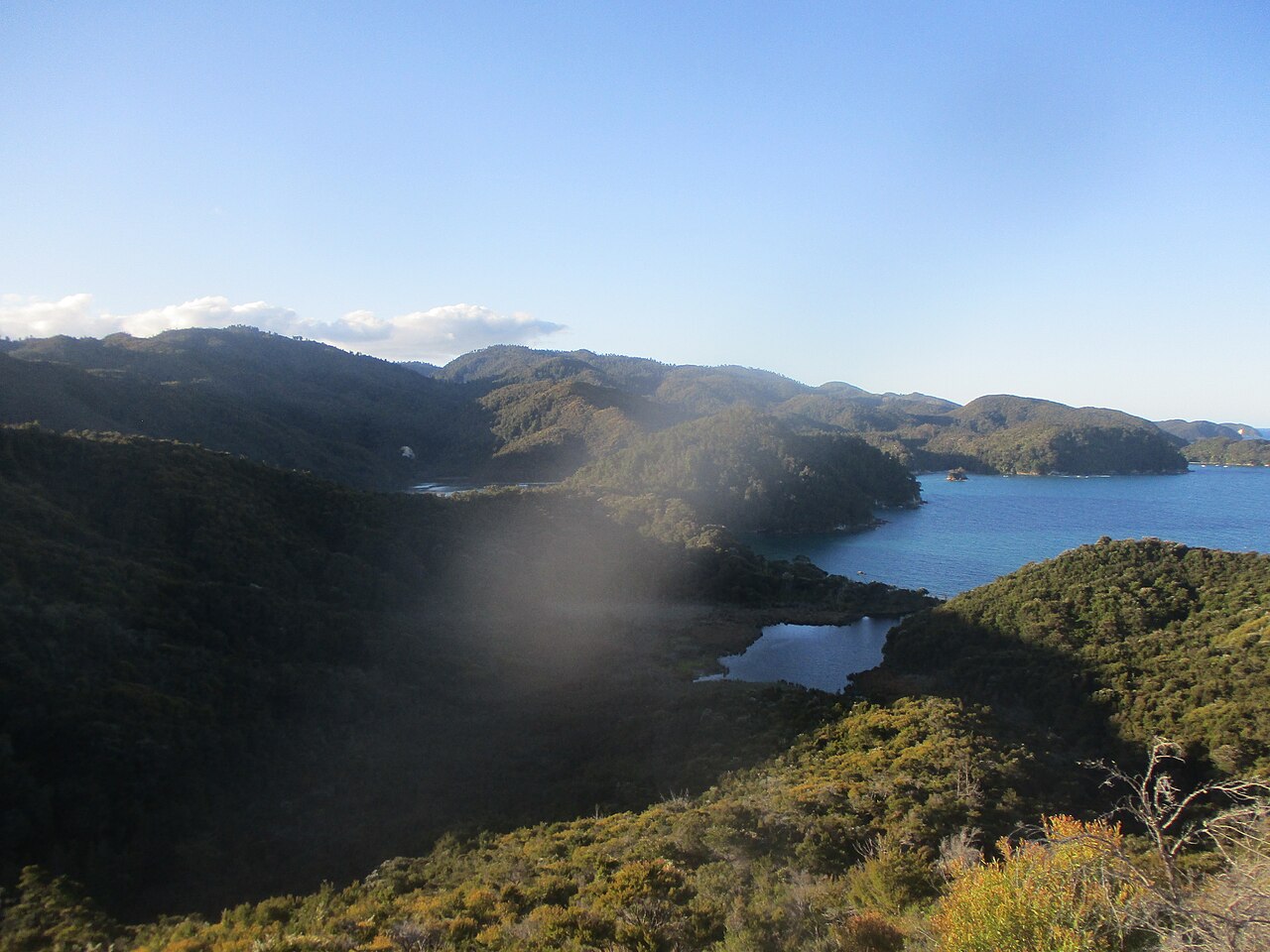
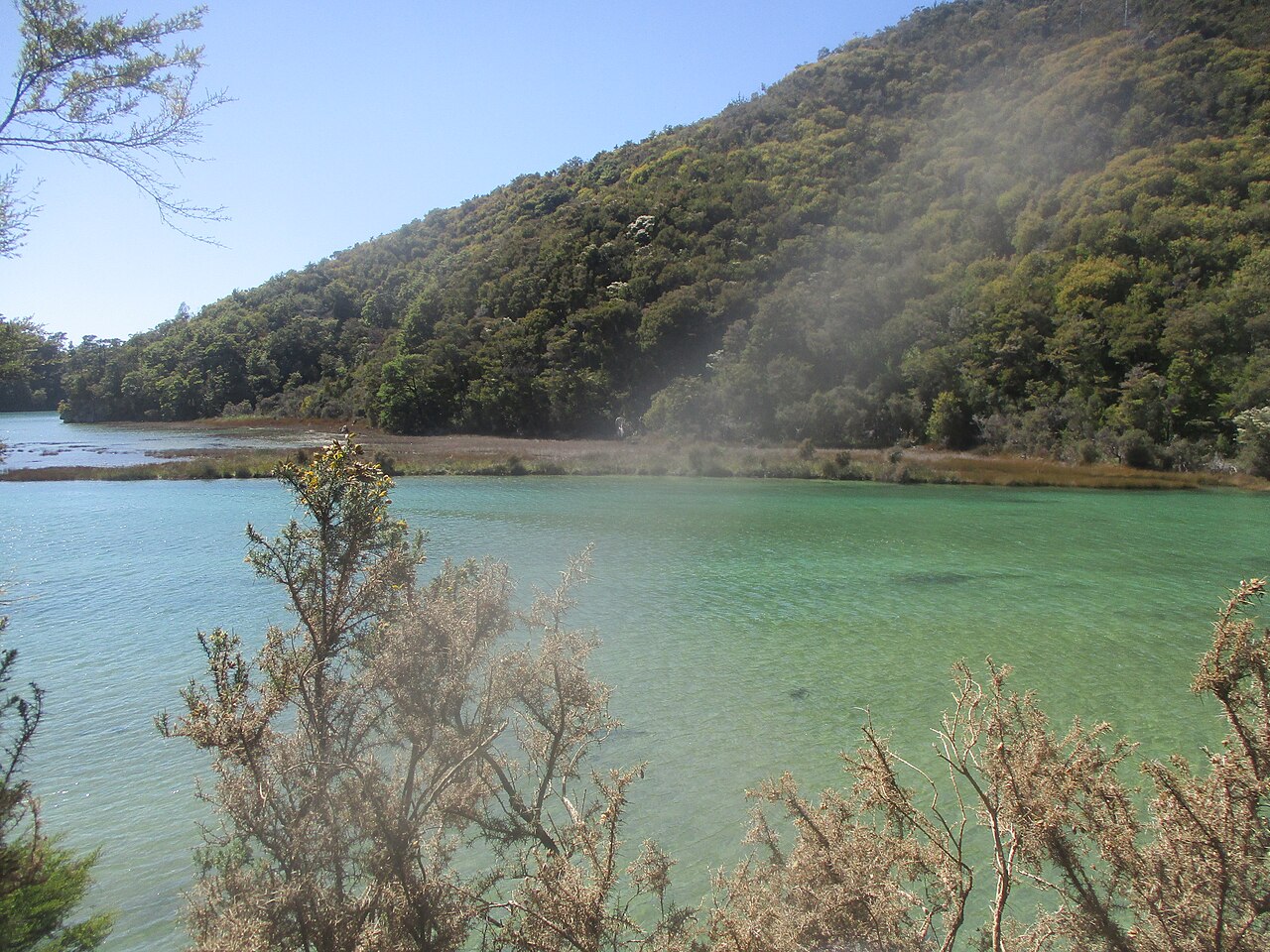
Abel Tasman stands apart from most other New Zealand national parks because of the degree to which its landscape was reshaped by early European activity. Settlers in the nineteenth century burned and cleared vast tracts of native forest, only to discover that the underlying soil was poorly suited to agriculture. The result was a double blow: the destruction of extensive shrubland and woodland, and the introduction of invasive plant species that now persist across much of the park. Today, the park is recognised as one of the most environmentally altered of all New Zealand's national parks, and a central pillar of its management strategy is the slow regeneration and restoration of the original ecosystem. Despite this history, the park still supports a remarkable range of habitats, from coastal forests and sand dunes to sub-alpine bogs. Valley floors shelter stands of rātā, mataī, miro, and hinau, while more than seventy bird species have been recorded, including petrels, shags, penguins, gulls, terns, and herons. The offshore islands—Tonga Island, Motuareronui, and Fisherman Island—remain relatively undisturbed and free of introduced mammalian predators, harbouring species found nowhere else in the park and warranting stricter visitor restrictions.
Growing Boundaries and Grassroots Stewardship
Although it is the smallest of New Zealand's national parks at 237.1 square kilometres, Abel Tasman has grown steadily since its 1942 inception. By 1946, additional land purchases had pushed the boundary to 15,534 hectares, and in 1949 a further 844 hectares at Tōtaranui—formerly in the hands of William Gibbs—were acquired from J S Campbell and incorporated into the park. Over the decades, roughly 6,100 hectares have been added in total. A notable 2008 expansion brought 7.9 square kilometres of land, including the previously private Hadfields Clearing, under protection. Perhaps the most recent and symbolically significant addition came in 2016, when ordinary New Zealanders pooled their resources through a crowdfunding campaign to purchase seven hectares in Awaroa Inlet. This grassroots effort underscored a broader truth about the park: its popularity, driven in large part by the 60-kilometre Abel Tasman Coast Track that threads along the eastern and northern shorelines, has made it one of the most visited national parks in the country. The park's status as a Great Walk destination, combined with its role as a Scenic Reserve along the intertidal zone, ensures that community engagement in its protection remains as vital as ever.
Gallery
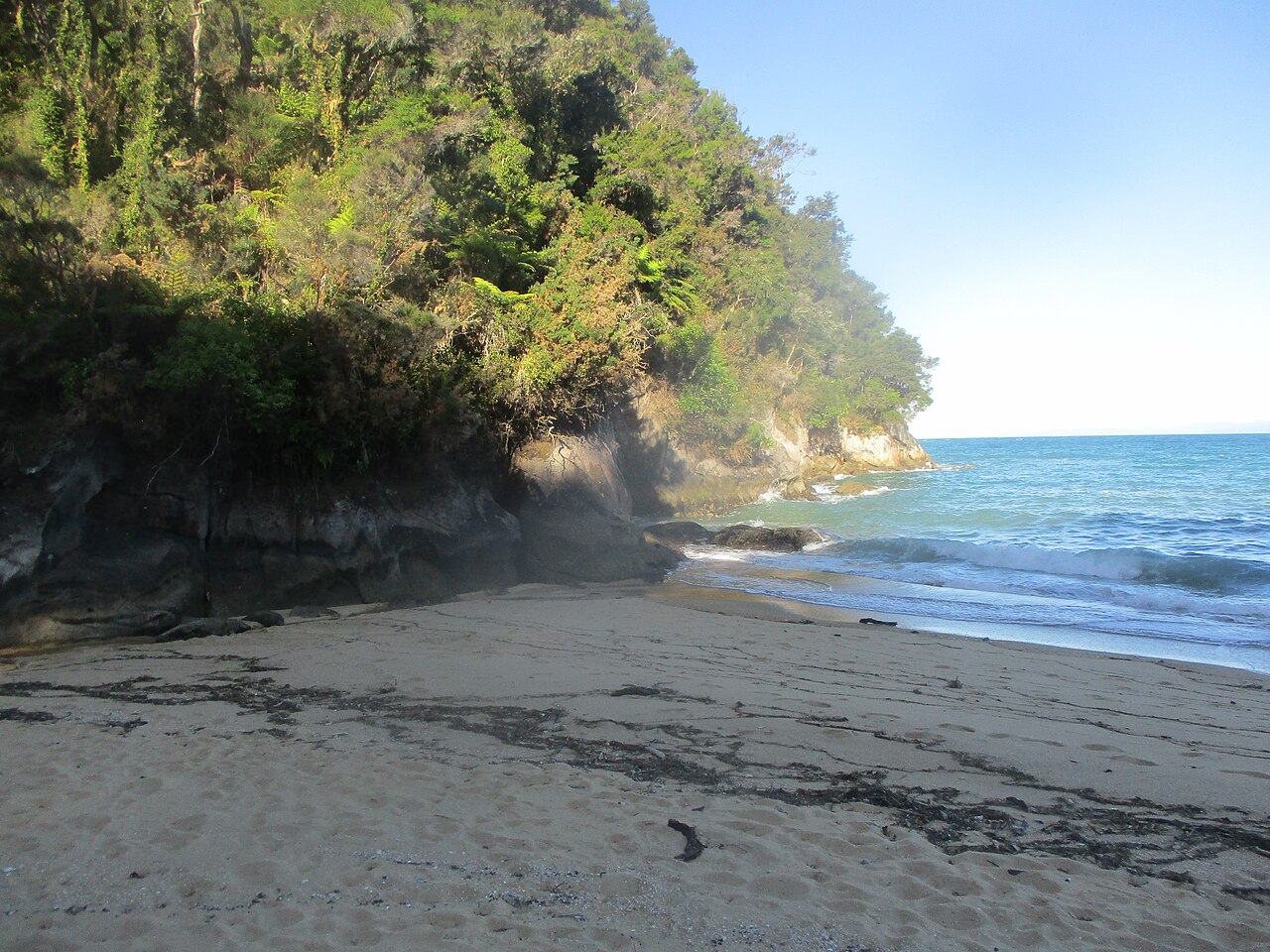
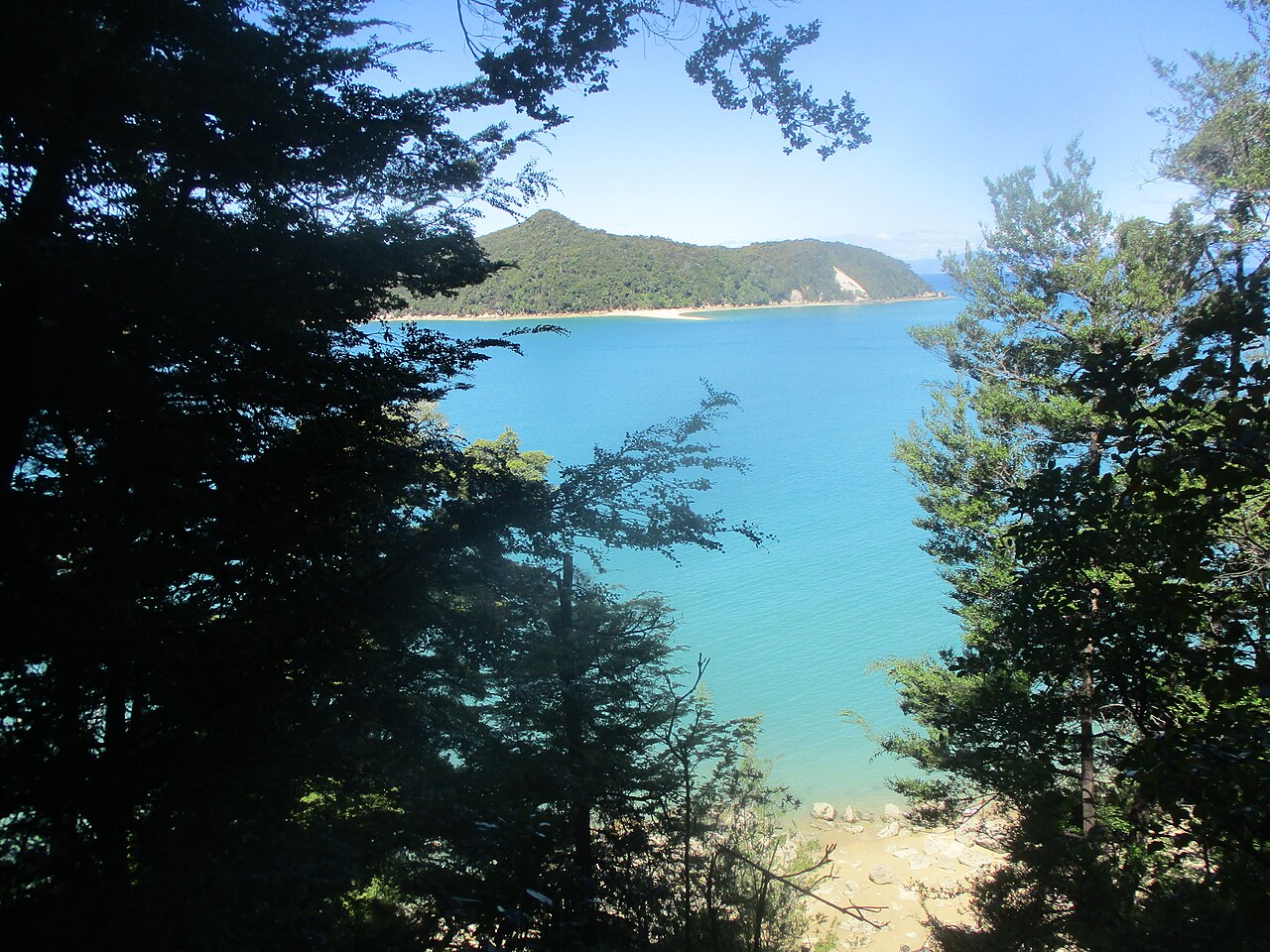
Frequently Asked Questions
What is Abel Tasman National Park?
Abel Tasman National Park is a protected area at the northern tip of New Zealand's South Island, stretching between Golden Bay (Mohua) and Tasman Bay (Te Tai-o-Aorere). It is managed under IUCN Category II, meaning its primary purpose is conservation and public recreation rather than resource extraction.
How large is Abel Tasman National Park?
The park covers 225.3 square kilometres (roughly 87 square miles) of coastal, forested, and bayland terrain along the South Island's northern shore.
Why was Abel Tasman National Park established?
The park was officially set aside in 1942 to mark the 300th anniversary of Abel Tasman's 1642 voyage, during which he became the first European to sight these islands. The park's name honours that historic first contact.
Is Abel Tasman National Park the smallest national park in New Zealand?
No, it is not the smallest, though it is relatively compact at 225.3 km². Despite its modest footprint, it consistently ranks among the most frequently visited parks on the South Island.
What draws so many visitors to Abel Tasman National Park?
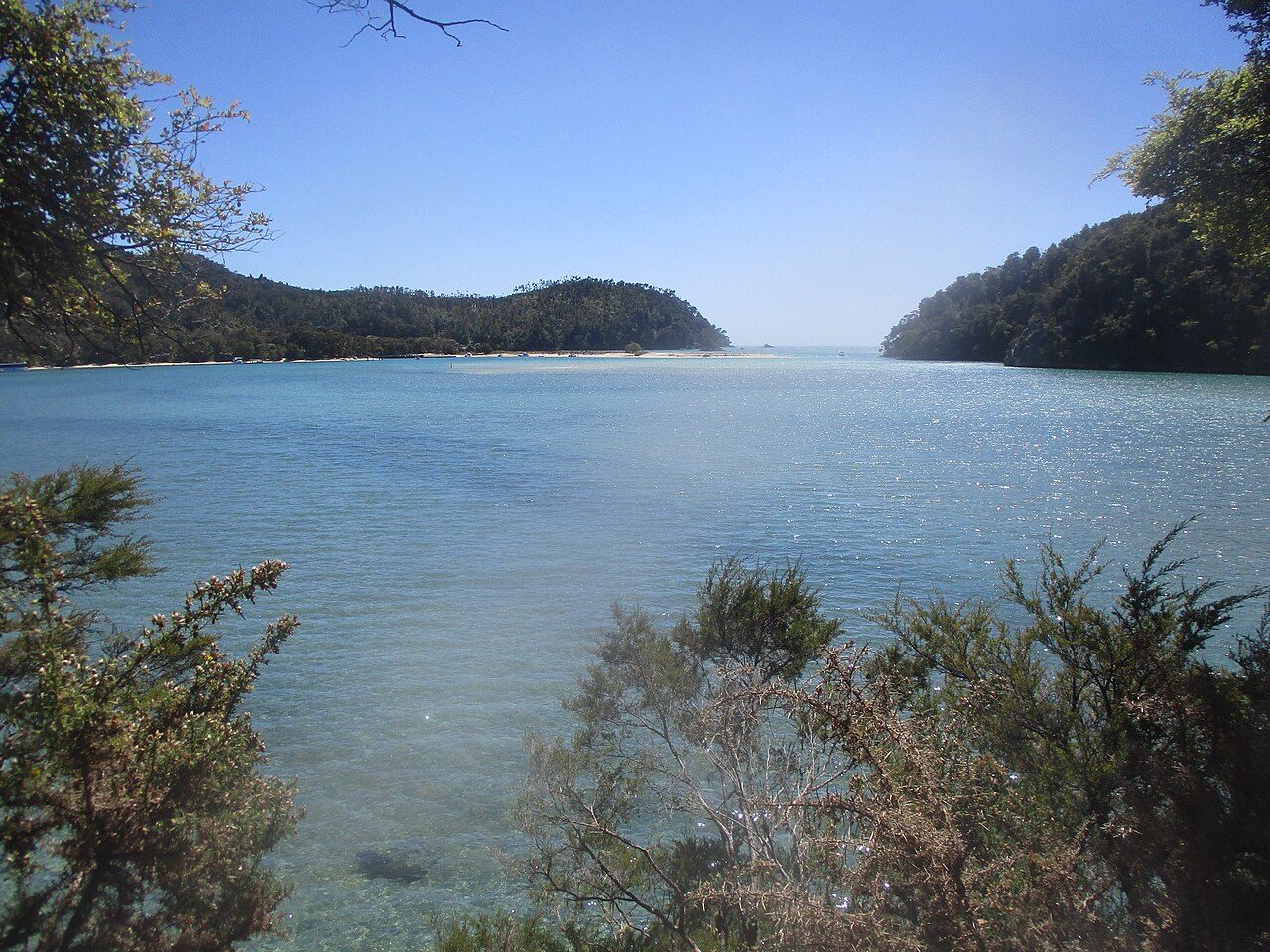
Its popularity is largely driven by the Abel Tasman Coast Track, a well-known coastal walking route linking golden beaches, forested inlets, and scenic bays. The park's accessible location and striking coastline make it a top destination for hikers and day-trippers alike.
More in IUCN Category II 1-24
Spotted an error? Know more?
Reader corrections go straight into our review queue. Suggest an edit · How this site is sourced