
Abernethy Forest
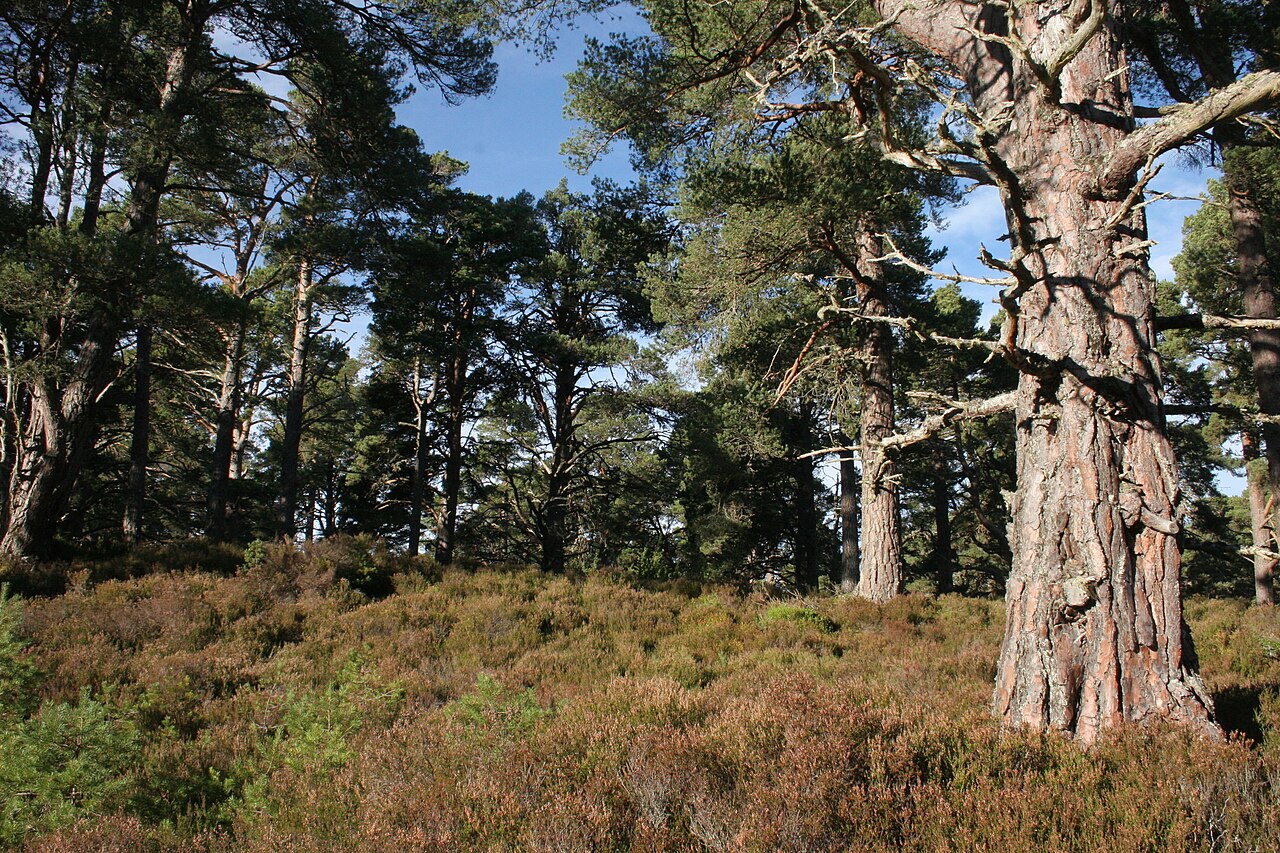
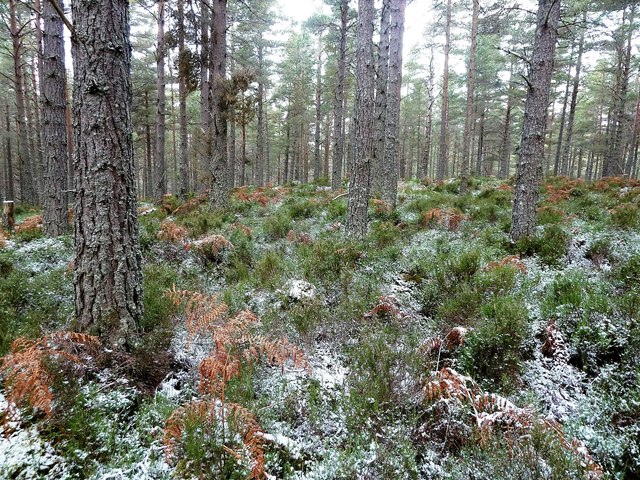
One of Scotland's largest remaining Caledonian pine forest remnants.

Richard Sutcliffe · CC BY-SA 2.0
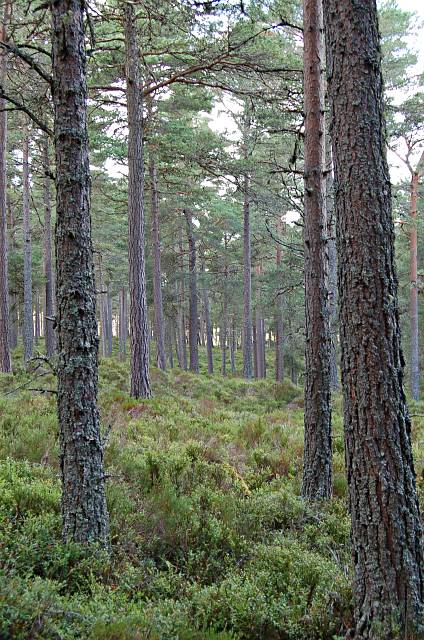
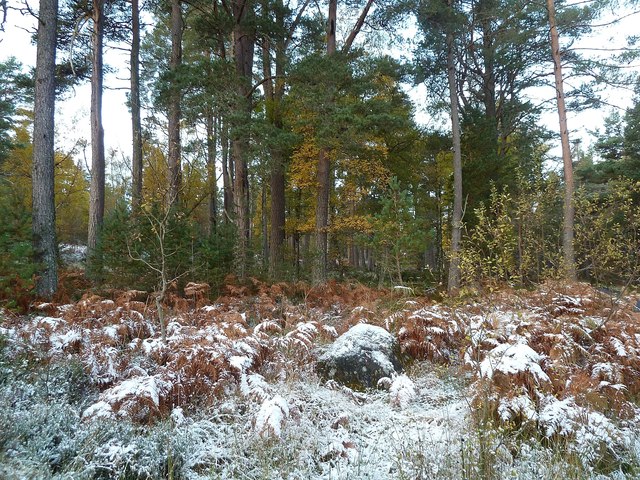
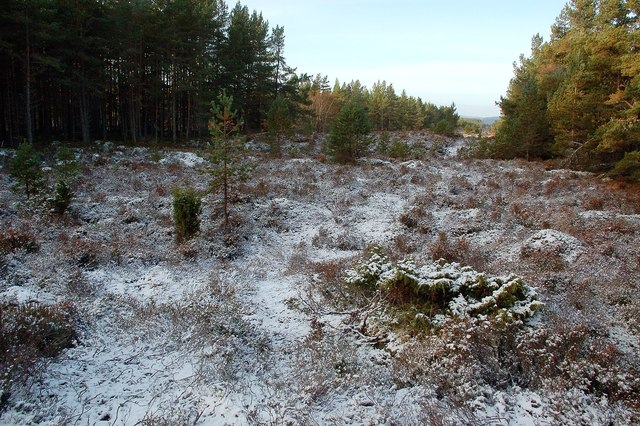
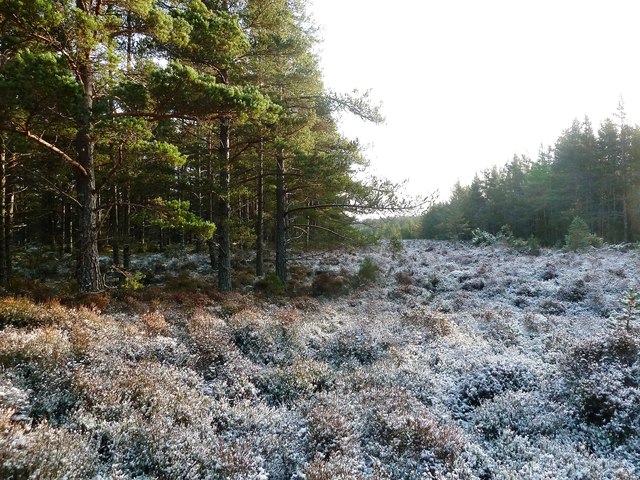
Abernethy Forest is a surviving fragment of the ancient Caledonian Forest, located in Strathspey within the Highland council area of Scotland. It sits inside the Cairngorms National Park, not far from the villages of Nethy Bridge, Boat of Garten, and Aviemore. The forest is managed as an RSPB reserve and sits close to the RSPB-owned Loch Garten Osprey Centre. It draws walkers thanks to a network of trails that run through the reserve. The forest is part of the larger Abernethy National Nature Reserve.
The reserve contains roughly 4,000 hectares of woodland, and just under half of that is native Caledonian pine forest. This makes Abernethy one of the largest surviving patches of Caledonian pine forest in Scotland. The forest supports a range of birds and mammals, including the Scottish crossbill, red squirrel, Scottish wildcat, Scottish red deer, black grouse, crested tit, and osprey. It also hosts a capercaillie lek.
The Abernethy National Nature Reserve covers 12,755 hectares, taking in most of Abernethy Forest and much of the surrounding landscape. The Dell Woods section of the NNR is managed by NatureScot, while the RSPB handles the rest. Originally, the reserve only covered the core forested area and was called Abernethy Forest NNR. Dell Woods was added in 1988, expanding the NNR by 375 hectares. In 2007, the reserve was greatly enlarged, becoming the current Abernethy National Nature Reserve, which stretches from the forest up into the high Cairngorms, including Loch A'an and the mountains of Bynack More, Beinn Mheadhoin, and the southern side of Cairn Gorm. However, the IUCN Category II designation (site code 1-24) applies specifically to 'Abernethy Forest', not the entire NNR, and does not include those high Cairngorms areas.
More than 200 species of vascular plants have been recorded at the NNR, among them nationally scarce species such as twinflower and creeping lady's tresses. Heath cudweed, an endangered species, also grows there. The reserve hosts a diverse bird population, with over 70 species recorded. These include the Scottish crossbill, crested tit, and western capercaillie, all relatively rare in Britain. Other birds include buzzards, tawny owls, great spotted woodpeckers, and sparrowhawks.
Quick Facts
- Iucn Category
- II
- Location
- Strathspey, Highland, Scotland
- Area
- 12,754 ha
- Established
- 20071
- Designation
- NatureScot
- Owner
- RSPB & NatureScot1
Facts from the source article.
Lore & Background
Abernethy Forest is a surviving fragment of the ancient Caledonian Forest, a once-extensive woodland that covered much of Scotland. The forest is home to a variety of birds and mammals, including the Scottish crossbill, red squirrel, Scottish wildcat, black grouse, crested tit, and osprey. A capercaillie lek is also present. The forest forms the core of the Abernethy National Nature Reserve, which was originally designated as Abernethy Forest NNR and later expanded in 1988 and again in 2007. However, the IUCN Category II designation (site code 1-24) applies specifically to 'Abernethy Forest' and does not include the high Cairngorms areas such as Loch A'an, Bynack More, Beinn Mheadhoin, or the southern side of Cairn Gorm—those are part of other designations within the larger Cairngorms National Park.
Reader's Guide
The RSPB's primary conservation aim at Abernethy Forest is to expand the area covered by the forest. In 2011, the RSPB received consent from the Forestry Commission to expand native woodland through natural regeneration and planting, subsequently planting 60,000 aspen, birch, juniper, and willow trees across approximately 590 hectares. The RSPB also works to improve bog, moorland, scrub, rivers, and mountain habitats. To increase dead wood habitat, the RSPB used explosives in 2006 to blast crowns off nine Caledonian pine trees, a method described by site manager Desmond Dugan as mimicking natural catastrophic events. In 2026, parts of the forest were affected by a major wildfire that damaged about 25 square kilometres of landscapes across the wider region. The reserve overlaps with multiple designations, including Abernethy Forest SSSI, Cairngorms National Park, and several Special Protection Areas and Special Areas of Conservation.
Did You Know?
- The forest is an RSPB reserve and lies close to the Loch Garten Osprey Centre, also owned by the RSPB.
- Over 200 vascular plant species have been recorded at Abernethy NNR, including nationally scarce twinflower and creeping lady's tresses.
- In 2006, the RSPB used explosives to blast crowns off nine Caledonian pine trees to create dead wood habitat.
- The Abernethy NNR is classified as a Category II protected area by the International Union for Conservation of Nature.
Ecological Significance & Biodiversity
Abernethy Forest stands as one of Scotland's most important surviving fragments of the ancient Caledonian pine woodland. Within the roughly 4,000-hectare reserve, just under half remains native pine forest, making it a critical refuge for species that have largely vanished from the rest of the country. The forest shelters a remarkable assemblage of wildlife: Scottish crossbill, crested tit, western capercaillie (with a dedicated lek), osprey, red squirrel, Scottish wildcat, and Scottish red deer all call this place home. The wider Abernethy National Nature Reserve, spanning 12,755 hectares, supports over 70 recorded bird species and more than 200 vascular plant species, including nationally scarce twinflower and creeping lady's tresses, as well as the endangered heath cudweed. Fourteen butterfly species have been logged, among them the pearl-bordered fritillary. More elusive residents include Eurasian otters, pine martens, and common pipistrelles, while buzzards, tawny owls, great spotted woodpeckers, and sparrowhawks patrol the canopy.
Conservation Management & Expansion
The RSPB's central mission at Abernethy is to grow the forest back. In August 2011, the charity secured Forestry Commission consent to expand native woodland through both natural regeneration and active planting. Since that approval, crews have put 60,000 aspen, birch, juniper, and willow trees into the ground across approximately 590 hectares. Beyond the woodland, the RSPB is also restoring bog, moorland, scrub, river, and mountain habitats, working both inside the reserve and in partnership with neighbouring estates. A more controversial tactic emerged in October 2006, when the RSPB used explosives to blast the crowns off nine Caledonian pines aged between 100 and 200 years. Site Manager Desmond Dugan explained that the effect mirrors a wind-snap or lightning strike, while Head of Media James Reynolds noted that simply felling trees had not created dead-wood habitats fast enough. This deliberate creation of standing and lying dead wood represents a direct reversal of historic forestry practices that had long favoured clearing it away.
Designations & Protected Status
Abernethy's ecological value is recognised through an extraordinary layering of protected-area designations. The core Abernethy National Nature Reserve, classified as a Category II protected area by the International Union for Conservation of Nature, overlaps with the Abernethy Forest Site of Special Scientific Interest, the Abernethy Forest Special Protection Area, the Cairngorm Lochs Ramsar Site, and the Cairngorms Special Area of Conservation. Additional designations include the Cairngorms SSSI, the Cairngorms SPA, the Eastern Cairngorms SSSI, the Northern Corries Cairngorms SSSI, and the River Spey SAC. The entire area sits within Cairngorms National Park. The reserve's boundaries have grown over time: originally covering only the core forested section and named Abernethy Forest NNR, it absorbed the 375-hectare Dell Woods section in 1988. A far larger expansion in 2007 stretched the designation up into the high Cairngorms, incorporating Loch A'an and the mountains of Bynack More, Beinn Mheadhoin, and the southern flank of Cairn Gorm. Management is split between NatureScot for Dell Woods and the RSPB for the remainder. The reserve also borders the Mar Lodge Estate and Glenmore Forest national nature reserves.
Threats & Resilience
Despite its protected status and active management, Abernethy has faced serious threats. In 2026, a major wildfire swept through parts of the forest, damaging approximately 25 square kilometres of landscape across the wider region—a stark reminder that even the most carefully managed woodland remains vulnerable to catastrophic events. The forest's history also carries the scars of earlier, less ecologically sensitive management. Historic forestry practices at Abernethy favoured the removal of dead wood, stripping the habitat that so many of its resident species depend upon. The RSPB's current programme to increase lying dead wood, dead trees, and roots is a direct correction of that legacy. The use of explosives to crown-blast mature pines in 2006, while initially surprising to onlookers, was justified by staff as no different in effect from a natural wind-snap or lightning strike. The forest's survival as a Caledonian remnant is thus not a static achievement but an ongoing negotiation between human management, natural disturbance, and the slow, patient work of regrowth.
Gallery
Frequently Asked Questions
What is Abernethy Forest?
Abernethy Forest is a surviving remnant of the ancient Caledonian Forest and one of Scotland's last large stretches of native woodland. It holds IUCN Category II status (site ID 1-24) as a strict nature reserve within the wider Abernethy National Nature Reserve.
Where exactly is Abernethy Forest?
It sits in Strathspey within the Highland council area, inside Cairngorms National Park. The reserve is a short distance from the villages of Nethy Bridge, Boat of Garten, and Aviemore.
What species can you spot in Abernethy Forest?
The woodland shelters the Scottish crossbill, red squirrel, Scottish wildcat, capercaillie, crested tit, and osprey. These animals make the reserve a critical habitat for several of Scotland's rarer native species.
Who looks after Abernethy Forest day to day?
The RSPB and NatureScot share management responsibility for the site. The RSPB also runs the nearby Loch Garten Osprey Centre, and the reserve is open to walkers via a network of trails.
Why does Abernethy Forest matter?
It preserves roughly 4,000 hectares of woodland, with just under half classified as native pine forest, making it one of the largest remaining tracts of its kind in Scotland. Its IUCN Category II designation underscores that it is a strict nature reserve protecting both ancient woodland and the rare wildlife it supports.
More in IUCN Category II 1-24
Spotted an error? Know more?
Reader corrections go straight into our review queue. Suggest an edit · How this site is sourced