
Aberdare National Park
Protected area in Kenya where Elizabeth II learned of her father's death.

Nina R from Africa · CC BY 2.0
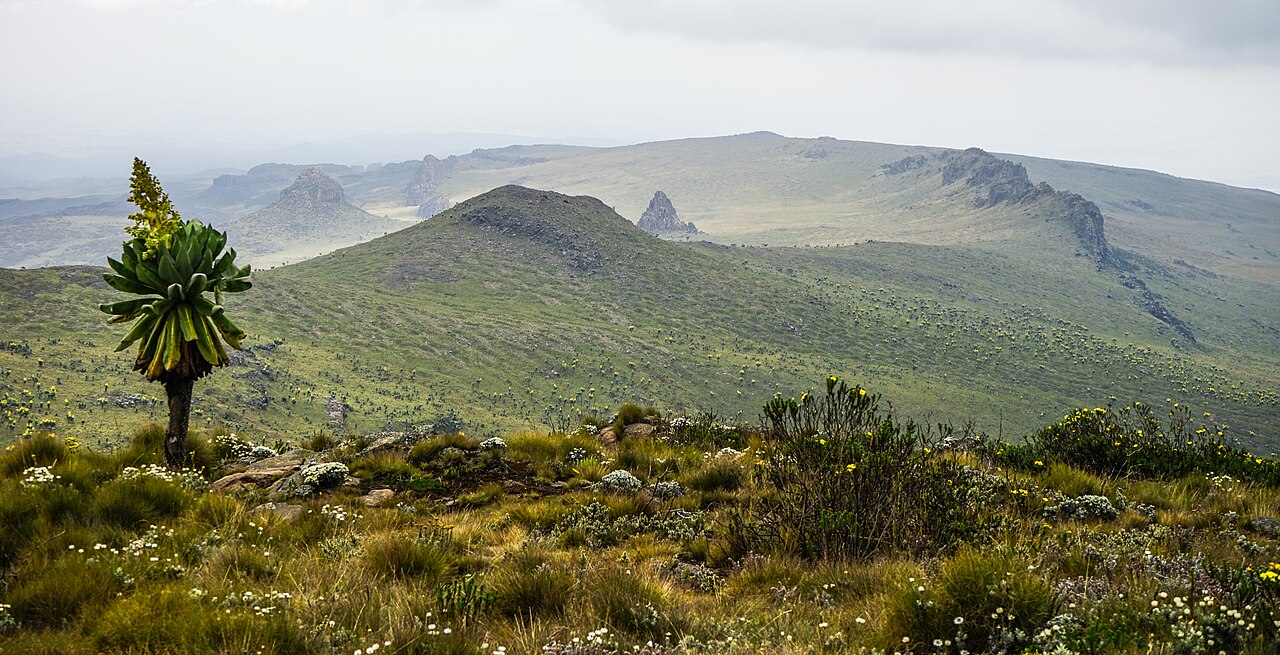
Aberdare National Park is a protected area in the Aberdare Mountain Range in central Kenya, located east of the East African Rift Valley. Established in 1950, it covers 767 square kilometers of diverse terrain, from mountain peaks at 4,000 meters to deep valleys, and is known for its moorland, bamboo forests, and rainforests. The park is historically significant as the site where Elizabeth II learned of her father's death in 1952 while staying at the Treetops Hotel.
Quick Facts
- Iucn Category
- II
- Location
- Kenya, Nyandarua County & Nyeri County
- Nearest City
- Nyeri
- Established
- 1950
- Governing Body
- Kenya Wildlife Service
Facts from the source article.
Lore & Background
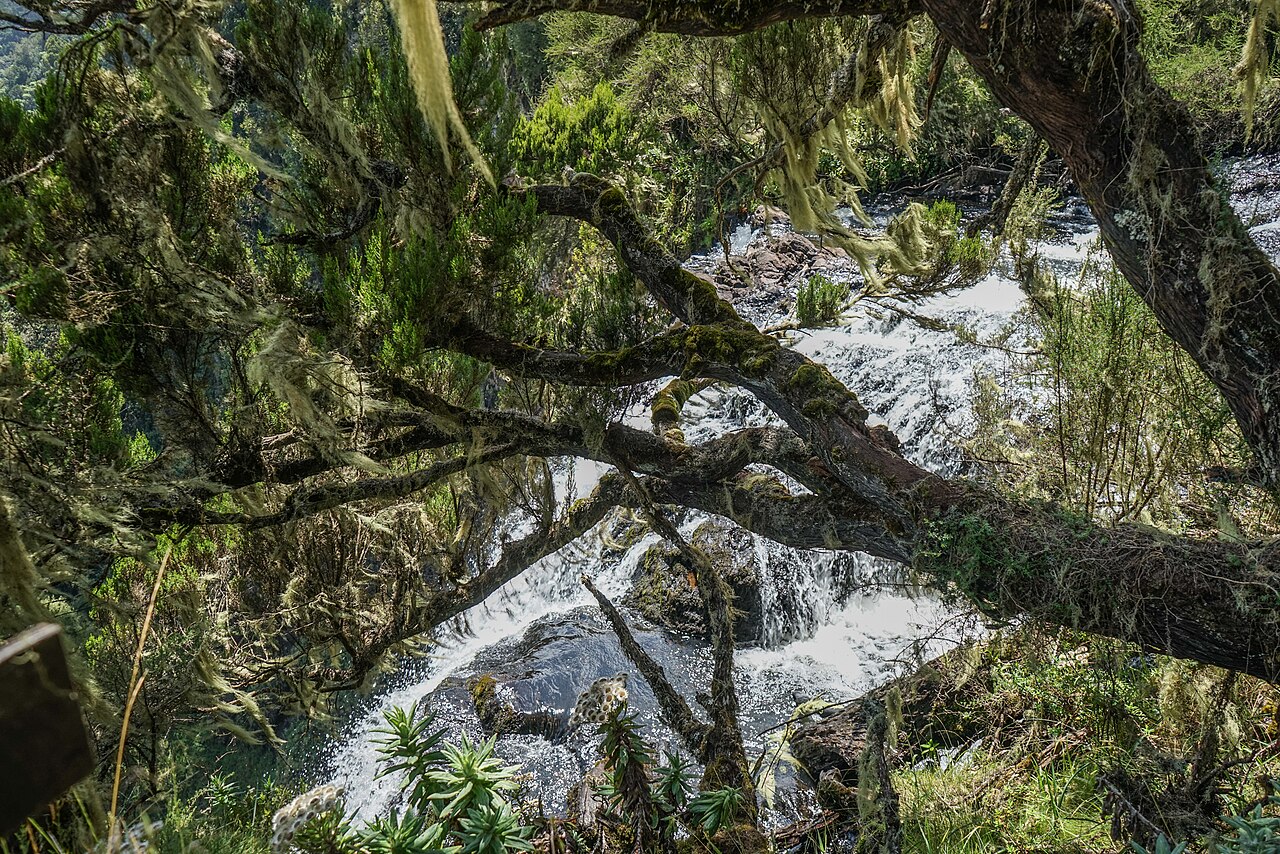
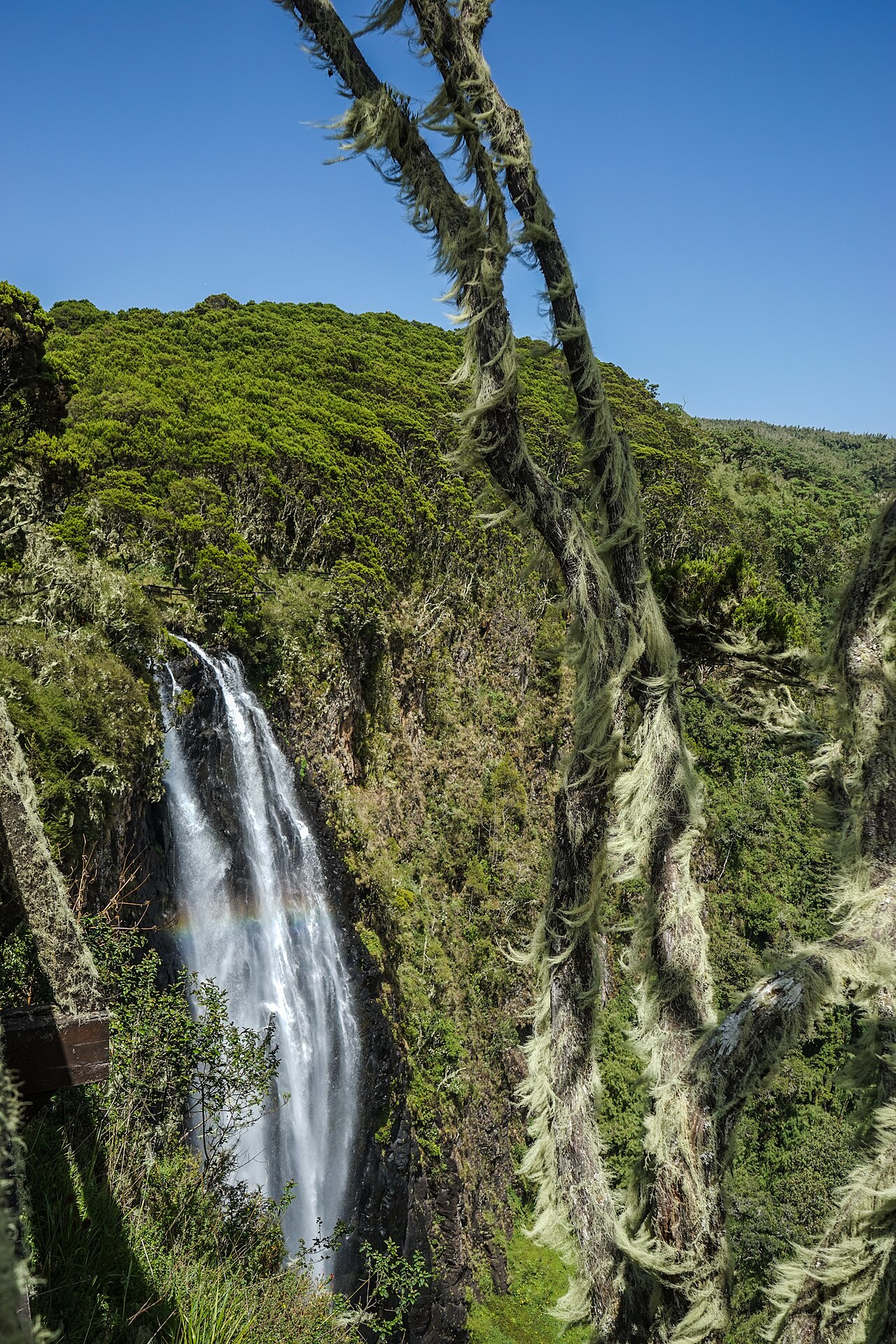
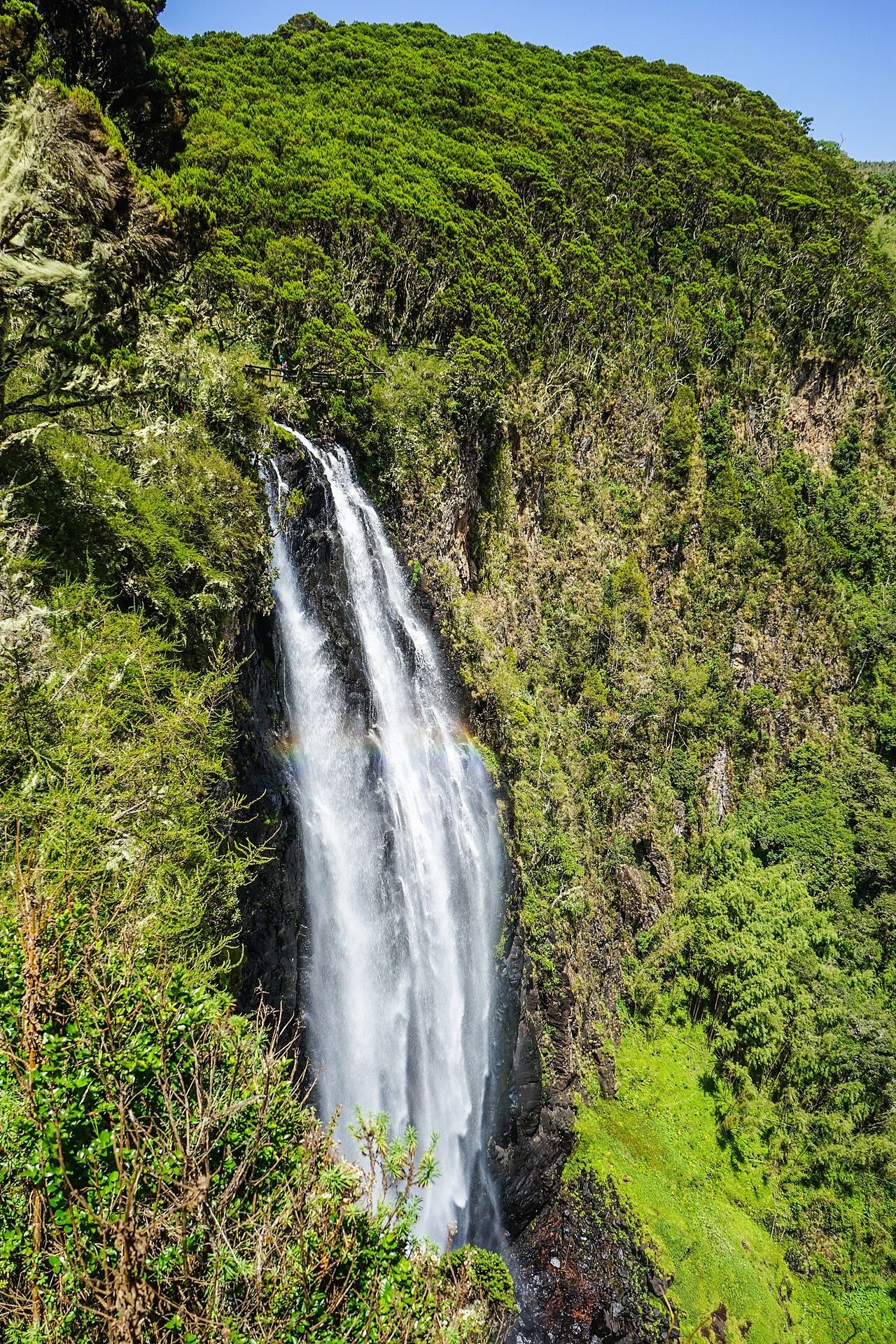
Aberdare National Park was established in 1950 with the aim to conserve and protect the Aberdare Mountains. It covers the higher areas and part of the Aberdare Salient to the east, stretching over a wide variety of terrain at elevations from 2,000 m to 4,000 m. The park contains mountain peaks, deep v-shaped valleys intersected by streams, rivers, and waterfalls, with moorland, bamboo forests, and rainforests at lower elevations. The park is best known as the site where in 1952, Elizabeth II learned of her father's death while staying at the Treetops Hotel. Since its establishment, the park's area has remained largely unchanged at 767 km². Wildlife in the park includes lion, leopard, elephant, giant forest hog, bushbuck, mountain reedbuck, waterbuck, Cape buffalo, suni, side-striped jackal, eland, duiker, olive baboon, black and white colobus monkey, and sykes monkey. Rarer sightings include the African golden cat and the bongo. The park also hosts a large eastern black rhinoceros population and over 250 bird species, including the endangered Aberdare cisticola.
Reader's Guide
Aberdare National Park holds significance as a protected area that conserves the Aberdare Mountains and their diverse ecosystems, ranging from high moorlands to rainforests. Its establishment in 1950 aimed to protect this unique landscape, which supports a wide array of wildlife, including large mammals like elephants and Cape buffalo, as well as rare species such as the African golden cat and bongo. The park is also a critical habitat for the endangered Aberdare cisticola and hosts a large eastern black rhinoceros population.
The park's historical importance is underscored by the event in 1952 when Elizabeth II became Queen while staying at the Treetops Hotel, marking a pivotal moment in British and Commonwealth history. This event has made the park a notable site for visitors interested in both natural and royal history.
Legacy-wise, the park continues to serve as a conservation area, managed by the Kenya Wildlife Service, and is supported by charities like Rhino Ark. Its inclusion in the World Database on Protected Areas and United Nations Environmental Programme listings highlights its global conservation value. The park's diverse terrain and wildlife make it a key destination for ecotourism and research, contributing to the preservation of Kenya's natural heritage.
Geography & Terrain
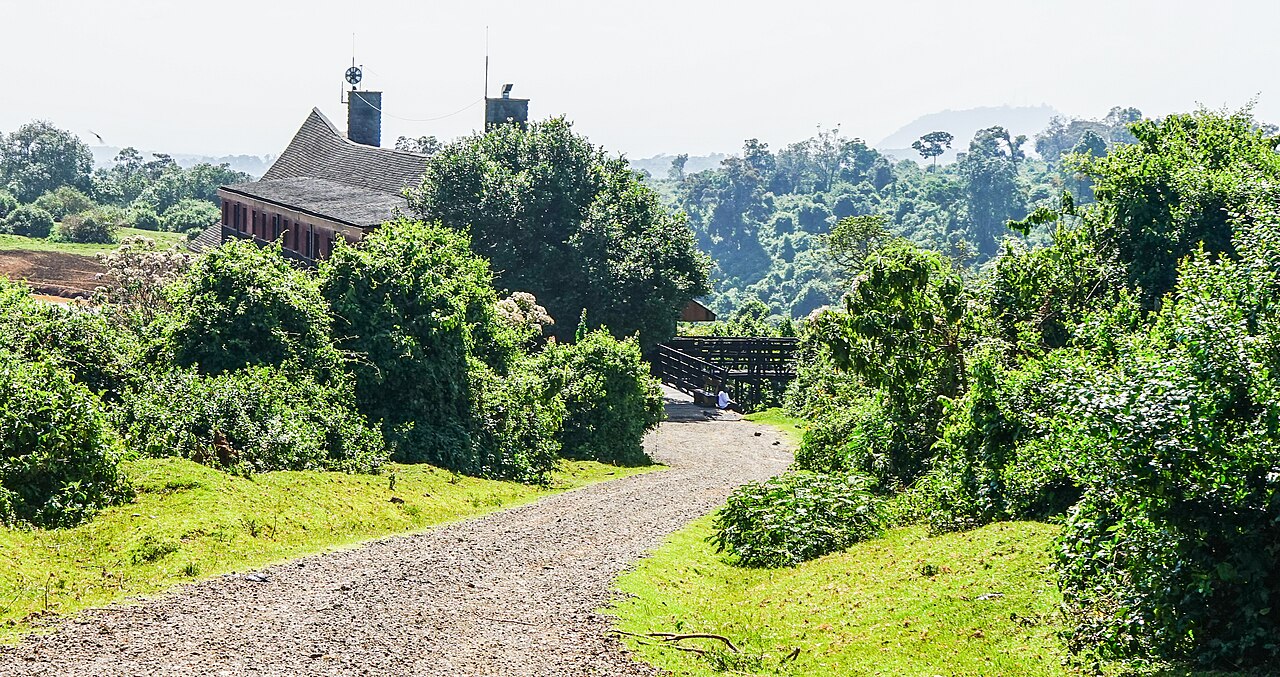
Aberdare National Park sits in central Kenya, positioned to the east of the East African Rift Valley, roughly 100 kilometers north of Nairobi. The protected area encompasses the higher reaches of the Aberdare Mountain Range along with the Aberdare Salient extending eastward. Spanning 767 square kilometers, the park presents a remarkable vertical diversity in its terrain, with elevations climbing from 2,000 meters up to peaks reaching 4,000 meters. This dramatic altitude range creates an extraordinary mosaic of landscapes: towering mountain summits give way to deep, v-shaped valleys threaded with streams, rivers, and waterfalls. At lower elevations, visitors encounter moorland, bamboo forests, and rainforests. The sheer variety of habitats packed into a single protected area makes the park one of the most topographically diverse landscapes in central Kenya, offering a cross-section of ecological zones that would typically require traveling vast distances to observe.
Historical Significance
The park was formally established in May 1950 with the explicit goal of conserving and protecting the Aberdare Mountains. However, it is perhaps most globally recognized for a moment of extraordinary historical weight that unfolded within its boundaries in 1952. At the Treetops Hotel, a property nestled within the park, the future Elizabeth II received the news of her father King George VI's death and thus ascended to the British throne. This single event transformed the park from a regional conservation area into a site of worldwide historical significance, drawing global attention to a place that had previously been known primarily for its natural beauty. The 1950 establishment also marked a deliberate governmental commitment to preserving the mountain range's ecosystems, and since that founding the protected area has maintained its 767-square-kilometer footprint as a lasting sanctuary for the Aberdare landscape and everything it contains.
Wildlife & Biodiversity
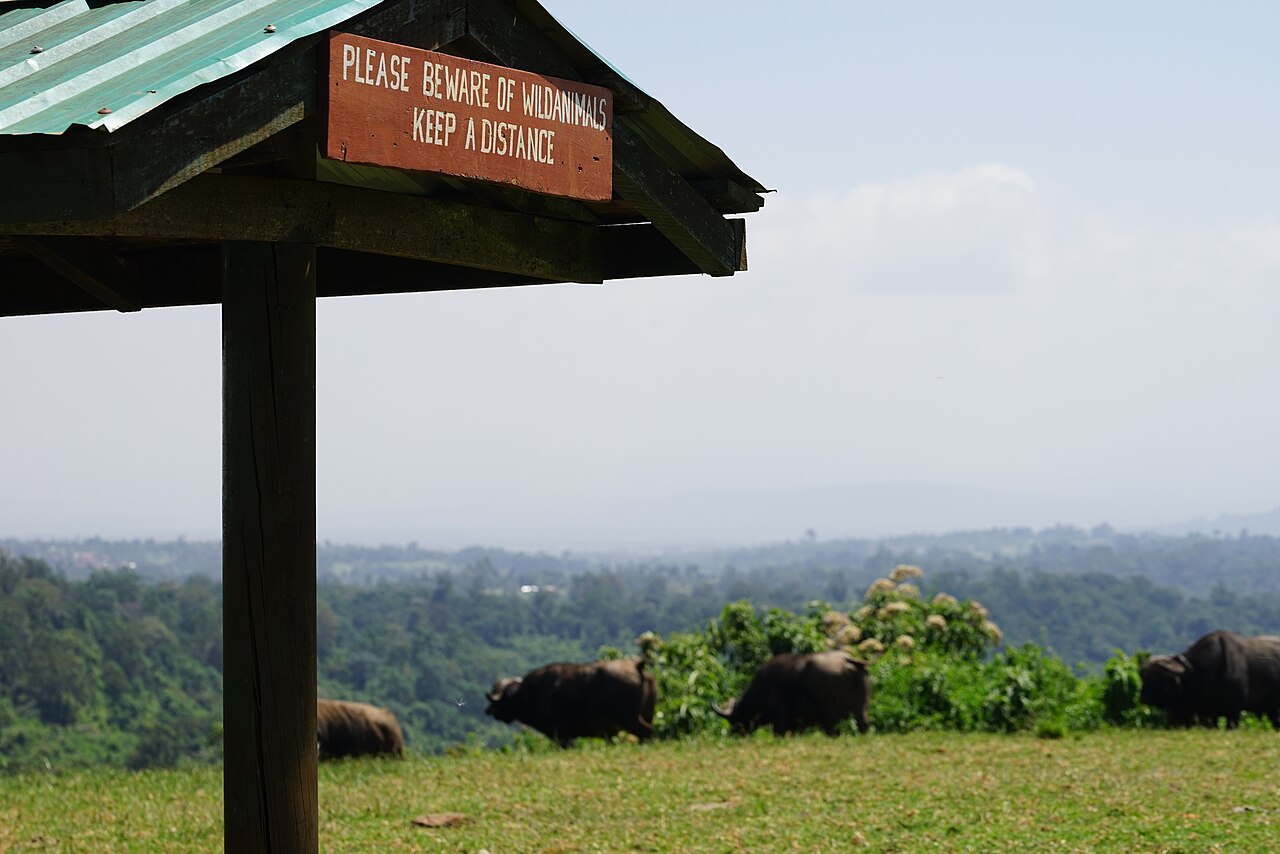
The park supports an impressive assemblage of large and small mammals, including lion, leopard, elephant, East African wild dog, giant forest hog, bushbuck, mountain reedbuck, waterbuck, Cape buffalo, suni, side-striped jackal, eland, duiker, and several primate species such as olive baboon, black and white colobus monkey, and sykes monkey. Rarer encounters include the African golden cat and the bongo, while common eland and serval inhabit the higher moorlands. The park is also home to a significant population of eastern black rhinoceros. Its avian community is equally remarkable, with over 250 bird species recorded, among them the endangered Aberdare cisticola, Jackson's spurfowl, sparrowhawk, African goshawk, African fish eagle, sunbirds, and plovers. This concentration of both common and rare species across multiple habitat types underscores the park's critical role as a biodiversity stronghold in central Kenya.
Conservation & Protection
From its inception in 1950, the park has been dedicated to the conservation and protection of the Aberdare Mountains, and its 767-square-kilometer area has been maintained as a protected zone. The park's significance extends well beyond its borders, with international bodies such as the United Nations Environment Programme recognizing the Aberdare Range Forests as a site of global importance. The Kenya Wildlife Service manages the park domestically, while organizations like the Rhino Ark operate specifically to support the conservation of the park's rhinoceros population, working under the philosophy of fostering harmony between humans, habitat, and wildlife. The park's protected status, combined with its diverse elevations and habitats, creates a multi-layered conservation framework that safeguards everything from the high moorlands to the lower rainforests, ensuring that the range's ecosystems remain intact for future generations.
Gallery
Frequently Asked Questions
What is Aberdare National Park?
It is a protected wilderness area situated within the Aberdare Mountain Range in central Kenya, east of the East African Rift Valley. The park spans roughly 766 square kilometers of varied landscape.
Where exactly is Aberdare National Park located?
The park sits in the Aberdare Mountains in central Kenya, positioned to the east of the East African Rift Valley. Its terrain stretches from high peaks reaching around 4,000 meters down into deep valleys.
When was Aberdare National Park established?
The park was officially created in May 1950. It has since been managed as a protected area under Kenya's conservation framework.
Why is Aberdare National Park historically famous?
The park gained worldwide recognition in 1952 when the young Elizabeth II received the news of King George VI's death while staying at the Treetops Hotel within the park. She was subsequently proclaimed Queen at Sagana Lodge, also located in the area.
What kinds of habitats can visitors find in Aberdare National Park?
The park encompasses a striking range of ecosystems, including high-altitude moorland, dense bamboo groves, and lush rainforest. This diversity exists across its 766 square kilometers of protected terrain.
More in IUCN Category II 1-24
Spotted an error? Know more?
Reader corrections go straight into our review queue. Suggest an edit · How this site is sourced