
Masayoshi Son
Founder of SoftBank Group and visionary tech investor.

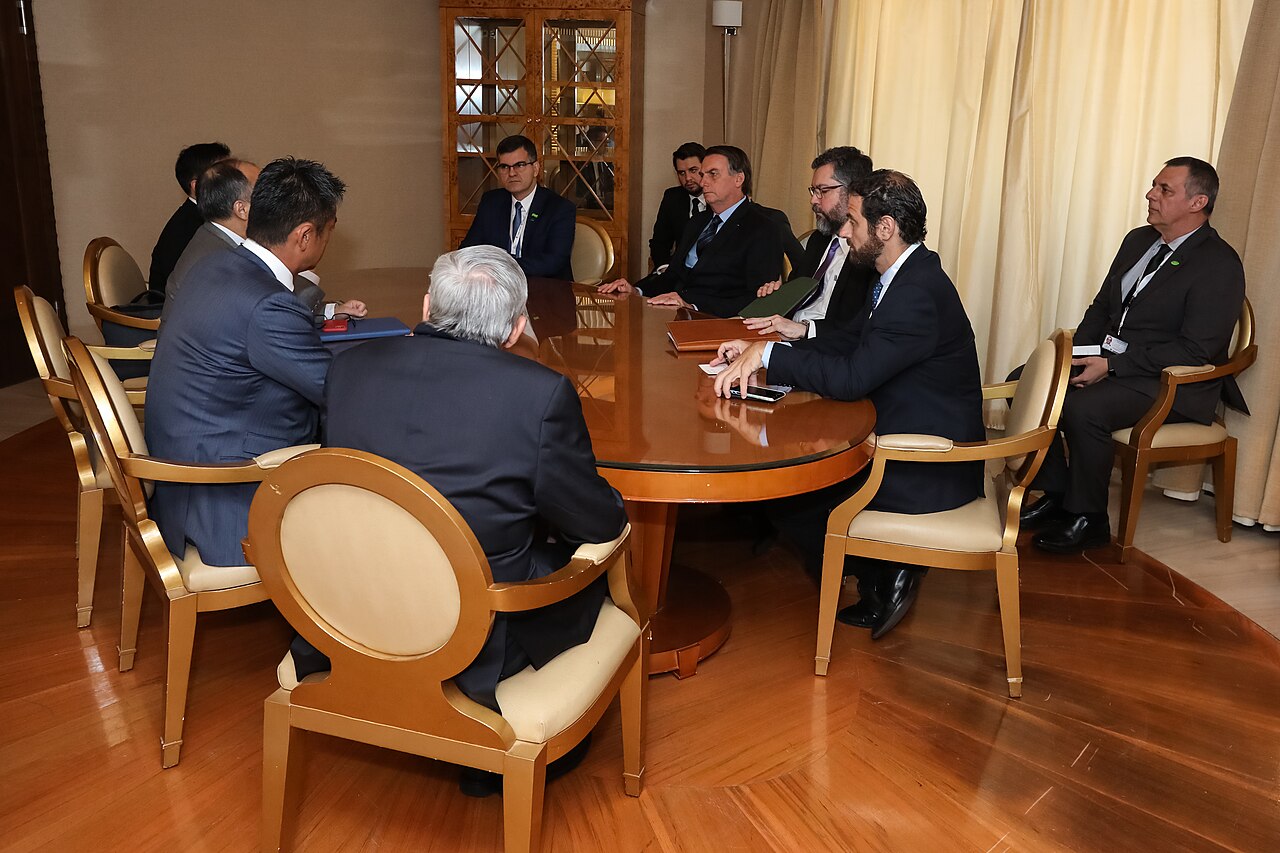
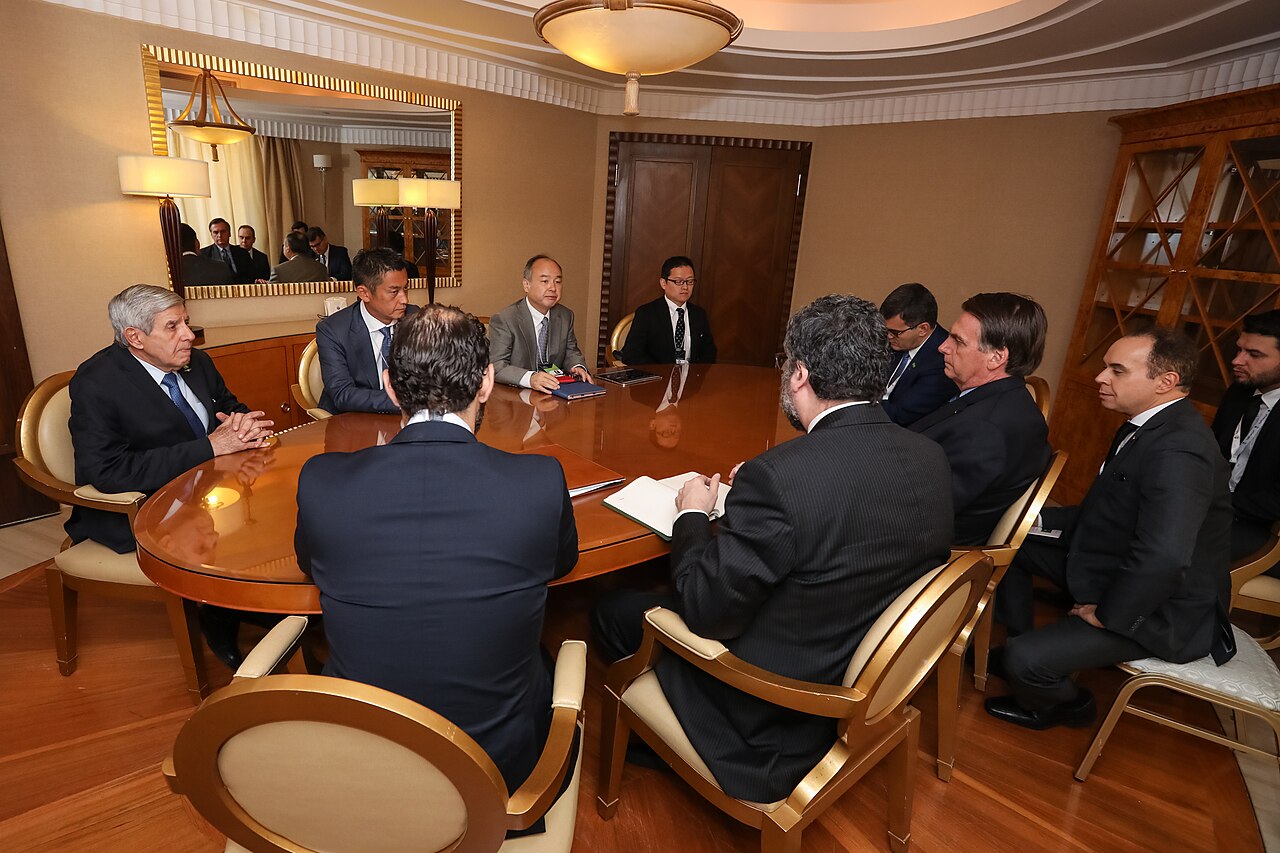
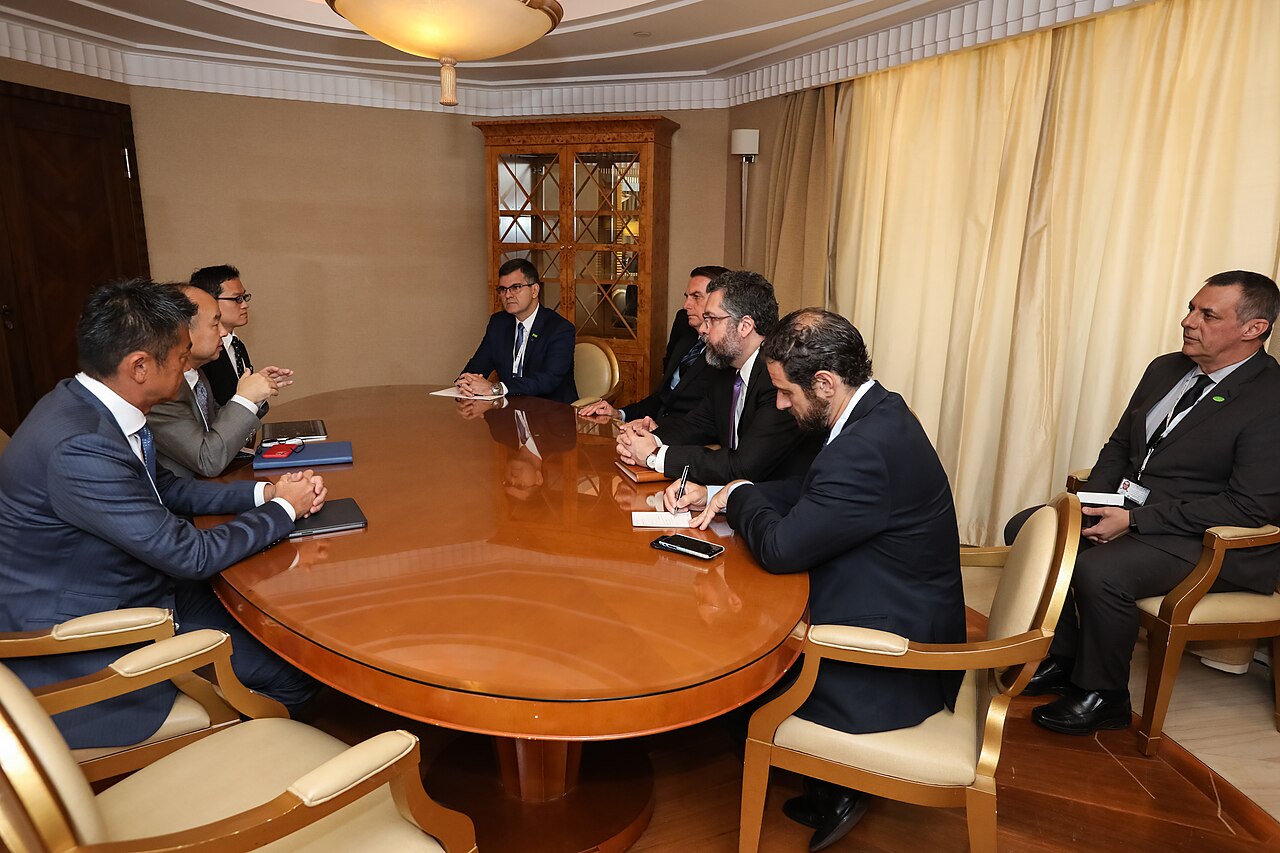
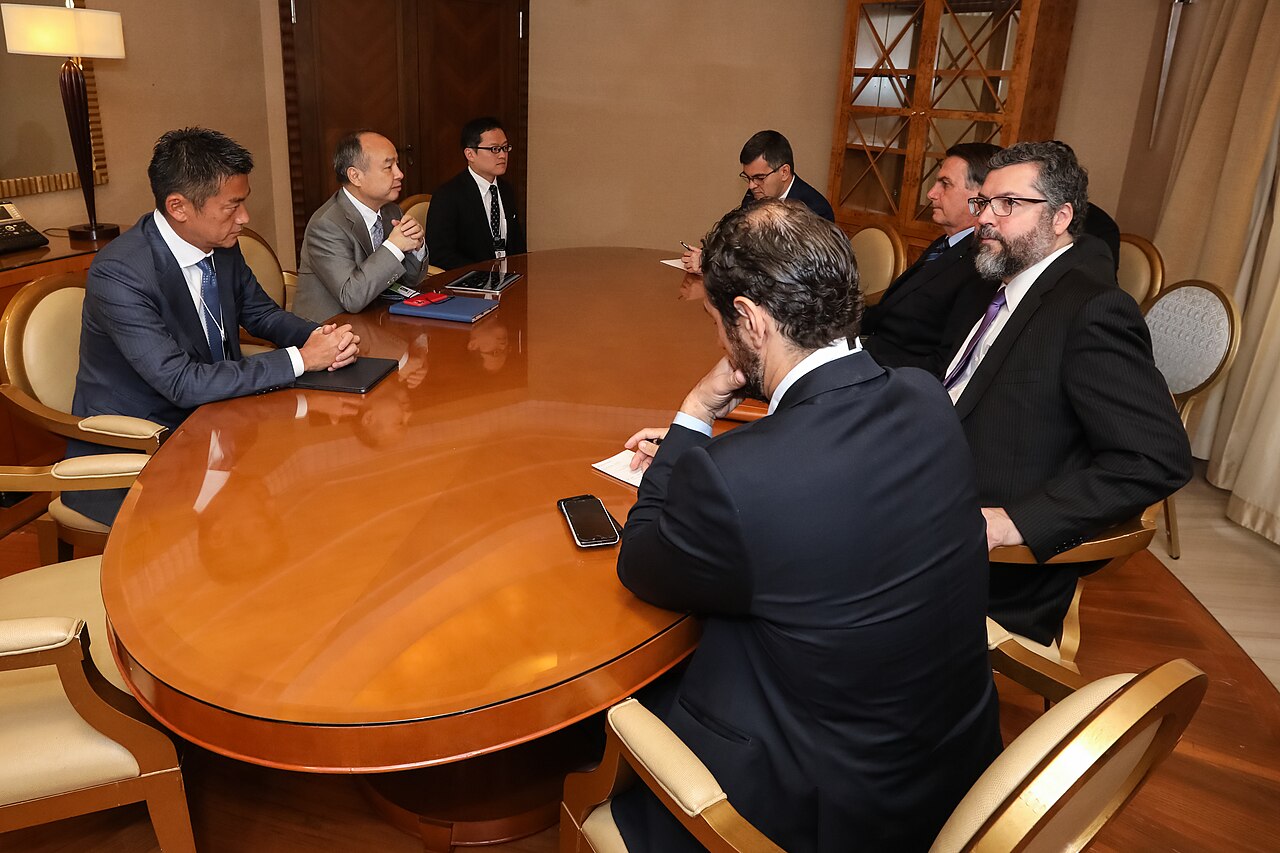
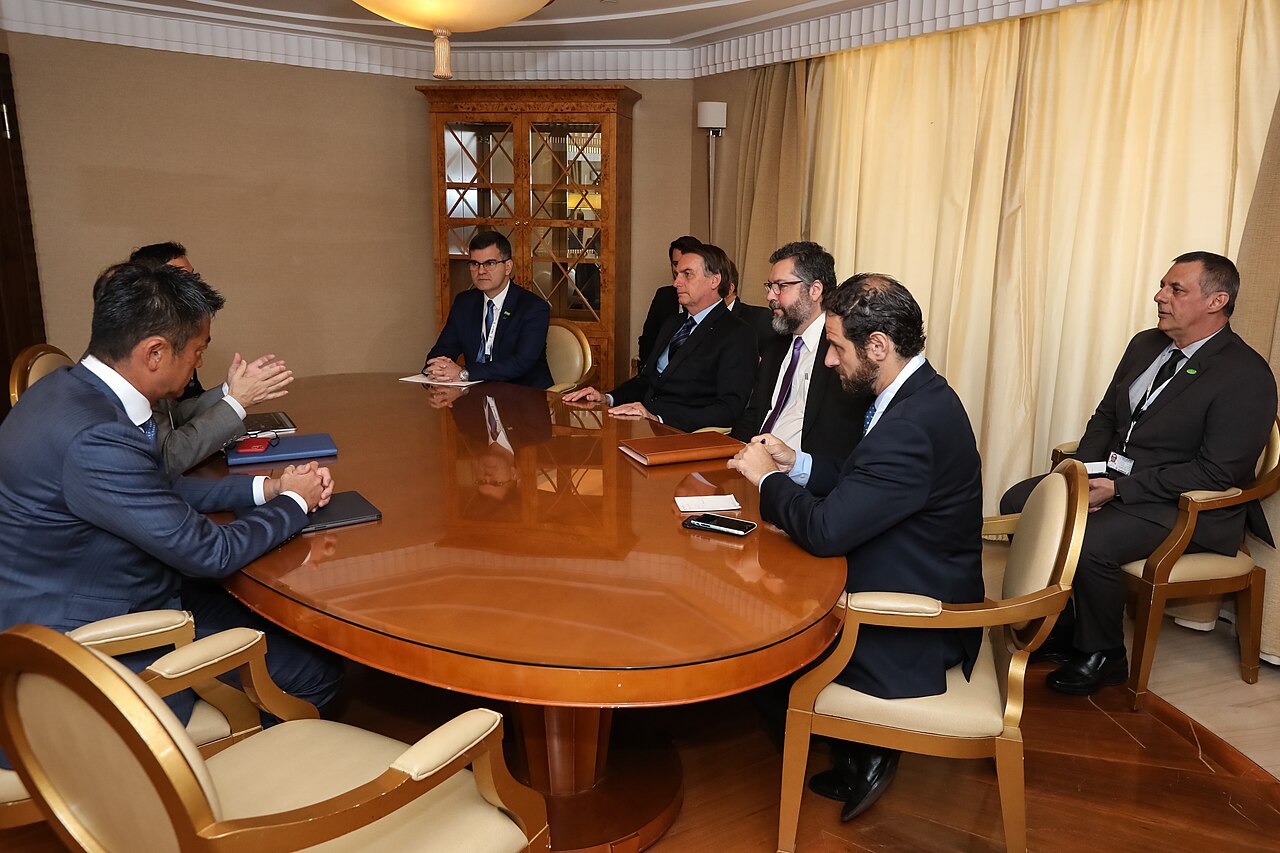
Palácio do Planalto from Brasilia, Brasil · CC BY 2.0
Masayoshi Son is a Japanese entrepreneur, investor, and philanthropist, best known as the founder, chairman, and CEO of SoftBank Group, a technology-focused investment holding company. He gained prominence for his early investments in internet firms such as Yahoo! and Alibaba, and for his bold, often high-risk investment strategies through the SoftBank Vision Funds.
- Born
- August 11, 1957
- Field
- Entrepreneur, investor, philanthropist
- Nationality
- Japanese (Zainichi Korean)
- Known for
- Founder of SoftBank Group, early investor in Alibaba and Yahoo!, creator of the SoftBank Vision Funds
Lore & Background
Masayoshi Son was born Masayoshi Yasumoto on August 11, 1957, in Tosu, Saga Prefecture, to Zainichi Korean parents. His grandfather moved from Daegu to Japan during the colonial period, and his father ran an illegal sake business that eventually succeeded. Son experienced bullying and discrimination for his Korean origin and once contemplated suicide. After idolizing McDonald's Japan founder Den Fujita, he flew to Tokyo uninvited and received advice to study English and computer science in the United States. He transferred to a high school in the U.S. at 16, graduated from Holy Names High School in Oakland, and earned a degree in economics from UC Berkeley in 1980. While a student, he invented an electronic translator sold to Sharp for $1.7 million, imported video game machines, and founded a video game company called Unison World.
Reader's Guide
Masayoshi Son's significance lies in his transformation of SoftBank from a software distributor into a global investment powerhouse. His early $20 million investment in Alibaba in 2000 grew to a valuation of about $75 billion by 2014, and SoftBank's 27 percent stake was worth $132 billion in 2018. He also invested in Yahoo! in 1995 and acquired Arm Holdings for £24 billion in 2016. His creation of the $100 billion Vision Fund in 2017 aimed to invest in AI, robotics, and the internet of things, though it also led to major losses. Son's bold strategies made him noted worldwide as a stock investor, but he also held the distinction of having lost the most money in history—over $59 billion during the dot-com crash—until surpassed by Elon Musk. His legacy includes being a role model for ethnic Korean children in Japan and a key figure in the tech investment landscape.
Did You Know?
- Masayoshi Son was born Masayoshi Yasumoto and later adopted his Korean surname Son for professional purposes.
- He transferred to a high school in the U.S. at age 16 and graduated from Holy Names High School in Oakland, after receiving advice from McDonald's Japan founder Den Fujita.
- He once held the record for the most money lost in history, with over $59 billion lost during the dot-com crash of 2000.
Founding & Early Ambition
Masayoshi Son was just twenty-four when he launched SOFTBANK Corp on September 3, 1981, beginning as a modest software distributor. Within a year he pivoted into publishing, debuting Oh! PC and Oh! MZ magazines in May 1982 to cover NEC and Sharp computers respectively. Oh! PC reached a circulation of 140,000 copies by 1989, and the company grew into Japan's dominant publisher of computer and technology magazines and trade shows. By 1994 Son had taken the company public at a $3 billion valuation, and in September 1995 he closed a $2.1 billion acquisition of US-based Ziff Davis publishing. That same year he bought COMDEX for $800 million, followed by ZDI the next year. This early period established a pattern that would define his career: identify an emerging information economy, acquire the media and distribution channels surrounding it, and scale with extraordinary speed. The publishing empire gave him both the capital and a network of tech-savvy readers that would fuel his later investment ambitions.
Bold Bets & Defining Investments
Son's investment record is defined by enormous swings. In 1996 he purchased an 80% stake in Kingston Technology, a memory chip maker, for $1.5 billion. When the founders announced they would distribute $100 million of the windfall to employees, it became a major media story across US networks and international outlets through the 1996 Christmas season. But when the memory market softened, Son sold the company back to its original owners in 1999 for roughly a third of the purchase price — a painful loss. At the opposite extreme, his $20 million stake in fledgling Chinese internet venture Alibaba in 2000 ballooned to $60 billion when the company went public in September 2014. He also formed the Yahoo! Japan joint venture in 1996, acquired Vodafone Japan in 2006 to enter the country's $78 billion mobile market, and in 2013 closed the $22.2 billion purchase of a 78% stake in Sprint Nextel after FCC approval. Each deal reflected his willingness to commit capital at a scale that startled both allies and rivals.
Vision Fund & the AI Infrastructure Era
SoftBank's Vision Fund, launched with over $100 billion in capital, stands as the world's largest technology-focused venture capital fund. Its investor base included sovereign wealth funds from Middle Eastern nations, lending a geopolitical dimension to Son's ambitions. The fund's portfolio spans robotics, artificial intelligence, software, logistics, biotechnology, and dozens of other sectors, with notable stakes in Arm, Alibaba, OYO Rooms, WeWork, and Deutsche Telekom. In January 2025, Son's group announced the Stargate project alongside OpenAI, MGX, and Oracle — an AI infrastructure system built in conjunction with the U.S. government, estimated at $500 billion and funded over four years. President Donald Trump framed the initiative as ensuring American-made AI remains in the United States. The project represents the most capital-intensive single commitment in SoftBank's history and places Son at the center of a new global AI infrastructure race.
Empire, Identity & Cultural Footprint
SoftBank's corporate identity carries historical weight: its logo is derived from the flag of the Kaientai, a naval trading company established in 1865 near the end of the Tokugawa shogunate by Sakamoto Ryōma. Though the company does not formally affiliate with any traditional keiretsu, it maintains close ties with Mizuho Financial Group as its primary lender. Son's cultural footprint extends well beyond finance — in 2005 he became owner of the Fukuoka SoftBank Hawks baseball team, and in 2008 SoftBank collaborated with Tiffany & Co. on a limited-edition phone encrusted with over 400 platinum diamonds totaling more than 20 carats, priced above 100 million yen. As of March 2021, SoftBank Corporation operated as Japan's third-largest wireless carrier with 45.6 million subscribers. On the 2025 Forbes Global 2000 list the group ranked as the 130th largest public company worldwide. Son's controversial leadership style and the sheer breadth of the portfolio — from proptech to hospitality to semiconductors — make SoftBank one of the most sprawling and debated corporate entities of the twenty-first century.
Gallery
Frequently Asked Questions
Who is Masayoshi Son?
Masayoshi Son is a Japanese entrepreneur, investor, and philanthropist born on August 11, 1957, who leads SoftBank Group as its founder, chairman, and CEO. He is widely regarded as one of the most daring tech investors of the modern era.
What is Masayoshi Son best known for?
He earned global recognition for placing early, high-conviction bets on companies like Yahoo! and Alibaba before they became household names. His later creation of the SoftBank Vision Funds further defined his legacy as a bold, large-scale tech backer.
What is the SoftBank Vision Fund?
The Vision Fund is a series of massive investment vehicles launched under Son's direction to channel capital into high-growth technology startups worldwide. It grew into one of the largest corporate venture funds ever assembled, backing hundreds of companies across multiple continents.
Why is Masayoshi Son important to the tech industry?
Son's willingness to stake enormous sums on unproven internet companies helped finance the next generation of global tech giants. His aggressive, long-horizon investment philosophy reshaped how institutional capital flows into the startup and technology sectors.
What is Masayoshi Son's background and nationality?
Son was born in 1957 and holds Japanese nationality with Zainichi Korean heritage. He built his career from the ground up, ultimately transforming SoftBank into a global technology investment powerhouse headquartered in Tokyo.
More in Innovators In Industry 1-24
Spotted an error? Know more?
Reader corrections go straight into our review queue. Suggest an edit · How this site is sourced