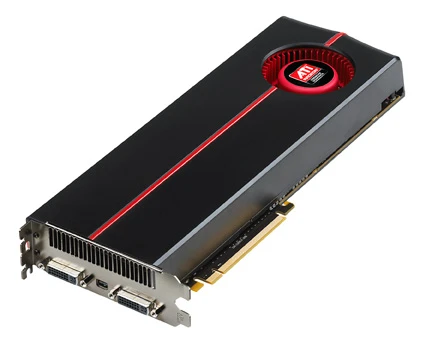
Appian Graphics
Multi-monitor graphics accelerator supplier founded in 1994.

Appian Graphics, established in 1994, provided graphics accelerators designed for multi-monitor setups. The company gained recognition for its Jeronimo and Gemini product lines, as well as the HydraVision software for managing multiple displays. Its primary rival in the multi-monitor market was STB Systems.
Quick Facts
- Founded
- 1994
- Parent
- ETMA Corporation
- Defunct
- 2001
- Fate
- Acquired by Colorgraphic Communications, Inc., and ATI Technologies Inc.
- Hq Location City
- Redmond, Washington
- Hq Location Country
- United States
- Industry
- Semiconductors
- Products
- Graphics processing units
Facts from the source article.
Lore & Background
Appian Graphics originally developed HydraVision in the late 1990s for its multi-head display solutions. ATI Technologies acquired HydraVision in July 2001 along with Appian's HydraVision team to join its then-new dual-head Radeon 7500 and 8500 series. Appian Rotate was developed in 1998 for hardware accelerated portrait display, allowing off the shelf graphics components that supported 3D texture mapping for rotating the offscreen desktop screen correctly onto the display out buffer. It has become the default standard in the industry for portrait mode and is still used by display drivers to support portrait display. The company was acquired in July 2001 by Colorgraphic Communications, Inc., which ceased business in 2007 or 2008. Appian's graphics adapter lineup included the Jeronimo J2/N (Dual Head PCI, 4 MB, Cirrus Logic chipset), Jeronimo Pro (Dual Head PCI, 8 or 16 MB, 3Dlabs Permedia 2), Jeronimo Pro 4-Port (Quad Head PCI, 32 MB, 3Dlabs Permedia 2), Jeronimo 2000 (Dual Head PCI, 64 MB, 3Dlabs Permedia 3), Gemini (Dual Head AGP 2X, 16 MB SGRAM, S3 Savage MX chipset), and Rushmore (Quad Head PCI, 64 MB, dual ATI R100 chipset).
Reader's Guide
Appian Graphics is notable for pioneering multi-monitor graphics acceleration in the mid-1990s, a niche that served professionals needing multiple displays. Its Jeronimo and Gemini product lines offered dual- and quad-head solutions using various chipsets from Cirrus Logic, 3Dlabs, S3, and ATI. The company's HydraVision display management software was later acquired by ATI Technologies in July 2001 along with the development team, becoming part of ATI's dual-head Radeon 7500 and 8500 series. Appian Rotate, developed in 1998, introduced a method for hardware accelerated portrait display using 3D texture mapping, which became the industry standard for portrait mode and continues to be used in display drivers. The company's main competitor was STB Systems. Appian was acquired by Colorgraphic Communications in July 2001, which itself ceased business in 2007 or 2008. The legacy of Appian's innovations persists in modern multi-monitor and portrait display support.
Did You Know?
- Appian Graphics was founded in 1994.
- Its main competitor on the multi-monitor solutions market was STB Systems.
- Appian Rotate, developed in 1998, became the default standard for portrait mode in the industry.
Frequently Asked Questions
Who is Appian Graphics?
Appian Graphics was a graphics hardware company founded in 1994 that focused specifically on building accelerators for multi-monitor configurations. It operated as an independent vendor until being absorbed into a larger firm in the early 2000s.
What products was Appian Graphics known for?
The company is best remembered for its Jeronimo and Gemini accelerator lines, both aimed at driving multiple displays at once. It also produced HydraVision, a software utility for organizing and managing multi-screen workspaces.
Who was Appian Graphics's main competitor?
STB Systems was the primary rival in the multi-monitor accelerator market during Appian's active years. The two firms competed head-to-head for customers seeking to expand their display setups.
What happened to Appian Graphics?
Appian Graphics was acquired by Colorgraphic Communications, Inc. in July 2001, ending its existence as an independent company. The acquirer itself shut down around 2007 or 2008, leaving the Appian name defunct for well over two decades.
Why is Appian Graphics significant in graphics hardware history?
In the mid-1990s, running more than one monitor was still a niche requirement, and Appian was one of the few vendors dedicated entirely to that problem. Its work helped make multi-display configurations a practical option before the technology eventually went mainstream.
More in Graphics Hardware, Part 3 1-24
Spotted an error? Know more?
Reader corrections go straight into our review queue. Suggest an edit · How this site is sourced