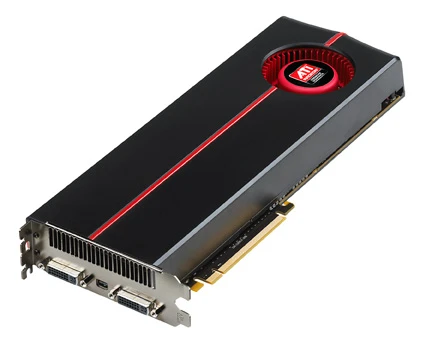
3Dlabs
Fabless semiconductor pioneer of GLINT and PERMEDIA graphics chips.

Futase_tdkr. · Public domain
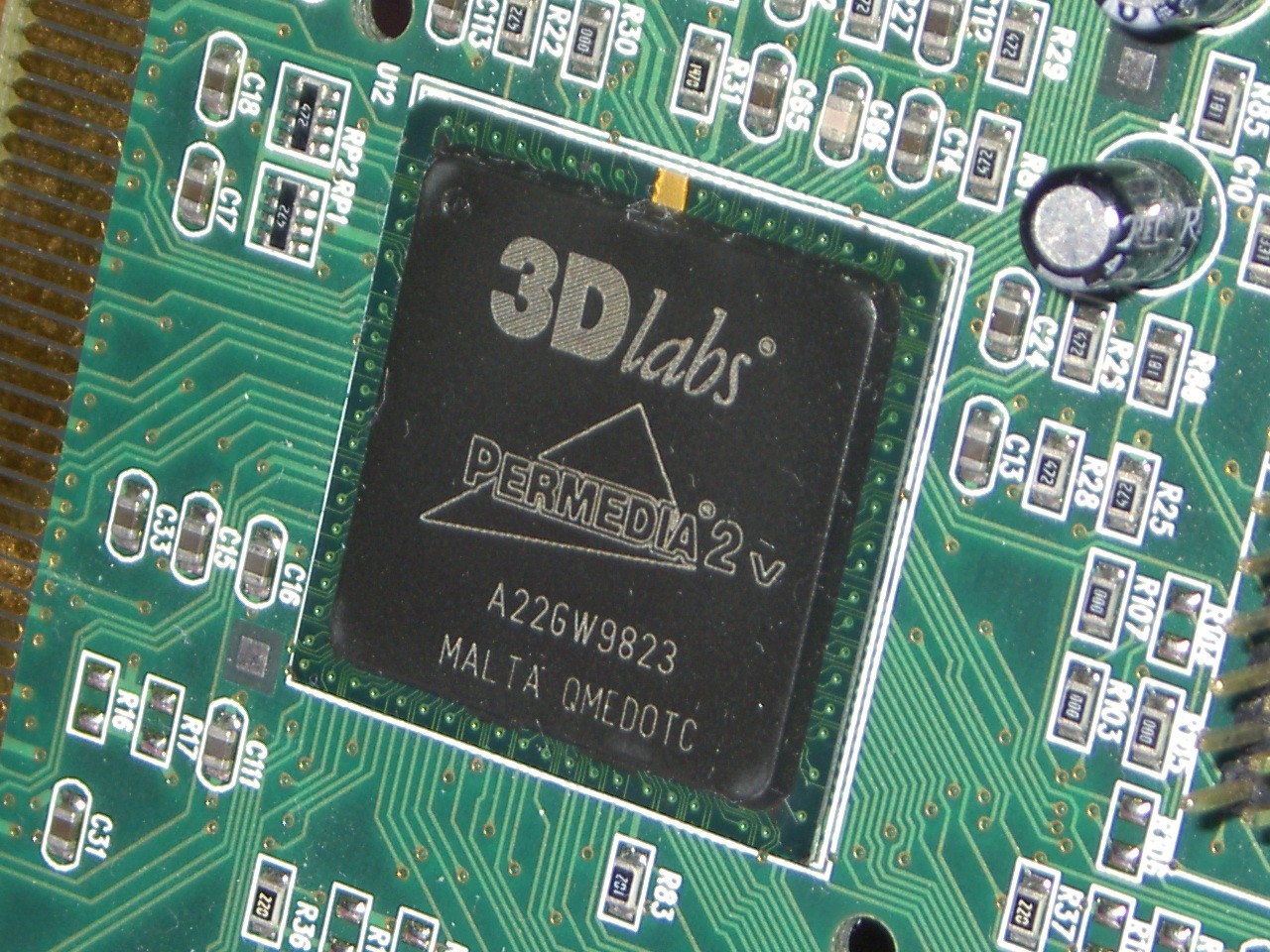
3Dlabs Inc. Ltd. was a chip designer that didn’t own its own factories, founded in 1994 by Yavuz Ahıska and Osman Kent and based in San Jose, California. The company created the GLINT and PERMEDIA lines of high-end graphics chips, which powered many top computer graphics cards used in CAD and digital content creation, including its own Wildcat and Oxygen products. In 2006, 3Dlabs shifted its focus to developing media processors, and by 2009 it had transformed into ZiiLABS, a company based in Singapore.
Quick Facts
- Founder
- Yavuz Ahıska and Osman Kent
- Fate
- Acquired by Creative Technology in 2002 and became ZiiLABS in 2009
- Industry
- Semiconductors, electronics
- Products
- Media-rich application processors for Handheld and embedded devices
- Parent
- Creative Technology
Facts from the source article.
Lore & Background
3Dlabs was formed from a management buy-out of DuPont Pixel Systems in the UK in April 1994 and went public on Nasdaq in October 1996. It acquired Dynamic Pictures in July 1998 and the Intense3D division of Intergraph in July 2000, and was itself acquired by Creative Labs in June 2002. In February 2006, 3Dlabs announced it would stop developing professional 3D graphics chips and focus on embedded and mobile media processors. The new media processor business was developed out of the original UK R&D center, with most of the workstation graphics teams from Intense3D and Dynamic Pictures having been hired by Intel and NVIDIA. In November 2006, 3Dlabs introduced the DMS-02, its first media processor capable of 720P HD Video for portable devices. In January 2009, the SoC team merged with a Creative product division and rebranded as ZiiLABS.
Reader's Guide
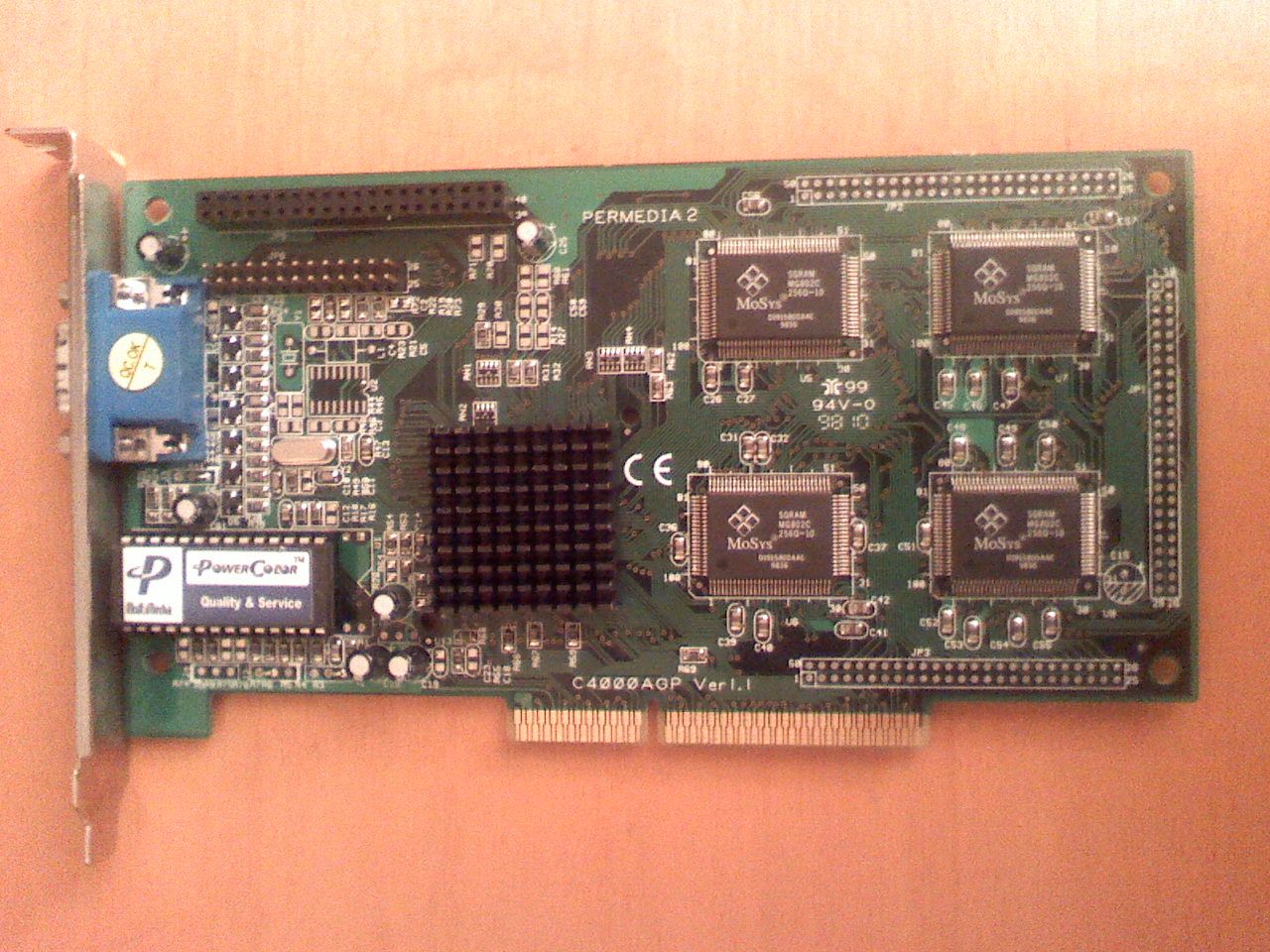
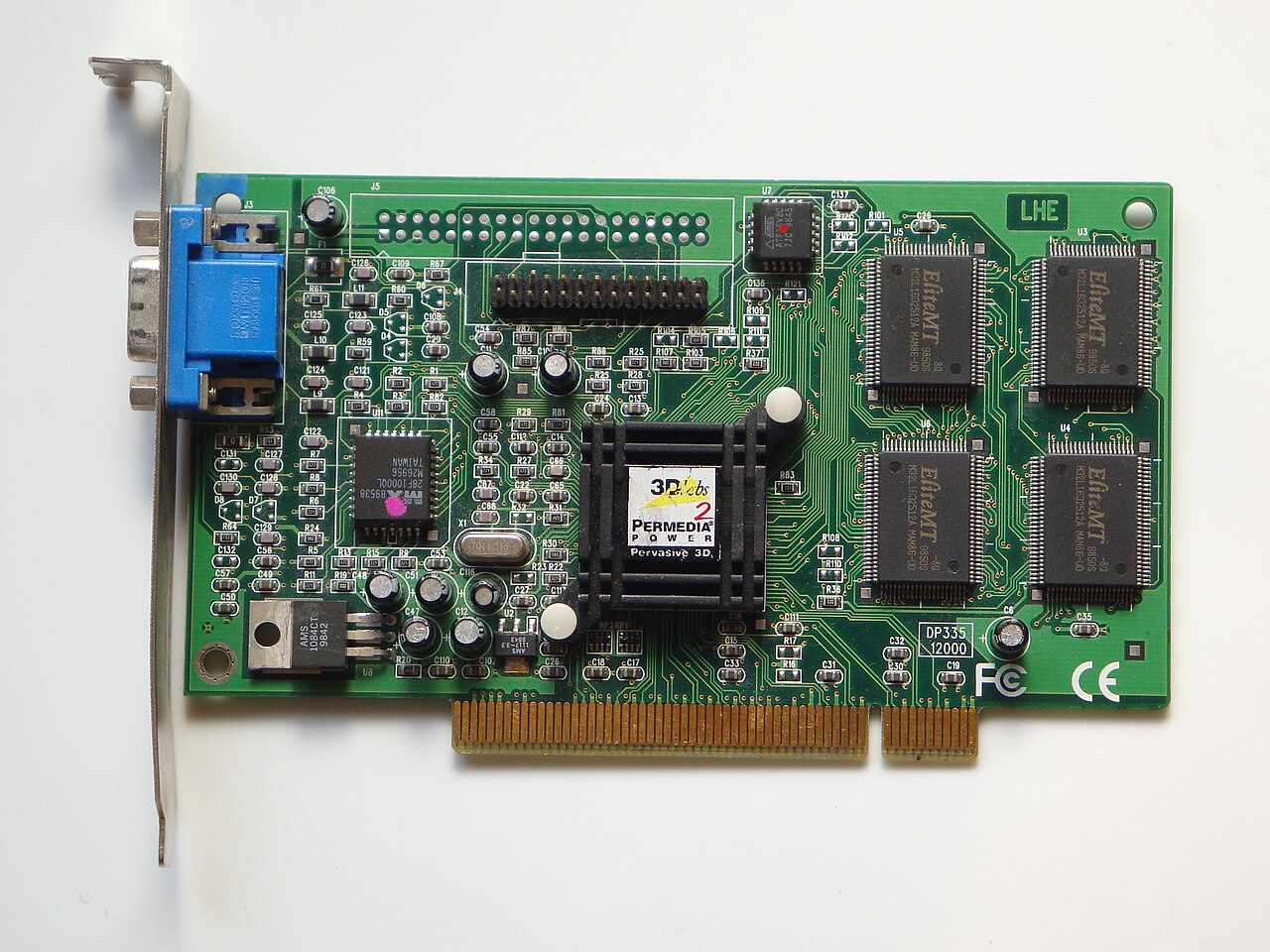
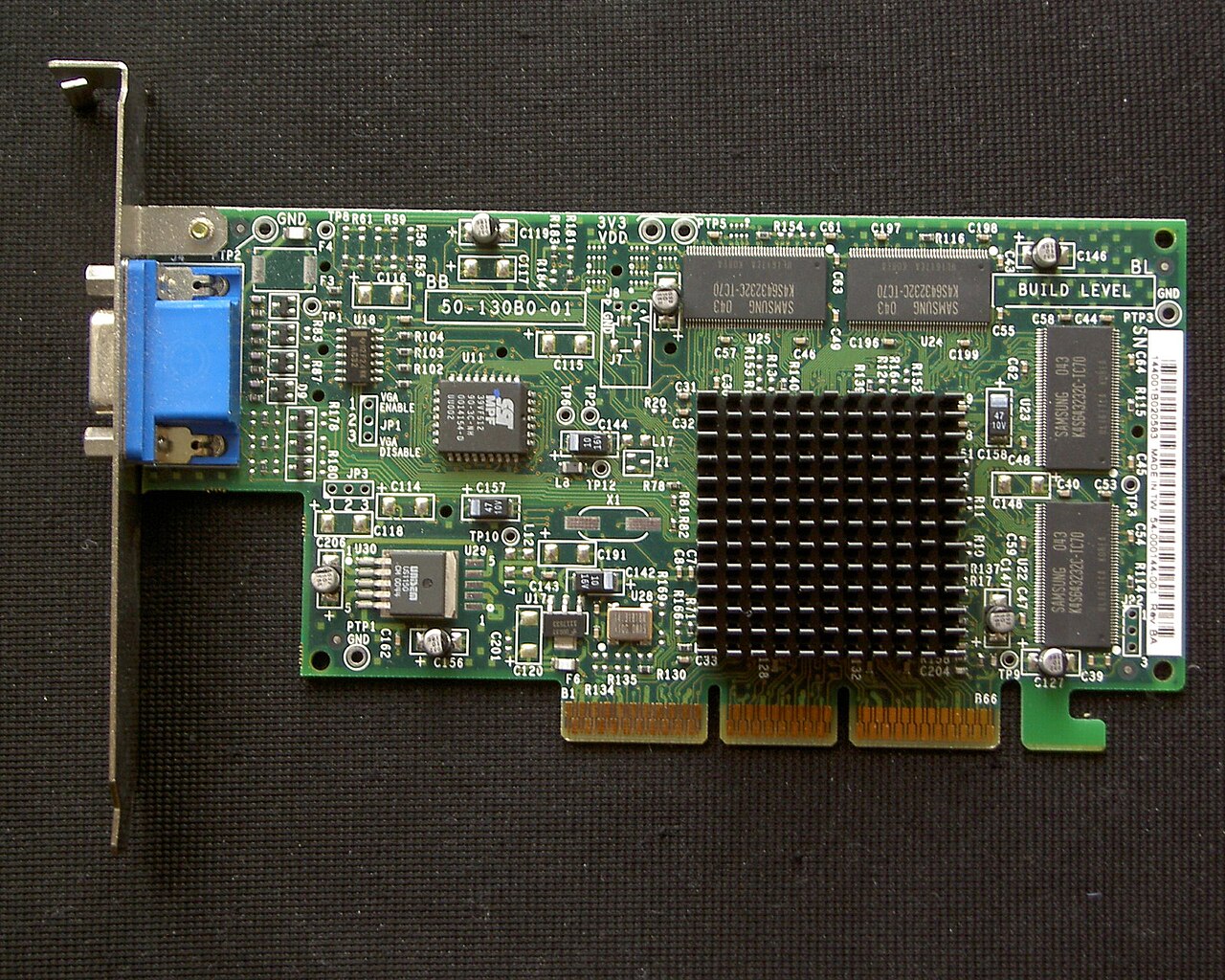
3Dlabs was an early pioneer in bringing 3D graphics to the PC. Its GLINT 300SX graphics processor was the industry's first single-chip, 3D-capable graphics device shipped on graphics boards from multiple vendors. Gamma was the first single-chip graphics geometry processor for the PC, and Permedia was the first low-cost OpenGL accelerator chip. 3Dlabs was a member of the OpenGL Architecture Review Board and played an important role in the development of OpenGL 2.0 and ongoing evolution of the OpenGL API. The company's Wildcat and Oxygen cards served the CAD and DCC markets, and its chipsets were used by Diamond Multimedia for some FireGL cards before ATI acquired the FireGL team in 2001. Newer Technology sold RenderPix cards based on the 500TX + Glint Delta for the Macintosh, and Formac made Macintosh graphics cards using Permedia chipsets. The ZMS processors, originally developed under the 3Dlabs name, are now sold and supported by ZiiLABS.
Gallery


Frequently Asked Questions
Who is 3Dlabs?
3Dlabs was a fabless semiconductor company based in San Jose, California, that designed high-end graphics processing chips from the mid-1990s through the early 2000s. It was established in 1994 by Yavuz Ahıska and Osman Kent and listed on Nasdaq in October 1996.
What graphics chips did 3Dlabs produce?
The company developed two main product families: the GLINT series and the PERMEDIA series, both targeting professional workstations for CAD and digital content creation. These chips also appeared in 3Dlabs's own Wildcat and Oxygen graphics cards.
What happened to 3Dlabs?
Creative Labs acquired 3Dlabs in June 2002, absorbing its graphics IP into the parent company. After a pivot toward media processor development around 2006, the entity was rebranded as ZiiLABS in 2009 and relocated its operations to Singapore.
Why is 3Dlabs significant in graphics hardware history?
As one of the early fabless chip designers, 3Dlabs proved that a company without its own fabrication plants could compete at the high end of the GPU market. Its PERMEDIA and GLINT chips were widely adopted in professional CAD and content-creation workstations throughout the late 1990s.
Did 3Dlabs ever own a manufacturing facility?
No. 3Dlabs operated as a fabless designer, meaning it handled chip architecture and design but outsourced actual silicon fabrication to contract foundries. This model let it focus engineering resources on performance rather than factory overhead.
More in Graphics Hardware, Part 3 1-24
Spotted an error? Know more?
Reader corrections go straight into our review queue. Suggest an edit · How this site is sourced