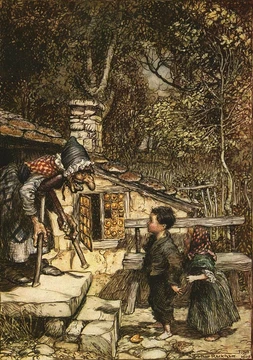
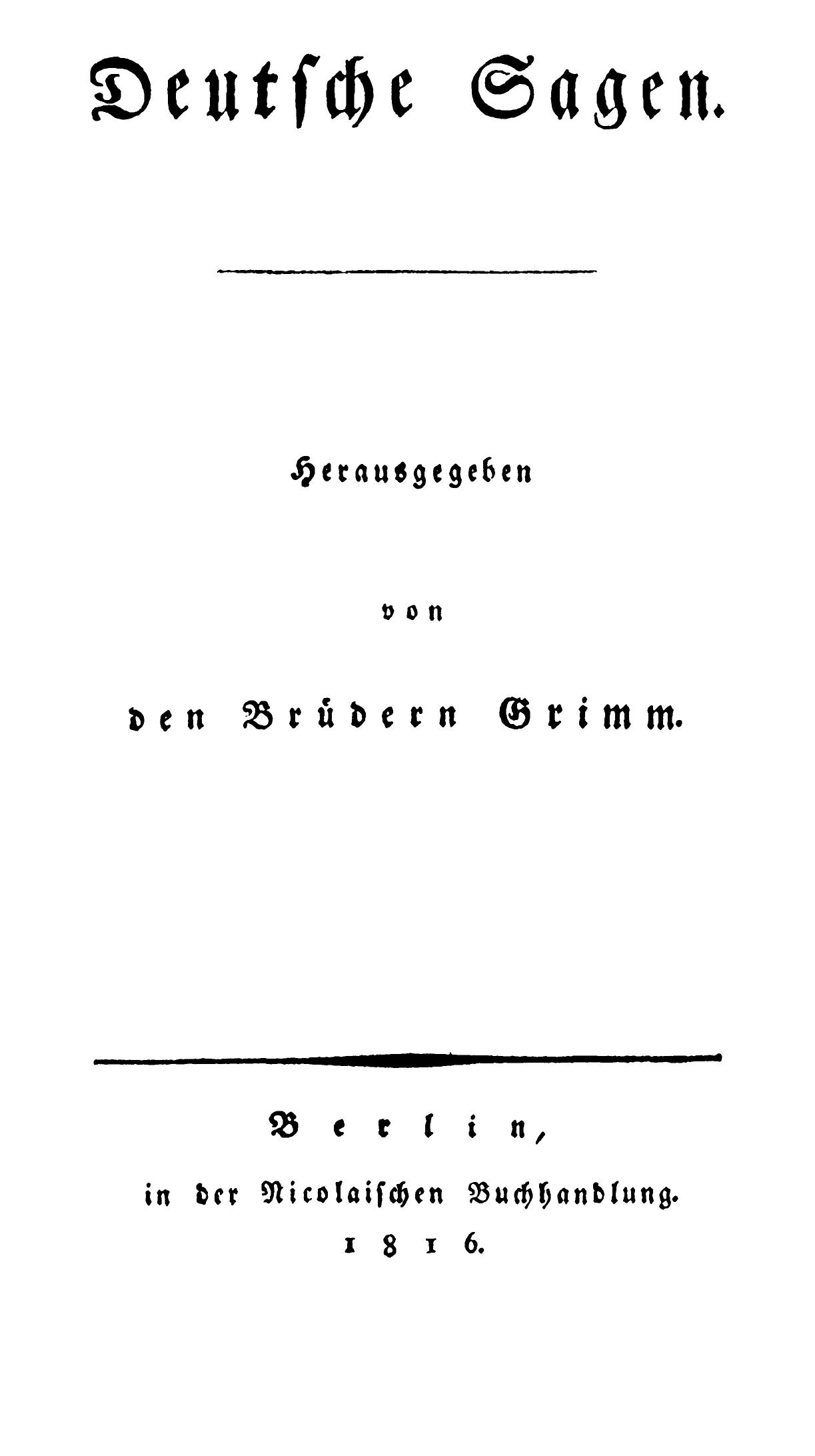
Deutsche Sagen
Two-volume collection of German folk tales and historical legends.

Gebrüder Grimm Autor bei de.wikisource: Brüder Grimm · Public domain
The Brothers Grimm published *Deutsche Sagen* ("German Legends") in two volumes, released in 1816 and 1818. This work contains 579 concise summaries of folk tales and legends, with the term "German" encompassing both German-speaking Europe and early Germanic history. It came out after the Grimms' 1812 collection *Kinder- und Hausmärchen* (known in English as *Grimms' Fairy Tales*). While *Deutsche Sagen* never achieved the widespread popularity of that earlier work, it did shape the academic study of folk narratives.
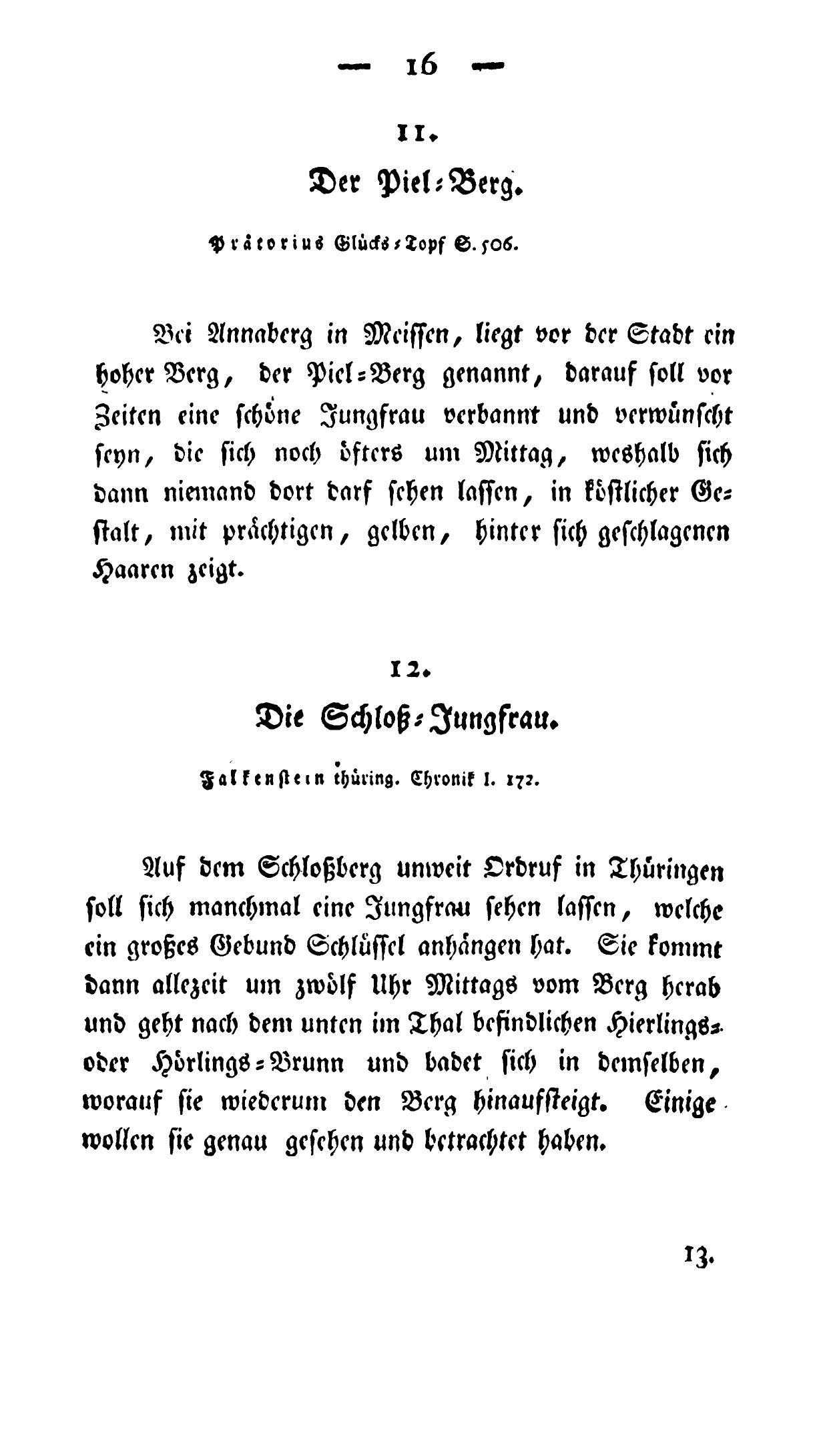
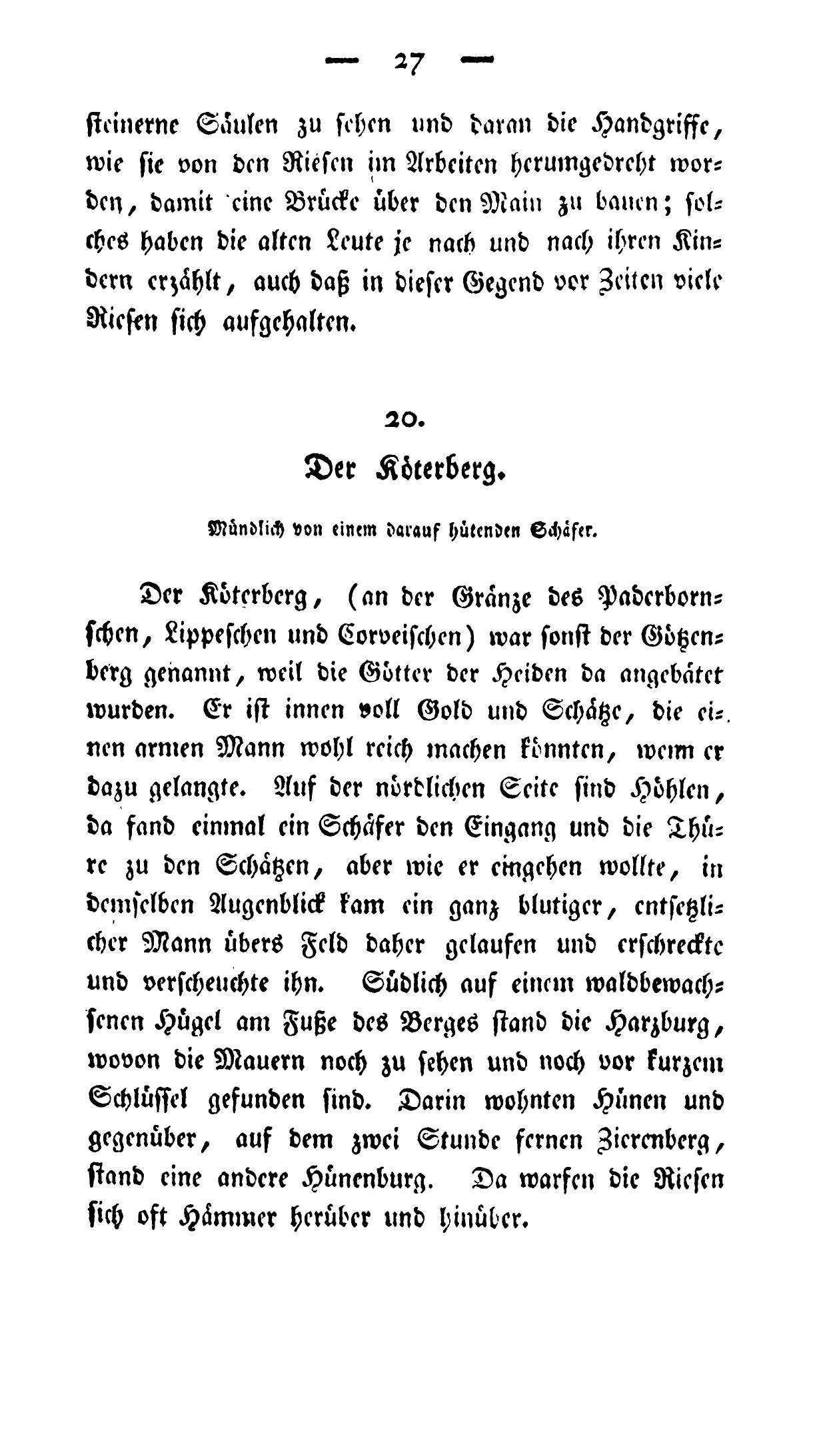
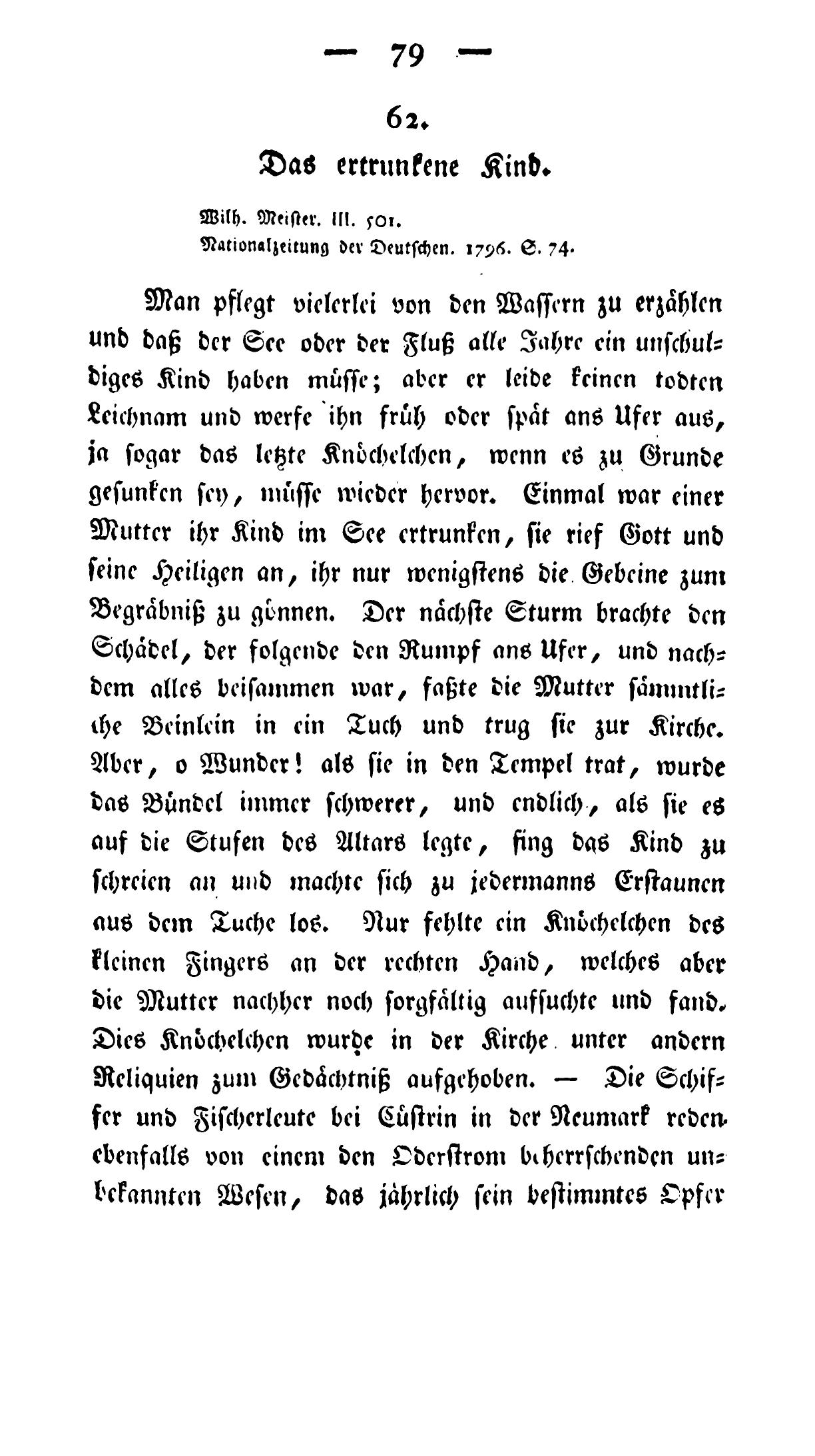
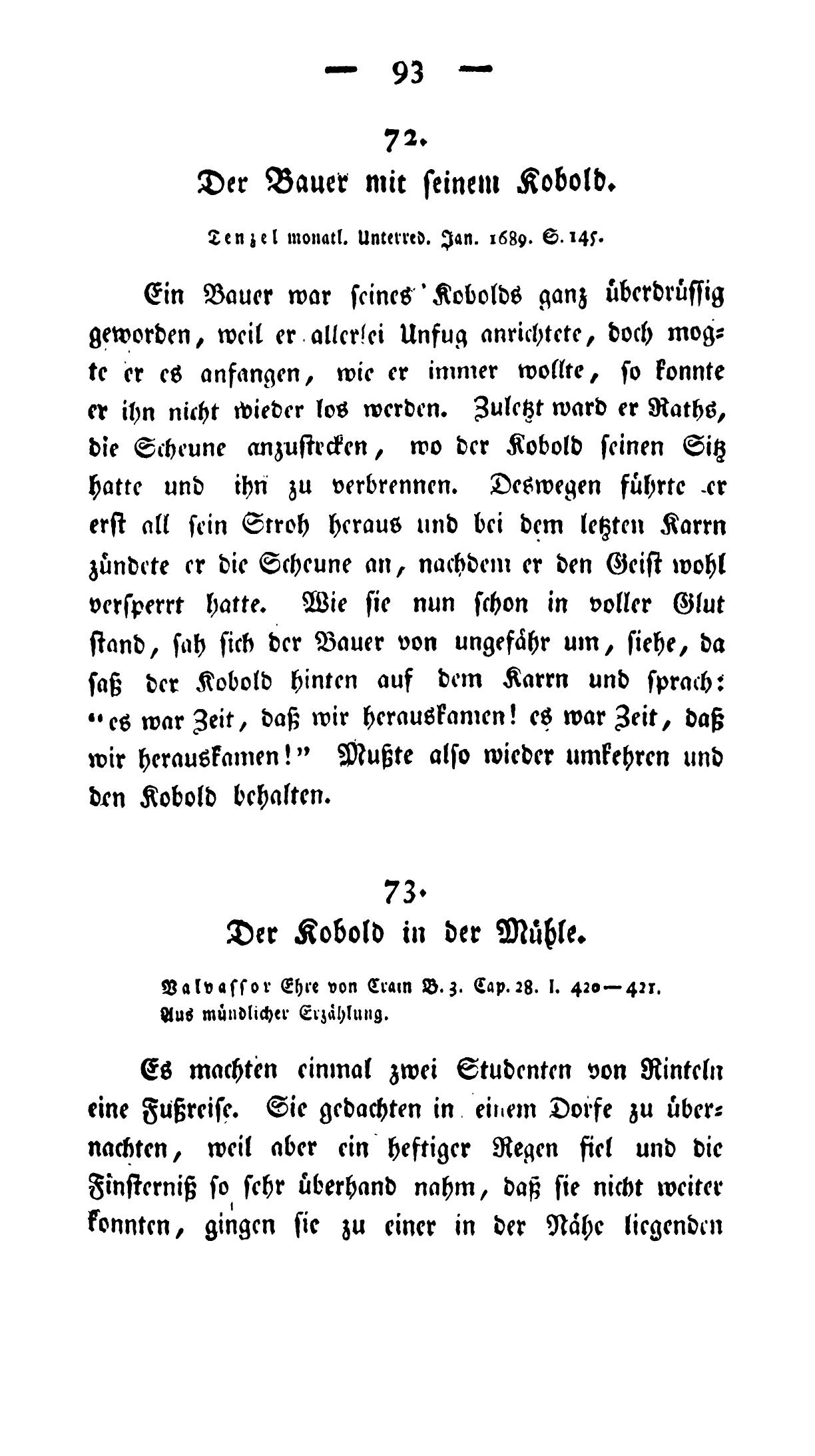
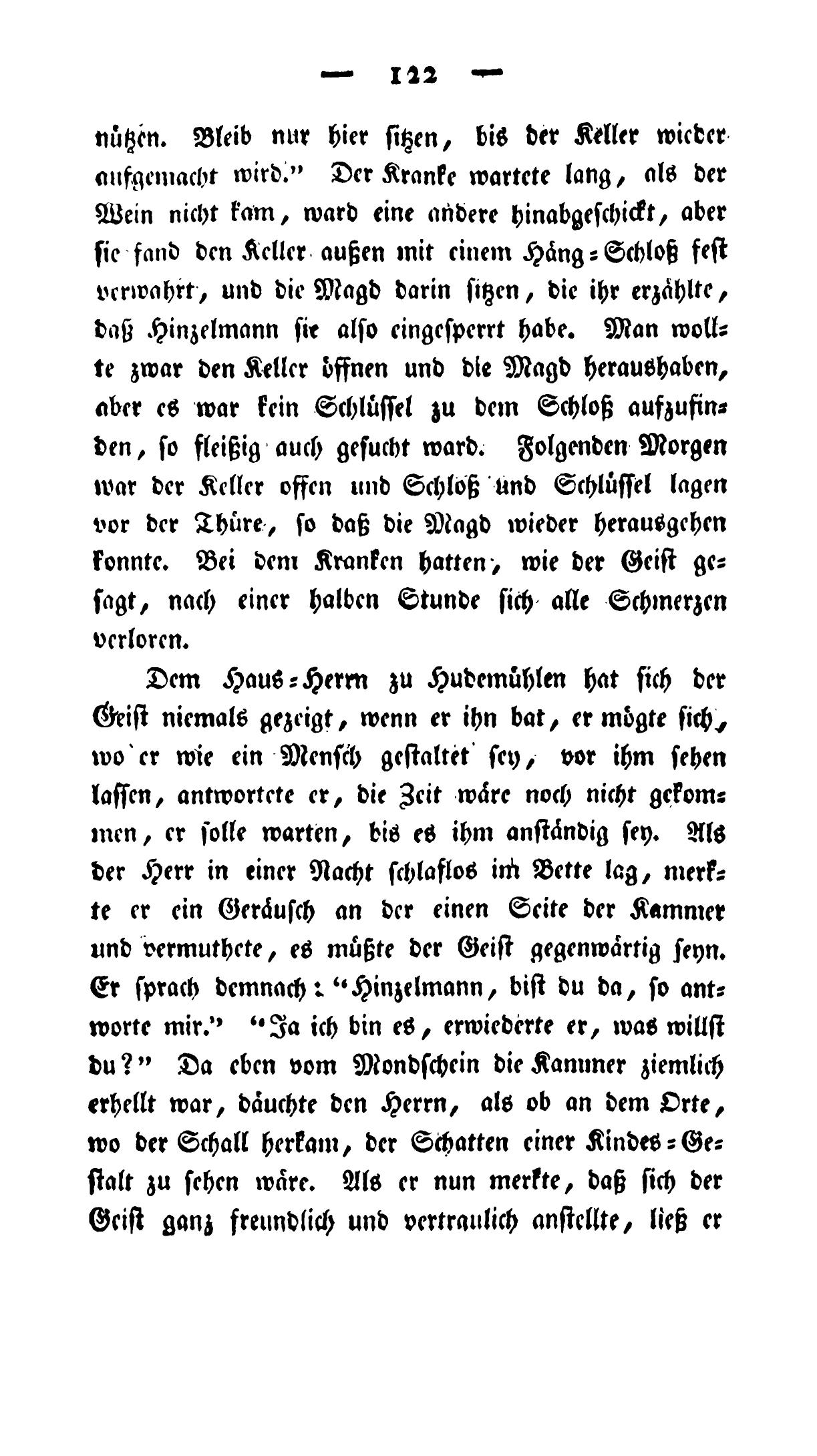
The first volume holds 362 brief tales, each accompanied by a source. Some sources are marked as "oral," noting the region of collection—for instance, tale number 1, *Die drei Bergleute im Kuttenberg* ("the three miners in Kuttenberg"), is labeled "oral" from Hessen. Others cite a previous publication, like number 362, *Die drei Alten* ("The three old men"), attributed to "Schmidt aus Lübek" in the *Freimüthigen* from 1809. These stories often blend the everyday concerns of the poor and working classes with magical realism, featuring themes of wealth and status. They include figures such as Frau Holle, the Wild Hunt, ghosts, magic, the devil, dwarves, giants, kobolds, and nixes. Fewer than a dozen tales use the German word for witch or witchcraft (*hexen*), but many mention the devil, and tale number 120 refers to an old woman who was a magician or sorceress (*ein altes Weib, das eine Zauberin war*).
The second volume (entries 363 to 579) concentrates on historical legends. It includes numerous translations from Latin sources related to Germanic antiquity, starting with Tacitus (number 363, *Der heilige Salzfluß* "the sacred salt-river," from *Annales* XIII.57). The entries span medieval legends, such as number 576, *Hungersnoth im Grabfeld* ("famine in Grabfeld," from the *Annales Fuldenses* for the year 850), and early modern folkloristic records, like number 579, *Die Gräfin von Orlamünde* ("the countess of Orlamünde," attributed to Wolfgang Lazius and an edition of Waldenfels from 1677). This volume blurs the line between oral folk tradition and literary tradition. Numbers 505 through 514 group several Swiss entries, including tales about Radbot von Habsburg (505), Rudolf von Strättlingen (506), Idda von Toggenburg (507), *Auswanderung der Schweizer* (508), *Der Bund im Rütli* (511), and Wilhelm Tell (512).
- Published
- 1816 (volume 1), 1818 (volume 2)
- Total tales
- 579
- First volume tales
- 362
- Second volume tales
- 217 (entries 363–579)
- First full english translation
- 1979 by Donald J. Ward
- Field
- Folk narrative, German folklore
Lore & Background
The first volume contains 362 short tales, provided in short summary with a source. The source is in some cases "oral", with the region where it was collected (as in no. 1, Die drei Bergleute im Kuttenberg "the three miners in Kuttenberg", marked "oral" from Hessen), in other cases with a reference to the tale's previous publication (as in no. 362, Die drei Alten "The three old men", attributed to "Schmidt aus Lübek", im Freimüthigen 1809. Nr. 1). The tales of the first volume tend to blend common concerns of the poor and working classes with magical realism including the attainment of wealth and status, and includes references to Frau Holle, the Wild Hunt, ghostly apparitions, and magic, the devil, dwarves, giants, kobolds, nixes, etc. Less than a dozen folk tales contain the German word for witch or witchcraft (hexen) but there are many mentions of the devil and one tale (#120) also mentions an old woman that was a magician or sorceress (ein altes Weib, das eine Zauberin war).
Reader's Guide
The second volume (entries numbered 363–579) focusses on historical legends, including numerous translations from Latin sources pertaining to Germanic antiquity, beginning with Tacitus (no 363. Der heilige Salzfluß "the sacred salt-river", Annales XIII. 57), spanning both medieval legend (e.g. no. 576. Hungersnoth im Grabfeld "famine in Grabfeld", Annales Fuldenses ad ann. 850) and early modern folkloristic records (e.g. no. 579 Die Gräfin von Orlamünde "the countess of Orlamünde", attributed to Wolfgang Lazius de migratione gentium libri VII in the edition of Waldenfels, antiquitatis selectae libri XII 1677, 4.465-474), blurring the lines between oral folk tradition and literary tradition. Numbers 505–514 group a number of Swiss entries, including Radbot von Habsburg (505), Rudolf von Strättlingen (506), Idda von Toggenburg (507), Auswanderung der Schweizer (508), Der Bund im Rütli (511) and Wilhelm Tell (512). A number of the stories record medieval antisemitic beliefs held by Germanic-speaking peoples, such as The Jews' Stone, The Girl Who Was Killed by Jews, and Pfefferkorn the Jew at Halle. A few of the tales were translated in the nineteenth century by various authors, but the first full translation into English was Donald J. Ward's The German Legends of the Brothers Grimm (1979).
Did You Know?
- The collection includes 579 short summaries of German folk tales and legends.
- The first volume contains 362 tales, the second volume entries 363–579.
- The first full English translation was published in 1979 by Donald J. Ward.
Structure and Sourcing Methodology
The Brothers Grimm published Deutsche Sagen in two volumes, the first in 1816 and the second in 1818, together comprising 579 brief summaries of Germanic folk narratives. The term "German" here extends beyond modern German-speaking borders, reaching back into early Germanic history. The first volume gathers 362 short tales, each presented as a concise summary accompanied by a source attribution. These sources vary considerably: some entries are marked simply as "oral" with a regional origin, such as the tale of three miners in Kuttenberg, noted as collected orally in Hessen, while others cite a prior printed publication, like the story of three old men attributed to Schmidt aus Lübek in the 1809 journal Freimüthigen. The second volume, spanning entries 363 through 579, shifts toward historical legend, drawing heavily on Latin sources from Germanic antiquity. It opens with a passage from Tacitus's Annales and stretches through medieval chronicles and early modern folkloristic compilations, deliberately blurring the boundary between oral tradition and written literary heritage. A notable cluster of Swiss entries, numbered 505 through 514, includes figures such as Radbot von Habsburg, Rudolf von Strättlingen, and the famous Wilhelm Tell.
Thematic Landscape and Cultural Content
The tales in Deutsche Sagen weave together the everyday preoccupations of poor and working-class communities with a rich tapestry of magical and supernatural elements. Characters and motifs include Frau Holle, the Wild Hunt, ghostly apparitions, dwarves, giants, kobolds, and nixes, alongside recurring themes of attaining wealth and social status through magical intervention. The devil appears frequently throughout the collection, yet the specific German word for witch or witchcraft (hexen) surfaces in fewer than a dozen entries. One notable exception is tale number 120, which references an old woman identified as a sorceress. This distribution suggests the Brothers Grimm were cataloguing a broader spectrum of the supernatural rather than focusing narrowly on witchcraft. However, the collection also preserves a troubling dimension of medieval and early modern belief: several stories record antisemitic narratives held among Germanic-speaking peoples, including tales titled The Jews' Stone, The Girl Who Was Killed by Jews, and Pfefferkorn the Jew at Halle. These entries serve as historical documents of prejudice as much as folklore, complicating the collection's legacy as a neutral repository of cultural memory.
Scholarly Ambition and Popular Shadow
Deutsche Sagen arrived on the literary scene in the wake of the Brothers Grimm's far more celebrated Kinder- und Hausmärchen, published in 1812 and widely known in English as Grimms' Fairy Tales. Despite sharing the same authors and a similar interest in Germanic narrative tradition, the Legends collection never achieved the broad popular appeal or cultural influence of its fairy-tale predecessor. Where Kinder- und Hausmärchen became a household staple and a touchstone for generations of readers, Deutsche Sagen remained largely a work for specialists. Its format—concise summaries paired with source citations rather than fully rendered narrative prose—reflected a scholarly sensibility aimed at documenting and cataloguing rather than entertaining. Nevertheless, the collection left a meaningful mark on the academic study of folk narrative, providing researchers with a structured, sourced compendium that could be referenced and built upon. The Brothers Grimm thus occupied a dual position: as popular storytellers through their fairy tales, and as rigorous folklorists through their legends, with the latter work continuing to inform scholarly discourse long after the former had secured its place in the public imagination.
English-Language Reception and Modern Access
For much of the nineteenth century, English-speaking readers encountered Deutsche Sagen only in fragments. A succession of translators rendered small selections: Thomas Roscoe published twelve tales in 1826, Thomas Keightley contributed nineteen in 1828, Thomas Crofton Croker added three that same year, William Thoms offered ten in 1834, and Joseph Snowe translated a single entry in 1839. Blackwood's Magazine printed fourteen more in 1844. These scattered efforts, while introducing individual stories to Anglophone audiences, fell far short of presenting the full collection. It was not until 1979 that Donald J. Ward produced the first complete English translation, published in two volumes by the Institute for the Study of Human Issues in Philadelphia under the title The German Legends of the Brothers Grimm. Today, the original German text is freely accessible online through platforms such as Wikisource and Projekt Gutenberg-DE, making the entire 579-entry collection available to any reader without cost. This digital availability has democratized access to a work that, for over a century, was confined to the shelves of specialists and a handful of partial translations.
Gallery
Frequently Asked Questions
What is Deutsche Sagen?
Deutsche Sagen is a two-volume anthology of German folk narratives and historical legends compiled by Jacob and Wilhelm Grimm. It gathers 579 brief tale summaries drawn from oral traditions across German-speaking Europe and early Germanic history.
How many stories does Deutsche Sagen contain?
The collection holds 579 entries in total: 362 in the first volume and 217 in the second. Each entry is a concise, source-cited summary rather than a fully expanded narrative.
When was Deutsche Sagen published?
Volume one appeared in 1816 and volume two followed in 1818, placing its release two to four years after the Grimms' better-known 1812 Kinder- und Hausmärchen.
How does Deutsche Sagen differ from Grimms' Fairy Tales?
Where Kinder- und Hausmärchen presents fully told stories for a general readership, Deutsche Sagen offers short, source-attributed summaries geared toward scholarly reference. It also covers a wider range of material, including historical legends and regional folklore, rather than focusing on narrative fairy tales.
Why is Deutsche Sagen considered important to folklore studies?
Although it never matched the popular reach of the Grimms' fairy tale collection, it became a foundational reference for the academic study of Germanic folk narratives. Its structured, source-attributed format helped establish early methods for cataloguing and analyzing oral tradition in folklore scholarship.
More in German folklore 1-24
Spotted an error? Know more?
Reader corrections go straight into our review queue. Suggest an edit · How this site is sourced