Brocken
Highest peak in Northern Germany, shrouded in mist and legend.

W. Bulach · CC BY-SA 4.0
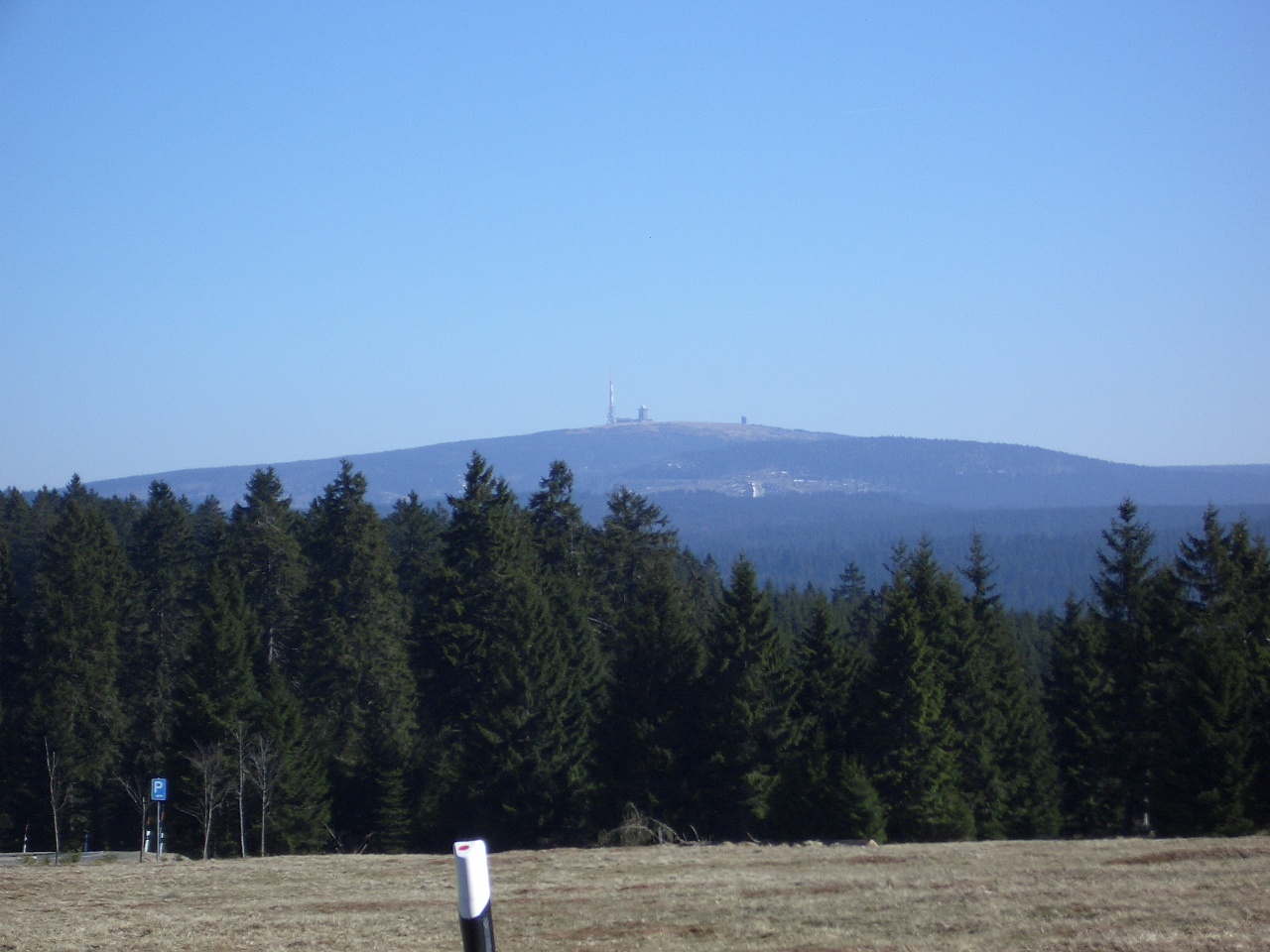
Brocken, also called Blocksberg, rises 1,141 meters (3,743 feet) near Schierke in Saxony-Anhalt, Germany, sitting between the Weser and Elbe rivers. As the highest summit in both the Harz range and all of Northern Germany, it is subalpine, yet its microclimate is comparable to mountains nearly 1,000 meters (3,300 feet) taller. Snow covers its treeless peak from September to May, and fog or mist wraps around it up to 300 days each year. The average annual temperature is just 2.9 °C (37.2 °F). It is the easternmost notable mountain in northern Germany; the next significant rise directly east lies in Poland and the Czech Republic (e.g., the Sudetes), not Russia’s Ural Mountains.
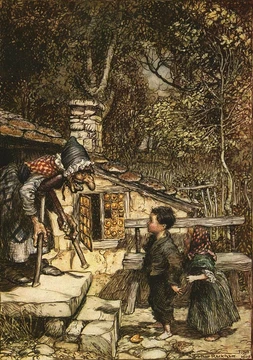
Legends have long tied Brocken to witches and devils, and Johann Wolfgang von Goethe wove these tales into his two-part tragedy *Faust*. The Brocken spectre—an eerie optical illusion where a climber’s shadow is cast onto fog—is common here.
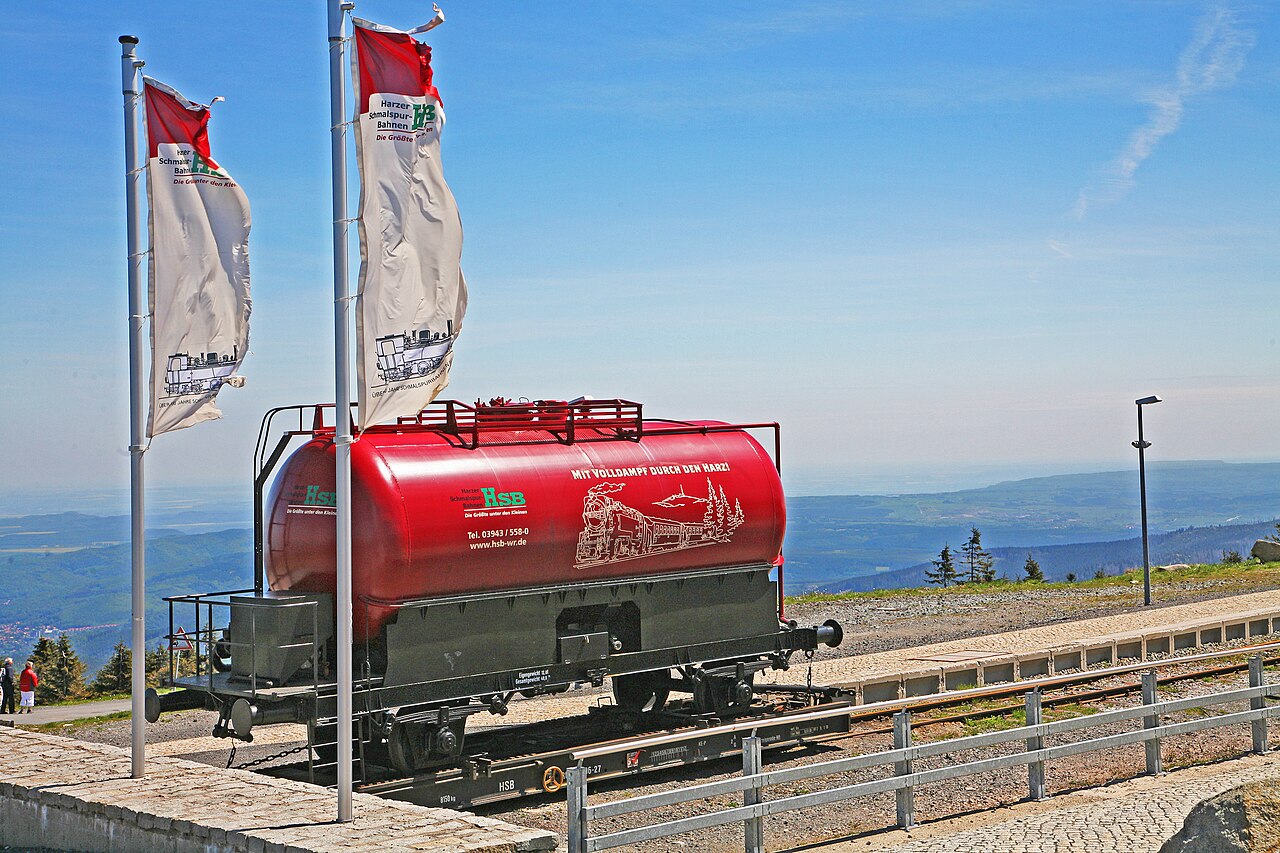
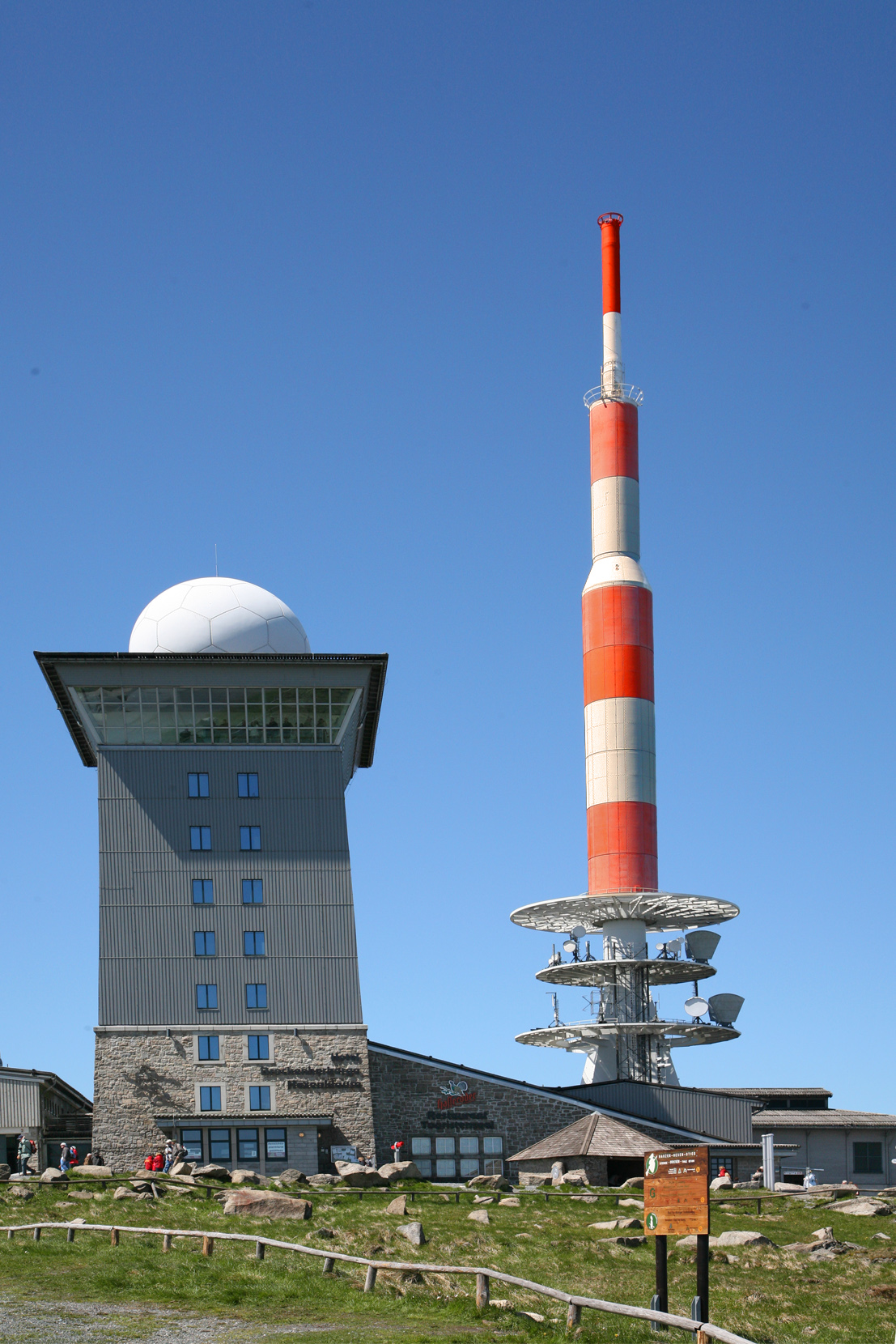
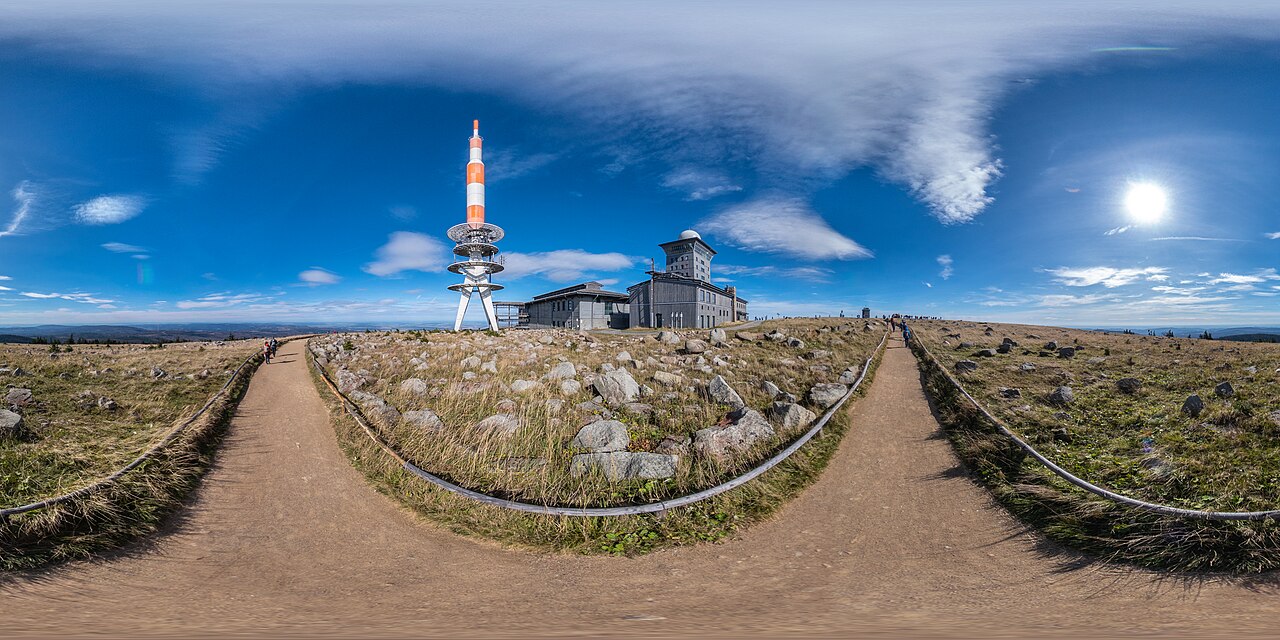
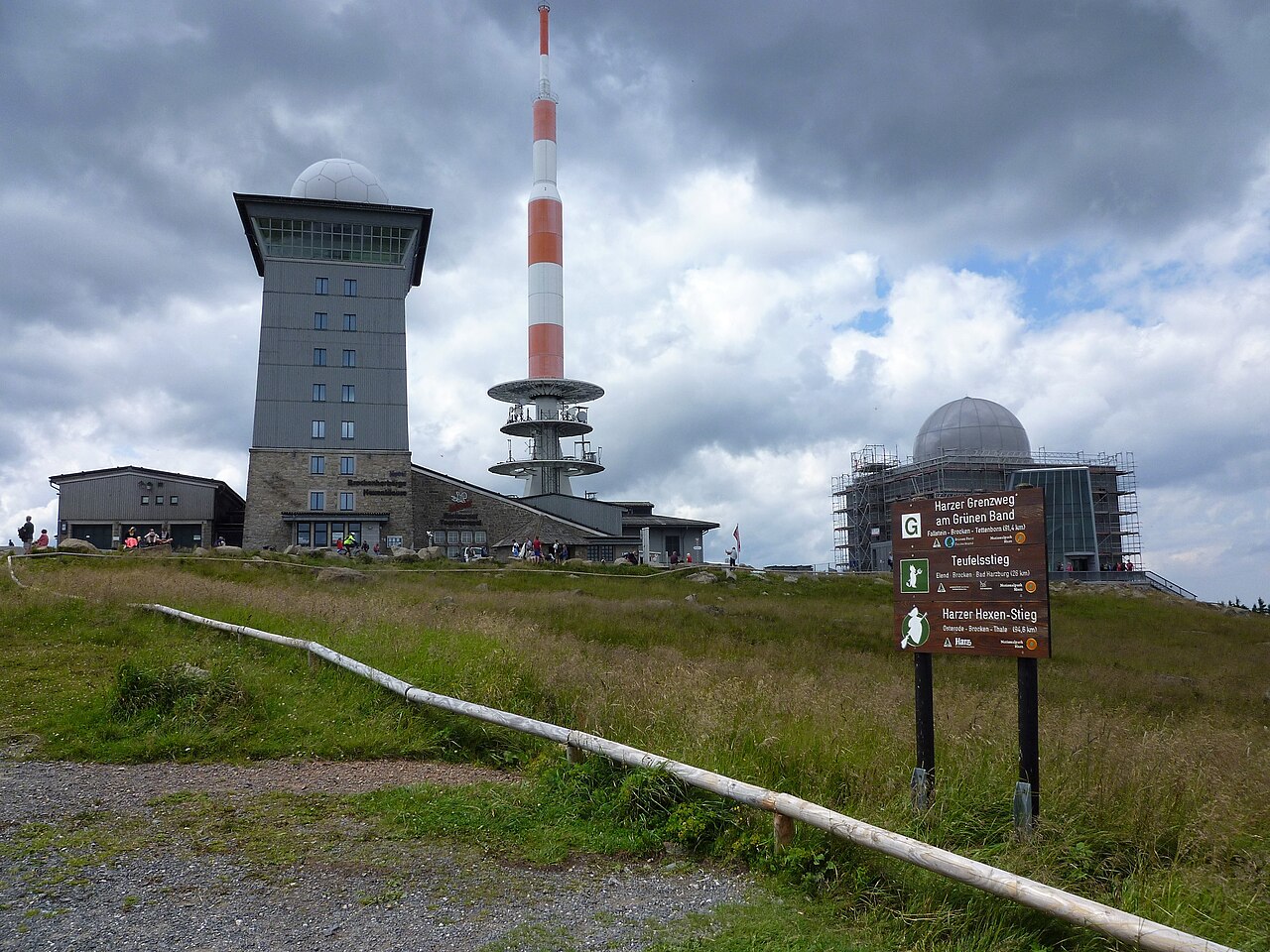
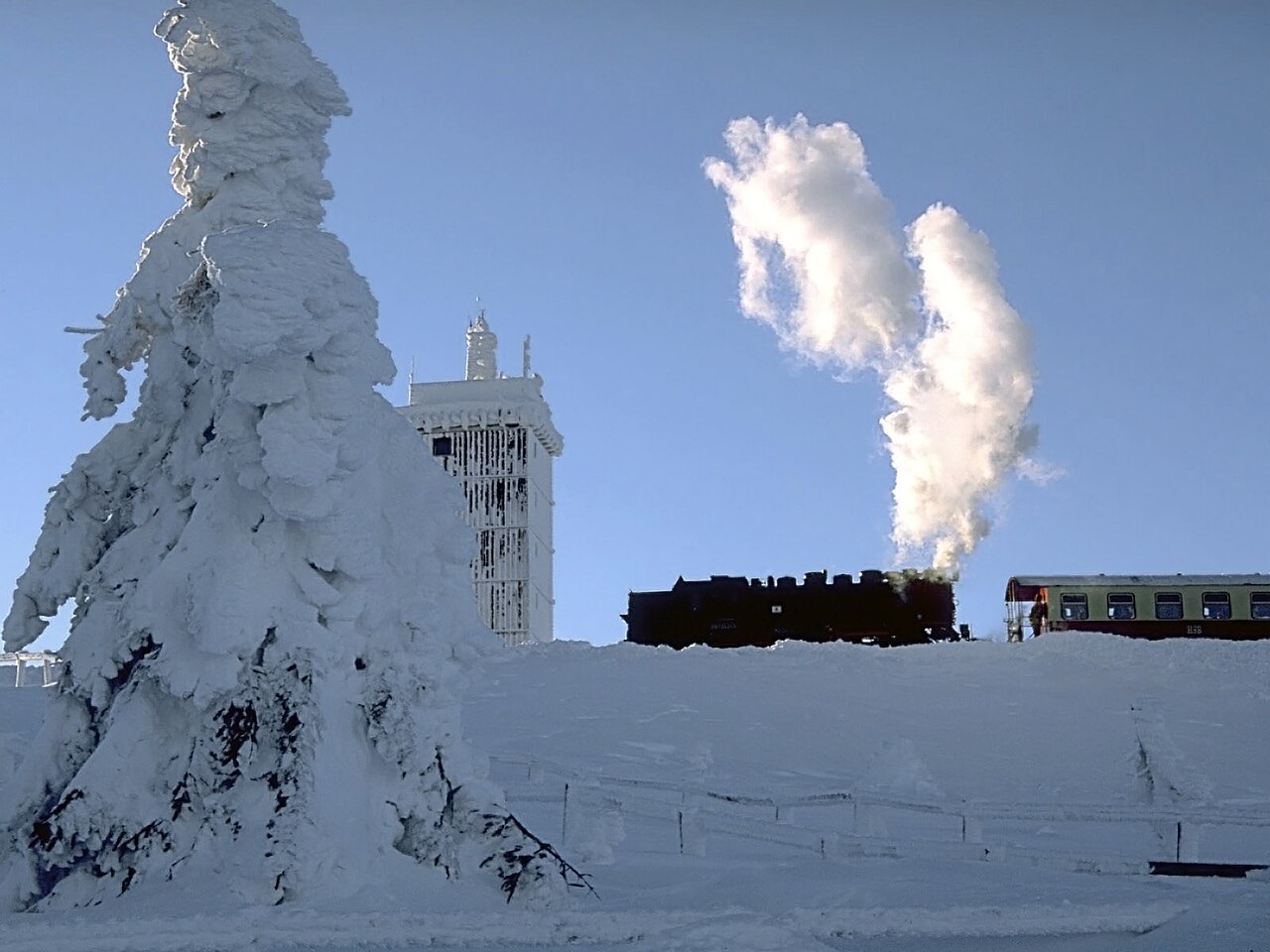
Today, Brocken sits within Harz National Park and features a historic botanical garden with about 1,600 alpine plants. The narrow-gauge Brocken Railway carries visitors to a station at 1,125 meters (3,691 feet). FM-radio and television broadcasting make heavy use of the mountain. The old television tower, Sender Brocken, now serves as a hotel and restaurant, and its observation deck is open to tourists.
**Geography**
**Location** Brocken rises inside Harz National Park in the Harz district. The main town, Wernigerode, lies about 12 kilometers (7.5 miles) east-northeast. The state border with Lower Saxony passes roughly 2 kilometers (1.2 miles) west. At the southeastern foot sits the spa resort of Schierke. Just north below the summit is the Brockenteich reservoir, built in 1739. The mountain holds the source areas of the Bode, Ecker, Ilse, and Oder rivers. Its rounded, treeless peak is covered with dwarf shrubs.
**Summit and Subpeaks** The highest point reaches 1,141.1 meters above sea level (3,744 feet). Subpeaks include Heinrichshöhe (1,040 meters or 3,410 feet), Königsberg (1,034 meters or 3,392 feet), and Kleiner Brocken (1,018 meters or 3,340 feet). Before 1989, maps and books listed the height as 1,142 meters (3,747 feet). A survey in the early 1990s using a new reference system gave 1,141.1 meters (3,744 feet).
- Elevation
- 1,141 m (3,743 ft)
- Location
- Saxony-Anhalt, Germany
- Mountain range
- Harz
- Type
- Granite pluton
- Mean annual temperature
- 2.9 °C (37.2 °F)
- Known for
- Brocken spectre, witches' legends, extreme weather
Lore & Background
Brocken rises over Harz National Park in the district of Harz, whose main town of Wernigerode lies about 12 km east-northeast of the mountain. The state boundary with Lower Saxony runs past Brocken some 2 km to the west. At the south-eastern foot lies the spa resort of Schierke. The rounded summit is treeless, vegetated with dwarf shrubs, and has a reservoir, Brockenteich, constructed in 1739. The mountain's subpeaks include Heinrichshöhe (1,040 m), Königsberg (1,034 m), and Kleiner Brocken (1,018 m). Before 1989, its height was recorded as 1,142 m; a later survey gave 1,141.1 m, and granite boulders were set to mark the new datum.
Geologically, Brocken consists mainly of Brocken granite, an igneous rock formed about 300 million years ago during the Upper Carboniferous.
Reader's Guide
Brocken holds significance as the highest peak in Northern Germany and a site of extreme weather, with a microclimate comparable to alpine zones nearly 1,000 m higher. Its elevation above the tree line and frequent fog create the Brocken spectre, an optical illusion that has fueled legends of witches and devils, famously incorporated by Goethe into Faust. The mountain is a key location for FM-radio and television broadcasting, and its old television tower now serves as a hotel and restaurant with an observation deck. The Brocken Railway, a narrow-gauge steam line, brings visitors to the summit. The Brocken Garden, established in 1890, nurtures alpine flora, including rare species like the Brocken flower and Brocken hawkweed. The mountain's granite geology, including blockfields designated as a National Geotope, provides insight into the region's geological history. Its harsh climate supports unique fauna such as the dark-colored viviparous lizard and ice-age relic species like the northern bat and alpine shrew. Brocken's role in folklore, science, and tourism makes it a notable landmark in central Europe.
Did You Know?
- Brocken has a microclimate resembling that of mountains nearly 1,000 m (3,300 ft) higher, despite being subalpine.
- The Brocken spectre is a phenomenon where a climber's shadow cast upon fog creates eerie optical effects.
- Brocken holds the German record for the greatest number of days of mist and fog in a single calendar year: 330 in 1958.
- The mountain's granite blockfields are at least 10,000 years old and were designated a National Geotope in 2006.
Extreme Climate and Weather Records
Brocken's atmosphere defies expectations for a peak of only 1,141 metres in northern Germany. Its exposed position above the natural tree line produces conditions comparable to alpine zones at 1,600 to 2,200 metres, or even to Iceland's highlands. The mean annual temperature hovers at a frigid 2.9 °C, snow blankets the summit from September through May, and fog enshrouds the peak on as many as 300 days each year. It records the highest precipitation of any point in northern central Europe, averaging 1,814 mm per year. The on-site weather station has logged staggering extremes: a gust of 263 km/h in November 1984, a deep-winter low of −28.4 °C in February 1956, and a summer high of 29.7 °C in July 2019. In 1973, snow persisted for 205 days, and in April 1970 the snowpack swelled to 380 cm. Yet the average summer temperature still clears 10 °C, technically excluding Brocken from a true alpine climate classification.
Geological Origins and the Blockfields
The Brocken massif is built almost entirely of granite that crystallized roughly 300 million years ago during the Upper Carboniferous. The sequence began with alkaline magma forcing its way into overlying sediments, producing gabbro and diorite bodies, after which silica-rich granitic magma largely melted existing sediments in place to form the Brocken granite. The mountain's iconic rounded shape and its scattered blockfields of loosely stacked boulders owe their existence to periglacial conditions during the ice ages and their retreat. Frost shattering was the principal sculptor, and these formations are at least 10,000 years old. Such blockfields are exceedingly rare in Central Europe outside the Alps. The granite's survival at elevation is credited not to any special hardness but to a weather-resistant hornfels cap that shielded it from erosion until the Upper Cretaceous uplift stripped that layer away. In 2006, the Brocken blockfields received National Geotope status alongside 76 other notable sites.
Folklore, Literature, and the Brocken Spectre
For centuries Brocken has been inseparable from German witchcraft and demonic lore, its persistent mist and fog—blanketing the summit up to 300 days a year—providing the perfect atmospheric stage for supernatural tales. Johann Wolfgang von Goethe wove these legends into his two-part tragic play Faust, anchoring the mountain permanently in the literary imagination. The so-called Brocken spectre is a natural optical effect in which a climber's shadow, thrown onto a low fog bank, swells into a towering, haloed silhouette that seems to float above the clouds. This eerie phenomenon almost certainly fed generations of witch-gathering and devil-worship stories. The mountain's geographic isolation reinforced its otherworldly aura: it is the easternmost peak in northern Germany, with no comparable elevation appearing again until the Ural Mountains in Russia. Even the alternate name Blocksberg carries an uncanny resonance, deepening Brocken's identity as a threshold between the ordinary and the supernatural.
Modern Infrastructure, Science, and Tourism
Within Harz National Park, Brocken now serves as a hub for both scientific study and public recreation. A historic botanical garden on the slopes cultivates roughly 1,600 species of alpine mountain plants, demonstrating flora adapted to the harsh conditions above the tree line. The Brocken Railway, a narrow-gauge steam line, carries visitors up to a station perched at 1,125 metres, offering a nostalgic ride through the Harz landscape. The former television transmitter, Sender Brocken, has been converted into a hotel and restaurant with a public observation deck, while the site continues to support FM radio and television broadcasting for the region. The rounded, treeless summit is carpeted with dwarf shrubs, and the surrounding area hosts the Brockenteich reservoir, constructed in 1744, as well as the source areas of the Bode, Ecker, Ilse, and Oder rivers. The spa town of Schierke nestles at the south-eastern foot, while Wernigerode, the district's main town, sits roughly 12 kilometres to the east-northeast.
Gallery
Frequently Asked Questions
What is Brocken?
Brocken, also known as Blocksberg, is a granite summit in the Harz range of Saxony-Anhalt that stands at 1,141 meters, making it the highest point in all of Northern Germany. Its perpetually fog-shrouded, treeless top has long served as the natural backdrop for German mountain folklore.
What is the Brocken spectre?
The Brocken spectre is an optical effect in which a person's shadow is projected onto a dense wall of fog, producing the illusion of a giant, luminous figure looming above the viewer. Documented since the 1600s, it remains one of the most celebrated natural phenomena in Germany.
What role do witches play in Brocken's legends?
In traditional Northern German folklore, the peak is the meeting ground for the witches' sabbath, where coven members supposedly gathered to perform dark rituals under the cover of mist. These tales cemented Brocken's reputation as a liminal, otherworldly threshold in the region's storytelling.
Why is Brocken so important in German folklore?
As the tallest summit north of the Alps, Brocken naturally became the focal point for mountain myths, witch legends, and atmospheric marvels in Northern German culture. Its extreme microclimate—fog on roughly 300 days a year and snow from September through May—gave it an almost supernatural, ever-hidden character that fueled those stories.
Where exactly is Brocken located?
The peak rises near the village of Schierke in Saxony-Anhalt, sitting between the Weser and Elbe river basins. It is the easternmost notable mountain in northern Germany and the highest point in the Harz range.
More in German folklore 1-24
Spotted an error? Know more?
Reader corrections go straight into our review queue. Suggest an edit · How this site is sourced