Düsseldorf's cartwheeler
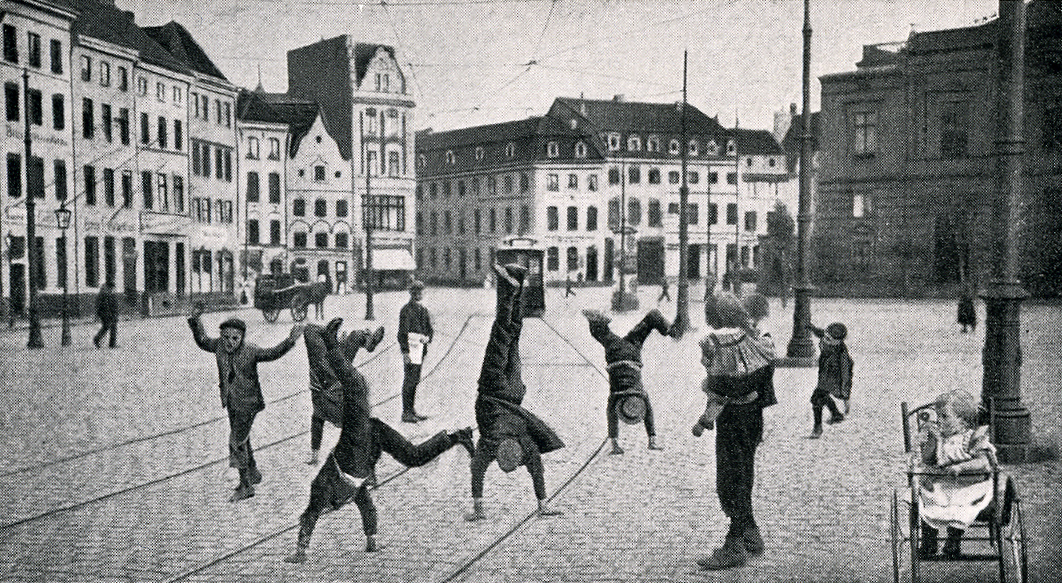
Oldest tradition of Düsseldorf, symbolized by cartwheeling children.

Jula2812 · CC BY-SA 4.0
The Düsseldorf cartwheeler, known in German as the *Radschläger*, is the city’s oldest tradition and has become one of its most famous symbols. In 1954, this custom was commemorated with the Cartwheeler’s Fountain, installed at Burgplatz.
The exact origin of the practice is unclear, though several stories have emerged. The most popular version links it to the 1288 Battle of Worringen, where Count Adolf VIII of Berg defeated the Archbishop of Cologne, leading to Düsseldorf receiving city rights. According to this tale, the custom began with residents—especially children—cartwheeling through the streets out of joy. Another story involves a wedding procession where a carriage wheel broke; a boy jumped in to hold the wheel, averting disaster. Whether this wedding was that of Jan Wellem (Johann Wilhelm) and Anna Maria Luisa de' Medici (married 1691), or of Margravine Jakobea of Baden and a different Johann Wilhelm of Jülich-Cleves-Berg (died 1609), is debated. In the latter version, the unhappy bride reportedly laughed at the cartwheelers’ skill.
In the late 19th and early 20th centuries, children discovered that cartwheeling was a profitable way to earn money from visitors attending major exhibitions—precursors to modern fairs. Wealthy tourists paid them up to a penny, viewing the act as a local and patriotic symbol. In 1947, when the war-evacuated Jan-Wellem monument was returned to the city, cartwheeling boys accompanied the procession alongside torches and fanfares.
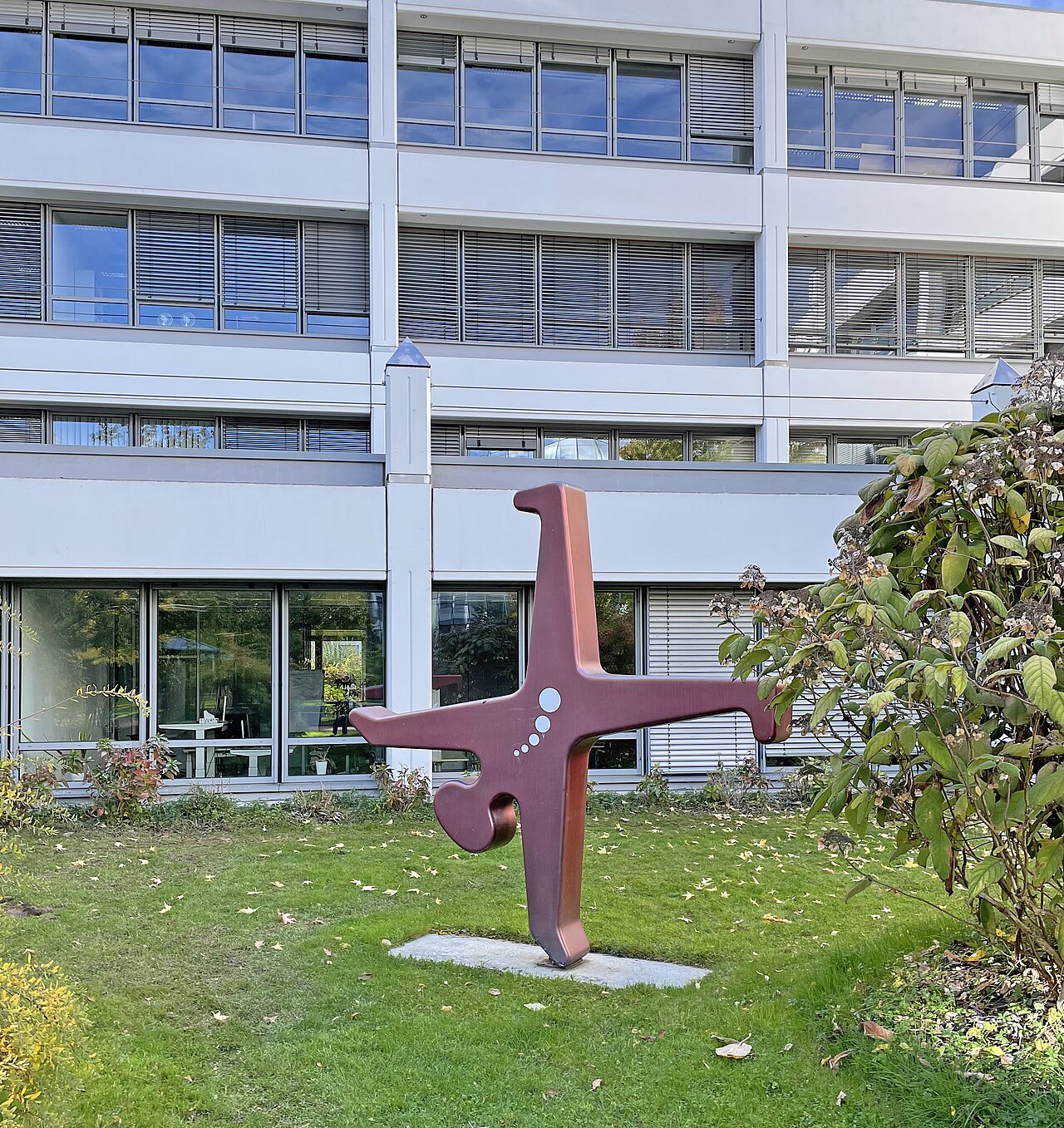
Cartwheelers appear in several city fountains. The most famous is the Cartwheeler Fountain at Burgplatz, created in 1954 by Alfred Zschorsch, bearing the inscription by Hans Müller-Schlösser: “Radschläger wolle mer blieve, wie jeck et de Minschen och drieve” (“We want to keep being cartwheelers, no matter how crazy the world might be”). Friedrich Becker’s design from the late 1950s is the best known; his “Radschläger cube” from 1995 stands on Klosterstrasse. In 2022, a sculpture based on his design was erected at the Düsseldorf University of Applied Sciences.
The tradition is actively maintained by the Alde Düsseldorf civil society, founded in 1920, which held the first cartwheeler competition on 17 October 1937.
- Field
- Cultural tradition
- Nationality
- German (Düsseldorf)
- Known for
- Cartwheeling as a symbol of Düsseldorf
- Tradition origin
- Uncertain; earliest known story tied to 1288 Battle of Worringen
Lore & Background
The origin of the custom cannot be pinned down to a single historic event, but several stories have appeared around it. The best known version is the battle of Worringen. Adolf VIII, Count of Berg, defeated the Archbishop of Cologne in this battle in 1288. As a result of the victory, Düsseldorf received city rights. According to the story, the custom stems from the population and especially the children running for joy and making cartwheels on the streets.
Another narrative style is about a wedding procession, in which the wedding carriage's wheel broke. To ward off the impending disaster, a boy jumped into a coach, and held the wheel. Whether the wedding was that of Jan Wellem (Johann Wilhelm) and Anna Maria Luisa de' Medici (married 1691) or of the Margravine Jakobea of Baden and a different Johann Wilhelm of Jülich-Cleves-Berg (died 1609), is controversial.
Reader's Guide
The cartwheeler tradition is the oldest in Düsseldorf and has become a defining landmark of the city. Its significance is reflected in multiple public artworks, most notably the Cartwheeler Fountain (Radschlägerbrunnen) in Burgplatz, created in 1954 by Alfred Zschorsch, with an inscription by Hans Müller-Schlösser. Friedrich Becker's design from the late 1950s is the best known; his 'Radschläger cube' from 1995 is on Klosterstrasse, and a sculpture based on his design was erected at the Düsseldorf University of Applied Sciences in 2022.
The tradition is kept alive by the Alde Düsseldorf civil society of 1920, which conducted the first cartwheeler competition on 17 October 1937. Since 1971, it was held annually by boys and girls in June on the Königsallee, and since 2006 on the Rheinwerft below the old town, becoming an integral part of the Düsseldorf event program. More than 500 boys and girls participate each year. In 2001, the project Radschläger-Kunst (Cartwheeler-Art) started, consisting of over 100 cartwheeler sculptures by professional and amateur artists, using Saint Lambertus Church door knockers as a starting model. These two-meter-high, 30-centimeter-deep sculptures were distributed in the urban area, with only a part purchased at the end of the year from private individuals or companies.
Did You Know?
- The Cartwheeler Fountain in Burgplatz was erected in 1954.
- The first cartwheeler competition was held on 17 October 1937 by the Alde Düsseldorf civil society of 1920.
- More than 500 boys and girls participate in the annual cartwheeler competition.
- In 2001, the Radschläger-Kunst project created over 100 cartwheeler sculptures, each two meters high and 30 centimeters deep.
Origins Woven from Legend and Joy
The cartwheeler tradition of Düsseldorf cannot be traced to one definitive event. Instead, multiple narratives have grown around it over the centuries. The most celebrated version links the custom to the Battle of Worringen in 1288, when Adolf VIII, Count of Berg, defeated the Archbishop of Cologne. That victory reportedly granted Düsseldorf its city rights, and the story goes that the townspeople—particularly the children—celebrated by cartwheeling through the streets in pure elation. A second, more romantic narrative centers on a wedding procession whose carriage wheel broke mid-ceremony. A boy leapt into the coach to hold the wheel steady, averting disaster. The couple in question remains debated: some say it was Jan Wellem and Anna Maria Luisa de' Medici, while others point to the Margravine Jakobea of Baden and Johann Wilhelm of Jülich-Cleves-Berg. In the latter telling, the bride was reportedly unhappy with her match, yet the cartwheelers' skill and the coach's antics managed to draw a laugh from her.
The Cartwheeler Carved into the Cityscape
The cartwheeler figure has become deeply embedded in Düsseldorf's urban landscape through numerous sculptural and fountain installations. The most iconic is the Cartwheeler Fountain on Burgplatz, erected in 1954 and designed by Alfred Zschorsch. It bears an inscription by Hans Müller-Schlösser declaring, in spirit, that the city wants to keep being cartwheelers no matter how crazy the world might be—a statement of stubborn local identity. Friedrich Becker's late-1950s design became the most widely recognized cartwheeler image in the city. His 1995 Radschläger cube now stands on Klosterstrasse, and in 2022 a sculpture based on his design was installed at the Düsseldorf University of Applied Sciences. In 2001, the Radschläger-Kunst project launched, commissioning over 100 cartwheeler sculptures from both professional and amateur artists. Using the door knockers of Saint Lambertus Church as a starting model, each piece measures two meters in height and width with a 30-centimeter depth. They were scattered throughout the urban area, with only a portion ultimately purchased by private individuals or companies at the project's close.
A Living Tradition Kept by the Community
The cartwheeler is not merely a historical curiosity but a living, participatory tradition maintained by the community. The civil society Alde Düsseldorf, founded in 1920, has been central to keeping the custom alive. They organized the first cartwheeler competition on 17 October 1937. Since 1971, the event has been held annually in June, open to both boys and girls. The venue shifted over the decades: it was staged on the Königsallee for many years before moving in 2006 to the Rheinwerft, a site below the old town. Today, more than 500 children participate each year, and the competition has become an integral fixture in Düsseldorf's annual events calendar. The tradition also reasserted itself during moments of collective emotion. In 1945, when the war-evacuated Jan-Wellem monument was returned to the city, the procession was accompanied not only by torches and fanfare but also by cartwheeling boys, linking the custom to the city's post-war renewal.
From Street Performance to Civic Emblem
What began as spontaneous street play or a wartime celebration evolved into a recognized civic emblem. In the late 19th and early 20th centuries, Düsseldorf hosted major exhibitions that attracted waves of bourgeois travelers. Local children quickly realized that performing cartwheels for these visitors was a profitable enterprise; the incoming guests would pay them up to a penny, believing they were witnessing a local and patriotic symbol. This commercialization, however, did not diminish the tradition's cultural weight—it reinforced it. By the mid-20th century, the cartwheeler had secured its place as one of Düsseldorf's most famous landmarks, a status formally honored with the 1954 fountain. The tradition's endurance across centuries, its presence in fountains, sculptures, and annual competitions, and its ability to adapt from spontaneous joy to organized competition to public art projects, underscores its role as a defining thread in the city's collective identity.
Gallery
Frequently Asked Questions
What is Düsseldorf's cartwheeler (Radschläger)?
The Radschläger is a long-standing local custom in which children cartwheel through the streets of Düsseldorf, serving as the city's oldest and most recognizable cultural emblem. It is a participatory folk tradition rather than a single mythological character, embodying communal celebration and civic pride.
Where does the Düsseldorf cartwheeler tradition come from?
The precise origin remains unknown, but the most widely told version traces the practice back to the 1288 Battle of Worringen. In that account, after Count Adolf VIII of Berg defeated the Archbishop of Cologne and Düsseldorf was granted city rights, local children began cartwheeling through the streets in jubilation.
Is there a monument dedicated to the cartwheeler?
Yes—the Cartwheeler's Fountain (Radschlägerbrunnen) was installed on Burgplatz in 1954 as a permanent tribute to the custom. It stands as one of the most visible landmarks celebrating Düsseldorf's folk heritage.
Why is the Radschläger considered important to Düsseldorf's identity?
As the city's oldest surviving custom, it functions as a living emblem of Düsseldorf's collective history and civic belonging. Rather than being tied to a single legend or figure, it represents the community's shared memory of celebration and togetherness.
Does the cartwheeler have any special powers or a defined supernatural role?
No—the Radschläger is not a magical being or a character endowed with powers. It is a participatory folk practice in which ordinary residents, particularly children, take an active part, making it a tradition of collective joy rather than a supernatural entity.
More in German folklore 1-24
Spotted an error? Know more?
Reader corrections go straight into our review queue. Suggest an edit · How this site is sourced