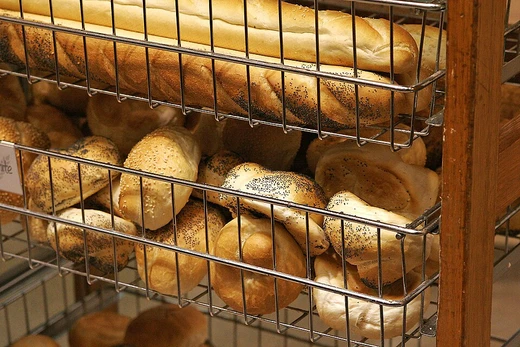
Bread roll
Small individual loaf of bread, served with meals or as a sandwich.

Andy Li · CC0
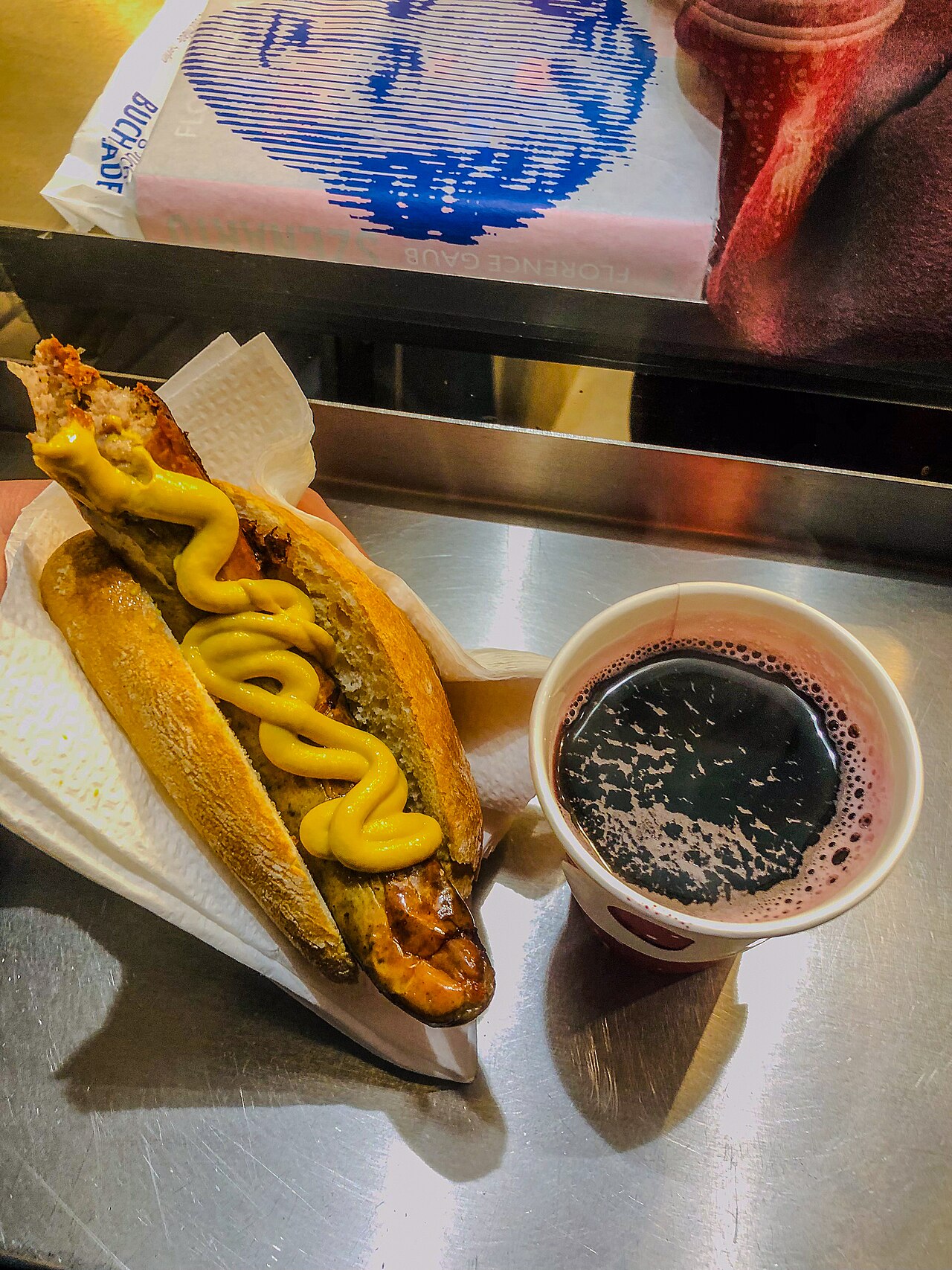
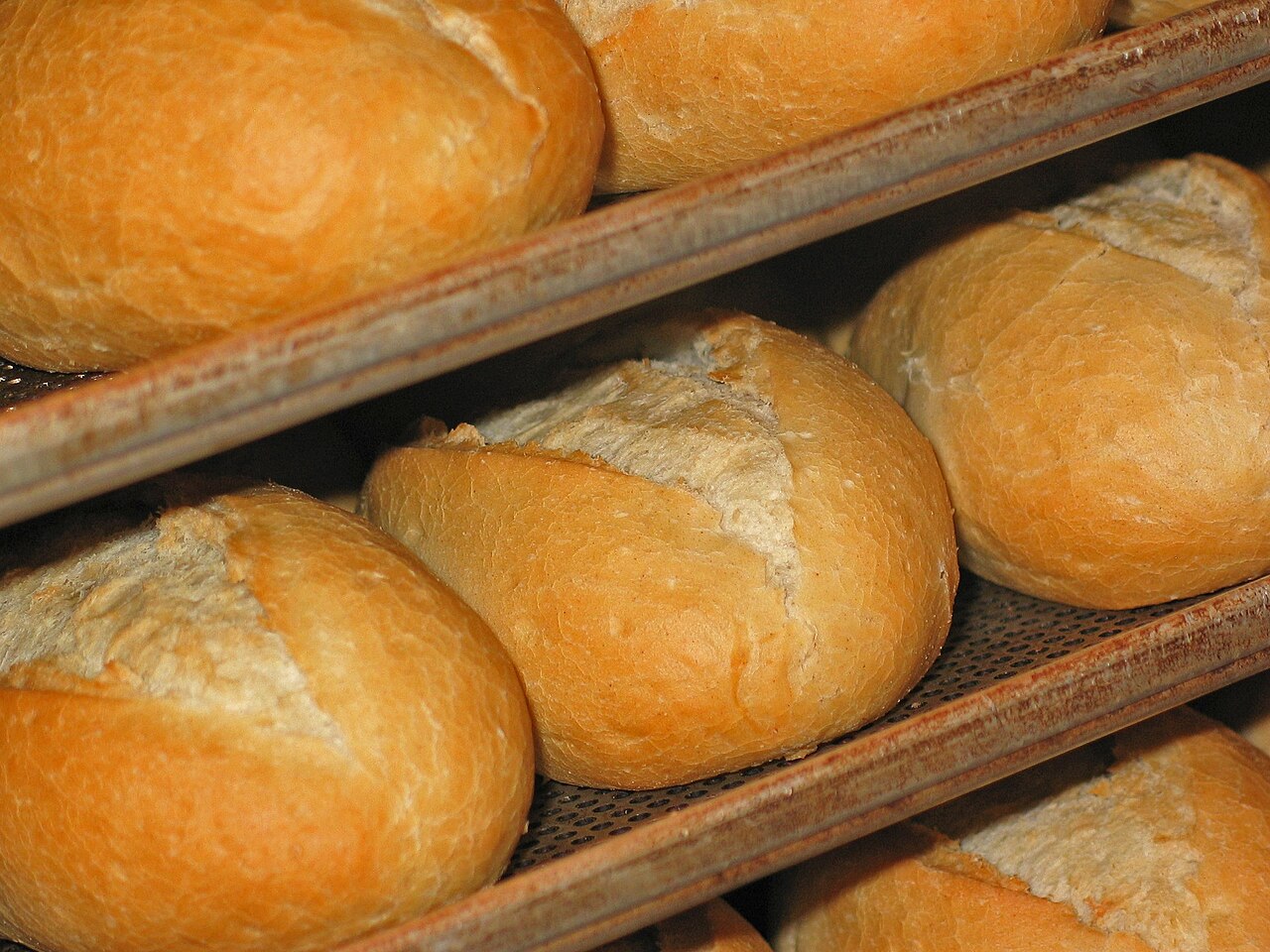
A bread roll is a small, single-serving piece of bread, often oblong but also round, triangular, or rhomboid in shape. It is typically eaten alongside a meal, either plain or with butter, and can be served whole or sliced and filled to create a sandwich.
Across Europe, rolls go by many local and dialectal names, often diminutives of the word for bread. They range from white wheat-flour rolls to dark rye-based ones, and may include spices like coriander or cumin, nuts, or whole seeds such as sesame, poppy, pumpkin, or sunflower. French rolls have a crust similar to a baguette. In Germany, they are called *Brötchen*; in Switzerland, *Brötli*. Other German names include *Rundstück* in Hamburg and Schleswig-Holstein, *Weckerl* or *Semmel* in Austria and southern Bavaria, *Weck* or *Weckle* in parts of Baden-Württemberg, Franconia, and Saarland, and *Schrippe* in Berlin and parts of Brandenburg. Some of these names appear in other languages, such as *zsemle* in Hungarian and *rundstykker* in Danish and Norwegian. In the Netherlands, a roll is a *broodje*. The *Doppelweck* or *Doppelbrötchen* from Saarland consists of two rolls joined side by side before baking, while the *Röggelchen* of the Rhineland is a double rye roll. A lye roll is a roll-shaped pretzel. In Italy, *panino* refers to both the roll and the sandwich made from it; the *Kaisersemmel* appears in Italy as *Michetta* or *Rosetta*. In Swedish, a bread roll is a *frukostbulle*, *franskbrödbulle*, or *fralla*, often eaten with butter and a topping for weekend breakfasts. In Ticino, Switzerland, *pane ticinese* is made to separate into individual rolls. *Carcaça* and *papo-seco* are traditional Portuguese breads. On Mallorca, the *llonguet* is also called *panet francès*. In the United Kingdom, regional names include roll, bap, barm cake, batch, breadcake, bun, cob, teacake, and muffin. In Ireland, the *blaa* is a specialty of County Kilkenny.
In the Arab world, bread rolls are common and come in many varieties, including French-style rolls. *Eish fino* is a baguette-like roll popular in Egypt, also called *samouli* bread. *Samoon* bread is used for medium to high rising breads such as burger buns. Other varieties include *hamam* bread in Jordan. Bread rolls are everyday items in the region, and the price of some types is subsidized in countries like Jordan, Egypt, and Syria.
In Hong Kong and
- type
- Bread product
- common_names
- Roll, bap, barm cake, batch, breadcake, bun, cob, teacake, muffin, Brötchen, broodje, panino, pão francês
- typical_ingredients
- Wheat flour, rye flour, water, yeast, salt; often seeds or spices
- regional_variants
- Parker House roll, Kaisersemmel, marraqueta, blaa, llonguet, eish fino
- uses
- Eaten plain, with butter, or as a sandwich
Lore & Background
Bread rolls range from white rolls made with wheat flour to dark rolls containing mostly rye flour. Many variants include spices such as coriander and cumin, or nuts, and are often garnished with whole seeds like sesame, poppy, pumpkin, or sunflower. In Germany, rolls are called Brötchen; in Switzerland, Brötli; other German names include Rundstück, Weckerl, Semmel, Weck, and Schrippe. In the Netherlands they are broodje, and the Doppelweck or Doppelbrötchen is a type originating from the Saarland consisting of two rolls joined side-by-side before baking. The Italian diminutive panino means both the roll and a sandwich made from a roll. In Sweden, a bread roll
Reader's Guide
Bread rolls are a staple food across many cultures, with each region developing distinct names, shapes, and recipes. In the Arab world, varieties such as eish fino in Egypt and samoon bread are everyday items, sometimes subsidized by governments. In Latin America, the term pan francés or pão francês refers to various baguette-like rolls; in Brazil, the light and crispy pão francês is the most popular bread, known by many local names. In the United States, the Parker House roll is a soft, sweet roll invented in Boston in the 1870s. The diversity of bread rolls reflects local tastes and ingredients, from the dense rye rolls of Germany to the crisp French-style rolls of Brazil. Their ubiquity and adaptability make them a fundamental part of daily dining in many countries.
Did You Know?
- In Germany, rolls are called Brötchen; in Switzerland, Brötli; in Austria and southern Bavaria, Semmel.
- The Doppelweck or Doppelbrötchen is a type of bread roll from the Saarland consisting of two rolls joined side-by-side before baking.
- In Brazil, the most popular bread is the light and crispy pão francês, known by names such as cacetinho, pãozinho, and pão de sal.
- The Parker House roll is a soft, sweet roll invented in Boston in the 1870s.
The Shape and Versatility of the Bread Roll
A bread roll is, at its core, a small individual loaf that takes on a variety of geometric forms—oblong, round, triangular, or even rhomboid. It is the kind of bread most people encounter at the dinner table, typically paired with a meal and enjoyed either plain or spread with butter. Its versatility extends well beyond the plate: a roll can be sliced open and stuffed to become a sandwich, making it one of the most adaptable baked goods in everyday cooking. The dough itself ranges from pale white wheat to deeply colored rye, and bakers across cultures enrich it with spices like coriander and cumin, folded-in nuts, or a generous scattering of whole seeds such as sesame, poppy, pumpkin, and sunflower. Whether it appears as a simple accompaniment or the structural foundation of a sandwich, the bread roll occupies a humble yet indispensable place in food culture worldwide.
A Continent of Names: European Bread Roll Identity
Across Europe, the bread roll carries a remarkable patchwork of local names, many of which are simply diminutives of the word for bread. In Germany, the standard term is Brötchen, while Swiss speakers shorten it to Brötli. Hamburg and Schleswig-Holstein call it Rundstück, literally "round piece," a name echoed in Danish and Norwegian as rundstykker. Austrian and southern Bavarian bakers use Weckerl or the more specific Semmel, whereas Baden-Württemberg, Franconia, and Saarland favor Weck or Weckle. Berlin and parts of Brandenburg have their own Schrippe. The Netherlands uses broodje, and Hungary borrows the concept as zsemle. The Saarland's Doppelweck joins two rolls side by side before baking, and the Rhineland's Röggelchen is a double rye variant. In Italy, the diminutive panino covers both the roll and the sandwich built from it, while the Kaisersemmel resurfaces as Michetta or Rosetta. Swedish speakers reach for bulle or fralla, and in Ticino, pane ticinese is shaped to separate into individual rolls. Portugal contributes carcaça and papo-seco, Mallorca adds the llonguet, and the United Kingdom offers an astonishing list—roll, bap, barm cake, batch, breadcake, bun, cob, teacake, and muffin. Ireland's County Kilkenny claims the blaa as a local specialty.
Bread Rolls as Daily Sustenance in the Arab World
In the Arab world, bread rolls are far more than a culinary curiosity; they are a staple of daily life, consumed in such large quantities that several governments have stepped in to keep them affordable. Egypt's eish fino, a baguette-like roll also known as Samouli bread, is a household fixture, while the broader category of samoon bread covers a range of medium to high-rising loaves, including the familiar burger bun. Jordan is home to hamam bread, a distinct local variety. The sheer volume of bread roll consumption across the region underscores its essential role in the diet, to the point that countries like Jordan, Egypt, and Syria subsidize the price of certain varieties to ensure accessibility. "French-like" bread rolls appear in many forms throughout the area, reflecting both local baking traditions and broader regional influences. For millions of people in these nations, the bread roll is not a luxury or a specialty item but the very foundation of a meal, bought daily and eaten in every season.
The 'French Bread' Phenomenon Across Latin America
Across Latin America, the phrase "French bread" has taken on a life of its own, referring not to a single recipe but to a family of baguette-like rolls made from wheat flour, salt, water, and yeast. In Spanish-speaking countries, the term is pan francés; in Portuguese-speaking Brazil, it becomes pão francês. In Argentina, Paraguay, and Uruguay, the pan felipe is a widely consumed version, while Uruguay also produces pan marsellés, a denser loaf with a maize-flour-dusted crust that sets it apart from Brazil's lighter, crisper counterpart. Bolivia and Chile know the marraqueta, sometimes labeled pan francés, while Peru's pan francés peruano is a distinct preparation altogether. Brazil's pão francês is the country's most popular bread, known by a dizzying array of local nicknames—cacetinho, pãozinho, pão de trigo, pão de sal, pão de água, pão aguado, careca, and pão Jacó—and found in delis and bakeries everywhere. In Mexico's Comarca Lagunera region, pan francés lagunero anchors daily dining, while elsewhere in Mexico and Central America the same term points to the bolillo.
Gallery
Frequently Asked Questions
What exactly is a bread roll in German cuisine?
A bread roll is a small, single-serving loaf that comes in oblong, round, triangular, or rhomboid shapes. It sits at the heart of everyday German meals, eaten plain, with butter, or split open to hold a sandwich filling.
What ingredients and seeds go into a typical German bread roll?
The base is wheat or rye flour mixed with water, yeast, and salt, but many recipes also fold in coriander, cumin, nuts, or whole seeds like sesame, poppy, pumpkin, and sunflower. Dark rye versions contrast with lighter wheat-flour rolls depending on the region.
How do people actually eat a bread roll?
It is most often served alongside a main course, either plain, spread with butter, or sliced and filled to create a quick sandwich. In Germany the Brötchen is a daily breakfast and lunch staple enjoyed in exactly this way.
What are the notable regional and shape variants of the bread roll?
Familiar German examples include the Kaisersemmel and the Parker House roll, while French rolls carry a baguette-like crust. Across Europe the style ranges from pale wheat-flour buns to dense, dark rye loaves with heavy seed toppings.
What are the common names for a bread roll in different languages?
Beyond English terms like bap, bun, cob, or teacake, German speakers say Brötchen and Dutch speakers use broodje. You will also encounter panino in Italian, pão francês in Portuguese, and broodje in Dutch, all referring to that same small individual loaf.
More in German cuisine 1-24
Spotted an error? Know more?
This is a living reference — every entry is fact-audited, and reader corrections feed straight into our audit queue. Suggest an edit · See this site's audit record