Beer garden
Outdoor beer-serving area with shared tables and tree shade.

Mtaylor848 · CC BY-SA 4.0
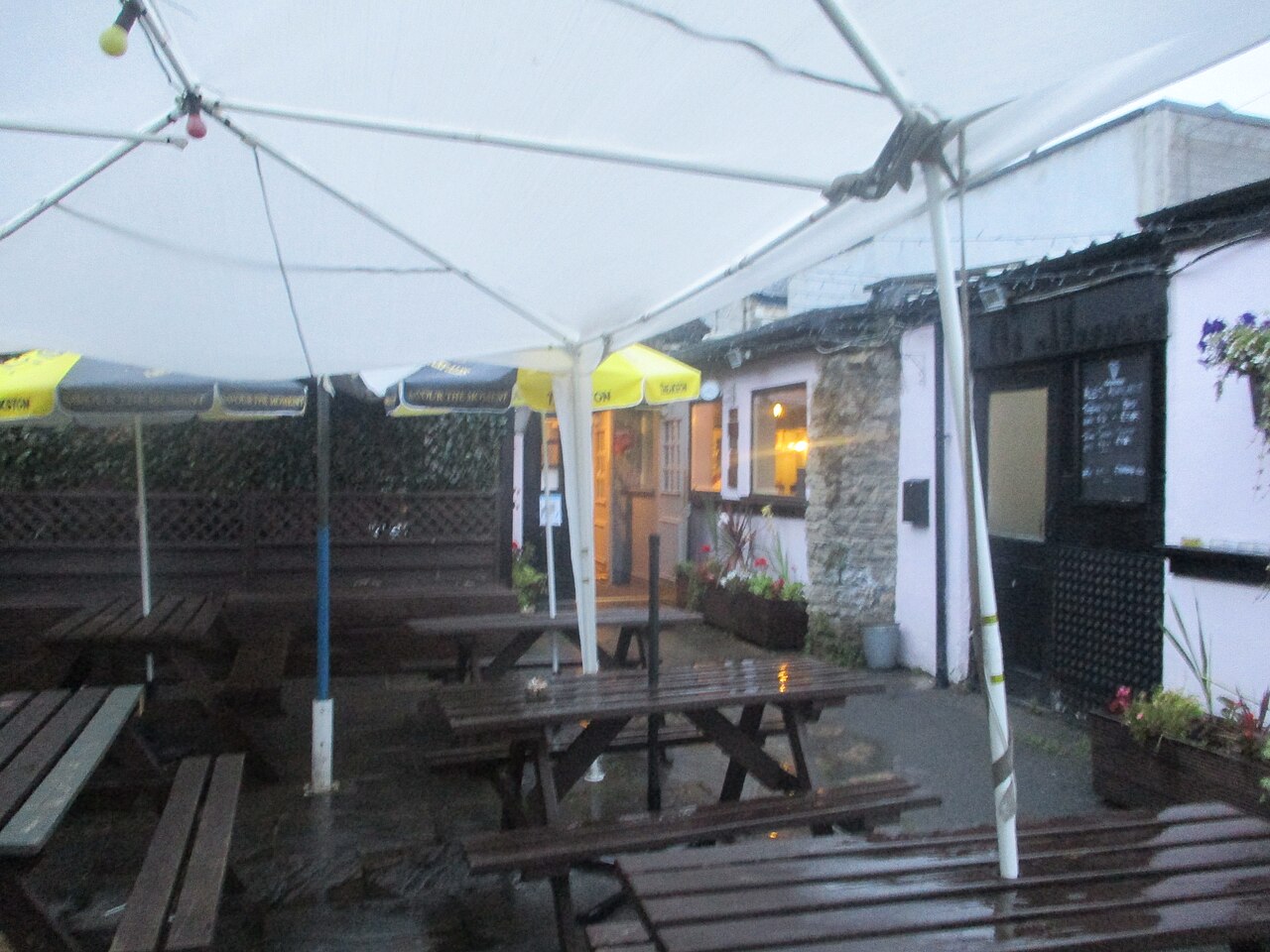
A beer garden (German: Biergarten) is an outdoor area in which beer and food are served, typically at shared tables shaded by trees. Originating in Bavaria, of which Munich is the capital city, in the early 19th century, beer gardens remain common in Southern Germany and are usually attached to a brewery, beer hall, pub, or restaurant. The term has become a generic name for open-air establishments serving beer worldwide.
- origin
- Bavaria, early 19th century
- first_known_related_facility
- Munich, early 19th century (first true beer garden)
- key_decree
- 1812 decree by the Kingdom of Bavaria (allowed breweries to serve food, but did not create the first beer garden)
- associated_city
- Munich
- largest_traditional_beer_garden
- Hirschgarten, Munich (seats 8,000)
- key_concept
- Gemütlichkeit (warmth, friendliness, belonging)
Lore & Background
Beer gardens originated from early 19th-century Bavarian brewing practices. Seasonal brewing restrictions, in place since 1539 and decreed by Albert V in 1553, limited production to cooler months (29 September to 23 April) to reduce fire risk. Large breweries dug cellars along the River Isar to store beer cool, and later layered gravel and planted horse-chestnut trees (shallow roots, dense canopies) to further lower cellar temperatures. Simple tables and benches among the trees led to the modern beer garden.
Reader's Guide
The beer garden is significant as a cultural institution that blends brewing history, communal dining, and outdoor leisure. Its development was shaped by practical needs (fire prevention, cooling) and social compromises: when food service aggrieved smaller breweries, Maximilian I allowed patrons to bring their own food—a practice still common. The 1999 Bavarian Beer Garden Ordinance permits traditional tree-shaded venues allowing outside food to close later and exceed noise limits. Beer gardens have spread globally, adapting to local laws and customs, from Australian pub gardens to Japanese rooftop venues. They remain central to Bavarian identity, emphasizing shared tables and Gemütlichkeit.
Did You Know?
- The first true beer garden is generally traced to early 19th-century Munich, not to the 1812 decree, which only allowed breweries to serve food.
- Horse-chestnut trees were chosen for their dense canopies and shallow roots, which would not damage cellars.
- The largest traditional beer garden in the world is the Hirschgarten in Munich, seating 8,000.
- The 1999 Bavarian Beer Garden Ordinance does not grant a blanket exemption from noise limits; noise is still regulated under local law.
From Cellars to Canopies: The Birth of the Biergarten
The story of the beer garden begins not with trees but with fire. By the mid-sixteenth century, Bavarian brewing regulations—formalized in a 1553 decree by Albert V—restricted production to the cool months between the Feast of St. Michael in late September and the Feast of Saint George in late April. The rationale was practical: boiling mashed grain into wort during hot summer months had repeatedly sparked devastating conflagrations. To keep their product cool during storage, large breweries carved cellars into the banks of the River Isar, and on-premise drinking areas naturally sprang up around them. By 1605, such Bierkeller facilities were documented in Bamberg, then under direct papal jurisdiction rather than Bavarian rule. The true Biergarten, however, emerged in Munich at the start of the nineteenth century, almost certainly at one of the city's six great breweries. The defining innovation was architectural: brewers layered gravel over their cellar bluffs and planted horse-chestnut trees, whose dense canopies provided shade while their shallow roots left cellar structures undisturbed. Simple wooden tables and benches set among those trees transformed a cold underground storage space into the open-air social institution recognized today.
Gemütlichkeit and the Art of the Shared Table
At the heart of every authentic beer garden lies a philosophy the Bavarians call Gemütlichkeit—a sense of warmth, friendliness, and belonging that transcends the beer itself. This atmosphere is reinforced by the very layout of the space: long shared tables where strangers sit side by side, often accompanied by live music, spontaneous song, and easy fellowship. The food culture is equally distinctive. Traditional Bavarian fare includes Radi (radish), Brezn (soft pretzels), Obatzda (a cheese dip), halbes Hendl (half a grilled chicken), Hax'n (pork knuckle), and Steckerlfisch (grilled fish). A subtle social code governs seating: cloth-covered tablesets require guests to purchase food from the house, while bare benches are reserved for those bringing their own victuals—unless they supply their own cloth. Purists further distinguish a Wirtsgarten, where only the brewery's food is sold, as at the outdoor tables of Hofbräuhaus am Platzl, from a true Biergarten, which welcomes outside provisions. This distinction, rooted in a centuries-old compromise, remains a point of pride for traditionalists.
Law, Decree, and the Bring-Your-Own-Food Compromise
The beer garden's most enduring tradition—patrons bringing their own food—was born of economic rivalry. As food service became common in the shaded venues of nineteenth-century Munich, smaller breweries found themselves unable to compete with the larger establishments. They petitioned King Maximilian I for a ban, and the resulting compromise allowed garden-goers to carry in their own provisions. That decree, issued in 1812 by the Kingdom of Bavaria, formally defined what constituted a Biergarten in the strict legal sense. Though Maximilian's original order is no longer in force, its spirit persists in the 1999 Bayerische Biergartenverordnung, the Bavarian Beer Garden Ordinance. This modern regulation grants traditional tree-shaded venues that permit outside food a special status: they may close later than standard establishments and exceed the noise limits otherwise in effect. The term Biergarten itself remains unregulated—any open-air restaurant may adopt the name—yet the legal and cultural framework continues to reward those who honor the original model of shade, shared tables, and culinary freedom.
The Biergarten Crosses Borders
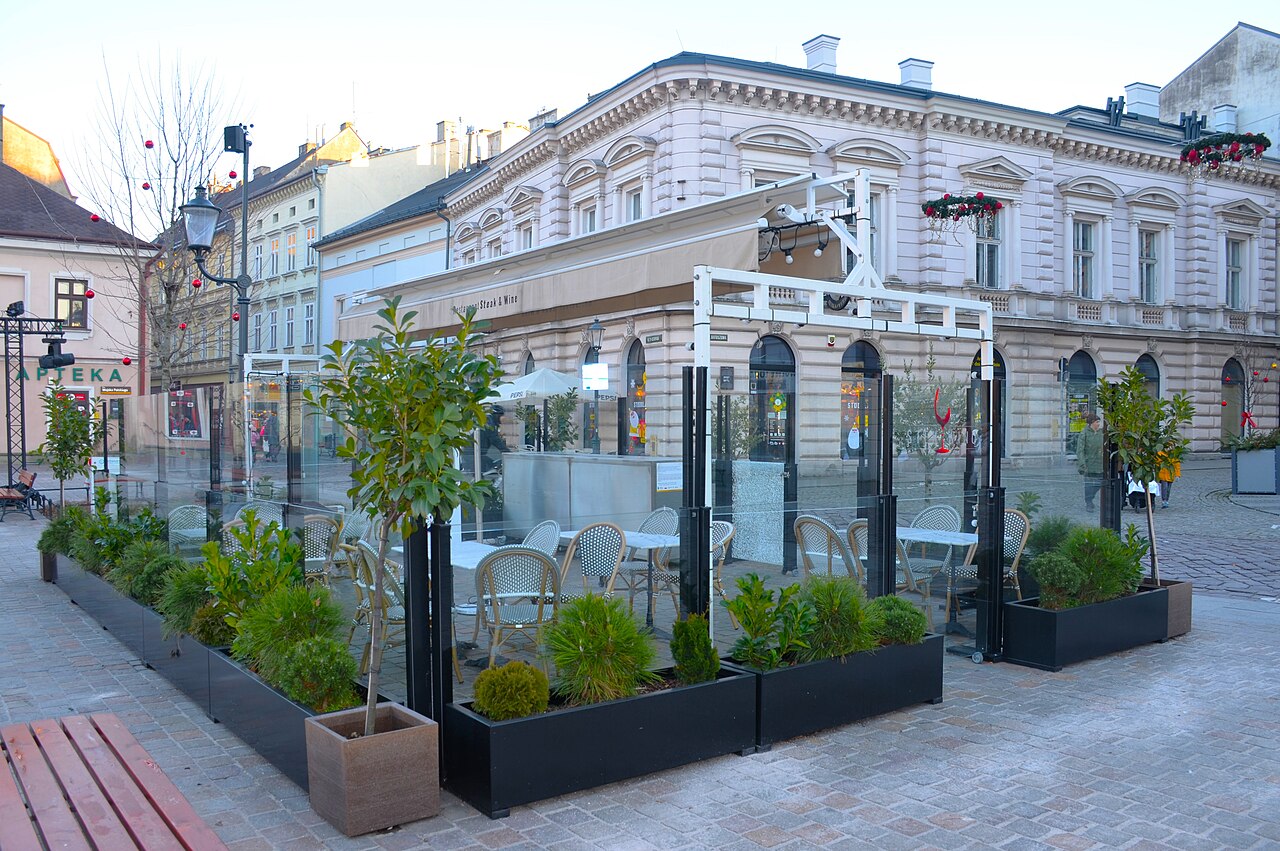
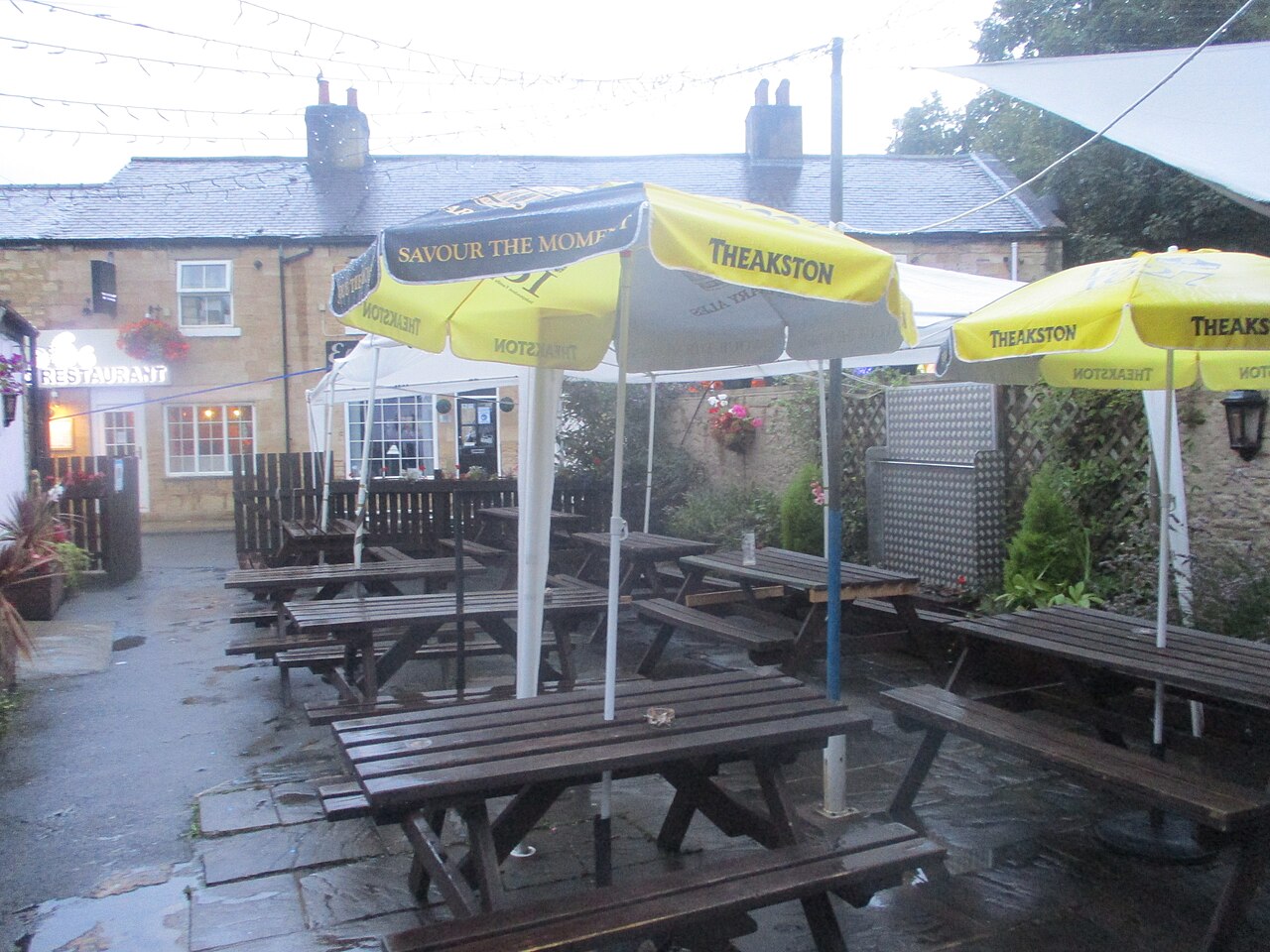
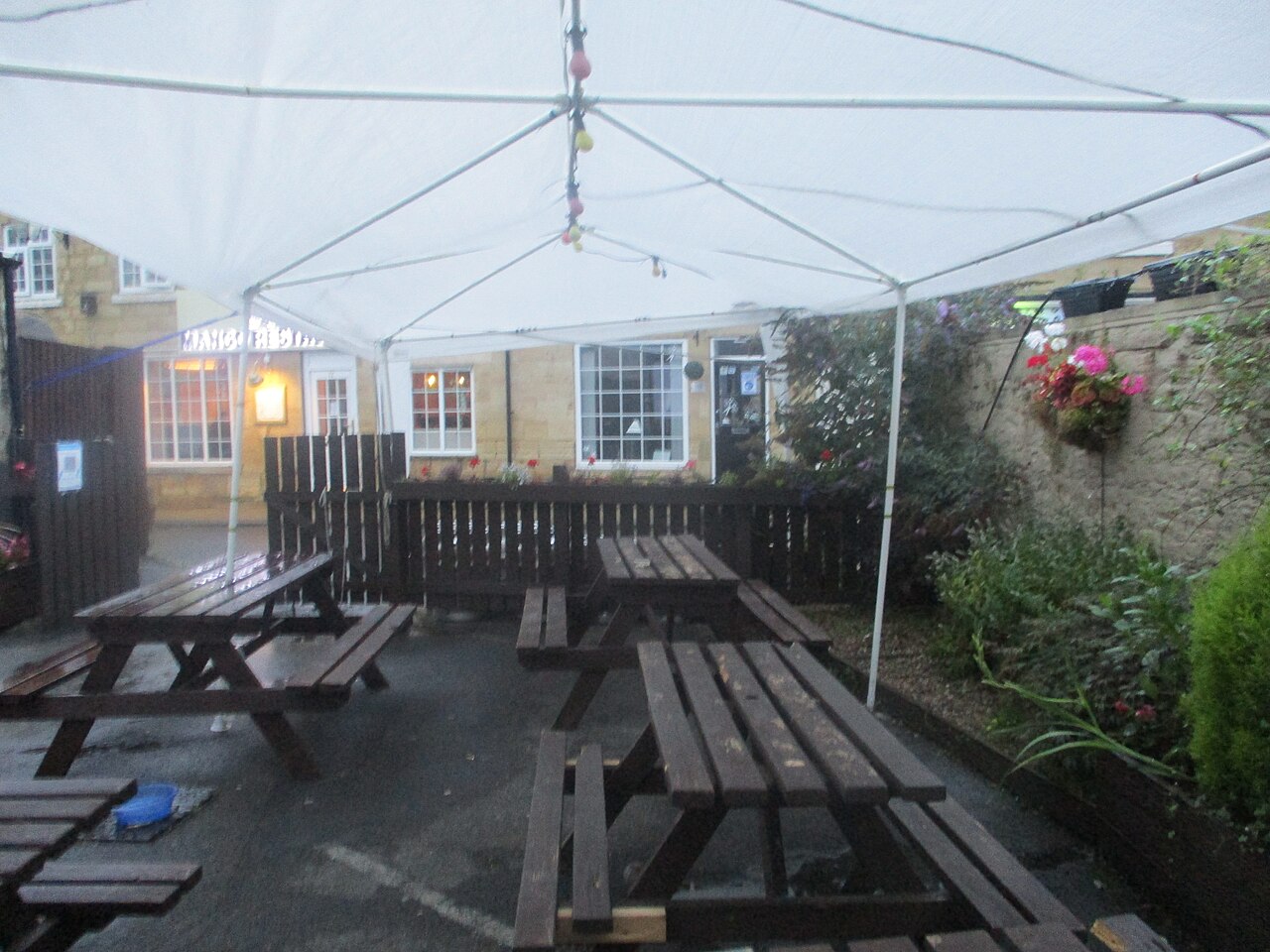
What began as a Bavarian institution has become a global shorthand for open-air beer service. In Austria, the equivalent is called a Gastgarten, where patrons order a Pfiff (0.2 litres), a Seidel (0.3 litres), or a Krügerl (0.5 litres) alongside fare like a pair of Würstel or Schweinebraten. In Australia, beer gardens typically function as extensions of a pub or sit adjacent to sports fields. Canada presents a more complex picture: harsh winters and biting insects long suppressed any outdoor dining culture, but twentieth-century urbanization and later indoor smoking bans made licensed patios popular. Today, Canadian beer gardens are usually segregated areas attached to concerts, festivals, or major sporting events such as the Memorial Cup hockey tournament, with licensing often restricted to non-profit organizations. Despite the name, most also serve other alcoholic beverages, and removing drinks from the designated area is typically illegal. In Munich, the Hirschgarten remains the world's largest traditional beer garden, seating eight thousand guests beneath its canopy.
Gallery
Frequently Asked Questions
What is a Beer garden?
A Beer garden is an open-air seating area where patrons share long tables beneath the shade of trees while drinking beer and eating simple food. It is most commonly attached to a brewery, beer hall, pub, or restaurant in Southern Germany.
Where and when did Beer garden first appear?
The tradition traces back to Bavaria in the early 1800s, with Munich widely recognized as the city where the first true beer garden was established. It has since become a staple of Southern German hospitality and a generic term used worldwide for outdoor beer-serving venues.
What is the largest traditional Beer garden?
Hirschgarten in Munich holds the title, with capacity for roughly 8,000 guests seated on its grounds. It remains the most iconic example of the classic Bavarian beer-garden format.
What core concept gives Beer garden its cultural identity?
The idea of Gemütlichkeit sits at the heart of the beer-garden experience, emphasizing warmth, easy friendliness, and a sense of belonging among strangers. It is what transforms a simple outdoor seating area into a social institution.
What role did the 1812 Bavarian decree play in Beer garden history?
A decree issued by the Kingdom of Bavaria in 1812 granted breweries the right to serve food alongside their beer on their own premises. It is often cited as a key legal milestone, though it did not itself create the first beer garden.
More in German cuisine 1-24
Spotted an error? Know more?
This is a living reference — every entry is fact-audited, and reader corrections feed straight into our audit queue. Suggest an edit · See this site's audit record