Apple sauce
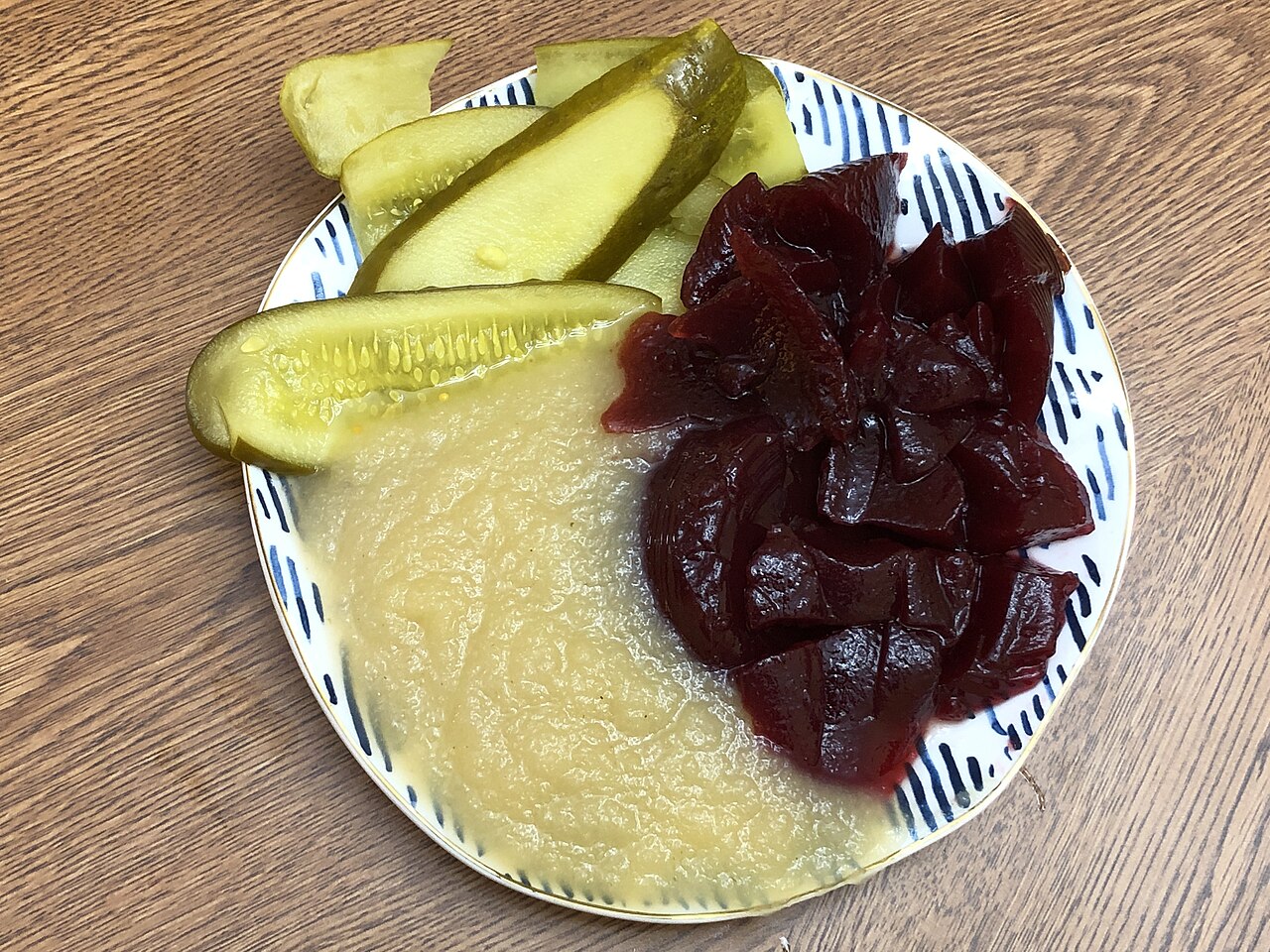
Puréed apples used as side dish, snack, and ingredient.

Famartin · CC BY-SA 4.0
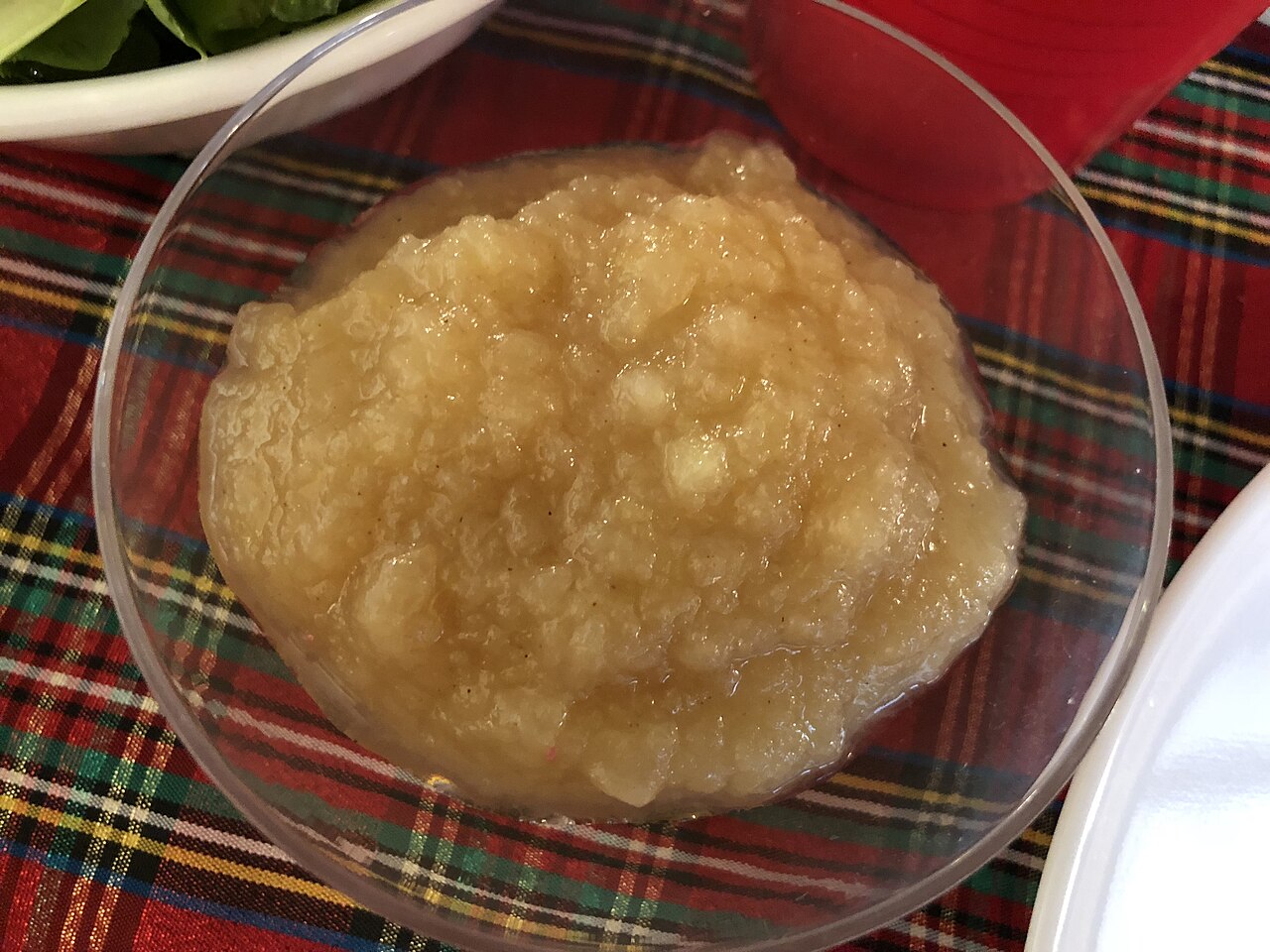
Apple sauce, also spelled applesauce in American English, is a purée made from apples. It is inexpensive and widely consumed in North America and parts of Europe, available commercially in supermarkets and other retail stores.
- type
- food product
- origin
- North America and Europe
- main ingredient
- apples
- common uses
- side dish, children's snack, ingredient in baked goods
- market value (2017)
- US$1.611 billion
- projected market value (2026)
- US$2.169 billion
Lore & Background
Apple sauce is made by cooking apples with water or apple cider. More acidic apples, such as the Bramley, produce a finer purée. The apples may be peeled or unpeeled; if unpeeled, peels and seeds are removed with a food mill. Sugar, spices like cinnamon and allspice, and acidifiers such as lemon juice or ascorbic acid may be added for flavor and preservation. Apple sauce can also be made by baking or in a slow cooker, and home or commercially canned versions are heat-sterilized. Apple butter is a highly concentrated version with a long shelf life due to its high sugar content.
Reader's Guide
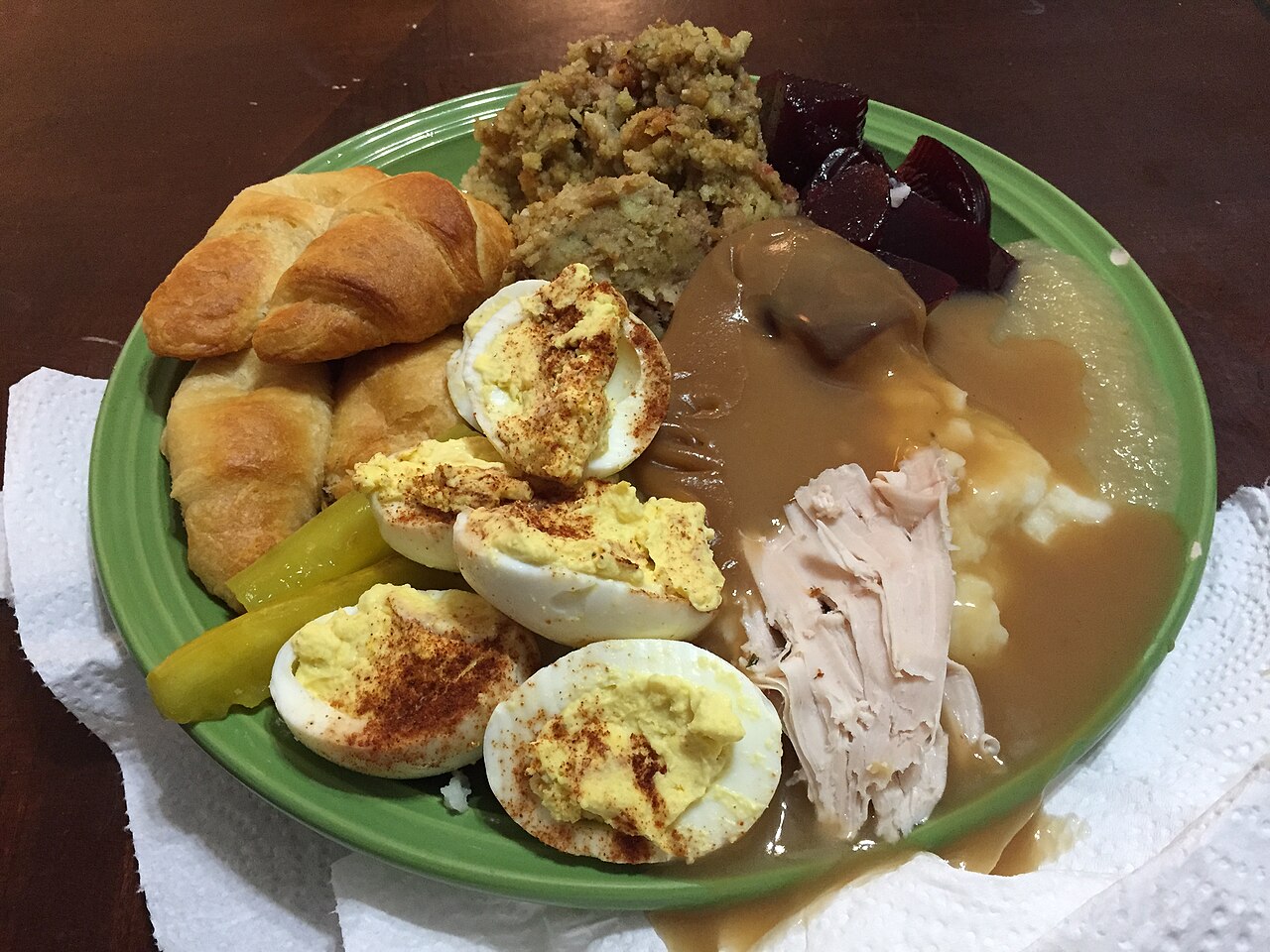
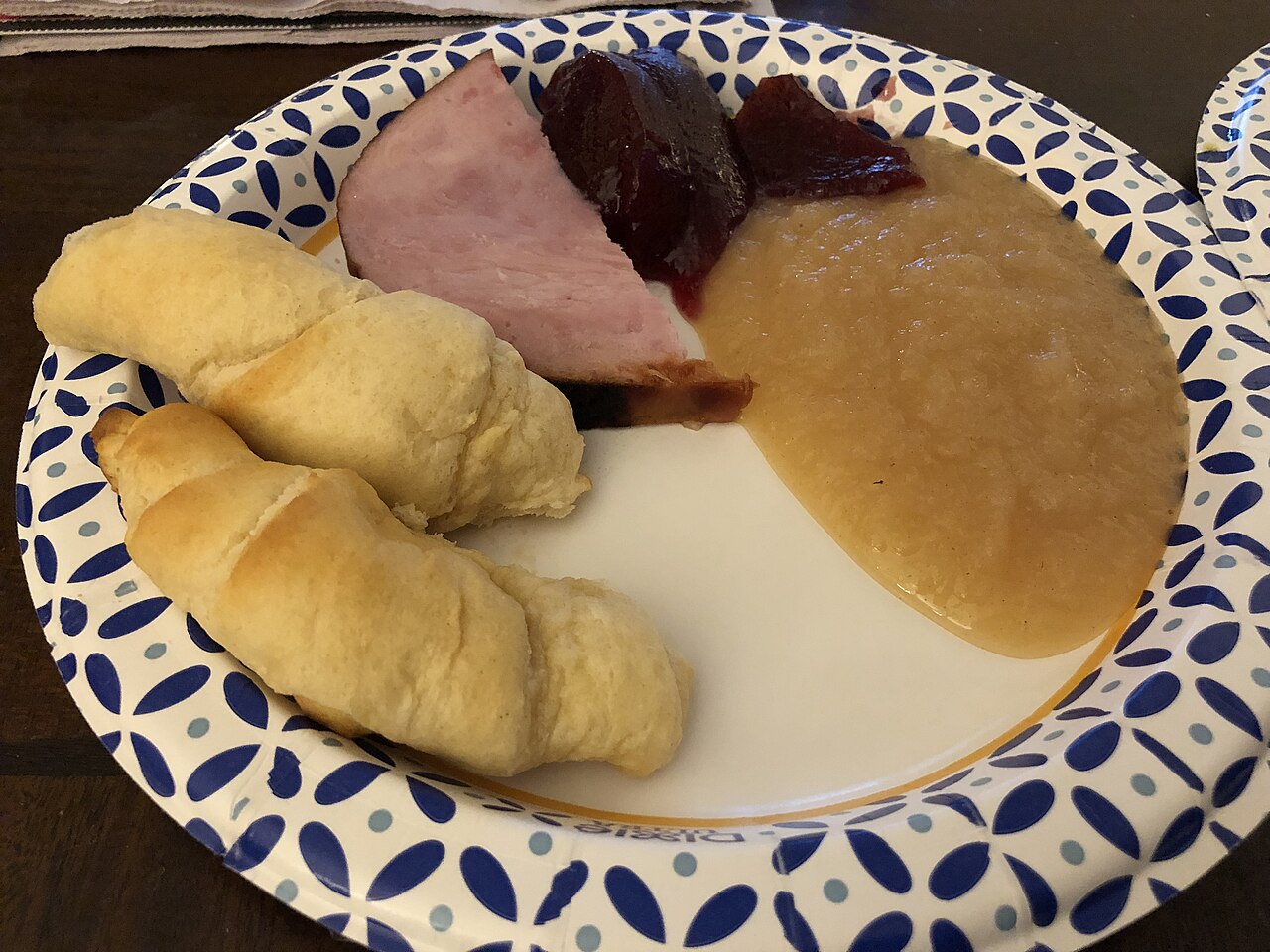
Apple sauce serves as a versatile accompaniment in many cuisines. In northern Europe and North America, it is a side dish; in the United States, it is a common children's snack and appears in school cafeterias, often paired with pork chops. In Sweden and Britain, it accompanies roast pork and goose; in Central Europe, it is served with potato pancakes and latkes. It also appears with blood sausages, such as German Himmel und Erde and French boudin noir. Apple sauce can be a dessert or an ingredient in cakes, and in some recipes it substitutes for fat or eggs in baked goods. The BRAT and CRAM diets for children with stomach issues include apple sauce. The global apple sauce trade was valued at US$1.611 billion in 2017, with cups comprising 40.9% of the market. Brick-and-mortar stores account for about 85% of sales.
Did You Know?
- Apple sauce can be made with peeled or unpeeled apples, and the highly acidic Bramley apple creates a very fine purée.
- In the United States, packaged apple sauce is primarily branded as a children's snack and is ubiquitous in school cafeterias.
- The global apple sauce trade was valued at US$1.611 billion in 2017, with cups comprising 40.9% of the market.
- Apple sauce is part of the BRAT and CRAM diets given to children with diarrhea and stomach problems.
From Orchard to Purée: The Art of Preparation
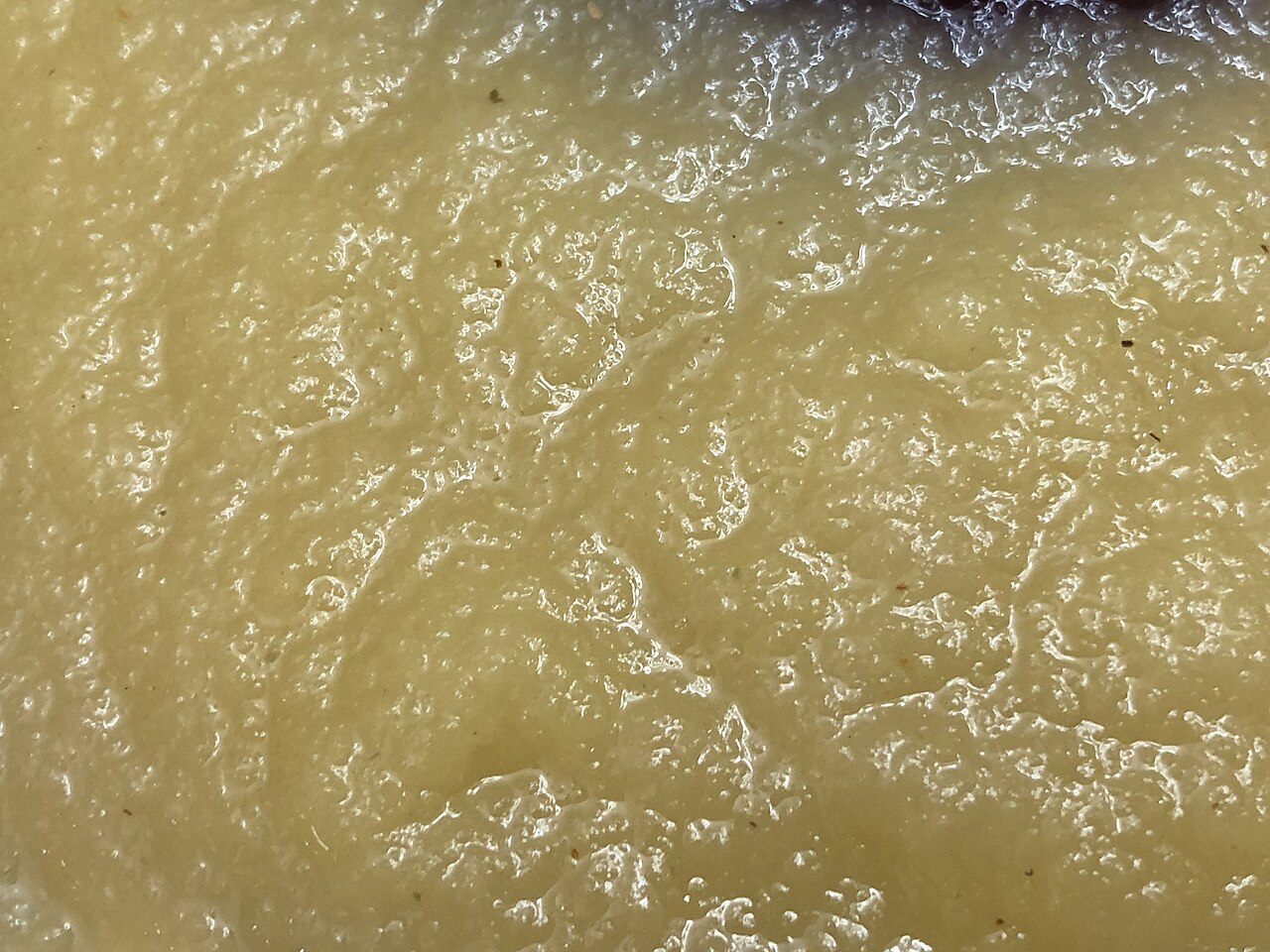
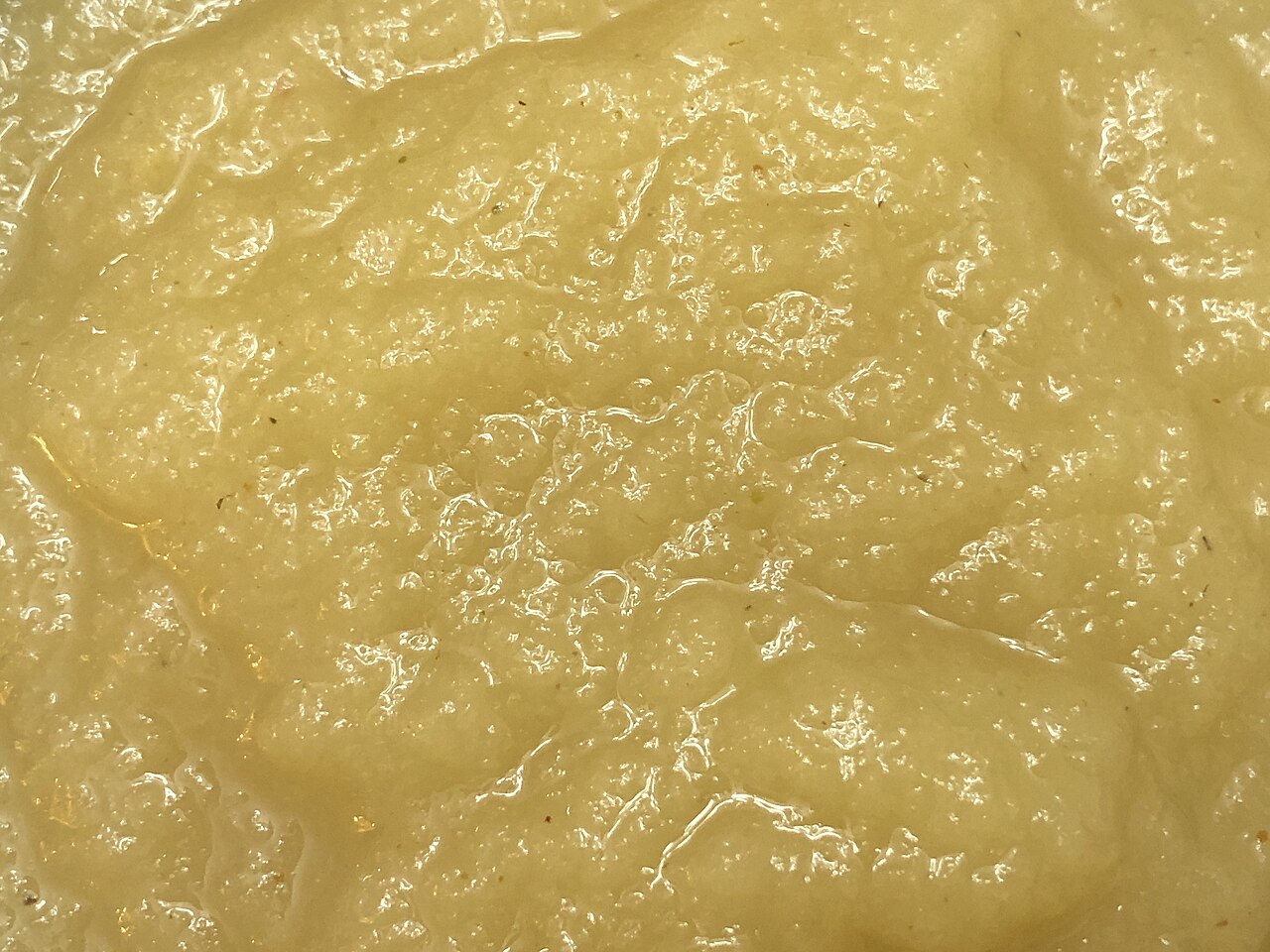
Apple sauce begins with a simple act: cooking whole or peeled apples in water or fresh apple cider until they break down into a smooth purée. The choice of variety matters enormously—highly acidic cultivars like the Bramley yield an exceptionally fine texture, while sweeter or tarter selections shift the flavor profile toward different ends of the spectrum. Home cooks and commercial kitchens alike can choose whether to leave the skin on; if they do, a food mill later separates peels and seeds from the flesh. Flavor is built through additions of sugar, cinnamon, allspice, or even unconventional touches like Red Hot candies. Preserving the bright color and maintaining safe acidity levels calls for lemon juice, citric acid, or ascorbic acid. Rather than stovetop boiling, some preparations call for baking peeled and cored apples in the oven or using a slow cooker. Canned versions undergo heat sterilization for long-term freshness. At the concentrated end of the spectrum sits apple butter, a thick, sugar-rich descendant of the purée whose high sugar content grants it an extended shelf life without refrigeration.
A Table Staple Across Continents
Few pantry items travel as far across cultural boundaries as apple sauce. In the United States it is most recognizable as a children's snack in school cafeterias and as the classic companion to pork chops. Across the Atlantic, the same purée takes on different identities: in Britain it is typically marketed as apple purée for baby food rather than the American-style product, while in Sweden and the UK it accompanies roast pork and goose. Denmark's æbleflæsk bakes pork directly alongside the sauce. In Central Europe, potato pancakes and the Rhineland's Reibekuchen are incomplete without a dollop, and Ashkenazi tradition pairs it with Hanukkah latkes and matzah brei. In the Netherlands and Belgium, children famously dip their french fries in the sauce as part of a chicken-and-fries meal. It also serves as the standard accompaniment to blood sausage across Germany, Luxembourg, and France. Beyond savory pairings, it functions as a dessert topping, a cake ingredient, a sauce for Polish pierogi and Austrian Kaiserschmarrn, and even a breakfast companion to Scandinavian filmjölk. In baking, it can replace fat or eggs for lower-calorie or vegan results.
Medieval Roots and New World Migrations
The tradition of cooking apples into a sauce stretches back at least to the Middle Ages, making it one of the oldest prepared fruit dishes in European culinary history. For centuries, the choice of apple dictated the character of the final product: sour varieties were the standard for savory preparations meant to accompany meat, while sweeter cultivars produced a milder sauce enjoyed alongside tea. In colder months, families would boil down heavily sweetened batches for winter storage, ensuring a supply through the lean season. The story takes a transatlantic turn when German immigrants—members of the Moravian Church and Pennsylvania Dutch communities among them—carried their knowledge of apple butter to the Americas. These concentrated, long-lasting preparations became deeply embedded in the food culture of the Appalachian region and Southern Pennsylvania, where they remain a traditional hallmark. Over time, the broader concept of apple sauce evolved in North America into the ubiquitous, often sweetened, commercial product found in every supermarket aisle, though the older savory and storage traditions persist in more traditional households.
Nutrition, Medicine, and a Growing Global Market
From a nutritional standpoint, unsweetened apple sauce is remarkably simple: per the USDA, a 100-gram serving is 82 percent water and 18 percent carbohydrates, with negligible fat and protein, delivering 68 kilocalories of energy. Its naturally acidic pH, ranging from 3.3 to 3.6, makes it a gentle option in therapeutic settings. Both the BRAT diet and the CRAM diet—prescribed to children suffering from diarrhea or stomach upset—include apple sauce as a tolerated food. Beyond the kitchen, the commercial landscape is substantial. Apples rank as the third most internationally traded fruit, trailing only bananas and grapes. The global apple sauce market was valued at approximately 1.6 billion dollars in 2017 and is projected to reach roughly 2.2 billion dollars by 2026, driven by rising worldwide interest in apple-flavored products. Packaging skews heavily toward cups, which captured nearly 41 percent of revenue share, while brick-and-mortar stores account for about 85 percent of sales compared to 15 percent from e-retailers. Major producers include Mott's and Seneca Foods in the United States, Prigat in Israel, and Three Threes Condiments in Australia.
Gallery
Frequently Asked Questions
What is Apple sauce and where does it come from?
Apple sauce (or applesauce) is a smooth purée made primarily from cooked apples. It originated in both North America and parts of Europe, where it became a staple household product sold in supermarkets and other retail outlets.
What role does Apple sauce play in a typical meal?
It functions as a versatile side dish, a popular snack for children, and a common ingredient mixed into baked goods. Its mild sweetness and soft texture make it a go-to accompaniment across many German and international kitchens.
How does Apple sauce fit into the broader food market?
As of 2017, the global apple sauce market was valued at roughly US$1.611 billion, with projections pointing to US$2.169 billion by 2026. Its low production cost and broad appeal keep it a steady, high-volume retail item.
Why is Apple sauce considered an accessible everyday food?
It is inexpensive to produce and purchase, requiring only apples as the main ingredient. This affordability, combined with its long shelf life in commercial packaging, makes it a reliable pantry staple in households across North America and Europe.
What makes Apple sauce important in German and European cuisine?
It serves as a budget-friendly, kid-approved option that bridges the gap between a simple snack and a cooking ingredient. Its presence in both everyday meals and baked preparations cements its status as a practical, widely loved food product.
More in German cuisine 1-24
Spotted an error? Know more?
This is a living reference — every entry is fact-audited, and reader corrections feed straight into our audit queue. Suggest an edit · See this site's audit record