Berliner (doughnut)
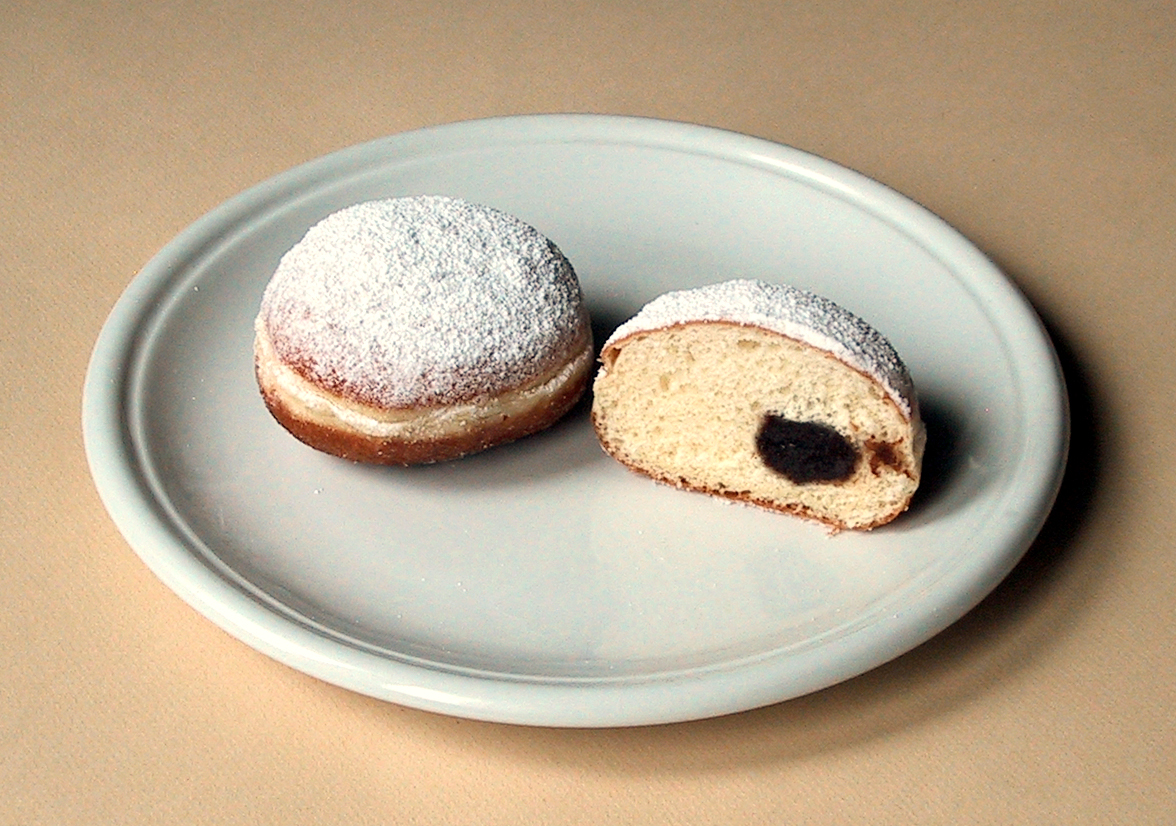
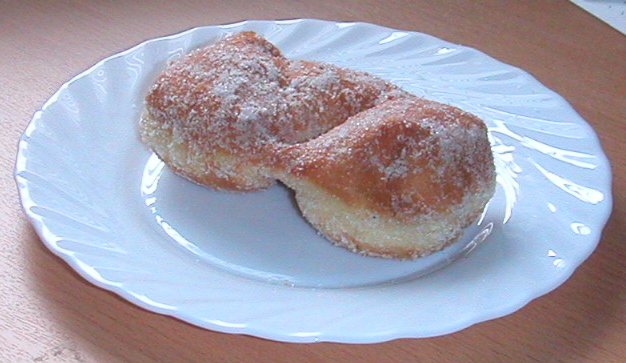
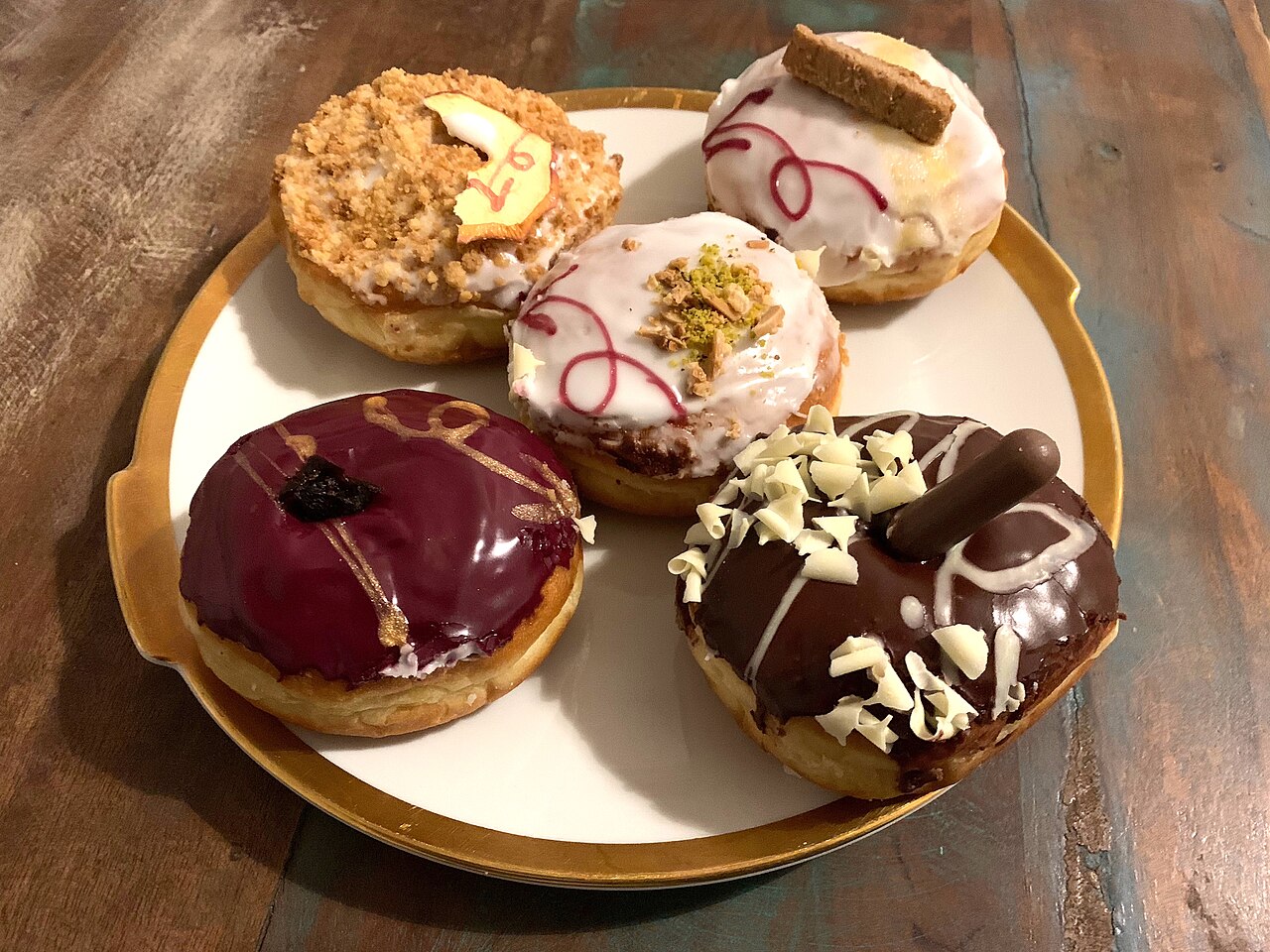
German jam doughnut with no hole, fried and filled.

Lear 21 · CC BY-SA 4.0
A Berliner, also called a Krapfen, is a German jam-filled doughnut without a hole. It is made from a sweet yeast dough, fried in lard or oil, filled with jam, and typically topped with powdered sugar or a glaze. The earliest known recipe for a jelly doughnut, named *Gefüllte Krapfen*, comes from the 1485 cookbook *Kuechenmeisterei*, printed in Nuremberg. Whether the author invented this recipe or simply recorded an existing tradition is not known.
- First known recipe
- 1485, in Kuechenmeisterei (Nuremberg)
Quick Facts
- Place Of Origin
- Germany
- Main Ingredient
- Yeast dough, jam, icing, powdered sugar or sugar
- Variations
- Custard
- Commons
- Berliner
Facts from the source article.
Lore & Background
The jelly-filled Krapfen were called Berliners in the 1800s, based on the legend of a patriotic baker from Berlin who became a regimental baker after being deemed unfit for combat by the Prussian Army. When the army was in the field, he fried the doughnuts over an open fire, and soldiers called the pastry Berliner after the baker's hometown. The term Bismarcken (for Otto von Bismarck) came into use by the end of the 19th century.
Reader's Guide
The Berliner holds a significant place in German culinary tradition, with regional names varying widely: called Berliner Ballen or simply Berliner in northern and western Germany and Switzerland, but known as Pfannkuchen in Berlin and surrounding regions, while in Bavaria and Austria they are a variety of Krapfen. The pastry is traditionally eaten on New Year's Eve and carnival holidays, and a common German practical joke involves secretly filling some Krapfen with mustard instead of jam on April Fool's Day. The Berliner has spread internationally, with variations such as the Portuguese bola de Berlim, the Israeli sufganiyah for Hanukkah, and the Hawaiian malasada brought by Portuguese immigrants. In Tromsø, Norway, Berliners called solbolle are eaten to celebrate the return of the sun after the polar night. The pastry's global reach is reflected in numerous names, from pączki in Poland to bécsi fánk in Hungary, each adapted to local tastes and traditions.
Did You Know?
- The first known recipe for a jelly doughnut appears in the 1485 cookbook Kuechenmeisterei, printed in Nuremberg.
- In Berlin, the doughnut is called Pfannkuchen, which translates literally to 'pancakes'.
- A common German April Fool's joke is to fill some Krapfen with mustard instead of jam.
- In Tromsø, Norway, about 60,000 Berliners are consumed on January 21 to celebrate the return of the sun.
From Savory to Sweet: A Culinary Turning Point
Long before sugar became a pantry staple, the ancestors of today's jam-filled doughnut told a very different story. Until the sixteenth century, sugar was prohibitively expensive, so early fried dough pastries in German-speaking lands were typically packed with savory ingredients—cheese, meat, or mushrooms. Everything shifted when Caribbean plantation imports flooded European markets with affordable sugar, and fruit preserves rapidly replaced those rustic fillings. The moment this transformation was committed to paper came in 1485, when Kuechenmeisterei was published in Nuremberg. As the first German-language cookbook to appear in printed form, and one of the earliest texts produced on a Gutenberg press, it stayed in circulation for nearly two centuries, reaching at least twenty editions and even a Polish translation in 1532. Within its pages sits the first known recipe for a jelly doughnut, listed as Gefüllte Krapfen: a yeasted bread dough stuffed with jam and deep-fried in lard. Whether the author coined the dish or merely documented a practice already common in kitchens remains an open question, but the text anchors the sweet Berliner firmly in the historical record.
Craft, Pairing, and the April Fool's Prank
The classical Berliner is a study in deliberate technique. The yeast dough is enriched with generous amounts of eggs, milk, and butter, then shaped into a round ball before being deep-fried in lard. That frying step produces the pastry's signature bright bulge, a visual hallmark that distinguishes it from other fried doughs. Once the dough is cooked as a single piece, the jam filling is injected afterward using a large syringe or pastry bag. A subtle rule governs the finishing: the choice of topping mirrors the filling. Plum butter calls for a dusting of powdered sugar; raspberry, strawberry, or cherry jam pairs with plain sugar; every other filling receives a sugar icing, occasionally flavored with rum. Though Berliners are now available year-round in bakeries, their traditional stage was celebratory—New Year's Eve, Rosenmontag, and Fat Tuesday all featured them prominently. And no German table is complete without the beloved April Fool's trick: a few Krapfen are secretly stuffed with mustard instead of jam, mixed in among the sweet ones, and served with a perfectly straight face.
A Name with Many Faces
The same round, jam-stuffed pastry carries a dizzying array of names across the German-speaking world and beyond. In the 1800s, the label Berliner stuck to the pastry, rooted in a folk legend: a patriotic baker from Berlin, passed over for combat by the Prussian Army, served as a regimental baker and fried doughnuts over open flames in the field. His soldiers, the story goes, named the treat after his hometown. By the late nineteenth century, the name Bismarcken had also entered use, a reference to Otto von Bismarck. That name traveled with Central European immigrants to the United States, where it survives as "bismarcks" or "bismarks" in parts of the Midwest, Boston, and the Canadian provinces of Alberta and Saskatchewan. Within Germany itself, the terminology fractures by region: northern and western areas and Switzerland say Berliner or Berliner Ballen; Berliners and their neighbors in Brandenburg, Saxony, and Western Pomerania call them Pfannkuchen—a word that literally means "pancakes" and causes genuine confusion; Bavaria and Austria use Krapfen, with carnival-specific variants like Fastnachtskrapfen; Hesse prefers Kräppel; the Palatinate adds Fastnachtsküchelchen; and Swabia speaks of Fasnetskiachla.
A Pastry Without Borders
What began as a German carnival treat has migrated into kitchens and pastry shops on every inhabited continent, each locale stamping its own identity onto the recipe. In Israel, the sufganiyah is traditionally consumed during the Jewish holiday of Hanukkah. Portugal's slightly larger bolas de Berlim are typically split and filled with a rich egg-yolk cream called creme pasteleiro, then dusted with plain sugar and sold by street vendors on beaches. Across Southeast Europe, the krofne or krafne often feature chocolate alongside jam, a departure from the German norm. In Hungary, the bécsi fánk—literally "Viennese doughnut"—acknowledges the pastry's transit through Austria before reaching Hungarian tables. Argentina offers a politically charged twist: the bolas de fraile, or "friar balls," trace their name to the anarchist bakers' union that shaped the trade. Meanwhile, the name itself scatters across languages—pączki in Poland, pampushky in Ukraine, kobliha in Czech, gogoși in Romanian, hillomunkki in Finnish, Alman Pastası in Turkish, Berlínarbollur in Icelandic—each a small linguistic fossil marking the path this simple, holeless, jam-filled doughnut has traveled.
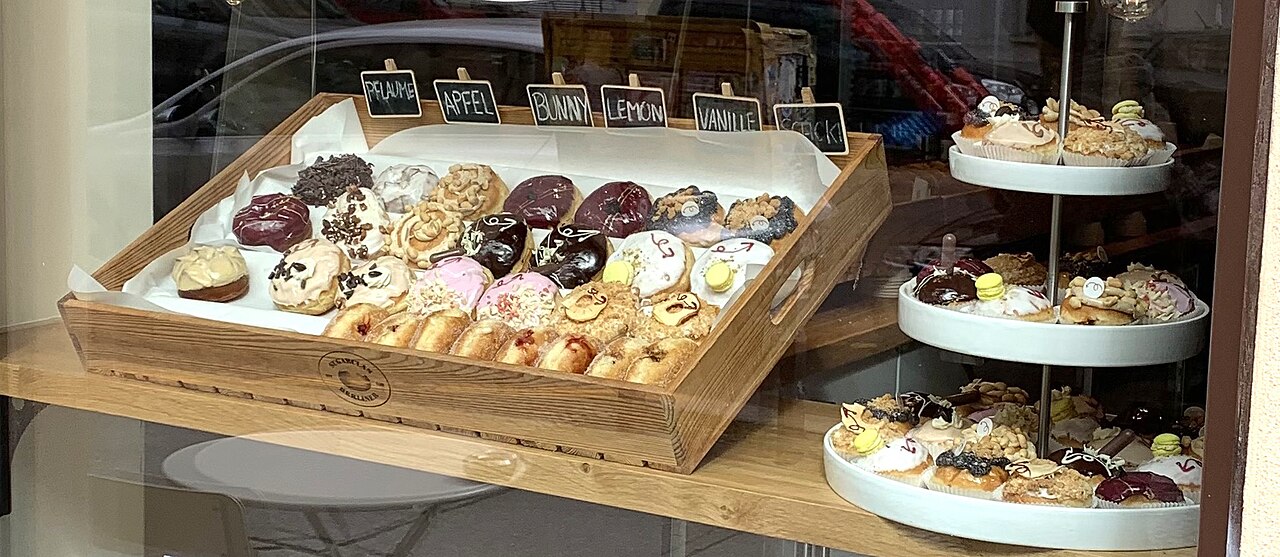
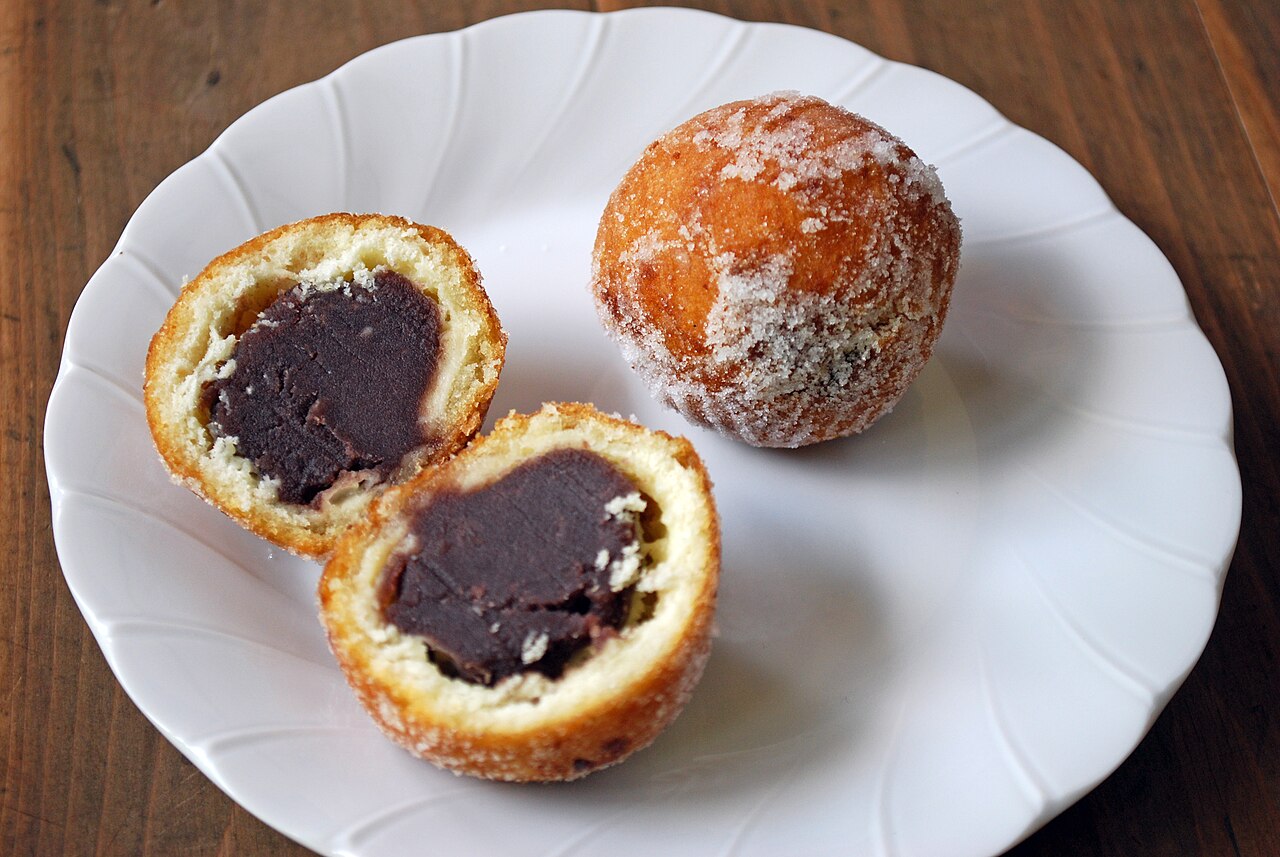
Gallery

Frequently Asked Questions
What exactly is a Berliner (doughnut) in German cuisine?
A Berliner is a hole-free, jam-filled doughnut made from a sweet yeast dough that is fried in lard or oil, then stuffed with fruit jam and finished with powdered sugar or a glaze. It is the classic German answer to the filled donut.
What are Berliner (doughnut)'s signature traits or 'powers'?
Its defining features are the absence of a center hole, the generous jam filling, and the fried, pillowy yeast-dough exterior dusted with sugar or dipped in glaze. Together these elements set it apart from ring-shaped doughnuts or plain pastries.
What is Berliner (doughnut)'s origin story?
The earliest documented recipe for a jelly-filled doughnut, called Gefüllte Krapfen, appears in the 1485 cookbook Kuechenmeisterei, printed in Nuremberg. It remains unknown whether the author invented the recipe or merely recorded a tradition that already existed.
Why is Berliner (doughnut) important in the canon of German food?
With a documented recipe stretching back over five hundred years, it stands as one of the oldest known filled-doughnut preparations in the German-speaking world. That long unbroken continuity makes it a cornerstone of traditional German baking.
What is Berliner (doughnut)'s other name, and where does it come from?
The same pastry is widely known as a Krapfen, a name that appears in the original 1485 recipe. Both terms refer to the identical jam-filled, hole-free fried doughnut.
More in German cuisine 1-24
Spotted an error? Know more?
This is a living reference — every entry is fact-audited, and reader corrections feed straight into our audit queue. Suggest an edit · See this site's audit record