
Galileo (spacecraft)
First spacecraft to orbit an outer planet.

NASA on The Commons · No restrictions
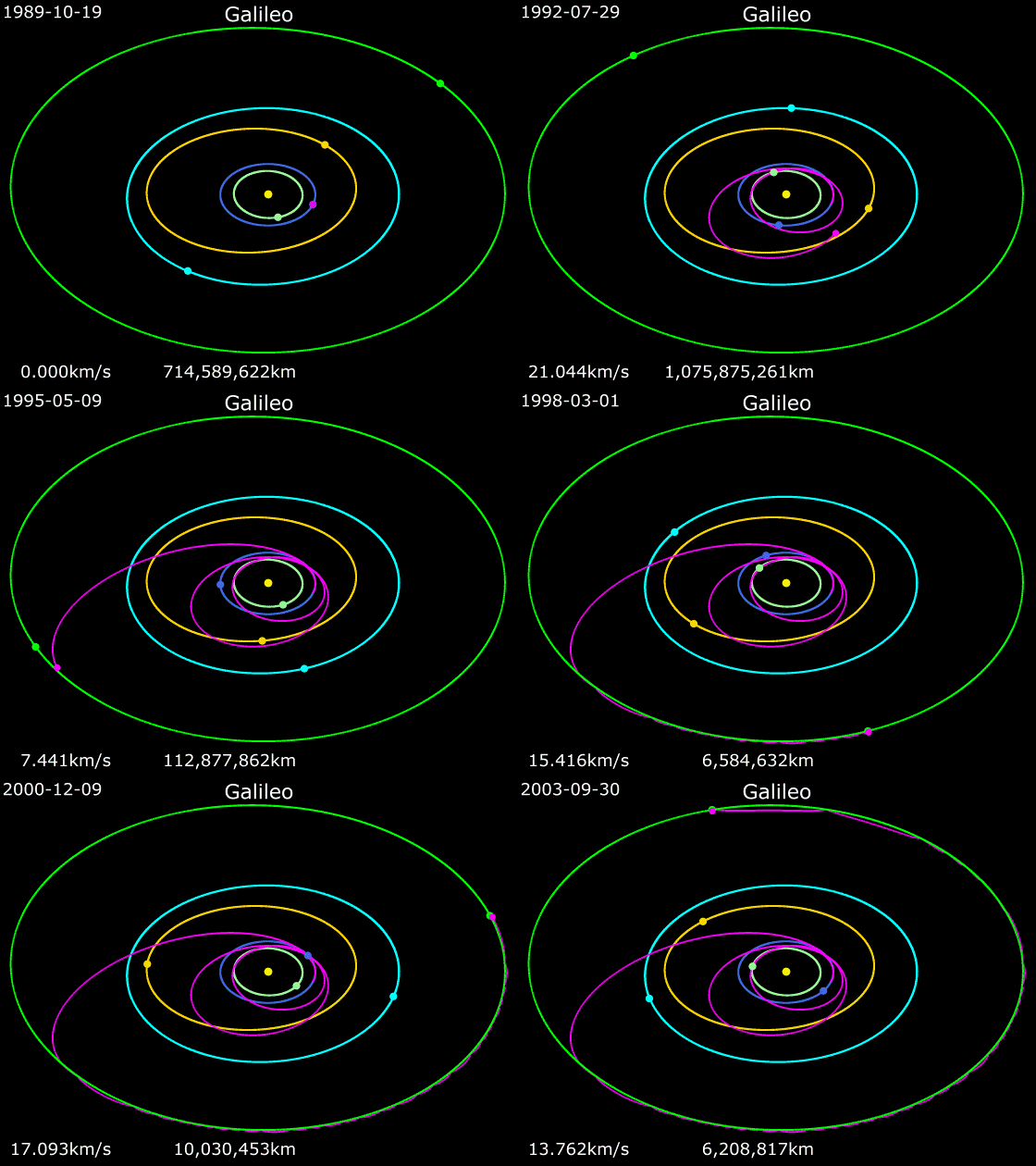
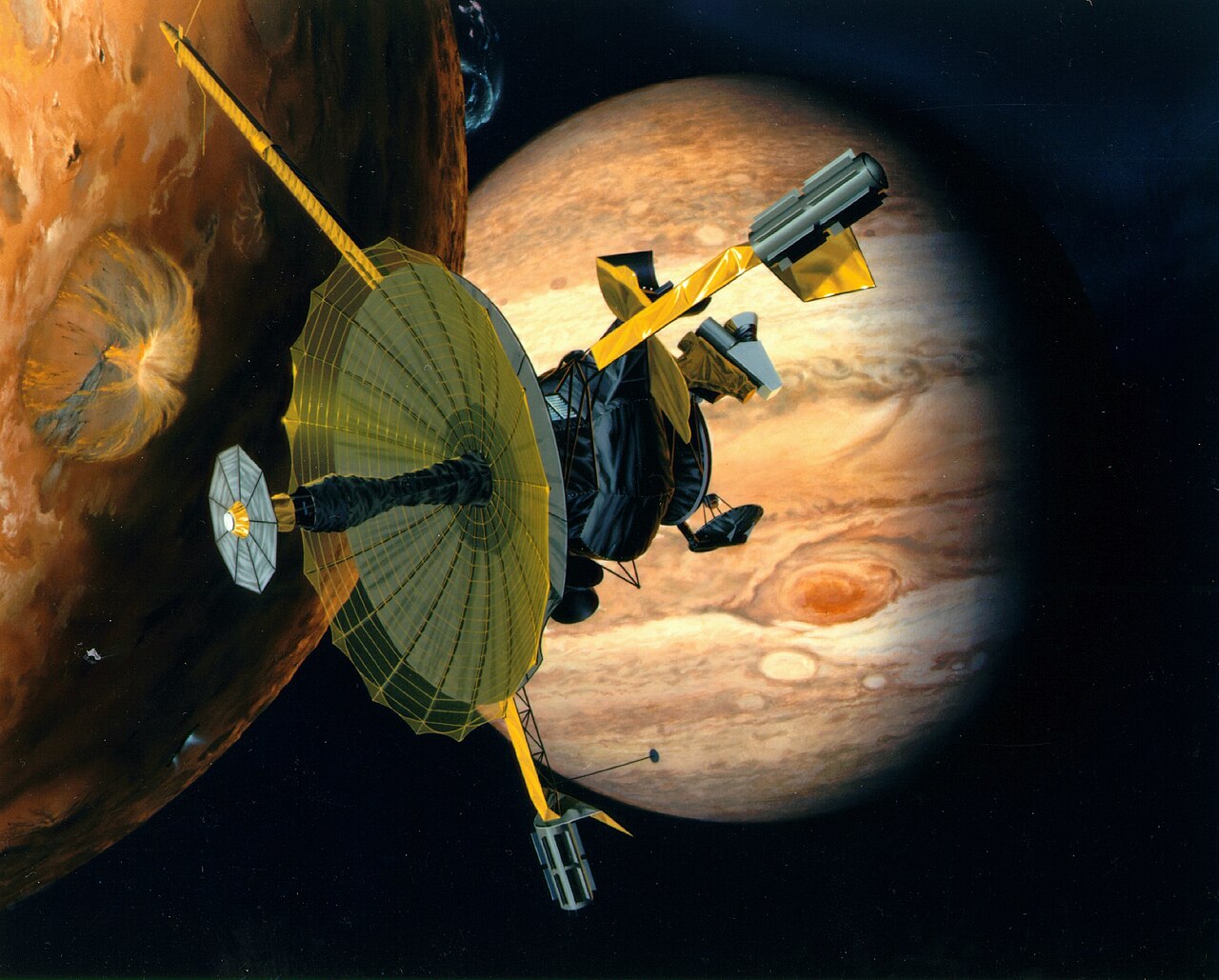
Galileo was a robotic spacecraft from the United States sent to explore Jupiter, its moons, and the asteroids Gaspra and Ida. It was named for the Italian astronomer Galileo Galilei and had two main parts: an orbiter and an atmospheric probe. The Space Shuttle Atlantis launched it into Earth orbit on October 18, 1989, as part of mission STS-34. After using gravity assists from Venus and Earth, Galileo reached Jupiter on December 7, 1995, making it the first spacecraft to orbit a planet in the outer solar system.
The Jet Propulsion Laboratory built the spacecraft and ran the mission for NASA. The propulsion module came from West Germany's Messerschmitt-Bölkow-Blohm, while NASA's Ames Research Center oversaw the probe, built by Hughes Aircraft Company. At launch, the orbiter and probe together weighed 2,562 kg (5,648 lb) and stood 6.15 m (20.2 ft) tall.
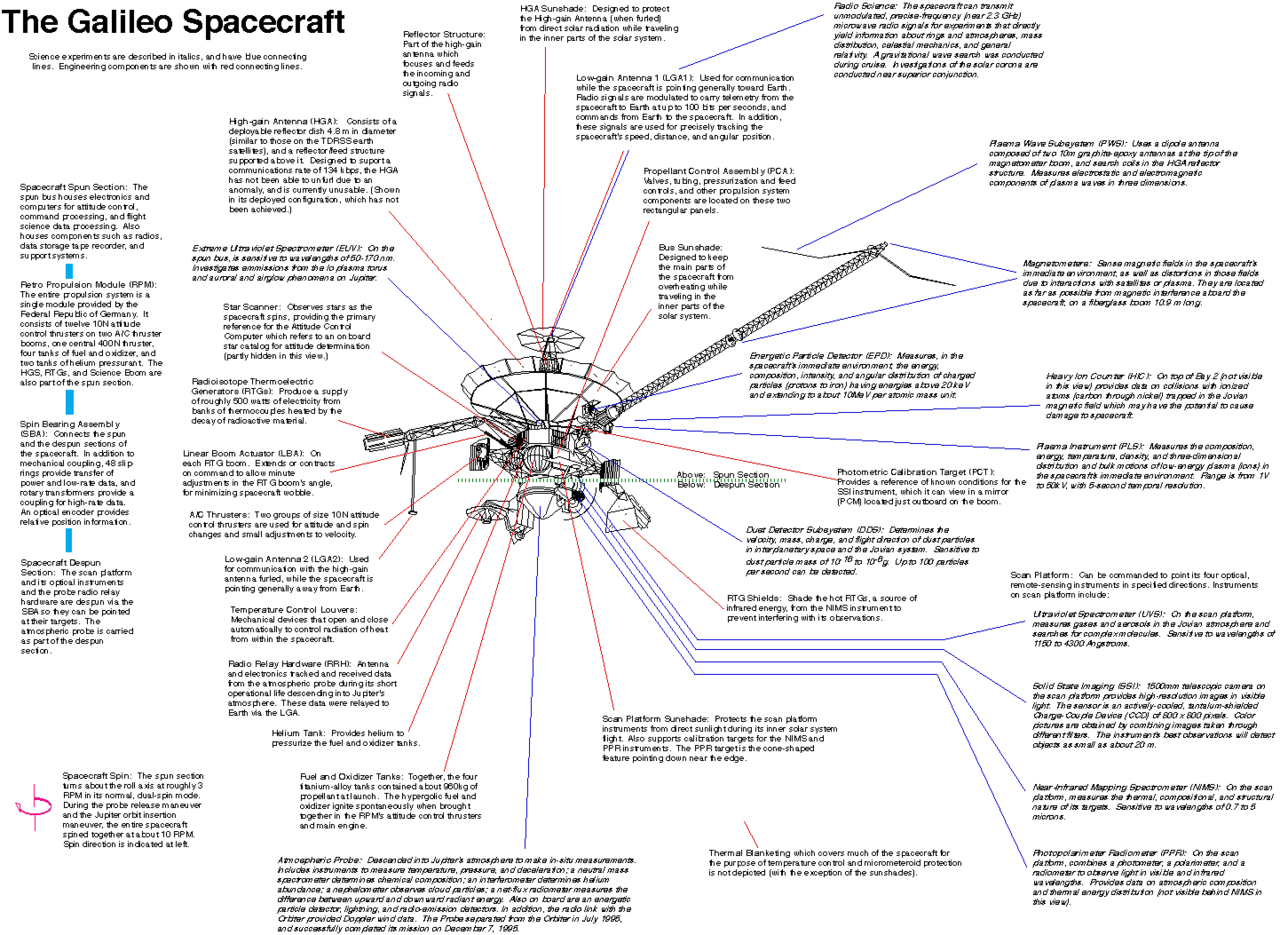
Most spacecraft stabilize either by spinning or by keeping a fixed orientation relative to the Sun and a star. Galileo did both. One section spun at three revolutions per minute, keeping it stable and carrying six instruments—including fields and particles sensors—that collected data from many directions.
On September 21, 2003, Galileo was deliberately sent into Jupiter's atmosphere to destroy it, preventing any risk of contaminating the planet's moons. The next orbiter to visit Jupiter was Juno, which arrived on July 5, 2016.
Quick Facts
- Auto
- all
- Names List
- Jupiter Orbiter Probe
- Mission Type
- Jupiter orbiter
- Operator
- NASA
- Cospar Id
- 1989-084B
- Satcat
- 20298
- Distance Travelled
- 4631778000 km
- Manufacturer
- Jet Propulsion Laboratory / Messerschmitt-Bölkow-Blohm / General Electric / Hughes Aircraft Company
- Launch Mass
- Total: 2560 kg / Orbiter: 2220 kg / Probe: 340 kg
- Dry Mass
- Orbiter: 1880 kg / Probe: 340 kg
- Payload Mass
- Orbiter: 118 kg / Probe: 30 kg
- Launch Date
- October 18, 1989, 16:53:40 UTC
Facts from the source article.
Lore & Background
Galileo was developed as the Jupiter Orbiter Probe (JOP) project, the fifth spacecraft to visit Jupiter but the first to orbit it. The Jet Propulsion Laboratory built the spacecraft and managed the program for NASA. West Germany's Messerschmitt-Bölkow-Blohm supplied the propulsion module, while NASA's Ames Research Center managed the atmospheric probe, built by Hughes Aircraft Company. The spacecraft used a Mariner program design rather than a spinning Pioneer, allowing high-resolution imaging but at greater weight. Galileo was intentionally destroyed in Jupiter's atmosphere on September 21, 2003, to prevent contaminating any of Jupiter's moons.
Reader's Guide
Galileo's significance lies in its pioneering orbit of an outer planet and its study of Jupiter, its moons, and asteroids Gaspra and Ida. It demonstrated the feasibility of long-duration outer planet missions and used gravitational assist flybys of Venus and Earth to reach Jupiter. The spacecraft's dual stabilization—part spinning, part fixed orientation—allowed it to gather data from many directions while taking high-resolution images. Its mission ended deliberately to protect potential life on Jupiter's moons, setting a precedent for planetary protection. The next orbiter sent to Jupiter was Juno, arriving on July 5, 2016.
Did You Know?
- Galileo was named after the Italian astronomer Galileo Galilei, the first person to view Jupiter through a telescope.
- The spacecraft was delivered into Earth orbit by Space Shuttle Atlantis during mission STS-34 on October 18, 1989.
- The spacecraft used both spinning and fixed-orientation stabilization; one section rotated at three revolutions per minute.
Engineering a Dual-Mode Spacecraft
The Galileo spacecraft represented a bold engineering compromise, combining two fundamentally different stabilization approaches in a single vehicle. Rather than relying solely on the spin-stabilization method used by earlier probes like Pioneer, or the fixed-attitude system of the Mariner lineage, Galileo employed both simultaneously. One section of the octagonal prism bus rotated at three revolutions per minute, carrying six scientific instruments that gathered data from many different directions, including fields and particles measurements, while the remainder of the spacecraft maintained a fixed orientation locked to the Sun and a reference star. This hybrid design allowed high-resolution imaging alongside multi-directional data collection. The complete stack—orbiter plus cone-shaped atmospheric entry probe—weighed 2,562 kilograms and stretched 6.15 meters. Jet Propulsion Laboratory constructed the main bus, West Germany's Messerschmitt-Bölkow-Blohm provided the propulsion module, and Hughes Aircraft Company built the probe under management by NASA's Ames Research Center. Every component endured a minimum of 2,000 hours of testing, and the vehicle was engineered to survive at least five years of operation. Ground operations relied on over 2.8 million lines of software across orbit planning, telemetry interpretation, and navigation.
From 1959 Dreams to a Name
Plans to send a robotic visitor to Jupiter stretch back to 1959, when NASA's Scientific Advisory Group first examined what an outer-planet mission would demand. At that early stage, the technology for a heat shield capable of surviving Jupiter's atmosphere simply did not exist, and the testing facilities to validate one would not be ready until 1980. NASA nonetheless designated Jet Propulsion Laboratory as the lead center for what was then called the Jupiter Orbiter Probe. A critical early choice was to base the orbiter on the Mariner platform—familiar from the Voyager missions—rather than the lighter, spin-stabilized Pioneer design. Mariner's three-gyroscope attitude system and nitrogen thrusters enabled high-resolution imaging but added significant mass: 722 kilograms versus Pioneer's 146. John R. Casani, who had led both Mariner and Voyager, became the first project manager and solicited a more evocative name. The team settled on "Galileo," honoring the Italian astronomer who in 1610 first observed Jupiter's four large moons through a telescope, a discovery that bolstered the Copernican view of the solar system. A secondary note was that the name also appeared in the Star Trek television series. The designation was officially adopted in February 1978.
A Bumpy Road to Launch
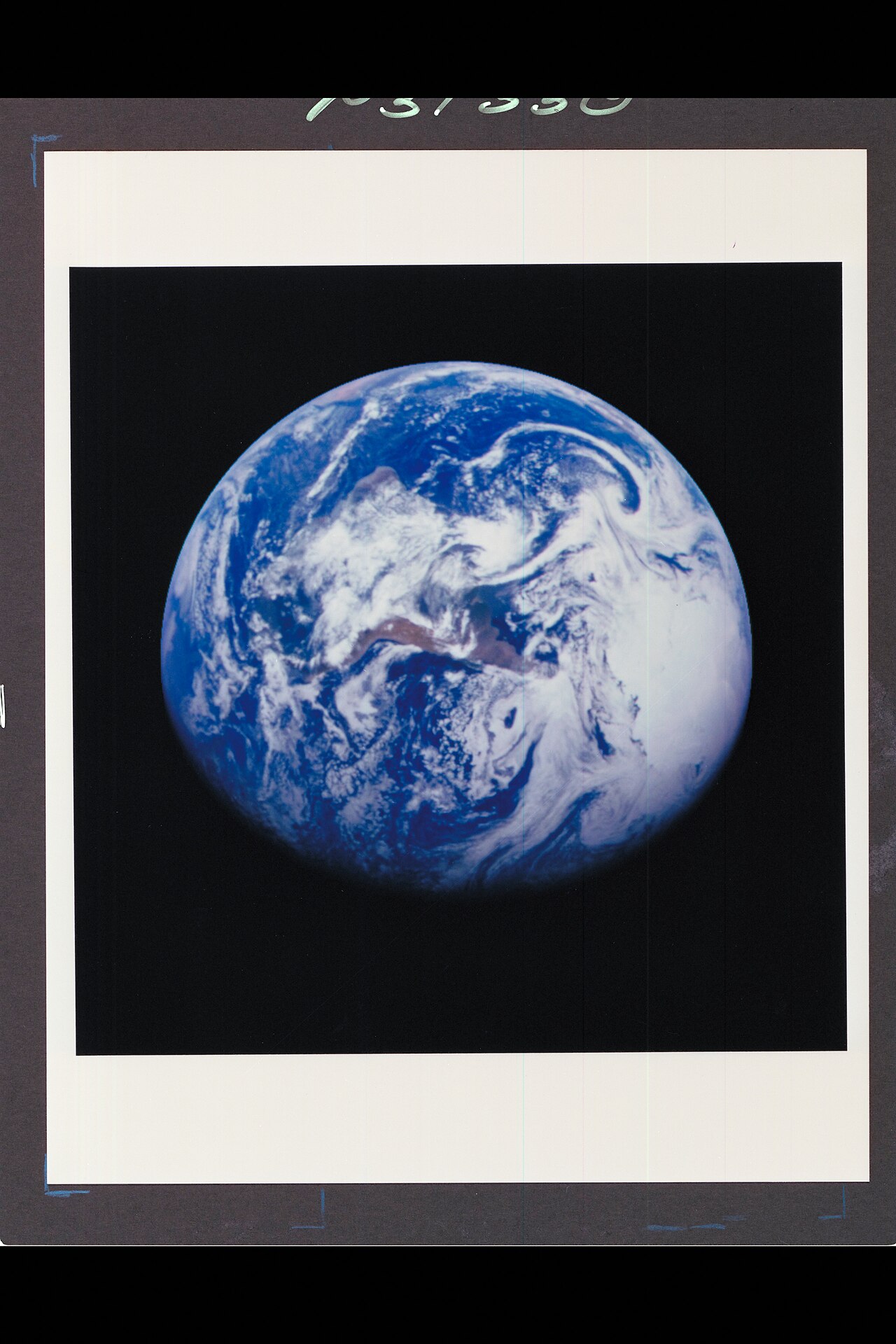
The path from the Jet Propulsion Laboratory to orbit was anything but smooth. On December 19, 1985, the spacecraft began a road trip from Pasadena, California, to Kennedy Space Center in Florida. The originally planned May launch date became impossible after the Space Shuttle Challenger disaster, pushing the mission to October 1989. As the new date approached, anti-nuclear groups filed a court injunction, arguing that the plutonium in Galileo's radioisotope thermoelectric generators and General Purpose Heat Source modules posed an unacceptable public-safety risk. Those power sources were, however, essential for a probe destined for the outer solar system, where solar panels would be impractical. The launch itself slipped twice more: a faulty main engine controller forced a one-day delay to October 17, and inclement weather pushed it once more to October 18. Fortunately, the launch window stretched to November 21. Space Shuttle Atlantis finally lifted off at 16:53:40 UTC on October 18, reaching a 343-kilometer orbit. Galileo was deployed the following morning, separated from its Inertial Upper Stage booster, and was soon racing toward Venus at over 14,000 kilometers per hour.
Arrival, Achievement, and a Deliberate End
After gravitational-assist flybys of Venus and Earth, Galileo reached Jupiter on December 7, 1995, becoming the first spacecraft ever to enter orbit around an outer planet. Along the way it also studied the asteroids Gaspra and Ida, broadening its scope beyond a single planetary system. Once in orbit, the spacecraft carried out its primary mission of studying Jupiter and its moons through the combined efforts of the orbiter and the atmospheric entry probe. The mission's conclusion was as deliberate as its beginning. On September 21, 2003, Galileo was intentionally destroyed in Jupiter's atmosphere. The reason was planetary protection: controllers wanted to prevent any surviving hardware from contaminating one of Jupiter's moons. This careful termination created a notable gap in Jupiter exploration. The next orbiter to reach the gas giant was Juno, which arrived on July 5, 2016—more than twelve years after Galileo's fiery end. In the intervening years, Galileo's status as the first outer-planet orbiter and its contamination-averse demise remained defining milestones in the story of robotic spaceflight.
Gallery

Frequently Asked Questions
What is the Galileo spacecraft?
Galileo is a NASA robotic probe designed to study Jupiter, its moons, and the asteroids Gaspra and Ida. It is made up of two main components—an orbiter and an atmospheric probe—and takes its name from the Italian astronomer Galileo Galilei.
What was Galileo's main mission and what did it accomplish?
Its core role was to enter orbit around Jupiter and gather detailed data on the gas giant and its satellite system. Along the way it flew past the asteroids Gaspra and Ida, and upon arriving in December 1995 it became the first spacecraft ever to orbit a planet in the outer solar system.
How did the Galileo mission end?
On September 21, 2003, the orbiter was intentionally steered into Jupiter's atmosphere so that no Earth-originating organisms could potentially contaminate the moon environments. That deliberate impact brought a nearly fourteen-year mission to its final close.
Why is Galileo considered so important in space exploration?
It holds the record as the first human-made object to orbit a planet beyond the inner solar system. The data it returned on Jupiter's moons fundamentally reshaped scientists' understanding of the Jovian system and paved the way for later missions to icy satellites.
When was Galileo launched and who built it?
The Space Shuttle Atlantis placed Galileo into Earth orbit on October 18, 1989, during flight STS-34. The Jet Propulsion Laboratory constructed the spacecraft and managed the entire mission on behalf of NASA.
More in Extraterrestrial orbiters 1-21
Spotted an error? Know more?
Reader corrections go straight into our review queue. Suggest an edit · How this site is sourced