
Europa Clipper
NASA probe to study Europa's subsurface ocean via flybys.

NASA/JPL-Caltech · Public domain
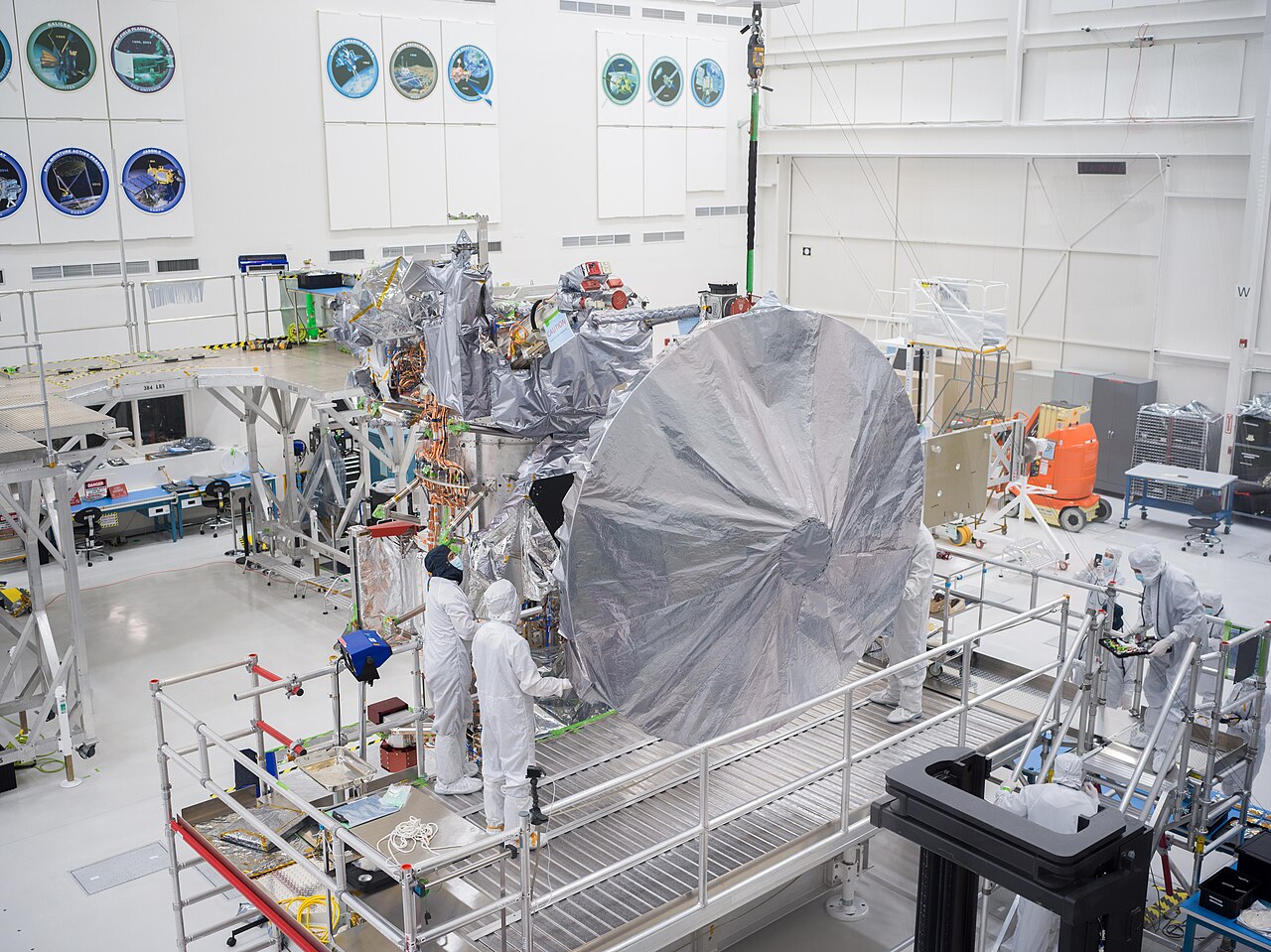
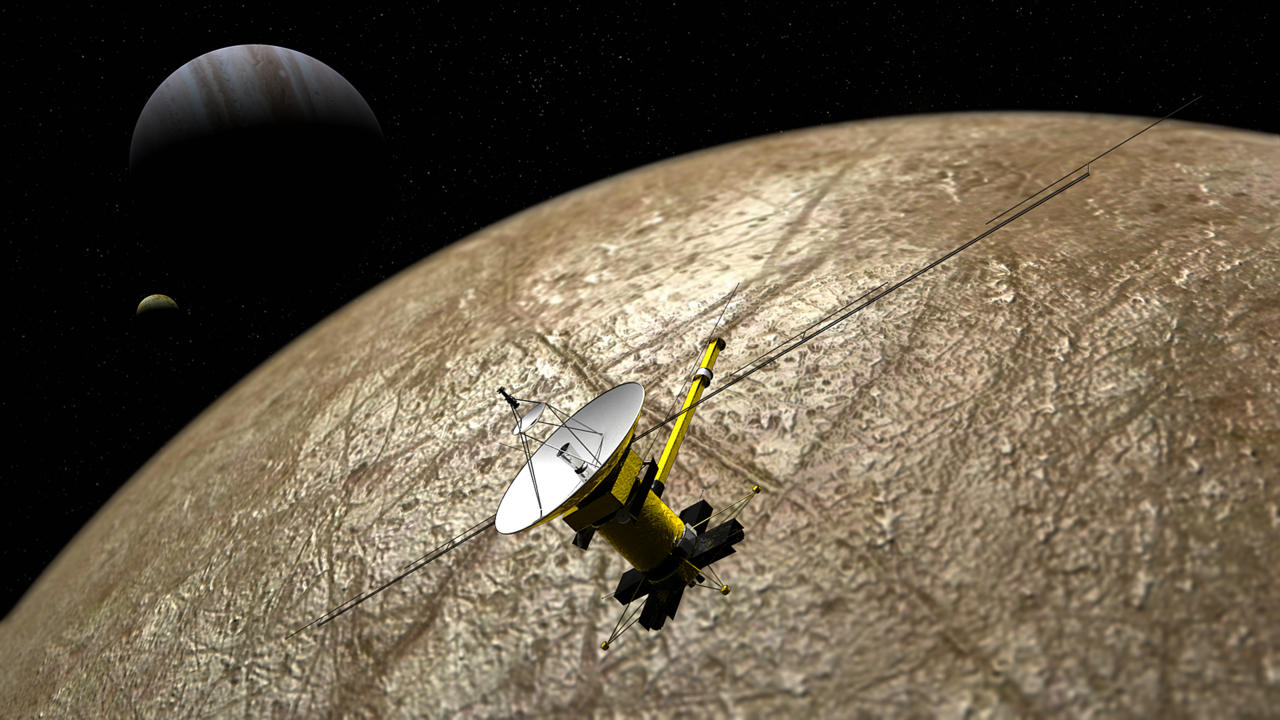
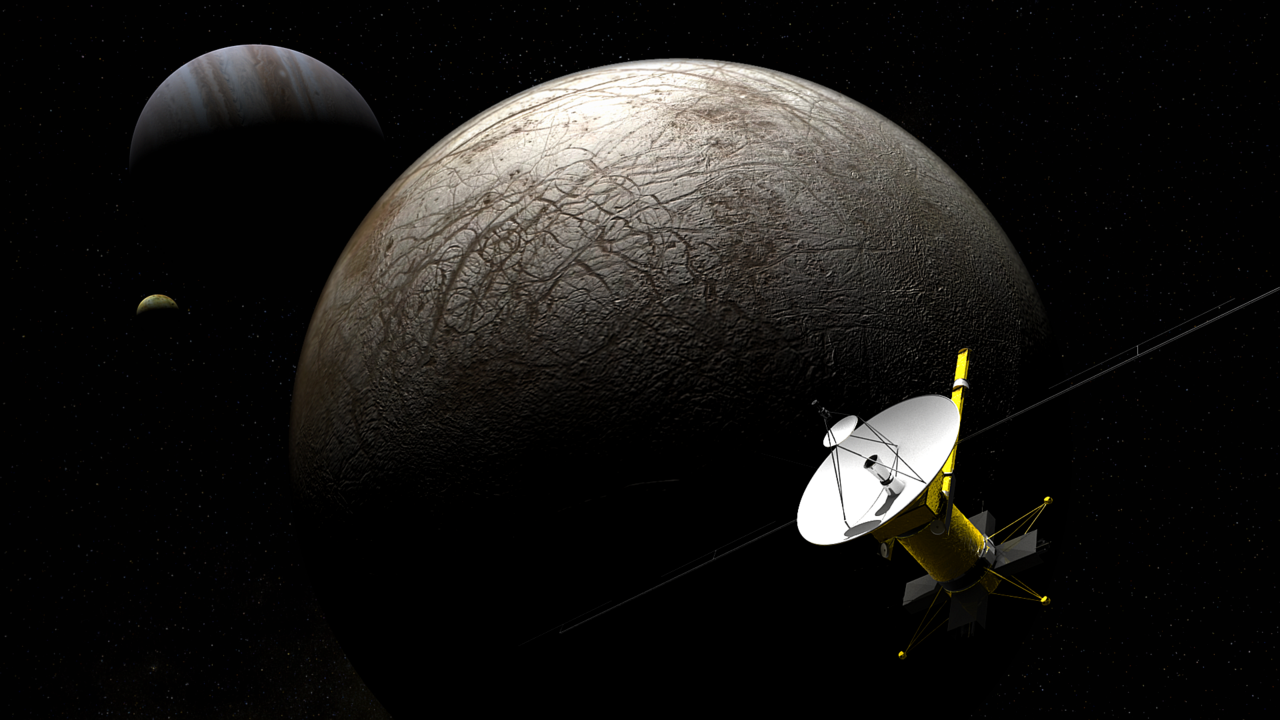
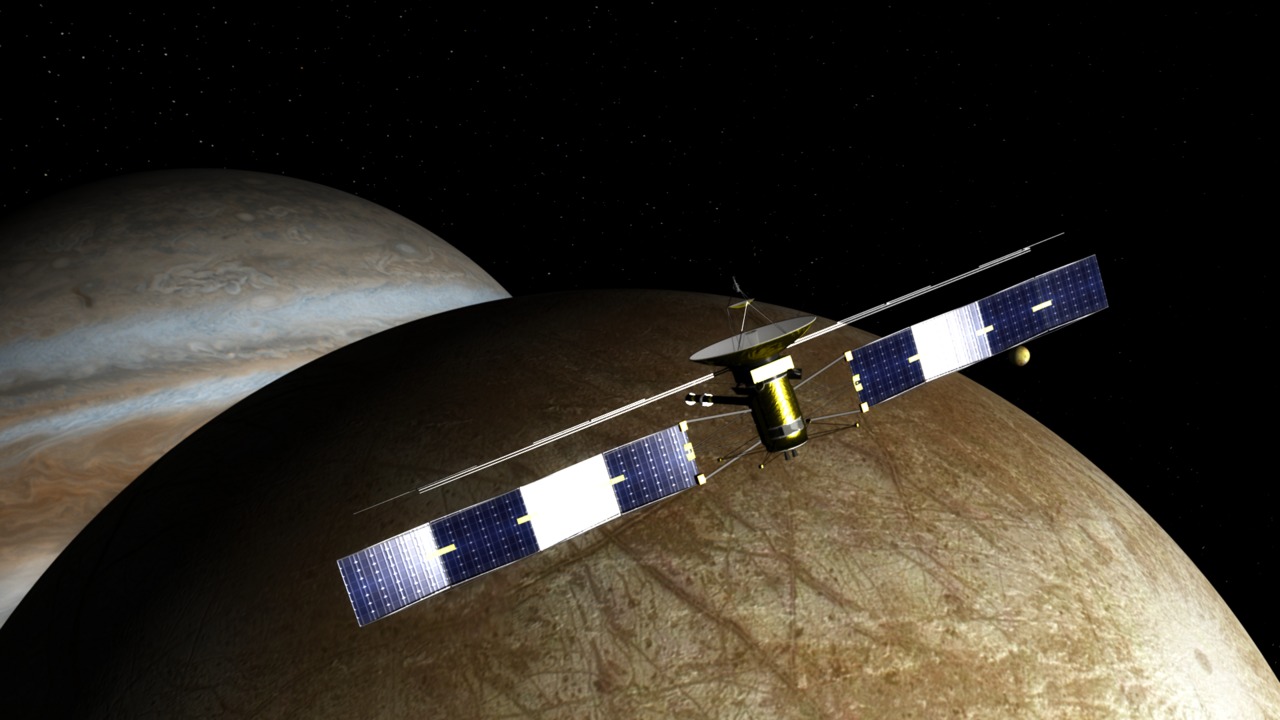
Europa Clipper, originally called the Europa Multiple Flyby Mission, is a NASA spacecraft that launched on October 14, 2024, aboard a Falcon Heavy. Its destination is Europa, one of Jupiter’s Galilean moons. This probe is the largest interplanetary spacecraft NASA has ever built. It is scheduled to enter orbit around Jupiter in April 2030, with the first of many flybys of Europa beginning in March 2031. To get there, it used a gravity assist from Mars in March 2025 and will use another from Earth in December 2026.
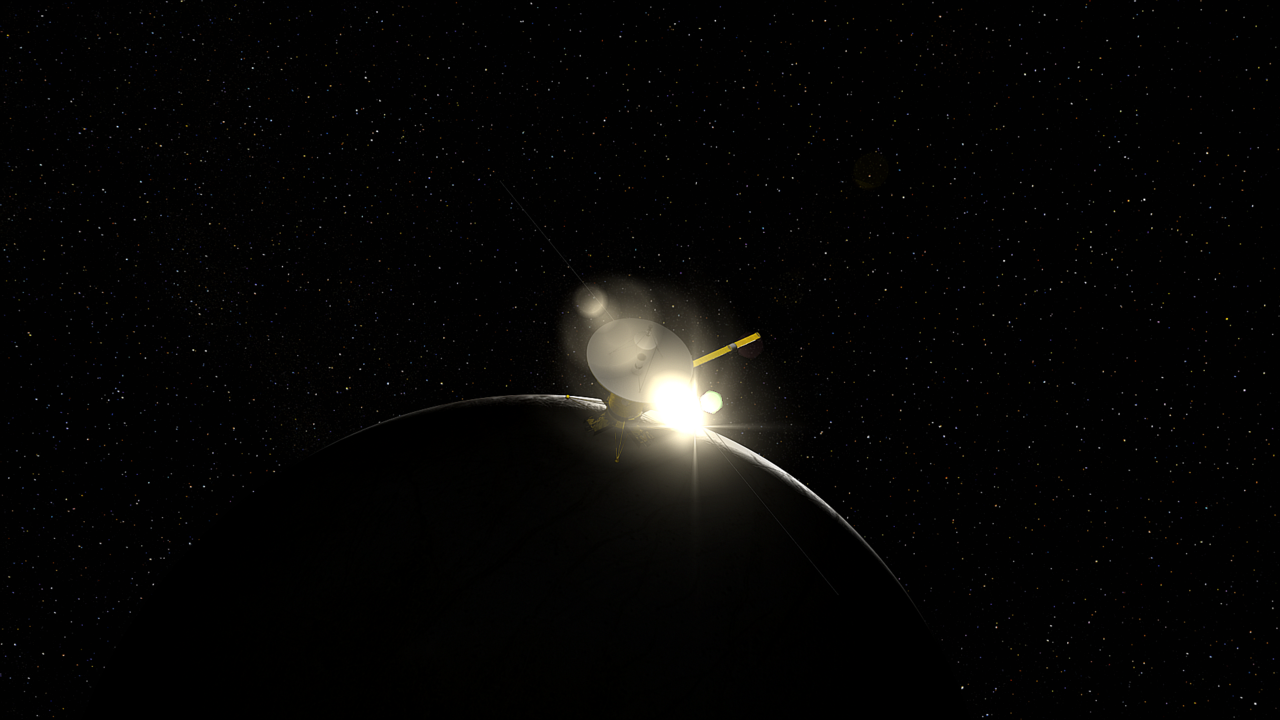
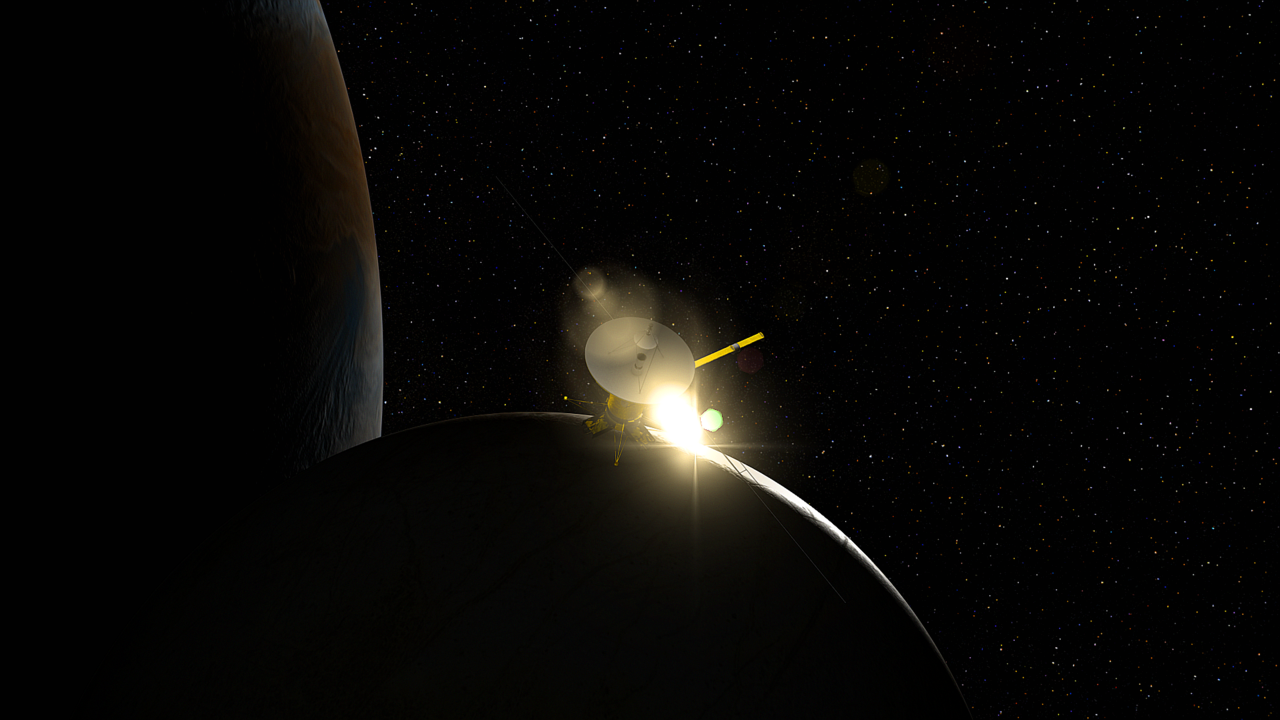
The mission’s main goal is to study the subsurface ocean beneath Europa’s icy crust, which was first detected by the Galileo spacecraft during its time orbiting Jupiter from 1995 to 2003. Earlier mission concepts, like the Europa Orbiter and Jupiter Icy Moons Orbiter, planned to orbit the moon directly. However, Europa sits deep within Jupiter’s intense radiation belt, making that approach dangerous. Instead, Europa Clipper will enter a stretched, elliptical orbit around Jupiter, using a gravity assist from Ganymede (Jupiter’s largest moon), and perform 49 close passes of Europa. At the end of its mission, planned for 2034 or later, the spacecraft will be intentionally crashed—likely into Ganymede—to avoid contaminating Europa with any Earth microbes.
The orbiter will measure Europa’s induced magnetic field. Its Surface Dust Analyzer, a mass spectrometer, is designed to detect and directly sample material from the moon’s subsurface ocean by analyzing water vapor plumes ejected from cryovolcanoes. This instrument is sensitive enough to identify a single bacterium.
The name “Europa Clipper” references the fast, lightweight clipper ships of the 19th century that sailed trade routes, mirroring how the spacecraft will zip past Europa frequently—as often as every two weeks. The mission patch features a sailing ship to reinforce this theme. Europa Clipper works alongside the European Space Agency’s Jupiter Icy Moons Explorer, launched in 2023, which will fly past Europa twice and Callisto multiple times before settling into orbit around Ganymede.
**History**
**Early proposals and Galileo discoveries** In 1997, a team proposed a Europa Orbiter for NASA’s Discovery Program but was not selected.
Quick Facts
- Names List
- Europa Multiple Flyby Mission
- Mission Type
- Europa reconnaissance
- Operator
- Jet Propulsion Laboratory
- Manufacturer
- Jet Propulsion Laboratory / Johns Hopkins Applied Physics Laboratory
- Launch Mass
- 6065 kg, including 2750 kg propellant
- Dry Mass
- 3241 kg
- Payload Mass
- 352 kg
- Dimensions
- Height: 5 m / Solar panel span: 30.5 m
- Power
- 600 watts from solar panels
- Launch Rocket
- Falcon Heavy Block 5
- Launch Site
- Kennedy, LC-39A
Facts from the source article.
Lore & Background
Europa Clipper was developed following earlier proposals such as the Europa Orbiter and Jupiter Icy Moons Orbiter, which were canceled due to extreme radiation in Jupiter's magnetosphere. The spacecraft uses an elliptical orbit around Jupiter, achieved via a gravity assist from Ganymede, to perform 49 close flybys of Europa. It launched on a Falcon Heavy on October 14, 2024, after a brief delay due to Hurricane Milton, and will use gravity assists from Mars (March 2025) and Earth (December 2026).
The mission's science goals include analyzing Europa's induced magnetic field and directly sampling water vapor plume ejecta from cryovolcanoes using its Surface Dust Analyzer mass spectrometer, which is capable of identifying a single bacterium. The spacecraft is named after 19th-century clipper ships, referencing its rapid flyby cadence. At mission end, planned for 2034 or later, it will be intentionally crashed, likely into Ganymede, to prevent contamination of Europa.
Reader's Guide
Europa Clipper represents a major step in the search for life beyond Earth, targeting Europa's subsurface ocean—one of the most promising locations in the Solar System for microbial extraterrestrial life. Its multi-flyby approach avoids the intense radiation that doomed earlier orbiter concepts, allowing repeated close passes to gather data on ice shell thickness, ocean composition, and plume activity. The mission complements ESA's Jupiter Icy Moons Explorer (Juice), launched in 2023, which will also study Europa and Ganymede. By confirming the presence of liquid water, chemistry, and energy sources, Europa Clipper will assess Europa's habitability and inform future landing site selection for a proposed Europa Lander. Its legacy includes advancing understanding of ocean worlds and demonstrating radiation-tolerant spacecraft design.
Did You Know?
- Europa Clipper is the largest interplanetary spacecraft ever launched by NASA.
- The mission will use a gravity assist from Mars in March 2025 and from Earth in December 2026.
- Its Surface Dust Analyzer mass spectrometer can identify a single bacterium.
- The spacecraft is named after 19th-century clipper ships due to its rapid flyby cadence.
Orbital Strategy and the Radiation Gauntlet
The decision to fly by Europa 49 times rather than orbit it was driven by a single brutal reality: Europa sits deep inside Jupiter's magnetosphere, where radiation levels are extreme. Earlier concepts like the Europa Orbiter and Jupiter Icy Moons Orbiter both envisioned a dedicated orbit around the moon, but the radiation environment made that untenable. Instead, the spacecraft will enter an elliptical orbit around Jupiter itself, using a gravity assist from Ganymede—the largest of Jupiter's moons—to shape its trajectory. Before reaching Jupiter, the probe will borrow momentum from Mars in March 2025 and from Earth in December 2026, a sequence of gravitational slingshots that builds the velocity needed for the long cruise. Once in its Jupiter orbit, the craft will swing past Europa as frequently as every two weeks, gathering data on each close approach. At mission's end, no earlier than 2034, the spacecraft will be deliberately crashed, most likely into Ganymede, to eliminate any risk of forward-contaminating Europa's potentially habitable environment.
Hunting for Life Beneath the Ice
Galileo's flybys between 1995 and 2003 first revealed that Europa harbors a subsurface ocean beneath its icy crust, a discovery that immediately flagged the moon as one of the Solar System's most promising candidates for microbial extraterrestrial life. Europa Clipper is built to follow that thread. Its suite of instruments will map the induced magnetic field surrounding Europa, a signature that betrays the presence and properties of the hidden ocean. Perhaps most ambitiously, the Surface Dust Analyzer—a mass spectrometer designed to intercept and directly sample water-vapor ejecta from cryovolcanic plumes—aims to pull material straight from that subsurface ocean. The instrument is sensitive enough, in principle, to identify a single bacterium. This is not merely geological survey work; it is a targeted search for biosignatures in a world that may have kept liquid water warm for billions of years.
From Proposal to Probe: Two Decades of Shaping
The road to Europa Clipper stretched back to 1997, when a team submitted a Europa Orbiter concept to NASA's Discovery Program. Though that specific proposal was not selected, JPL quickly announced its own Europa orbiter plans and invited the original team to serve as a Mission Review Committee. Over the following years, JPL ran a series of preliminary studies, ranging from a $16 billion Jupiter Icy Moons Orbiter down to a $2 billion concept, eventually settling on a multi-flyby architecture. The National Research Council formally recommended a Europa mission in 2013, and funding grew steadily—jumping from $15 million to $100 million in a single House bill in 2014. The project became a joint effort between Johns Hopkins APL and JPL. A lander was approved in 2016 but scrapped in 2017 as too risky. The cost estimate climbed from roughly $2 billion in 2013 to $4.25 billion by 2020. In February 2017 the mission crossed from Phase A into Phase B, the preliminary design stage, where subsystem vendors were chosen and prototype hardware for the science instruments was built and tested.
A Clipper's Name and a Shared Jupiter
The mission's name is a nod to the fast, lightweight clipper ships that raced trade routes in the 19th century. Because Europa Clipper will sweep past the moon at a rapid cadence—sometimes as often as every two weeks—the nautical metaphor fits neatly, and the mission patch carries a sailing ship to reinforce the image. The spacecraft, launched on a Falcon Heavy on October 14, 2024, is the largest interplanetary probe NASA has ever sent beyond Earth orbit. It does not travel alone in spirit: ESA's Jupiter Icy Moons Explorer, launched in 2023, will attempt two flybys of Europa and several of Callisto before settling into orbit around Ganymede. Together, the two missions form a complementary pair, each probing different facets of Jupiter's icy moons and together building a far richer picture of the system than either could achieve in isolation.
Gallery
Frequently Asked Questions
What is Europa Clipper?
Europa Clipper is a NASA planetary science spacecraft built to probe the buried ocean beneath Europa's frozen surface. It is the largest interplanetary probe the agency has ever assembled.
When did Europa Clipper launch, and what rocket carried it?
The probe lifted off on October 14, 2024, riding a Falcon Heavy. Before its final designation was locked in, the project was known internally as the Europa Multiple Flyby Mission.
What is the core scientific objective of Europa Clipper?
The spacecraft is engineered to determine whether Europa's subsurface ocean possesses the chemistry and energy sources needed to sustain life. Rather than settling into a permanent orbit around the moon, it will execute a long series of close flybys to collect that data.
How does Europa Clipper reach Jupiter?
The probe follows a gravity-assist trajectory, swinging past Mars in March 2025 and then past Earth again in December 2026 to build up the velocity it needs. It is projected to be captured into a Jupiter orbit in April 2030.
When does the Europa Clipper mission wrap up?
The first close flyby of Europa is expected in March 2031, and the full survey campaign is planned to stretch to 2034 or later. There is no single dramatic finale; the mission simply concludes once its planned flyby sequence is complete.
More in Extraterrestrial orbiters 1-21
Spotted an error? Know more?
Reader corrections go straight into our review queue. Suggest an edit · How this site is sourced