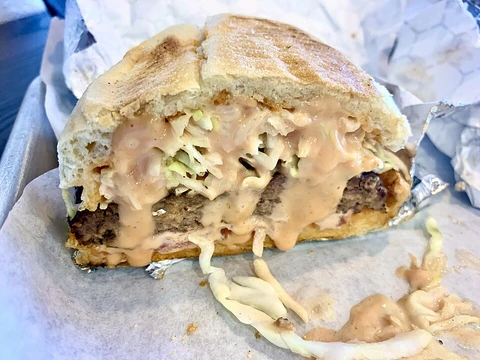
Pollo al carbón
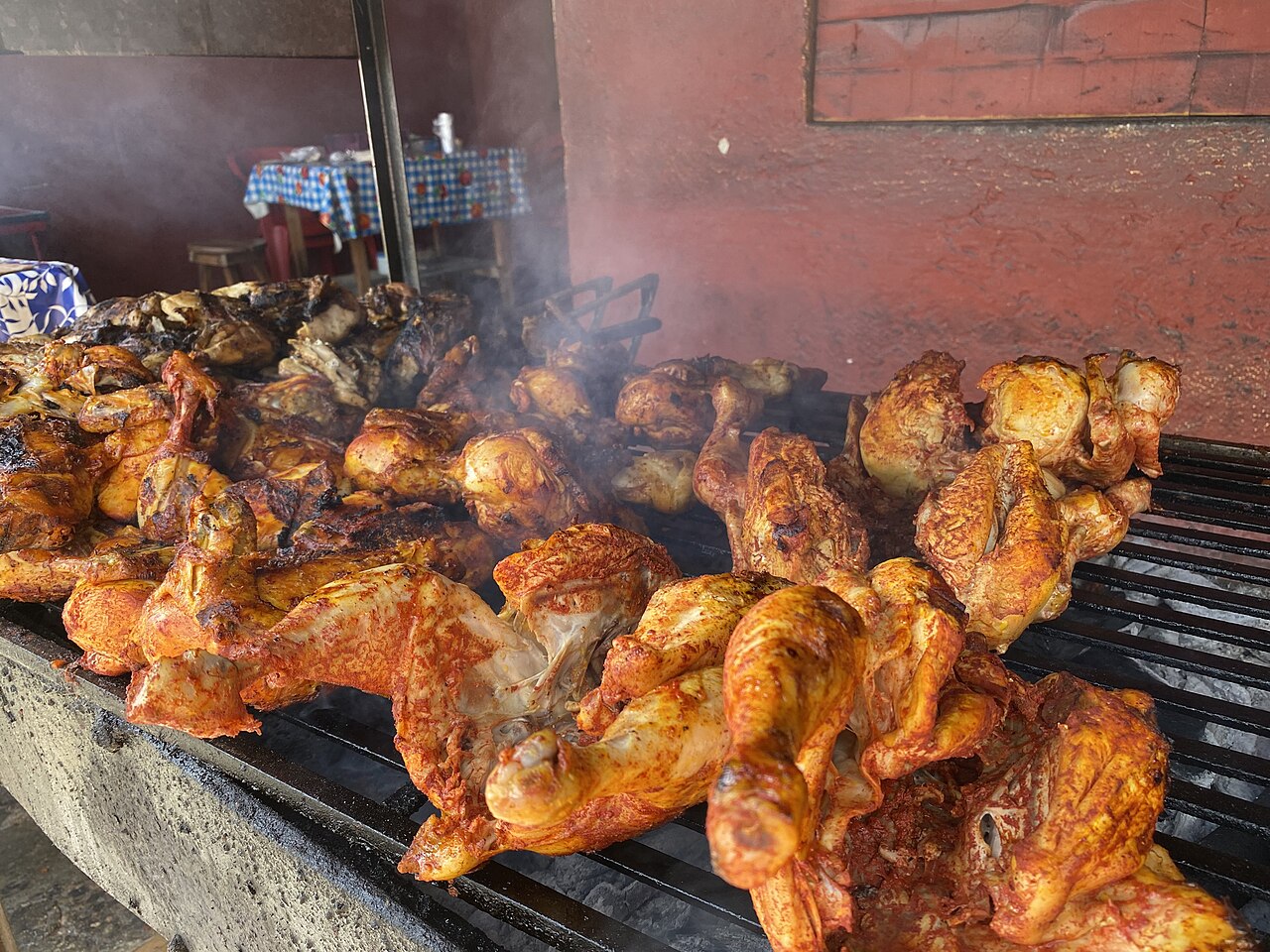
Dominican charbroiled chicken marinated in citrus and spices.

Guarara · CC BY-SA 3.0
Pollo al carbón, also called chicken al carbón or pollo asado al carbón, is a Latin American dish of charbroiled chicken marinated in a citrus and spice sauce. In the Dominican Republic, the dish is widely considered to have Peruvian origins or to be a local adaptation, not derived from Mexican cuisine. The chicken is grilled over charcoal—hence the name "al carbón"—and is often butterflied with the backbone removed or cooked on a rotisserie spit. The marinade typically includes limes, oranges, and garlic, oregano, or adobo seasoning, though variations may use achiote paste or other local spices.
In the Dominican Republic, pollo al carbón is commonly sold by small, inexpensive restaurants, often served with rice, beans, and salads. Similar grilled chicken recipes exist across Latin America, Spain, and Portugal, each with different marinades and preparation methods. Pollo al carbón is typically served with condiments such as salsa verde, pico de gallo, salsa roja, and grilled onions, and common sides include fried plantains and pinto beans.
Quick Facts
- Region
- Northern Mexico
- Associated Cuisine
- Mexican cuisine
- Main Ingredient
- Chicken
Facts from the source article.
Lore & Background
In the Dominican Republic, pollo al carbón is widely considered to have Peruvian origins or to be a local adaptation, not derived from Mexican cuisine. The dish is commonly sold by small, inexpensive restaurants, paired with rice and beans and salads.
The dish is made by charbroiling a whole chicken that has been marinated in a sauce of citrus, garlic, oregano, and other seasonings. The marinade typically includes limes and oranges, along with garlic and adobo seasoning. Variations may include achiote paste or other local spices. The chicken may be butterflied with the backbone removed before grilling, or cooked on a rotisserie spit. It is named 'al carbón' because it is traditionally grilled over charcoal.
Similar grilled chicken recipes are found throughout Latin America, Spain, and Portugal, featuring variations on marinade and method of preparation. The dish is served with condiments such as salsa verde, pico de gallo, salsa roja, and grilled onions, with fried plantains and pinto beans as common sides.
Reader's Guide
Pollo al carbón represents a significant culinary tradition from northern Mexico that has crossed borders and adapted to local tastes in the Southwestern United States and the Dominican Republic. Its method of charcoal grilling and citrus-chili marinade distinguishes it from other grilled chicken dishes. The dish's spread into Tex-Mex cuisine and its presence in small restaurants in the Dominican Republic illustrate its versatility and appeal. Similar recipes throughout Latin America, Spain, and Portugal show the broader cultural context of grilled chicken preparations. The dish's name directly references its traditional cooking method over charcoal, which imparts a distinct flavor. Its common accompaniments—tortillas, salsas, and beans—reflect its role as a communal, street-food style meal. The variations in marinade ingredients, such as different chili peppers and citrus fruits, allow for regional and personal adaptations while maintaining the core identity of pollo al carbón.
Did You Know?
- It is commonly sold by small, inexpensive restaurants in the Dominican Republic, paired with rice and beans and salads.
- The marinade typically includes limes, oranges, garlic, oregano, and adobo seasoning.
- Fried plantains are a common side dish for Dominican pollo al carbón.
Origins & Geographic Journey
Pollo al carbón traces its roots to the northern regions of Mexico, where it became a staple of street-level food culture, commonly served alongside tortillas from small food stands. Over time, the dish crossed the border into the Southwestern United States, where it found a natural home within Tex-Mex culinary traditions. Its reach extended further into the Caribbean, where in the Dominican Republic it became a fixture of modest, affordable restaurants, typically accompanied by rice, beans, and fresh salads. The dish's popularity is not an isolated phenomenon; similar grilled chicken preparations appear across Latin America, as well as in Spain and Portugal, each region adapting the marinade and cooking technique to local tastes and available ingredients. This wide distribution underscores how a simple concept—marinated chicken cooked over open flame—resonates across diverse culinary traditions.
The Marinade & Regional Variations
At the heart of pollo al carbón lies a marinade built on the interplay of heat and brightness. The base sauce combines chili peppers with citrus, creating a tangy, spicy coating that clings to the chicken before it meets the fire. Limes and oranges form the citrus backbone in the most common preparation, while the heat typically comes from serrano peppers or jalapeños. However, the recipe is far from rigid. Cooks in different regions may swap oranges for lemons, introduce the smoky depth of ancho chile, add the earthy warmth of achiote paste, or bring in the sharper bite of chile de árbol. These variations reflect the broader pattern of grilled chicken dishes found throughout Latin America, Spain, and Portugal, where each locale tweaks the seasoning blend to suit local palates while preserving the essential citrus-and-chili foundation.
Preparation & the Meaning of 'Al Carbón'
The name 'al carbón' is a direct reference to the cooking fuel: charcoal. Traditionally, the whole chicken is grilled directly over burning charcoal, which imparts a distinctive smoky char to the skin and meat that distinguishes this dish from gas-grilled or oven-roasted alternatives. Before hitting the grill, the chicken is typically marinated in the chili-citrus sauce, allowing the flavors to penetrate the flesh. In terms of technique, cooks have two main approaches. One method involves butterflying the bird—removing the backbone and flattening it—so it cooks more evenly on a flat grill surface. The other calls for threading the whole chicken onto a rotisserie spit, where it turns slowly over the coals, basting itself in its own juices. Both methods rely on the same fundamental principle: direct, high-heat charcoal cooking that produces the signature charred exterior.
Serving Style & Accompaniments
How pollo al carbón is plated and served varies significantly by region, reflecting the local food culture it inhabits. In northern Mexico, the dish is most often encountered at small food stands, where it arrives alongside warm tortillas, making it a practical, handheld meal. In the Dominican Republic, the presentation shifts: the charbroiled chicken is paired with rice, beans, and fresh salads, turning it into a more structured plate lunch served in small, budget-friendly restaurants. Across these contexts, a spread of condiments completes the meal. Salsa verde, pico de gallo, and salsa roja offer a range of fresh, tangy, and spicy toppings, while grilled onions add a sweet, smoky counterpoint. For heartier sides, frijoles charros and pinto beans are common companions, rounding out the plate with protein and earthiness.
Gallery
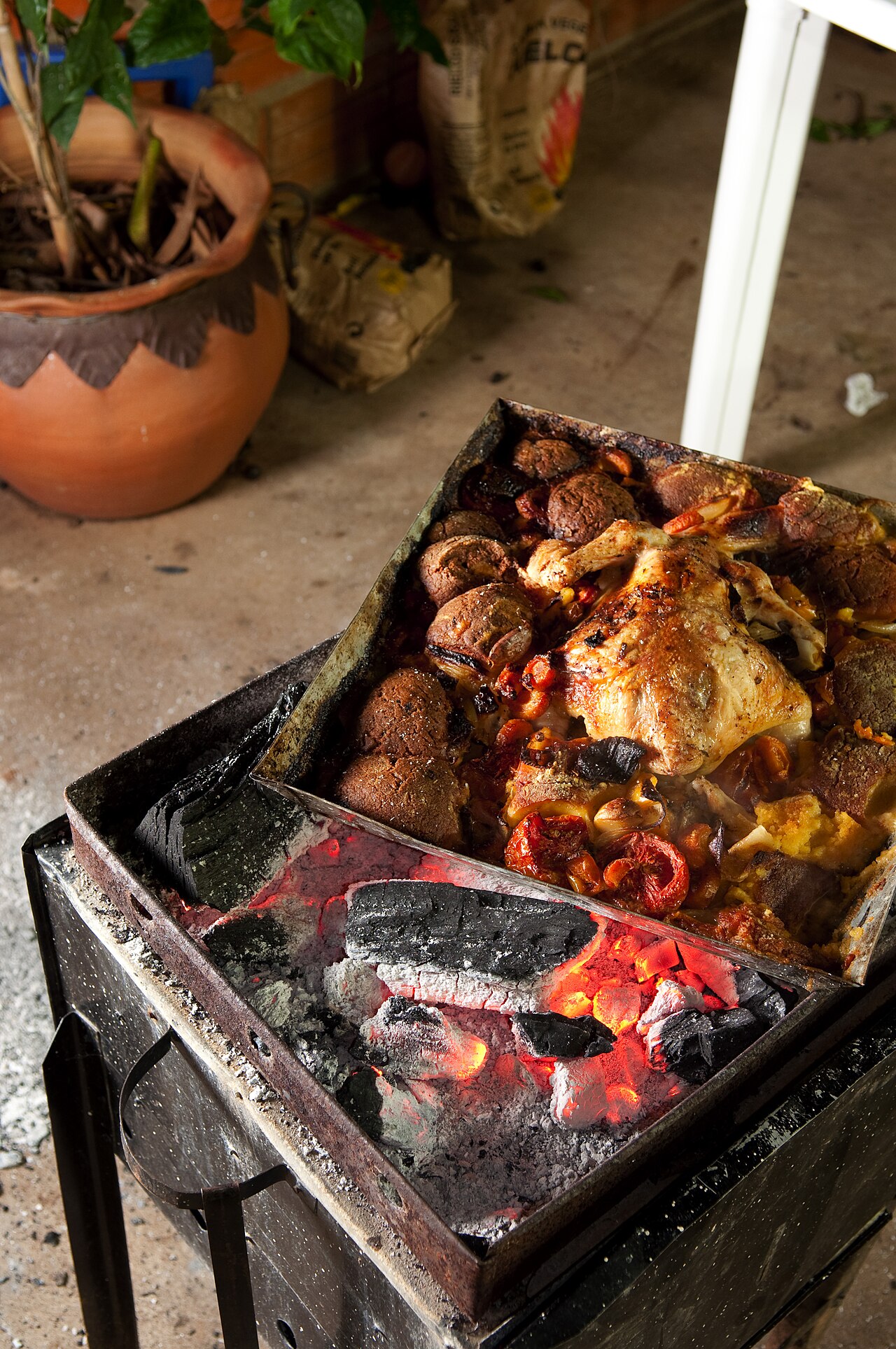
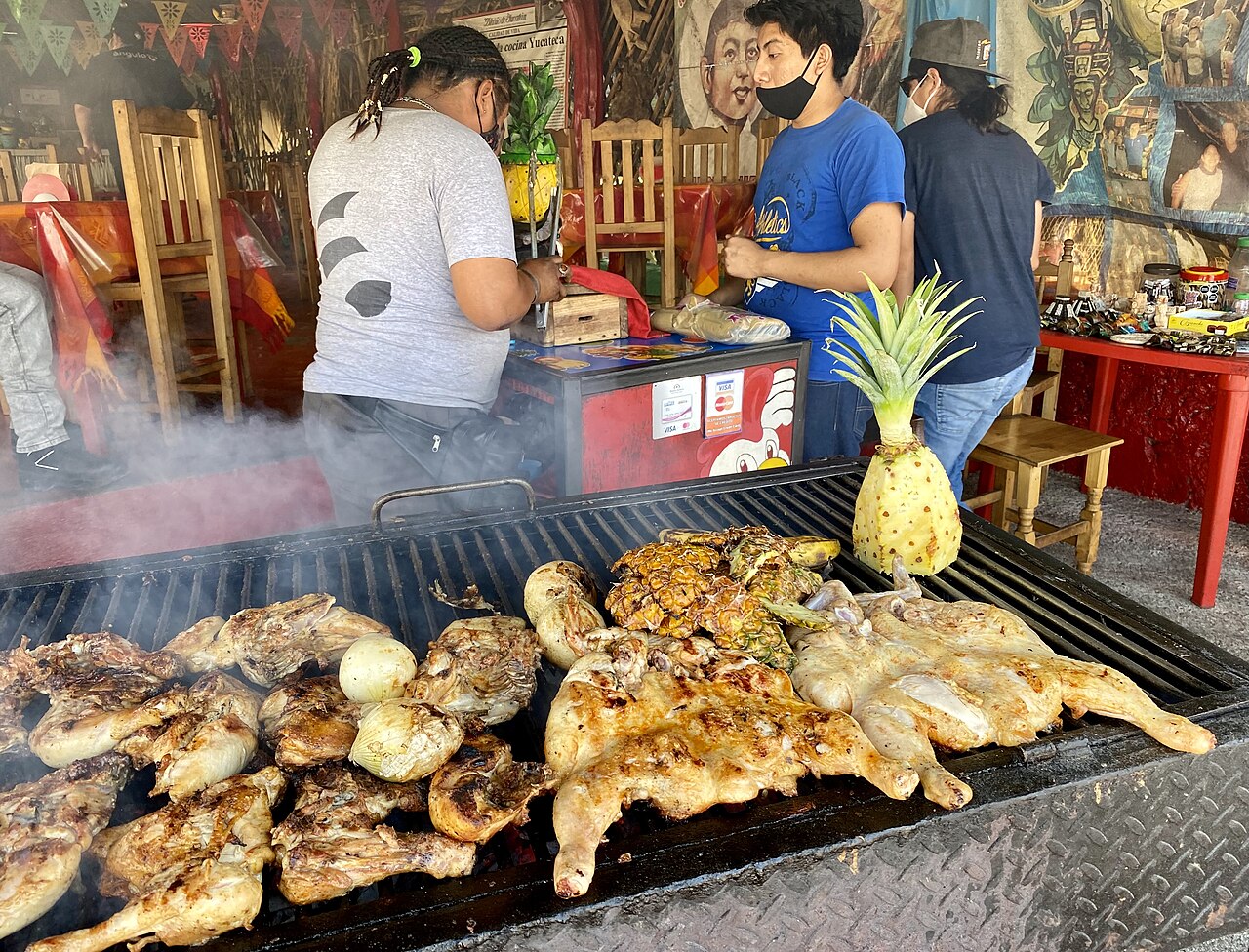
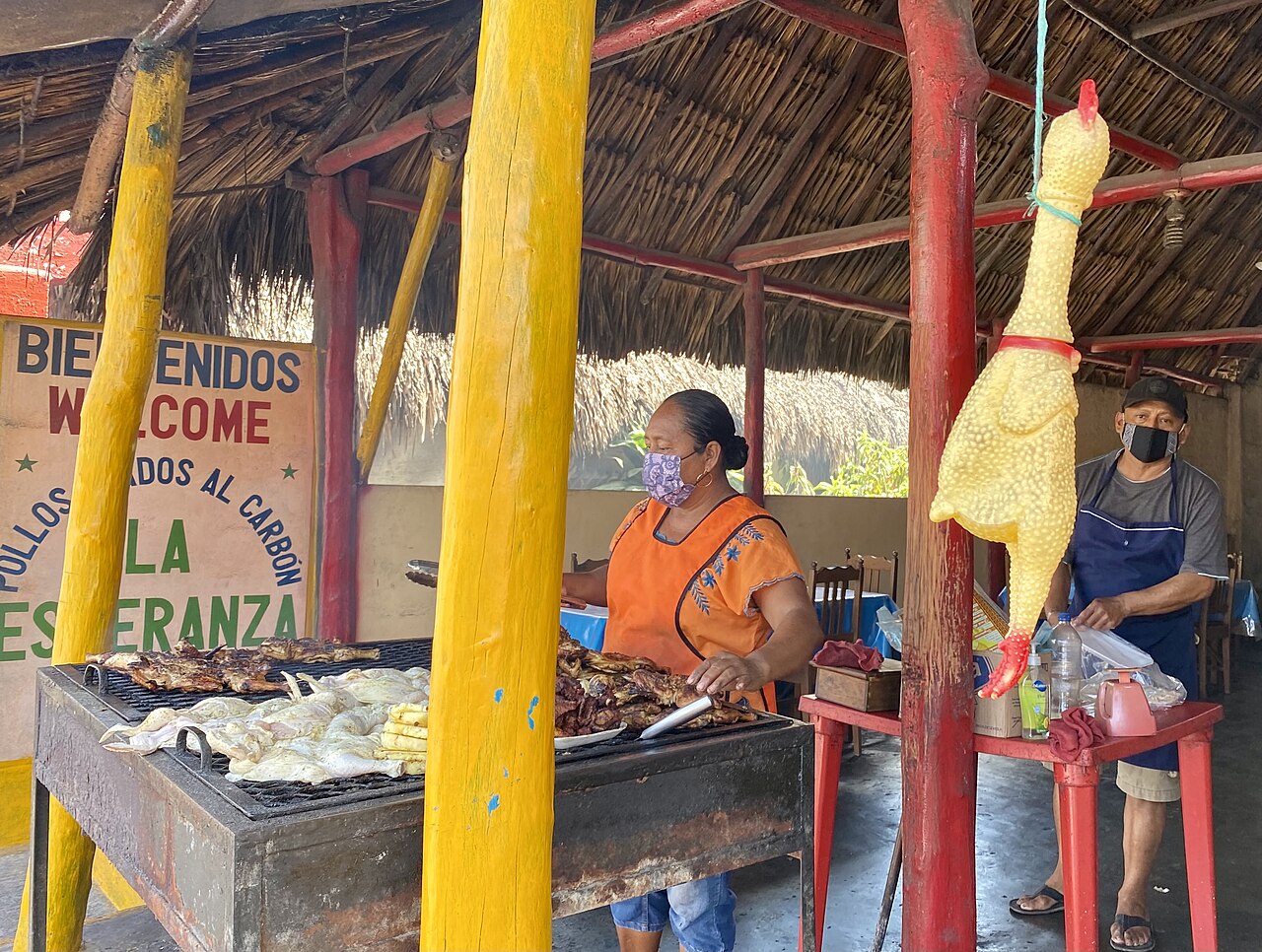
Frequently Asked Questions
What is Pollo al carbón?
It is a charbroiled whole-chicken dish that is a staple on Dominican tables, where the bird is first soaked in a citrus-and-spice marinade and then cooked directly over live charcoal. The name simply means "chicken on the coal."
Where does Pollo al carbón come from?
Although it is now a beloved Dominican preparation, the dish is generally traced to Peruvian culinary roots rather than Mexican ones. Over the years it evolved into a localized Dominican style with its own regional twists.
How is Pollo al carbón cooked?
The chicken is usually butterflied with the backbone removed, or threaded onto a rotisserie spit, and then grilled over open charcoal. This direct-heat method gives the meat its signature smoky char and crisp, caramelized skin.
What goes into the Pollo al carbón marinade?
The classic blend combines limes, oranges, garlic, oregano, and adobo seasoning to tenderize and flavor the bird. Some cooks substitute achiote paste or other local spice mixes for a different depth of flavor.
What do Dominicans typically serve alongside Pollo al carbón?
A standard plate pairs the chicken with white rice, pinto beans, and a fresh salad. Popular extras include fried plantains, grilled onions, and a side of salsa verde, salsa roja, or pico de gallo.
More in Dominican Republic cuisine 1-23
Spotted an error? Know more?
Reader corrections go straight into our review queue. Suggest an edit · How this site is sourced