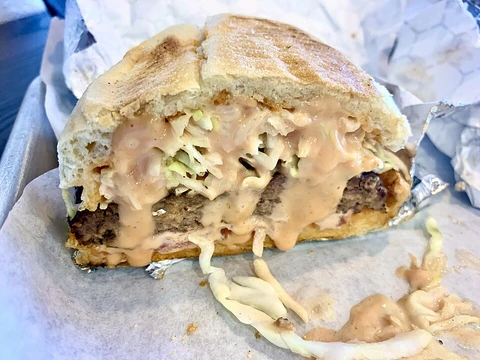
Longaniza
A Spanish sausage with regional variations worldwide.

Koffermejia · CC BY-SA 4.0
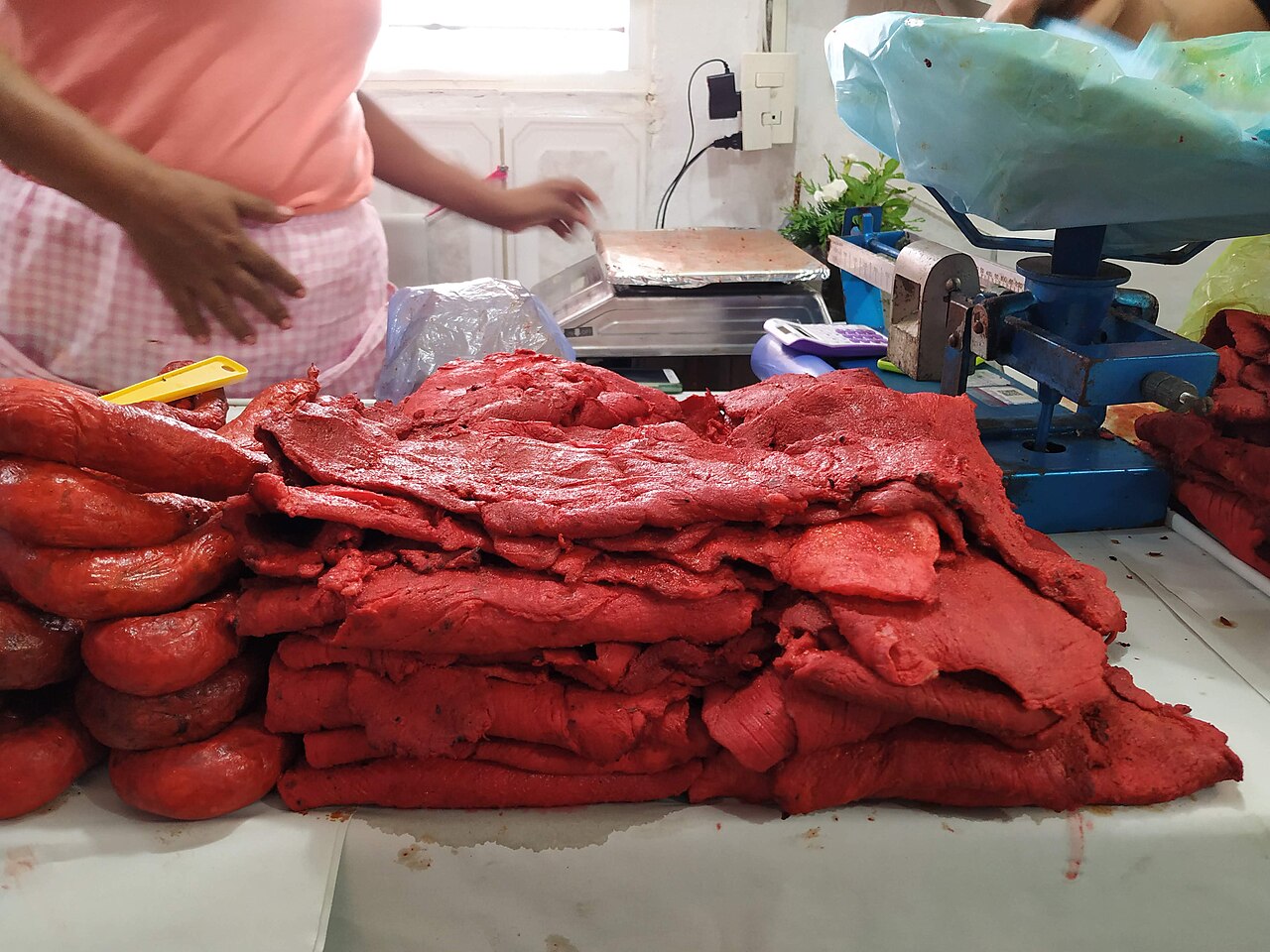
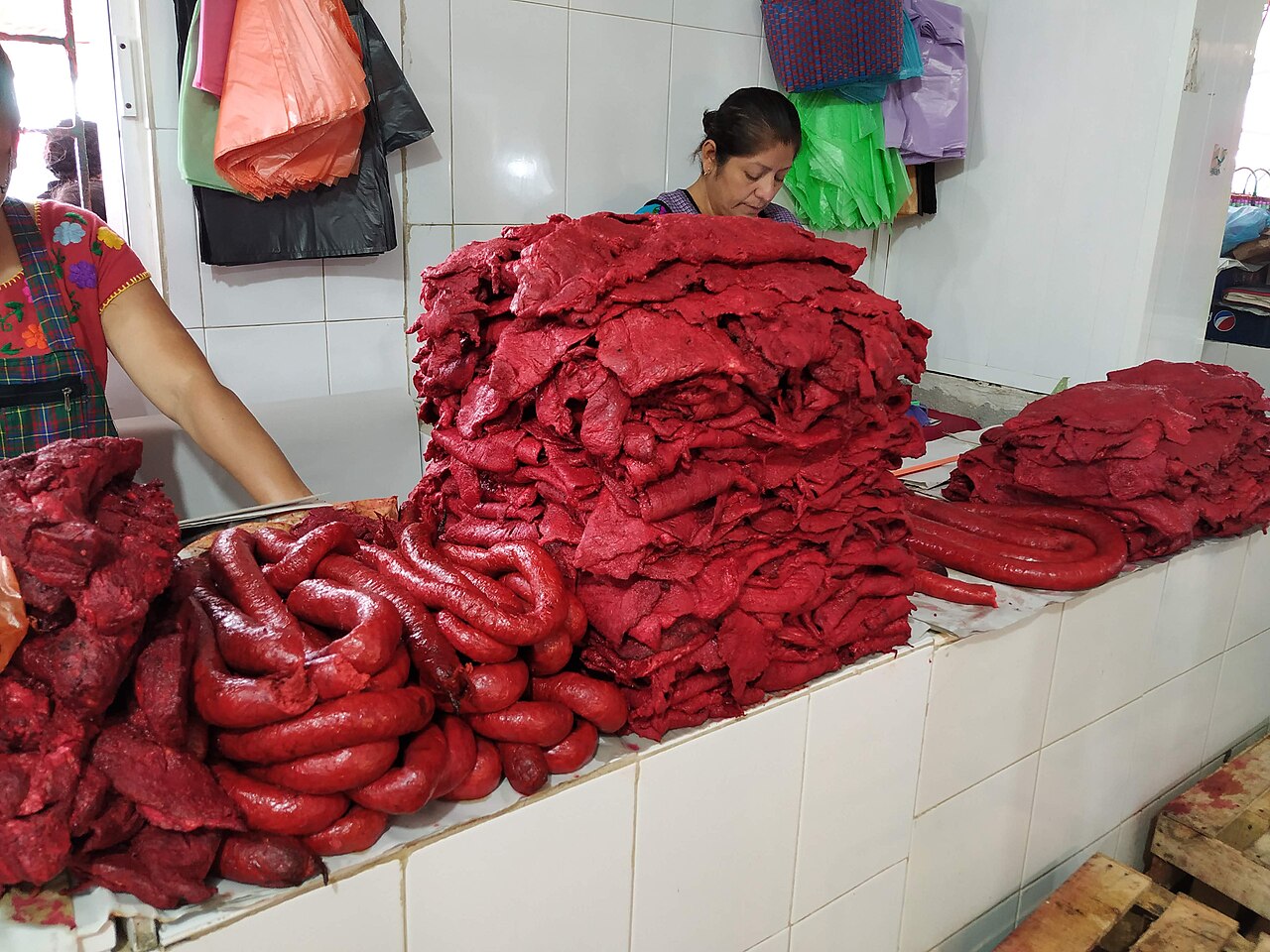
Longaniza is a type of sausage of Spanish origin, similar to chorizo and closely associated with the Portuguese sausage linguiça. Its defining characteristics vary from region to region, and it is popular in the cuisines of Spain, Argentina, Uruguay, Puerto Rico, the Dominican Republic, El Salvador, Guatemala, Mexico, Chile, and the Philippines, where it is known as longganisa. The name derives from lucanica, a sausage from Lucania in Southern Italy adopted by the Ancient Romans and later spread to the Iberian Peninsula and through colonial expansion to regions influenced by Spanish culture.
Quick Facts
- Country
- Spain
- Main Ingredient
- Pork and seasoning
Facts from the source article.
Lore & Background
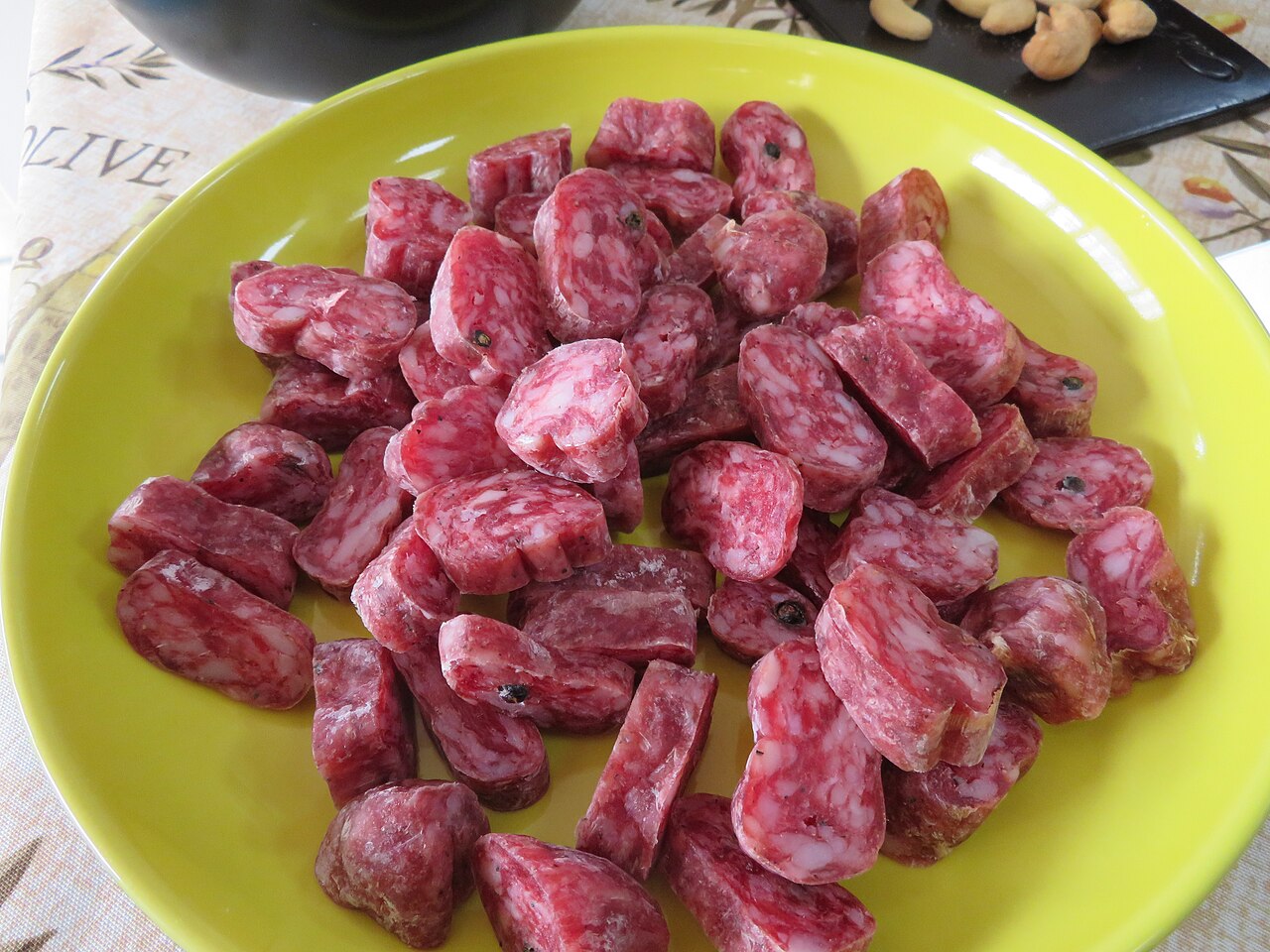
In Spain, longaniza is similar to salchichón but thinner, and differs from chorizo by using black pepper instead of paprika, sometimes with nutmeg. In Argentina and Uruguay, it is a very long, cured and dried pork sausage flavored with ground anise seeds, giving a mildly sweet flavor, used mainly as an appetizer or in sandwiches. In Chile and Peru, it is eaten during barbecues as a choripán, and the city of Chillán is known for its longanizas, with the local football team nicknamed 'The Clockwork Longaniza'.
Reader's Guide
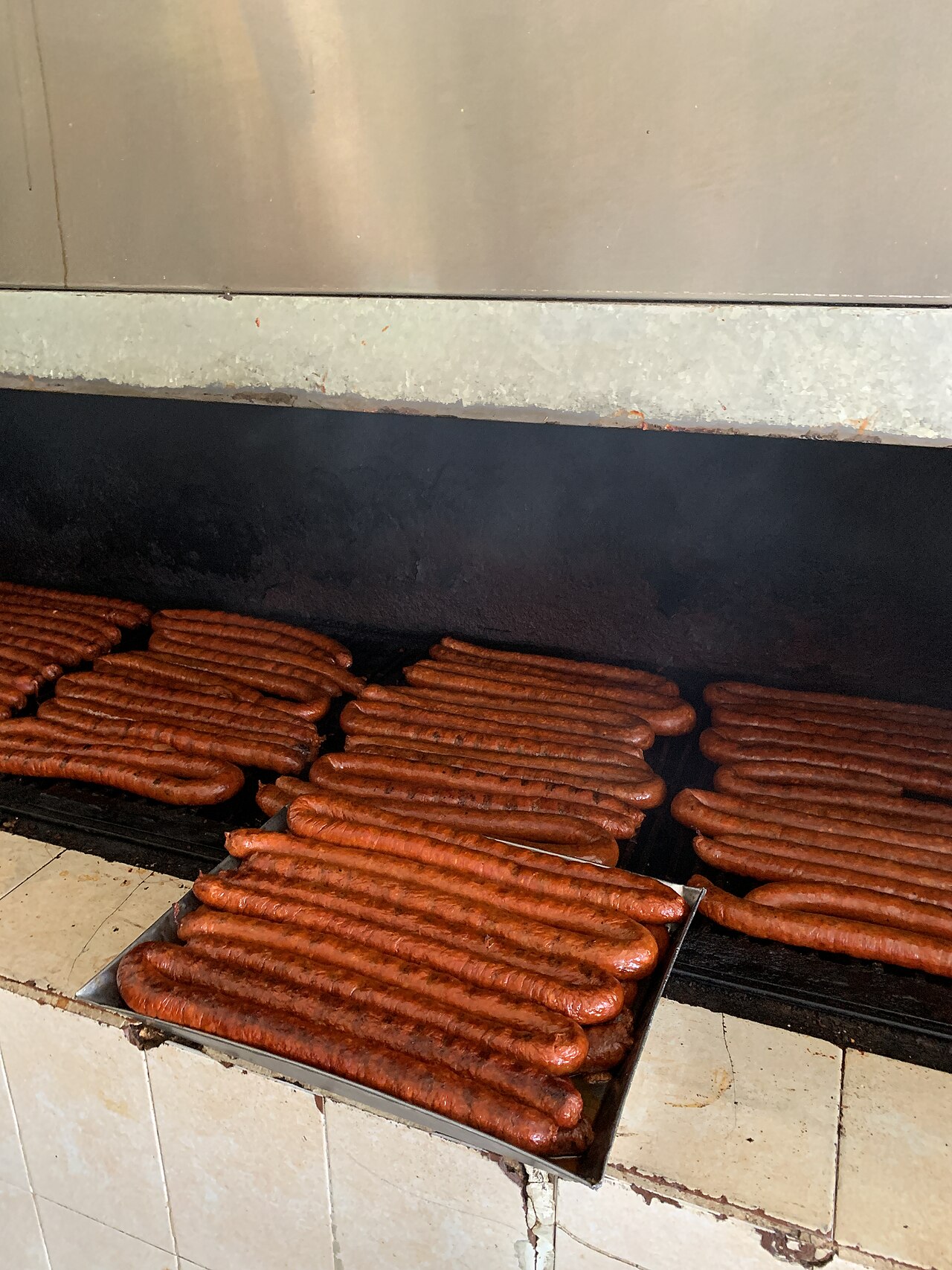
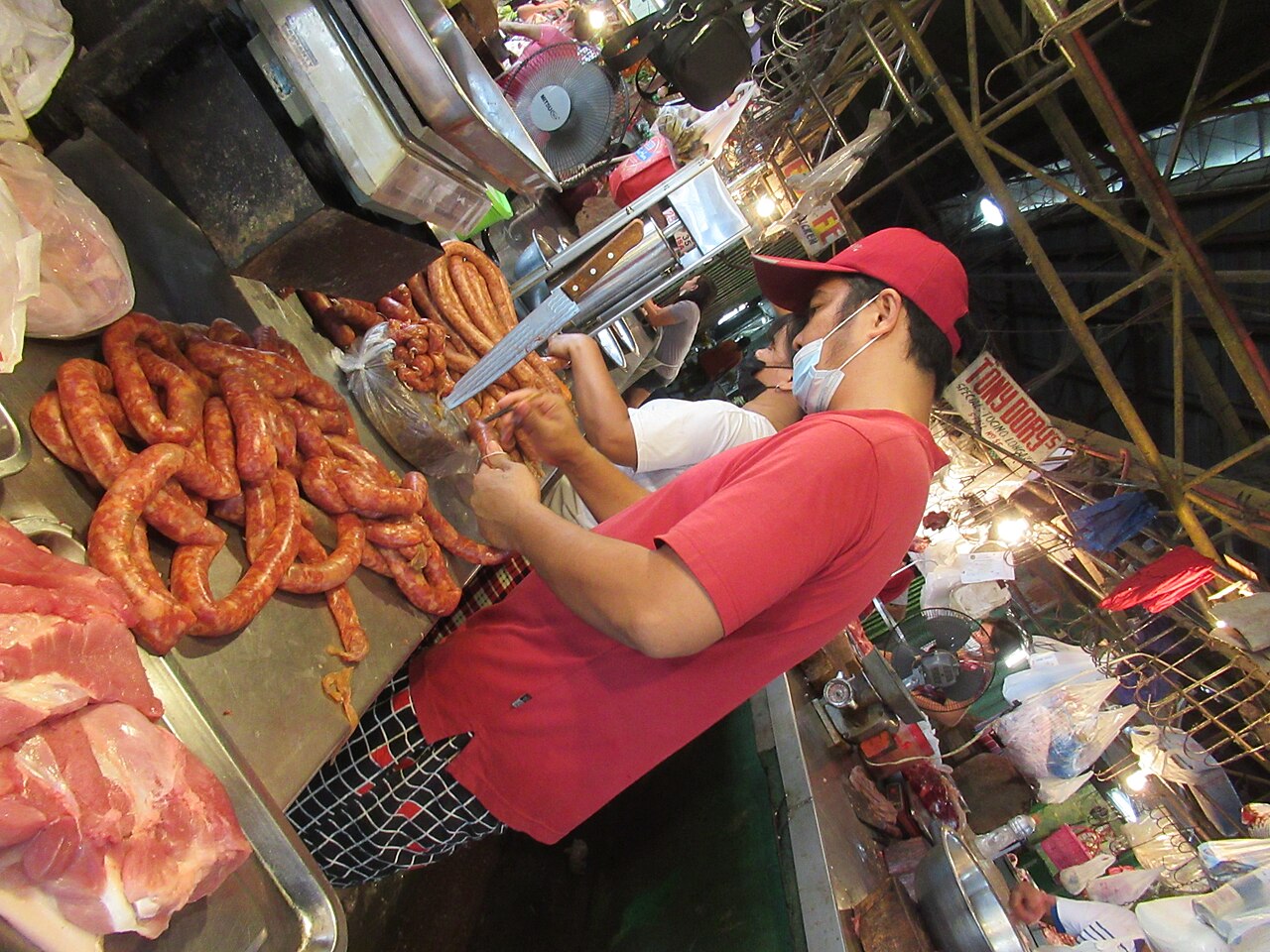
Mexican longaniza tends to be longer and spicier than Mexican chorizo, often chopped and mixed with eggs, tomato, and chili for the dish longaniza con huevo. Puerto Rican style is made with pork, chicken, or turkey, colored with annatto seeds, and served with rice. Dominican longaniza is prepared with bitter orange juice, garlic, oregano, and salt, cured in the sun, and fried in its own fat. In the Philippines, longganisa refers to sausages flavored with spices, often dyed red, yellow, or orange with achuete seeds, and classified as sweet (jamonado) or garlicky (de recado), with numerous regional variants such as Vigan longganisa, Alaminos longganisa, and Pampanga longganisa.
Did You Know?
- In Chile, the city of Chillán is known for its longanizas, and its football team Ñublense is nicknamed 'The Clockwork Longaniza'.
- Philippine longganisa can be made with chicken, beef, or even tuna, unlike Spanish longaniza.
- Dominican longaniza is typically fresh and not traditionally cured in the sun for several days before frying.
Spanish Roots and Colonial Heritage
Longaniza is a spicy sausage whose origins trace directly to Spain, a connection rooted in centuries of colonial history. The Dominican Republic was formerly a Spanish colony, and the culinary imprint of that relationship remains deeply embedded in the island's food culture. Many traditional Spanish dishes have found a new home in the Dominican Republic, and Longaniza stands among them as a clear example of that transatlantic transfer. The broader Spanish legacy extends beyond individual recipes: spices such as vanilla, nutmeg, and pepper that Dominican cooks most often use in their kitchens derive from Spanish culinary tradition. This means that even when a dish like Longaniza is prepared on the island, the flavoring logic behind it carries the DNA of Iberian cooking. The sausage is not merely an imported item but a thread connecting the Dominican table to the broader Spanish-speaking world, a tangible reminder that the island's food identity was shaped, in part, by the colonizers who brought their ingredients, techniques, and tastes across the Atlantic.
A Cornerstone of the Meat-Forward Dominican Diet
Within the architecture of a typical Dominican meal, meat and seafood occupy a central position, and Longaniza, as a spicy sausage, fits squarely into that role. Dominican cuisine accommodates all or nearly all food groups—grains, vegetables, dairy, fruits, and proteins—yet the heaviest consumption falls on starches and meats, while dairy products and non-starchy vegetables see the least use. In this context, a prepared meat product like Longaniza aligns with the dietary pattern that prioritizes protein-rich, savory components. The sausage does not exist in isolation on the Dominican table; it sits alongside the starches that dominate the plate, such as rice, corn, yuca, and plantains, which form the carbohydrate backbone of most meals. The spicy character of Longaniza also connects it to the broader Spanish spice tradition that permeates Dominican cooking, where pepper and other seasonings derived from Iberian practice add heat and depth. In a cuisine where the heaviest emphasis lands on meats and starches, Longaniza represents the savory, seasoned protein element that gives a meal its anchoring flavor.
The Twist: Spanish Dishes Reimagined on the Island
One of the defining features of Longaniza's journey to the Dominican Republic is the broader pattern of adaptation that Spanish dishes underwent upon arriving on the island. The historical record notes that many traditional Spanish dishes found a new home in the Dominican Republic, some with a twist. This means that while the fundamental identity of a dish like Longaniza—as a spicy sausage of Spanish origin—remains recognizable, its preparation and context on the island may differ from its Iberian counterpart. This stands in contrast to the African and Taíno dishes that still hold strong in Dominican cuisine, some of them entirely unchanged. The Taíno contributed staples like casabe, a flatbread made from yuca, and the African heritage brought mangú, mashed boiled green plantains traceable to west African fufu. Meanwhile, the Spanish contributions, including Longaniza, entered a landscape where local ingredients, cooking habits, and the preferences of a multi-ethnic population reshaped how they were served and understood. The result is a dish that is simultaneously Spanish in origin and Dominican in its culinary home.
Longaniza in a Multicultural Culinary Tapestry
Longaniza does not exist in a vacuum within Dominican cuisine; it is one thread in a richly layered tapestry of influences that includes Indigenous Taíno, African, Middle Eastern, and more recently, British West Indian and Chinese contributions. On the same table where a spicy Spanish sausage might appear, one could find casabe served with soups and stews, mangú accompanied by fried cheese and eggs in the combination known as los tres golpes, or quipes—deep-fried bulgur rolls filled with picadillo—brought by Levantine Middle Eastern immigrants. The Cocolo influence added dumplings and guavaberry preparations, particularly in eastern regions like San Pedro de Macorís. Even within the Spanish contribution, Longaniza shares its category with arroz con dulce, buñuelos de bacalao, and flan, each a Spanish dish that took root on the island. The presence of a spicy sausage from Spain alongside a fermented pineapple drink from Taíno tradition, a plantain mash from West Africa, and a bulgur roll from the Levant illustrates the extraordinary diversity that defines the Dominican culinary identity, with Longaniza as one recognizable note in that complex composition.
Gallery

Frequently Asked Questions
Who is Longaniza?
Longaniza is a seasoned pork sausage whose name traces back to the ancient Roman dish lucanica from Southern Italy, which was later carried to the Iberian Peninsula and spread through Spanish colonial contact. In the Dominican Republic it is a prized embutido, a cured sausage that anchors family meals and street-food stands alike.
What are Longaniza's powers/role?
Its defining 'power' is a bold, region-specific spice blend—commonly black pepper, nutmeg, anise seeds, annatto, garlic, oregano, and paprika—that gives it a warm, slightly sweet heat. In Dominican kitchens it serves as a versatile protein, starring in breakfast plates, slow-cooked stews, and grilled skewers.
Why is Longaniza important?
It links a humble invention from Lucania, Southern Italy, to the daily food culture of more than a dozen nations through Roman, Spanish, and colonial channels. For Dominicans, its importance goes beyond flavor—it is a tangible thread connecting their table to a centuries-old Mediterranean tradition.
Who are Longaniza's closest allies?
Its nearest relatives are chorizo and the Portuguese linguiça, all three sharing a cured-sausage lineage and overlapping spice palettes. In a Dominican pantry they often appear side by side, each contributing a slightly different heat, aroma, and texture to the same dish.
More in Dominican Republic cuisine 1-23
Spotted an error? Know more?
Reader corrections go straight into our review queue. Suggest an edit · How this site is sourced