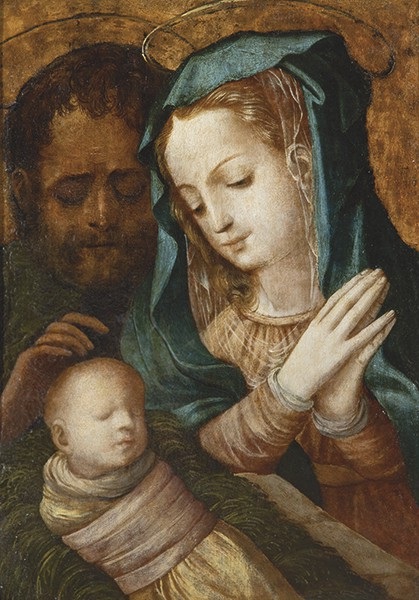
Niño envuelto
Beef rolls with filling, a commoner's dish from Argentina.

Koffermejia · CC BY-SA 4.0
Niños envueltos (lit. 'wrapped up children') are a characteristic dish of Argentina, Paraguay, Uruguay, and Chile. In the Dominican Republic, however, 'Niño envuelto' is a sweet dessert made with guava paste and cheese wrapped in a dough, not a beef roll. The dish consists of thin slices of beef wrapped around a filling (bread crumbs, cheese, etc.), secured with a toothpick, and served with sauces (tomatoes, cream, etc.). Created by Middle Eastern immigrants in Argentina, it became a 'commoner's dish' that stretched expensive beef by bulking it with cheaper fillings.
- Field
- Cuisine
- Nationality
- Argentina (homeland), also Chile, Paraguay, Uruguay (note: Dominican Republic has a different dish with the same name)
- Known for
- Beef rolls with filling, served with sauce
- Type
- Dish
- Main ingredient
- Thin slices of beef, filling (bread crumbs, cheese, etc.)
Lore & Background
Argentina is considered the homeland of the dish, created by the Middle Eastern immigrant community in the early 20th century. The dish uses beef rolls without grape leaves; the grape leaf version is a separate dish. It incorporates tomatoes and spices from Lebanese, Arabic, and Jewish cuisines, adopting influences from other Argentine immigrant communities. Despite its appearance, the dish should not be confused with Golabki, a similar Polish dish that usually includes cabbage leaves and minced meat, although it can sometimes use grape leaves. Another similar dish is the Ukrainian Holopchi, which wraps sausage and rice in cabbage.
Reader's Guide
Niños envueltos hold significance as a dish that emerged from the kitchens of Middle Eastern immigrants in Argentina, reflecting the blending of culinary traditions. It is considered a 'commoner's dish' because it allowed those with limited access to beef to still enjoy a meat-based meal. The dish's preparation involves thin slices of beef such as tenderloin or rump cuts, filled with a variety of ingredients like cheese, mushrooms, rice, vegetables, bread crumbs, or condiments, then wrapped into cylinders and closed with toothpicks or thread. They are cooked in a sauce that can contain onions, leeks, tomatoes, red wine and broth, with a final addition of Crema de Leche. The dish is characteristic of several South American and Caribbean countries, including Chile, the Dominican Republic, Argentina, Paraguay and Uruguay. Its legacy lies in its role as an accessible, adaptable meal that incorporates influences from Italian, Lebanese, Arabic, and Jewish cuisines, demonstrating how immigrant communities shaped local food culture.
Did You Know?
- Niños envueltos is a characteristic dish of Argentina, Paraguay, Uruguay, and Chile. In the Dominican Republic, 'Niño envuelto' is a sweet dessert with guava and cheese.
- The dish was created by Middle Eastern immigrants in Argentina.
- It is considered a 'commoner's dish' because the filling stretches expensive beef, not because it made beef accessible to the poor.
- Despite its appearance, it should not be confused with Golabki, a Polish dish that usually includes cabbage leaves and minced meat.
Origins in Lebanese Migration
Niño envuelto traces its roots to a wave of Lebanese immigration into the Dominican Republic, a migration that carried a set of culinary traditions which would become woven into the island's broader food culture. That culture already bore the deep marks of Spanish colonial rule, Indigenous Taíno heritage, and African influence, and the Levantine contribution arrived as one of the more recent layers in this multicultural blend, alongside later inputs from the British West Indies and China. In the south-central coast, Levantine immigrants left a particularly visible imprint, introducing ingredients such as bulgur and whole wheat into local cooking. Niño envuelto emerged from this same current of cultural exchange, representing the kind of dish that crossed the Atlantic and took root in Caribbean soil, where it would undergo its own gradual transformations over the generations that followed.
Composition and Character
Niño envuelto is, at its core, a cabbage roll whose filling consists of beef and rice. This straightforward yet satisfying combination places it among the heartier, starch-and-meat-forward preparations that characterize much of Dominican cooking, a cuisine in which the heaviest consumption trends toward starches and meats while dairy products and non-starchy vegetables appear less frequently. The choice of beef rather than lamb signals the dish's adaptation to local availability and preference, a hallmark of how Middle Eastern recipes were reshaped upon arriving in the Dominican Republic. Rice, a grain already central to the island's diet alongside native corn and wheat, forms the starchy backbone of the filling, while the cabbage leaves provide a soft, enclosing wrapper. The dish sits alongside other Levantine-derived preparations such as quipes, tipili, and Arabic rice, forming a small but recognizable family of Middle Eastern-influenced foods within the Dominican pantry.
A Recipe Transformed
The journey of Niño envuelto from its Levantine origins to the Dominican table involved significant culinary negotiation. Across the broader set of Middle Eastern dishes adopted in the Dominican Republic, cooks systematically removed many of the spices, herbs, and aromatics that define traditional Middle Eastern cooking. Cumin, cardamom, coriander seeds, and saffron gave way to simpler flavoring. Herbs such as rosemary, mint, dill, and marjoram were set aside, as were spice blends like za'atar and baharat, along with seeds and nuts including pine nuts, pistachios, and sesame. In their place, Dominican cooks reached for local oregano, bell peppers, and the ubiquitous chicken bouillon cube, which features heavily in the preparation of Dominican lunch food. Dishes that in the Middle East would be served alongside a sauce were instead presented on their own. Niño envuelto, like its Levantine cousins, reflects this pattern of simplification and substitution, becoming recognizably Dominican while retaining its structural identity as a stuffed cabbage roll.
A Place at the Dominican Table
Niño envuelto occupies a specific niche within a cuisine that accommodates nearly all food groups: meat or seafood, grains, vegetables, dairy, and fruit. Its presence on the Dominican table is a testament to the island's culinary openness, a kitchen where Taíno casabe and mabí sit beside Spanish longaniza and coconut flan, where African mangú anchors the national breakfast, and where Middle Eastern rice dishes and cabbage rolls share the menu. The dish benefits from the same multicultural logic that produced the broader Dominican repertoire, a logic shaped by centuries of migration, colonialism, and exchange. It is one thread among many in a cuisine that has absorbed Spanish, Indigenous, African, Middle Eastern, British Caribbean, and Chinese influences, each layer adding its own vocabulary of flavor. Niño envuelto, with its humble cabbage-and-rice construction, represents the Middle Eastern voice in that conversation, adapted and localized but still present on the plate.
Gallery
Frequently Asked Questions
What is Niño envuelto in Dominican cuisine?
In the Dominican Republic, Niño envuelto is a sweet dessert rather than a savory meat dish. It consists of guava paste and cheese encased inside a dough wrapper.
What are the main ingredients of the Dominican Niño envuelto?
The dessert is built around guava paste and cheese, both folded or wrapped inside a dough. No beef, bread crumbs, or toothpick-secured rolls are involved, unlike the Argentine namesake.
How does the Dominican Niño envuelto differ from the Argentine dish of the same name?
Argentine niños envueltos are savory beef rolls stuffed with bread crumbs and cheese, while the Dominican version is a completely separate sweet treat. The DR dish uses guava paste and cheese in a dough wrapper instead of any meat.
Is Niño envuelto a savory or sweet dish in the Dominican Republic?
It is a sweet dessert. The pairing of guava paste and cheese wrapped in dough gives it a distinctly sweet profile, setting it apart from the savory beef rolls found in Argentina, Paraguay, Uruguay, and Chile.
Why is the name 'Niño envuelto' potentially confusing for food enthusiasts?
The same name points to two entirely different dishes depending on the country. In much of South America it denotes a savory beef roll, whereas in the Dominican Republic it describes a sweet guava-and-cheese dessert in dough.
More in Dominican Republic cuisine 1-23
Spotted an error? Know more?
Reader corrections go straight into our review queue. Suggest an edit · How this site is sourced