Asopao
Puerto Rico's national soup, a versatile stew with many variations.

Franchesca TS · CC BY-SA 4.0
Asopao refers to a category of stews, which may feature chicken, pork, beef, shrimp, other seafood, vegetables, or a mix of these ingredients. This dish holds the status of Puerto Rico’s national soup and is among the island’s most recognized culinary creations. Variations of asopao appear across the Caribbean, such as in the Dominican Republic, where it is often distinguished by the inclusion of chicharrones de pollo—small pieces of fried chicken or chicken skin—or by a combination of coconut milk and shrimp.
- Origin
- Puerto Rico (also found in Dominican Republic and other Caribbean locales)
- Type
- Stew / soup
- Main ingredients
- Rice, broth, sofrito, olives, capers, and various meats or seafood
- Variants
- Asopao de pollo, asopao de marisco, asopao de gandules
- Known for
- Puerto Rico's national soup
Lore & Background
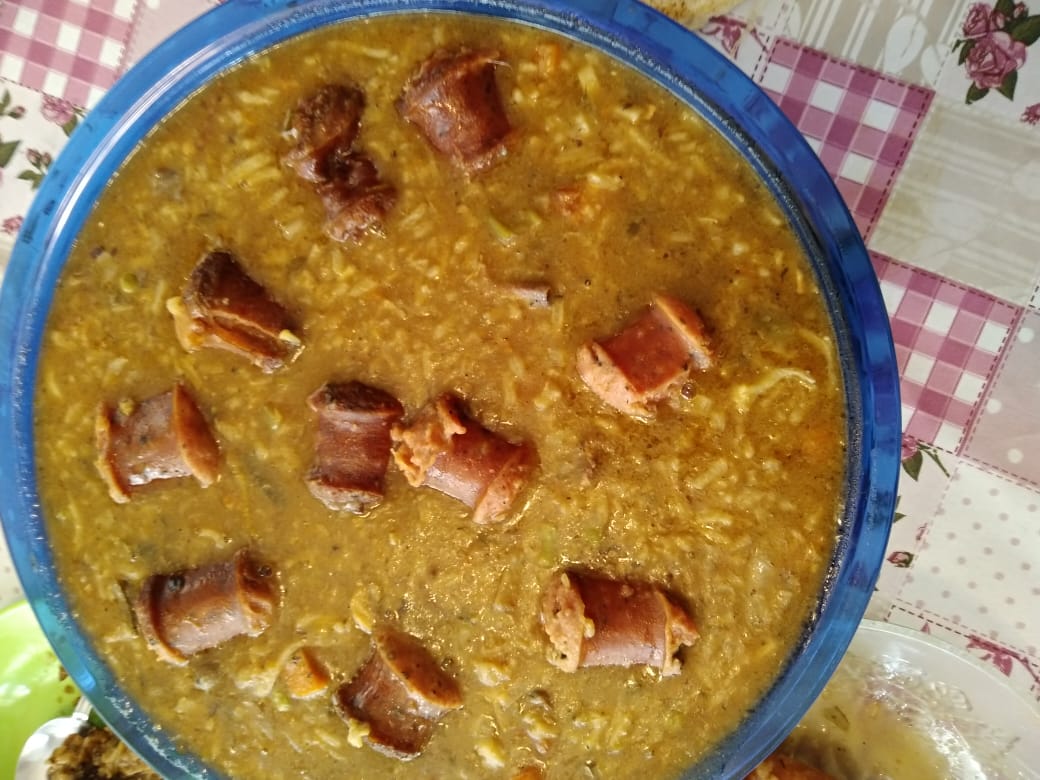
A version said to be based on the Spanish rice dish arroz a la valenciana includes chicken, rabbit and a variety of seafood cooked in sherry wine. The chicken version (asopao de pollo) is usually served with plantain dumplings and is a common holiday dish for Christmas, and during Octavitas and Los Tres Reyes Magos celebrations. Asopao de pollo can also include beer, smoked ham, ham hock, corn on the cob with more smoky seasoning, cumin, annatto and coriander seeds. Asopao de marisco includes clams, shrimp, squid, octopus, fish, lobster, crab, scallops, and mussels. Asopao de gandules includes both rice and pigeon peas; the meat is usually a mix of longaniza, oxtail, and smoked meats, and when done, roasted pork is placed on top of the soup. Squash and plantain dumplings are often included.
Reader's Guide
Asopao is typically flavored with wine, broth, bay leaf and oregano, along with sofrito, olives, and capers; rice is the most important part. The stew is garnished with sweet peas and served with mojito isleño, bread, tostones and avocado. The plantain dumplings popular with asopao de pollo and asopao de gandules are made from root vegetables, breadfruit, green banana, plantains, milk, eggs and rice flour or cornmeal; they are made into golf-sized balls and often seasoned with spices and herbs, and can be prepared a day in advance and fried. Asopao has appeared in media: it is mentioned in 'Caribbean Conspiracy' by Brenda Conrad, about a story that takes place in Puerto Rico which was published in 1942 and printed as a weekly series in dozens of U.S. newspapers in 1943; it is revealed as Dr. Hugh Culber's favorite dish in Season 2 Episode 8 of Star Trek: Discovery; and it is made by the Puerto Rican sisters in the CW show Charmed.
Did You Know?
- Asopao is Puerto Rico's national soup.
- The Dominican Republic version often includes chicharrones de pollo or coconut milk and shrimp.
A Family of Stews Across the Caribbean
Asopao is not a single recipe but a family of stews rooted in Puerto Rican cuisine, recognized as the island's national soup and one of its most celebrated gastronomic traditions. The defining feature is its versatility: the base can be built around chicken, pork, beef, shrimp, seafood, vegetables, or any combination of these proteins. This adaptability has allowed the dish to travel and transform. In the Dominican Republic, for instance, asopao takes on a distinct character through the addition of chicharrones de pollo—small pieces of fried chicken or chicken skin—or through the incorporation of coconut milk and shrimp. Back in Puerto Rico, the stew branches into several well-known iterations: asopao de pollo, asopao de marisco, and asopao de gandules, each with its own protein lineup and cultural role. The dish's status as a national soup underscores how deeply it is woven into the island's culinary identity, serving as both a comfort food and a symbol of Puerto Rican heritage.
Holiday Traditions and Celebratory Tables
In Puerto Rico, asopao de pollo holds a special place on the holiday calendar. It is a staple of Christmas celebrations, Octavitas, and the Los Tres Reyes Magos festivities, making it a dish that appears repeatedly during the most important gatherings of the year. The chicken version often features beer, smoked ham, ham hock, and corn on the cob, seasoned with a smoky blend of cumin, annatto, and coriander seeds. Another celebrated variant, asopao de gandules, swaps the traditional rice for pigeon peas and layers longaniza, oxtail, and smoked meats into the broth, finishing with roasted pork perched on top. Both versions are commonly accompanied by plantain dumplings—golf-ball-sized spheres made from root vegetables, breadfruit, green banana, plantains, milk, eggs, and rice flour or cornmeal. These dumplings can be prepared a day ahead and fried, making them practical for large family gatherings. The pairing of asopao with these handmade dumplings transforms the meal into a multi-component celebration that demands time, labor, and communal preparation.
The Architecture of Flavor
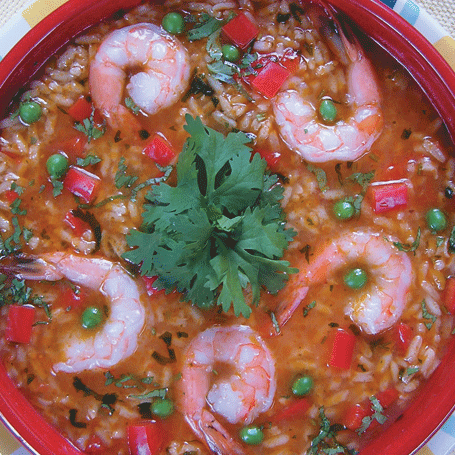
At its core, asopao is built on a foundation of rice, which is described as the most important component of the stew. The flavor profile is layered: wine and broth form the liquid base, while bay leaf and oregano contribute herbal depth. Sofrito, olives, and capers add the classic aromatic and briny notes that define Puerto Rican cooking. One particular version, said to draw from the Spanish dish arroz a la valenciana, incorporates chicken, rabbit, and a variety of seafood cooked in sherry wine, illustrating how asopao absorbs and reinterprets older culinary traditions. The seafood version, asopao de marisco, is a showcase of the island's coastal bounty, featuring clams, shrimp, squid, octopus, fish, lobster, crab, scallops, and mussels. When served, the stew is garnished with sweet peas and accompanied by mojito isleño, bread, tostones, and avocado. This careful assembly of components—each contributing a distinct texture or taste—elevates asopao from a simple soup to a complex, multi-sensory dining experience.
Asopao in Stories and Screens
Beyond the kitchen, asopao has found a place in popular culture, lending its name and flavor to narratives that span decades and media formats. In 1942, author Brenda Conrad published Caribbean Conspiracy, a story set in Puerto Rico that was later printed as a weekly newspaper series across dozens of U.S. papers in 1943; asopao is mentioned within its pages, grounding the fiction in the island's culinary reality. More recently, the dish appeared in Season 2, Episode 8 of Star Trek: Discovery, where it is revealed as the favorite food of Dr. Hugh Culber, introducing a futuristic audience to a centuries-old Puerto Rican tradition. On television, the CW series Charmed features Puerto Rican sisters preparing asopao, embedding the dish within a family scene that speaks to the role of food in preserving cultural identity. These appearances, from mid-twentieth-century print to modern streaming and broadcast television, demonstrate how asopao continues to travel outward, carrying a piece of Puerto Rican heritage into stories told to global audiences.
Gallery
Frequently Asked Questions
What is Asopao?
Asopao is a hearty rice-based stew that sits in the soup category and can be built around chicken, pork, beef, shrimp, seafood, or vegetables. It is one of the most recognizable dishes in Caribbean cooking.
What are the core ingredients in Asopao?
At its heart, Asopao combines rice with a savory broth, a sofrito flavor base, olives, capers, and a protein such as meat or seafood. The sofrito and slow-simmered broth give it a deep, layered taste that sets it apart from a plain rice soup.
How does the Dominican version of Asopao differ from the Puerto Rican original?
In the Dominican Republic, Asopao is often set apart by the addition of chicharrones de pollo, small crispy pieces of fried chicken or chicken skin. Some DR versions also blend coconut milk with shrimp, giving the stew a richer, slightly sweet profile.
What are the main variants of Asopao?
The most common versions include asopao de pollo (chicken), asopao de marisco (seafood or shrimp), and asopao de gandules (with pigeon peas). Each variant swaps the primary protein or legume while keeping the rice-and-broth foundation intact.
Where did Asopao originate?
Asopao is most closely tied to Puerto Rico, where it carries the title of the island's national soup. From there the recipe spread across the Caribbean, including the Dominican Republic, where local cooks put their own spin on the base recipe.
More in Dominican Republic cuisine 1-23
Spotted an error? Know more?
Reader corrections go straight into our review queue. Suggest an edit · How this site is sourced