Mama Juana
Dominican spiced beverage made from rum, wine, honey, and herbs.

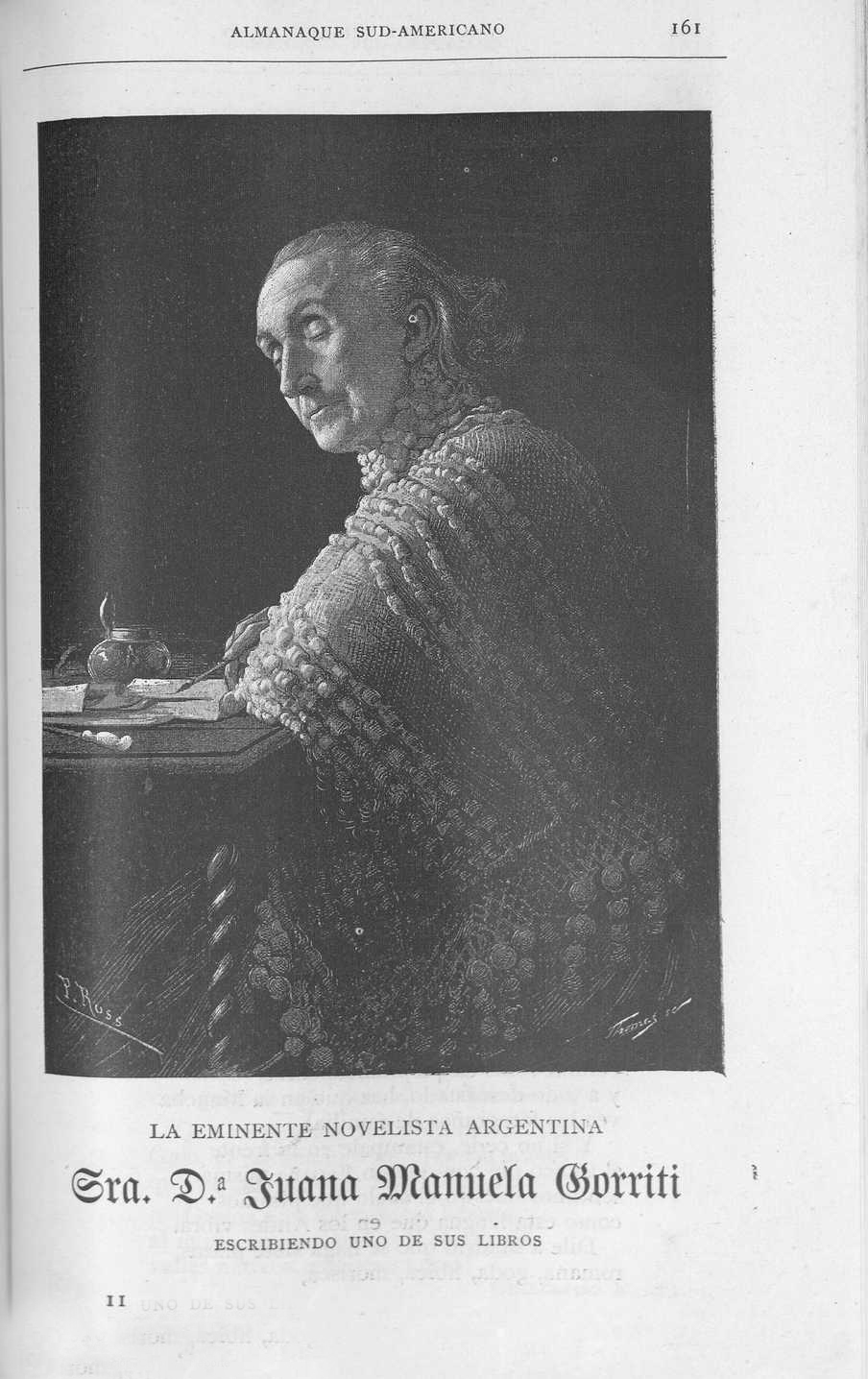
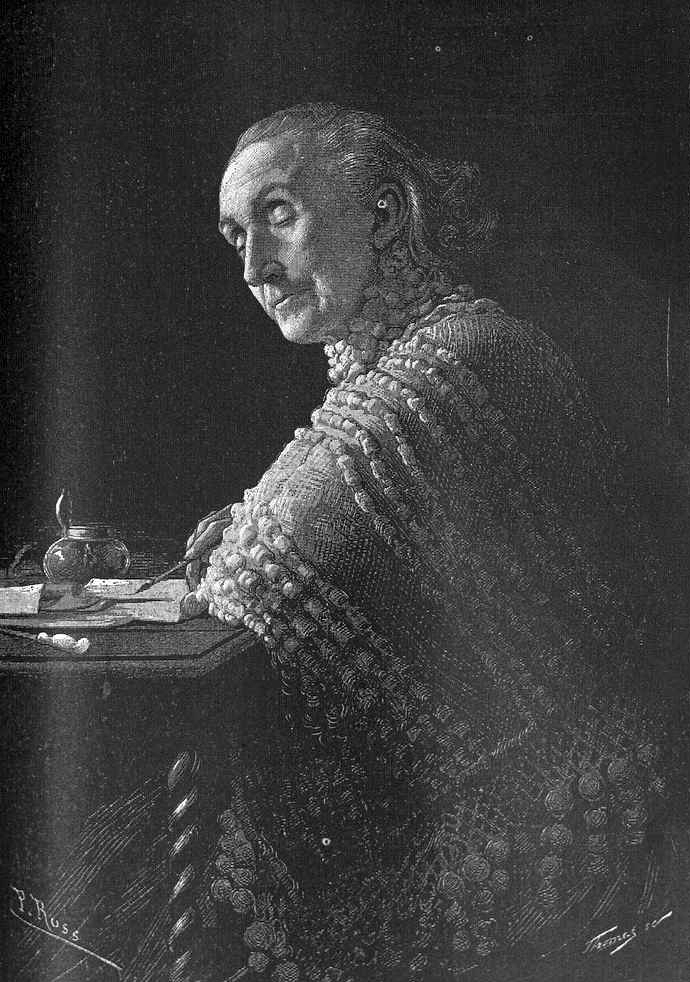
Paciano Ross / Josep Thomas i Bigas · CC BY 4.0
Mama Juana (also spelled Mamajuana) is a deep-red, spiced alcoholic drink from the Dominican Republic. It is made by steeping a blend of tree bark, herbs, rum, red wine, and honey, and its flavor is often compared to port wine. The drink’s name actually comes from the bottle used to make and store it, not from the recipe itself. The word traces back to the French *Dame Jeanne* (Lady Jane), which in Spanish became *damajuana* or *Dama Juana*, and later *Mama Juana* in the Dominican Republic.
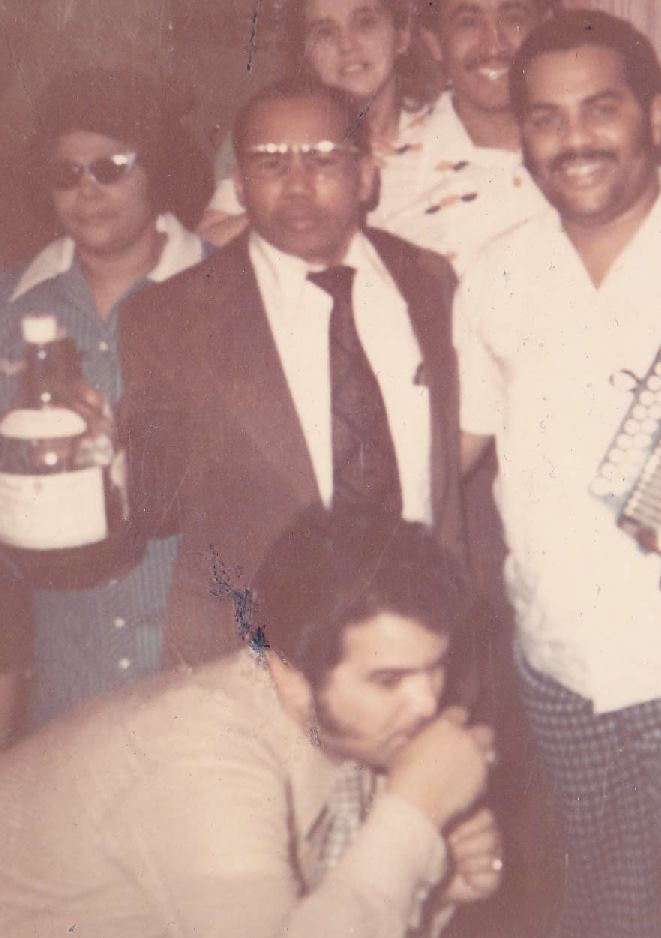
The herbs in Mama Juana were first used by the Taíno people to brew an herbal tea. After Columbus arrived, European alcohol was added to the mix, creating an infused beverage that became a local tradition. During Rafael Trujillo’s dictatorship, selling it required a license, though it was not a blanket prohibition. The drink gained popularity as a local herbal remedy and aphrodisiac in the 1950s thanks to Jesús Rodríguez, a man from San Juan de la Maguana who traveled with others to collect stems in provinces like Barahona, Azua, and Pedernales. Locals and merengue musicians—including Tatico Henríquez, Trío Reynoso, and El Cieguito de Nagua—nicknamed him “Mama Juana.” Another famous fan was Porfirio Rubirosa, the Dominican playboy, polo player, race-car driver, and secret agent.
To prepare Mama Juana, bark and herbs are soaked in rum (often dark, but white rum works too), red wine, and honey. The solid ingredients vary by region but commonly include anamú, star anise, bohuco pega-palo, basil, canelilla, princess vine, marabeli, whole clove, maguey leaves, and timacle. People sometimes add cinnamon, raisins, strawberry, molasses, or lemon or lime juice. Some recipes even call for grated tortoiseshell or sea turtle penis shaft for an aphrodisiac effect. The mixture is kept at room temperature and served in a shot glass.
Mama Juana comes in three forms: prepackaged dry ingredients that the buyer cures and macerates; ready-to-drink bottles with the ingredients still inside; and ready-to-drink filtered bottles. In the Dominican Republic, it’s most often drunk neat or as a room-temperature shot. As commercial brands have grown popular, mixologists have started using it in cocktails, and bars and restaurants now offer Mama Juana drinks.
- Field
- Alcoholic beverage
- Nationality
- Dominican Republic
- Known for
- Spiced rum, red wine, and honey infusion with herbs and bark; traditional herbal medicine and aphrodisiac
- Origin
- Taíno herbal tea, later combined with European alcohol post-Columbus
- Etymology
- From French Dame Jeanne (Lady Jane), transformed into Spanish damajuana, then Mama Juana
Lore & Background
Mama Juana's origins trace to the native Taíno, who prepared an herbal tea from specific herbs. After Columbus, alcohol was added to the recipe, creating an infused beverage that became a local tradition. During the dictatorship of Rafael Trujillo, selling it required a license, though it was not a blanket prohibition. In the 1950s, Jesus Rodriguez, a native of San Juan de la Maguana, popularized it as a local herbal medicine and aphrodisiac.
Reader's Guide
Mama Juana holds significance as a traditional Dominican beverage with deep historical roots, blending indigenous Taíno herbal knowledge with European alcohol. Its name, derived from the French 'Dame Jeanne' via Spanish 'damajuana', reflects the bottle used for maceration rather than a fixed recipe, leading to many variations. The drink was suppressed during the Trujillo dictatorship but revived in the 1950s by Jesus Rodriguez, who became a folk figure associated with its medicinal and aphrodisiac reputation. Today, it is consumed neat or as a room-temperature shot in the Dominican Republic, and has spread to international markets including Miami, New York, and several European and Latin American countries. Commercial brands such as Candela Mamajuana, Karibik Mamajuana, Don Ramón Mamajuana, and Casa Mamajuana now produce standardized versions for export, increasing global awareness. Its legacy lies in its continuity from pre-Columbian herbal tea to a modern commercial spirit, embodying cultural fusion and local identity.
Did You Know?
- Mama Juana is considered one of the first distilled spirits in the Americas, even before rum.
- The name Mama Juana derives from the French term Dame Jeanne (Lady Jane), referring to the bottle used for maceration.
- During the dictatorship of Rafael Trujillo, sale of Mama Juana was prohibited except for those with a medical license.
- Some recipes are said to include grated tortoiseshell or sea turtle penis shaft for aphrodisiac effect.
Ancient Roots and a Name Born from Glass
The story of Mamajuana begins long before any bottle was ever filled. The indigenous Taíno people of the Caribbean crafted an herbal infusion from local plants, preparing it as a tea. When European explorers arrived and brought their own alcoholic beverages, the two traditions collided. Spanish settlers blended their imported spirits with the Taíno herbal preparation, and that accidental fusion is widely regarded as one of the earliest distilled spirits produced on the American continent—predating even the rum that would later become the region's signature drink. The name itself carries a curious journey. It traces back to the French "Dame Jeanne," a term for a large, squat, wicker-wrapped bottle with a short neck. In Spanish-speaking territories, that phrase morphed into "damajuana" and then "Dama Juana." In the Dominican Republic, it softened into "Mama Juana"—literally "Mother Jane." Crucially, the name originally described the vessel used to macerate and store the mixture, not the liquid inside, which is why countless recipe variations exist under the same label.
Dictatorship, Folk Medicine, and the Men Who Made It Famous
Mamajuana's path to cultural prominence was neither smooth nor linear. During the brutal dictatorship of Rafael Trujillo, the government banned the sale of the drink entirely, permitting only those holding a medical license to distribute it—a restriction that underscored how the beverage was perceived as a potent remedy rather than a casual libation. The 1950s brought a turning point through Jesus Rodriguez, a man from San Juan de la Maguana who championed Mamajuana as both a herbal medicine and an aphrodisiac. Rodriguez would travel by truck to provinces including Barahona, Azua, and Pedernales, gathering the stems and botanicals needed for his batches. Locals affectionately called him "Mama Juana" himself, and he moved in circles with merengue típico legends like Tatico Henriquez, Trio Reynoso, and El Cieguito De Nagua. The drink also attracted the attention of Porfirio Rubirosa, the legendary Dominican playboy who was equally known as a polo player, race-car driver, and covert intelligence operative. Together, these figures wove Mamajuana into the social fabric of the island.
Botanical Alchemy: How the Drink Is Made
At its core, Mamajuana is an act of patient maceration. Bark, leaves, sticks, and roots are submerged in a bath of rum—typically dark, though white rum is also used—alongside red wine and honey, then left to steep at room temperature. The resulting liquid takes on a deep red hue and a flavor profile often compared to port wine. The botanical palette shifts from one region to the next, but a standard Dominican recipe draws on a remarkable roster: Anamú, star anise, bohuco pega-palo, basil, canelilla, bojuco caro, marabeli, whole cloves, maguey leaves, and timacle. Home preparers frequently layer in extras like cinnamon, raisins, strawberry, molasses, or a squeeze of lemon or lime. A few traditional recipes reportedly incorporate grated tortoiseshell or sea turtle parts for added aphrodisiac potency. The finished product is traditionally poured into a small shot glass and consumed neat, at room temperature, making it as much a ritual as a drink.
From Backyard Bottles to Global Shelves
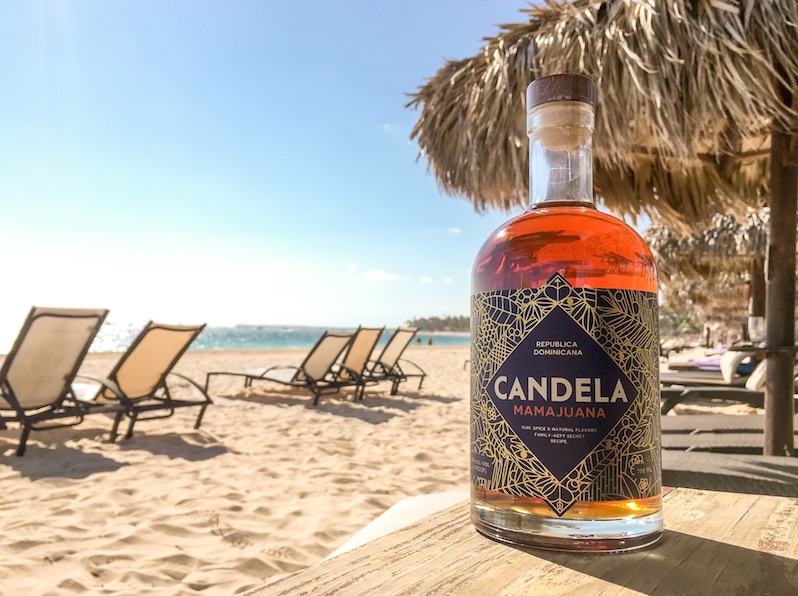
What began as a home-macerated curiosity in Dominican kitchens has steadily expanded into a commercial and international phenomenon. Today, consumers can choose from three formats: prepackaged dry botanicals they cure and macerate themselves, ready-to-drink bottles that still contain the suspended ingredients, and a filtered, clarified version. This product diversification has drawn the attention of mixologists, and bars and restaurants increasingly feature Mamajuana on their beverage menus. The drink's geographic footprint now stretches well beyond the Dominican Republic, with growing consumption in Miami, New York, New Jersey, Pennsylvania, Maryland, Spain, Norway, Germany, Portugal, Chile, Cuba, and Peru. Several commercial brands have anchored this growth: Candela Mamajuana, a botanical rum sold at retailers like Total Wine & More and Big Daddy's Liquors; Karibik Mamajuana, frequently referenced in travel and cultural guides; Don Ramón Mamajuana, a bottled interpretation of the traditional roots-and-spices blend; and Casa Mamajuana, which markets its herbal liqueur both domestically and abroad.
Gallery
Frequently Asked Questions
What is Mama Juana?
Mama Juana (also spelled Mamajuana) is a deep-red, spiced alcoholic beverage from the Dominican Republic. It is a long-steeped infusion of rum, red wine, honey, tree bark, and assorted herbs, with a rich flavor often compared to port wine.
What ingredients go into Mama Juana?
The drink is made by steeping a blend of tree bark and herbs in a base of rum, red wine, and honey. While the exact herbal mix varies from maker to maker, that core combination of rum, wine, and honey is the constant.
Where does the name "Mama Juana" actually come from?
The name refers not to a person or a recipe but to the glass bottle traditionally used to brew and store the drink. It descends from the French Dame Jeanne (Lady Jane), which passed into Spanish as damajuana and was eventually shortened to Mama Juana in Dominican usage.
What is Mama Juana traditionally used for?
It has long been consumed as a folk herbal remedy and is widely popular as an aphrodisiac. Many Dominicans sip it after meals or as a digestive, valuing its supposed health-giving properties.
What is the history behind Mama Juana?
The herbal components were originally brewed as a tea by the Taíno people well before European contact. After Columbus's arrival, the practice evolved as rum, wine, and honey were folded into the infusion, giving rise to the spiced alcoholic drink enjoyed today.
More in Dominican Republic cuisine 1-23
Spotted an error? Know more?
Reader corrections go straight into our review queue. Suggest an edit · How this site is sourced