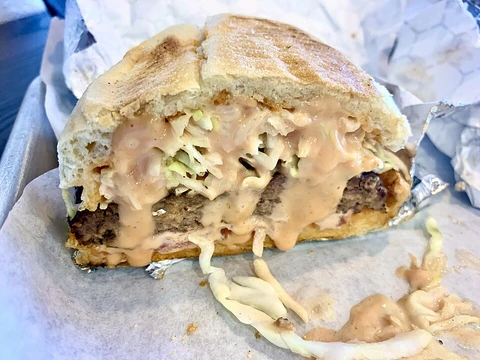
Guasacaca
Savory sauce used in Dominican and Venezuelan cuisine.

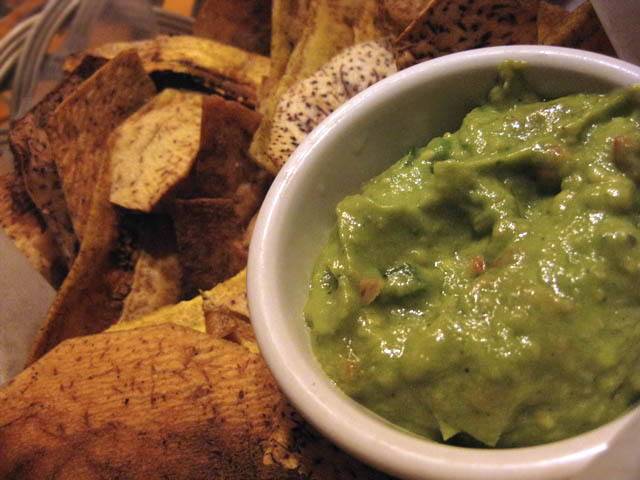
Ser_Amantio_di_Nicolao · CC BY-SA 3.0
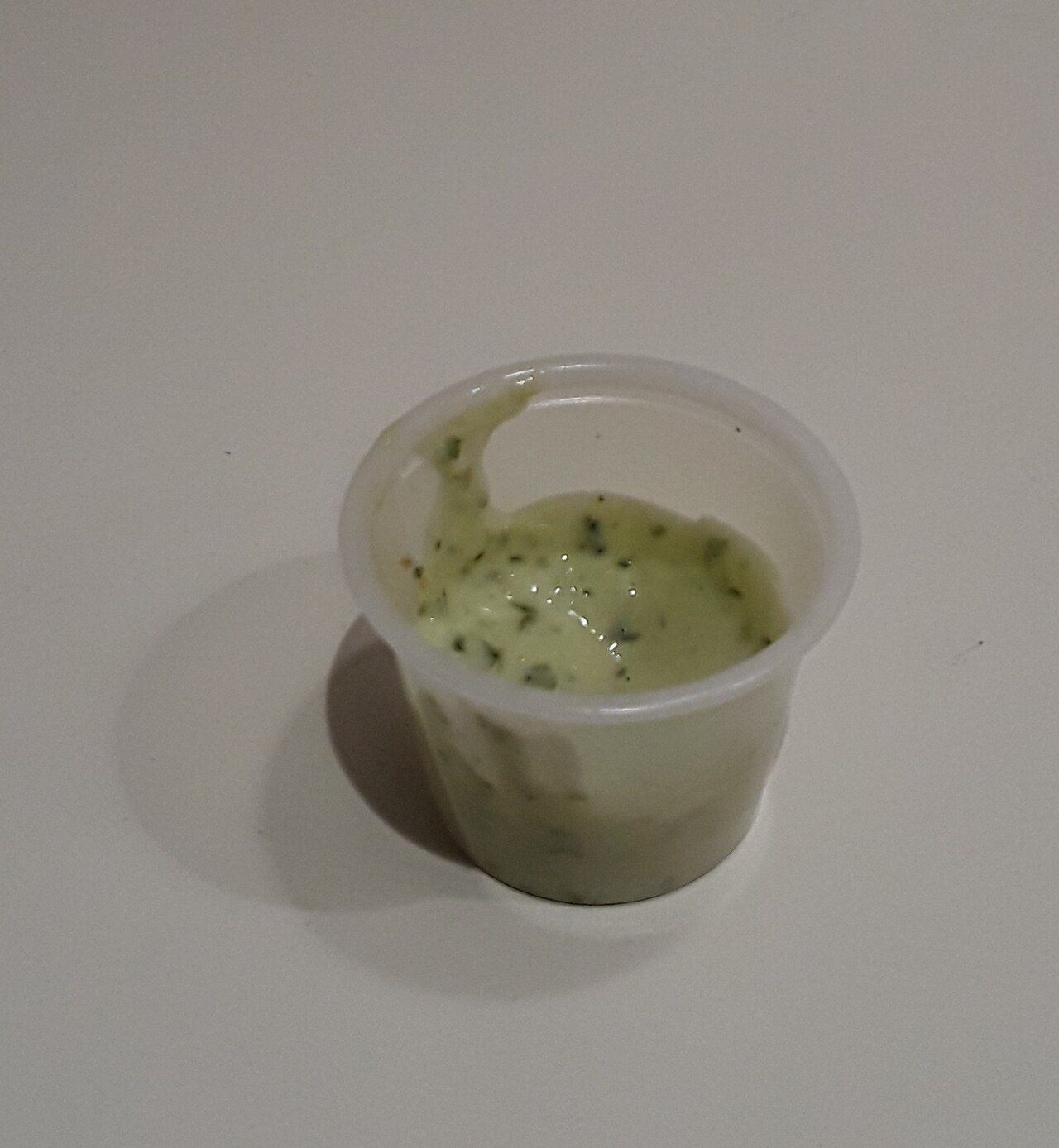
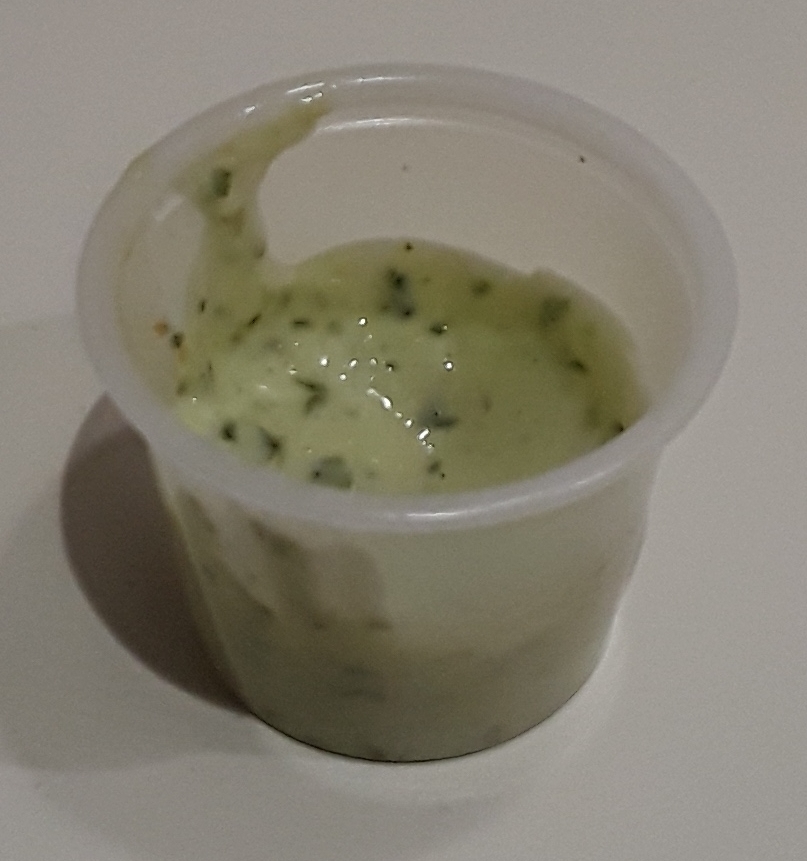
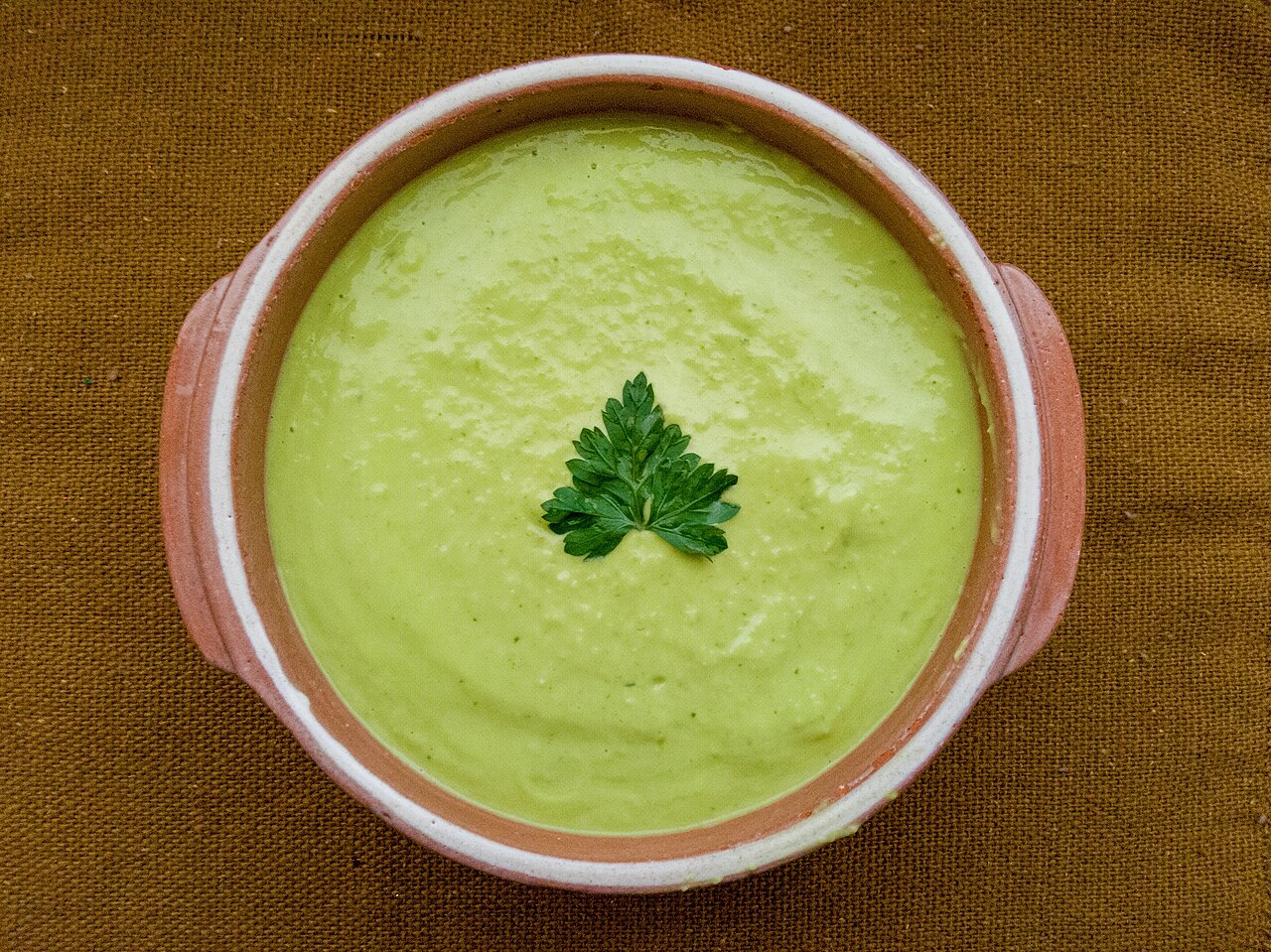
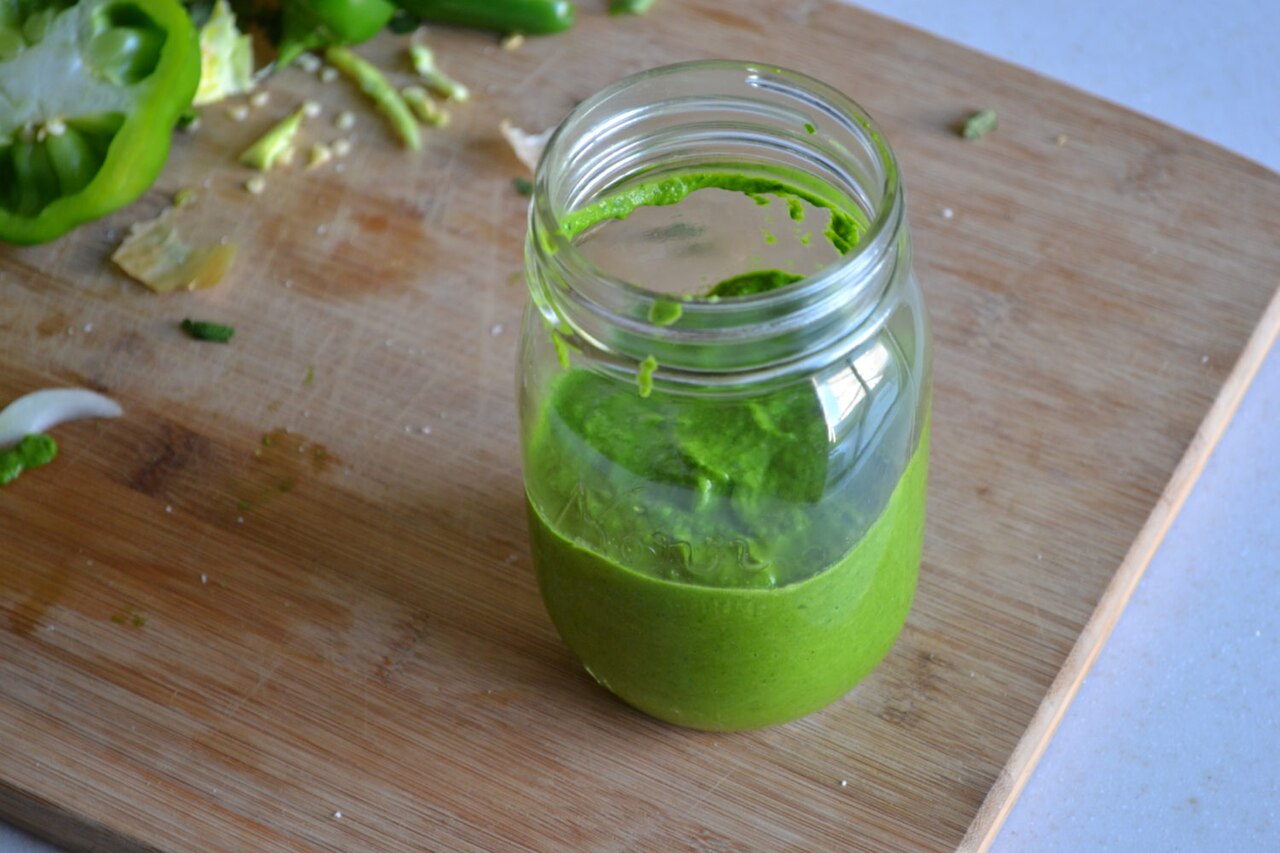
Guasacaca, also spelled wasakaka and pronounced identically, is a savory sauce from Dominican and Venezuelan cooking, frequently paired with chicken. In the Dominican Republic, the sauce combines lime or sour orange juice, garlic, parsley, salt, pepper, and olive oil. It resembles the mojo of the Canary Islands, a sauce that traveled to the Caribbean and remains popular in Cuba and Puerto Rico. Dominican guasacaca is a raw or blended sauce, not boiled, and is used on roasted chicken and boiled cassava. Venezuela’s version includes avocados, olive oil, salt, pepper, lime juice or vinegar, cilantro, parsley, green bell peppers, onions, Worcestershire sauce, garlic, and chili peppers, making it similar to Mexican guacamole. It is served over grilled foods, arepas, empanadas, and many other dishes. Often, a little hot sauce replaces jalapeño, but guasacaca itself is not typically served as a hot sauce.
Quick Facts
- Country
- Venezuela
- Main Ingredient
- Variations may include cilantro, parsley, olive oil, lime or orange juice, vinegar, salt, garlic, and chili peppers
- Cookbook
- Wasakaka
- Minor Ingredient
- Avocado, pepper, onions, Worcestershire sauce, and green bell peppers
- Similar Dish
- Venezuelan guasacaca is similar to guacamole / Dominican guasacaca is similar to chimichurri
Facts from the source article.
Lore & Background
In the Dominican Republic, guasacaca is made with lime or sour orange juice, garlic, parsley, salt, pepper, and olive oil. It is similar to Canary Islands mojo, which was brought to the Caribbean and is very popular in Cuba and Puerto Rico. The sauce in the Dominican Republic is a raw or blended sauce, not boiled, then used for roasted chicken and boiled cassava.
In Venezuela, the sauce is made from avocados, olive oil, salt, pepper, lime juice or vinegar, cilantro, parsley, green bell peppers, onions, Worcestershire sauce, garlic, and chili peppers. The Venezuelan sauce is similar to Mexican guacamole. It is served over parrillas (grilled food), arepas, empanadas, and various other dishes. It is common to make the guasacaca with a little hot sauce instead of jalapeño, but like a guacamole, it is not usually served as a hot sauce itself.
Reader's Guide
Guasacaca represents a culinary link between the Caribbean and South America, with distinct variations in the Dominican Republic and Venezuela. In the Dominican Republic, the sauce is boiled and used on roasted chicken and boiled cassava, reflecting local cooking methods. In Venezuela, the avocado-based version resembles guacamole and accompanies grilled foods, arepas, and empanadas. The sauce's alternate spelling 'wasakaka' and its similarity to Canary Islands mojo and Mexican guacamole highlight the transatlantic and inter-American exchange of ingredients and techniques. Guasacaca is not a hot sauce itself, though hot sauce may be added. Its presence in both Dominican and Venezuelan cuisines underscores its regional importance as a versatile condiment.
Did You Know?
- The name is also spelled sometimes as wasakaka, pronounced the same.
- The Venezuelan version is similar to Mexican guacamole.
- It is common to make the Venezuelan guasacaca with a little hot sauce instead of jalapeño.
Name & Culinary Identity
Guasacaca is a savory sauce that holds a distinctive place in the culinary traditions of two Caribbean nations: the Dominican Republic and Venezuela. The name itself carries a small linguistic quirk—while "guasacaca" is the most common rendering, the alternate spelling "wasakaka" is equally valid, and both forms are pronounced identically. This dual spelling is a small but telling detail about how the sauce exists in the kitchen: it is a home-cooked preparation, not a commercial product, and its identity is carried by pronunciation rather than a fixed written form. Despite its relatively modest ingredient lists, guasacaca is far from a simple condiment. It functions as a defining flavor element in the dishes of both countries, most frequently accompanying chicken preparations. In the Dominican context, it is the go-to sauce for roasted chicken and boiled cassava; in Venezuela, it crowns grilled meats, arepas, and empanadas. That a single name can anchor such different yet equally beloved preparations speaks to the sauce's adaptability and its deep roots in everyday Caribbean cooking.
The Dominican Preparation
In the Dominican Republic, guasacaca takes on a bright, citrus-forward character. The core ingredients are lime or sour orange juice, garlic, fresh parsley, salt, pepper, and olive oil—a lean, aromatic combination that relies on acidity and herbs rather than heavy dairy or fruit. The preparation method is distinctive: the sauce is boiled with a generous amount of water and then reduced until the liquid has halved, concentrating the flavors into a thicker, more cohesive coating. This slow reduction gives the Dominican version a depth that a raw-mixed sauce would lack. The finished guasacaca is most traditionally paired with roasted chicken and boiled cassava, two staples of Dominican home cooking. The sauce's lineage is worth noting: it is closely related to mojo, a green sauce originating in the Canary Islands that was carried to the Caribbean during the colonial period. Mojo went on to become extremely popular in Cuba and Puerto Rico, and the Dominican guasacaca stands as a direct descendant of that same Iberian green-sauce tradition, adapted to local citrus and tastes.
The Venezuelan Preparation
The Venezuelan interpretation of guasacaca is richer, creamier, and more complex in its ingredient profile. Avocados form the base, joined by olive oil, salt, pepper, lime juice or vinegar, cilantro, parsley, green bell peppers, onions, Worcestershire sauce, garlic, and chili peppers. The result is a thick, green, slightly tangy spread that bears a strong resemblance to Mexican guacamole in both texture and overall flavor logic. In practice, a small amount of hot sauce is often stirred in in place of a jalapeño, adding a gentle heat without making the preparation a hot sauce in its own right—much like guacamole, it is a savory condiment rather than a spicy one. Venezuelan guasacaca is most commonly spooned over parrillas, the country's beloved grilled meats, but it also appears on arepas, empanadas, and a wide range of other dishes. Its versatility makes it a near-universal topping in Venezuelan kitchens, bridging the gap between a simple avocado spread and a fully seasoned green sauce.
A Sauce in a Family
Guasacaca does not exist in isolation; it belongs to a broader constellation of green, herbaceous sauces that span the Atlantic and the Americas. The Dominican version is explicitly linked to mojo, the Canary Islands green sauce that traveled to the Caribbean and became a staple in Cuban and Puerto Rican cooking. The Venezuelan version, by contrast, draws a clear parallel to Mexican guacamole, sharing its avocado base and its role as a fresh, spoonable condiment. Together, these connections place guasacaca alongside other well-known preparations—chimichurri, salsa verde, and various green sauces—each one a regional expression of the same fundamental idea: blending fresh herbs, acid, oil, and aromatics into a vibrant, savory accompaniment. The fact that a single name, guasacaca, can point to two quite different sauces in two neighboring countries underscores how culinary traditions migrate, adapt, and multiply. What unites them is not a fixed recipe but a shared philosophy of bright, herb-driven seasoning that elevates simple proteins and starches.
Gallery
Frequently Asked Questions
Who is Guasacaca?
Guasacaca is a savory, uncooked sauce rooted in Dominican and Venezuelan cooking traditions, also spelled wasakaka. It is most commonly paired with roasted chicken and boiled cassava.
What are Guasacaca's powers/role?
In the Dominican kitchen, Guasacaca delivers a bright, garlicky tang built from lime or sour orange juice, garlic, parsley, salt, pepper, and olive oil. It is blended or mixed raw rather than boiled, giving dishes a fresh, zesty lift.
Why is Guasacaca important?
Guasacaca traces its lineage to the mojo sauce of the Canary Islands, which traveled to the Caribbean and still thrives in Cuban and Puerto Rican kitchens. In the Dominican Republic it remains a staple condiment that ties together everyday home cooking.
What's the difference between Guasacaca and Wasakaka?
The two spellings—guasacaca and wasakaka—refer to the exact same sauce and are pronounced identically. The variation is purely orthographic and does not indicate a different recipe.
More in Dominican Republic cuisine 1-23
Spotted an error? Know more?
Reader corrections go straight into our review queue. Suggest an edit · How this site is sourced