Øllebrød
Traditional Danish porridge of rye bread and beer.

RhinoMind · CC BY-SA 3.0
Øllebrød is a traditional Danish dish, a porridge or thick bread soup made from sourdough rye bread and beer. It has origins in the Middle Ages as a practical meal using shelf-stable ingredients and food scraps, and it remains common in Danish and Scanian cuisine.
Quick Facts
- Country
- Denmark
- Main Ingredient
- Rugbrød scraps, beer (possibly hvidtøl), water
- Variations
- Sugar, lemon or orange
Facts from the source article.
Lore & Background
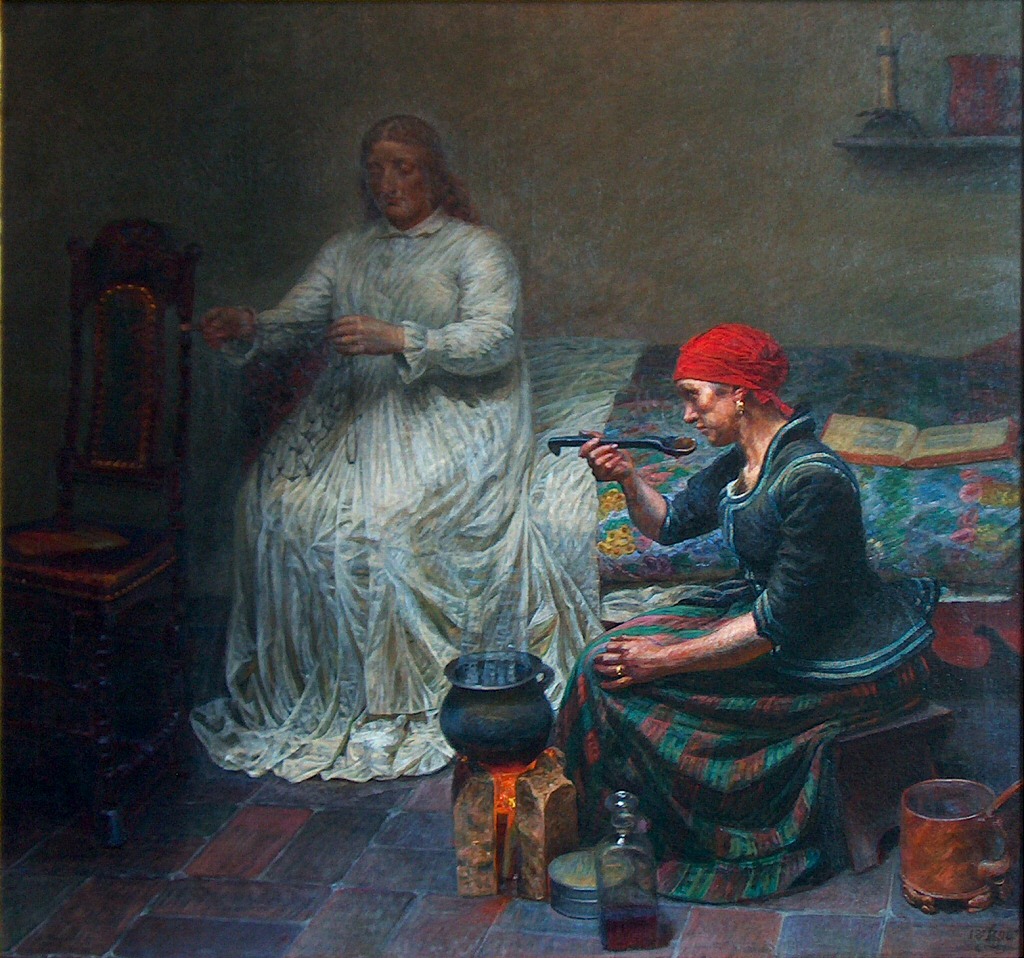
Øllebrød has its origins in the Middle Ages, as a practical meal using shelf-stable ingredients and food scraps. A morning meal became more popular during the 13th century in Denmark, and the dish was part of an emerging breakfast culture. It is likely that øllebrød evolved from a simple bread dipped in warm beer, to become a more refined porridge. The dish was reportedly not well liked, but simply an economical way to make use of bread scraps. Nevertheless, it was consumed by all classes, having reportedly been a staple of the court of King Christian III during the 16th century.
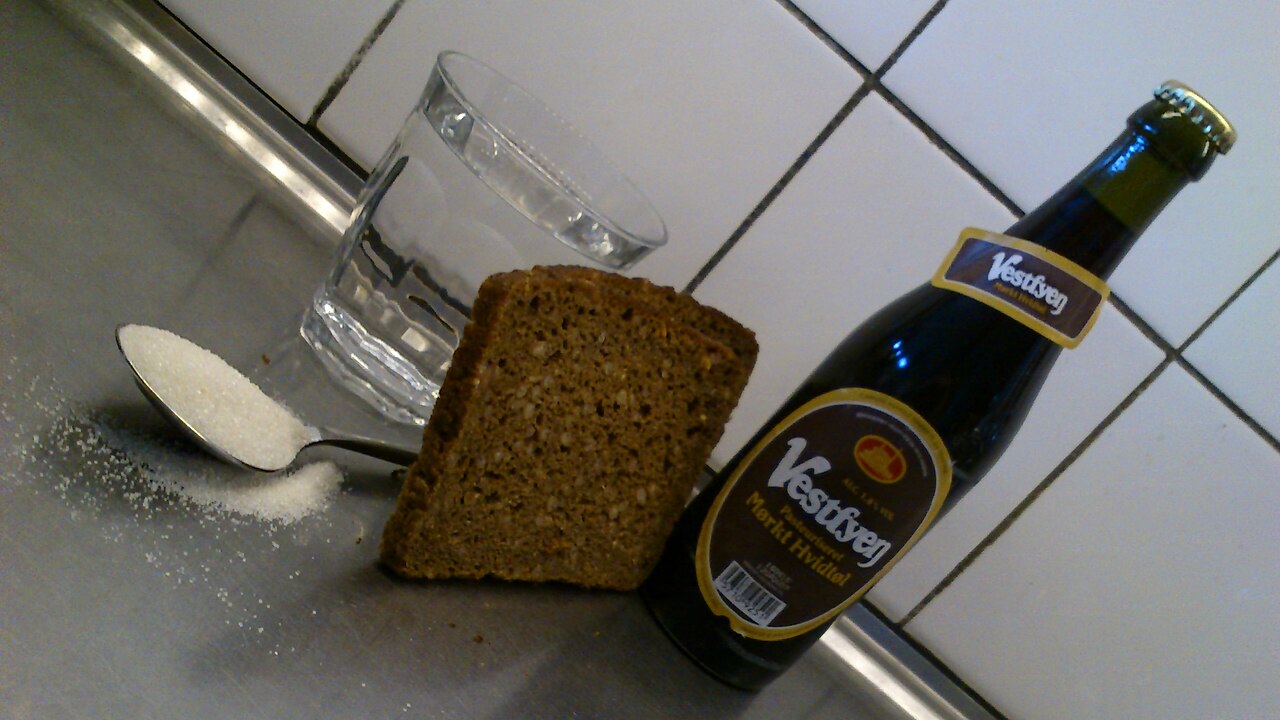
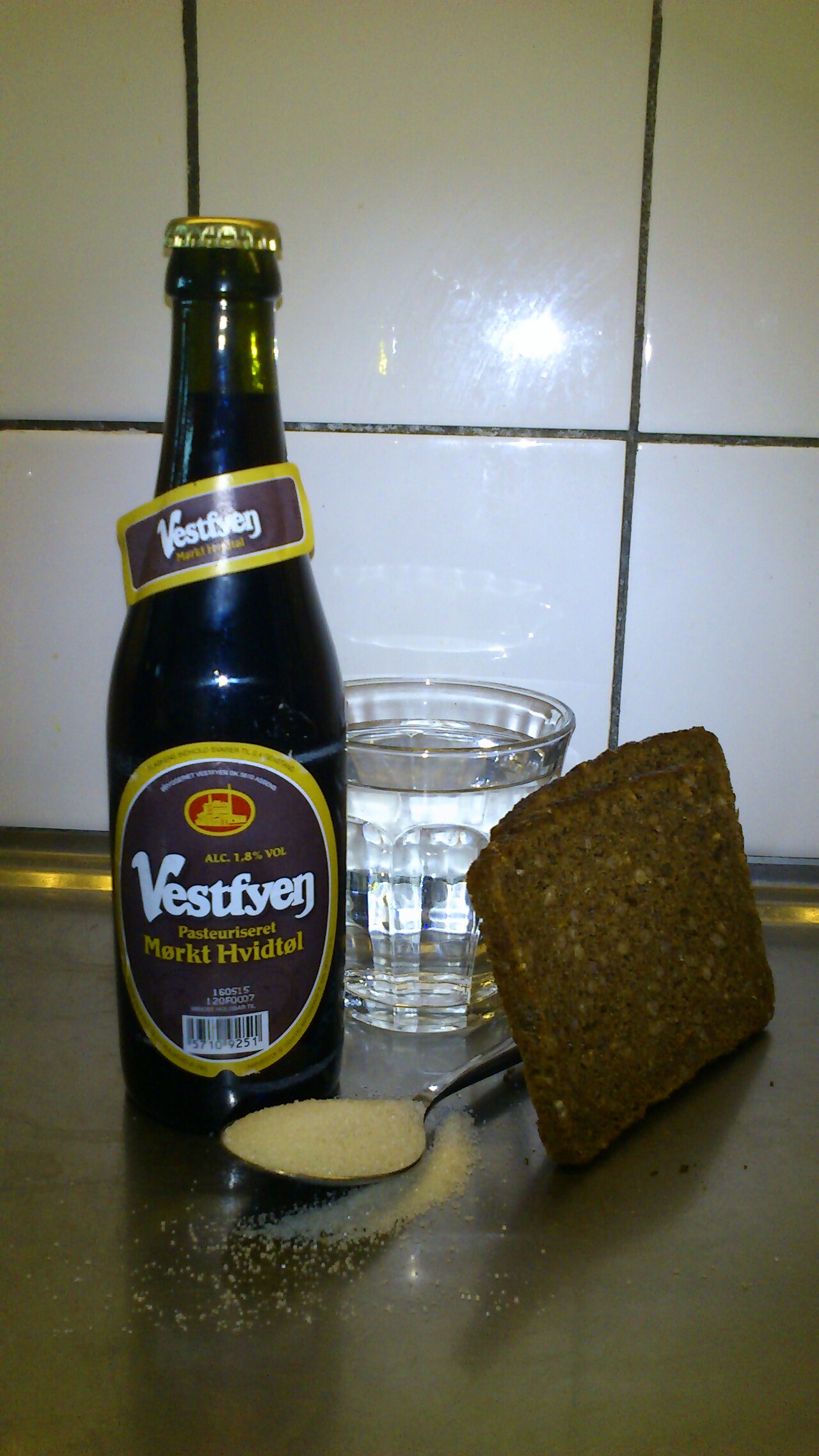
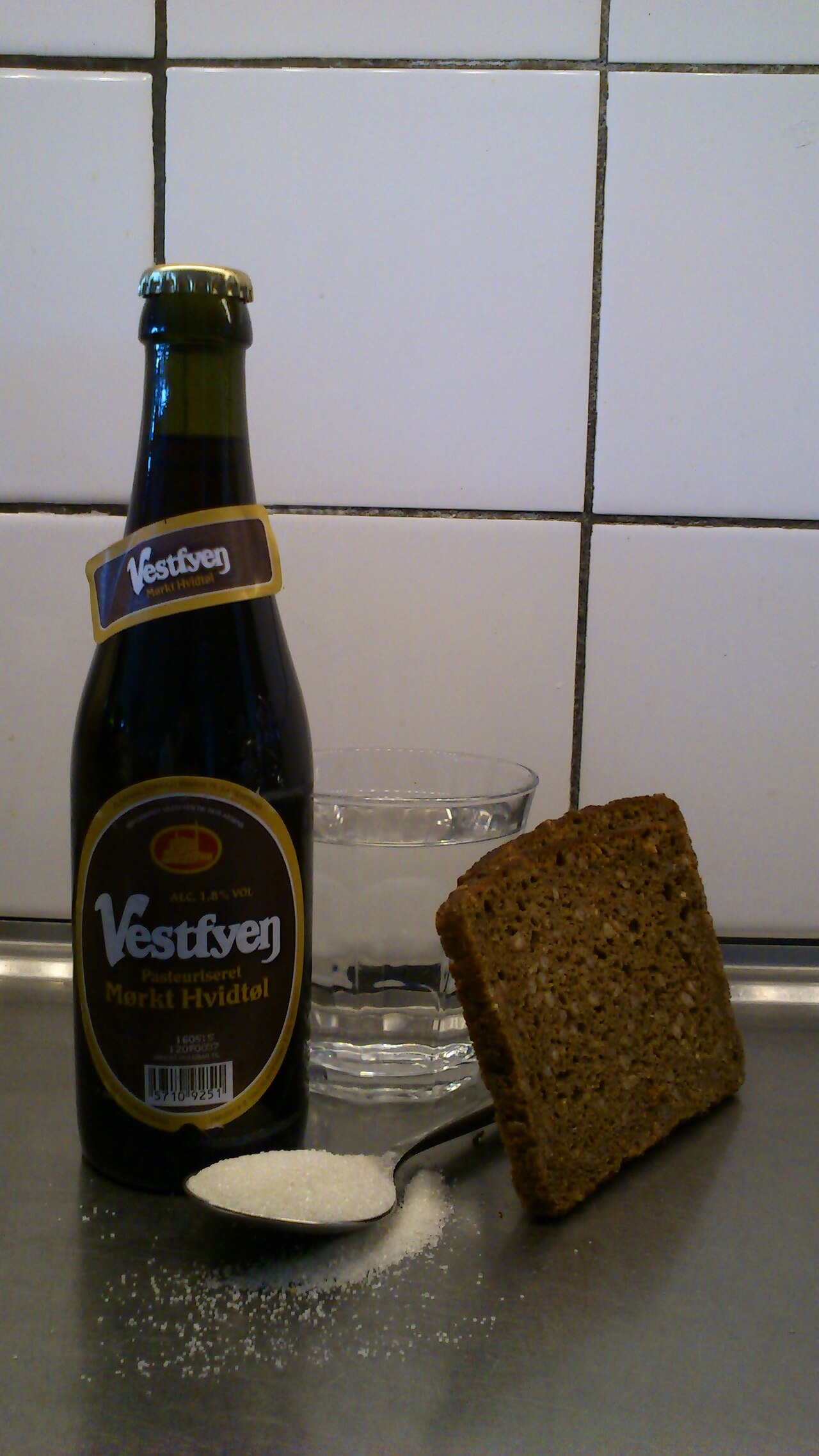
Traditionally, øllebrød was made using leftover rye bread scraps, including hard end crusts that otherwise would be discarded. The bread would be soaked in water overnight before being boiled with hvidtøl. It is best made of traditional rye bread of fine-ground flour. Since the 1970s, whole-grain rye bread, or rye bread with whole sunflower seeds, pumpkin seeds or similar, have become increasingly popular, but the grains or seeds will make a lumpy øllebrød, unless it is puréed with a blender or passed through a sieve.
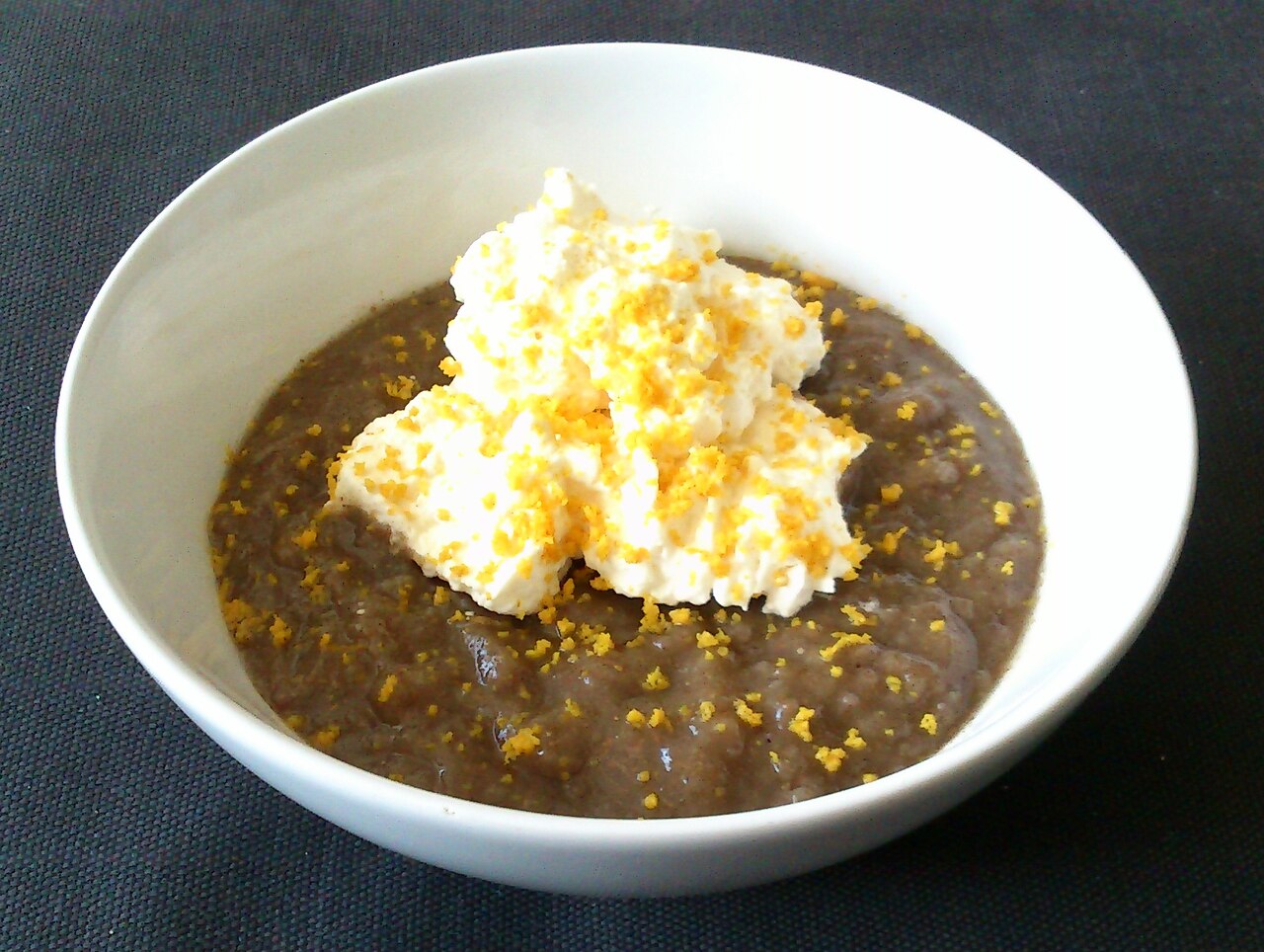
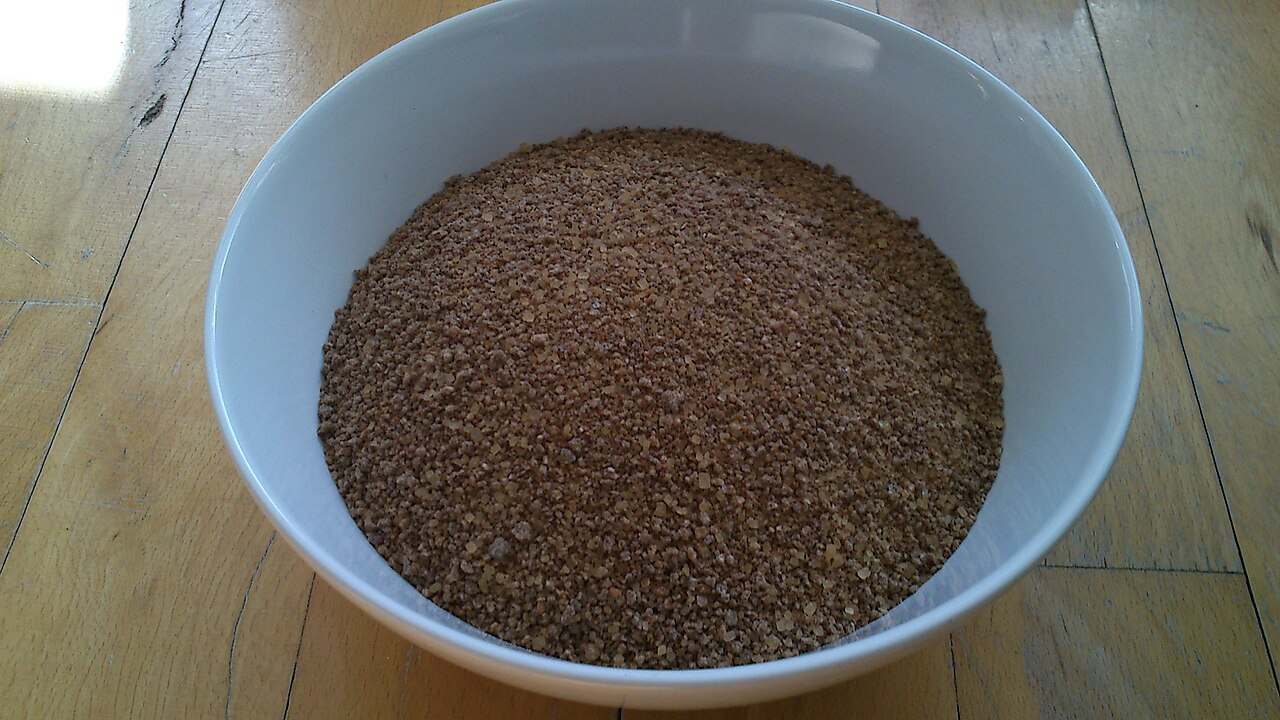
Formerly, øllebrød would be served unsweetened and could be part of all meals of the day. Today, it is often made using fresh rye bread and sweetened with sugar. It is eaten for breakfast with milk, cream, whipped cream, or an egg yolk beaten with sugar. Some modern variations also spice it with lemon peel, orange peel or vanilla, but many Danes disapprove of this since øllebrød is (by most) not regarded as a dessert. Instant powder mixes, consisting of dried rye bread and sugar, have become commercially available.
Reader's Guide
Øllebrød holds significance as a traditional Danish dish that reflects historical thrift and resourcefulness, using leftover rye bread and beer to create a nourishing meal. Its origins in the Middle Ages and its role in the emerging breakfast culture of 13th-century Denmark highlight its place in culinary history. The dish was consumed by all social classes, including the court of King Christian III, despite being reportedly not well liked. Today, it remains common in Danish and Scanian cuisine, typically eaten for breakfast during winter, and is regarded as easily digestible and nourishing, frequently served in hospitals and retirement homes. While very rarely served at restaurants, New Nordic Cuisine establishments such as Noma and Agern have offered gourmet versions, demonstrating its adaptability. The dish has evolved from unsweetened to sweetened preparations, and instant powder mixes have become commercially available. Variations include a Norwegian dish of the same name made with wheat flour, milk, beer, and sugar, and the Finnish porridge mämmi, made of barley malt. Øllebrød's legacy lies in its enduring presence as a thrifty, traditional comfort food that has found new expression in modern cuisine.
Did You Know?
- Øllebrød is made from sourdough rye bread and beer, giving it a slightly tangy, caramelly, full taste.
- Since the 1970s, whole-grain rye bread or rye bread with seeds has become popular, but may require pureeing to avoid lumps.
- A Norwegian dish of the same name exists, made with wheat flour, milk, beer, and sugar, and is very rarely eaten today.
Gallery
Frequently Asked Questions
What is Øllebrød?
Øllebrød is a thick, porridge-like bread soup that sits at the heart of traditional Danish home cooking. It's essentially torn rye bread simmered down in beer until the whole bowl turns into a warm, hearty mash.
What are the main ingredients in Øllebrød?
The two essential components are sourdough rye bread (rugbrød) and beer, most often a pale lager known as hvidtøl. The bread is broken into pieces and cooked in the beer until the mixture thickens into a porridge-like consistency.
Where and when did Øllebrød originate?
The dish dates back to the Middle Ages in Denmark, when households needed a practical way to stretch stale rye bread into a filling meal. Its shelf-stable ingredients made it a sensible everyday option long before modern refrigeration existed.
When do Danes typically eat Øllebrød?
It's most closely tied to cold winter mornings as a warming breakfast, and it still shows up in hospitals and retirement homes as a gentle, easy-to-eat meal. You'll also find it on menus in Scanian (southern Swedish) restaurants as a regional specialty.
Is Øllebrød still common in Denmark today?
Yes, it remains a recognizable part of Danish and Scanian food culture, particularly in traditional or institutional settings. It isn't a fine-dining item, but it holds a steady place as a nostalgic, home-style comfort food that many Danes still recognize.
More in Danish cuisine 1-24
Spotted an error? Know more?
Reader corrections go straight into our review queue. Suggest an edit · How this site is sourced