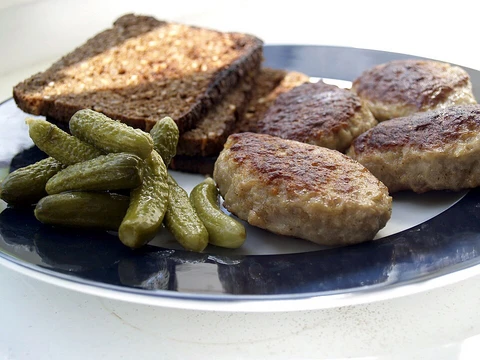
Labskaus
Northern German sailor's dish of salted meat, potatoes, and onion.

GeoTrinity · CC BY-SA 3.0
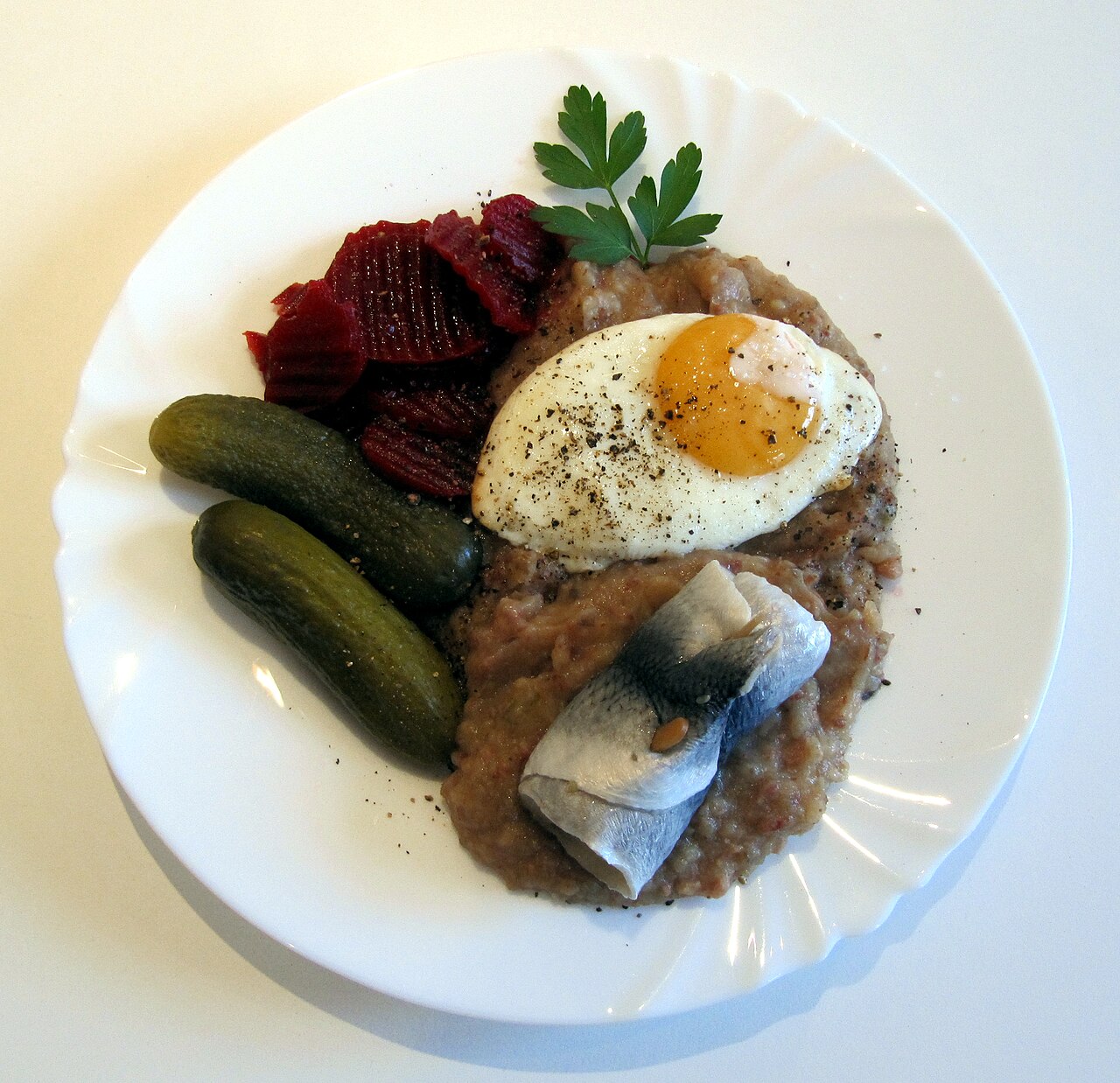
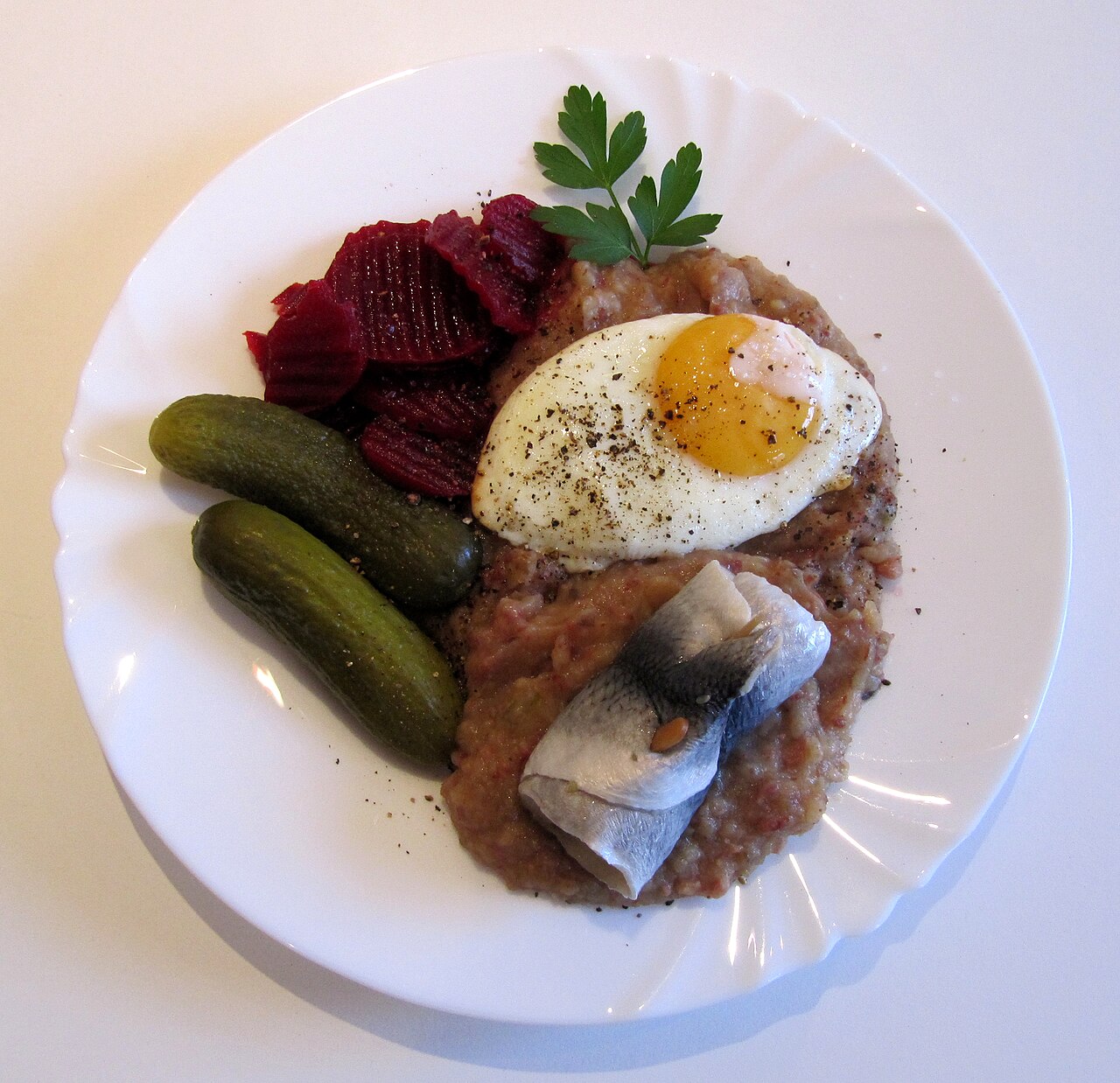
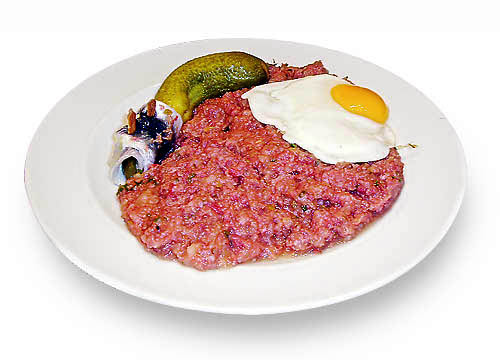
Labskaus is a culinary speciality from northern Germany, particularly associated with the cities of Bremen, Hamburg, and Lübeck. Its main ingredients are salted meat or corned beef, potatoes, and onion, with variations including beetroot, pickled gherkin, or herring either as ingredients or side dishes. The dish became common among sailors during the Age of Sail, as potatoes and salted meats were standard fare and labskaus helped stretch the meat supply.
Quick Facts
- Region
- northern Germany
- Main Ingredient
- salted meat or corned beef, potatoes, and onion
Facts from the source article.
Lore & Background
The origin of the word Labskaus is uncertain. One possible source is the Latvian 'labs kauss' or Lithuanian 'labas káušas', both meaning 'good bowl' or hotpot. The dish became common among sailors during the Age of Sail, as potatoes and salted meats were standard fare and labskaus would stretch the meat supply. Today it is commonly served in restaurants only on Germany's northern coast, as well as in traditional Danish restaurants.
Reader's Guide
Labskaus is a traditional dish from northern Germany, especially Bremen, Hamburg, and Lübeck, with roots in maritime history. Its core ingredients—salted meat or corned beef, potatoes, and onion—reflect the preserved provisions available to sailors during the Age of Sail. The dish's etymology remains uncertain, with possible origins in Latvian or Lithuanian phrases meaning 'good bowl.' Variations abound: some recipes include beetroot, pickled gherkin, or herring as ingredients or side dishes. In Bremen, labskaus is typically fried corned beef, onions, and mashed potatoes, with beetroot and rollmops served on the side. Similar dishes exist in Scandinavia: Denmark's version resembles Bremen's but often omits herring and may include gravy; Sweden's Lapskojs is a beef and mashed potato stew; Norway's lapskaus often refers to a beef stew with gravy. The dish is also related to lobscouse, lobby, scouse, and lapskoussi. Labskaus remains a regional specialty, preserving its historical connection to seafaring and northern German cuisine.
Did You Know?
- Labskaus became common among sailors during the Age of Sail because potatoes and salted meats were standard fare.
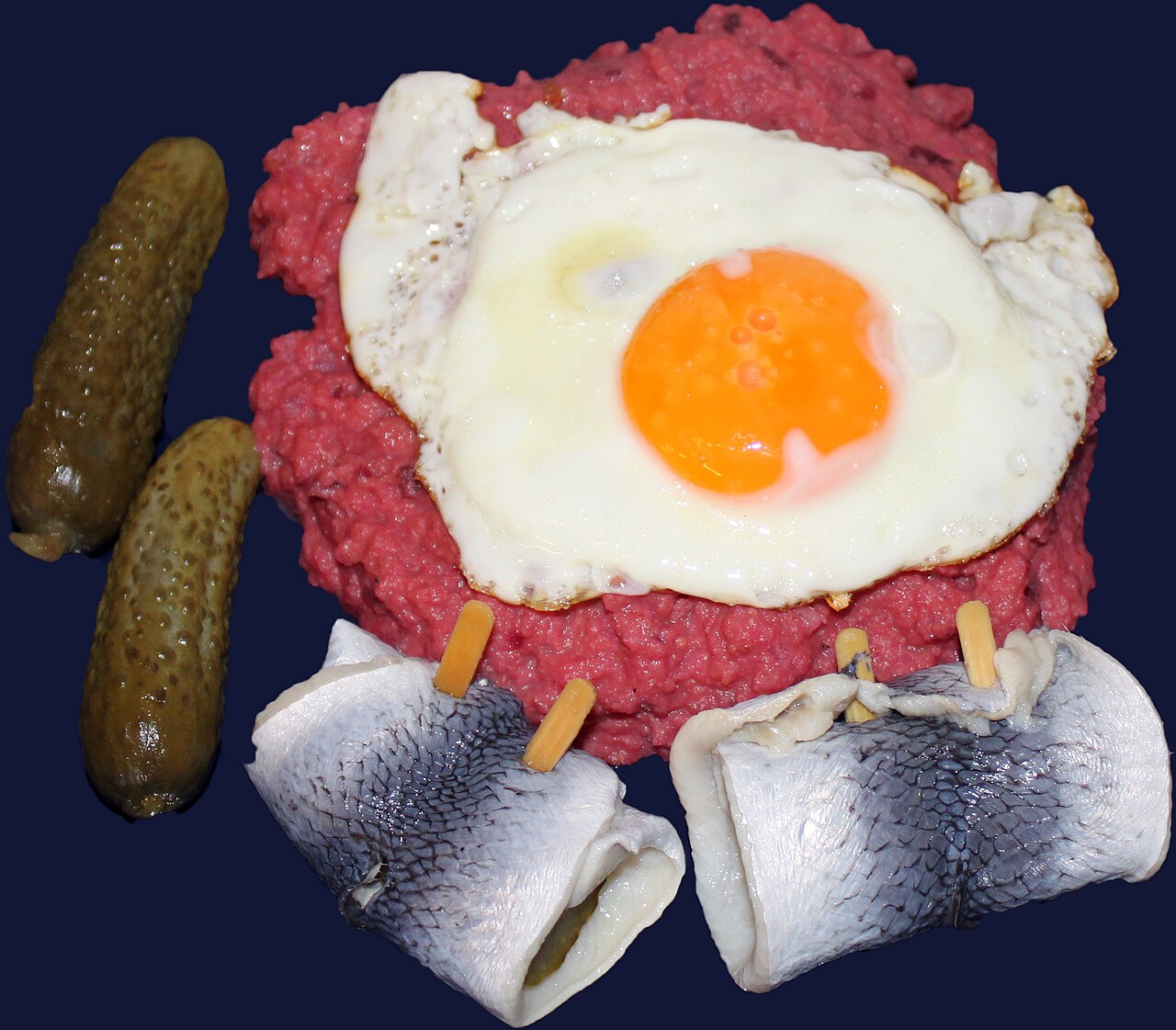
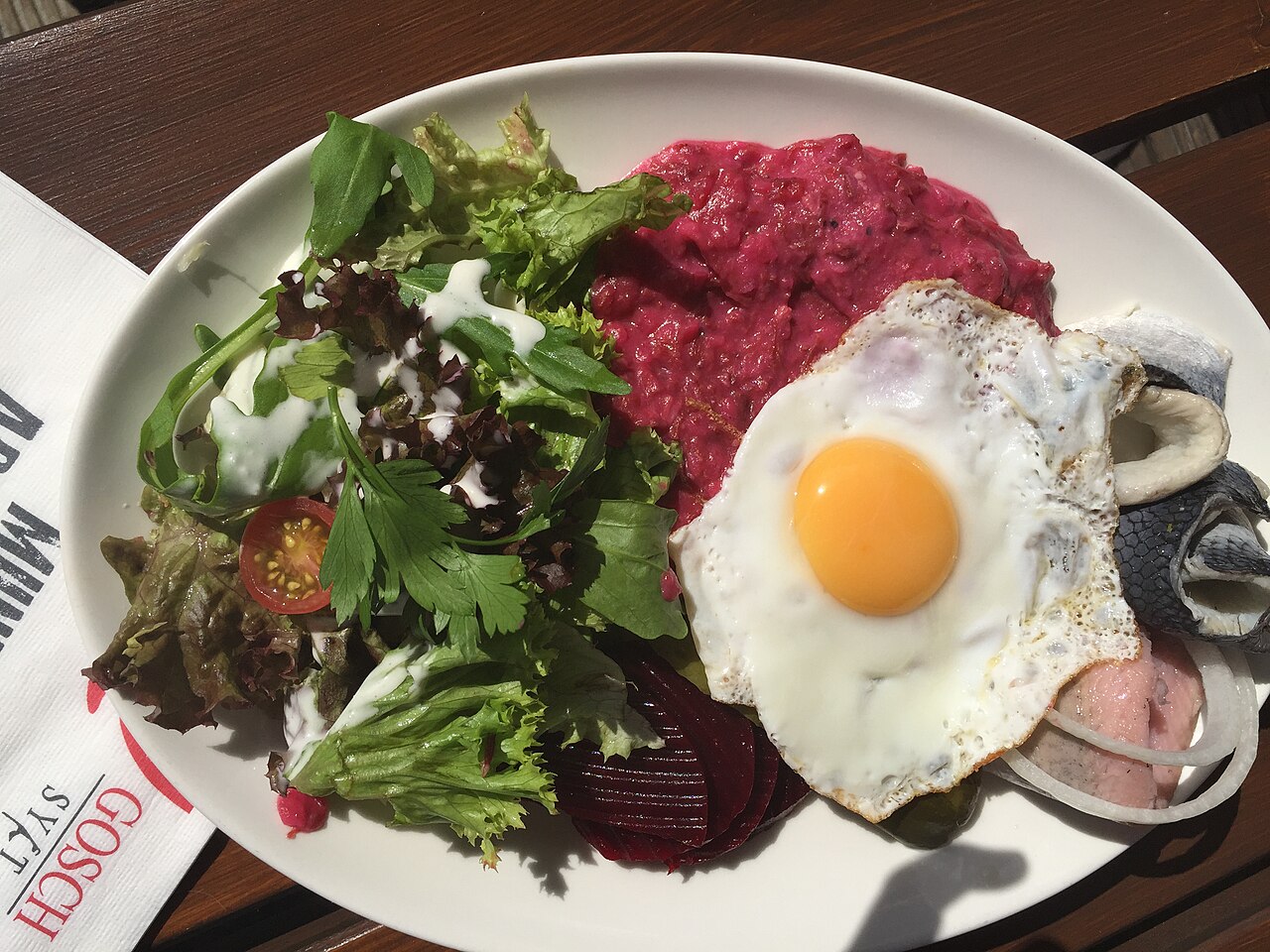
- In Bremen, labskaus is usually fried corned beef, onions, and mashed potatoes, with beetroot and rollmops as side dishes.
- Similar dishes include lobscouse, scouse, and lapskoussi.
Origins & Etymology
The name Labskaus carries an air of mystery, with no single definitive explanation for where the word came from. One compelling theory traces it to the Baltic languages: Latvian "labs kauss" or Lithuanian "labas káušas," both of which translate roughly to "good bowl" or hotpot. This linguistic thread hints at a broader cultural exchange across the northern European seaboard. The dish itself found its true calling aboard the masts of the Age of Sail. For sailors, potatoes and salted or corned meats formed the backbone of daily rations, and Labskaus served a practical purpose: it stretched a limited meat supply across more meals. The word and the dish traveled together, embedding themselves in the maritime vocabulary of the region. Today, a direct parallel can be drawn to the English "scouse," a dish with a similarly nautical pedigree and comparable ingredient logic, reinforcing the idea that Labskaus belongs to a wider family of seafaring stews born from necessity and ingenuity.
The Kitchen Craft
At its core, Labskaus is a study in resourceful combination. The foundational trio is salted meat or corned beef, potatoes, and onion, though recipes diverge widely from there. Some cooks fold beetroot, pickled gherkin, or even herring directly into the mix, while others reserve these as accompanying side dishes. The traditional method begins with boiling the beef in a broth, after which it is minced together with beetroot, onions, boiled potatoes, and herring—though ham appears in some versions. This rough, textured base is then fried in lard, and a handful of warm spices such as nutmeg, pepper, coriander, or allspice are stirred in to round out the flavor. The result is deliberately unrefined: a dense, hearty mash that rewards slow chewing. What makes the dish particularly fascinating is the sheer number of variations that exist. Even within a short distance—Bremen sits just ninety-five kilometres from Hamburg—the preparation shifts noticeably, with the Bremen style favoring fried corned beef, onions, and mashed potatoes while the beetroot and rollmops are plated separately as a side.
Scandinavian Echoes
Labskaus did not remain confined to the German coastline. Across the narrow waters of the Baltic and North Seas, the dish took root in Scandinavian kitchens, though it generally shed one of its most distinctive ingredients: herring. In Denmark, the preparation closely mirrors the Bremen variant, but the herring is omitted and a gravy is sometimes ladled over the top, lending a silkier texture to the otherwise rustic mash. In Sweden, the dish appears under the name Lapskojs and takes the form of a stew combining beef with mashed potatoes, a slightly different structural approach from the German mince-and-fry method. In Norway, the word lapskaus carries a broader meaning, more often pointing to a variation of beef stew finished with gravy, or occasionally to other types of stew altogether. These Scandinavian iterations confirm that Labskaus belongs to a shared culinary vocabulary of the northern European coast, where similar ingredients and similar maritime needs produced parallel dishes that differ in small but meaningful details of technique and seasoning.
Cultural Footprint & Kinship
Today, Labskaus occupies a specific and somewhat nostalgic niche in the culinary landscape. It is recognized as a speciality of northern Germany, most closely associated with the Hanseatic cities of Bremen, Hamburg, and Lübeck. In modern dining, the dish has largely retreated to restaurants along Germany's northern coast and to traditional Danish eateries, where it is served as a nod to maritime heritage rather than as an everyday meal. Its genealogical ties extend well beyond these borders. The dish is closely related to Lobscouse and its variants Lobby and Scouse, as well as to Lapskoussi, suggesting a family of meat-and-potato preparations that spread along the coasts of northern Europe. All of these dishes share a common ancestor in the practical cooking of sailors, where preserving meat, stretching rations, and combining whatever was available on board produced a genre of hearty, one-pot meals. Labskaus endures as the German expression of that tradition, a reminder that some of the most enduring dishes are born not from refinement but from the need to make a little go a long way.
Gallery
Frequently Asked Questions
Who is Labskaus?
Labskaus is a hearty northern German sailor's dish built around salted meat, potatoes, and onion cooked down into a thick, one-pot mixture. It is most closely tied to the port cities of Bremen, Hamburg, and Lübeck.
What are Labskaus's powers/role?
Its core ingredients are corned beef, potato, and onion mashed together into a dense, filling spread, with optional additions like beetroot, pickled gherkin, or a side of herring. The dish was designed to be cheap, storable, and calorie-dense enough to sustain long voyages.
How does Labskaus's story begin?
Labskaus rose to prominence during the Age of Sail, when crews needed a way to stretch scarce meat provisions over weeks at sea. Potatoes and salted beef were the standard, long-lasting rations, and combining them into one thick dish made the most of every ingredient.
Why is Labskaus important?
It represents the working-class, seafaring food culture of northern Germany and remains a proud regional speciality in Bremen, Hamburg, and Lübeck. It has also crossed into Danish culinary tradition, where it shows up on the menus of traditional Danish restaurants.
Where can you find Labskaus?
You will most often encounter it in the port cities of Bremen, Hamburg, and Lübeck in northern Germany. It also appears in traditional Danish restaurants that celebrate the shared northern European seafaring heritage.
More in Danish cuisine 1-24
Spotted an error? Know more?
Reader corrections go straight into our review queue. Suggest an edit · How this site is sourced