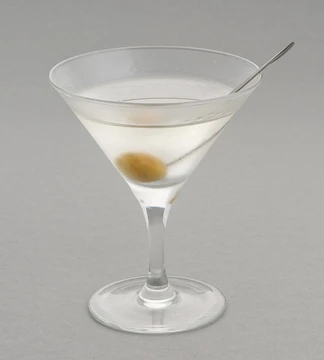
Gunfire (drink)
A British Army cocktail of black tea and rum.

Alf van Beem · CC0
Gunfire, also written as gun-fire, is a British cocktail that combines black tea and rum, making it a caffeinated alcoholic drink. Its roots are in the British Army, and the term also refers to early morning tea.
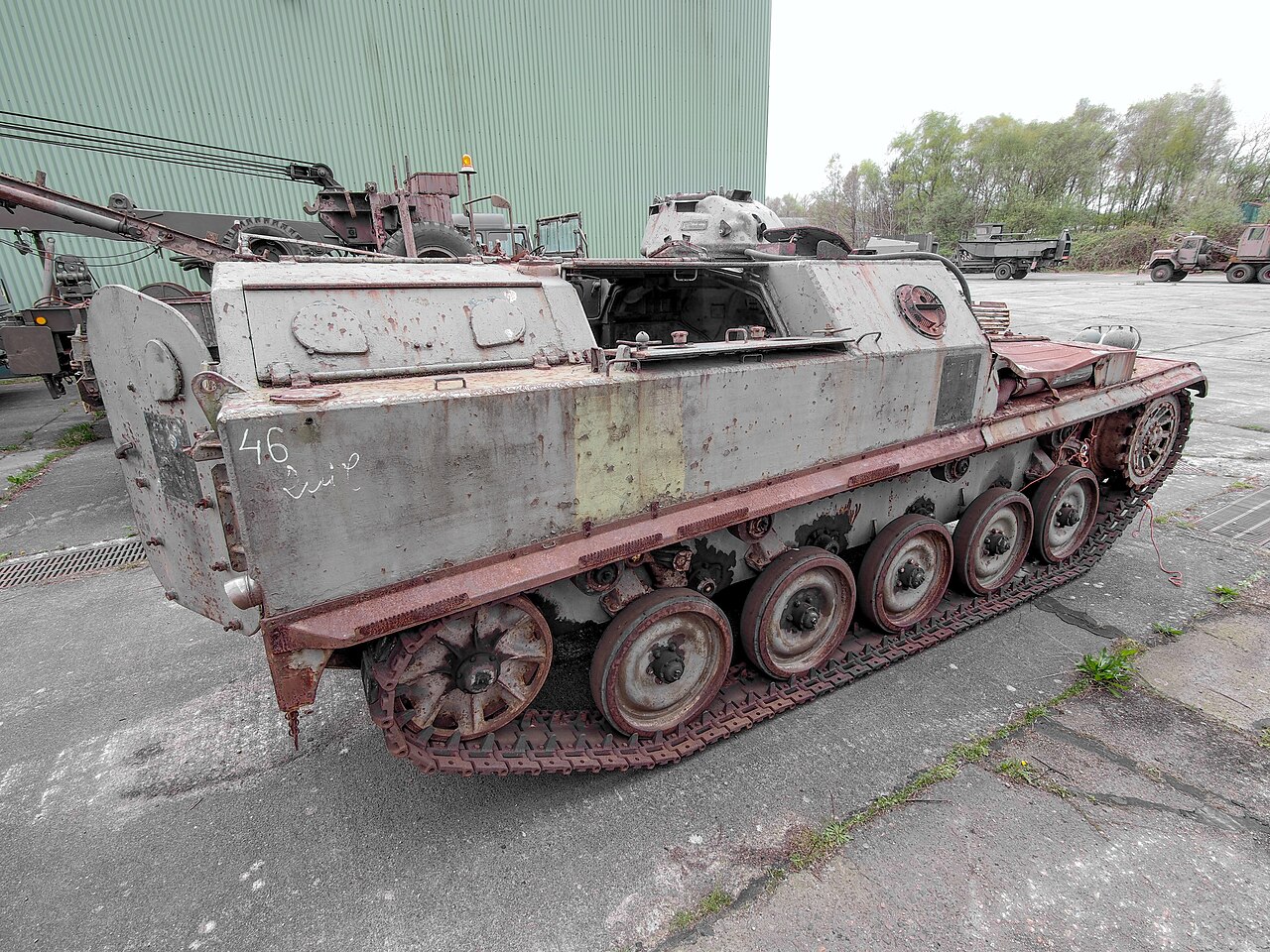
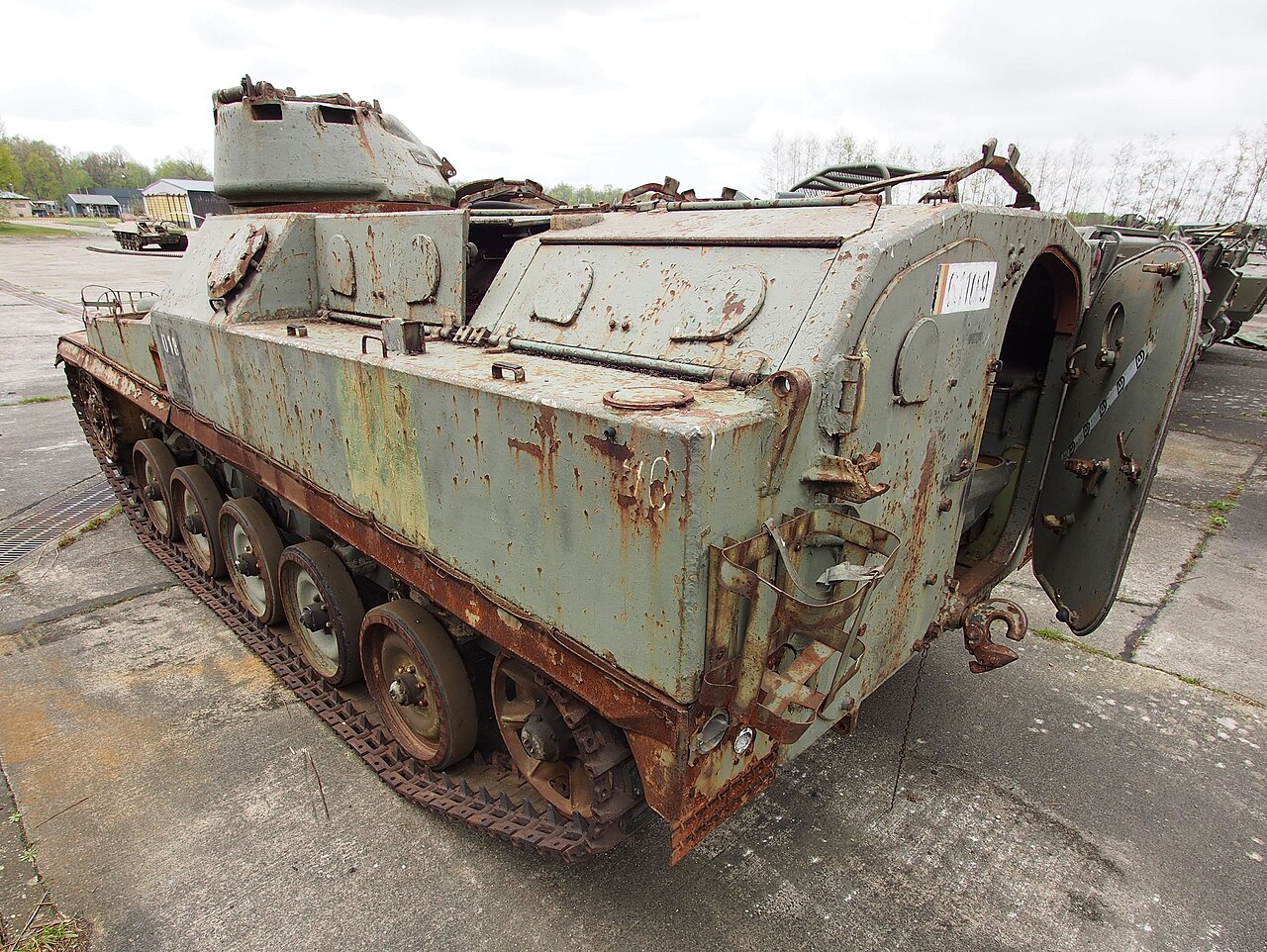
The drink’s exact origin is unknown, but British Army soldiers were mixing it by the 1890s. Officers and non-commissioned officers would serve it to lower ranks before a morning attack to provide Dutch courage, and as a celebration before a passing out parade. It is also a tradition for officers to bring gunfire to soldiers in their beds on Christmas morning at reveille when they are deployed. Some regiments serve it on other specific days: the Royal Tank Regiment on Cambrai Day, the Queen's Royal Hussars on Balaclava Day and Saint Patrick's Day, and the Royal Dragoon Guards on St Patrick’s Day, using whiskey instead of rum. During the Korean War, British soldiers gave gunfire to American Military Police Corps members, pretending it was ordinary tea after a recovery mission. This intoxicated the MPs, who then drove an armoured recovery vehicle and jeeps into a camp gate.
In Australia and New Zealand on ANZAC Day, a version of gunfire is made with black coffee instead of tea, served to soldiers before dawn services as part of a "gunfire breakfast." Civilians also drink gunfire. On the British reality show *Bad Lads' Army*, non-commissioned officers served it to participants before their passing out parade, mimicking army procedure. Australian civilians also drink it to commemorate ANZAC Day. A similar drink in German-speaking countries is Jagertee.
The recipe is simple: one cup of black tea with one shot of rum, stirred together.
Quick Facts
- Ingredients
- 1 cup of black tea / 1 shot of rum
- Served
- stirred
- Prep
- Pour the tea into a cup. Pour the rum in and stir.
- Drinkware
- Mug
Facts from the source article.
Lore & Background
It is unknown when gunfire was concocted, but it is known that it was mixed by British Army soldiers during the 1890s. Gunfire is served by officers and non-commissioned officers to lower ranks before a morning attack (as a form of Dutch courage) and as a celebration before a Passing out parade. It is also traditionally served to soldiers in their beds by their officers on Christmas Day at reveille if they are deployed over Christmas.
Individual regiments may carry out the ritual on other days: for example, in the Royal Tank Regiment gunfire is served on Cambrai Day; in the Queen's Royal Hussars on Balaclava Day and Saint Patrick's Day; and in the Royal Dragoon Guards gunfire made with whiskey on St Patrick's Day. During the Korean War, members of the American Military Police Corps were given gunfire by British soldiers under the guise of it being normal tea after a recovery mission, leading to intoxication of the MPs who then drove an armoured recovery vehicle and some army jeeps into a camp gate.
In Australia and New Zealand on ANZAC Day, a version of gunfire with black coffee instead of tea is served to soldiers before dawn services as part of the 'gunfire breakfast'. Gunfire has also been made and drunk outside of military circles, including by participants of British reality programme Bad Lads' Army and by Australian civilians to commemorate ANZAC Day. A similar drink in the German-speaking world is Jagertee.
Reader's Guide
Gunfire is significant as a traditional military cocktail that has persisted for over a century, originating in the British Army during the 1890s. Its use as a form of Dutch courage before attacks and as a celebratory drink at parades and holidays reflects its role in military culture and morale. The drink's spread to Commonwealth forces, such as the Australian and New Zealand armies on ANZAC Day, and its adoption by civilians, demonstrates its enduring cultural resonance. The Korean War incident, where American MPs were unknowingly intoxicated by gunfire, highlights the drink's potency and the informal bonds between allied forces. The existence of variants—such as using coffee in Australia and New Zealand or whiskey in the Royal Dragoon Guards—shows adaptability while maintaining the core concept of a caffeinated-alcoholic beverage. Gunfire remains a symbol of military tradition, camaraderie, and ritual, bridging historical and modern contexts.
Did You Know?
- During the Korean War, American Military Police Corps were given gunfire by British soldiers under the guise of normal tea, leading to intoxication and a vehicle crash into a camp gate.
- In the Royal Dragoon Guards, gunfire is made with whiskey on St Patrick's Day.
Origins & Military Ritual
The exact birth date of gunfire remains shrouded in the mists of military tradition, though it is firmly established that British Army soldiers first began mixing the drink during the 1890s. The recipe is deceptively simple: a single cup of black tea combined with one shot of rum, stirred together in the cup itself. Despite its humble ingredients, gunfire occupies a deeply ritualistic place in British military life. Officers and non-commissioned officers traditionally present it to lower-ranking soldiers as a form of Dutch courage before a dawn attack, lending a steadying warmth to nerves before combat. It also features prominently in the Passing out parade, serving as a celebratory toast for cadets completing their training. Perhaps most tenderly, when troops are deployed over the Christmas season, officers make the rounds at reveille, delivering cups of gunfire directly to soldiers' beds—a small gesture of solidarity in the cold hours before the day begins. The drink has also become synonymous with the concept of an early morning cup of tea in military parlance.
Regimental Customs & Commemorative Days
While the British Army as a whole embraces gunfire, individual regiments have woven the drink into their own distinctive ceremonial calendars. The Royal Tank Regiment observes Cambrai Day with the traditional serving, tying the ritual to a date meaningful to its own history. The Queen's Royal Hussars mark both Balaclava Day and Saint Patrick's Day with gunfire ceremonies, giving the drink a dual commemorative role within the unit. The Royal Dragoon Guards take a slightly different approach, substituting whiskey for the standard rum on St Patrick's Day, creating a variant tailored to that particular occasion. These regiment-specific observances demonstrate how a simple two-ingredient mixture has become a flexible vessel for unit identity and collective memory. Each regiment selects dates that resonate with its own heritage, transforming what might otherwise be a generic military tradition into a deeply personal ritual. The variety of chosen dates and even the variation in spirit used underscore that gunfire functions less as a fixed recipe and more as a cultural framework within which each unit expresses its own story and honors its own past.
The Korean War Incident
One of the most colorful anecdotes associated with gunfire dates to the Korean War, when the drink inadvertently became a source of international military comedy. After a recovery mission, British soldiers offered members of the American Military Police Corps a cup of what they described as ordinary tea. In reality, the beverage was gunfire—black tea laced with a shot of rum. The unsuspecting American MPs drank freely, expecting nothing more than a warm cup of tea to warm them after their work. The rum, however, took effect, and the intoxicated officers subsequently took the wheel. The result was a chaotic scene in which the inebriated MPs piloted an armoured recovery vehicle along with several army jeeps directly into a camp gate. The incident stands as a vivid illustration of how gunfire's deceptively innocuous appearance—indistinguishable from a plain cup of tea—can mask its alcoholic content. It also highlights the cross-cultural misunderstandings that could arise when a British military tradition, rooted in centuries of regimental custom, was casually offered to foreign service members who had no framework for recognizing what they were actually drinking.
Beyond the Barracks
Gunfire has long transcended its military origins, finding a place in civilian life across multiple countries and contexts. In Australia and New Zealand, ANZAC Day observances include a "gunfire breakfast" served to soldiers before dawn services, with a notable adaptation: black coffee replaces the traditional black tea, creating a variant that suits the early morning setting. Australian civilians have also adopted the drink as a personal way to commemorate ANZAC Day, extending the tradition well beyond uniformed service. The drink has even crossed into popular entertainment; on the British reality television programme Bad Lads' Army, non-commissioned officers served gunfire to participants before their passing out parade, directly mirroring the procedure used in the actual British Army. In the German-speaking world, a closely analogous drink known as Jagertee occupies a similar cultural niche, suggesting that the appeal of combining a hot brewed beverage with a spirited kick is not uniquely British. Even in everyday military slang, the word "gunfire" has broadened to simply mean an early morning cup of tea, cementing the drink's place in the lexicon of those who serve.
Gallery
Frequently Asked Questions
What is Gunfire (drink)?
Gunfire (also styled gun-fire) is a caffeinated alcoholic cocktail that blends black tea with rum. It is a British Army tradition rather than a commercial bar recipe, and the name also doubles as slang for a cup of early-morning tea.
Where and when did Gunfire (drink) originate?
No single inventor is recorded, but the drink was already being mixed by British Army personnel by the 1890s. Its exact birthplace within the Army's history remains unclear.
What are Gunfire (drink)'s main ingredients?
The classic recipe calls for just two components: black tea and rum. Some regiments swap the rum for whiskey, while ANZAC forces have a variant that uses coffee in place of tea.
How was Gunfire (drink) traditionally served in the British Army?
Officers and NCOs would hand it out to enlisted men before a dawn assault to steady nerves, and it also marked celebrations ahead of a passing-out parade. On Christmas morning, officers traditionally carried a cup to each soldier's bed at reveille.
Why is Gunfire (drink) important to military cocktail culture?
It is one of the few well-documented examples of a regimental drink born specifically for a combat-adjacent ritual rather than a social or dining setting. Its continued use across multiple regiments and allied forces shows how a simple tea-and-spirit mix became a lasting symbol of camaraderie and pre-battle resolve.
More in Cocktails with rum 1-24
Spotted an error? Know more?
Reader corrections go straight into our review queue. Suggest an edit · How this site is sourced