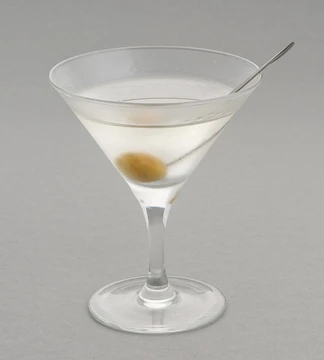
Buck (cocktail)
A cocktail family defined by ginger and citrus.

Natmcs · CC0
A buck is a mixed drink that combines ginger ale or ginger beer, citrus juice, and a base spirit of the drinker’s choice. Because the vodka version—called a Moscow mule—became so well known, buck cocktails are often referred to as mules.
The name “buck” is thought to have originated when whiskey was added to the nonalcoholic Horse’s Neck, a drink of ginger ale and lemon juice. That addition gave the horse a “kick,” evoking a bucking horse.
Many variations exist. Bourbon, rye, or whiskey bucks are common; a Kentucky Buck uses bourbon and strawberry. A gin buck is also called a British Buck or London Buck, while a Gin Gin Mule adds mint and is sometimes known as a Ginger Rogers. An Irish buck uses Irish whiskey, and a Mamie Taylor is made with scotch. Rum bucks are called Barbados buck or Jamaican buck, depending on the rum’s origin. A Shanghai buck, made with light rum, was served at the Shanghai Club in the 1930s. The vodka buck, or Moscow mule, was invented in Los Angeles and helped popularize vodka in the United States from the 1940s through the 1960s. Other variations include the Chilcano (with pisco), the El Diablo (tequila, lime juice, and crème de cassis), and versions using brandy or other liquors. Syrups, different juices, fresh ginger, mint, and various garnishes are also added.
Quick Facts
- Ingredients
- ginger beer for a classic buck, deeper more complex cocktail, or ginger ale, for a neutral/sweet, dive bar style buck. Lime or other citrus juice
- Served
- On the rocks: poured over ice
- Garnish
- Any common garnish may be used
- Prep
- May be mixed or muddled if mint, syrups, or fresh fruit is added; shaken vigorously with ice, then strained into the glass. Topped with ginger ale or ginger beer.
- Drinkware
- Collins glass
Facts from the source article.
Lore & Background
The buck is believed to have acquired its name when someone added a shot of whiskey to the previously nonalcoholic Horse's Neck, which consisted of ginger ale with lemon juice. The added alcohol gave the horse a 'kick' – hence, a bucking horse. Variations include bourbon, rye, or whiskey buck; Kentucky Buck, containing bourbon and strawberry; gin buck, sometimes known as British Buck or London Buck; and the Gin Gin Mule, containing gin and mint, also called a Ginger Rogers. Other variations include the Irish buck, Mamie Taylor (scotch whisky), rum buck (also called a Barbados buck or Jamaican buck), Shanghai buck (light rum), vodka buck (Moscow mule), Chilcano (pisco), and El Diablo (tequila, lime juice, crème de cassis).
Reader's Guide
The buck cocktail family is significant for its simple, refreshing formula of ginger ale or ginger beer, citrus juice, and a base liquor. Its most famous member, the vodka buck known as the Moscow mule, was invented in Los Angeles, California, US, and is largely responsible for the popularity of vodka in the United States from the 1940s through 1960s. The term 'buck' itself originates from the addition of whiskey to a nonalcoholic Horse's Neck, giving the drink a 'kick' like a bucking horse. The family encompasses a wide range of spirits, from bourbon and rye to gin, rum, scotch, pisco, and tequila, with variations often named after their spirit or origin, such as the Barbados buck or London buck. The buck's legacy lies in its adaptability and its role in popularizing vodka in America, as well as its enduring presence as a category of easy-to-make, balanced cocktails.
Did You Know?
- Buck cocktails are sometimes called 'mules' due to the popularity of a vodka buck known as a Moscow mule.
- The Moscow mule (vodka buck) was invented in Los Angeles, California, US.
The Bucking Horse Behind the Name
The buck cocktail traces its identity to a simple act of adding a shot of whiskey to what was already a refreshing, nonalcoholic drink called the Horse's Neck, a combination of ginger ale and lemon juice. That single pour of spirit transformed the beverage in the eyes of its creator: the added alcohol gave the horse a "kick," and the result was a bucking horse. The name stuck, and with it, a template was born. At its core, the buck format pairs a carbonated ginger-based mixer—either ginger ale or ginger beer—with citrus juice and a chosen base liquor. This open-ended structure, where the spirit can be swapped almost endlessly, is what distinguishes the buck from more rigidly defined cocktails. Rather than being a single fixed recipe, it functions as a category, a family of drinks united by their ginger-and-citrus backbone and their willingness to accept whatever spirit the bartender or home mixologist reaches for.
The Mule That Made Vodka Famous
Of all the buck variations, none reshaped American drinking culture quite like the vodka buck, better known today as the Moscow mule. Invented in Los Angeles, California, this particular pairing of vodka with the ginger-and-citrus framework became the driving force behind vodka's surge in popularity across the United States from the 1940s through the 1960s. Before the mule, vodka was largely an obscure spirit in American bars; after it, the clear, neutral spirit found a permanent place on menus nationwide. The success of the Moscow mule was so dominant that it bled into the naming conventions of the entire buck family. Other buck cocktails are now sometimes referred to as "mules" simply because of the vodka version's cultural footprint. The Gin Gin Mule, for instance, borrows the mule label while swapping in gin and mint. This naming ripple effect testifies to how one specific buck recipe can redefine the vocabulary of an entire cocktail category.
A Spirit for Every Region
The buck's greatest strength lies in its refusal to be tied to a single liquor. A bourbon, rye, or straight whiskey buck satisfies the American whiskey drinker, while the Kentucky Buck elevates the formula with a splash of strawberry alongside the bourbon. Across the Atlantic, gin takes the lead in what is variously called a British Buck or London Buck, and Irish whiskey anchors the Irish buck. Scotch whisky gets its own named variation, the Mamie Taylor. In the Caribbean and beyond, rum steps in: a rum buck may be tagged Barbados buck or Jamaican buck depending on the spirit's origin, and adding a wedge of lime to a Dark 'n' Stormy effectively produces one. The Shanghai buck, built on light rum, was served at the Shanghai Club during the 1930s, linking the format to a specific era and locale. Even brandy and other lesser-featured liquors find a place in the family, confirming that the buck is less a recipe than a philosophy: ginger, citrus, and whatever spirit tells the story you want to tell.
Creative Twists and the Mule Legacy
Beyond the standard spirit-and-ginger pairing, the buck format has proven remarkably receptive to creative embellishment. Bartenders and home mixologists regularly layer in syrups, swap citrus for different juices, muddle in fresh ginger, add sprigs of mint, or experiment with an array of garnishes to push a basic buck into new territory. The El Diablo, for example, pairs tequila with lime juice and crème de cassis, while the Chilcano substitutes Pisco for the traditional base, giving the Peruvian spirit a ginger-ale showcase. The Gin Gin Mule, which combines gin with fresh mint, carries an alternate name—the Ginger Rogers—paying homage to the legendary actress. These variations demonstrate that the buck is not a static entry in a cocktail book but a living, adaptable template. Its open architecture invites endless reinterpretation, and the fact that it has spawned both the "mule" naming convention and a constellation of regionally flavored offshoots speaks to its enduring flexibility and creative potential.
Gallery

Frequently Asked Questions
What is a Buck cocktail?
A Buck is a cocktail family built on a simple, adaptable formula: ginger ale or ginger beer, a splash of citrus juice, and whichever base spirit the drinker prefers. Rather than being one fixed recipe, it functions as a template that changes with the spirit you choose.
Why is it called a 'buck'?
The name is believed to trace back to someone adding whiskey to a nonalcoholic Horse's Neck (ginger ale and lemon juice), which gave the drink a sharp 'kick.' That kick was likened to a horse bucking, and the name stuck.
How does a Buck relate to the Moscow Mule?
The Moscow Mule is simply the vodka iteration of a Buck, and its massive popularity caused 'mule' to become a loose umbrella term for the whole family. In other words, any Buck is colloquially called a mule, and the Mule is the most famous Buck.
What are the core ingredients in every Buck?
Each Buck pairs ginger ale or ginger beer with a citrus juice and a base liquor of the drinker's choice. The specific spirit—whiskey, gin, vodka, or otherwise—determines which named variation you end up with.
What notable variations of the Buck exist?
Common versions include bourbon, rye, and whiskey bucks, while a Kentucky Buck swaps in bourbon with strawberry for a fruitier twist. A gin-based Buck is also known as a British Buck, showing how the same ginger-citrus skeleton adapts across different spirits.
More in Cocktails with rum 1-24
Spotted an error? Know more?
Reader corrections go straight into our review queue. Suggest an edit · How this site is sourced