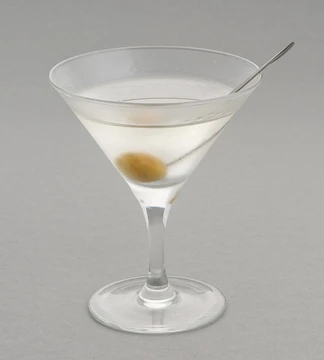
Coquito
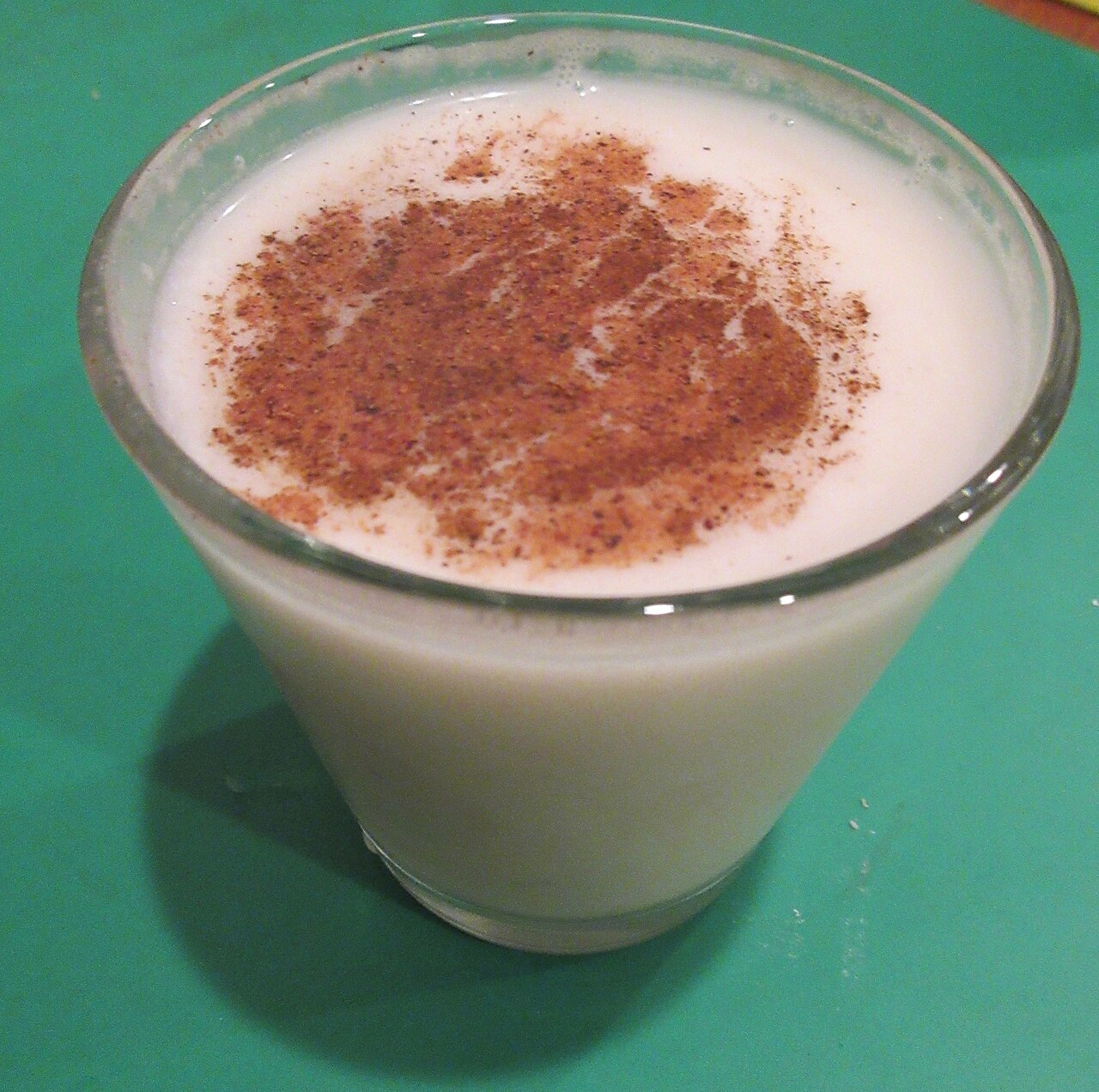
Puerto Rican coconut eggnog served during Christmas.

Infrogmation · CC BY-SA 4.0
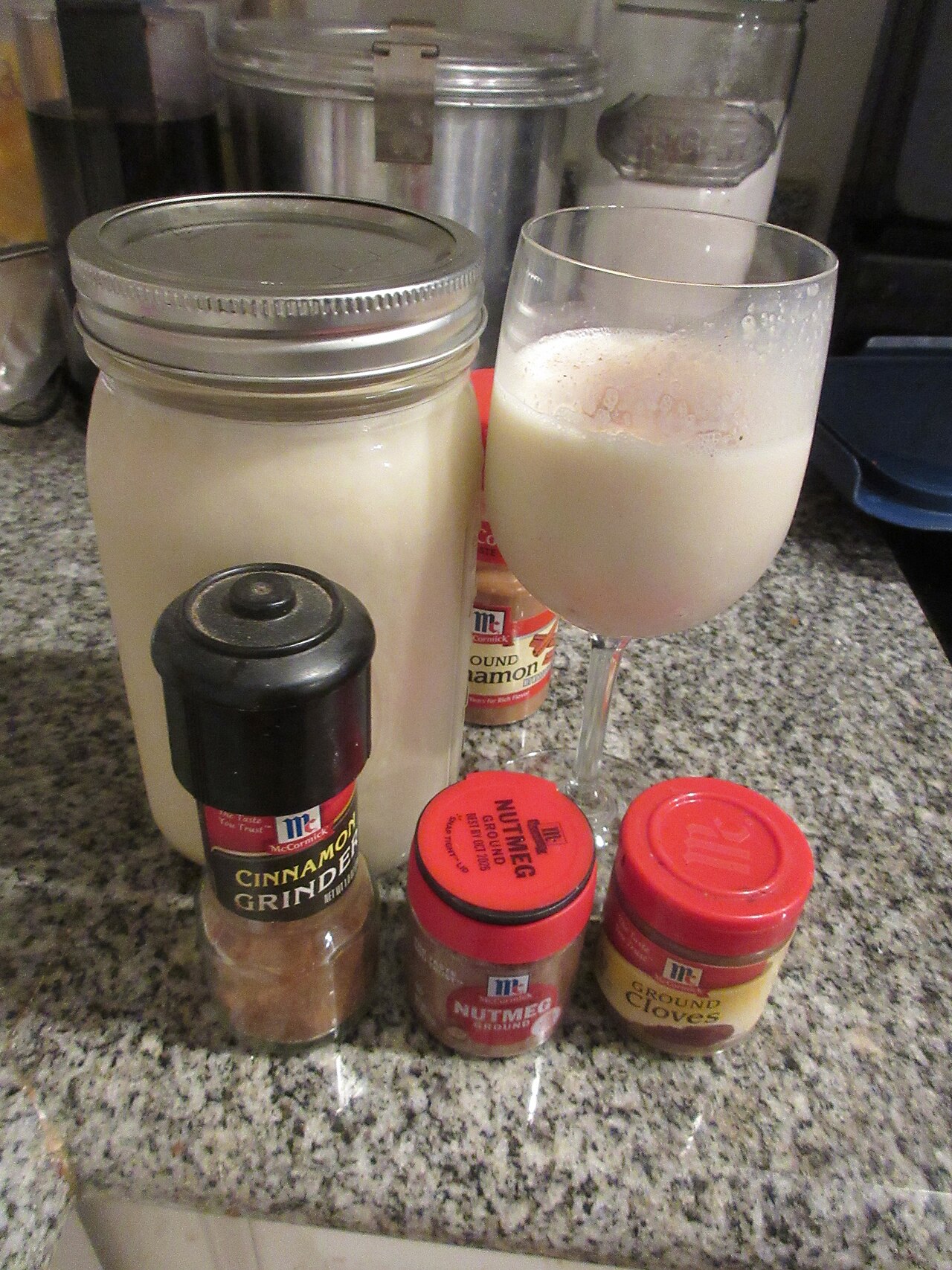
Coquito (meaning "little coconut") is a coconut-based alcoholic drink from Puerto Rico, traditionally served during the Christmas season. Often compared to eggnog, it is sometimes called Puerto Rican eggnog. The beverage typically includes Puerto Rican rum, coconut milk, cream of coconut, sweetened condensed milk, vanilla, nutmeg, clove, and cinnamon.
The drink originated in Puerto Rico, with similar versions found across the Caribbean. It was inspired by British and American eggnogs, but Spanish settlers created their own variation by adding coconut milk and local rum to the eggnog base. While early recipes used milk and sugar, Puerto Ricans made coconut a defining ingredient. The basic recipe includes evaporated milk, coconut milk, coconut cream, Puerto Rican rum, and sweetened condensed milk, though it is not limited to these. Some versions include eggs. The drink is known for being sweet and strong, often with a generous amount of rum, and is usually served in a shot glass after dinner.
Recipes vary widely by family and are passed down through generations. Coquito can be made as early as Thanksgiving and enjoyed through Día de los Reyes, but it is most prominent during the Christmas season. In recent years, it has grown in popularity, with some supermarkets selling pre-made bottles. Events like Coquito Masters, an annual tasting contest held at El Museo del Barrio in New York City on Three Kings Day, celebrate the drink. American TV personalities have also helped spread its fame: Jimmy Fallon has mentioned it on *The Tonight Show*, and David Begnaud brought bottles of coquito to the *CBS This Morning* New Year’s Eve broadcast in 2021.
Many variations exist, often tied to location or family tradition. While rum is a common ingredient, some use other alcohols like Spanish liqueur 43 or add bitters. Coquito has become a staple for Puerto Ricans and other Caribbean and Latin communities. Additions can include pistachio or other nut milks, Nutella, coffee, masala chai, fresh fruits, prunes, citrus, or cream cheese with guava. Pitorro rum, which is 80 to 100 proof, is also used; coquito made with pitorro is served in shot glasses sprinkled with cinnamon and nutmeg. Though strongly linked to Christmas, coquito also appears at Thanksgiving, with flavors like sweet potato, pumpkin, pecan, and cranberry sometimes incorporated.
Quick Facts
- Ingredients
- Coconut milk / Coconut cream / Puerto Rican Rum / Condensed milk / Evaporated milk / Egg yolk / Vanilla and Cinnamon, for taste
- Served
- Strained and chilled
- Garnish
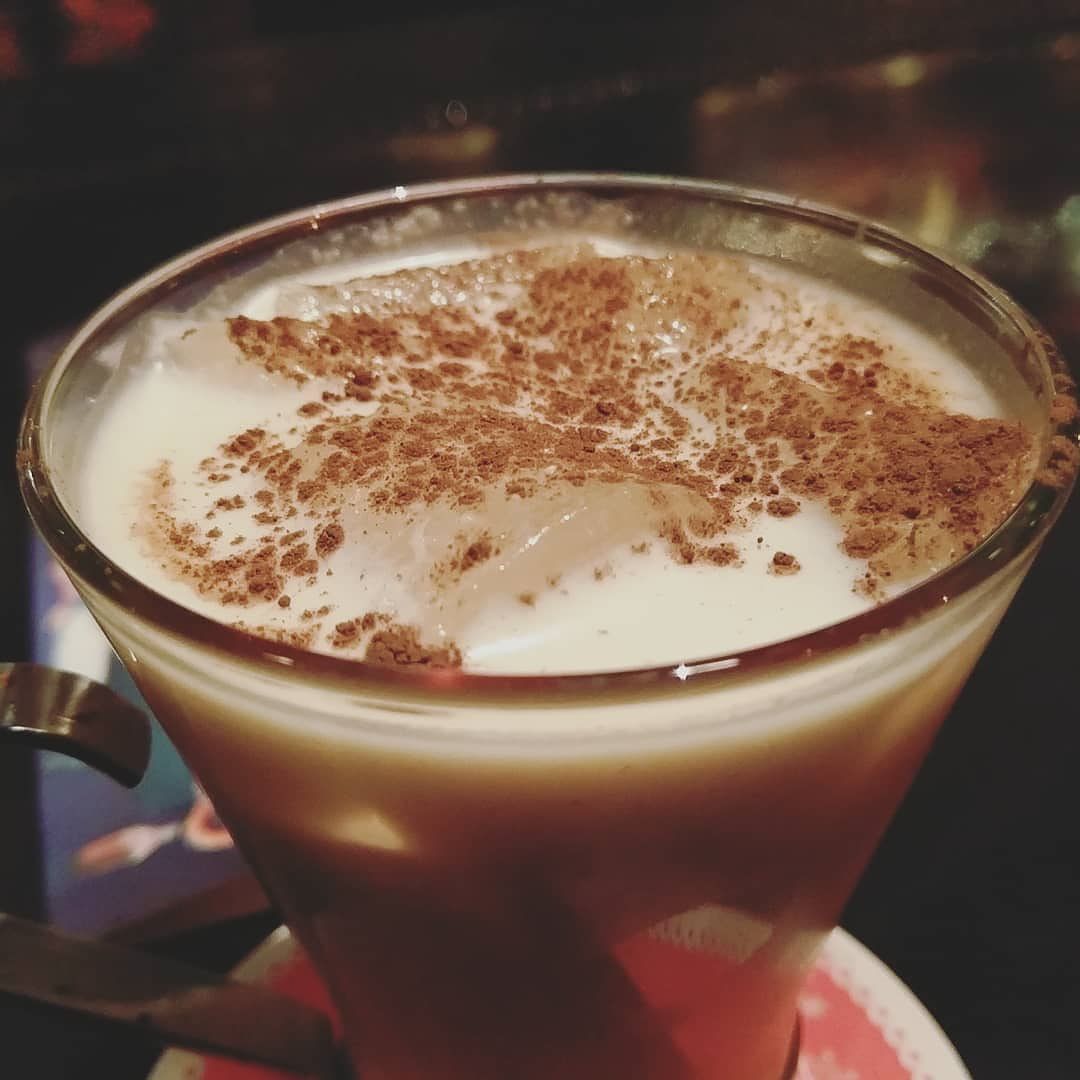
- Cinnamon, nutmeg
- Prep
- Place ingredients into blender and blend until fully mixed. Chill blended drink until cold and serve in shot glasses. Garnish with lightly sprinkled cinnamon or nutmeg.
- Drinkware
- Shot glass
Facts from the source article.
Lore & Background
Coquito was originally made in Puerto Rico, inspired by British and American eggnogs. The Spanish made their own version of eggnog and combined it with coconut milk and local rum, creating coquito. Although milk and sugar were its basic ingredients, Puerto Ricans altered it by adding coconut. The drink has five main ingredients but is not limited to these: evaporated milk, coconut milk, coconut cream, Puerto Rican rum, and sweetened condensed milk. Many families have their own variations passed down through generations.
Reader's Guide
Coquito is a traditional Puerto Rican Christmas drink that has become much more popular recently. Some supermarkets and grocery stores sell pre-made bottles. Competitions like Coquito Masters, an annual event held at the Museo del Barrio in New York City, celebrate the drink. American TV hosts and journalists have helped publicize it; talk show host Jimmy Fallon has mentioned it occasionally on The Tonight Show, and David Begnaud served bottles of coquito on CBS This Morning's 2021 New Year's Eve broadcast. Variations include using Spanish liqueur 43, bitters, seed and nut milk (pistachio being most popular), Nutella, coffee, masala chai, fresh fruits, prunes, citrus, cream cheese with guava, or pitorro rum. The drink can be prepared over the stovetop or in a blender, and is best made two weeks or more in advance for fullest flavor.
Did You Know?
- Coquito is sometimes referred to as Puerto Rican eggnog.
- The drink can be made as early as Thanksgiving and as late as Día de los Reyes.
- Some people make coquito with pitorro rum, which ranges from 80 to 100 proof.
Origins & Cultural Roots
Coquito, whose name translates simply to "little coconut," is a festive alcoholic beverage born in Puerto Rico. While similar coconut-and-rum drinks appear across the broader Caribbean, the Puerto Rican version traces its lineage to a specific cultural collision. British and American eggnogs—traditionally built on milk, sugar, and eggs—served as the conceptual starting point. Spanish settlers adapted the idea, swapping in local rum and coconut milk to create something distinctly their own. Where the original eggnog relied on dairy and sweetness, Puerto Ricans layered in the tropical character of coconut, transforming a European winter drink into a Caribbean holiday staple. The result is a sweet, potent mixed drink that many simply call "Puerto Rican eggnog." Its identity is inseparable from the island's history of blending Old World traditions with local ingredients, producing a beverage that feels both familiar and uniquely Puerto Rican.
Recipe & Preparation
The classic coquito recipe rests on five core ingredients: evaporated milk, coconut milk, coconut cream, Puerto Rican rum, and sweetened condensed milk. Spices like vanilla, nutmeg, clove, and cinnamon round out the flavor profile. Preparation splits into two main approaches. The stovetop method involves gently heating the liquid ingredients, which thickens the mixture, prevents it from separating, and extends shelf life; this version typically includes eggs, with rum and extracts stirred in only after the base has cooled. The blender method is faster—everything, including ground spices, is combined at once without eggs—but the coconut fat can solidify within minutes, leaving a lumpy, separated drink. Once prepared, coquito is poured into glass bottles, often with a cinnamon stick or two tucked inside. It can be served after a few hours of chilling, though the fullest flavor develops when the drink is made two weeks or more ahead of the holiday table.
Seasonal Traditions & Family Customs
Coquito is most closely tied to the Christmas season, though its window stretches from as early as Thanksgiving through Día de los Reyes in early January. It is traditionally served after dinner, poured into a shot glass, and is known for being both sweet and strong, with a generous measure of rum. What makes the drink deeply personal is the family variation: recipes are passed down through generations, each household adding its own twist. Beyond the standard Christmas version, Puerto Ricans have embraced a Thanksgiving iteration that incorporates sweet potato, pumpkin, pecan, and cranberry flavors. Some families prepare the drink with eggs, while others reach for Spanish liqueur 43 or add bitters for extra depth. The beverage has also become a staple across other Caribbean and Latin communities, each group layering in their own cultural touch—pistachio, Nutella, coffee, masala chai, fresh fruit, prunes, citrus, or even cream cheese with guava. The constant thread binding every variation is rum.
Modern Popularity & Public Recognition
In recent years, coquito has surged well beyond the kitchens of Puerto Rican families. Supermarkets and grocery stores now stock pre-made bottled versions, making the drink accessible to a much wider audience. A particularly visible milestone is Coquito Masters, an annual tasting competition held at El Museo del Barrio in New York City on Three Kings Day in January. The contest was first established in 2002 and has continued every year since, turning a home recipe into a public spectacle. Mainstream media has also played a role in spreading the drink's name. Talk show host Jimmy Fallon has mentioned coquito on episodes of The Tonight Show, and journalist David Begnaud—who became widely associated with Puerto Rico through his Hurricane Maria coverage—famously served several bottles of the drink to the hosts and staff of CBS This Morning during their 2021 New Year's Eve broadcast. These moments have helped cement coquito as a recognized cultural export of Puerto Rico.
Gallery

Frequently Asked Questions
What is Coquito?
Coquito is a coconut-flavored alcoholic beverage that hails from Puerto Rico and is most closely tied to the Christmas season. It is frequently described as the island's own take on eggnog, blending tropical ingredients with a spiced, creamy profile.
What are the main ingredients in Coquito?
A classic recipe calls for Puerto Rican rum, coconut milk, cream of coconut, sweetened condensed milk, evaporated milk, vanilla, and a warm spice blend of nutmeg, clove, and cinnamon. The rum provides the alcoholic backbone while the coconut and dairy components create the rich, eggnog-like body.
When do people traditionally drink Coquito?
It is a staple of the Puerto Rican Christmas season, though many families also enjoy it around Thanksgiving and Día de los Reyes. The drink functions as a seasonal ritual much like eggnog marks winter holidays in the United States.
How did Coquito originate?
Spanish settlers in Puerto Rico adapted the British and American eggnog tradition by swapping in local rum and coconut milk, producing a distinctly Caribbean variation. Similar coconut-based drinks exist throughout the wider Caribbean, but the Puerto Rican version is the most widely recognized.
Is there a famous Coquito competition?
Yes—the Coquito Masters, held at El Museo del Barrio in New York City, brings together creators to compete with their own recipes. It has become a notable annual event celebrating Puerto Rican drink-making culture within the diaspora.
More in Cocktails with rum 1-24
Spotted an error? Know more?
Reader corrections go straight into our review queue. Suggest an edit · How this site is sourced