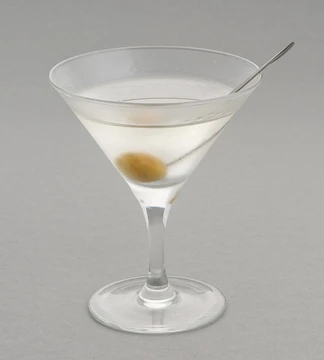
Brass Monkey (cocktail)
Premixed cocktail named after a Macao club.

Gnangcomapp · CC BY-SA 4.0
Brass Monkey is a brand of premixed cocktails produced by the Heublein Company, later revived as The Club Brass Monkey by The Club Distilling Company. It gained cultural prominence in the 1980s after being referenced in a Beastie Boys song, though the drink's recipe varies and is not officially classified by the International Bartenders Association.
Quick Facts
- Ingredients
- 1 part Dark rum / 1 part Vodka / 2 parts Orange juice
- Served
- on the rocks
- Garnish
- Orange slice
- Prep
- Shake all ingredients with ice, garnish with an orange slice and serve.
- Drinkware
- Highball glass
Facts from the source article.
Lore & Background
The Brass Monkey premixed cocktail was produced by the Heublein Company in the 1970s, 1980s, and 1990s. Heublein, based in Stamford, Connecticut, with production facilities near Hartford, sold the drink in bottles ranging from half-pint to 750 ml. At the time, liquor stores stocked mainly beer, wine, and spirits, with few premixed alternatives available. The brand was named by advertising executive Steve Doniger after The Brass Monkey, a club in Macao that served a signature drink of the same name. According to company marketing, the club was frequented during World War II by allied spies who obtained the name of their contact, H. E. Rasske, using letters extracted from 'The Brass Monkey'. Allan Kaufman created stories about Rasske and devised an advertising campaign using an old photograph of his father as Rasske’s image.
Reader's Guide
The Brass Monkey cocktail holds significance as a premixed drink that predated the modern ready-to-drink market, offering a portable alternative to mixed drinks. Its sales surged in the 1980s after the Beastie Boys released a song of the same name, though many incorrectly believed the song referred to a different drink made from malt liquor and orange juice. Mike D confirmed the Heublein premixed cocktail was their inspiration. The drink is not classified by the International Bartenders Association, and its recipe varies widely; a common version calls for dark rum, vodka, and orange juice. After several years off the market, it reappeared in the late 2000s as The Club Brass Monkey, part of the Club Cocktails line produced by The Club Distilling Company (then owned by Diageo), but has since been discontinued. Its legacy lies in its cultural crossover and its role as an early mass-market premixed cocktail.
Did You Know?
- The Heublein Company was acquired by R. J. Reynolds Tobacco Company in 1982 for $1.4 billion.
- The premixed cocktail was sold in bottles ranging from half-pint to 750 ml.
Origins & The Spy Legend
The Brass Monkey brand traces its naming to a Macao club of the same name, as explained by advertising executive Steve Doniger. The company's marketing wove a colorful narrative around this origin: during World War II, allied spies allegedly frequented the club and used letters extracted from "The Brass Monkey" to identify their contact, H. E. Rasske. Allan Kaufman, who crafted stories about Rasske, built an entire advertising campaign around an old photograph of his own father, presenting him as the face of this fictional spy. This blend of real geography, wartime intrigue, and personal family history gave the premixed cocktail a storytelling depth that set it apart from other bottled drinks of the era. The name stuck, and the brand became a recognizable fixture in American liquor stores throughout the 1970s, 1980s, and 1990s, produced by the Heublein Company out of Stamford, Connecticut.
Corporate Odyssey & Market Life
Heublein produced Brass Monkey from its Stamford, Connecticut headquarters, with manufacturing in the Hartford area, bottling the cocktail in sizes from half-pint up to 750 ml. At the time, American liquor stores carried primarily beer, wine, and straight spirits, so a ready-to-drink premixed option like Brass Monkey filled a relatively empty niche. The brand's corporate ownership shifted dramatically over the decades: in 1982, R. J. Reynolds Tobacco Company purchased Heublein for $1.4 billion. By 1987, RJR Nabisco had sold the division to Grand Metropolitan, which in 1997 merged with Guinness to create Diageo. After years absent from shelves, the name resurfaced in the late 2000s as The Club Brass Monkey, part of The Club Cocktails line under The Club Distilling Company, then a Diageo subsidiary. That iteration, however, has since been discontinued, leaving the original Heublein era as the drink's definitive chapter.
The Beastie Boys Effect
In the 1980s, Brass Monkey experienced a notable sales boost following the release of a Beastie Boys track bearing the same name. For years, a widespread misconception held that the hip-hop group was referencing an entirely different concoction—a mix of a 40-ounce bottle of malt liquor and orange juice, a reference that seemed to align with the word "forty" appearing in the song's lyrics. This misattribution persisted in popular understanding of the drink. However, Mike D of the Beastie Boys publicly clarified that the Heublein premixed cocktail was, in fact, the inspiration behind their song. This confirmation not only corrected the cultural record but also cemented Brass Monkey's place in 1980s pop culture, linking a mass-market bottled drink to one of the era's most influential hip-hop acts and giving the brand a recognition that extended well beyond the liquor aisle.
A Free-Form Drink Without Official Standing
Unlike many classic cocktails with fixed specifications, Brass Monkey exists as a free-form recipe with no single authoritative formulation. The International Bartenders Association does not classify it, and no official ratio is universally agreed upon. That said, most versions converge on a similar framework: roughly 30 ml of dark rum, 30 ml of vodka, and 60 ml of orange juice, served over ice with an orange wedge as garnish. The drink's loose identity is compounded by the fact that, as with many cocktails named after colloquial expressions, a variety of unrelated recipes have historically carried the same name. This lack of a single canonical recipe means that Brass Monkey occupies a somewhat fluid space in mixology—recognizable by its name and its rum-vodka-orange juice core, yet never quite pinned down by bartenders' associations or standardized drink lists.
Gallery
Frequently Asked Questions
What is Brass Monkey (cocktail)?
Brass Monkey is a premixed cocktail originally produced by the Heublein Company from the 1970s through the 1990s, with its name reportedly inspired by a club in Macao. It was later revived as 'The Club Brass Monkey' by The Club Distilling Company (a Diageo subsidiary) in the late 2000s before being discontinued once more.
What are the ingredients in a Brass Monkey?
The drink is a free-form blend typically containing dark rum, vodka, and orange juice. Because it was never standardized by the International Bartenders Association, the exact proportions and recipe can shift between producers and eras.
Who produced the Brass Monkey brand?
The original line was made by the Heublein Company starting in the 1970s. In the late 2000s, Diageo's The Club Distilling Company brought the name back as 'The Club Brass Monkey,' though that revival was eventually phased out as well.
Why did Brass Monkey become culturally famous?
The cocktail jumped into mainstream awareness in the 1980s when the Beastie Boys referenced it in a song of the same name. That pop-culture moment turned a niche premixed drink into a widely recognized cultural touchstone.
Is Brass Monkey an official IBA cocktail?
No, the International Bartenders Association does not list Brass Monkey as an official recipe. It remains a brand-driven, free-form premixed cocktail rather than a standardized bar classic.
More in Cocktails with rum 1-24
Spotted an error? Know more?
Reader corrections go straight into our review queue. Suggest an edit · How this site is sourced