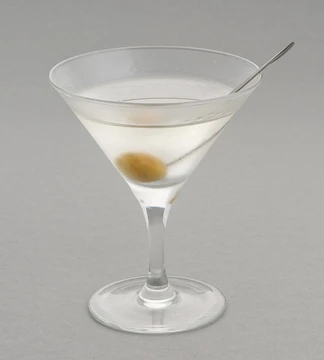
Airmail (cocktail)
A Prohibition-era rum sour topped with sparkling wine.

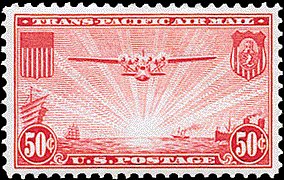
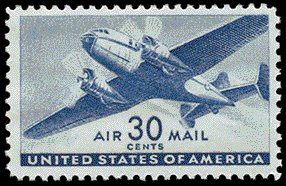
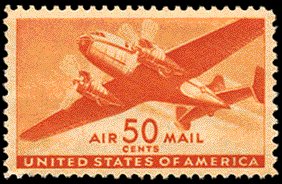
The Airmail (or Air Mail) cocktail blends rum, lime or lemon juice, honey, and sparkling wine. It likely originated in the 1920s or 1930s, either during or just after Prohibition in the United States, or in Cuba. Its name nods to the era’s rapid growth in aviation, when airmail was the swiftest way to communicate across borders.
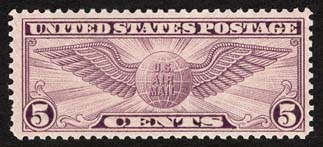
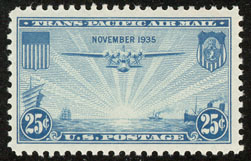
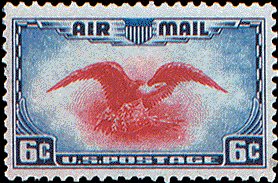
During Prohibition, Americans could only drink legally outside the U.S. until 1933. Cuba, which developed a vibrant bar scene in the 1920s, was a key destination. Flights from Key West to Havana began in 1925, and regular airmail service to and from the island started in 1930. The recipe was published in a 1941 mixology book, though its exact origins remain unclear. The drink gained notice when *Esquire* magazine’s *Handbook for Hosts* mentioned it in 1949. It then faded from popularity for decades, rarely appearing in print, until a revival in the 2010s, spurred by the *PDT Cocktail Book* (2011) and Bacardí’s promotional efforts.
The cocktail is a sour: rum, lime juice, and honey (or honey syrup) are shaken with ice, strained into a chilled cocktail glass, and topped with sparkling wine. Unlike the Canchánchara—a traditional Cuban mix of aguardiente (or rum), lime, honey, and water—the Airmail adds sparkling wine and typically uses lime or lemon juice. *Esquire* called it a cross between a French 75 (gin, lemon, sugar, Champagne) and a Honey Bee (white rum, honey, lemon). The Old Cuban, created in 2001, also shares rum, lime, and Champagne. A typical recipe uses 3 cl rum, 1.5 cl lime juice, and 1.5 cl honey syrup, topped with 3 cl Champagne, often garnished with a lime slice or left plain. *Imbibe* suggests a dash of Angostura bitters and a mint leaf; Bacardí recommends a postage stamp. Dark rum pairs well with aromatic honey; white rum suits mild honey like acacia. Cuban rum is often preferred. Lemon can replace lime. Honey syrup—two parts honey to one part water—mixes more easily than pure honey. Dry Champagne, Crémant, or sparkling wine is standard (Prosecco less so). The drink is served straight up in a chilled flute or coupe. Some recipes use larger quantities and more sparkling wine, calling for a Collins glass.
- Type
- Cocktail
- Main ingredients
- Rum, lime or lemon juice, honey, sparkling wine
- Era of creation
- 1920s or 1930s (Prohibition era)
- Place of origin
- United States or Cuba
- First known publication
- 1941 mixology book
- Known for
- Classic rum-based sour topped with sparkling wine
Lore & Background
The Airmail Cocktail first appeared in print in a 1941 mixology book, though its earlier origins remain undocumented in established cocktail history sources. No reliable evidence supports its debut in a Bacardí advertising brochure. The drink gained further popularity when the recipe was mentioned in the 'Handbook for Hosts' in Esquire magazine in 1949.
Reader's Guide
The Airmail Cocktail is a classic sour mixture of rum, lime juice, and honey (or honey syrup), shaken on ice and strained into a pre-cooled cocktail glass, then topped with sparkling wine. Most recipes feature a ratio of 3 cl rum, 1.5 cl lime juice, and 1.5 cl honey syrup, topped with 3 cl champagne. It can be prepared with dark or white rum; dark rum pairs well with aromatic honey, while white rum suits mild honey like acacia blossom. Cuban rum is often recommended. The cocktail is similar to the Canchánchara (same ingredients without sparkling wine) and is described by Esquire as a combination of the French 75 and Honey Bee. After decades of low popularity, the cocktail experienced a revival in the 2010s, being mentioned in the 'PDT Cocktail Book' (2011) and promoted by Bacardí. It is usually served straight up in a pre-cooled champagne flute or coupe, sometimes garnished with a lime slice, a mint leaf, or even a postage stamp as recommended by Bacardí.
Origins in the Age of Prohibition and Airmail
The Airmail cocktail emerged during the turbulent years of American prohibition or in its immediate aftermath, placing its birth in the 1920s or 1930s. The name is a nod to the aviation industry, which was expanding at a remarkable pace during that era. At a time when international telephone links were still uncommon, airmail represented the swiftest way to send messages across borders, making the concept both timely and evocative. The drink's geographic roots point strongly toward Cuba, where a vibrant bar and cocktail culture took shape in the 1920s as Americans, barred from drinking at home, flocked abroad to enjoy alcohol legally until repeal in 1933. Regular airmail routes to and from the island were established around 1930, and flights linking Key West to Havana had been operating since 1925. The cocktail's earliest known appearance was in an advertising brochure produced by Bacardí, the rum company that was still based on the island at the time.
Building the Drink: Ingredients and Technique
At its core, the Airmail is a sour-style cocktail built on rum, lime juice, and honey or honey syrup. The base is shaken with ice in a cocktail shaker, then strained into a pre-chilled glass before being topped with sparkling wine. A commonly cited proportion calls for three centilitres of rum, one and a half of lime juice, and one and a half of honey syrup, finished with three centilitres of champagne. The honey syrup itself is a simple two-to-one blend of honey and water, chosen because it dissolves more readily into the mix than raw honey. Bartenders may reach for either dark or white rum; dark varieties pair well with more aromatic honeys, while white rum suits milder options such as Acacia blossom honey, and Cuban rum is frequently suggested. Lemon juice can stand in for lime. For the sparkling top, dry champagne or Crémant is preferred over Prosecco. Garnish is minimal—a lime slice on the rim or nothing at all, in keeping with sparkling-wine cocktails. The magazine Imbibe suggests a dash of Angostura bitters and a mint leaf, while Bacardí playfully recommends a postage stamp. The drink is typically served straight up in a pre-cooled champagne flute or coupe, though some versions call for larger volumes and a Collins glass.
Place in the Cocktail Family
The Airmail sits at an interesting crossroads in cocktail history. Esquire magazine once described it as a blend of the French 75 and the Honey Bee, and that comparison captures its character well. The French 75 is a champagne-based classic built on gin, lemon juice, and sugar syrup, while the Honey Bee is essentially a rum-and-honey sour akin to a Daiquiri. The Airmail marries the sparkling-wine finish of the former with the rum-honey-lime backbone of the latter. It also bears a close resemblance to the Cuban Canchánchara, which uses the same rum, lime, and honey base but omits the sparkling wine entirely. A more modern cousin, the Old Cuban created in 2001, shares the rum, lime, and champagne combination. Despite its name echoing the slightly older Aviation cocktail, the two drinks have no recipe overlap whatsoever; the connection is purely thematic, both drawing on the excitement of early aviation.
From Obscurity to a New Generation
After its early appearances, the Airmail cocktail faded from the spotlight for decades. W.C. Whitfield included the recipe in his prohibition-era collections Just Cocktails (1939) and Here's How (1941), adding the wry note that it ought to make you fly high. The drink received another mention in the Handbook for Hosts published in Esquire magazine in 1949, but beyond that it was published only sporadically through the following decades and never achieved widespread bar presence. A genuine revival arrived in the 2010s, propelled by its inclusion in the PDT Cocktail Book of 2011 and by marketing efforts from Bacardí to promote its rum through classic recipes. The cocktail's profile also found a commercial outlet in 2020, when a ready-to-drink brand called Airmail Cocktail began production in Cognac, France, bringing the drink to a broader audience in a pre-mixed format. This modern iteration ensures the recipe continues to reach new drinkers well beyond the craft-bar circuit where it had been quietly rediscovered.
Gallery
Frequently Asked Questions
What is the Airmail cocktail?
The Airmail is a classic rum-based sour finished with a pour of sparkling wine. It blends rum, citrus juice, honey, and bubbles into a bright, effervescent drink that sits at the crossroads of a traditional sour and a champagne-style cocktail.
What are the ingredients in an Airmail cocktail?
The core recipe calls for rum, either lime or lemon juice, honey, and sparkling wine. The honey rounds out the citrus acidity, while the bubbly top gives the drink its light, celebratory finish.
Where and when did the Airmail cocktail originate?
It most likely emerged in the 1920s or 1930s, either in the United States during Prohibition or in Cuba's vibrant bar scene of that era. The first known printed recipe appeared in a 1941 mixology book.
Why is the cocktail called "Airmail"?
The name references the rapid growth of aviation in the 1920s and 1930s, when airmail flights were the swiftest way to send messages across borders. It evokes that era of speed, long-distance connection, and new-world excitement.
What makes the Airmail stand out among other rum cocktails?
It pairs the tart, honeyed structure of a classic sour with a sparkling wine cap, giving it a lighter, more festive character than a straight rum sour. That effervescent top is the key detail that separates it from other citrus-rum combinations of the Prohibition era.
More in Cocktails with rum 1-24
Spotted an error? Know more?
Reader corrections go straight into our review queue. Suggest an edit · How this site is sourced