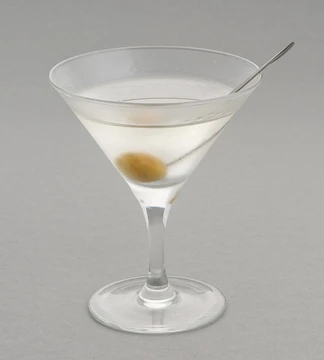
Flip (cocktail)
A heated mixed drink that evolved from beer, rum, and sugar.

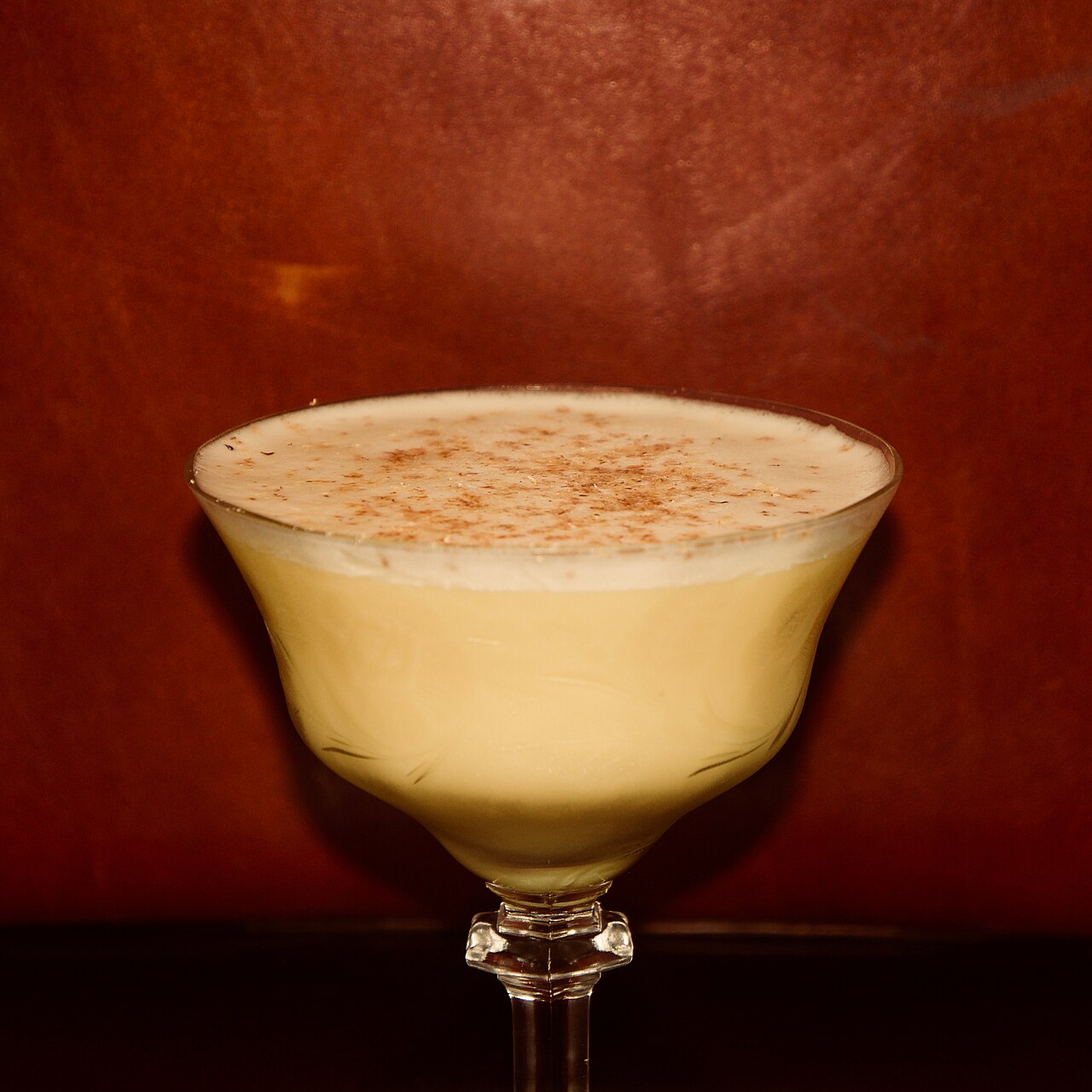
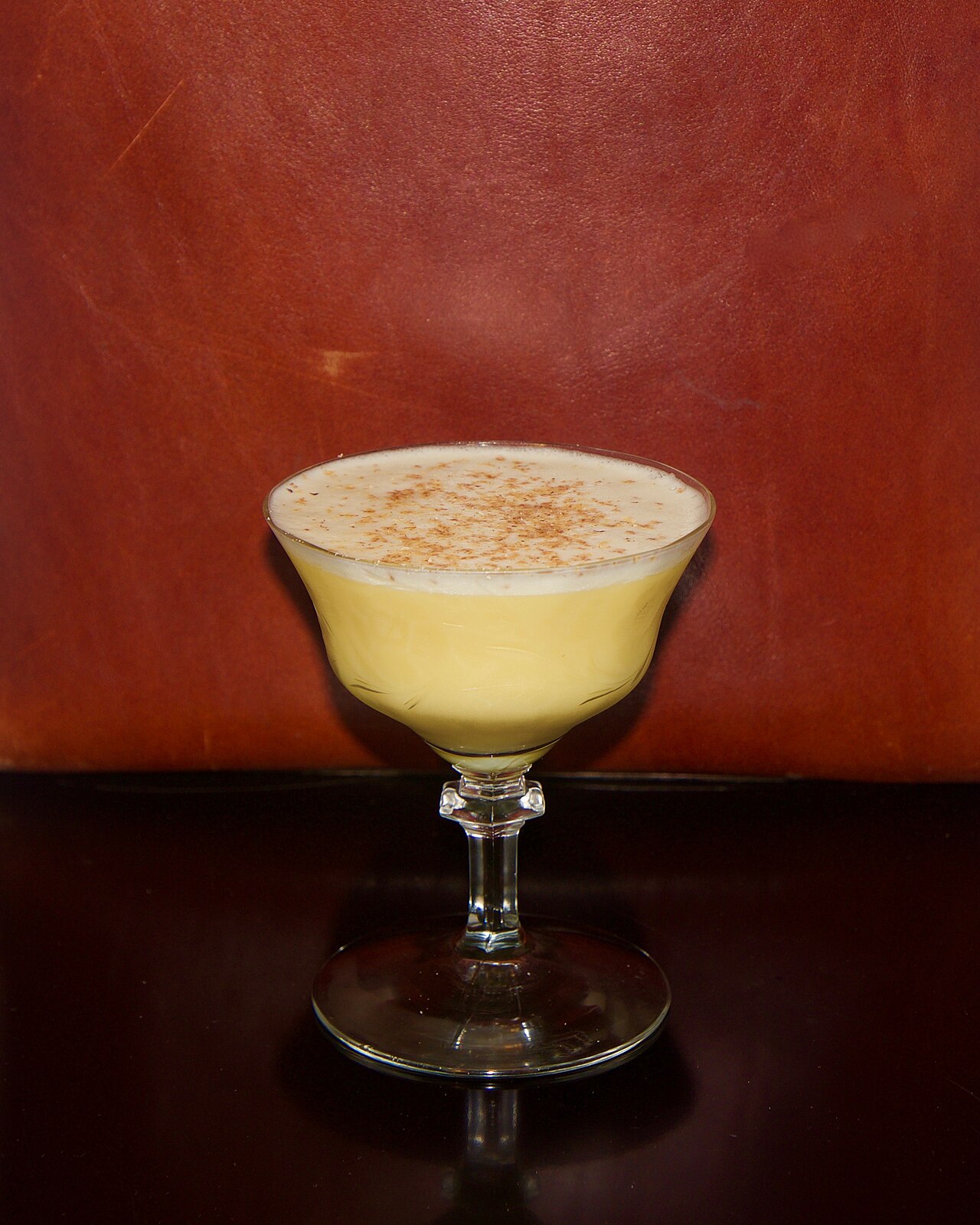
Ilikefood · CC BY-SA 4.0
The flip is a class of mixed drink that first appeared in 1695, described as a mixture of beer, rum, and sugar heated with a red-hot iron. It evolved over time, with egg added, sugar increased, beer removed, and it ceased to be served hot. The first bar guide to feature a flip was Jerry Thomas' 1862 How to Mix Drinks; or, The Bon-Vivant's Companion — though earlier cookbooks like *The Cook's Oracle* (1822) included flip recipes.
Quick Facts
- Base
- Whiskey, Brandy, Rum
- Ingredients
- Whole, raw egg
Facts from the source article.
Lore & Background
The flip originated in colonial America and was described as 'a sort of Sailor's Drink.' It was popular in English and American taverns until the 19th century, with each tavern having its own recipe. The drink was principally a mulled ale with rum or brandy, sugar, spices (almost always grated nutmeg), and fresh eggs. Notable variations included the Sailor's Flip (no ale) and the Egg-Hot (no spirits).
The drink was warmed by placing beer in a vessel near a fire. Once near boiling, the hot ale was transferred to a jug and combined with eggs and other ingredients. Another jug was used to pour the liquid back and forth until smooth and creamy. It was served in a cup or tankard and finished using a dedicated iron fireplace poker called a flipdog, hottle, or toddy rod, heated red-hot and plunged into the cup, imparting a slightly bitter, burned taste. A loggerhead was originally used before the purpose-built flipdog or toddy rod evolved.
Flip is mentioned in Charles Dickens's 1864 book Our Mutual Friend and is central to an annual winter woodchopping event in Harriet Beecher-Stowe's 1869 novel Oldtown Folks. The first cold flip recipe appears in Harry Johnson's 1882 Bartenders' Manual — not in E.A. Simmons's 1874 book.
Reader's Guide
The flip represents a significant chapter in the history of mixed drinks, evolving from a warm, mulled ale-based tavern staple into a cold, creamless relative of eggnog. Its earliest recorded use in 1695 shows a drink of beer, rum, and sugar heated with a red-hot iron, a method that gave it a distinctive burned flavor. Over time, the recipe changed: egg was added, sugar increased, beer removed, and it ceased to be served hot. Jerry Thomas's 1862 How to Mix Drinks was the first bar guide to feature the flip, and his 1887 edition included numerous recipes for both hot and cold flips using brandy, rum, gin, whiskey, port, and sherry. The flip's legacy lies in its role as a precursor to the modern cocktail and in the ritual of 'flipping' the drink between vessels to achieve smoothness. The distinction between flip and eggnog—flip lacks cream—was clarified in later U.S. bar guides. The drink's association with colonial taverns and its mention in 19th-century literature underscore its cultural resonance.
Did You Know?
- The term 'flip' was first used in 1695 to describe a mixture of beer, rum, and sugar heated with a red-hot iron.
- The drink was originally mulled using a red-hot iron poker called a flipdog, hottle, or toddy rod.
- A loggerhead, originally used for heating tar, was the precursor to the purpose-built flipdog.
Origins & Centuries of Evolution
The flip traces its roots to 17th-century colonial America, where it was characterized as a sailor's drink and became a staple of English and American taverns well into the 19th century. The Oxford English Dictionary records the term's first use in 1695, describing a heated mixture of beer, rum, and sugar. Over the following centuries the recipe underwent a remarkable transformation: beer was eventually dropped entirely, egg was introduced as a core ingredient, the sugar content was raised, and the drink shed its hot preparation in favor of a chilled format. What began as a mulled ale spiked with rum or brandy, sweetened, spiced with grated nutmeg, and enriched with fresh eggs gradually became the recognized ancestor of the modern cocktail. Each tavern maintained its own proprietary version, and notable variants such as the Sailor's Flip, which omitted ale, and the Egg-Hot, which contained no spirits at all, illustrate how fluid and locally defined the category remained before any standardization took hold.
The Ritual of Preparation
Preparing a traditional hot flip was a multi-stage ceremony that turned a simple beverage into a theatrical, communal experience. The ale was first set near a fire until it neared boiling, then transferred to a jug where it met the beaten eggs, sugar, rum or brandy, and a teaspoon of grated nutmeg or ginger. The mixture was then poured back and forth between two vessels until it achieved a smooth, creamy texture. The final and most dramatic step involved a dedicated iron rod—called a flipdog, hottle, or toddy rod—heated in the fireplace until glowing red-hot and plunged directly into the finished cup. This searing action further mulled and frothed the drink while imparting a faintly bitter, charred note. Before purpose-built rods existed, a loggerhead, a three-foot iron bar with an onion-sized bulb originally designed for heating tar and pitch, served the same function.
Literary & Cultural Presence
The flip was woven deeply into the literary and social fabric of 19th-century Anglo-American life. Charles Dickens referenced the drink in his 1864 novel Our Mutual Friend, placing it in the Six Jolly Fellowship Porters tavern as a marker of working-class conviviality. Harriet Beecher Stowe gave it a more prominent role in her 1869 novel Oldtown Folks, set in Massachusetts around 1820, where an annual winter woodchopping gathering centers on the serving of flip alongside cake and cheese to the entire town. In that scene, a minor lumberjack named Old Heber Atwood sips from a mug while the Deacon drinks from a tumbler, a small detail that grounds the drink in everyday New England ritual. These appearances confirm that the flip was not merely a tavern curiosity but a recognized element of communal celebration and regional identity well before the cocktail era.
Codification & Recipe Diversity
The flip's passage from tavern tradition to written standard began with Jerry Thomas's 1862 bar guide, How to Mix Drinks, in which he emphasized that the essential technique was repeated pouring between vessels and thorough beating of the eggs, with sweetening and spices adjusted to taste. By 1874, E.A. Simmons's The American Bar-Tender recorded the first known cold flip, a format Thomas himself adopted in his 1887 revised guide. That later work listed an impressive array of variations: cold and hot versions using brandy, rum, gin, whiskey, port, and sherry, each built on the same skeleton of spirit, egg, sugar, and grated nutmeg. U.S. bar guides also drew a clear line between the flip and eggnog, distinguishing the two by the presence or absence of cream. The sheer breadth of these recipes underscores how the flip functioned as a versatile template long before the modern cocktail took shape.
Gallery
Frequently Asked Questions
What is a Flip cocktail?
The Flip is a category of rum-based mixed drink that dates back to 1695, originally prepared by heating beer, rum, and sugar with a red-hot iron. Over the centuries it shifted into a chilled, egg-enriched, sweeter drink that no longer includes beer.
When did the Flip first appear in written records?
The earliest known description comes from 1695, when it was noted as a hot blend of beer, rum, and sugar. By 1822, The Cook's Oracle already listed flip recipes in a cookbook, and Jerry Thomas's 1862 bar guide brought it into the bartending canon.
What was the original 1695 Flip recipe like?
It was a simple hot preparation: beer, rum, and sugar combined and heated using a red-hot iron. No egg, no cream, and no cold service—just a warming, spiced-sweetness drink.
How did the Flip change from its 1695 form to the modern version?
Brewers and bartenders gradually dropped the beer, cranked up the sugar, and folded in egg for richness. The drink also stopped being served hot, becoming the shaken or stirred, chilled cocktail we recognize today.
Which bar guide first published a Flip recipe for bartenders?
Jerry Thomas's 1862 How to Mix Drinks; or, The Bon-Vivant's Companion is credited as the first bar guide to include a flip. That said, home cooks had access to flip recipes earlier, as seen in The Cook's Oracle (1822).
More in Cocktails with rum 1-24
Spotted an error? Know more?
Reader corrections go straight into our review queue. Suggest an edit · How this site is sourced